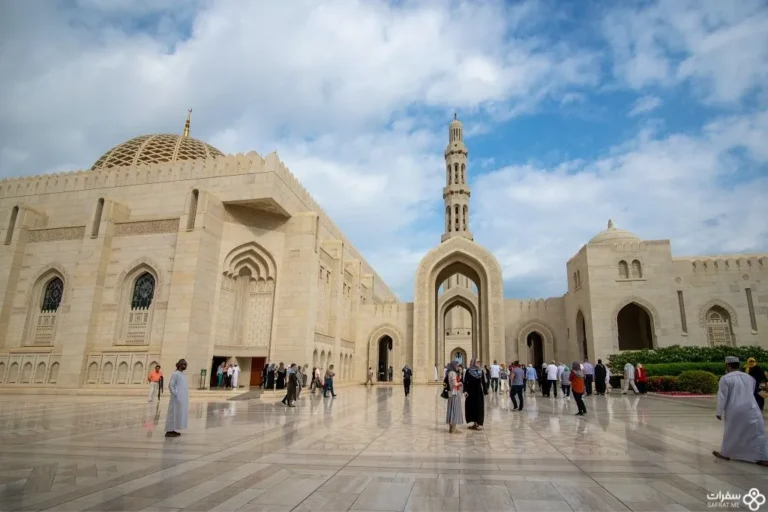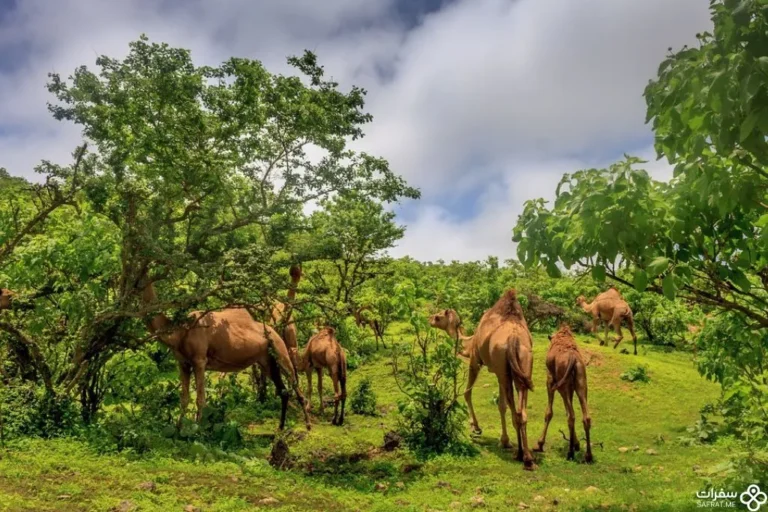
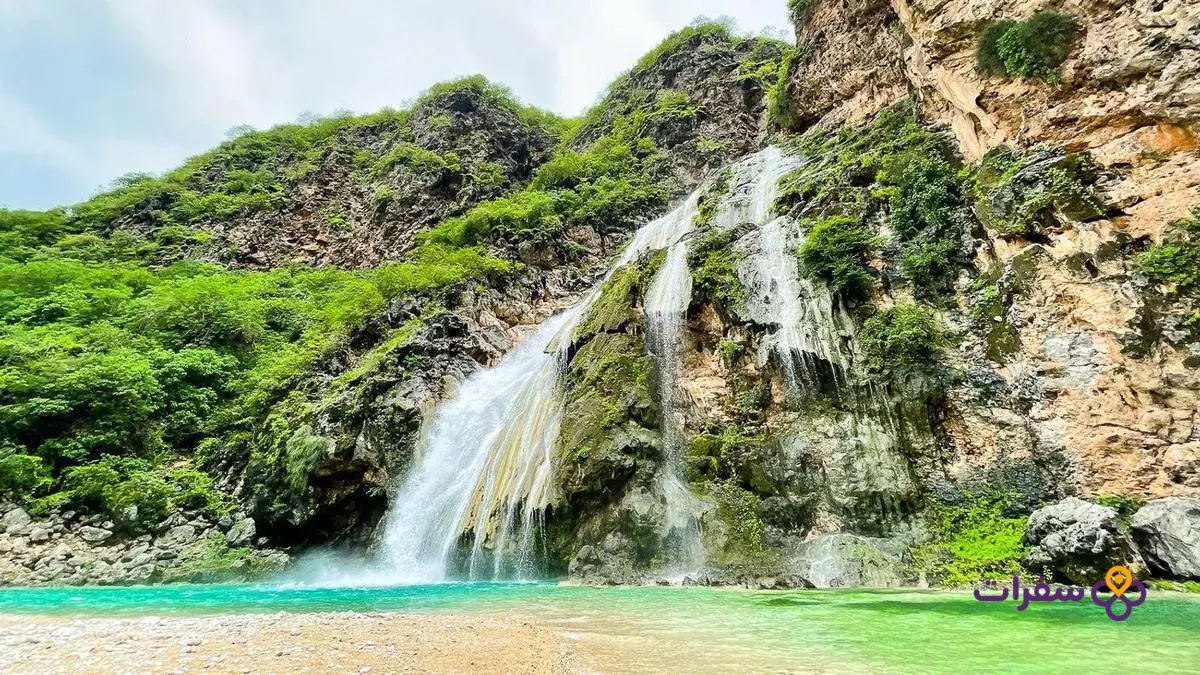
Salalah monsoon season usually runs from late June to around mid-September. Locally called Khareef, it is a summer season of mist, drizzle and greenery in Oman’s Dhofar region. Although the Arabic word literally means autumn, the local season is different from the usual calendar autumn.
To plan a trip to Salalah during monsoon season, first check visa eligibility and requirements based on your nationality and place of residence, then compare flights to Salalah Airport; do not assume there is a direct flight from Iraq or that a particular route will always be available. Next, secure your accommodation early and prepare the application documents specified by the official portal. Keep your itinerary flexible, as the timing of greenery and fog and the condition of roads can change, and check the weather and local closures before heading to natural attractions.
A guide to planning a trip to Salalah during monsoon season

Season timing
Salalah’s monsoon season lasts roughly from late June to around mid-September, but the onset of drizzle and the appearance of vegetation and fog vary from year to year. July and August are generally when the landscape is at its greenest, while foggy conditions may occur in the highlands during the season; the density of greenery or fog cannot be guaranteed on any particular travel date. Check weather updates close to your trip, and do not base your itinerary solely on general seasonal forecasts.
How is an autumn visit different?
For an autumn visit rather than the summer monsoon, the period from roughly mid-September through October offers a different experience: mist usually eases and visibility improves, while some greenery may remain. Weather and waterfalls vary, so do not expect July or August conditions. Compare Dhofar destination information from Experience Oman and the official Oman meteorology explanation of the summer monsoon before choosing your dates.
Visa and preparations
For the passport you will travel with, check current eligibility and requirements based on your nationality and place of residence through the Oman Foreign Ministry entry-visa information before finalizing your travel arrangements. Prepare only the documents requested on the official application page, and make sure their details match what you enter in the application.
- Check the eligibility requirements for your circumstances, and do not rely on outdated information or another traveller’s experience.
- Read all the application requirements, then prepare the required documents in clear formats before starting.
- Allow time to review the information and complete the process, and keep the application details and outcome for reference.
Essential logistics before your trip

Comparing flights
Start by searching for tickets to Salalah International Airport for your dates, then compare the available routes, layover times, and included baggage before paying. Check the flight details for your travel date on the airline’s website, and use the official Oman Airports website to check airport information.
Choosing accommodation
Seasonal demand may be high, so make booking hotels in Salalah a priority and do not wait until the rest of your arrangements are complete. Compare hotels, resorts, and standalone villas based on location, accommodation type, included services, and booking and amendment terms; a villa is an independent accommodation option, not a service offered by Safarat. Safarat offers hotel booking services, and you can book hotels and compare the available options, checking the property’s terms before confirming.
| Option | What to check |
|---|---|
| Hotel | Location, included services, and booking terms. |
| Resort | Available services and how well they suit your itinerary. |
| Standalone villa | Access arrangements, services, and included responsibilities. |
Before departure, check that your device is compatible with eSIM and that your provider has coverage in the areas you plan to visit; continuous coverage is not guaranteed and may vary by location and provider.
Top natural attractions and routes during monsoon season
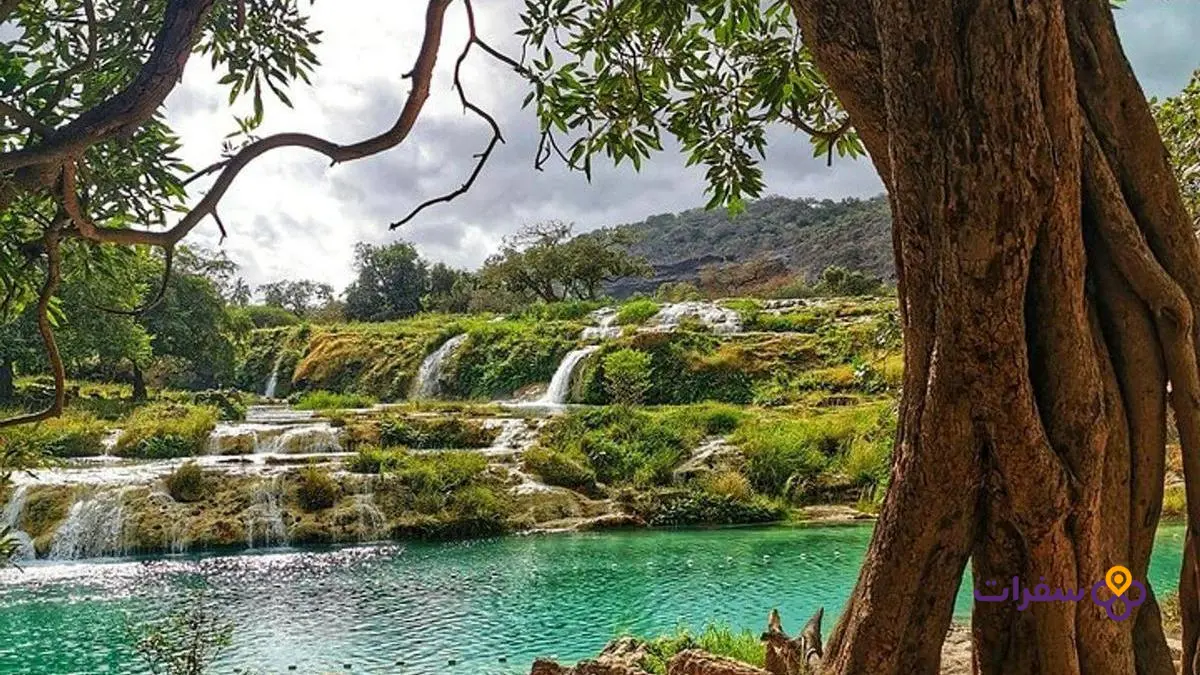
Planning your visits
Start with Wadi Darbat, then set aside a visit to the mountains of Ittin, and make Mughsail Beach a separate stop or the last stop of the day, depending on road and weather conditions. This order is flexible: drizzle, fog, and trail conditions can change, and water flow and waterfall levels are not constant throughout the season. Before setting off, check information about the destinations on the official Discover Oman portal then choose your route for the day based on local signs and closures.
- At Wadi Darbat, check road and pathway conditions on arrival, and do not assume that the waterfalls or seasonal water will be at the same level on every visit.
- In the mountains of Ittin, allow enough time to travel between viewpoints; fog may reduce visibility, changing how suitable the route is throughout the day.
- At Mughsail Beach, follow local signs and guidance, and avoid swimming if the sea is rough or near cliff edges.
Driving and safety
When sightseeing in Salalah, slow down when visibility is low, leave a safe distance from the vehicles ahead, and do not overtake if the road is not clear. Do not let a planned visit to a site be a reason to keep driving in dense fog or after a road closure; rearrange your stops according to actual conditions.
Tips and advice for travellers to avoid common trip-planning mistakes
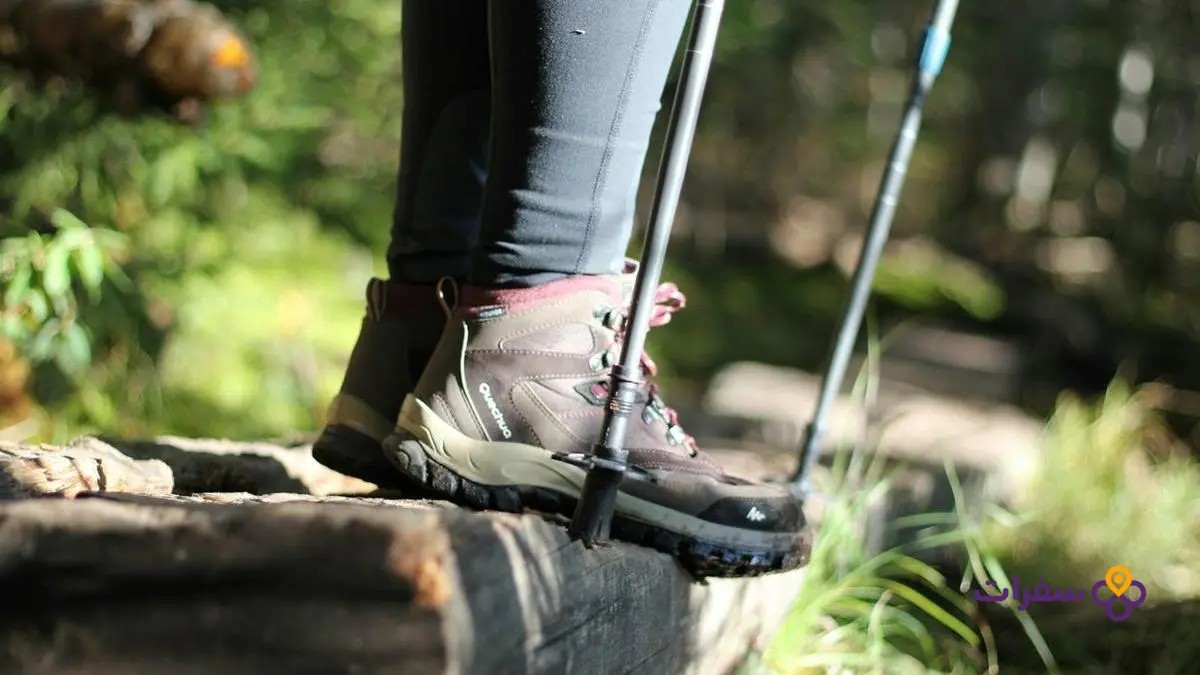
Suitable clothing and footwear
Pack lightweight layers that are easy to put on or take off, along with a drizzle-resistant jacket and extra clothes to change into if your clothes get wet. Choose comfortable shoes with sturdy soles suitable for wet trails, and avoid smooth-soled shoes; the ground may become slippery after rain. Put electronic devices and documents in waterproof bags, and do not assume the weather will stay dry all day.
Getting around Dhofar
Book a vehicle early during the season, and choose its type after reviewing your routes rather than simply assuming you will need a four-wheel drive; the right vehicle depends on the road, weather, and trip plan. If the fog thickens or visibility becomes poor, stop in a safe place and wait for conditions to improve.
Comparing accommodation and budget
Do not compare accommodation options by name alone. Check the location, included services, and booking and amendment terms with the accommodation provider itself, then weigh them against your daily needs and transport and activity expenses. Whether a hotel, resort, or standalone villa is suitable depends on your group size and the facilities you need:
| Option | What to compare |
|---|---|
| Resort | Available facilities and how well they suit your daily itinerary. |
| Standalone villa | The space and facilities your group needs, checking which services are included. |
Frequently asked questions about visiting Salalah during monsoon season
What is the weather like during monsoon season in Salalah?
The weather is mild and humid, with drizzle, green vegetation, and fog that may appear in the highlands. The intensity and timing of these conditions vary from year to year, so check the weather before planning a visit to mountainous areas.
What is the best month to travel to Salalah?
July and August are suitable options for those who want to see green landscapes and seasonal waterfalls, but monsoon season conditions are not guaranteed on any particular day. Late August and early September may suit those who prefer less crowded conditions.
How can you estimate the budget for a week-long trip to Salalah?
Estimate expenses based on when you book flights, the type and location of your accommodation, and your transport and daily activity needs. For trips to Salalah by international travellers, compare the service details and the hotel’s booking and cancellation terms before settling on an accommodation budget.
What are the best tourist attractions in Salalah during monsoon season?
Top options include Wadi Darbat and Ayn Darbat, Jebel Ittin, Mughsail Beach, as well as Ayn Razat and Ayn Jarziz. Keep visits to natural sites flexible, as the scenery may change with the weather, and avoid going near the sea when it is rough or close to cliff edges.