
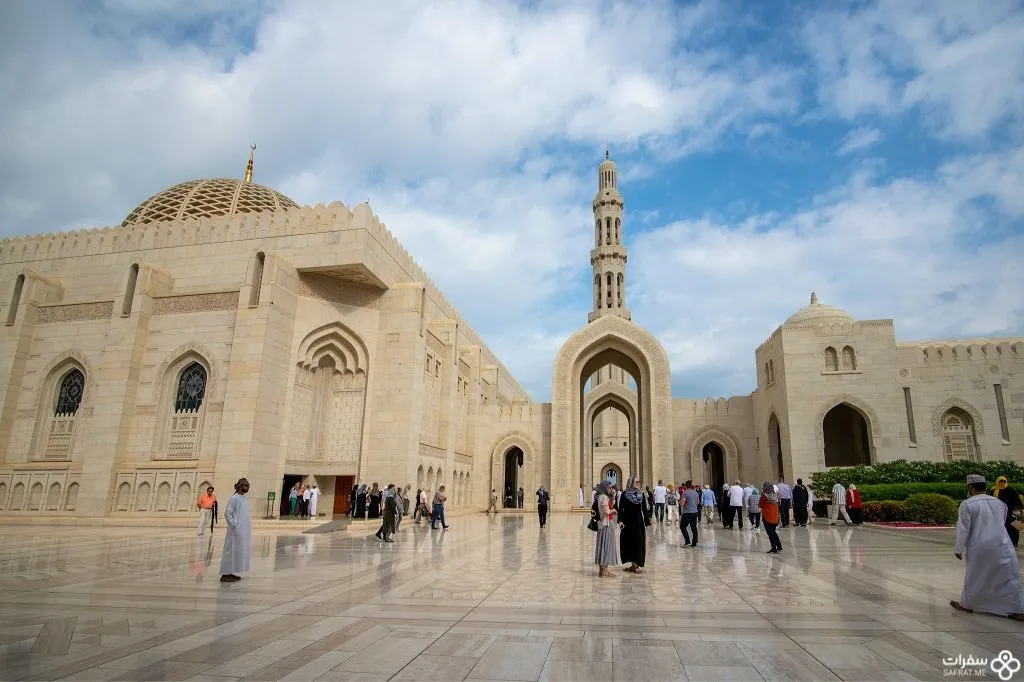
In the foregoing I have tried to point out the finest experiences recommended when travelling to Muscat, but in truth they are not everything — there is also the experience of camping in the Rub’ al Khali, the largest sand desert in the world, as well as spending the night at the Ras Al Jinz Turtle Reserve in order to observe the nesting of endangered green turtles, and visiting Jebel Shams. If you would like to suggest a new experience you enjoyed in Oman, write it for us in the comments.
Travel experiences can be the most wonderful and adventurous of phases. The adventure of exploring Majlis Al Jinn Cave, which dates back fifty million years, as well as enjoying the magnificence of the architecture used in Sultan Qaboos Grand Mosque and the Royal Opera House, and walking in the embrace of the natural scenery of Jebel Akhdar with its enchanting views and its villages built in terraced form amid fruit trees — these are experiences that cannot be had anywhere other than Oman.
This article presents eight of the most famous experiences that make travelling to Muscat meaningless without undertaking at least some of them.
Visit Sultan Qaboos Grand Mosque
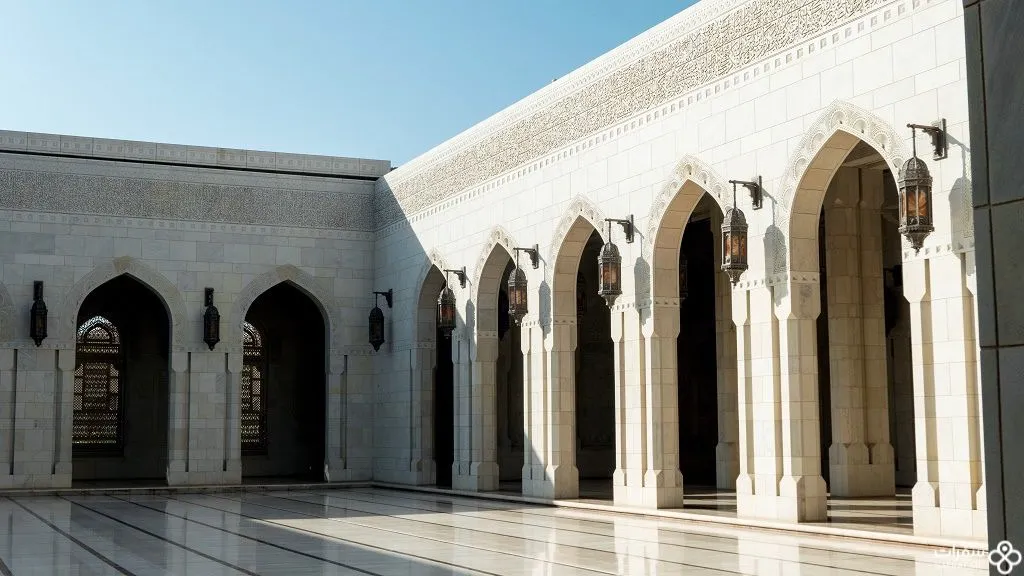
Sultan Qaboos Grand Mosque in Muscat is one of the most beautiful mosques in the world. This mosque, which is considered a gift from Sultan Qaboos to the Omani people to mark thirty years of his reign, is an architectural masterpiece that speaks of the beauty of Omani heritage and culture. Sultan Qaboos Grand Mosque dazzles the eyes of visitors with its architecture from the outside, with its towering white walls, its beautiful bronze dome, and its stunning, lush gardens.
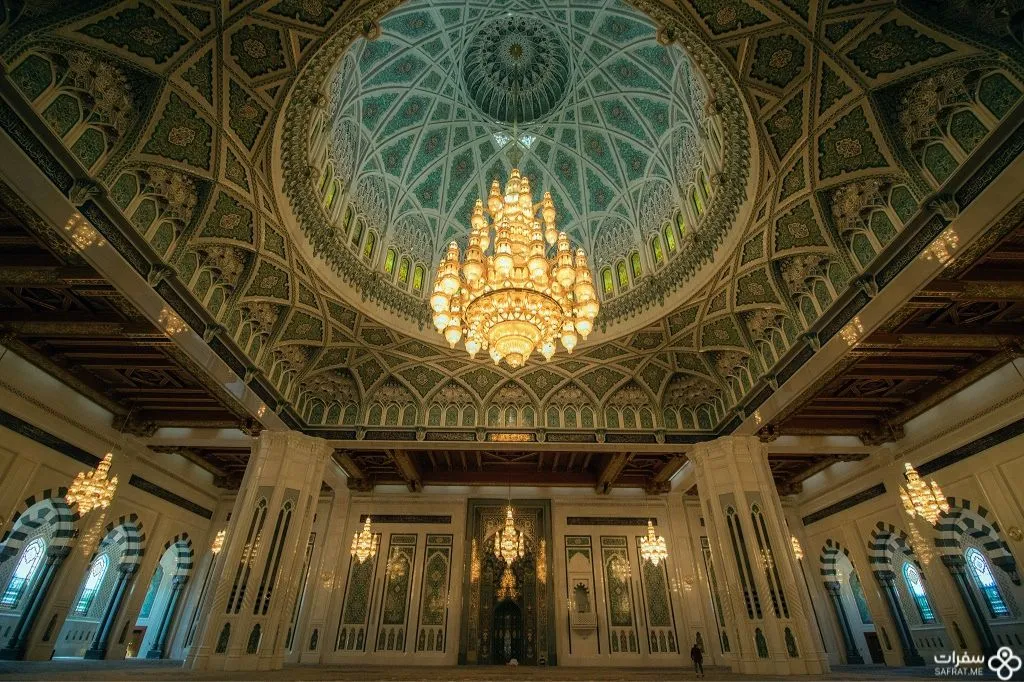
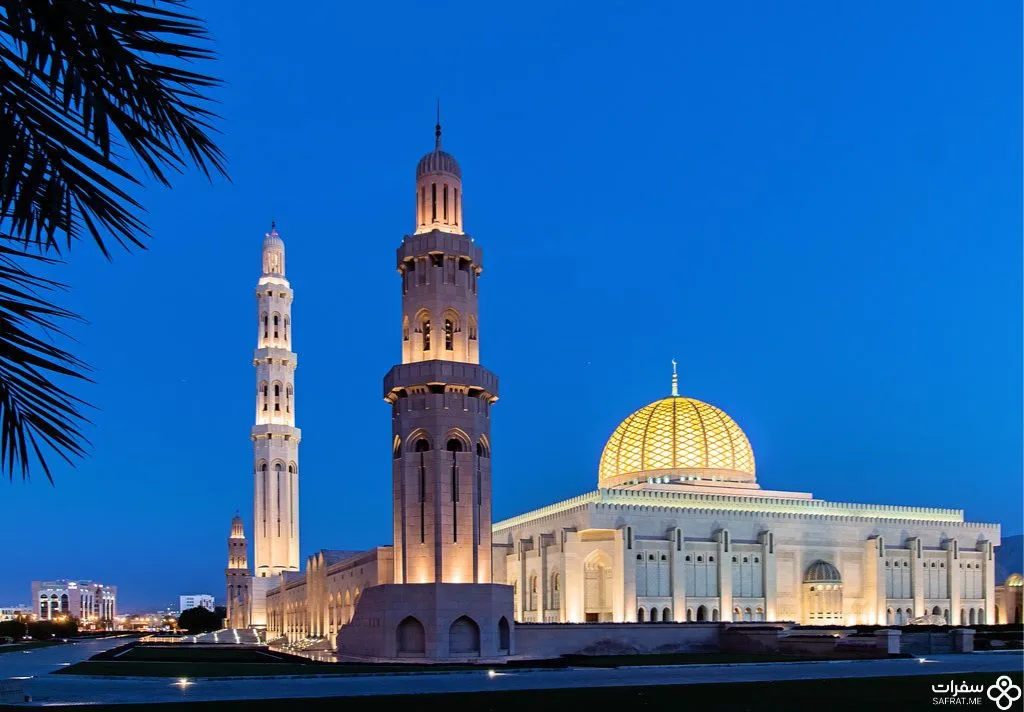
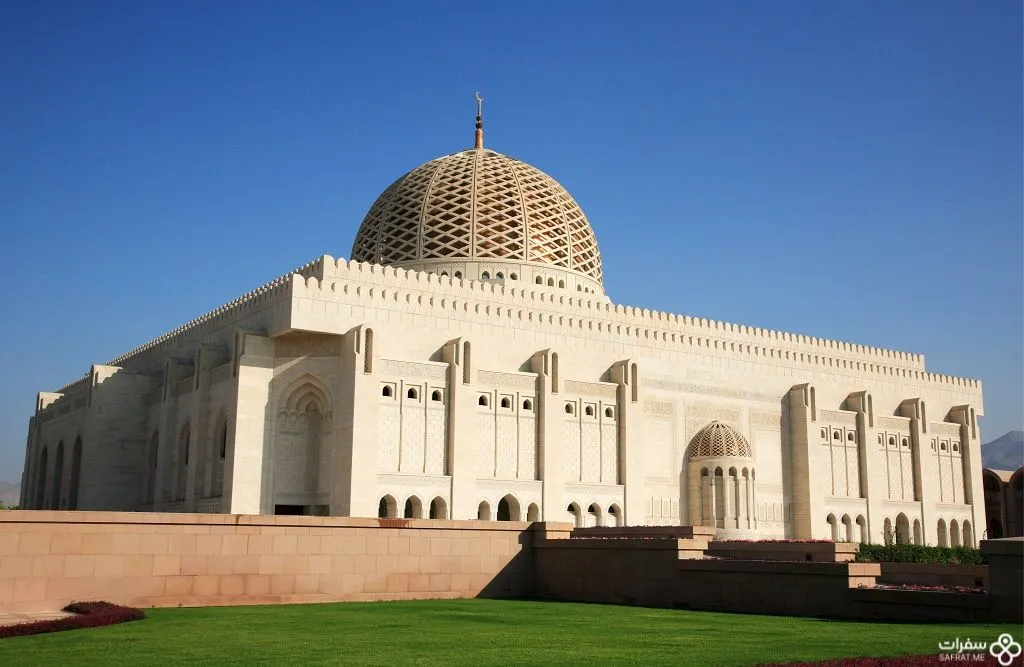
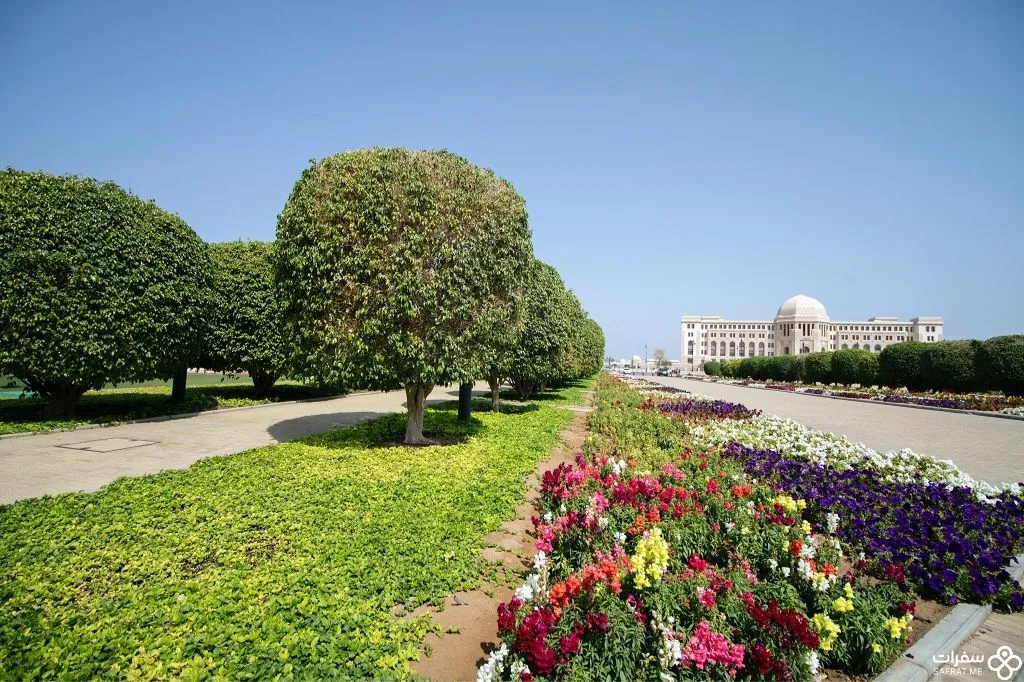
Inside Sultan Qaboos Grand Mosque, the Iranian carpet — the second largest carpet in the world by area — multiplies the beauty of the mosque. This rare masterpiece, with an area approaching 500 metres, was woven by 600 women over four full years. The mosque accommodates twenty thousand people, and it is crowded on Fridays.
To enter Sultan Qaboos Grand Mosque, women must wear clothing that covers the shoulders, arms, and legs, and also place a headscarf on their head. Abayas placed at the main gate of the mosque may be used.
Try the adventure of exploring Majlis Al Jinn Cave
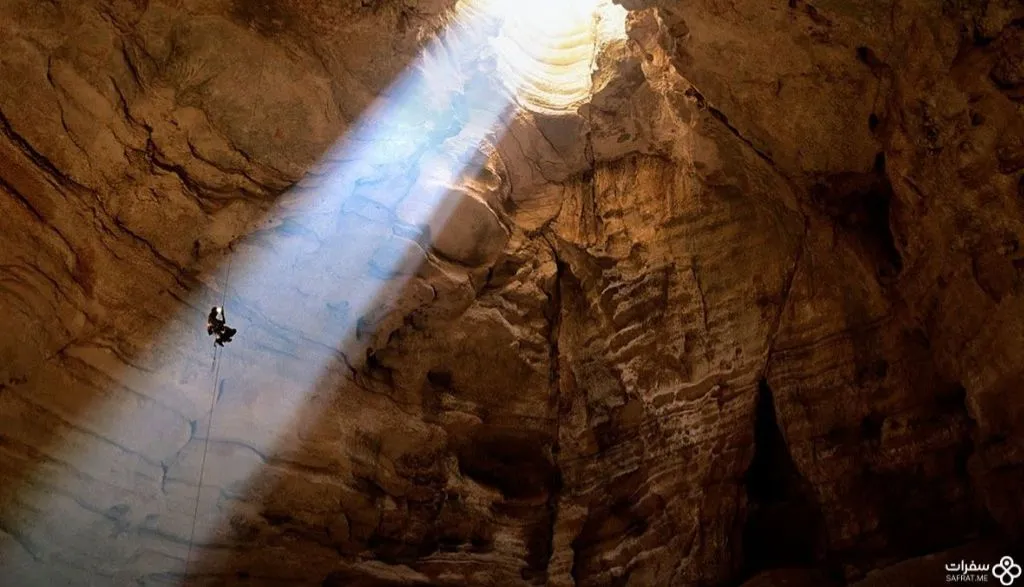
Majlis Al Jinn Cave may be the strangest natural phenomenon in Oman. Majlis Al Jinn Cave is located on the northern edge of the Selma Plateau, near the village of Fins in the Wilayat of Quriyat, which falls under Muscat, and on the road connecting the village of Dhubab in the Wilayat of Sur in the Eastern Region.
This cave, which dates back 50 million years, was only discovered approximately thirty years ago.
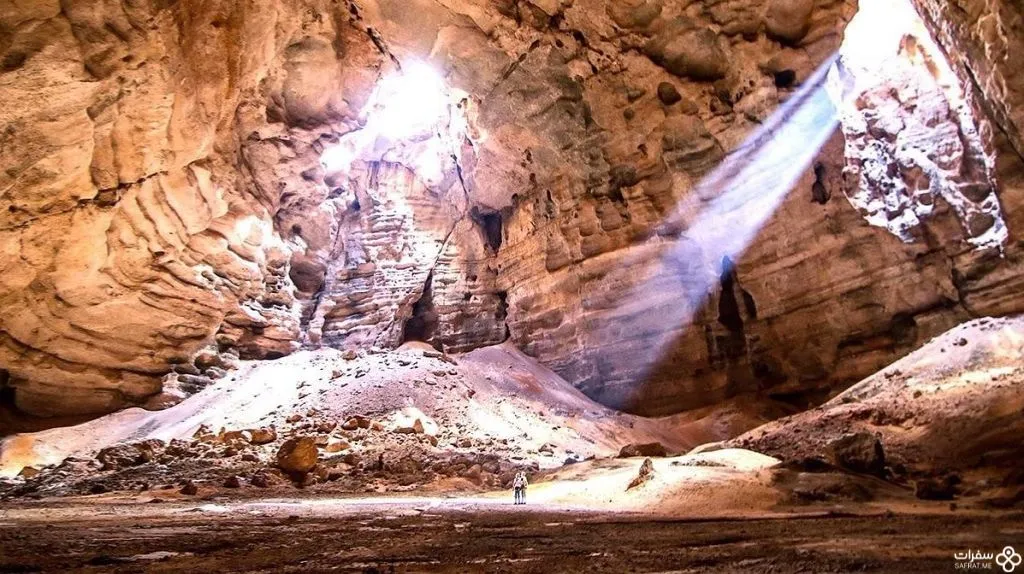
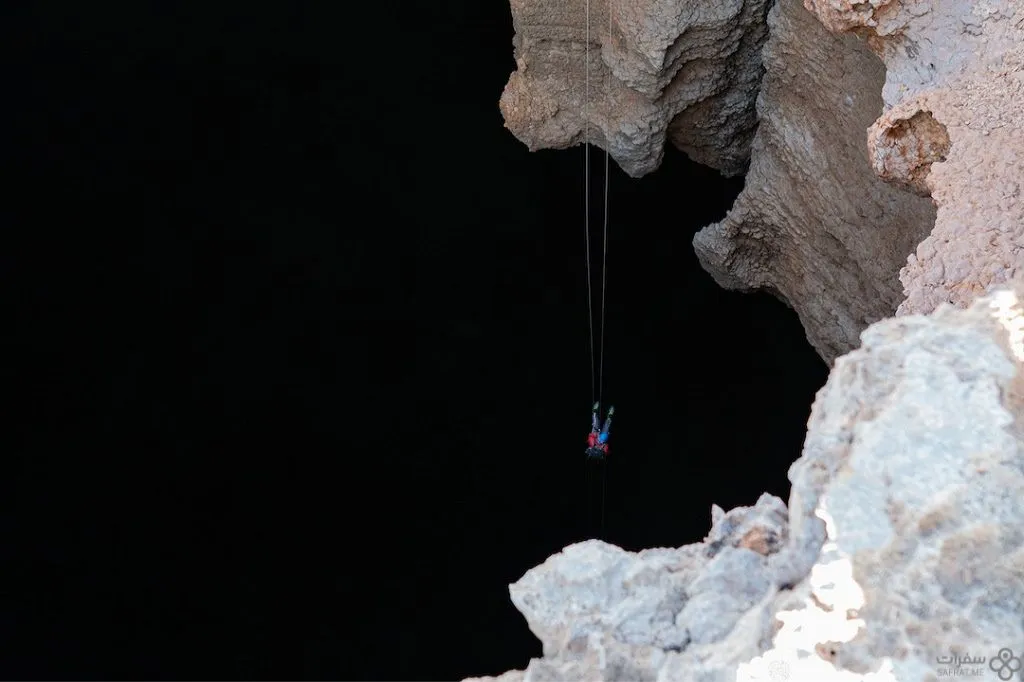
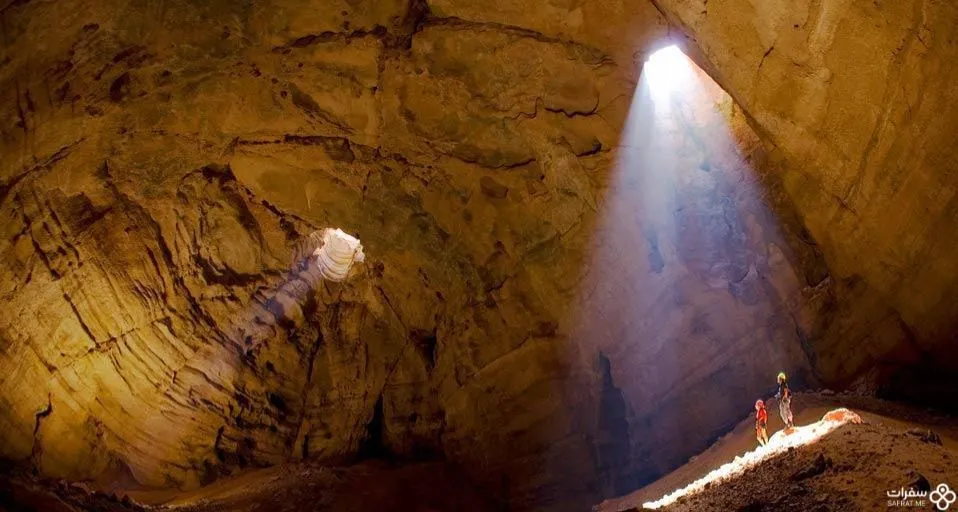
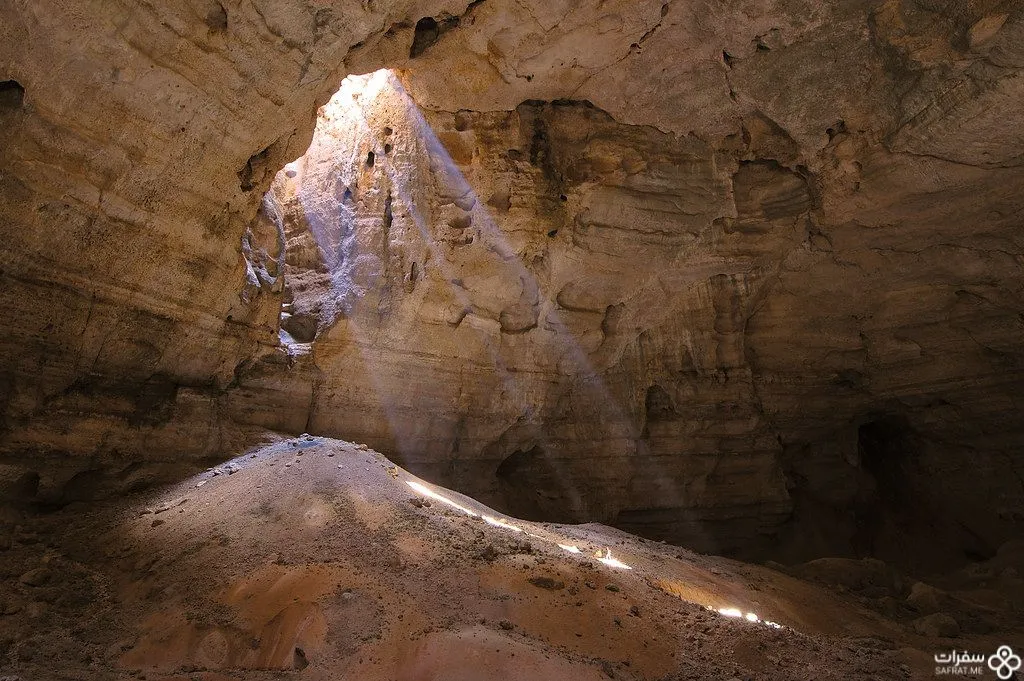
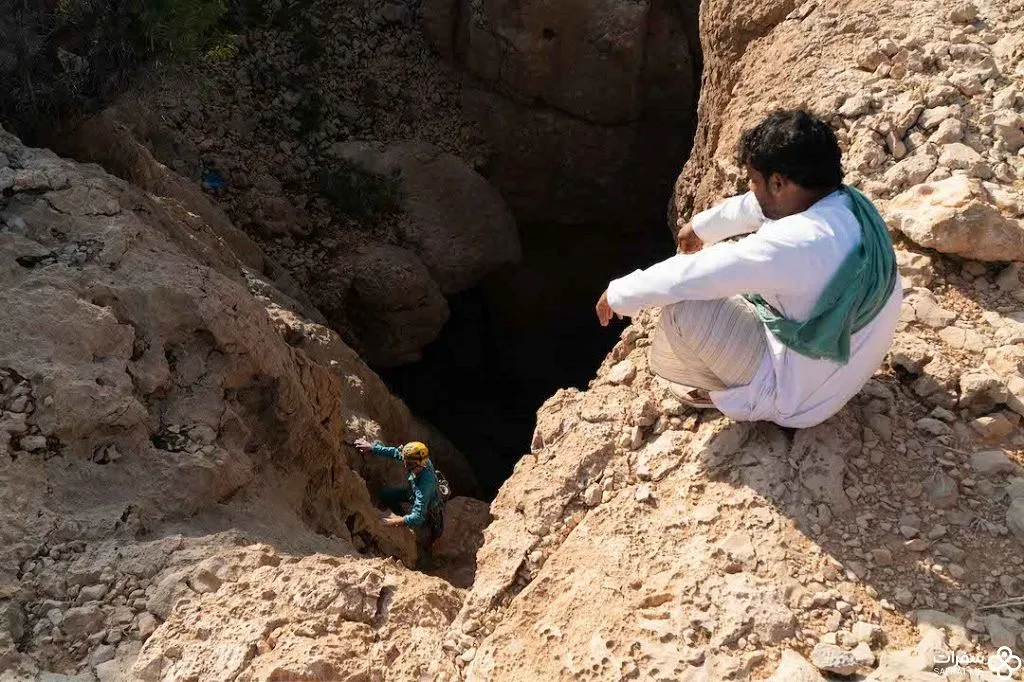
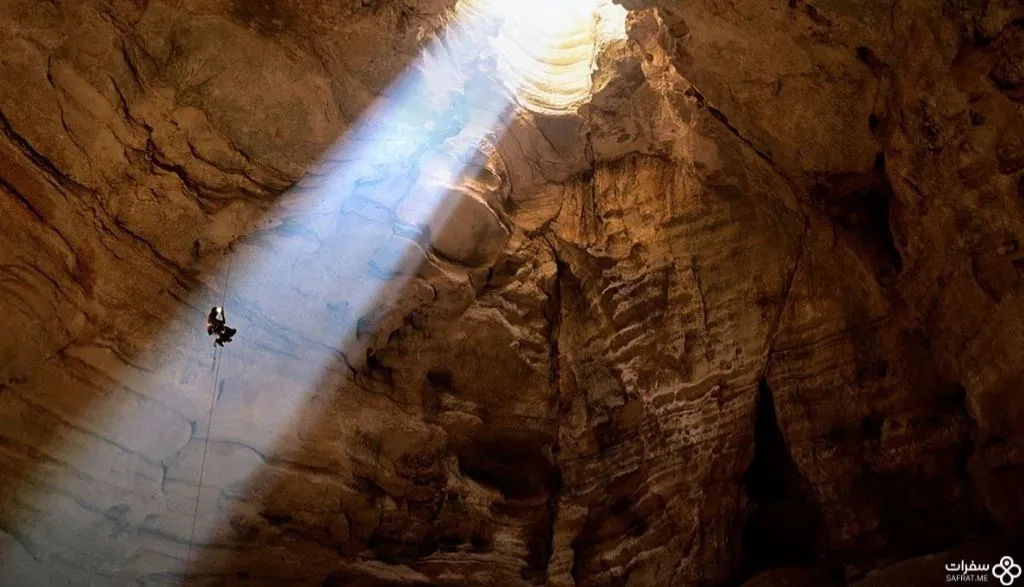
This cave was named Majlis Al Jinn — meaning the gathering place of the jinn — owing to people’s beliefs about its strangeness, as well as the lights that enter through the three openings into the cave and its corners, sometimes creating frightening shapes. It is also called Selma Cave because of its location near the Selma Plateau.
Although reaching the cave’s entrance requires covering a vast and tiring distance and crossing rugged rocks, travelling by four-wheel-drive vehicles is the best suggestion for getting there, while descending into the cave, ropes are the only means that currently assist with entering it.
Enjoy the beauty of nature by going to Jebel Akhdar
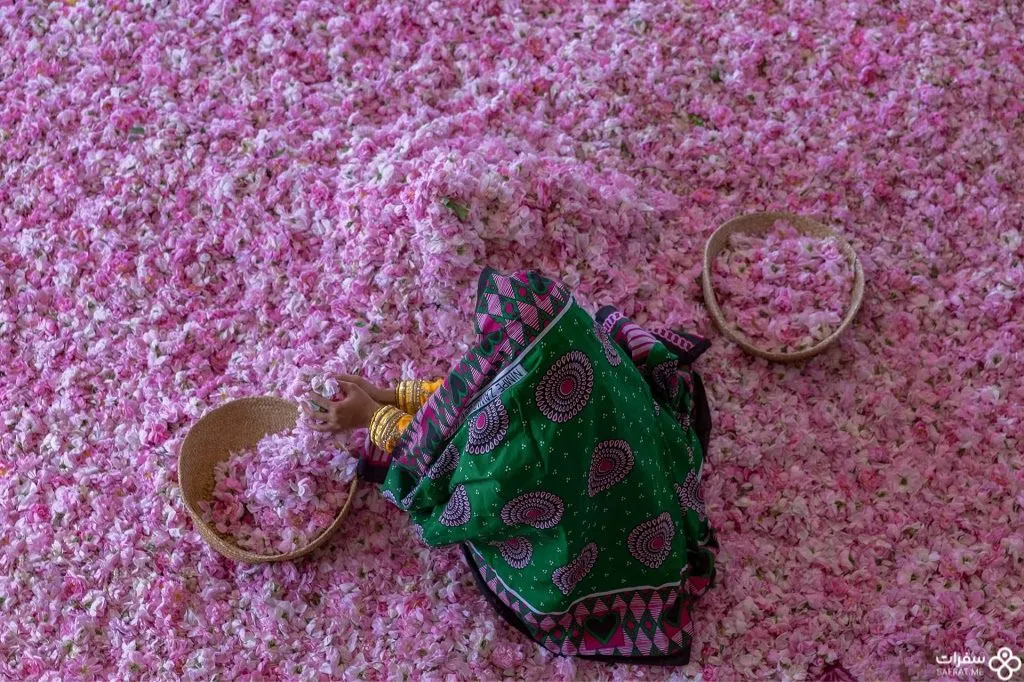
Jebel Akhdar, which is considered part of the Hajar mountain range, is located in the Wilayat of Jebel Akhdar in the Ad Dakhiliyah Governorate. Jebel Akhdar is one of the most beautiful and most popular tourist destinations in Oman. The mountain was named Akhdar — meaning green — because everything the eye sees on this mountain is green, from orchards of fruits that rarely grow in the West Asia region, such as almonds, pomegranates, and apples, to towering date palms with their deep-red dates.
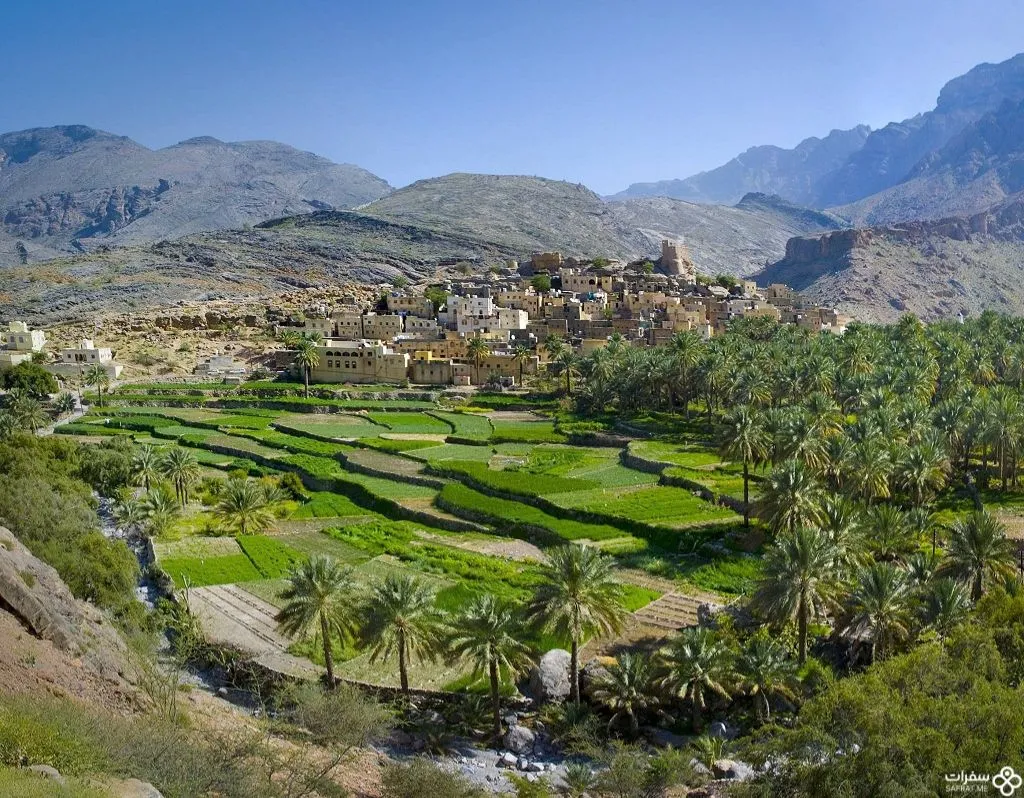
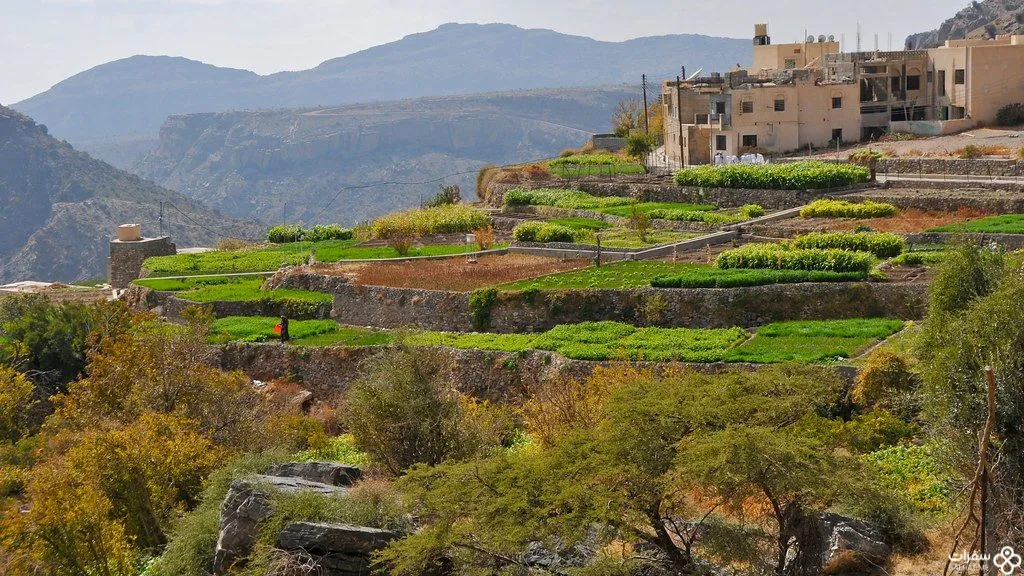
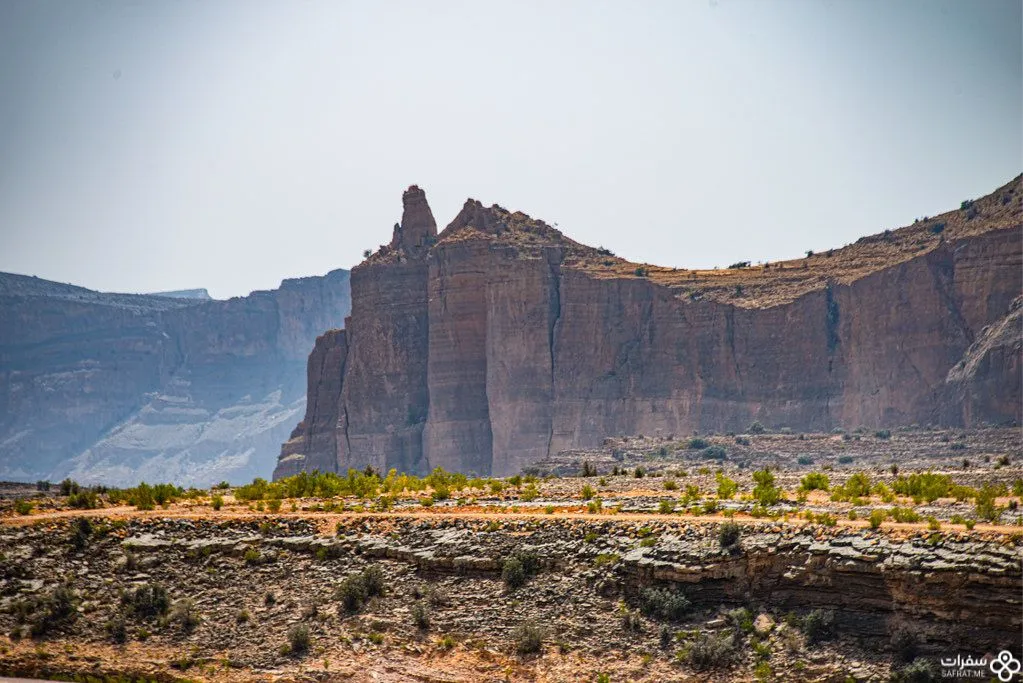
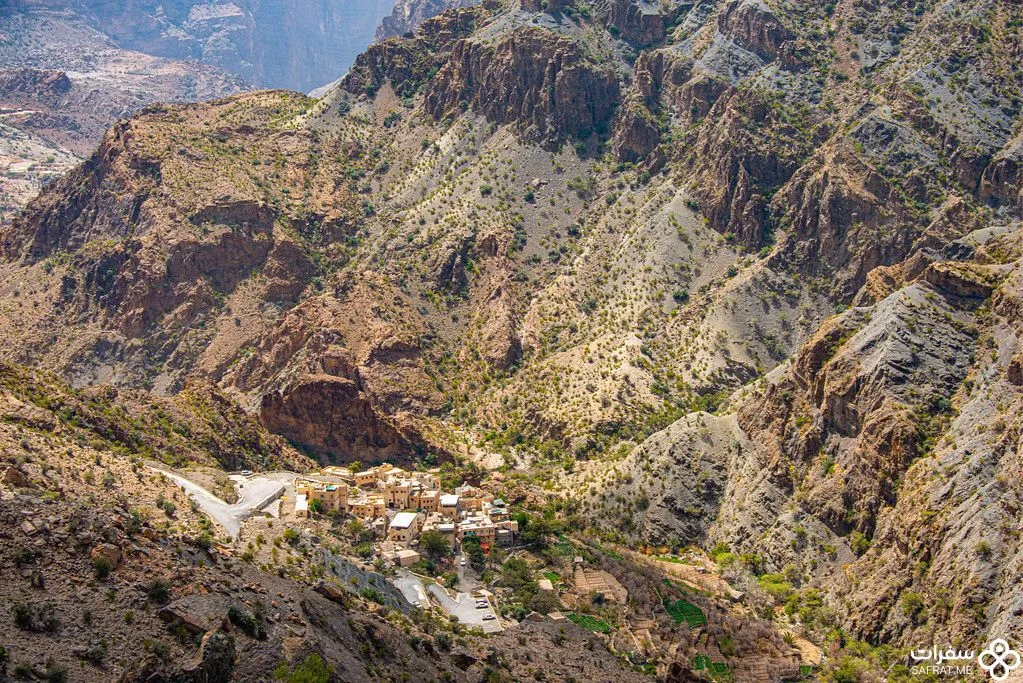
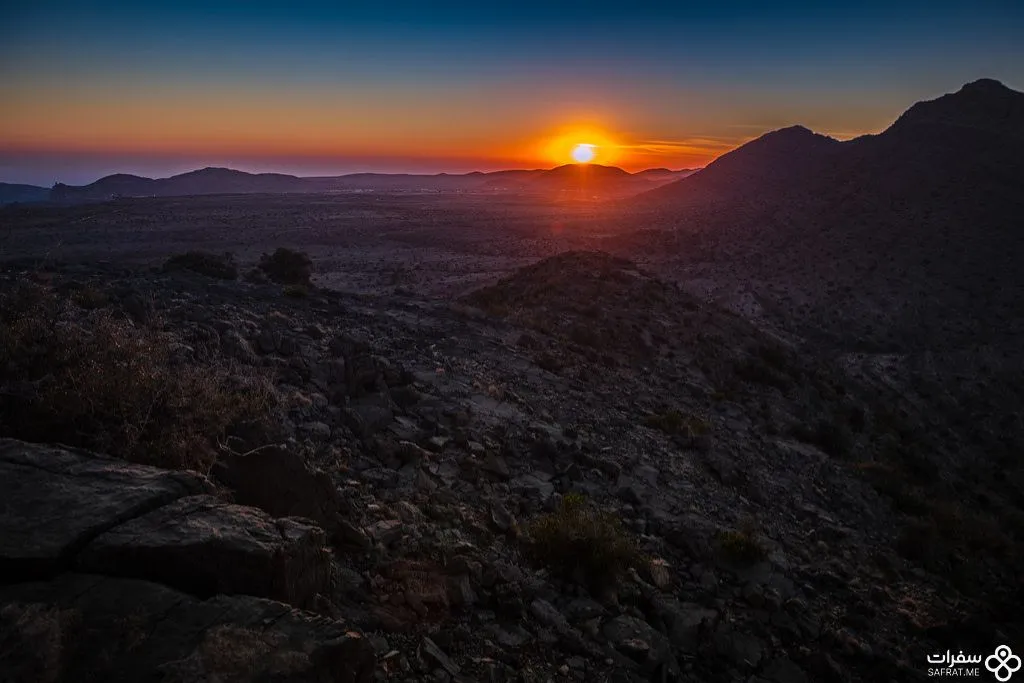
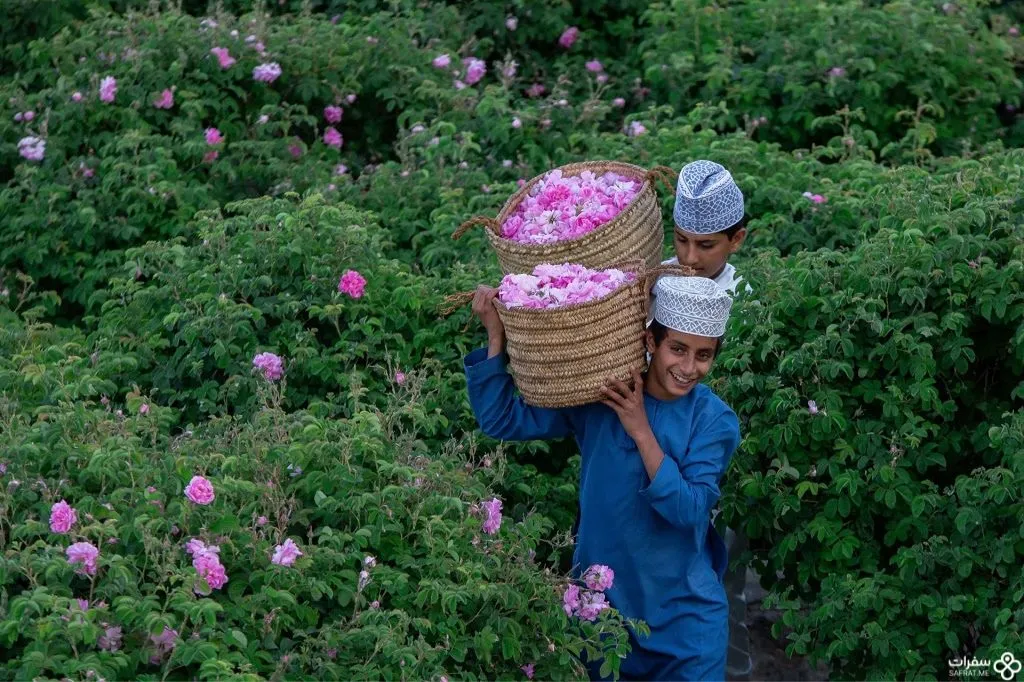
The fossil waterfalls in the highlands of Jebel Akhdar are among the most beautiful features that can be seen; these waterfalls, which are considered of special value to geologists, are said to date back millions of years. The villages of Jebel Akhdar are among the most beautiful things that enrich the travel experience; the village of Wadi Habib and the village of Al Ain are the most beautiful villages whose houses have been engineered in terraced form on Jebel Akhdar. The various types of fruit that adorn these villages have created beautiful and stunning views.
The pleasure of exploring caves, as well as Riyad Al Jabal farm on the slopes of Jebel Akhdar, where rare herbs and plants are grown that captivate a person with their magical fragrance, are among the experiences that can be had when visiting Jebel Akhdar. Although the weather is mild and delightful during the hottest times of the year on Jebel Akhdar, the period between March and April is the best time to visit this destination, as one can enjoy inhaling the magical scents of the herbs and flowers that grow on the slopes of Jebel Akhdar.
Get to know Omani culture by spending hours at the National Museum in Muscat
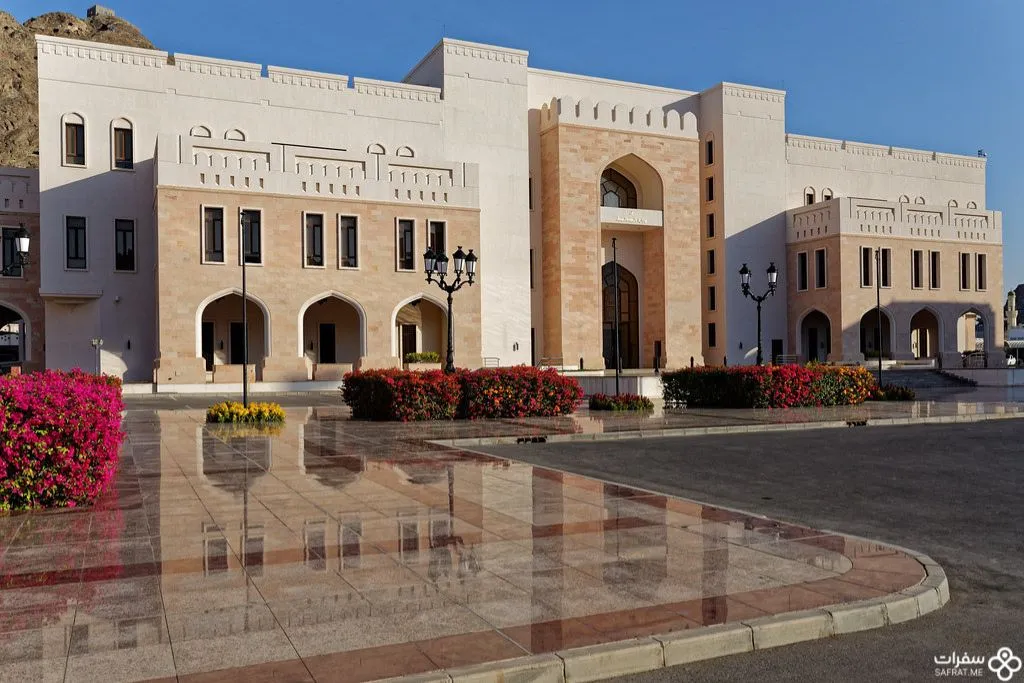
The National Museum of Oman, located in the heart of Oman, is one of the most beautiful places that must be visited when travelling to Oman. This museum, with an area of approximately 13,000 square metres, contains 14 halls displaying the finest artefacts across two floors. The ground floor of the Omani Museum includes the Land and People Hall, the Cultural History Hall, the Arms Hall, the Civilisational Achievement Hall, the Aflaj Hall, the Coins Hall, and the Historical Eras Hall.
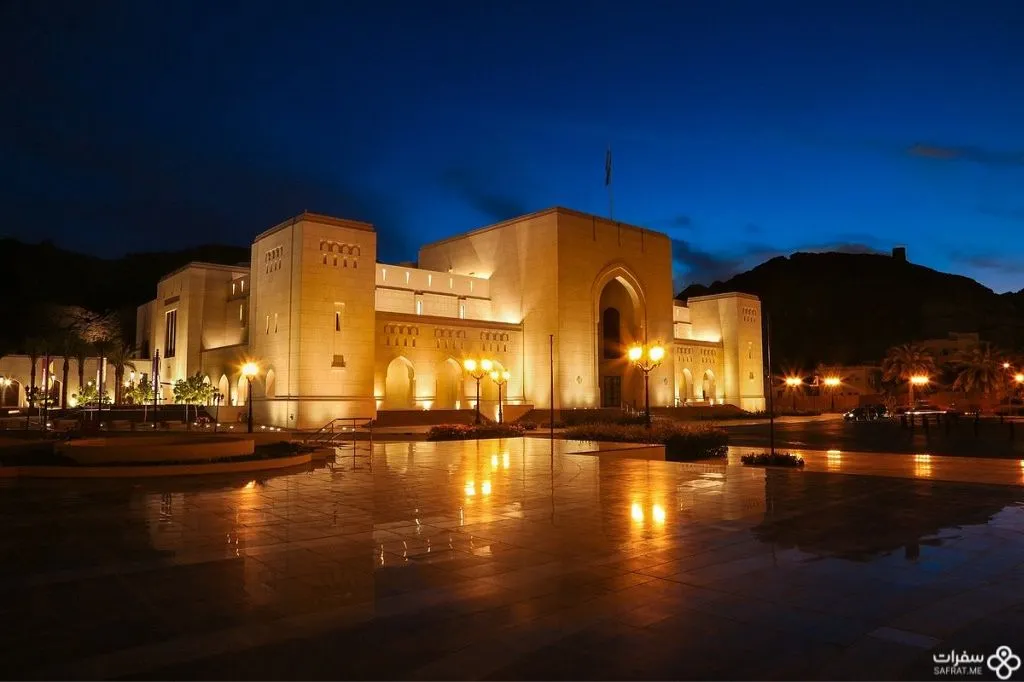
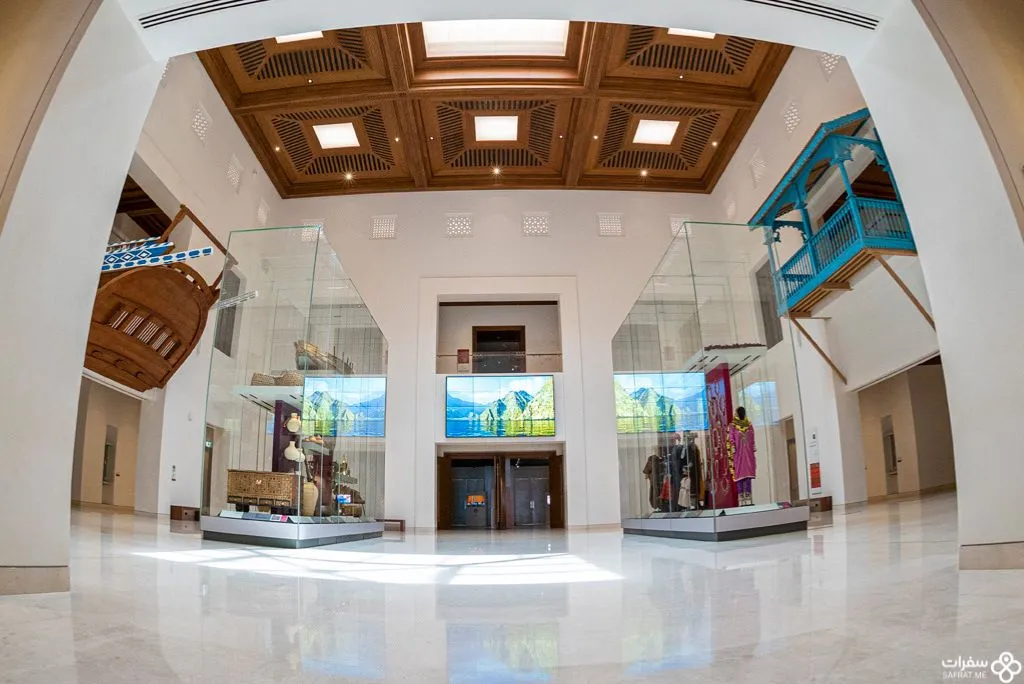
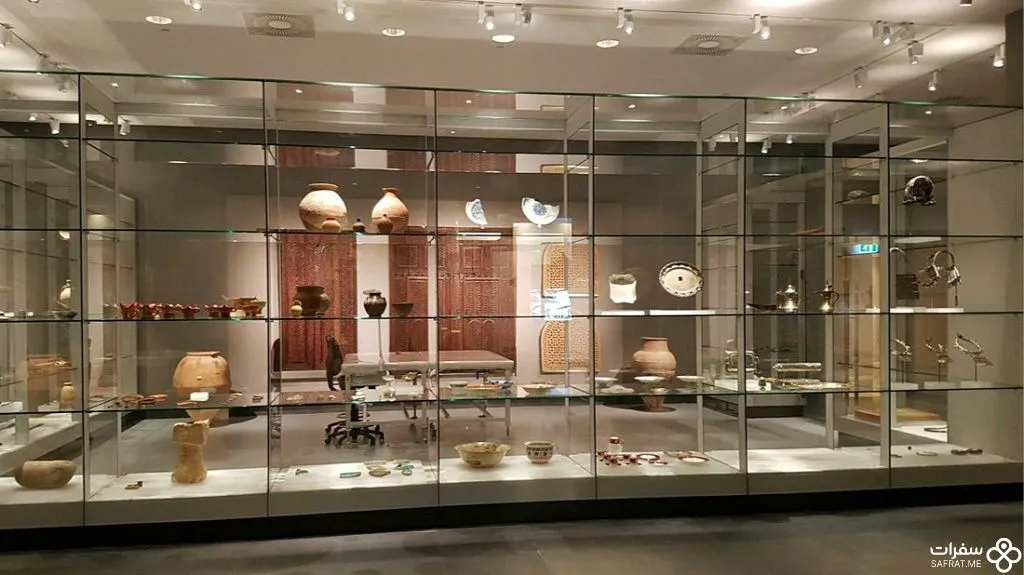
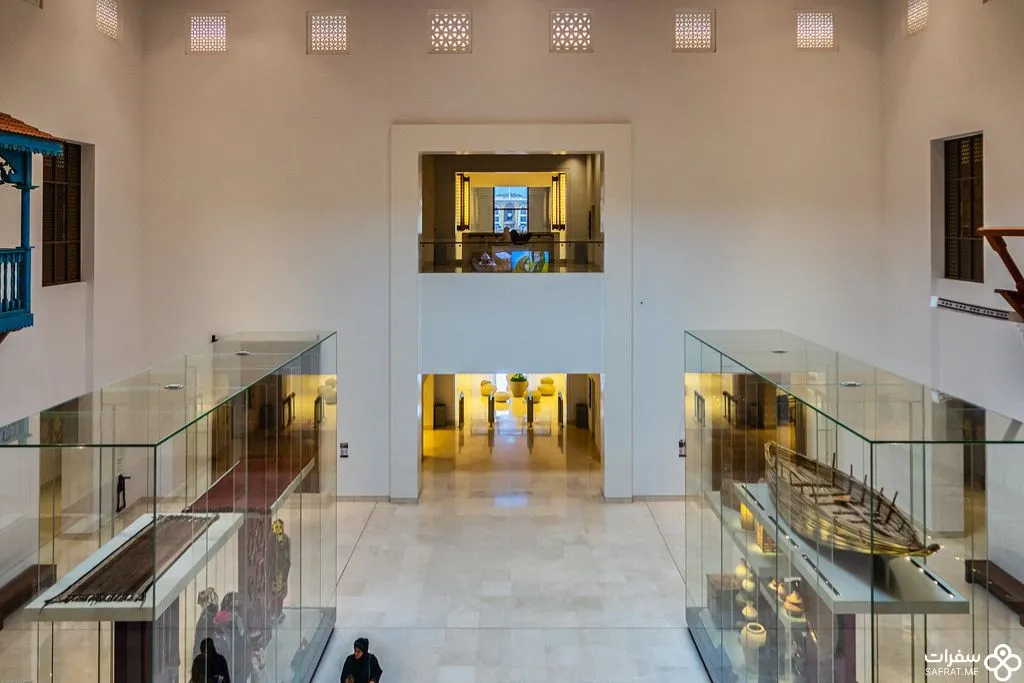
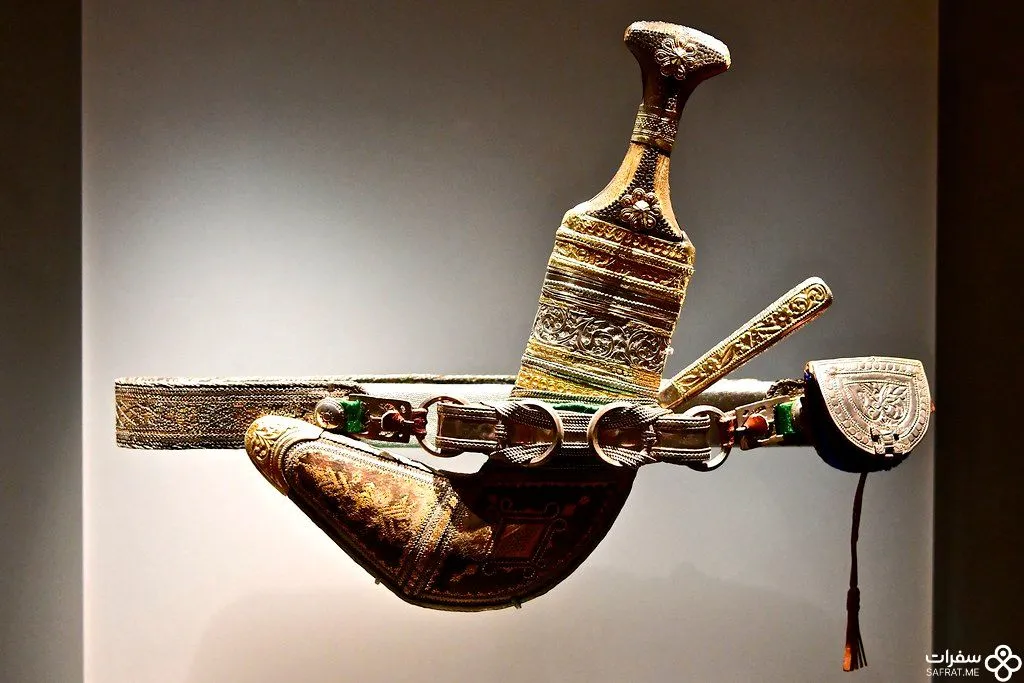
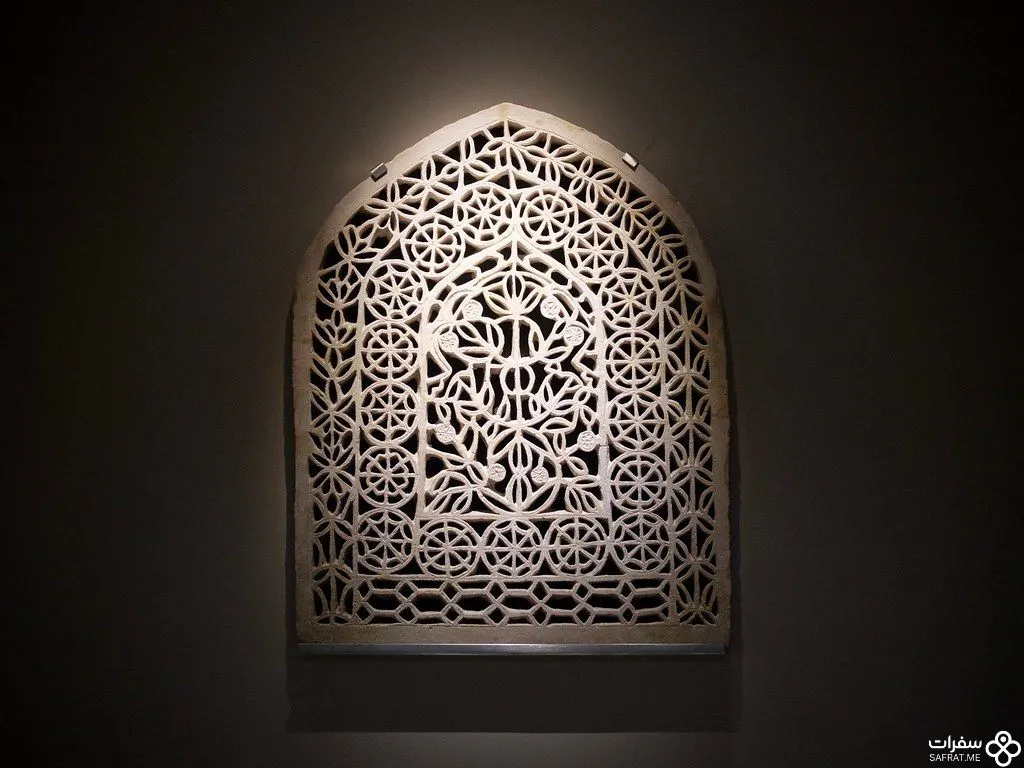
The first floor brings together the Prehistory and Ancient Ages halls, the Grandeur of Islam Hall, the Renaissance Era Hall, the Intangible Heritage Hall, and the Collections Hall.
This beautiful museum, which takes pride in its architecture and its white edifice, holds within its walls the most precious artefacts that are able to present Oman from the earliest ages through to the contemporary era. There are also dedicated halls for art exhibitions that are held periodically in Oman, which can likewise be visited.
Discover the world of music by spending hours at the Royal Opera House
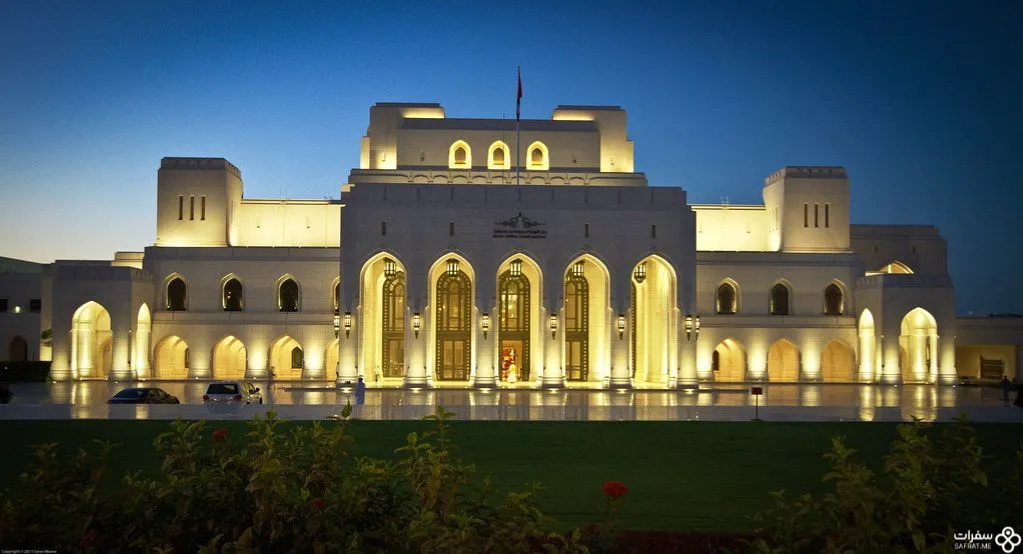
The Royal Opera House is the first opera house in the Gulf region. The Royal Opera House, with its white edifice and its impressively lit architecture in the evening, has attracted the attention of many foreign and Arab tourists and has become a favourite destination that most tourists seek out on their trip to Muscat. The Royal Opera House is one of the venues that hosts various concerts by major singers, and it also holds various cultural and literary gatherings.
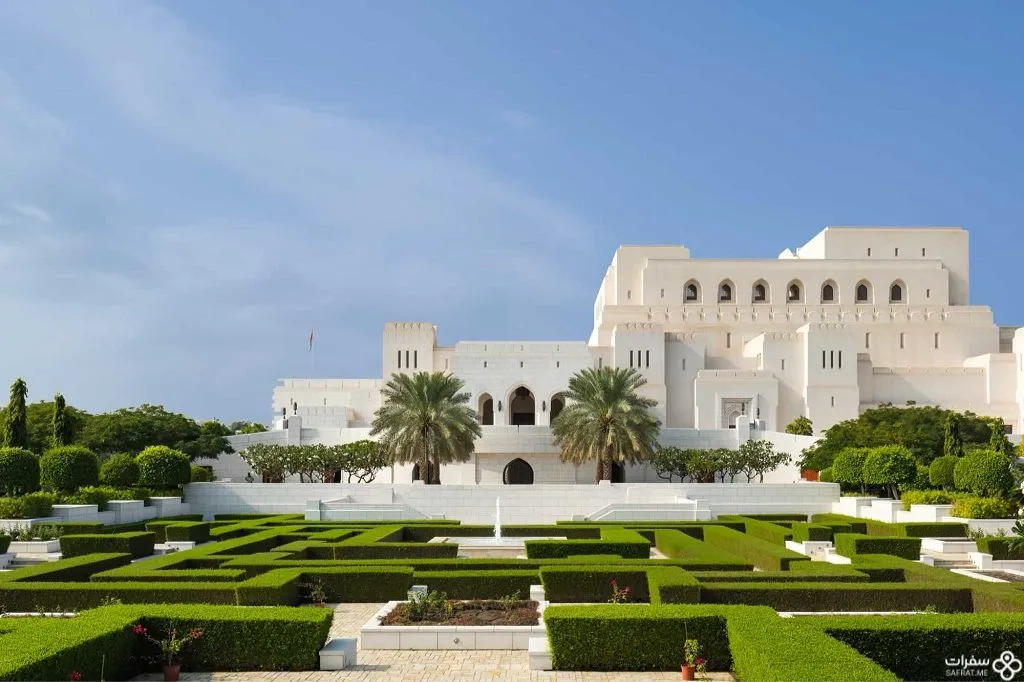
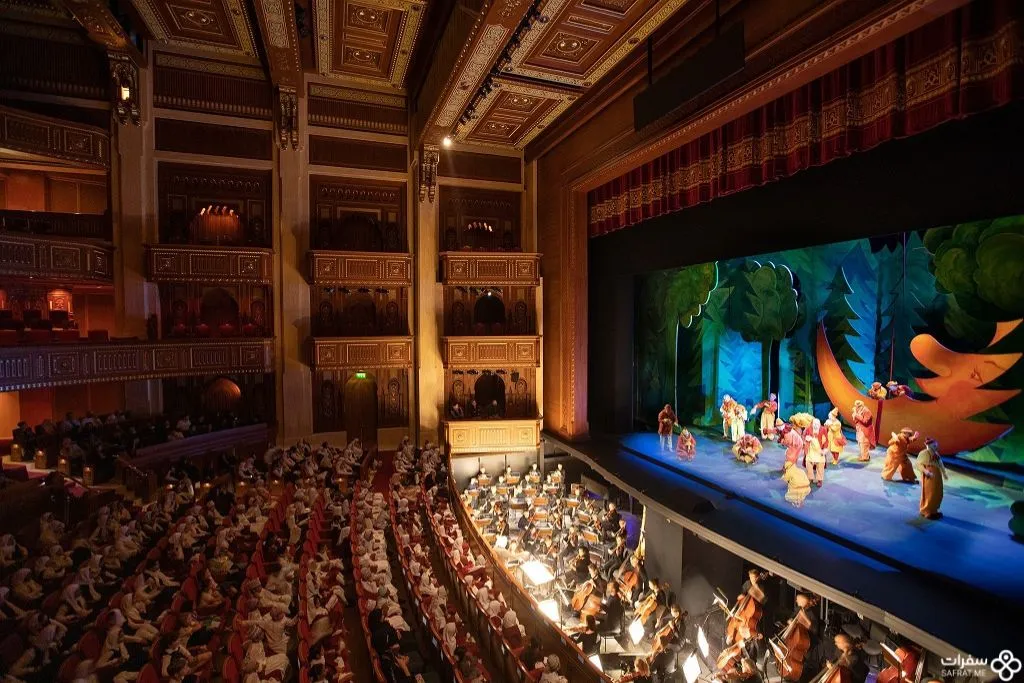

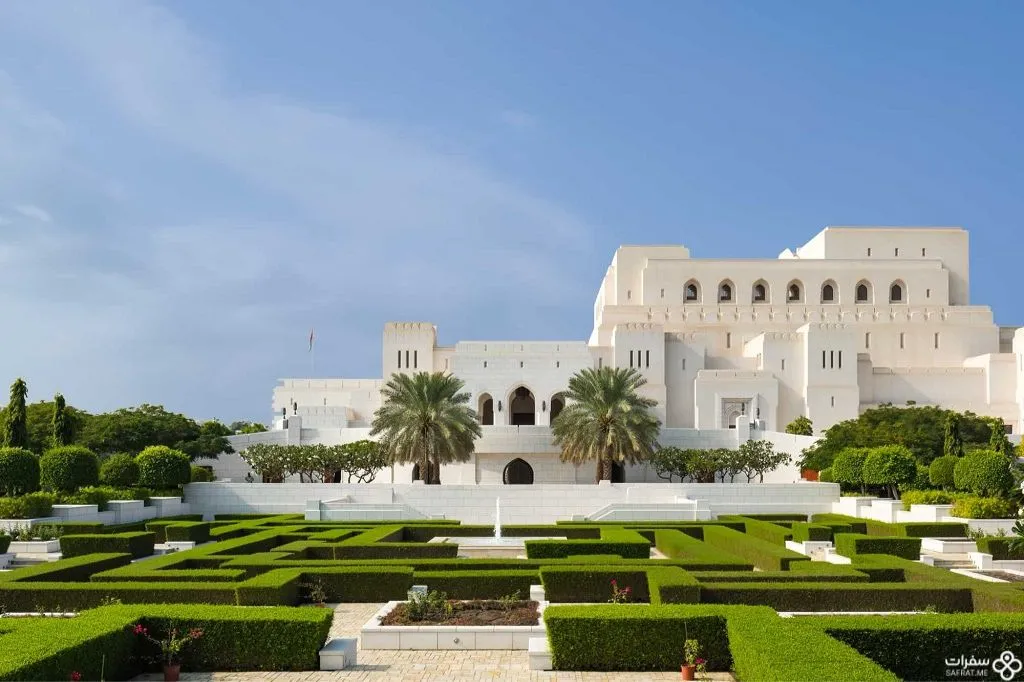
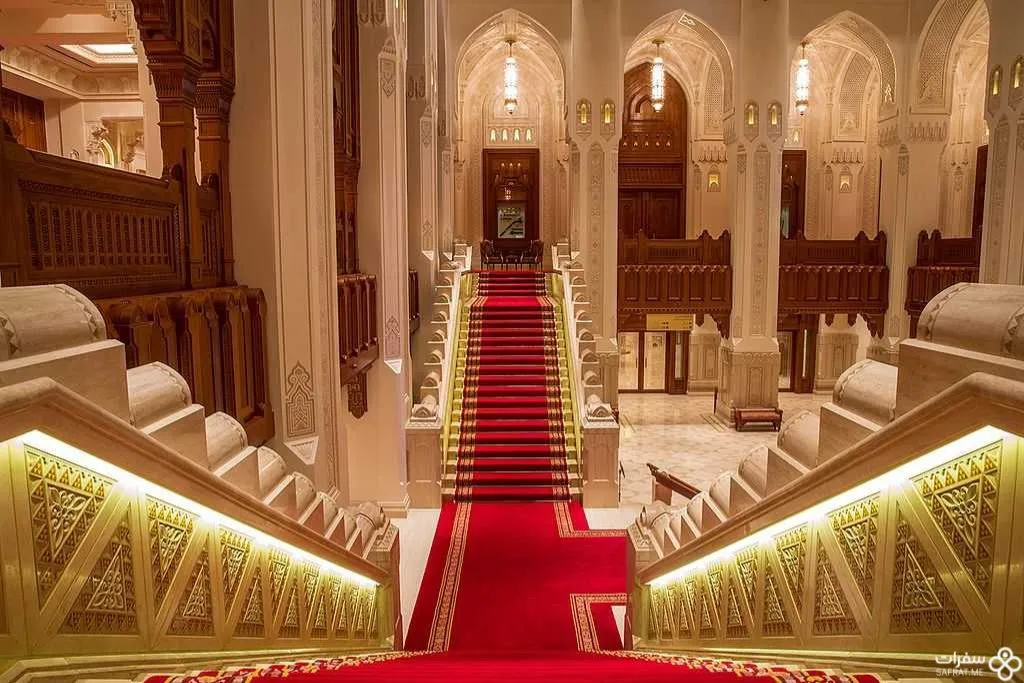
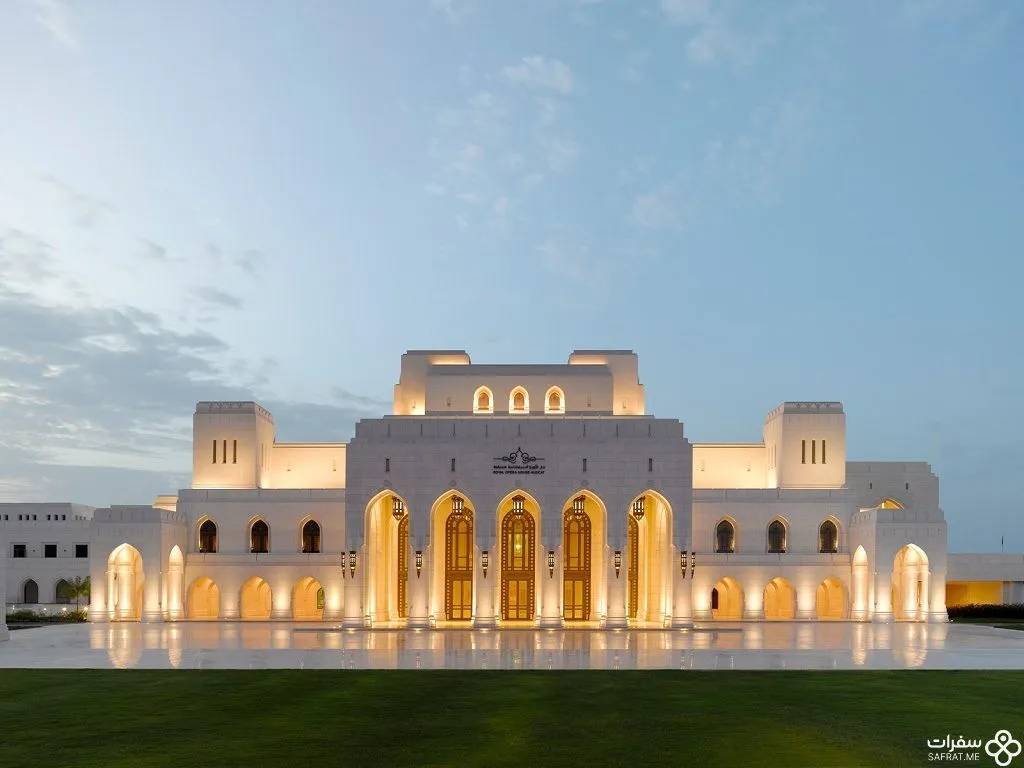
The architecture of the Royal Opera House is the most awe-inspiring feature, as the design of this building is distinguished by a blend of modern and traditional character, from white marble to wood crafted in the form of mashrabiya screens. The Royal Opera House in Oman has eight floors, three of which are underground and five above ground. The concert hall, celebration halls, fine-dining restaurants, and the cultural market are among the most beautiful sections recommended for visiting at the Royal Opera House. In addition to the Arabic concerts held at the Opera House, there are also international concerts by the most famous Western artists.
Spend an enjoyable time at Hawiyat Najm Park
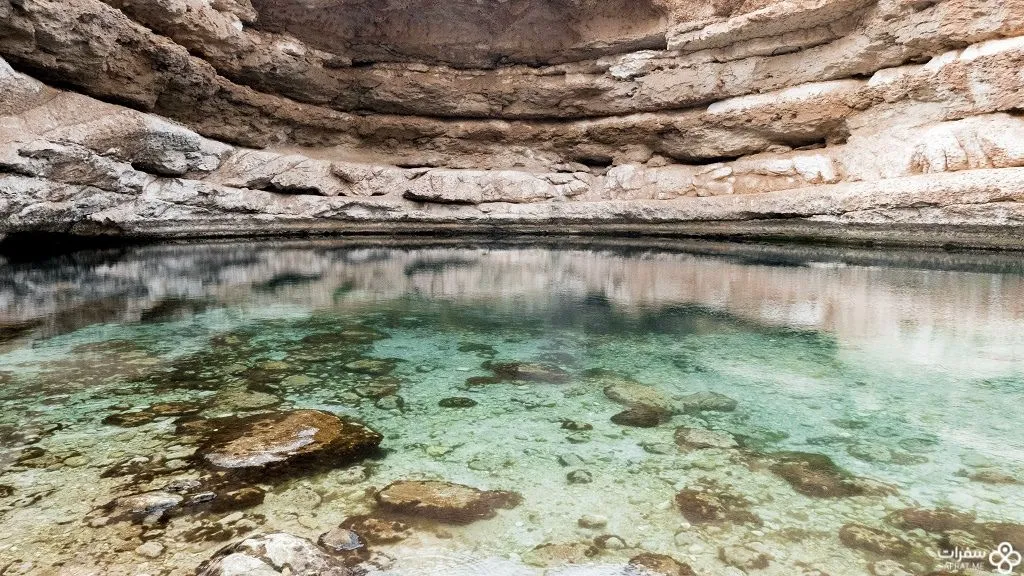
Hawiyat Najm, or Bimmah Sinkhole, is one of the strangest other destinations recommended for visiting in Oman. Bimmah Sinkhole is located to the northeast of the Sultanate of Oman in the city of Quriyat.
Hawiyat Najm, or Bimmah Sinkhole, is a sinkhole with a height of approximately 40 metres, while the depth of its water reaches approximately twenty metres.
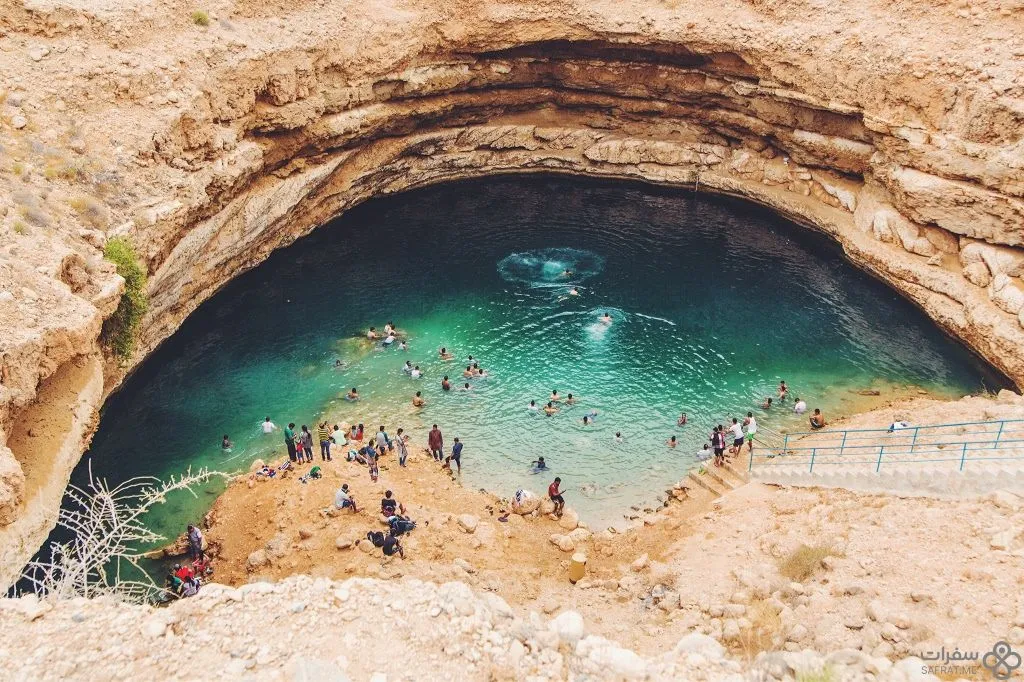
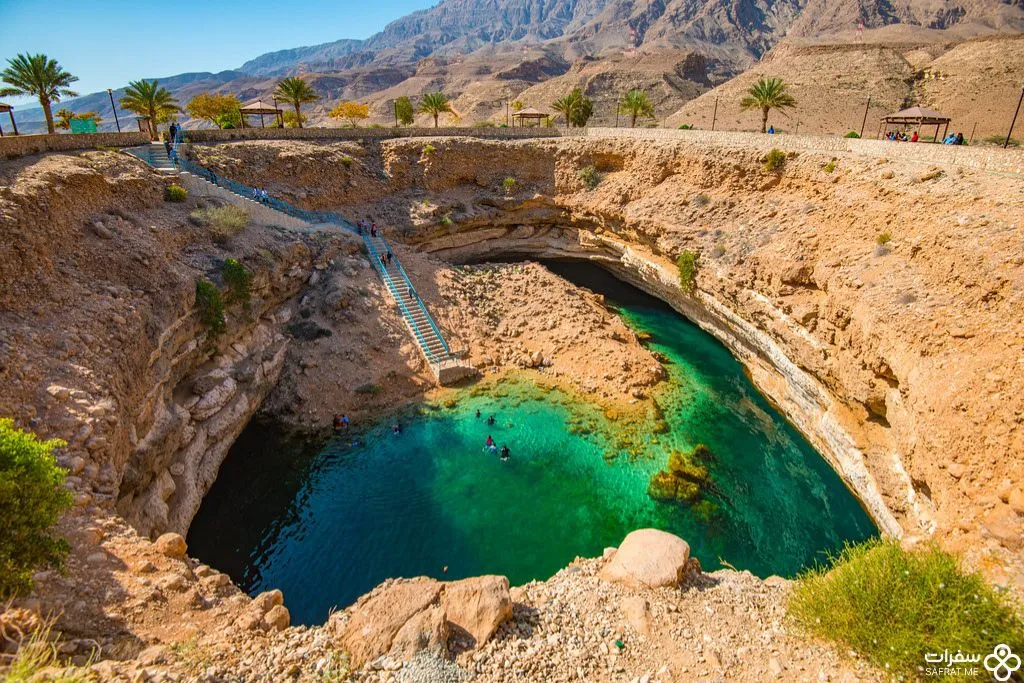
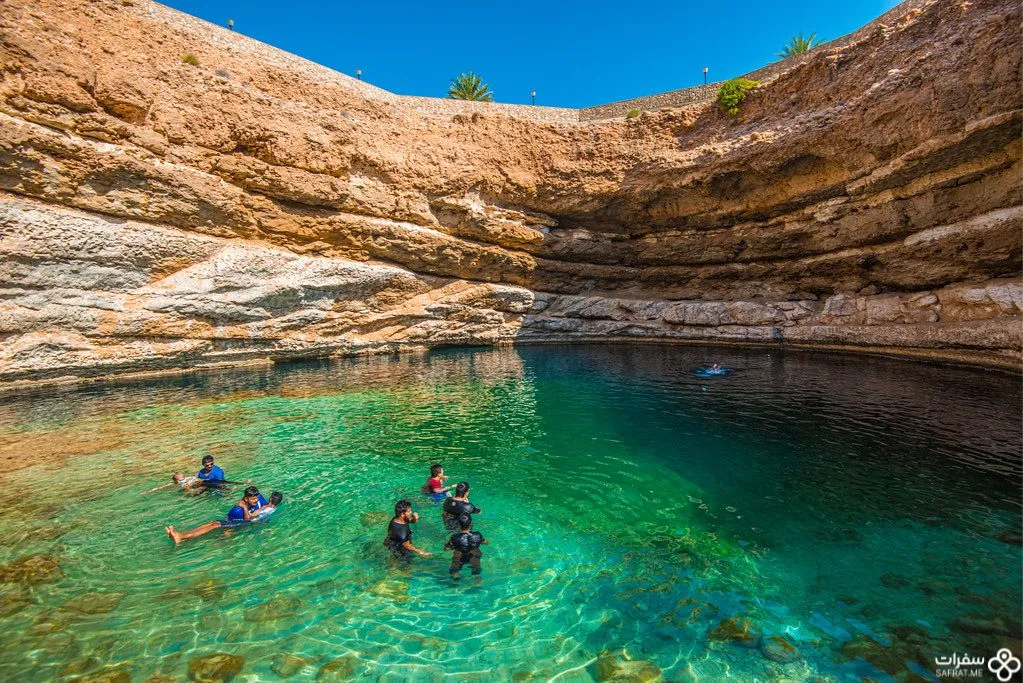
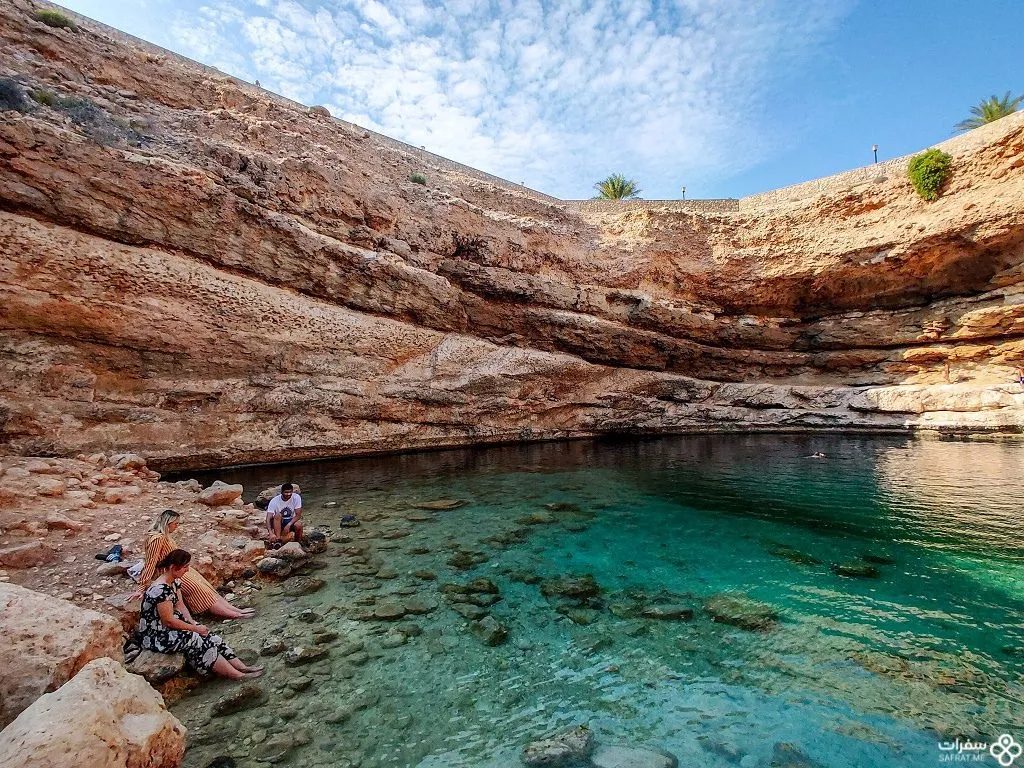
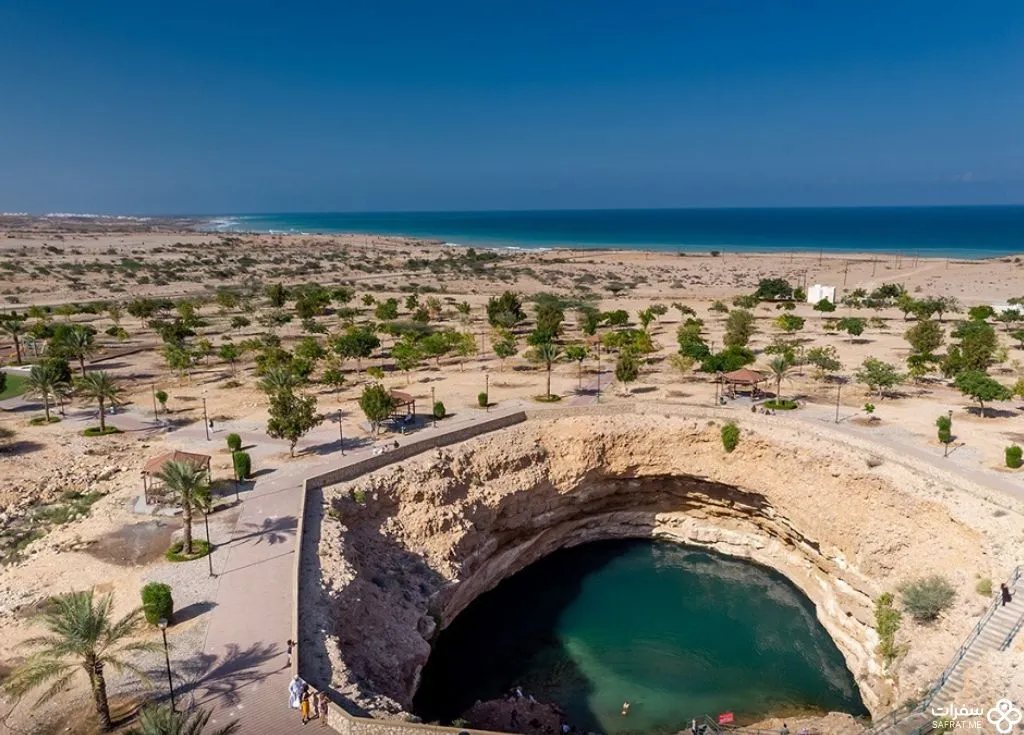
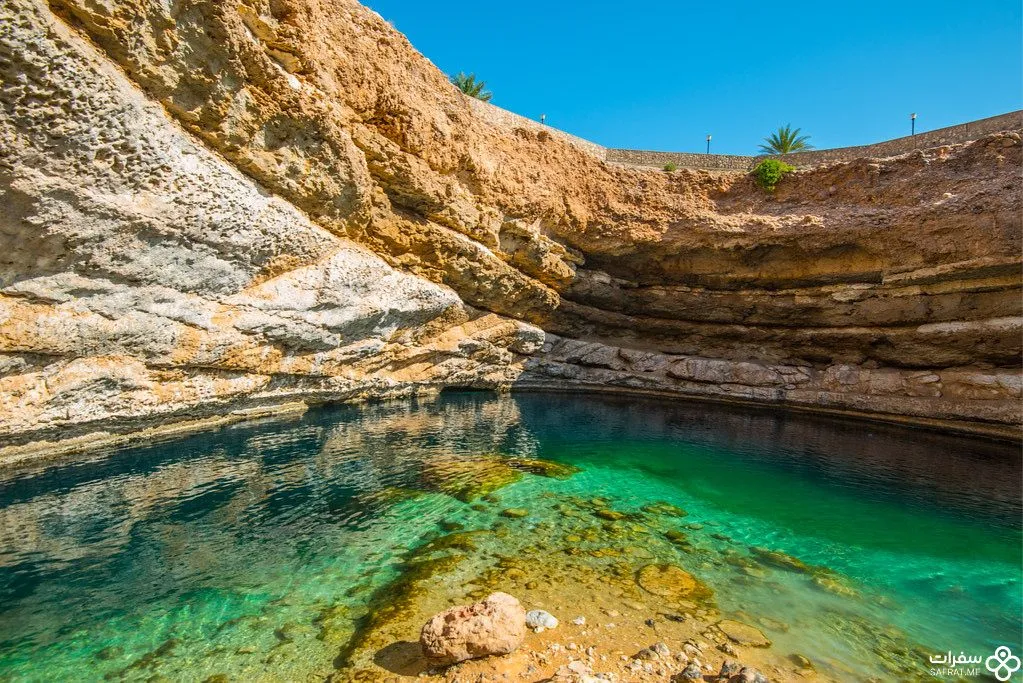
This sinkhole, with its turquoise and transparent waters, is a favourite destination for many tourists in Oman. The pleasure of swimming in this pool of water after descending the terraced steps creates unforgettable memories. Local people believe that this sinkhole appeared as a result of a meteorite falling from the sky, which caused a hole in the ground and the emergence of water, while geologists believe that this sinkhole is a natural phenomenon formed as a result of the reaction of calcium carbonate with water.
Hawiyat Najm Park is one of the best places for relaxation and camping, and this location is also close to Ras Al Shajar Reserve, which is home to a large number of mountain gazelles, deer, and various birds. The opportunity to swim in the rare gem of this park — namely Hawiyat Najm — is the best activity recommended at this destination.
Enjoy visiting one of Oman’s beautiful forts
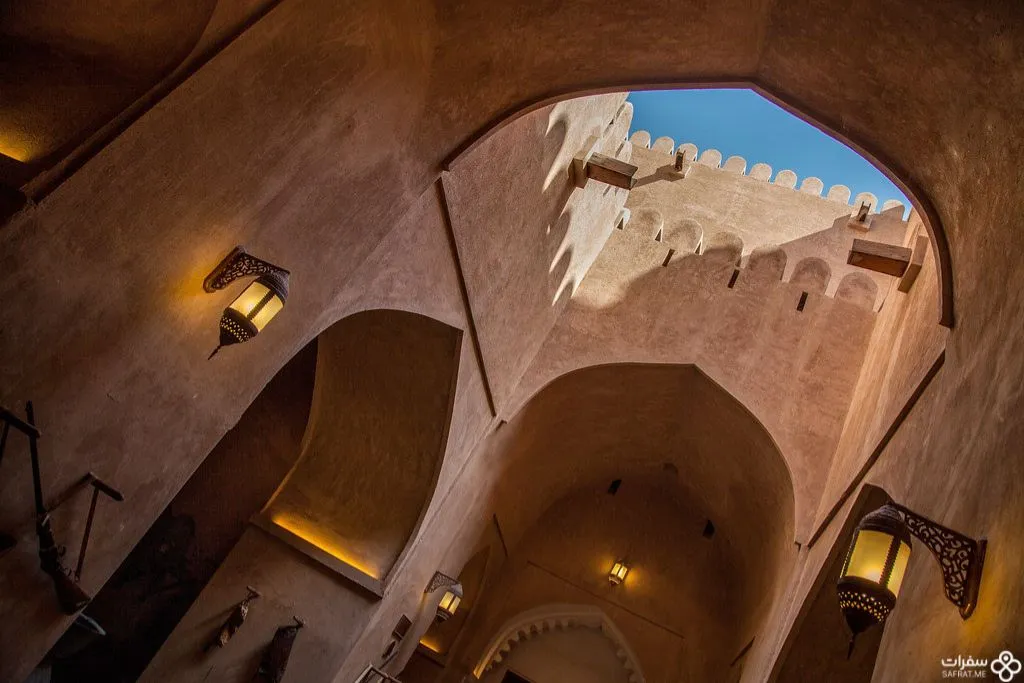
The forts and castles of Oman are considered the most prominent historical landmarks that speak of this country’s past.
The architecture that distinguishes these forts, as well as the artefacts they contain — such as cannons, swords, and simple everyday items like vessels and clothing — all speak of the beautiful Omani heritage.
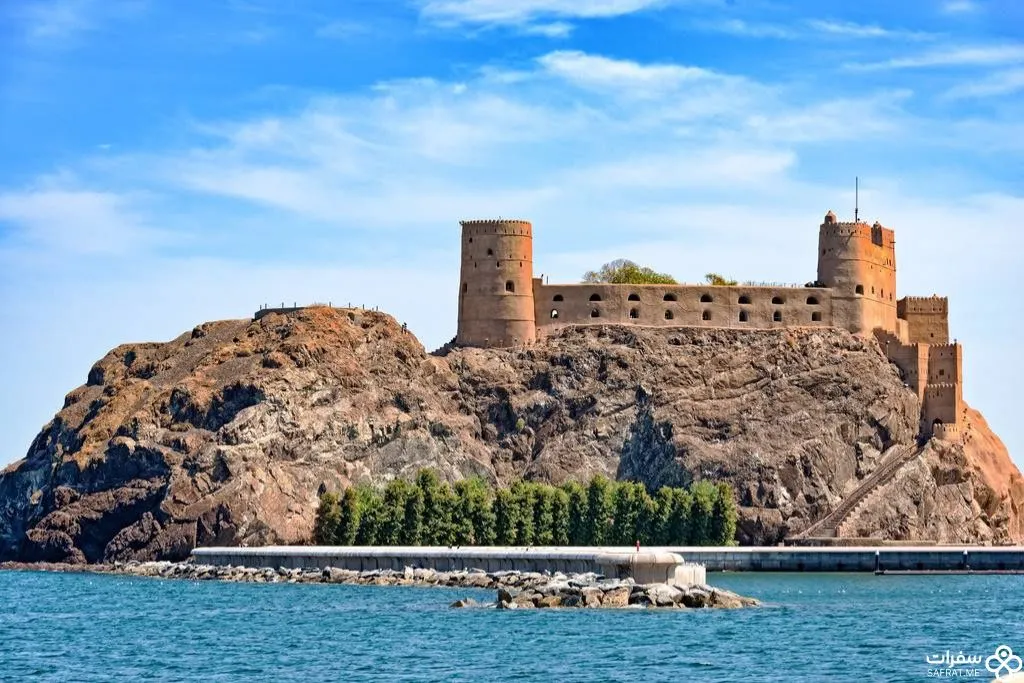
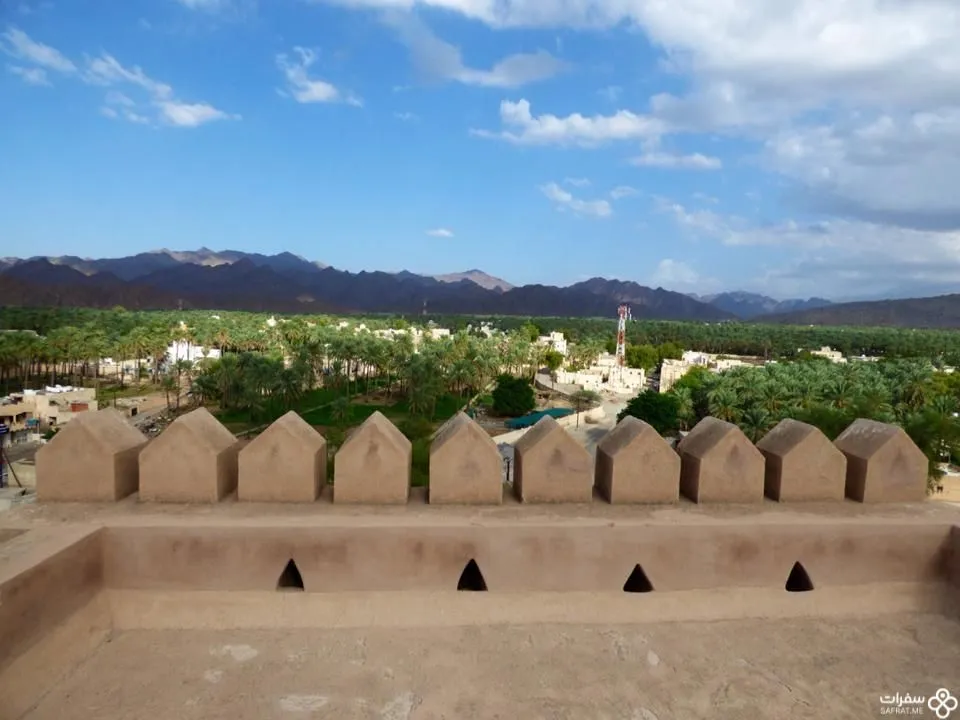
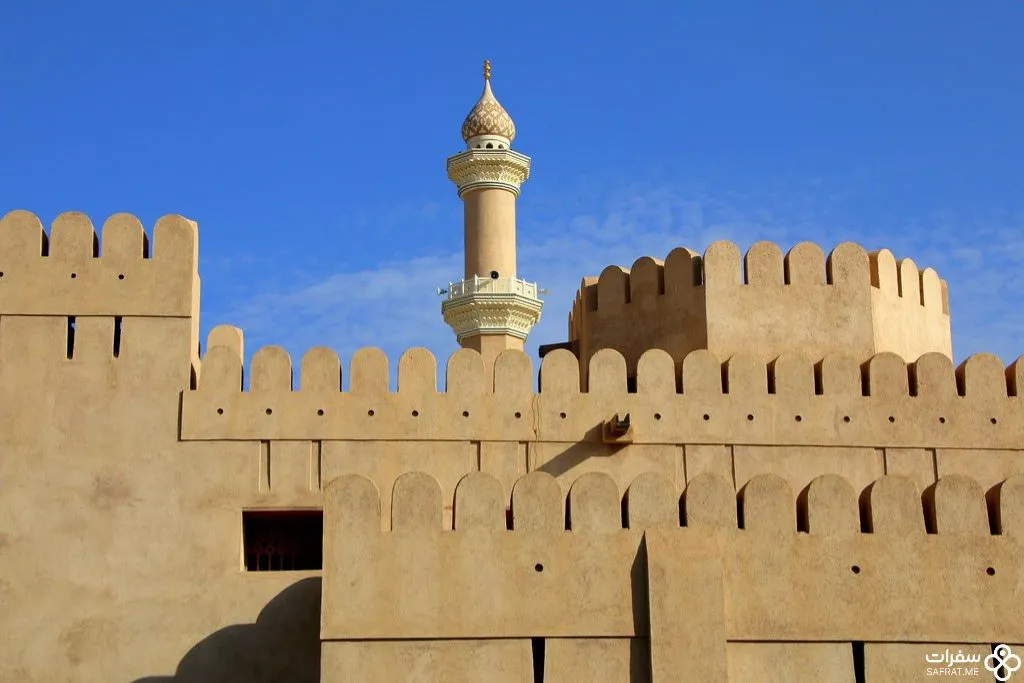
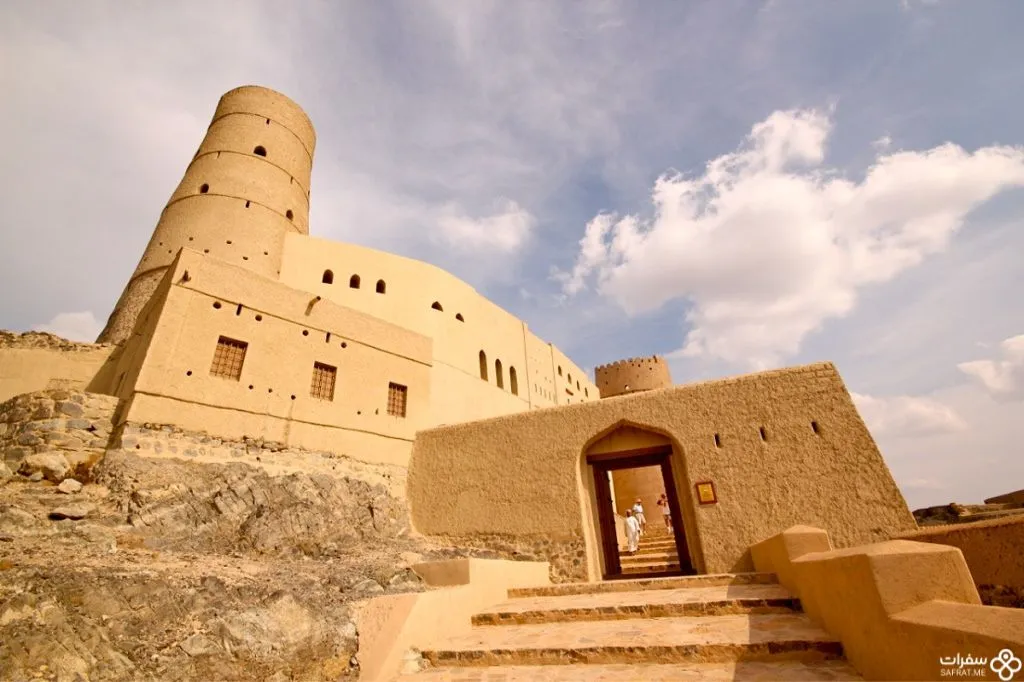
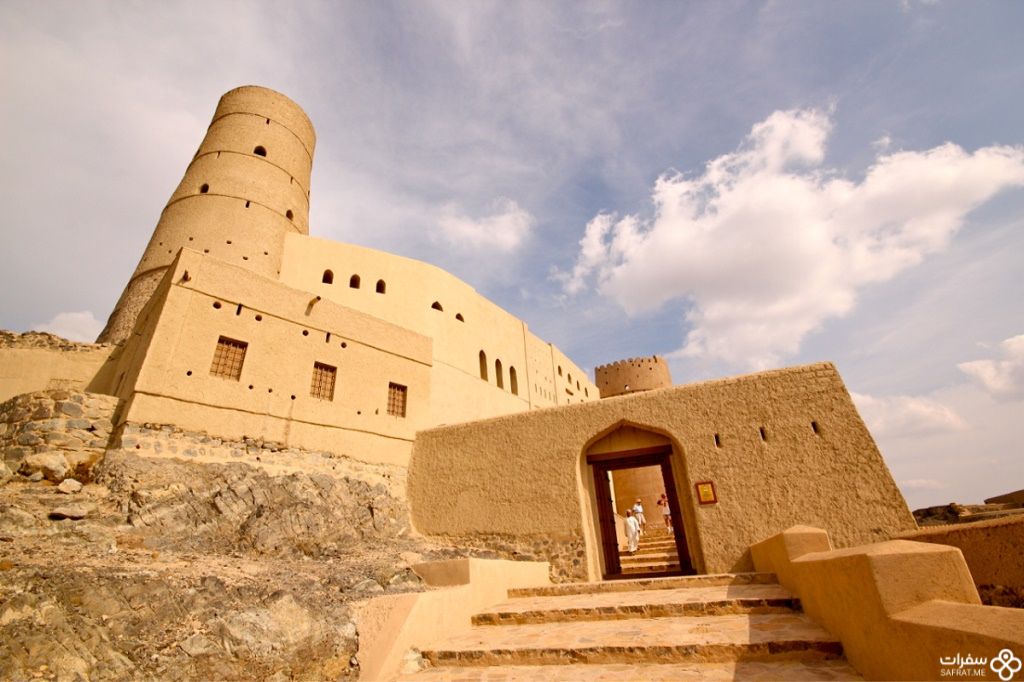
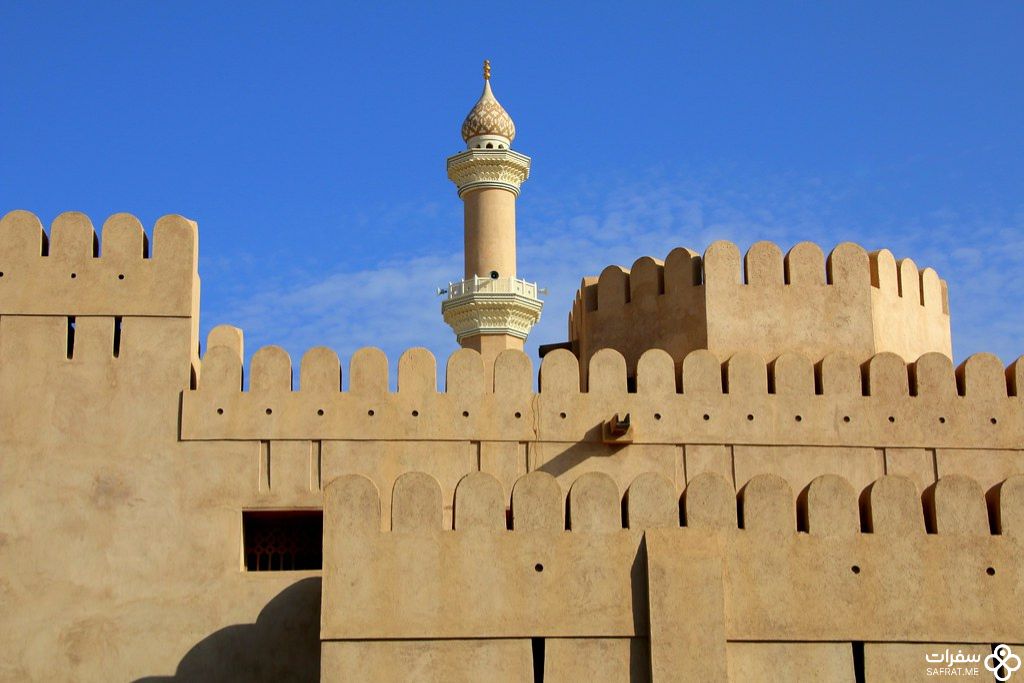
Nakhal Fort, Nizwa Fort, Rustaq Fort, Al Hazm Castle, Jabrin Castle, Al Jalali and Al Mirani forts, and Sohar Fort are among the most beautiful forts and castles that can be seen in the various governorates of Oman. What distinguishes most of these forts is that they served as the seat of rule for Omani princes for periods of time, and some of these castles have been inscribed on the UNESCO World Heritage List.
Enjoy relaxing in one of Oman’s wadis
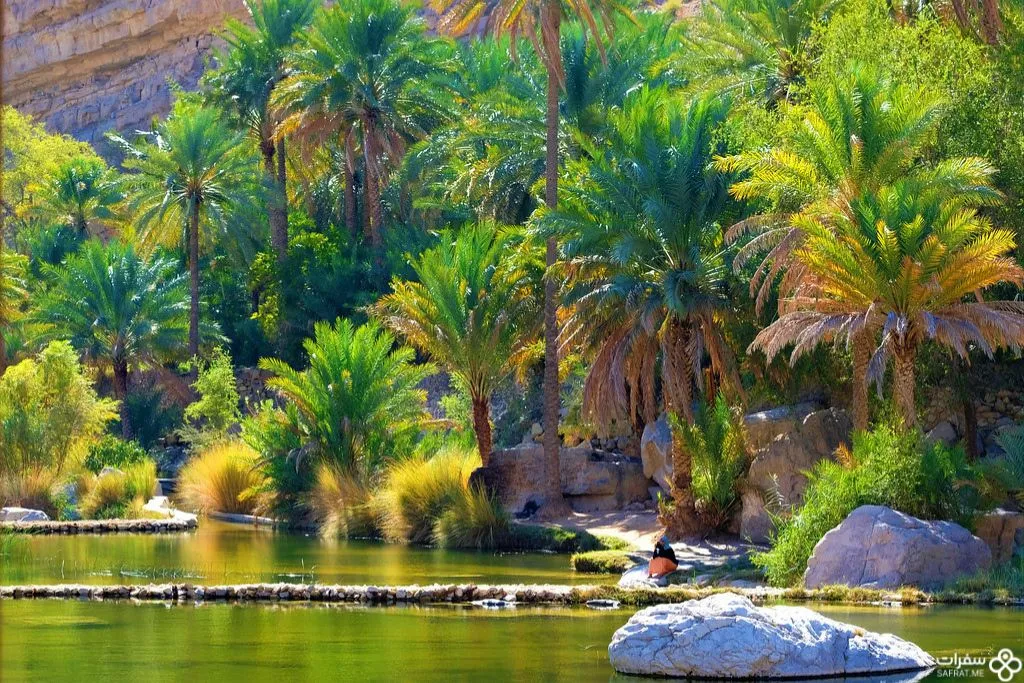
Wadis are among the most beautiful natural destinations recommended for visiting in Oman. Wadi Bani Khalid, Wadi Shab, and Wadi Dam are among the most beautiful wadis in Oman that one must visit at least one of when going to Oman.
The towering mountains from whose sides streams of water flow add to the beauty of these wadis.
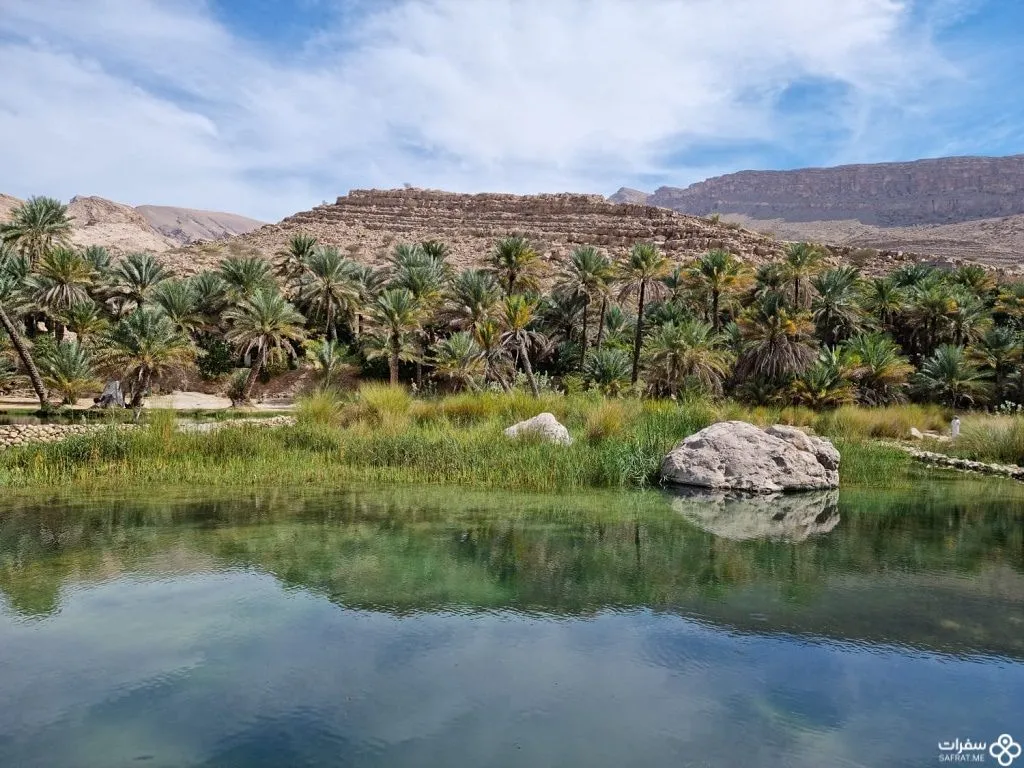
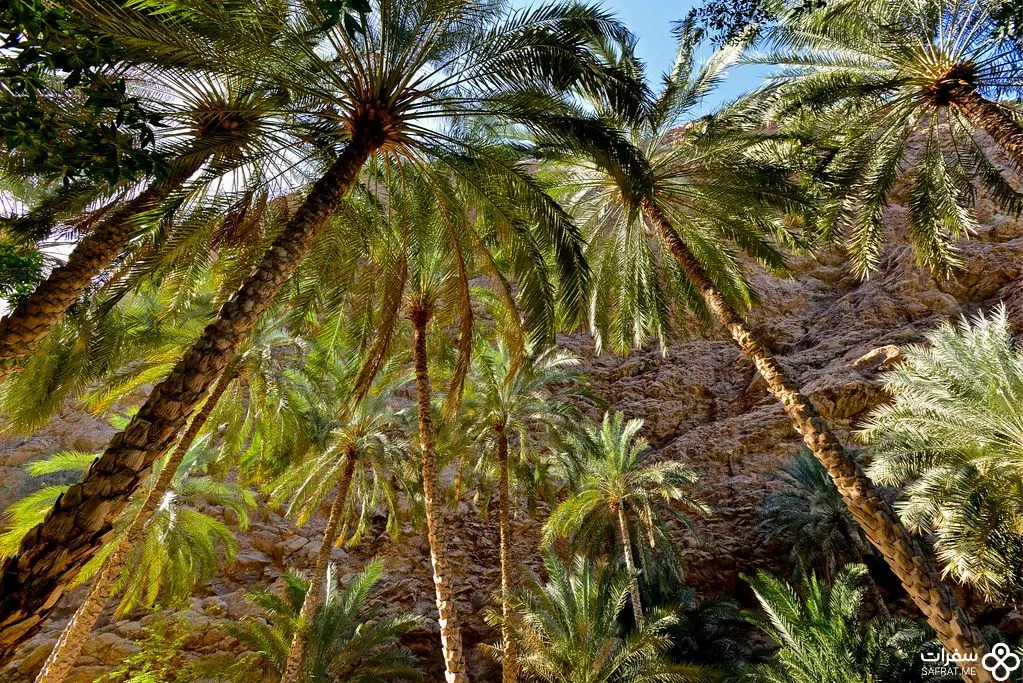
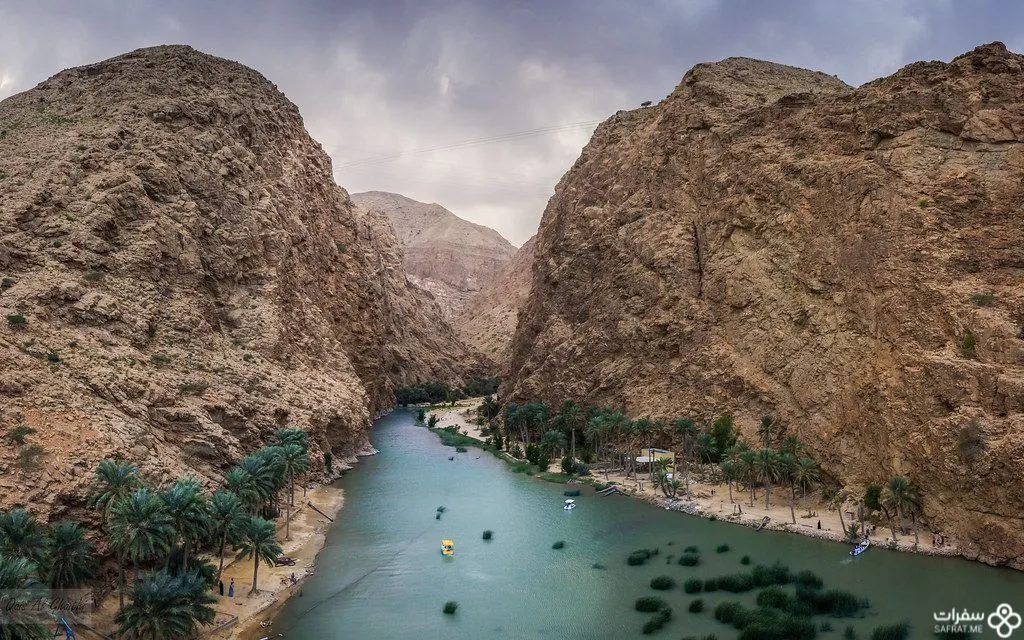
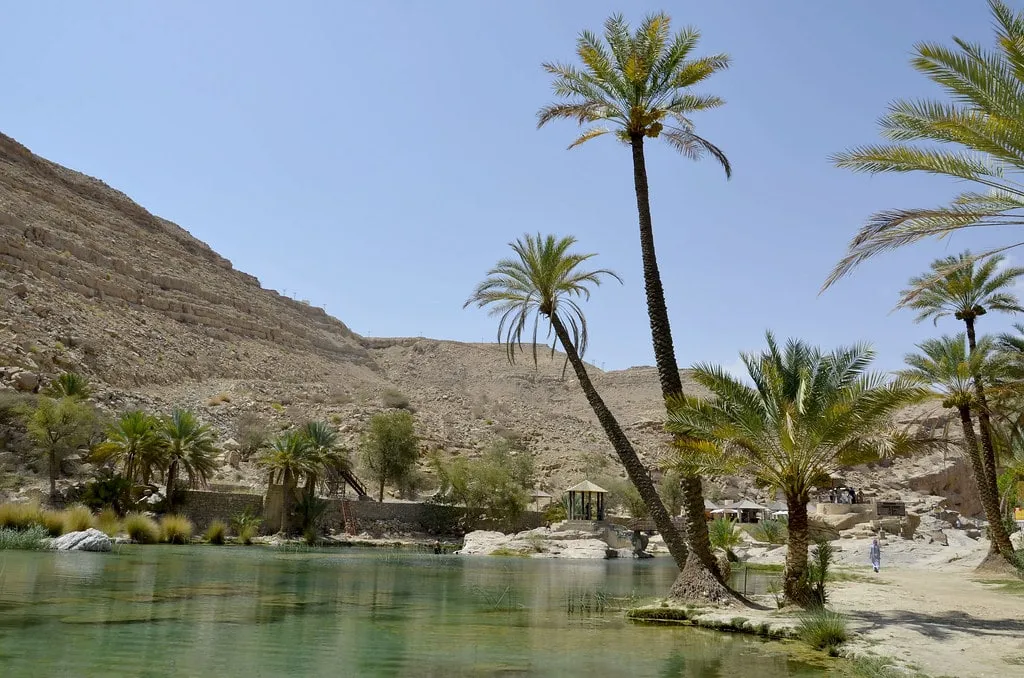
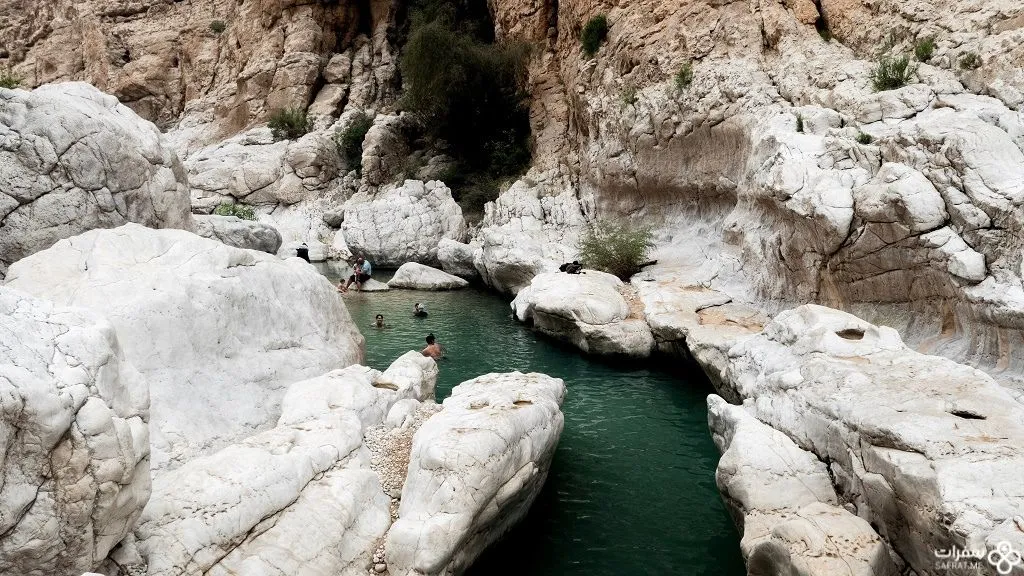
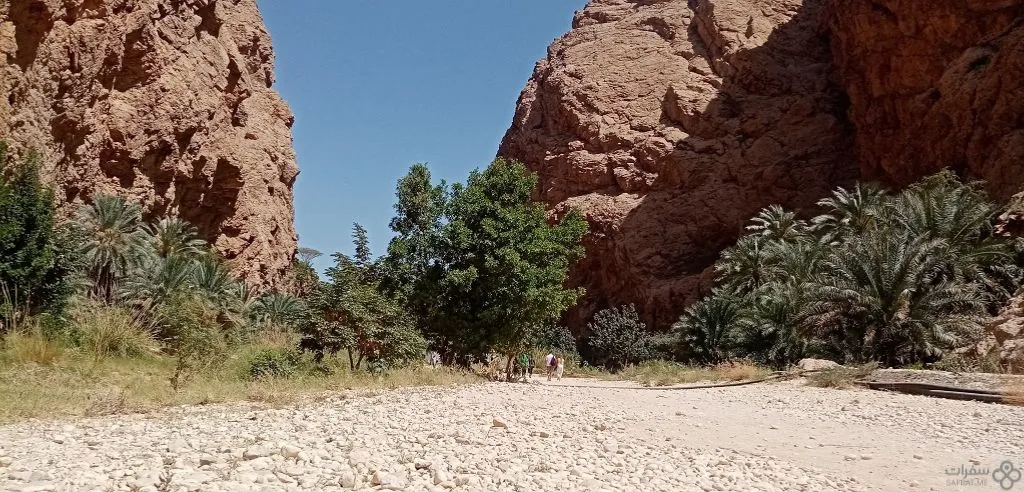
The towering palm trees that multiply the beauty of Oman’s wadis, alongside the shrubs and green plants that appear dense in the midst of the wadis and along the edges of the water pools, make those wadis a stunning paradise. The opportunity to relax and swim in the turquoise-coloured water pools and to camp are among the most beautiful activities recommended in Oman’s wadis, and there is also the opportunity to climb the mountains surrounding the pools to enjoy even more magnificent and beautiful views.
In the foregoing I have tried to point out the finest experiences recommended when travelling to Muscat, but in truth they are not everything — there is also the experience of camping in the Rub’ al Khali, the largest sand desert in the world, as well as spending the night at the Ras Al Jinz Turtle Reserve in order to observe the nesting of endangered green turtles, and visiting Jebel Shams. If you would like to suggest a new experience you enjoyed in Oman, write it for us in the comments.
For more official information about the Sultanate’s landmarks, you can refer to the website of the Ministry of Heritage and Tourism of the Sultanate of Oman.