
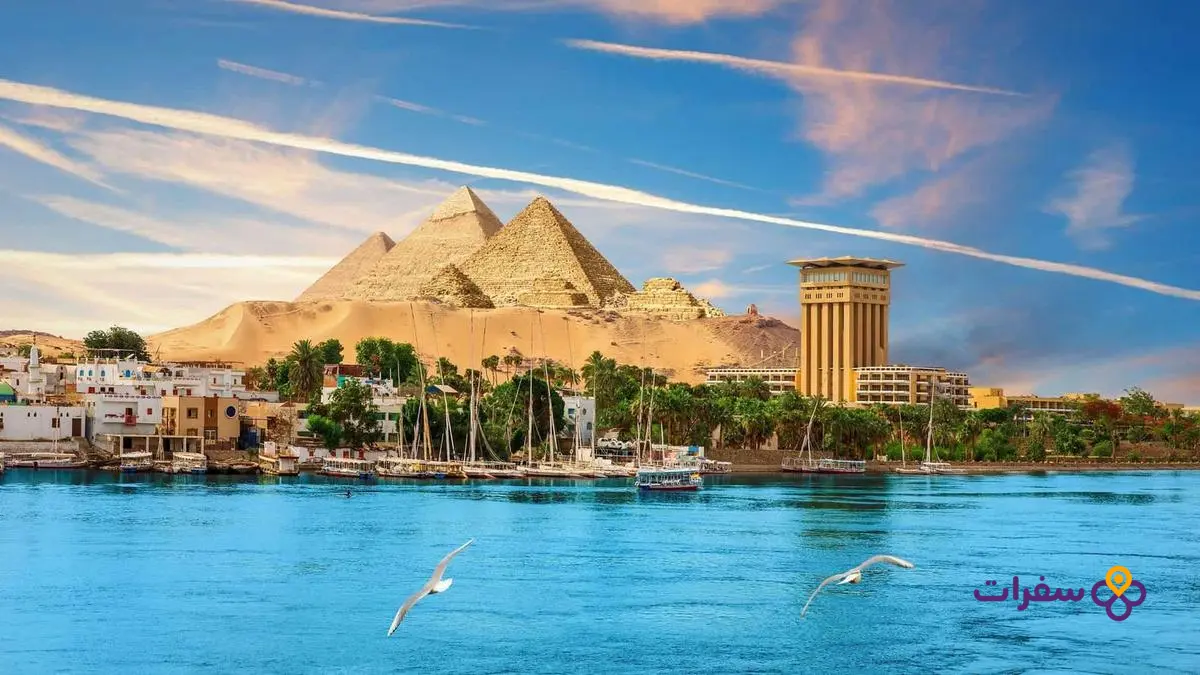
You are planning your first trip to Egypt and need to sort out the practical steps before you travel. Travel Tips for First-Time Visitors to Egypt Start by checking your passport’s validity and obtaining your visa, then move on to setting up communication tools, understanding the transport system, and knowing your payment options. This guide focuses on the real procedures you will encounter from the moment you arrive at the airport through to your daily dealings in markets and archaeological sites, with warnings about the common mistakes first-time travellers make.
A Preparation Guide Before Travelling to Egypt
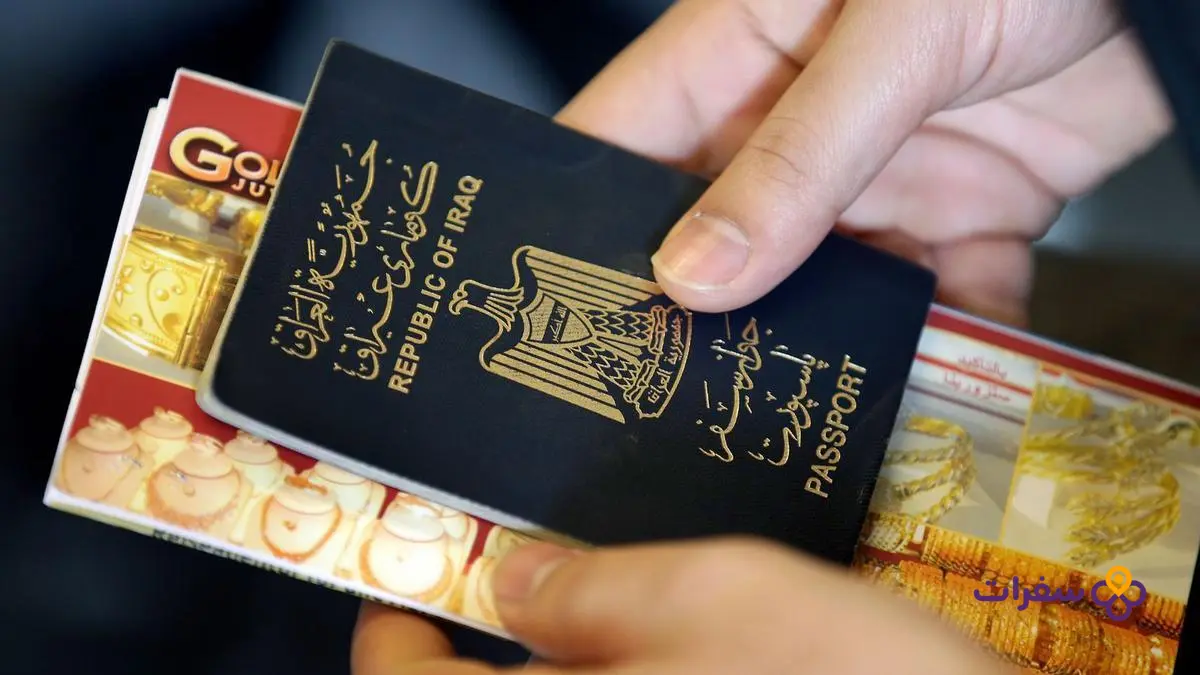
Start by checking your passport and making sure it is valid for at least six months from your planned entry date, as Egyptian border authorities enforce this requirement strictly. Obtain your entry visa in advance through the official electronic portals to avoid delays at the airport, and check whether any additional security approvals may be required based on your nationality. Keep digital copies of all your documents on your phone and in your email as a backup in case the paper copies are lost.
Choosing the Right Time to Visit
Visiting conditions vary depending on the season and your destination within Egypt. The period from October through April offers a moderate climate suited to open-air tours of archaeological sites in Luxor, Aswan, and Cairo, while temperatures rise significantly during summer, making daytime travel exhausting. If your destination is a coastal area on the Red Sea or the Mediterranean, summer is acceptable, but book your accommodation early due to high demand.
| Period | Suitable Destination | Temperatures |
|---|---|---|
| October – April | Luxor, Aswan, Cairo (archaeological sites) | Moderate |
| Summer | Red Sea or Mediterranean coast | High (but acceptable on the coast) |
Setting Up Communication
Set up a travel eSIM and activate it on your phone before departure, so your device connects to the local network automatically as soon as the plane lands, without needing to search for SIM card vendors inside the airport. Instant internet access is essential for booking rides through approved apps, contacting your accommodation, and activating navigation maps. Make sure your phone supports eSIM technology and that the data plan covers your entire stay with enough data capacity for daily app use.
Arrival Procedures at the Airport and Getting Connected to the Internet
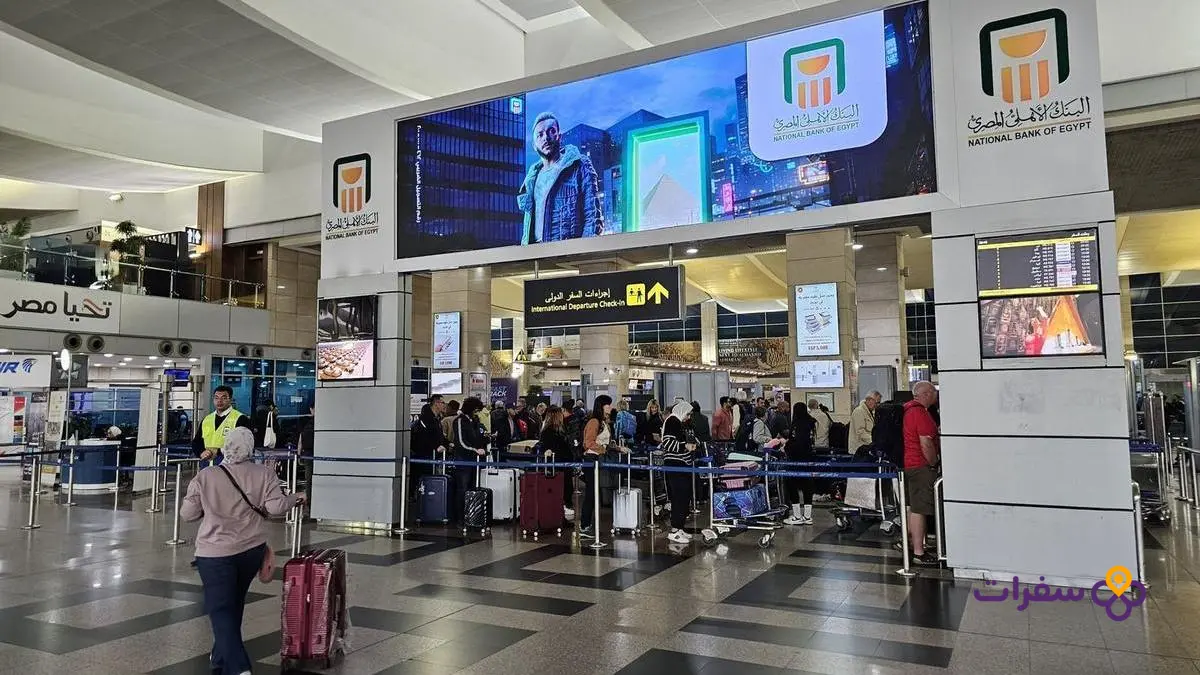
Upon landing at Cairo International Airport’s official gateway, follow the signs leading to the passport hall, where entry documents are stamped and your visais verified. Make sure you have your passport and the entry card distributed on board the aircraft ready before you reach the officer’s window. After completing the formalities, proceed to the baggage reclaim area according to the flight number displayed on the screens, then head towards the customs gates, which inspect luggage on a random basis in most cases.
Securing Internet Access Immediately After Landing
If you have not prepared a SIM card in advance, data plan vendors are available inside the arrivals hall, but the wait may take longer during peak hours.
Make sure to install approved ride-booking apps before you travel so they are ready to use as soon as the internet is activated. Avoid dealing with drivers who offer their services directly inside the hall, as prices agreed verbally tend to be higher than the fares set through digital apps.
Getting Around and Avoiding Extra Transport Costs

A first-time traveller in Cairo relies on two main options: smart ride-booking apps that automatically determine the route and fare, or the metro network that connects the main districts at a fixed cost. The apps eliminate the need to haggle with traditional taxi drivers who may charge tourists double the going rate, and they provide a clear trip record that can be reviewed when needed. Make sure to enable location services and link a payment card before requesting your first ride to avoid delays when boarding.
Using the Metro During Peak Hours
Cairo’s metro operates on three lines that cover distances between the city centre, residential neighbourhoods, and archaeological areas faster than the congested surface roads. Tickets are sold at station windows in set denominations based on the number of stops, and it is advisable to carry small banknotes to speed up the purchase. Avoid the hours between eight and ten in the morning and between four and seven in the evening, when the carriages are packed with local commuters returning from work.
Avoiding Informal Transport
Unlicensed transport touts gather at airport exits and tourist hubs offering seemingly low prices, then add extra charges along the way or upon arrival. Refusing these offers and relying on the designated app pick-up points inside the airport guarantees a transparent journey with no surprises. Keep your phone sufficiently charged and an active data plan throughout your travels so you can request a car whenever you need one immediately.
Financial Transactions and Shopping in Popular Markets
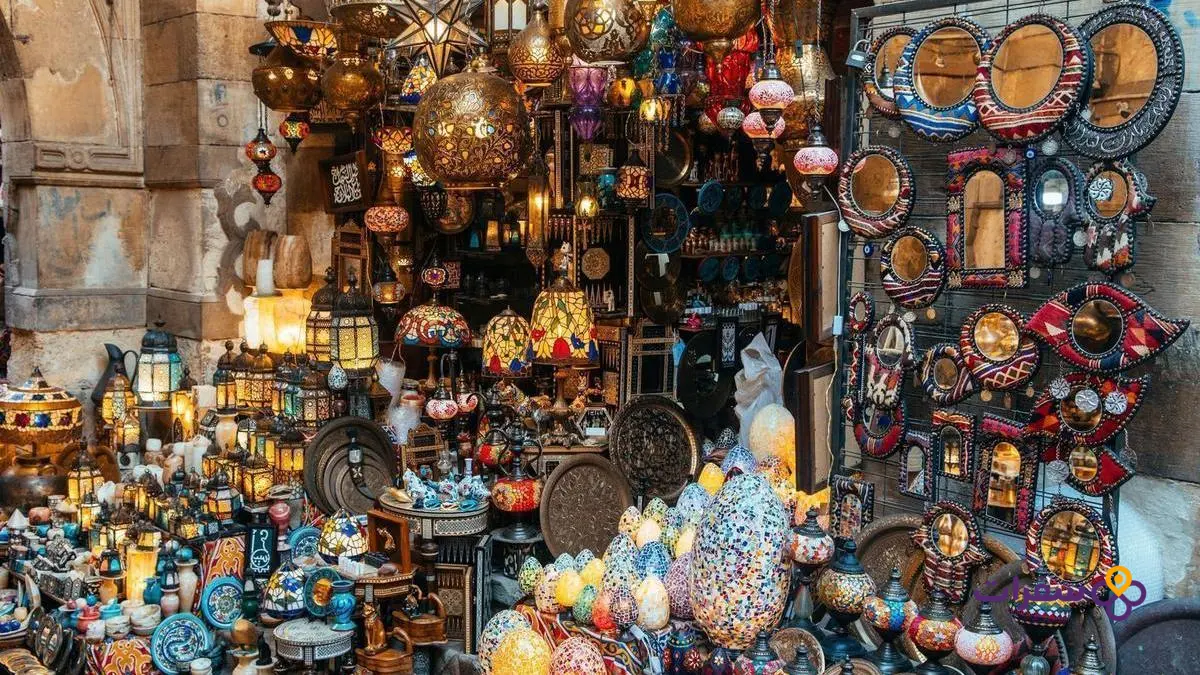
The payment method used in Egypt depends on the type of place you are dealing with. Hotels , large restaurants, and modern shopping centres accept international bank cards without difficulty, while traditional markets such as Khan el-Khalili, small shops, and street vendors require cash only. Make sure to carry small denominations of local currency to ease daily transactions and avoid the problem of vendors not having change, especially on public transport and in popular cafés.
Bargaining in Traditional Markets
Negotiating prices is a natural part of the shopping culture in popular markets, but it requires a calm and respectful approach. Start by asking the price, then offer roughly half the amount as a starting point for discussion, and be prepared to walk away politely if no reasonable agreement is reached. Avoid showing excessive interest in an item in front of the vendor, and compare prices across several shops before making your final purchase decision.
Avoiding Unreliable Offers
First-time travellers sometimes encounter offers for tourist tours or transport services from unlicensed individuals near archaeological sites and hotels. Do not accept offers from touts who approach you in the street or inside attractions, and rely only on official bodies or approved apps to book tourist services. Keep receipts for major purchases and check for official stamps on heritage products to verify their authenticity before paying.
Safety Guidelines for a Smooth Tourist Experience
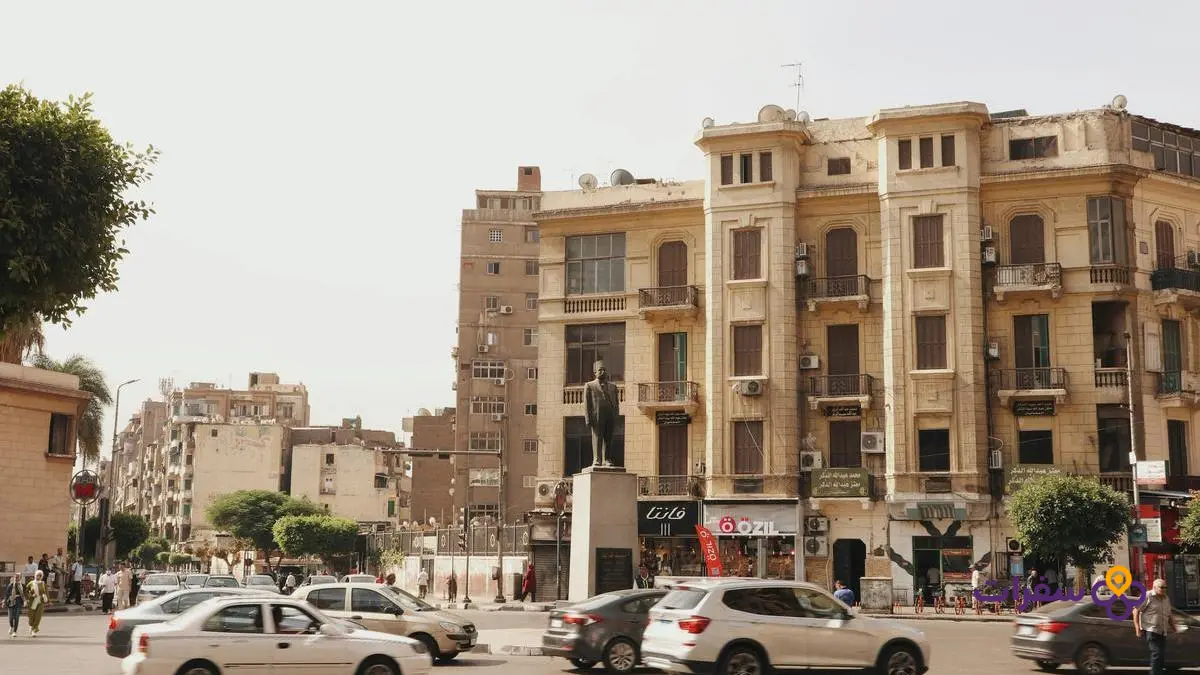
A first visit to Egypt’s archaeological sites requires practical alertness to avoid informal offers targeting new visitors. Make sure to buy entry tickets from the official ticket windows inside each archaeological site, and do not accept offers from touts who propose to “facilitate entry” or offer “private tours” outside the main gates. If you wish to hire a tour guide, verify that they hold an official card issued by the Egyptian Ministry of Tourism displayed prominently, and discuss the details of the service and cost before starting to avoid any later misunderstanding.
Crowded areas such as popular markets and tourist hubs require extra attention to protect your personal belongings. Use a front-facing bag or inner pockets to keep your passport, bank cards, and cash, and avoid displaying large amounts of money while shopping. Save local emergency numbers in advance: Tourist Police 126, Ambulance 123, and the Ministry of Tourism hotline 19654 to report any issues related to tourist services.
Avoid accepting invitations for “free tours” or offers that seem unusually attractive, as they typically end with pressure to buy from specific shops or pay unexpected fees. Using digital map apps helps you verify routes and estimate distances accurately, which reduces the chances of being exploited while moving between tourist attractions.
Frequently Asked Questions About Travelling to Egypt for the First Time
What should I do at the airport if it’s my first time travelling?
Upon arriving at the airport, head first to the passport hall to present your travel documents and get your entry stamp, then follow the flight information screens to reach the baggage claim belts. Make sure to activate your internet connection before leaving the terminal so you can arrange reliable transport to your accommodation.
What is the best month to visit Egypt?
The period from October through April is climatically the most suitable for visiting the archaeological sites in Luxor and Aswan, as temperatures are mild during the day and comfortable for outdoor movement. The summer months see high temperatures in Upper Egypt, though they are more bearable along the northern coast and in Alexandria.
Can I rely solely on my bank card without carrying cash?
Cards are generally accepted at large hotels and shopping centres, but popular markets, small restaurants, and car parks require cash payment in Egyptian pounds. Keep small denominations on hand to make everyday transactions easier and to avoid the hassle of breaking large notes.
What should I do if I lose my internet connection while getting around Cairo?
Free Wi-Fi is available in most hotels and major cafés, but relying on it alone will limit your ability to use ride-hailing apps or maps out on the street. Make sure to set up a local data package or an eSIM before leaving the airport to ensure a continuous, uninterrupted connection throughout your trip.