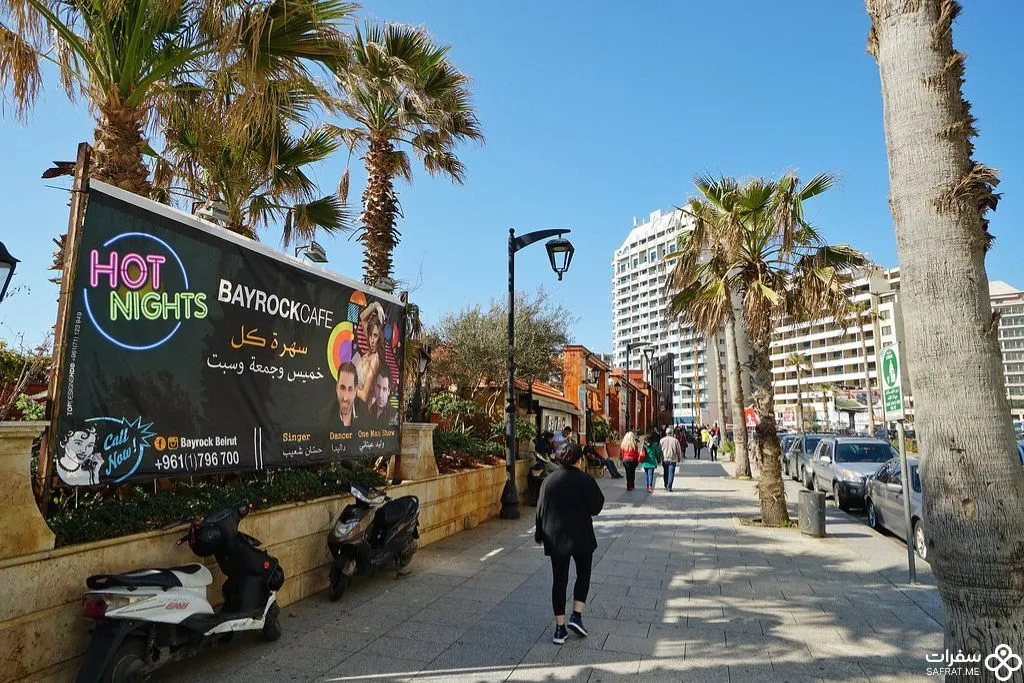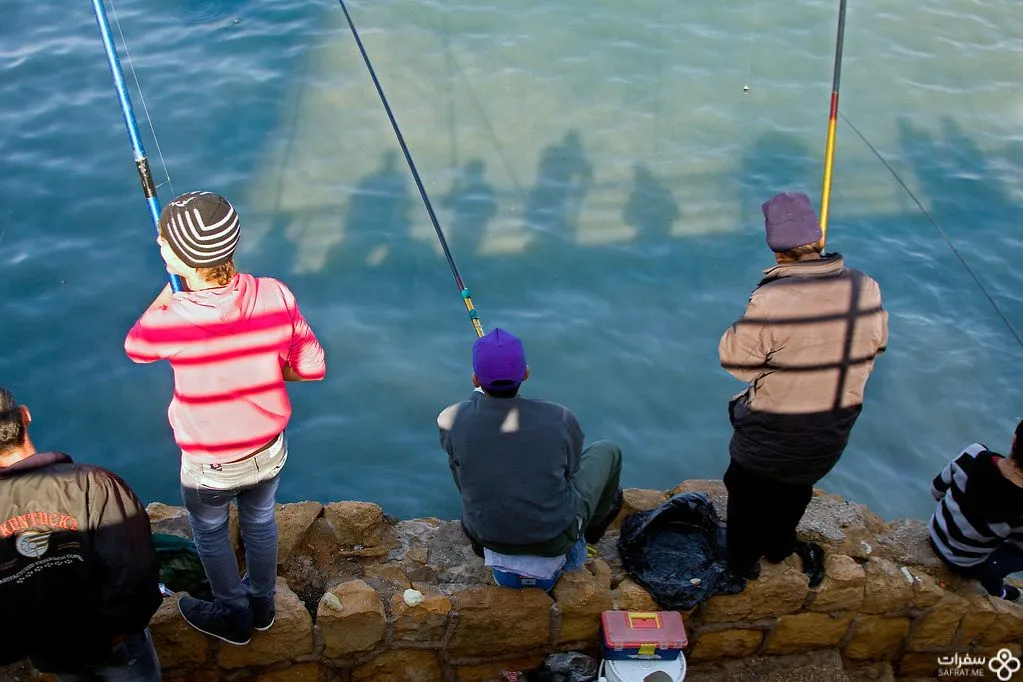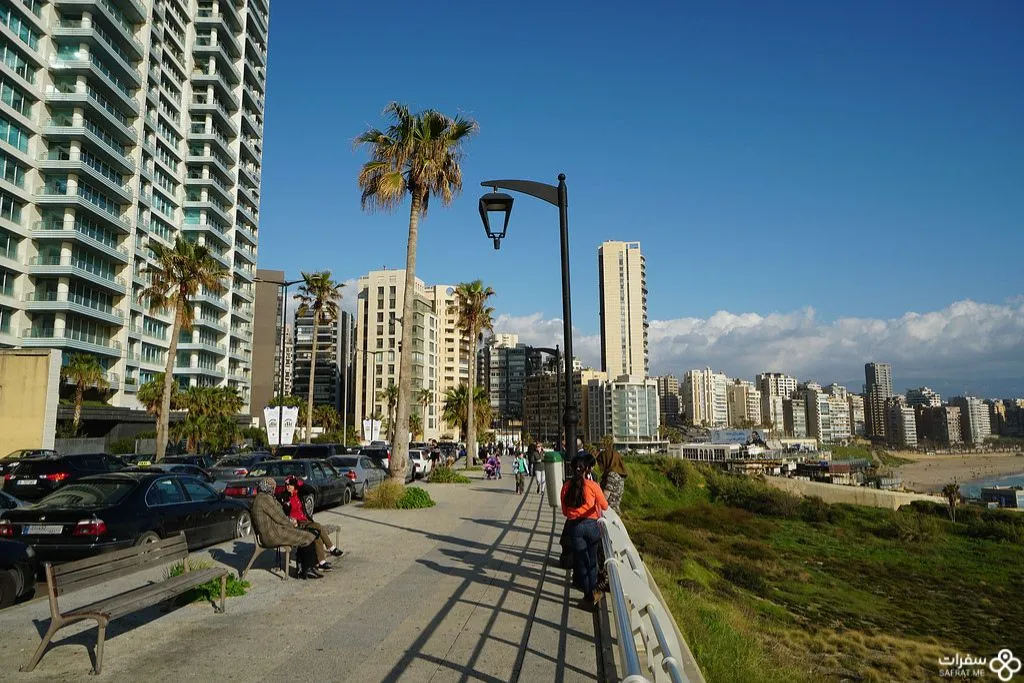
Beirut as the capital of Lebanon and the Bride of the Middle East, is one of the most beautiful recommended travel destinations, attracting tourists from all corners of the world. Beirut’s beauty is not limited to its unique nature and breathtaking air, as there are places that embody the spirit of travelling to Lebanon. The vibrancy of Nejmeh Square, the architecture of Beirut’s mosques such as the Al-Omari Mosque and the Mohammad Al-Amin Mosque, and the remarkable artefacts in the Beirut National Museum are among the most wonderful things you must experience in Beirut.
1. Nejmeh Square
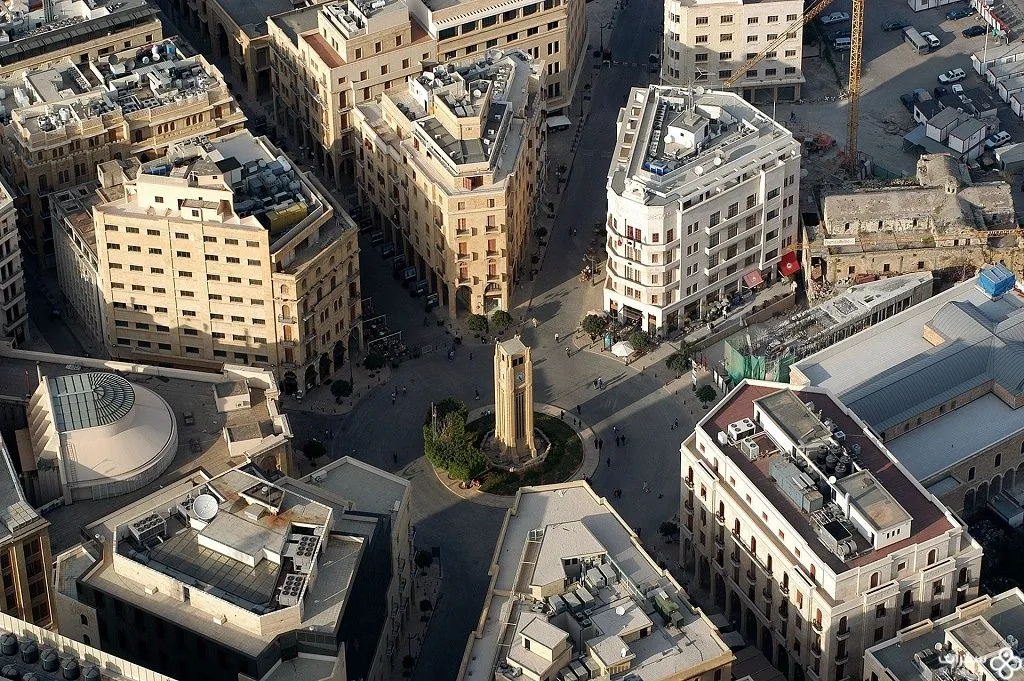
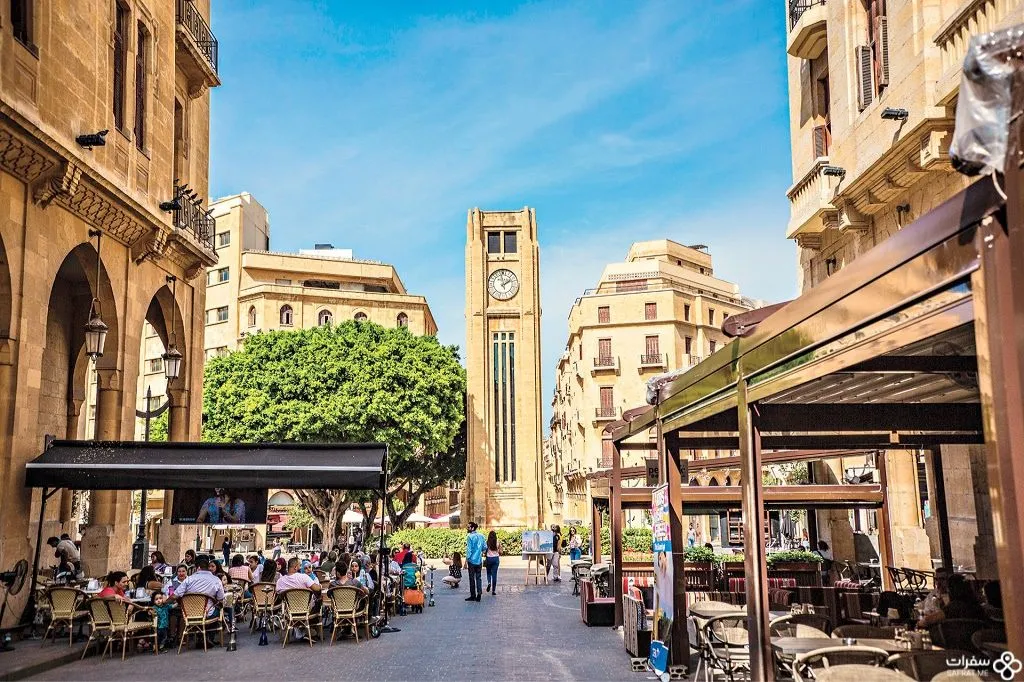
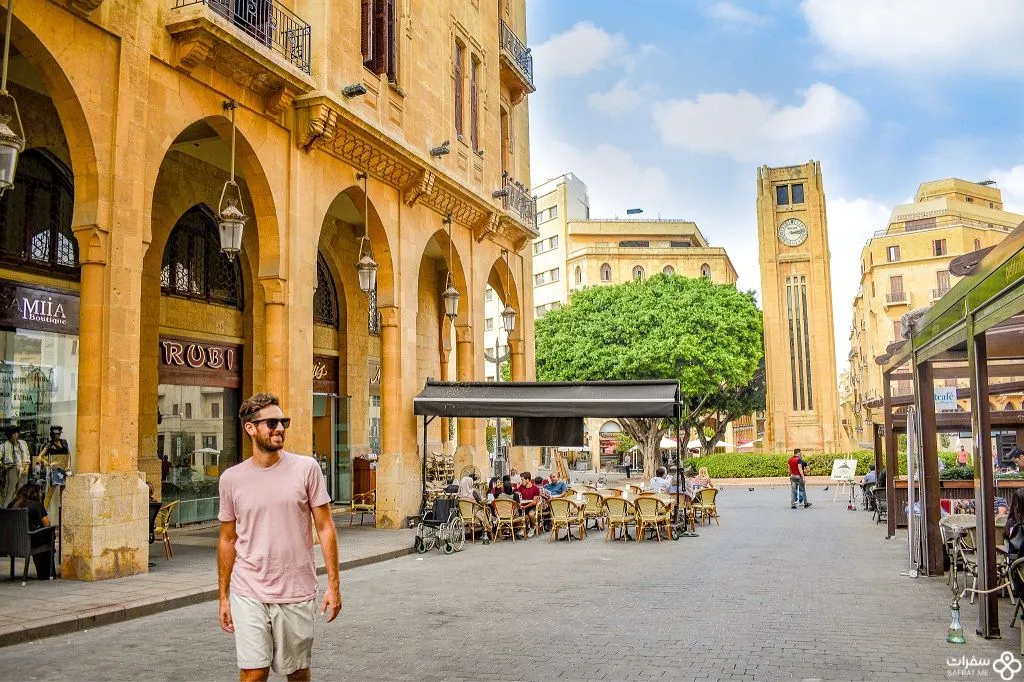
Nejmeh Square is one of the most important places in Lebanon and is often regarded as a symbol of Lebanon. Nejmeh Square is located close to the Lebanese Parliament building and its other structures. At the centre of Nejmeh Square stands the Al-Hamidiyya Clock Tower, which is nearly a century old. The Rolex clock that adorns the tower on four sides is one of the beautiful things worth seeing. The restaurants and cafés surrounding Nejmeh Square add to the adventure of exploring this place.
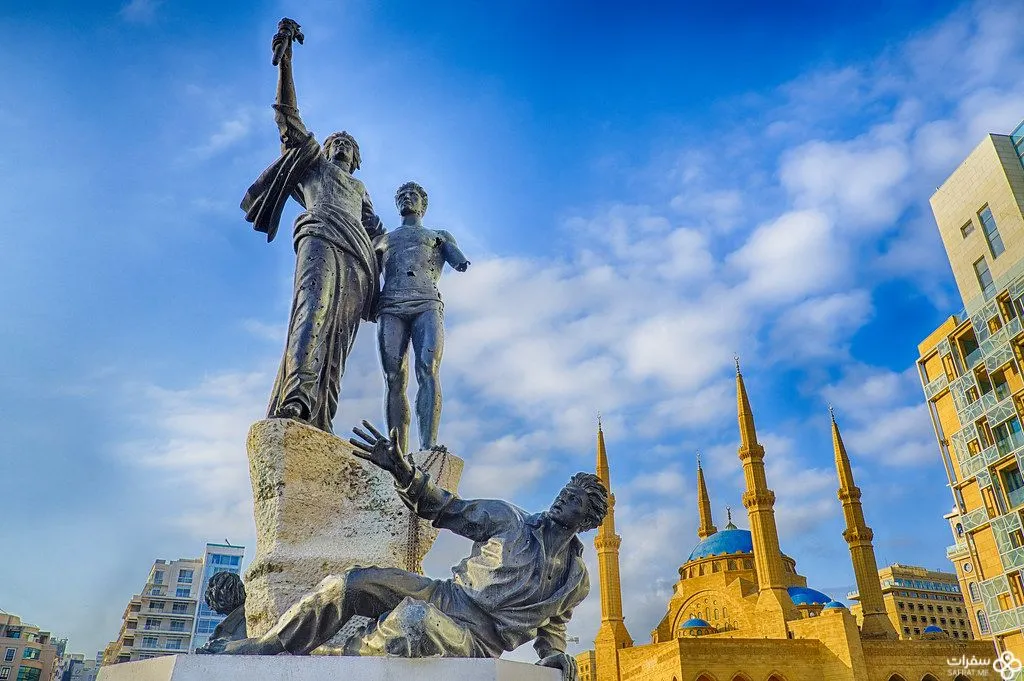
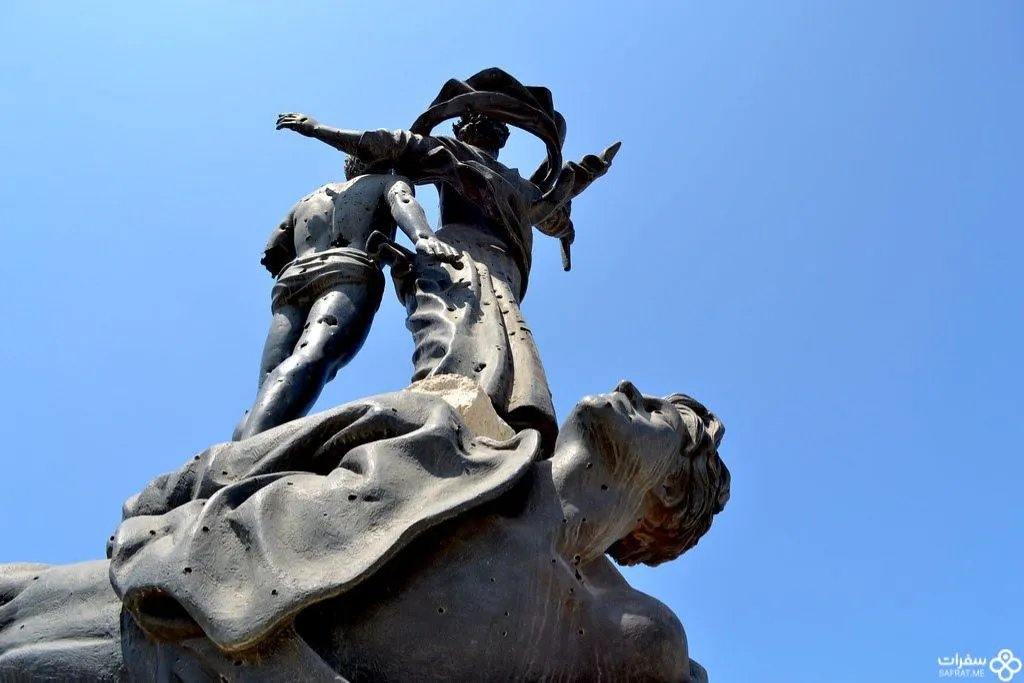
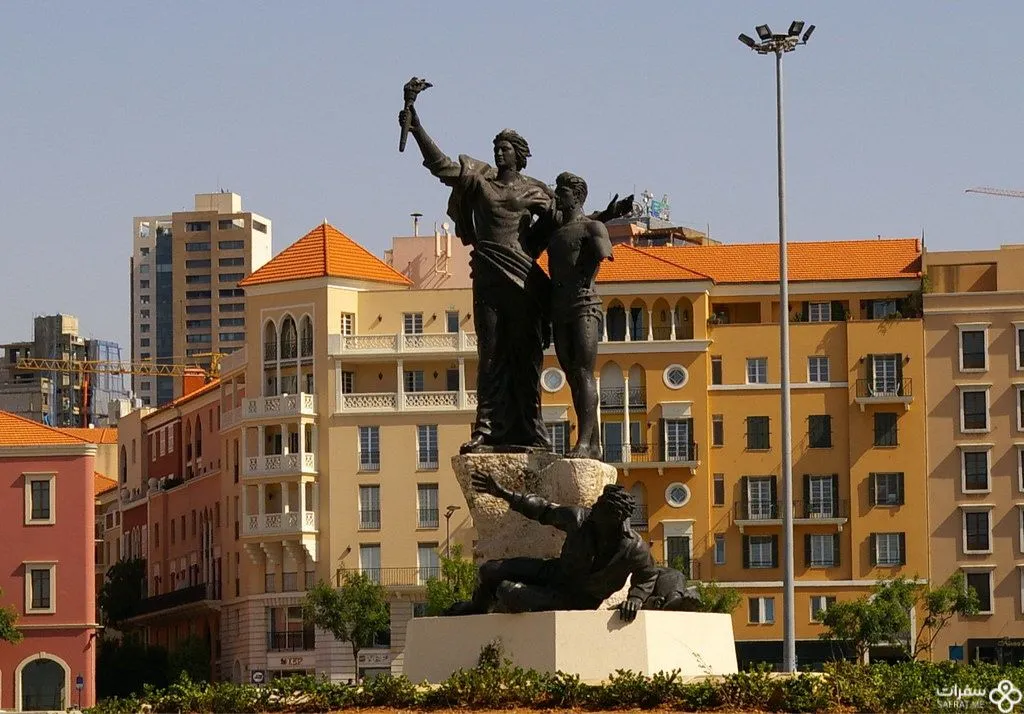
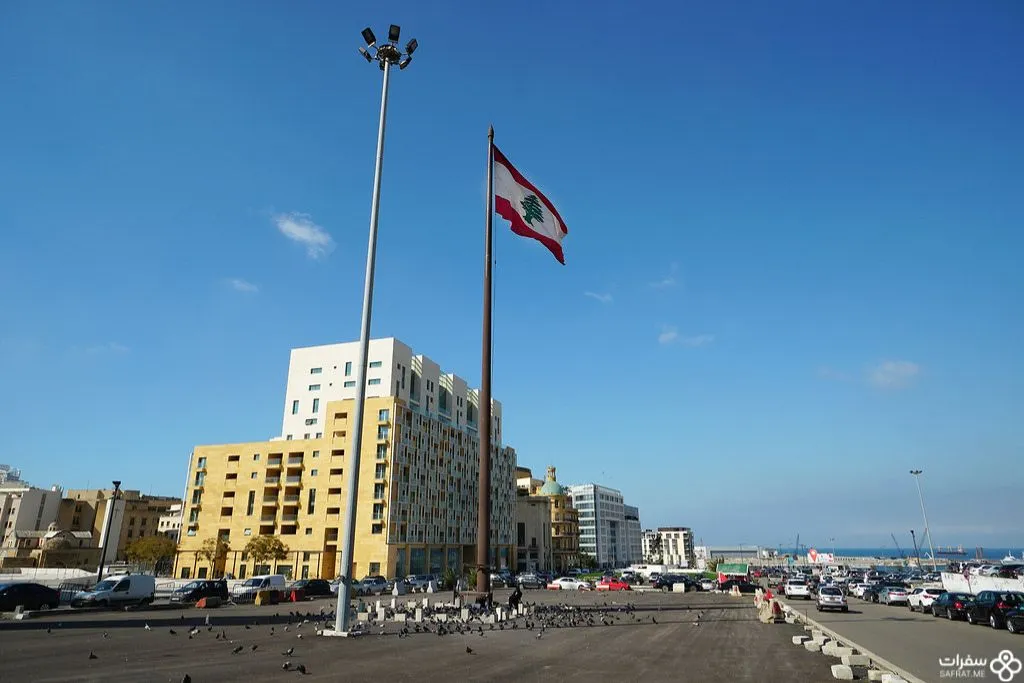
Martyrs’ Square is Lebanon’s greatest square and is likewise a must-visit when going to Lebanon. This is the square where the Ottoman governor executed patriotic figures. This square, which was built in the seventeenth century, is one of those squares whose name changed several times, and it is now known as Martyrs’ Square — a symbol of patriotism and heroism for the Lebanese people.
2. Saint George Cathedral
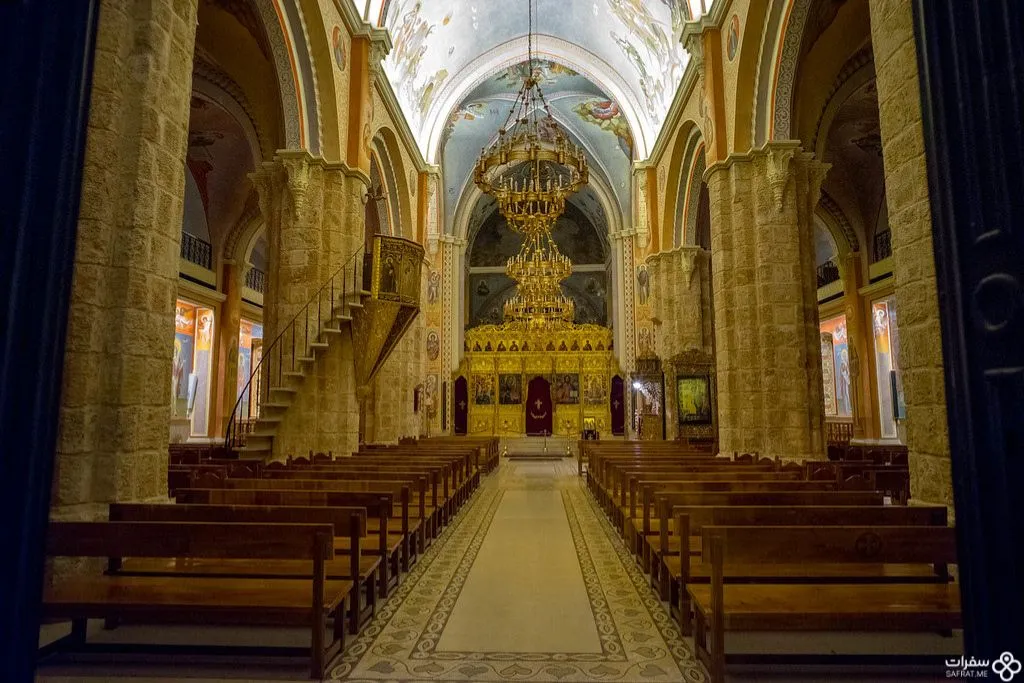
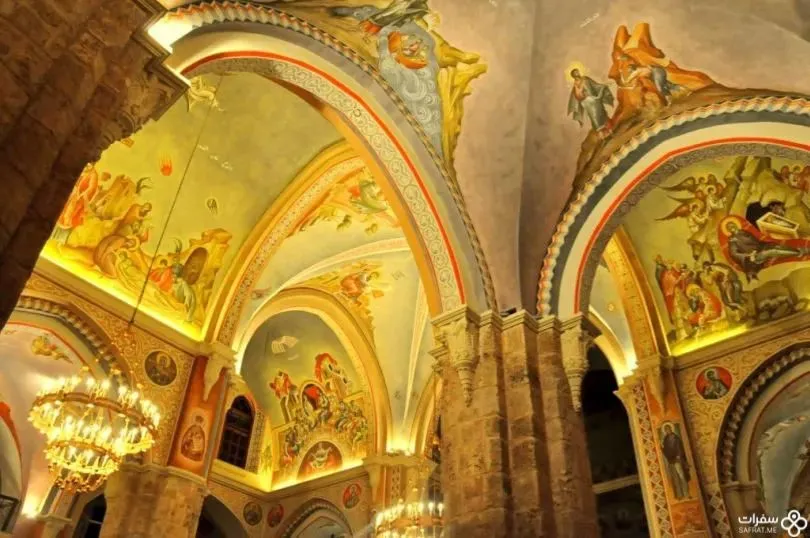
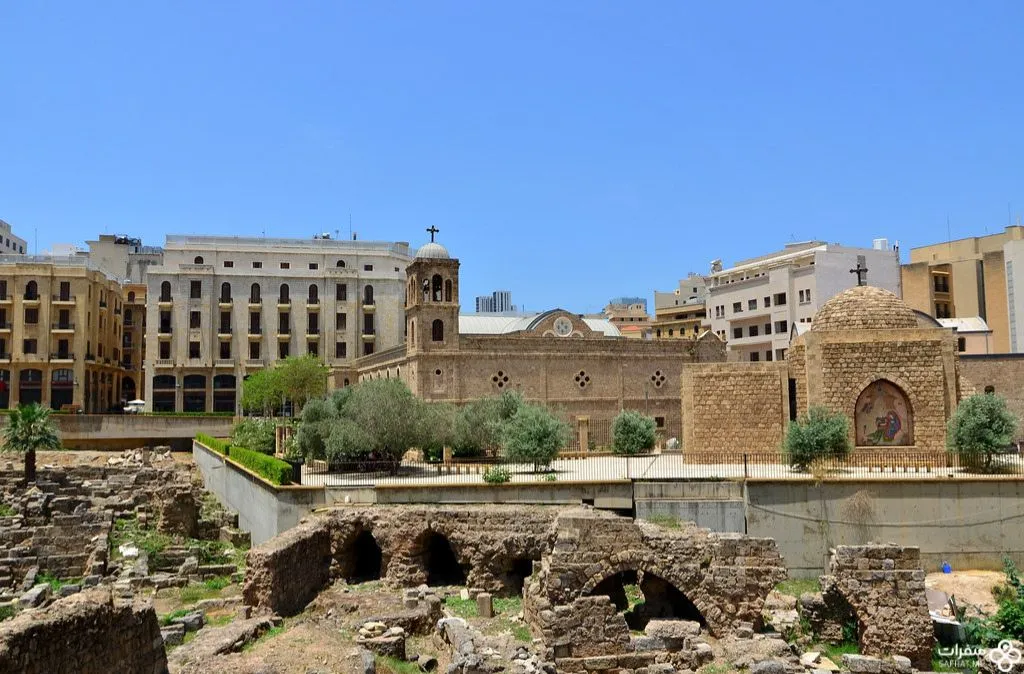
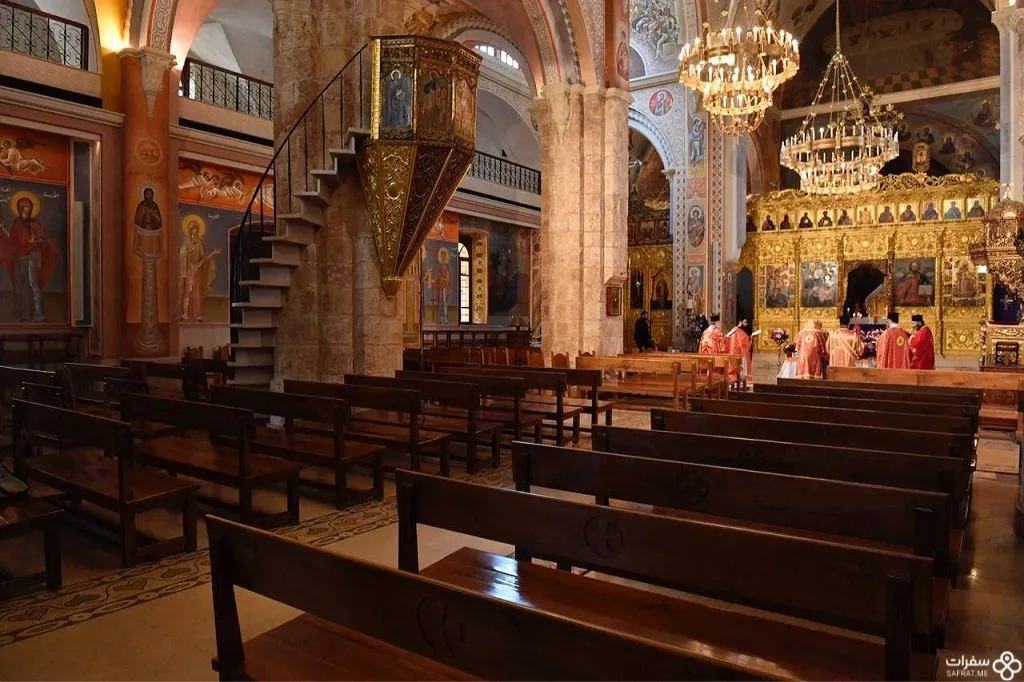
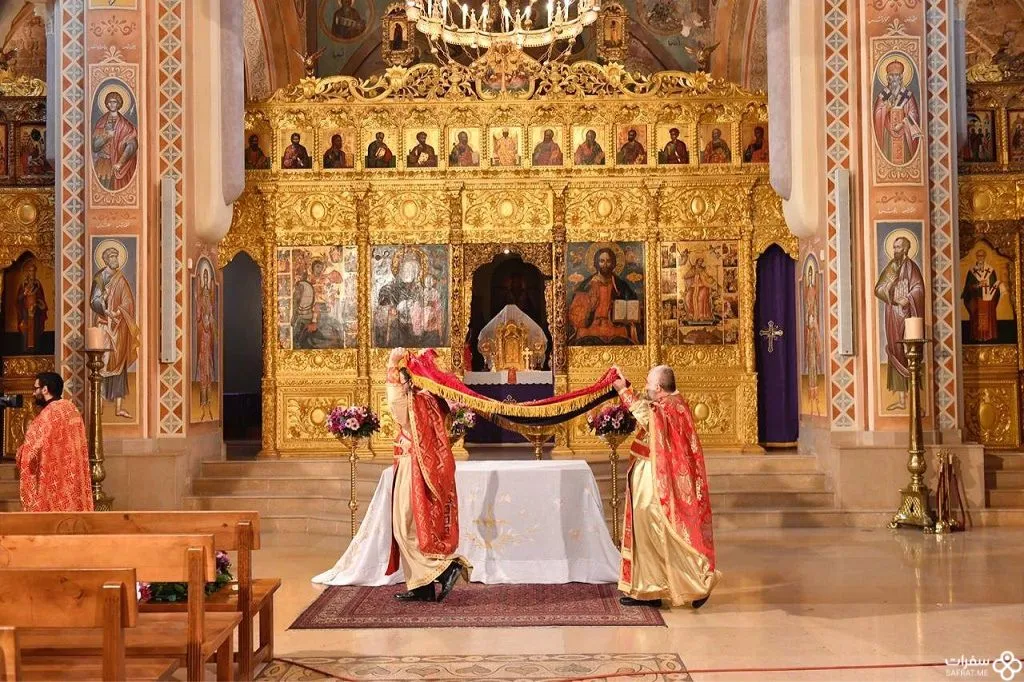
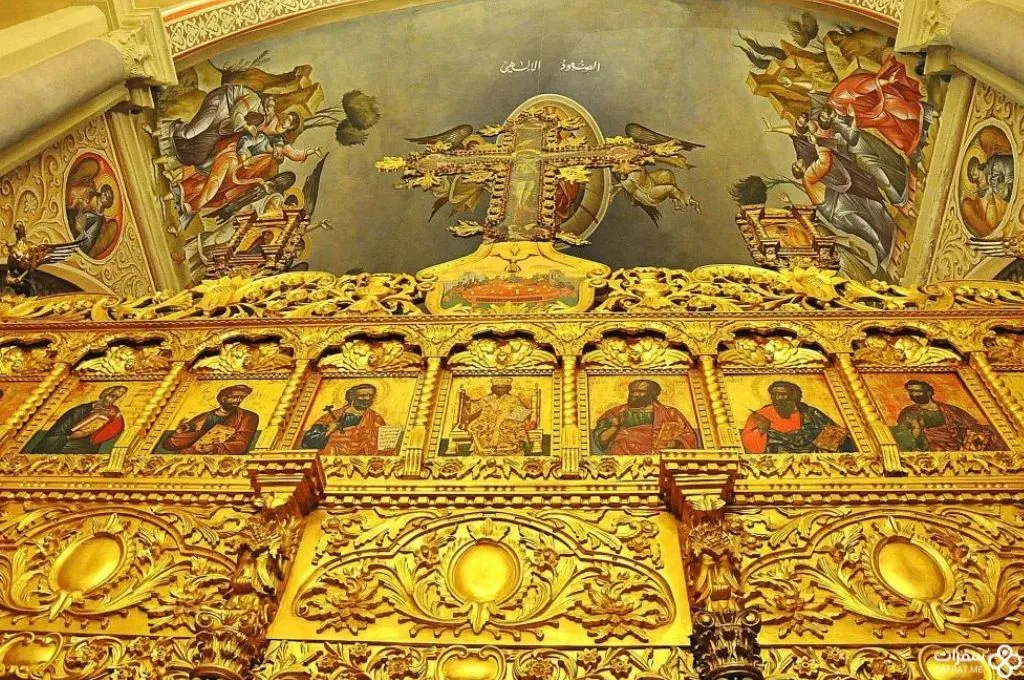
Saint George Church is the oldest church in Beirut and its surrounding cities. This church is located in the heart of Beirut, close to Nejmeh Square. It was built on the ruins of the ancient Church of Anastasia.
Despite the many changes the church underwent during the Lebanese Civil War, it revealed the precious heritage lying beneath its ruins.
Byzantine mosaic floors, hidden ancient tombs, valuable paintings, and films screened to learn more about the history of the church are among the things that can be done at this church.
3. Beirut National Museum
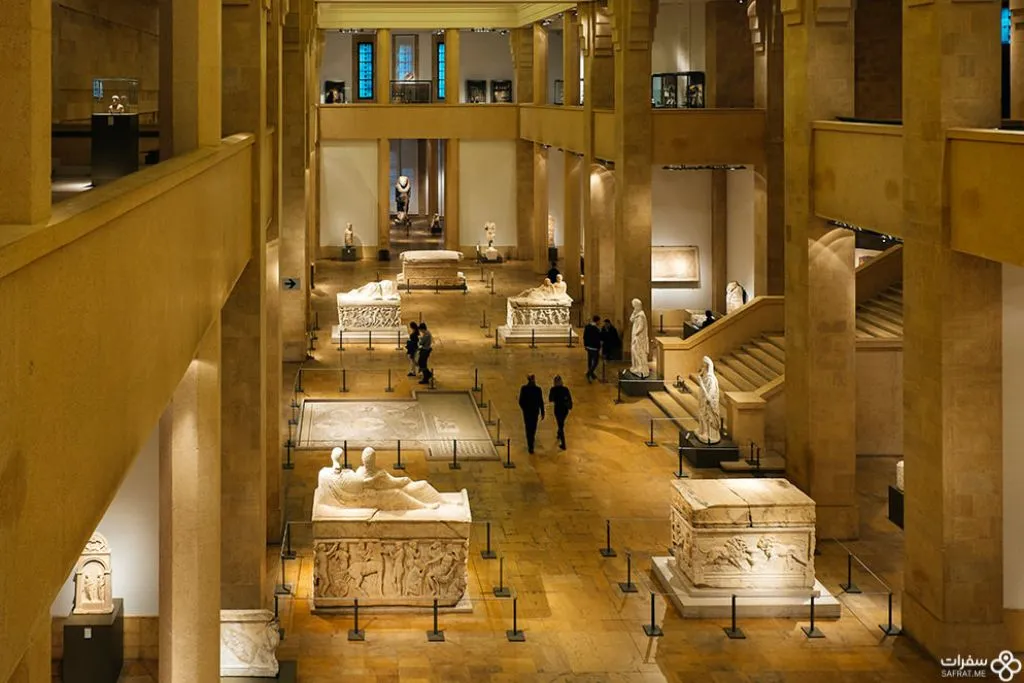
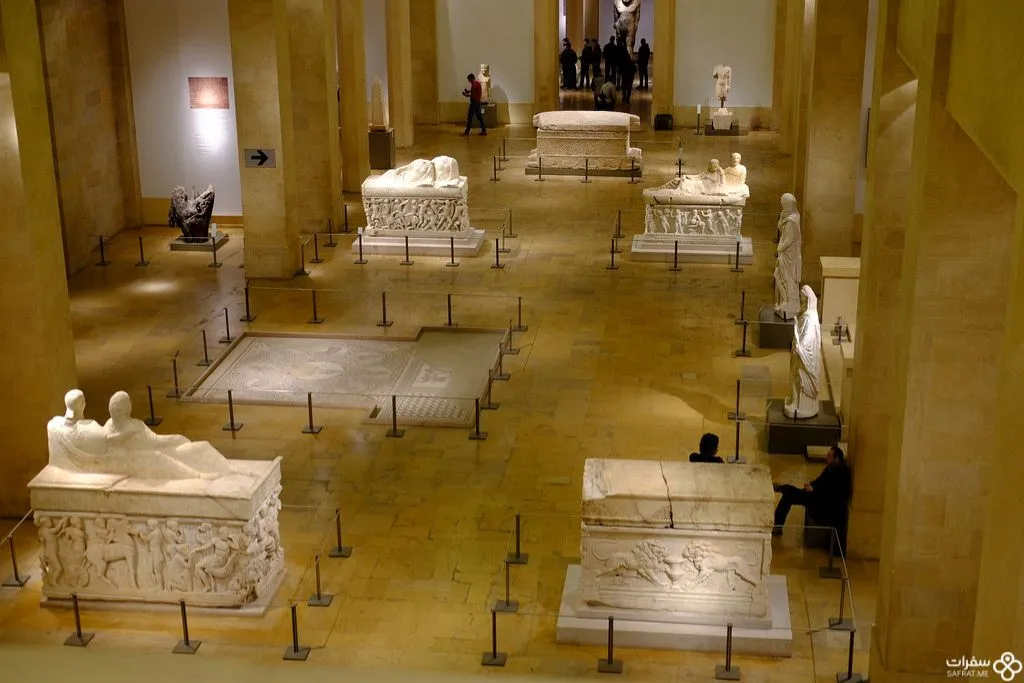
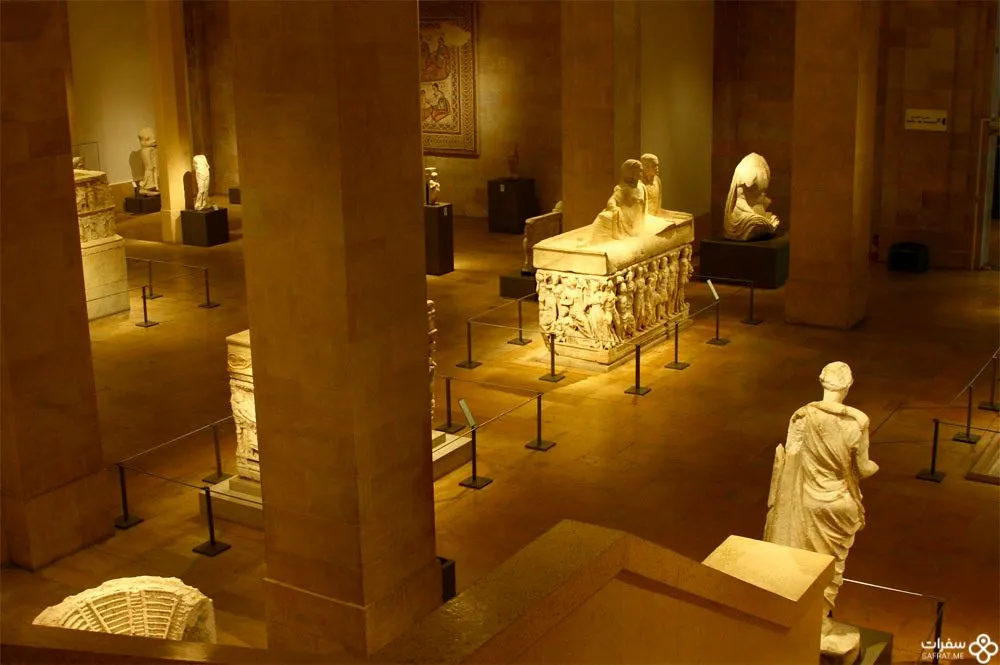
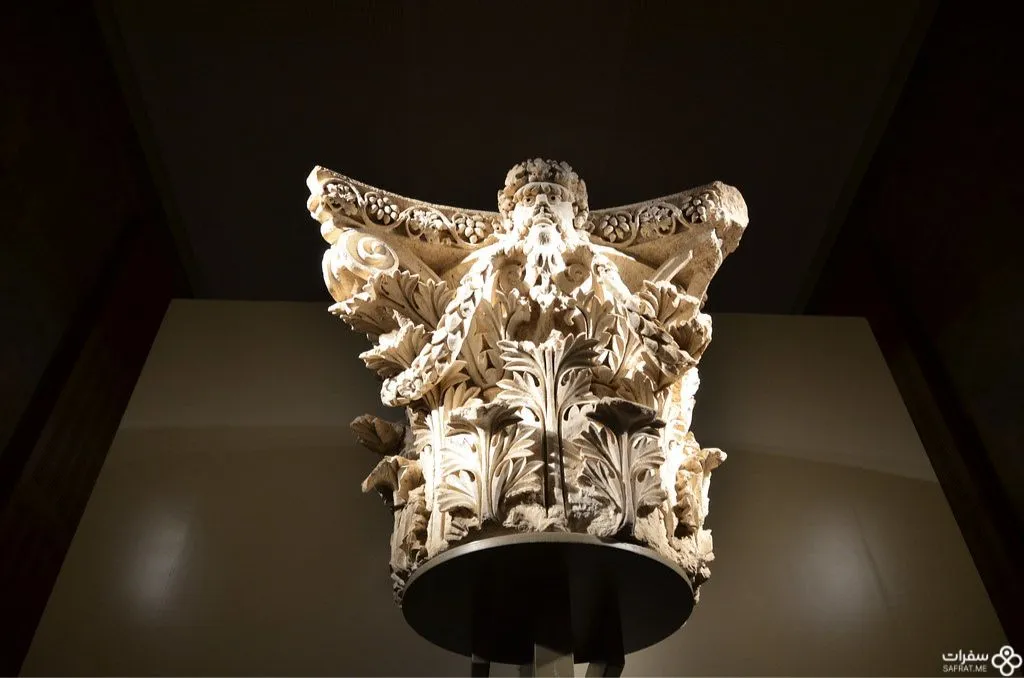
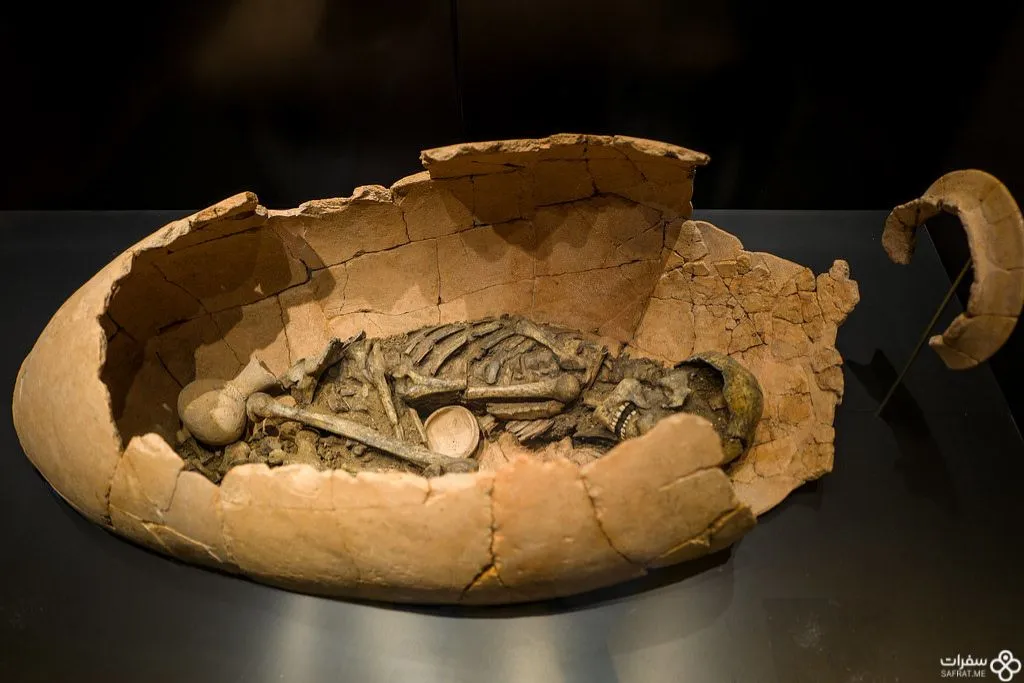
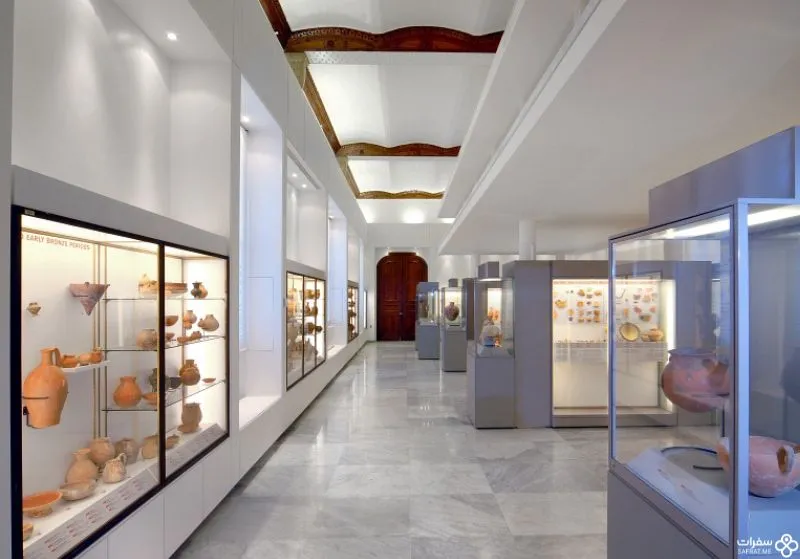
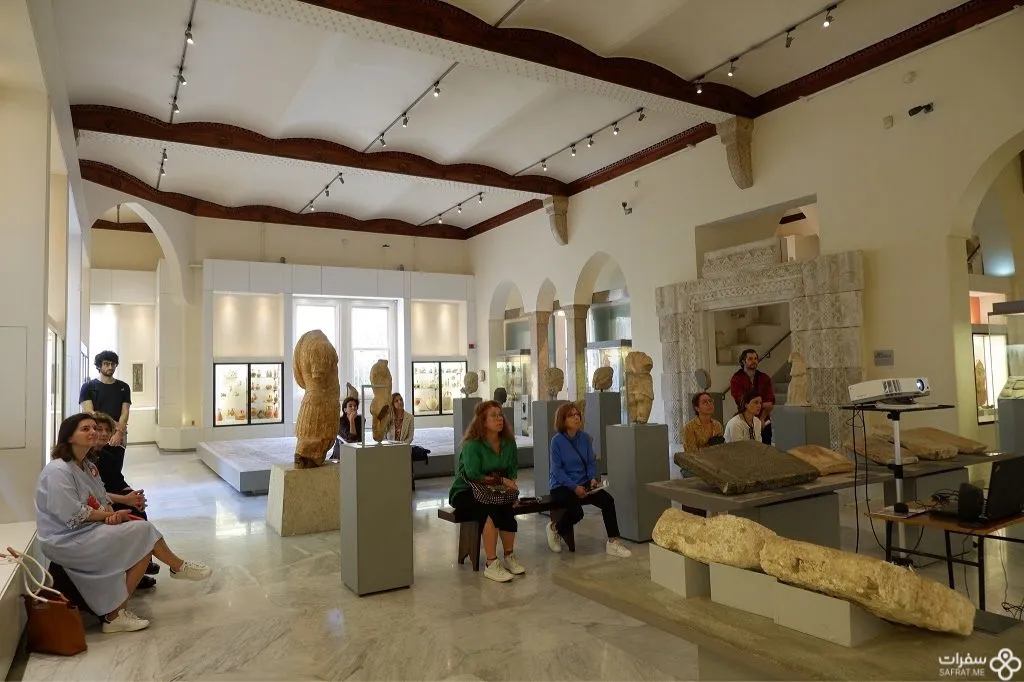
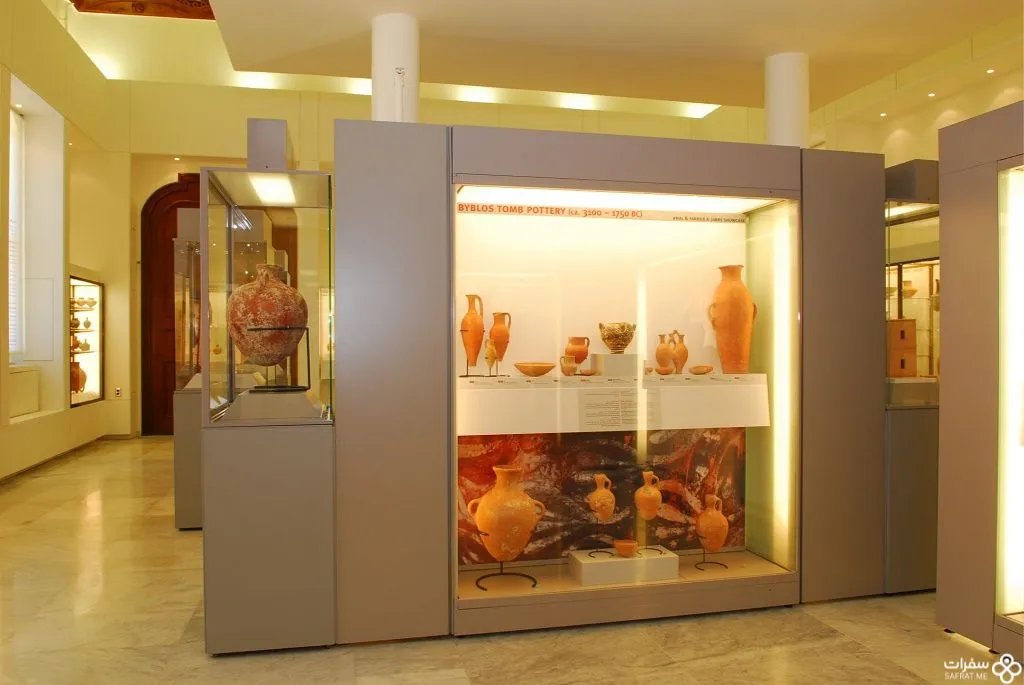
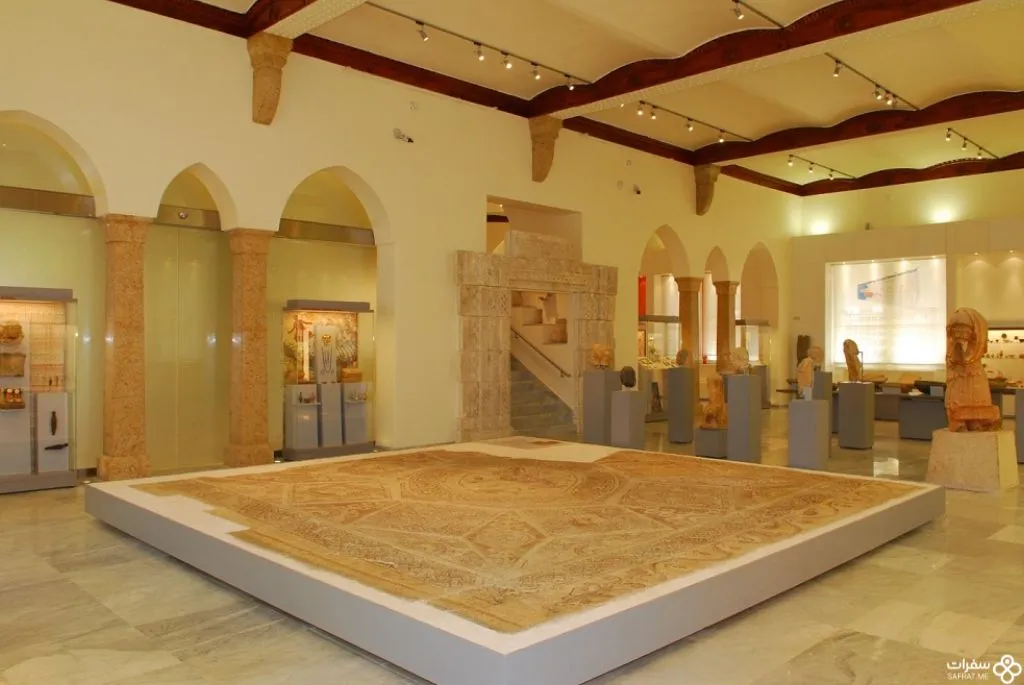
The Beirut National Museum, with its three floors and valuable pieces said to number up to 100,000 items, is one of the most beautiful places that must be visited when going to Beirut. The Beirut National Museum houses many artefacts dating back to various civilisations, such as the Phoenicians, the Romans, and the Muslims.
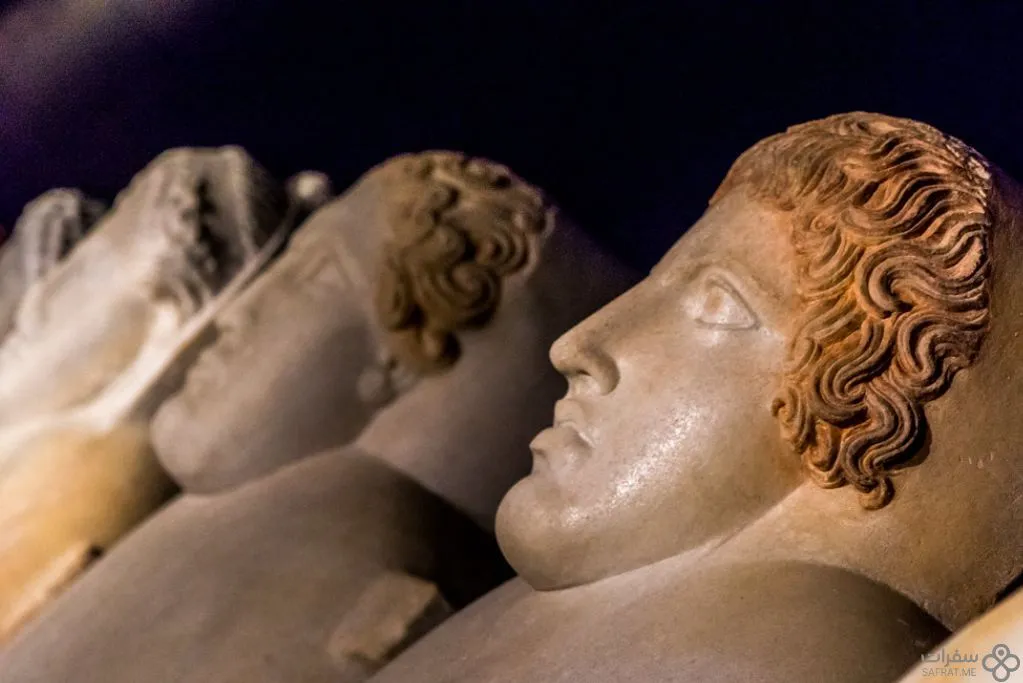
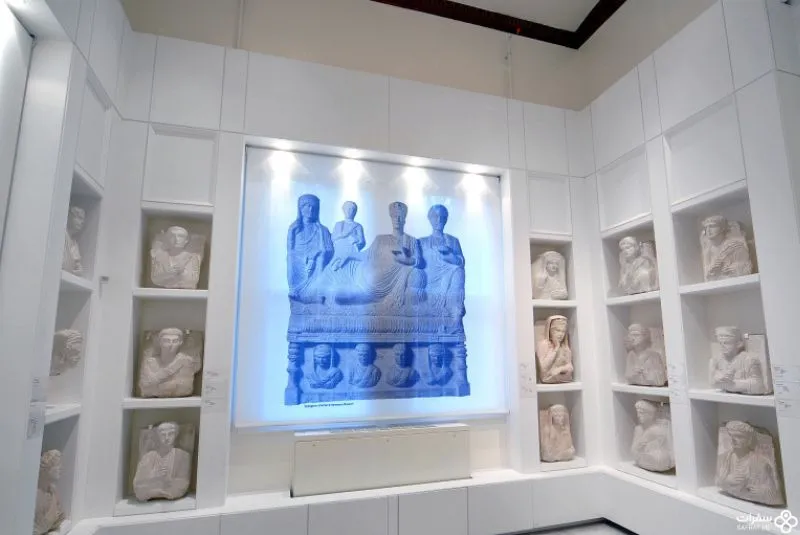
The statues and sarcophagi on display in the museum may be the most beautiful things in the Beirut National Museum, with inscriptions that have remained clearly visible on the sarcophagi, their features telling of the importance of art and architecture among those civilisations.
The Beirut National Museum is divided into three sections: the first is the Prehistory section, the second is the Bronze Age section, and the third is the post-Islamic Conquest era section.
4. The Al-Omari Grand Mosque
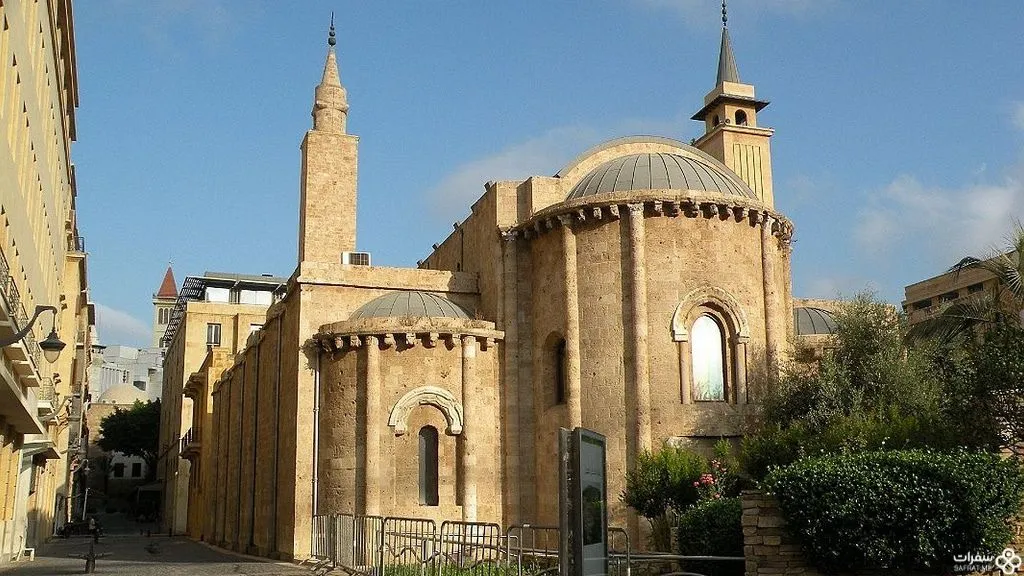
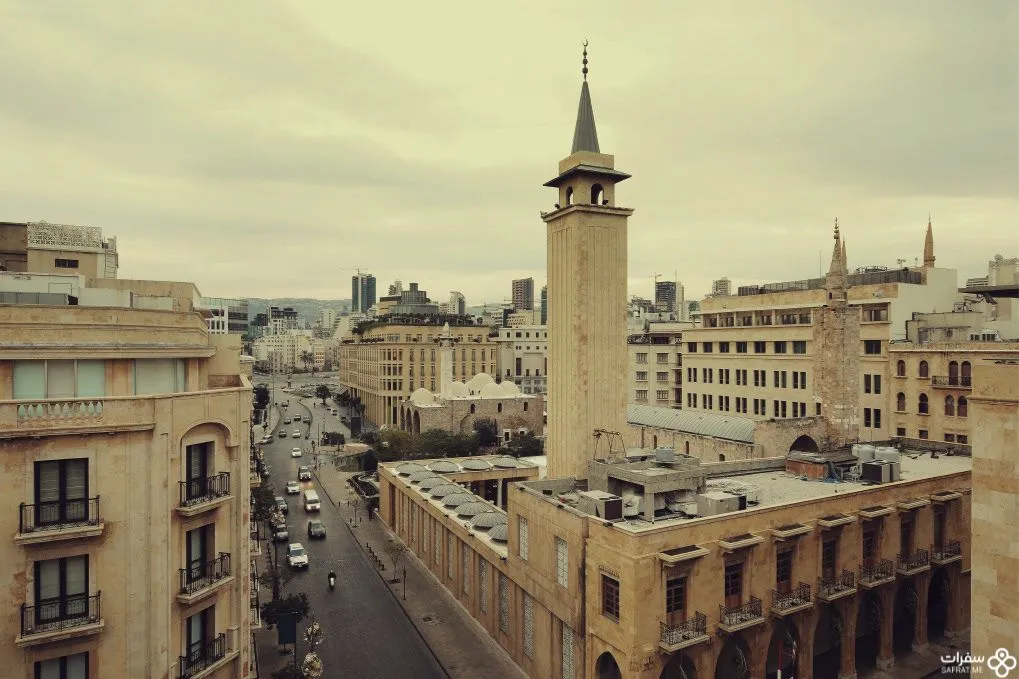
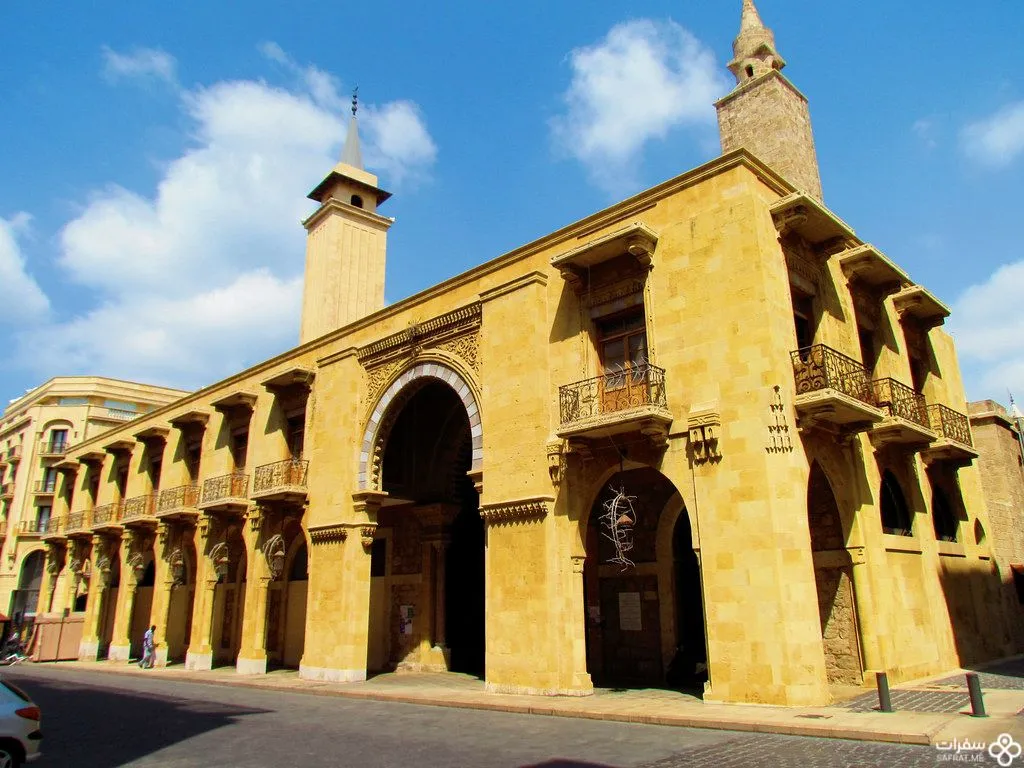
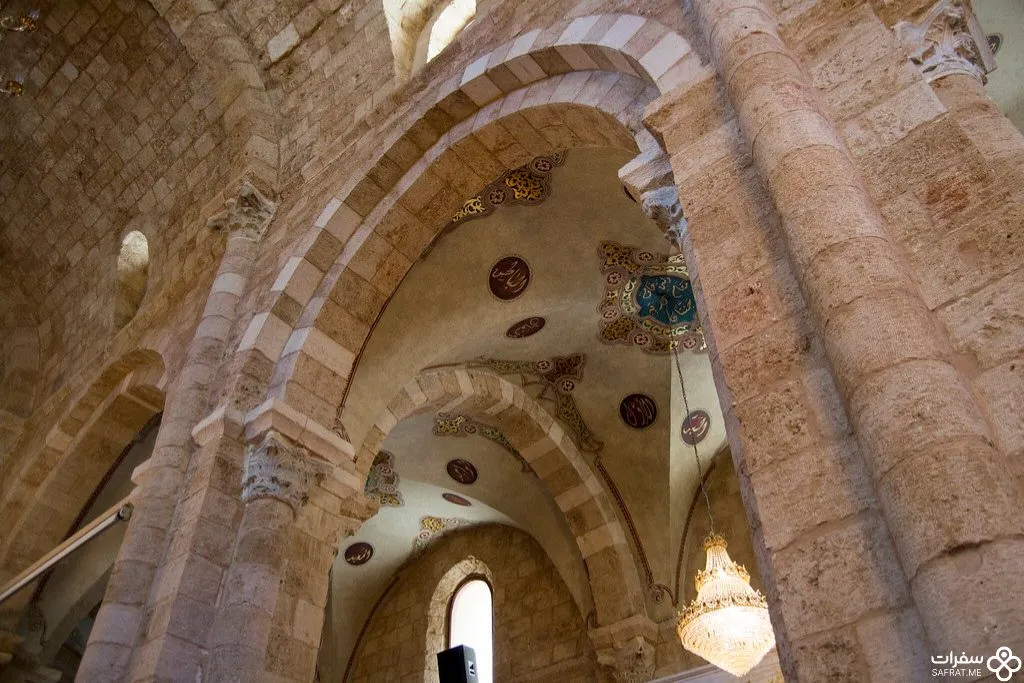
The construction of the Al-Omari Mosque dates back to the era of Caliph Omar ibn al-Khattab. The Al-Omari Mosque was converted into a church following the Crusader campaign and was then converted back into a mosque during the Mamluk era.
This mosque is renowned as one of the oldest places of worship in Lebanon. The Byzantine and Arabic inscriptions adorning the mosque’s walls and doors, in addition to its beautiful architectural design, tell of some of the events that Beirut has witnessed.
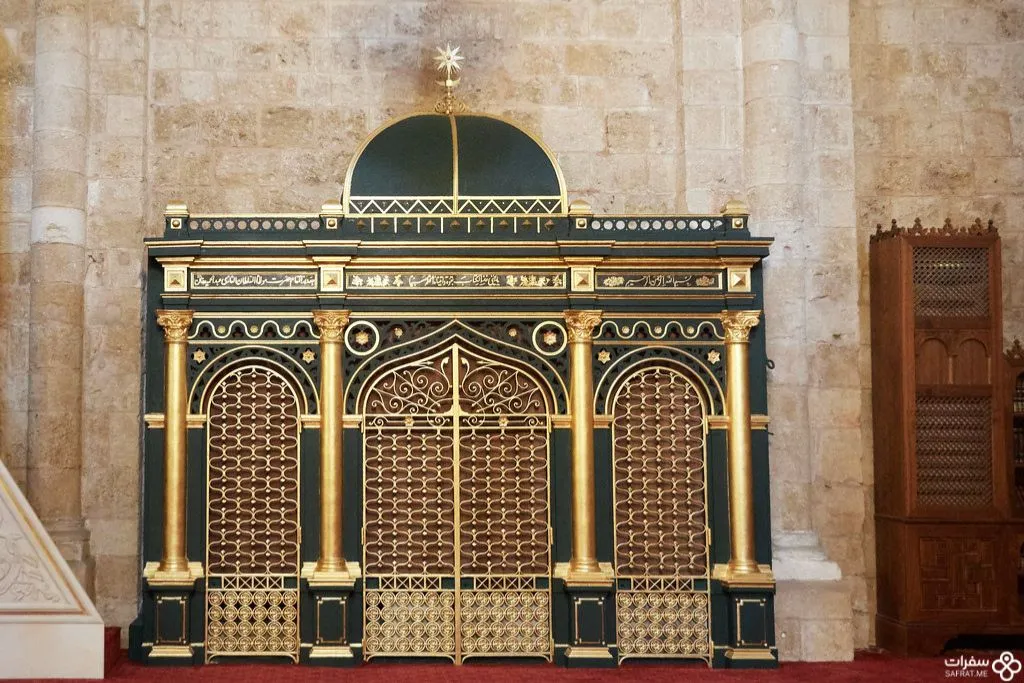
Among the other distinguishing features of this mosque is an iron shrine gifted by Ottoman Sultan Abdul Hamid II to be placed over the burial site of the hand of the Prophet Yahya, as it is said. The mosque’s sanctuary, the Al-Omari School, and the outer courtyard are the various sections of this mosque.
5. The Roman Baths of Beirut
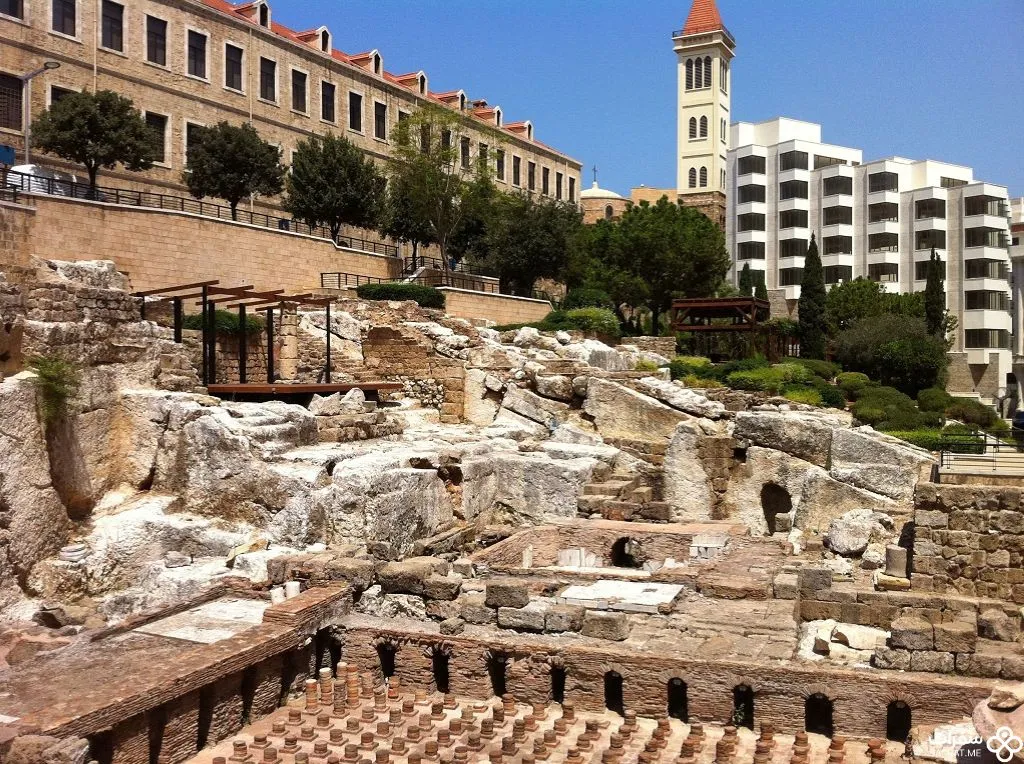
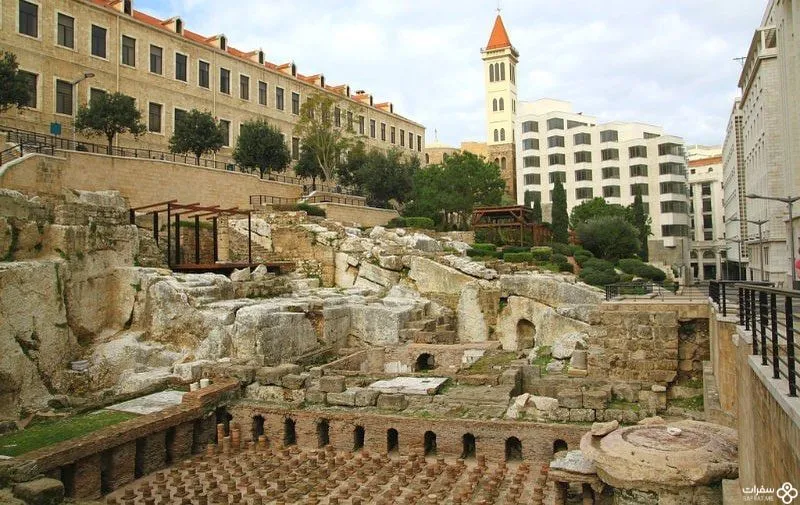
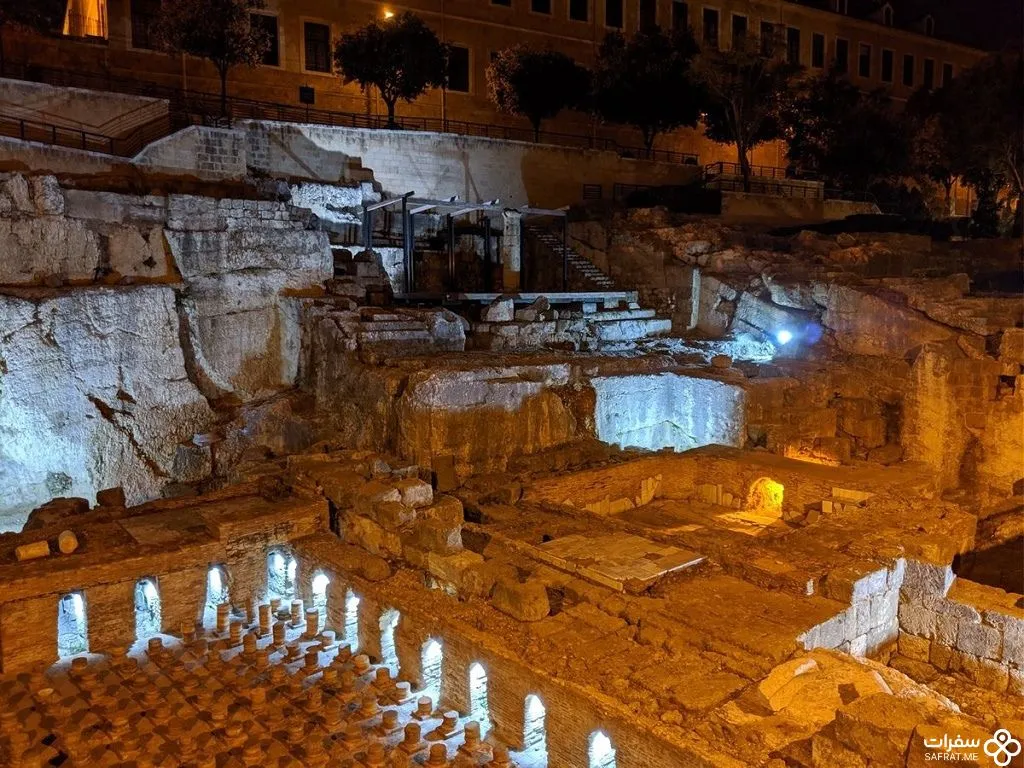
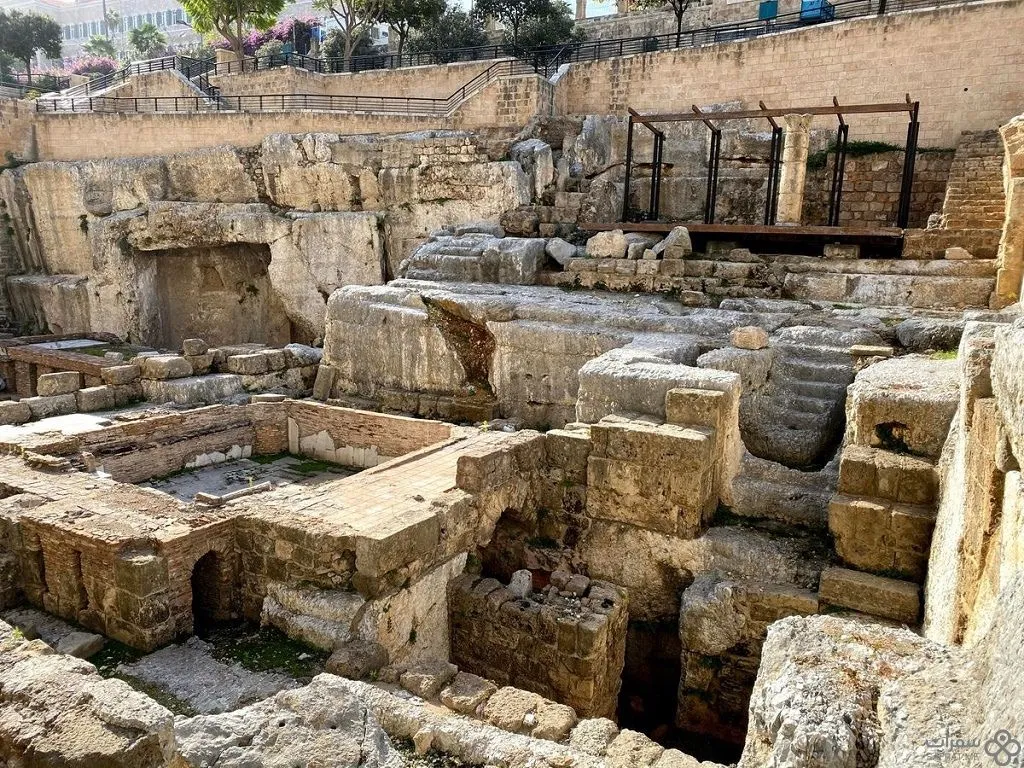
The Roman Baths were discovered between 1968 and 1969 in the centre of Beirut. This important landmark consists of three baths, and research conducted on them has shown that these baths were not merely bathing facilities for the Romans but were in fact a complete social complex.
Among the most beautiful things remaining from these baths are the surviving features of the ancient heating system. Steam columns and clay discs carried hot air to the marble floors, allowing the hot air to pass through the walls and then the ceiling.
One of the most impressive things to behold is the floor of the baths, which was built on columns that acted as a furnace so that hot air could pass between them to heat the bath. The small columns in their precise arrangement are the most prominent surviving features of these baths.
6. Mohammad Al-Amin Mosque
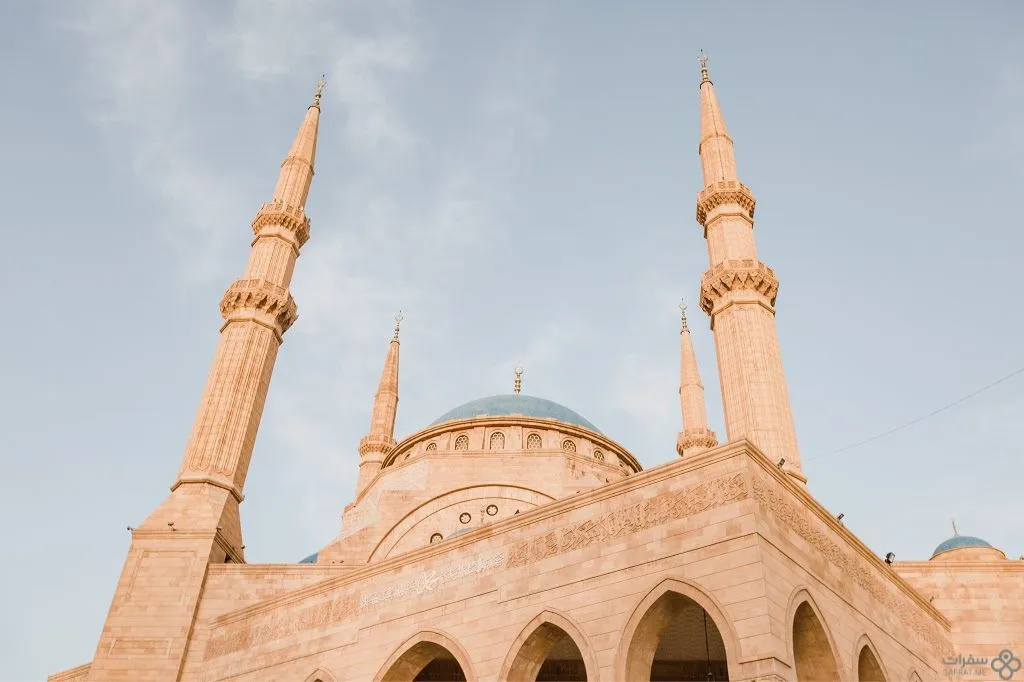
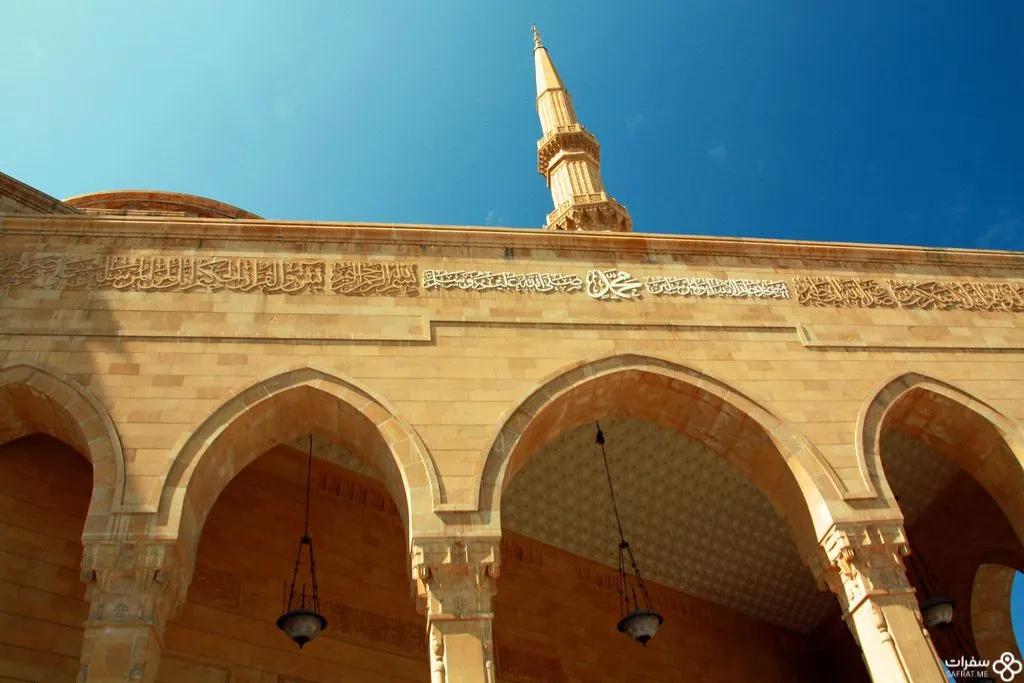
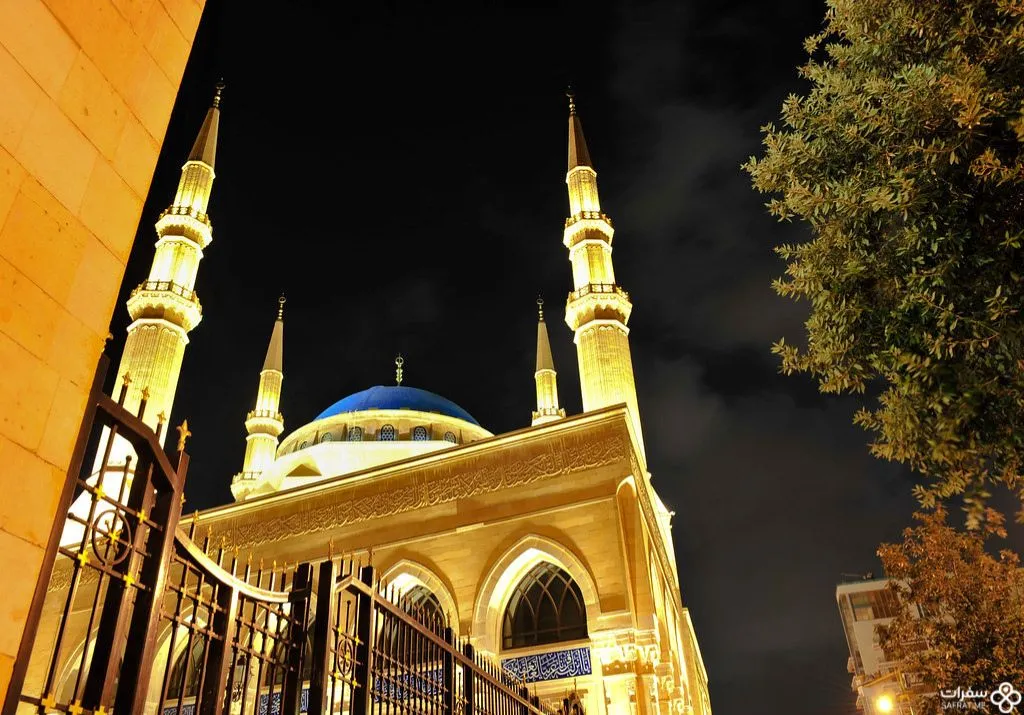
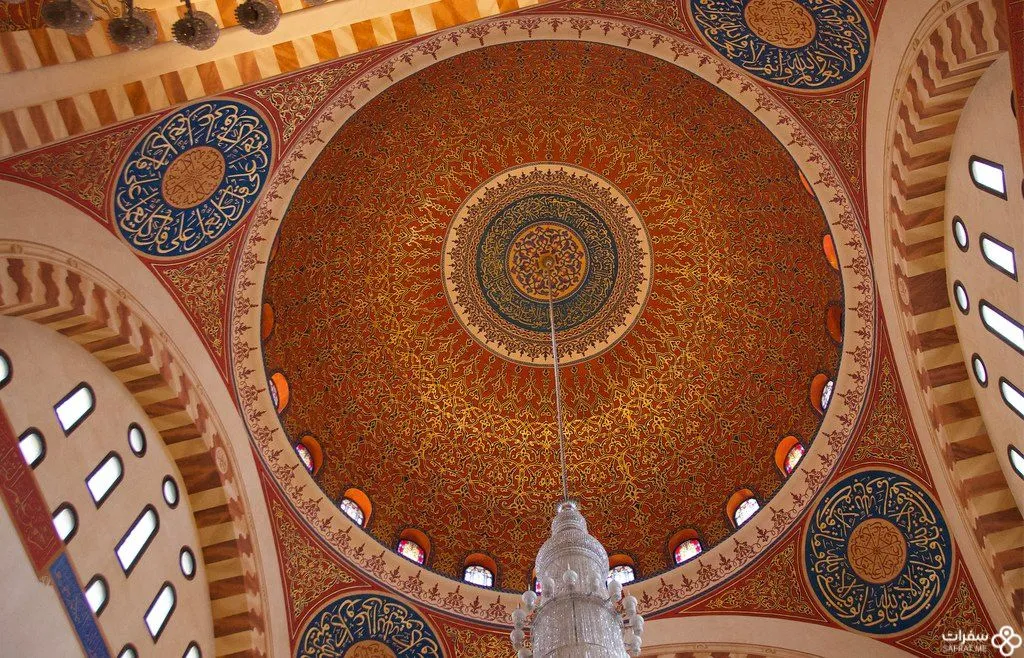
Mohammad Al-Amin Mosque is the grandest mosque in Beirut and all of Lebanon. This magnificent mosque, which was built in 2008, echoes in its architectural design the Ottoman mosques of Turkey.
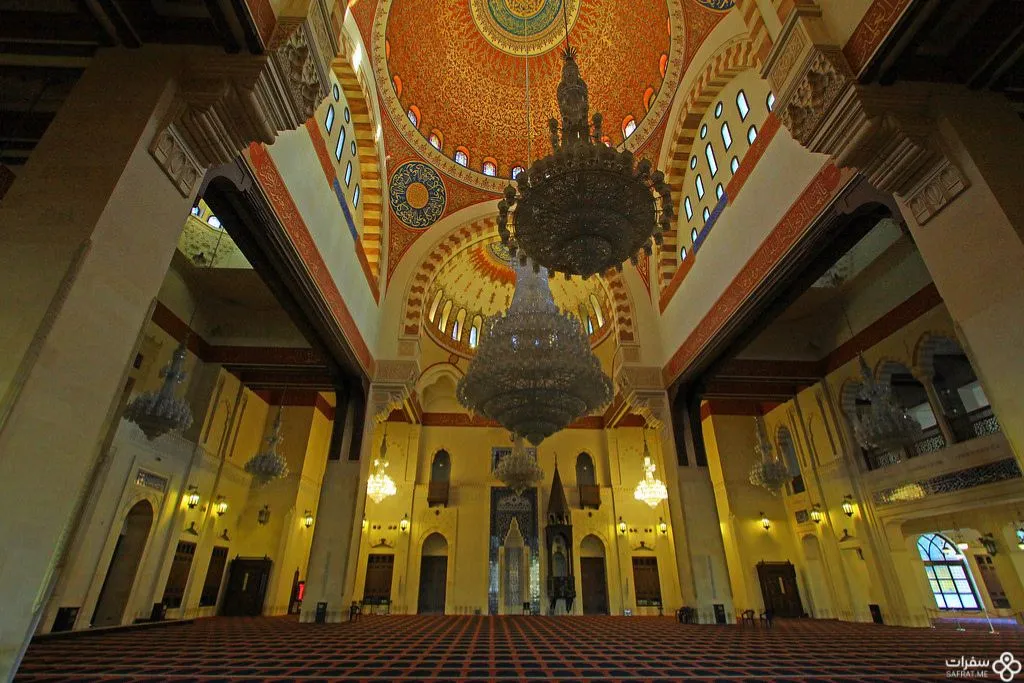
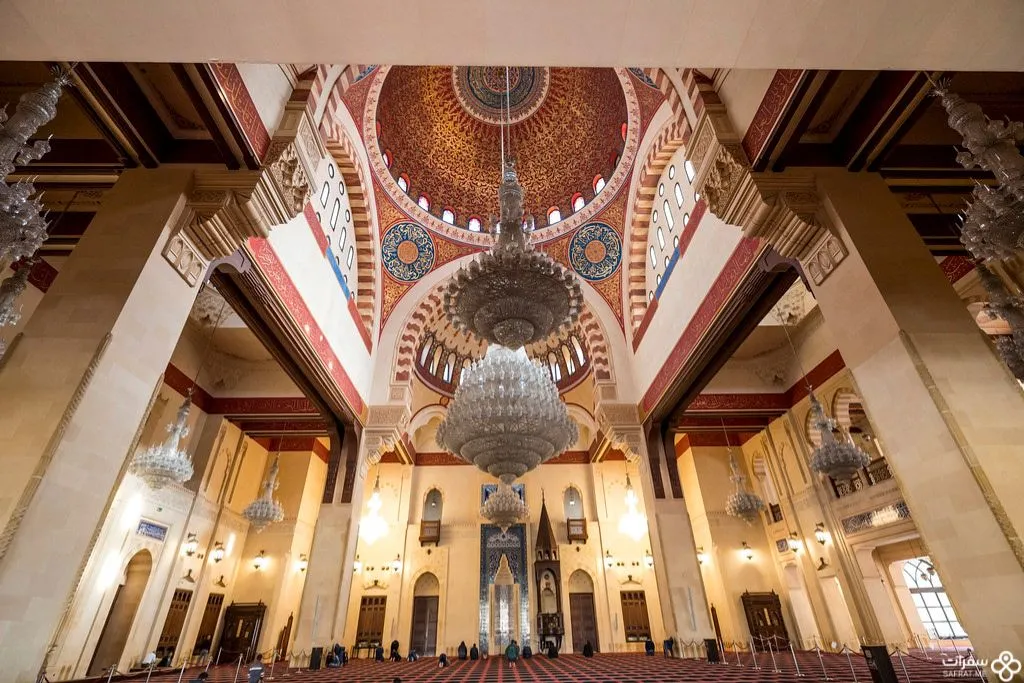
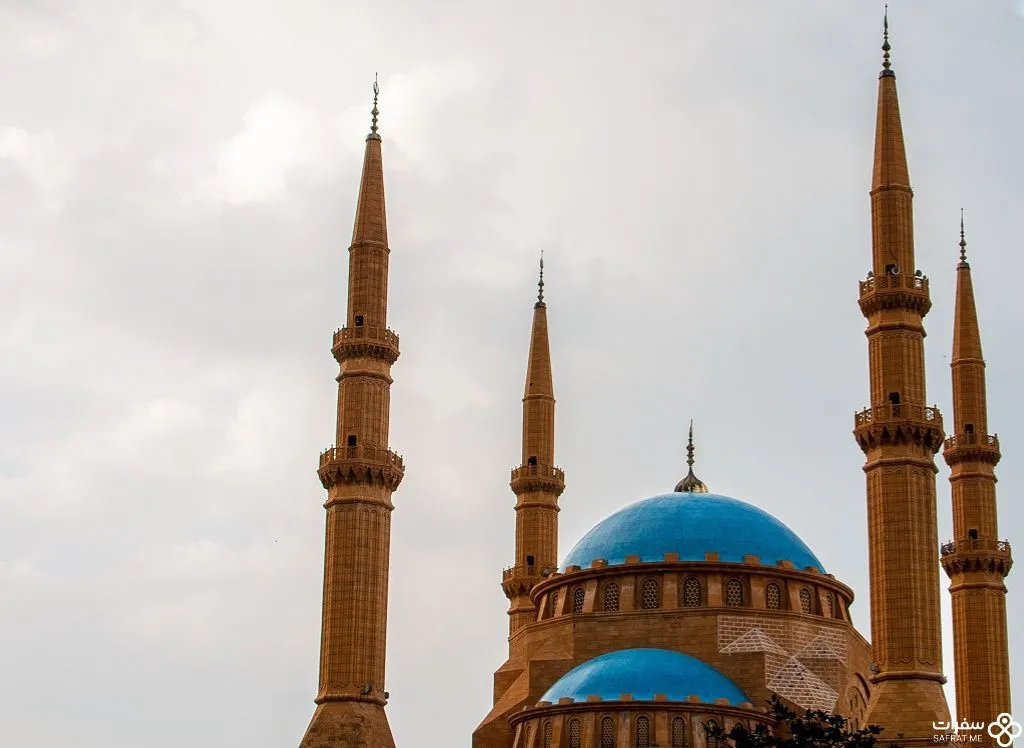
The floor of this mosque is laid with beautiful carpets that captivate the eye with their vivid colours, and its walls are adorned with verses from the Holy Quran. Mohammad Al-Amin Mosque, also known as the Blue Mosque, is located in the heart of Beirut, close to Nejmeh Square.
Mohammad Al-Amin Mosque was built on an area of approximately 11,000 square metres and across four floors. The soaring minarets at the mosque’s four corners reach a height of 72 metres, while the main dome rises 42 metres above the ground. The tomb of Rafik Hariri outside the mosque is also among the other sections of Mohammad Al-Amin Mosque.
7. The American University of Beirut
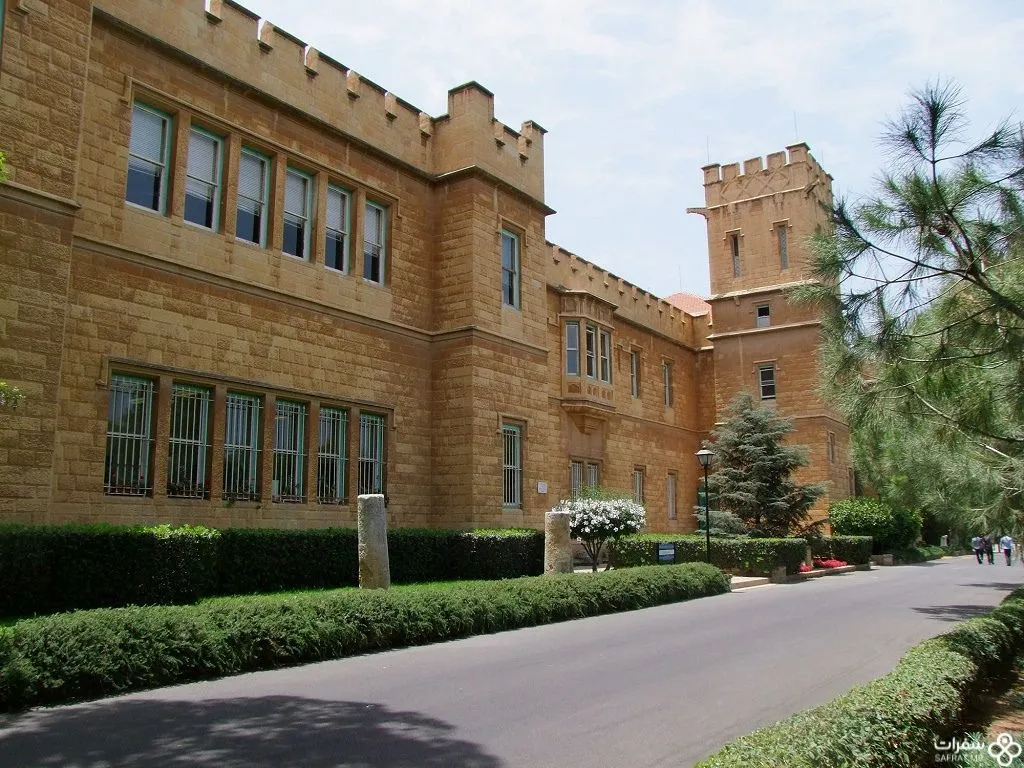
The American University of Beirut, which continues to admit students across various faculties, is one of the oldest universities in Beirut and the entire Middle East. The American University was founded in 1868. The beautiful architecture of this university’s faculties attracts many tourists.
This university is ranked among the top 300 universities in the world. One of the things that draws attention at this university is its museum, which houses archaeological artefacts related to Syria and neighbouring countries. This museum displays some weapons and coins related to the fifth century BC, as well as a remarkable collection of Phoenician glass, pottery, jewellery, and archaeological sculptures. In addition to the archaeological museum, there are also botanical and natural history museums.
One of the distinguishing features of the American University of Beirut’s museum is its proximity to Hamra Street, Raouche Rock, and Beirut’s beach.
8. Beirut Corniche
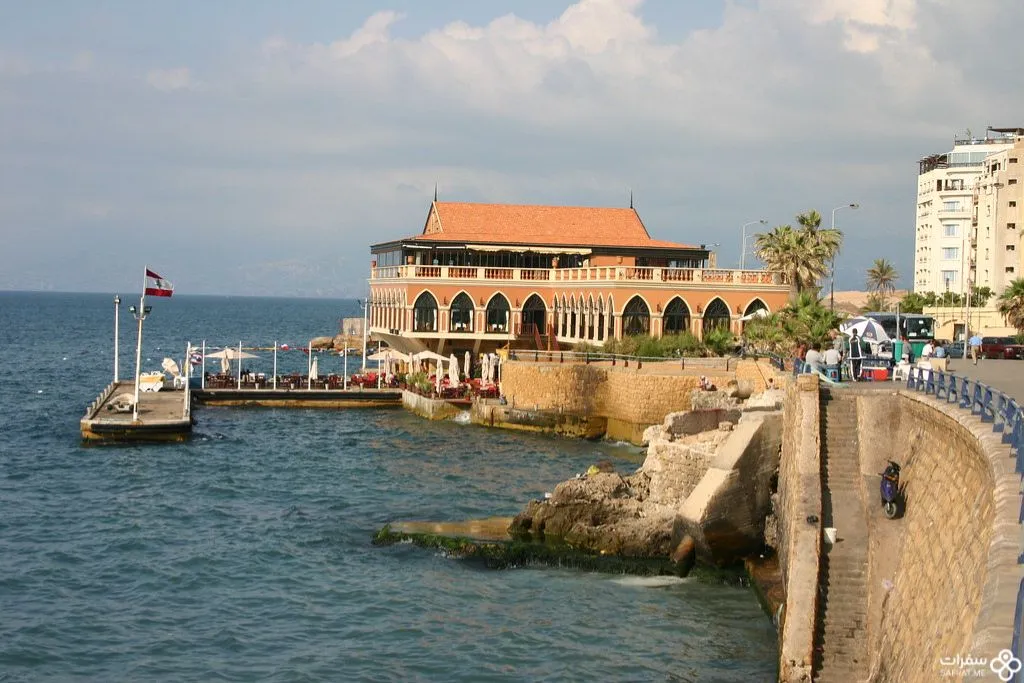
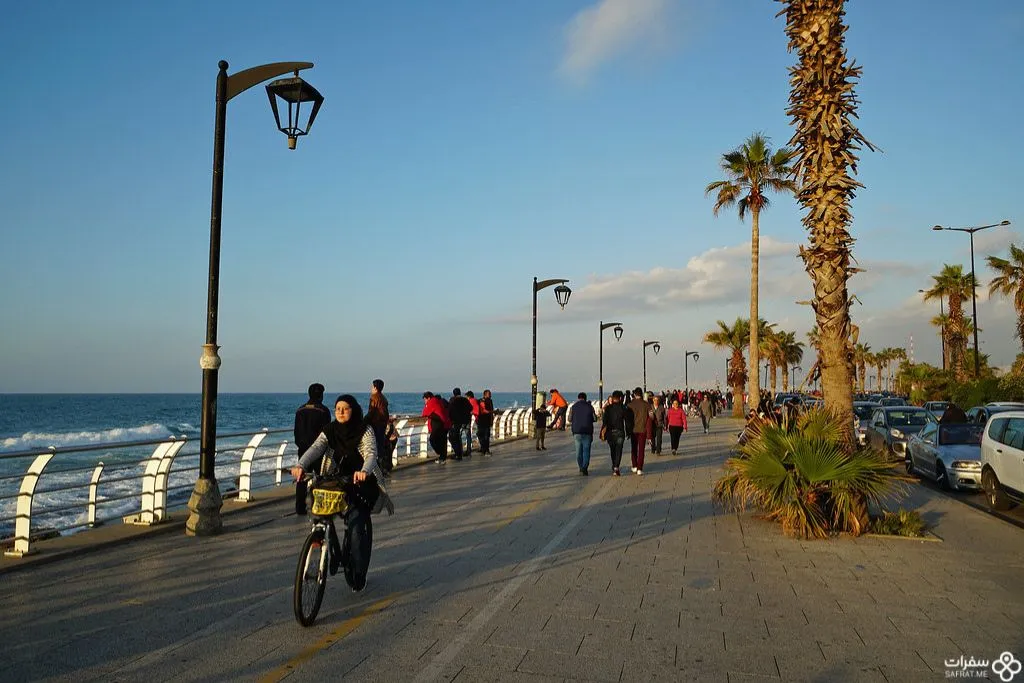
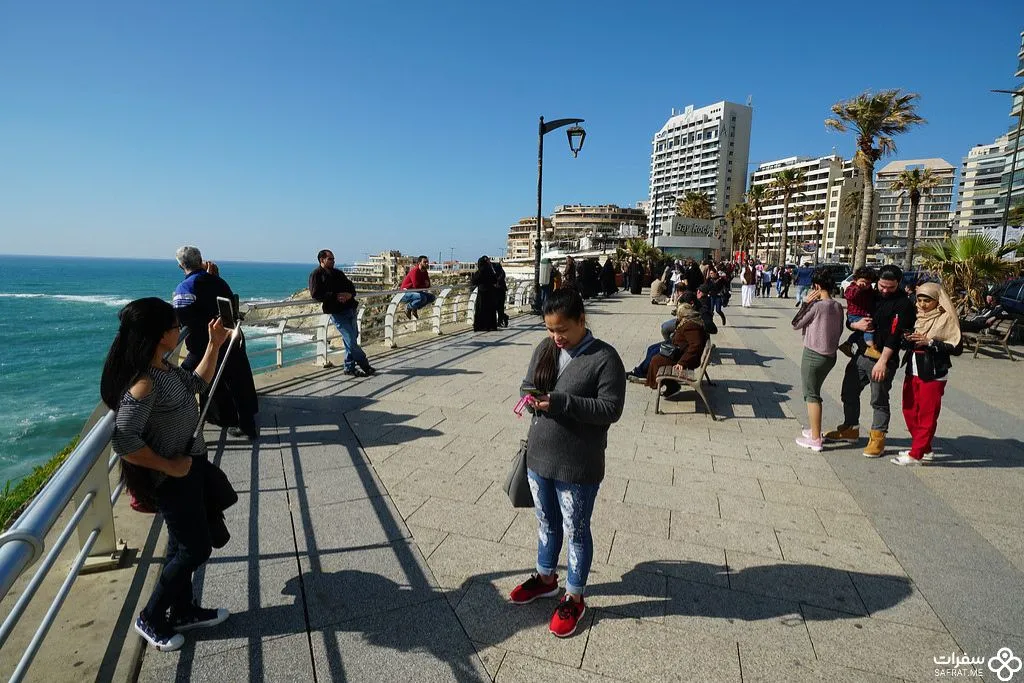
The Beirut Corniche is one of the attractive places that cannot be missed while staying in Beirut. This strip, overlooking the Mediterranean Sea shore, is located in the heart of the city of Beirut. Taking a walk along this street in the evening and enjoying the romantic sunset view is one of the most beautiful activities that can be done on the Beirut Corniche.
Buying some light snacks from street vendors, especially the popular local ones, as well as enjoying listening to young people’s musical performances are other activities that can be encountered on the Beirut Corniche.
If you are someone who prefers to enjoy swimming and beach sports, Ramlet al-Baida Beach, Fillamar Beirut Beach, and C Flow Beirut Beach are among the most beautiful beaches that can be visited in Beirut.