
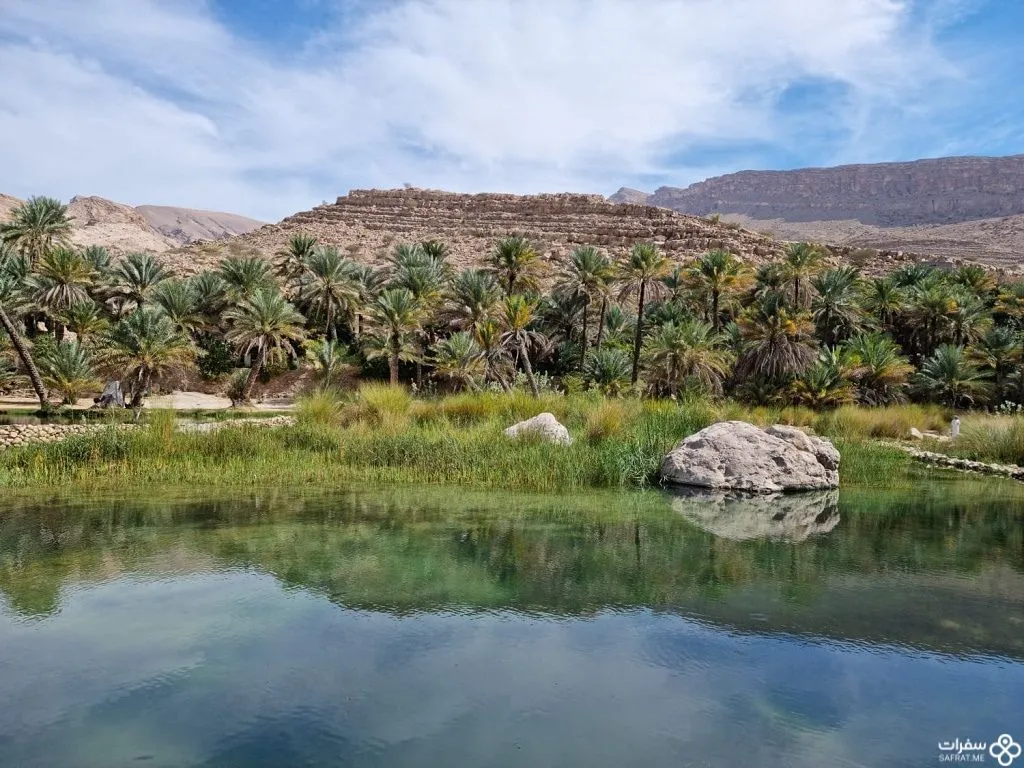
Salalah is the second largest city in Oman after Muscat. Salalah, which lies approximately 200 kilometres from the Yemeni border, is renowned for its delightful autumn climate, when rains fall steadily, seasonal winds blow, and temperatures hover around 25 degrees while other Arab countries experience hot and exhausting weather.
The magic and breathtaking beauty of nature is the foremost reason that draws millions of tourists to Oman every year. The sight of towering palm trees amid lush greenery and various fruit trees such as banana, fig, and pomegranate has made Oman the paradise of the Gulf. The wadis, whose flowing streams act as arteries nourishing the palm groves and vegetation, and the pools of turquoise water that multiply the beauty of those wadis, are among the most stunning natural features that can be seen in Oman.
This article presents the most prominent and beautiful 8 natural destinations from the perspective of tourists, which must be visited when travelling to Oman.
Wadi Bani Khalid
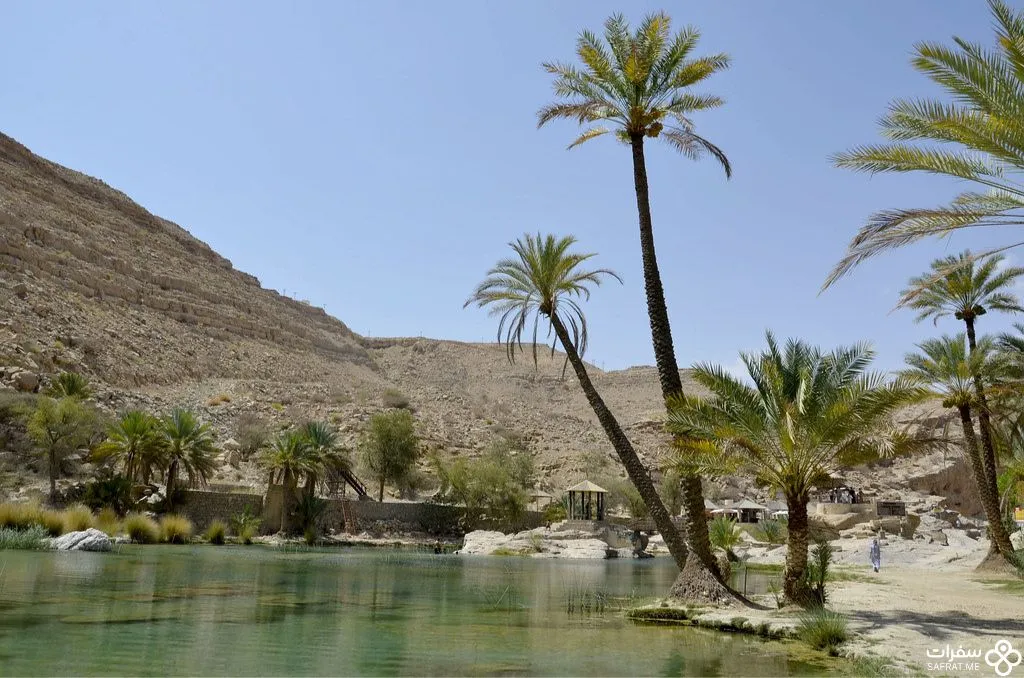
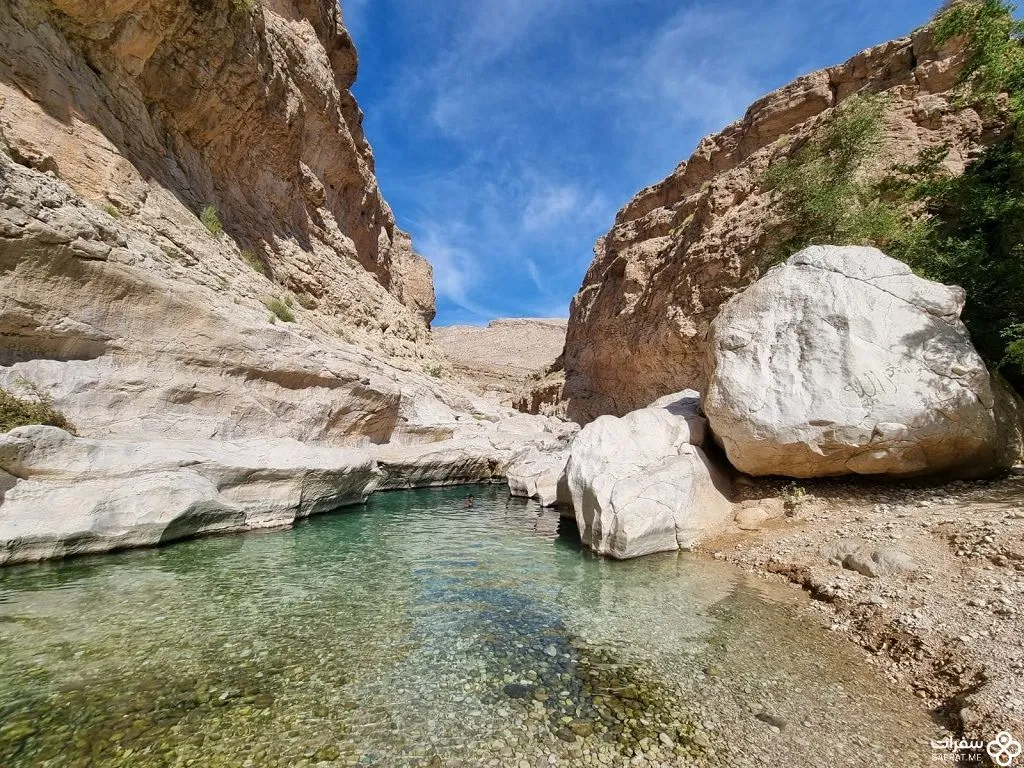
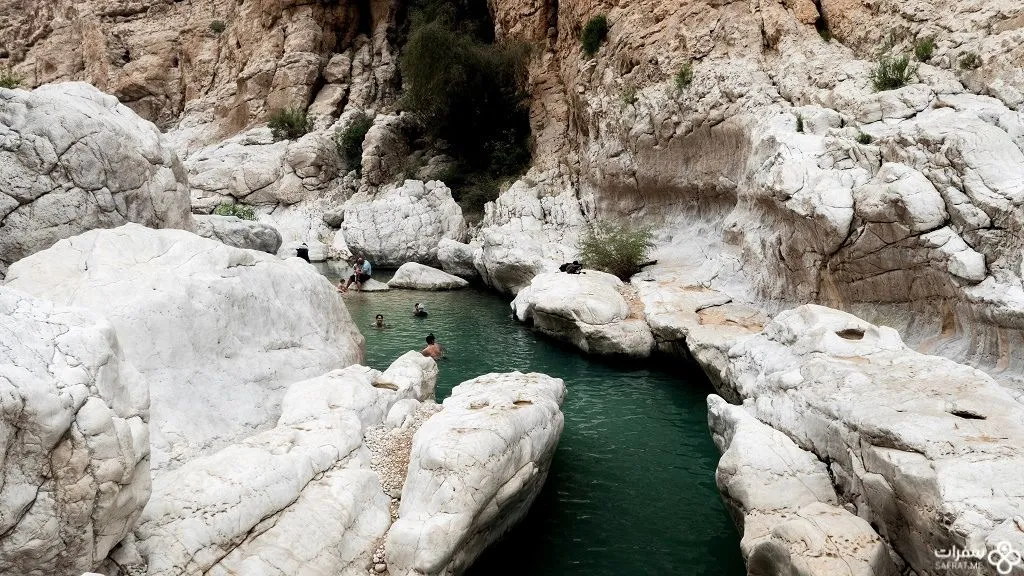
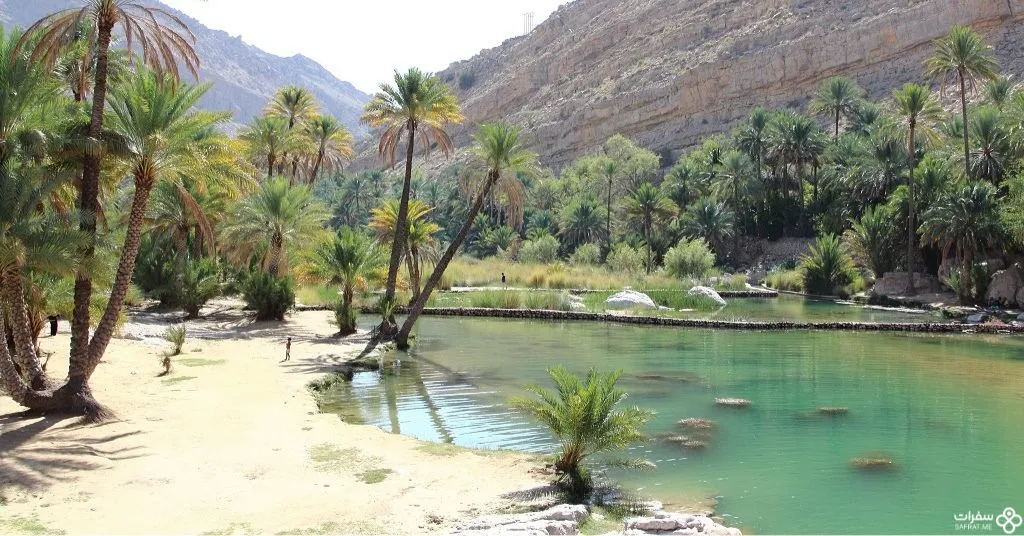
Wadi Bani Khalid, one of the most beautiful and important wadis in Oman, is located in the eastern region. The flow of water in this wadi never ceases throughout the year. The towering palm trees and green shrubs that have grown along the banks of the stream, in the heart of Wadi Bani Khalid surrounded by mountains and enormous rocks, captivate the eyes with their extraordinary beauty.
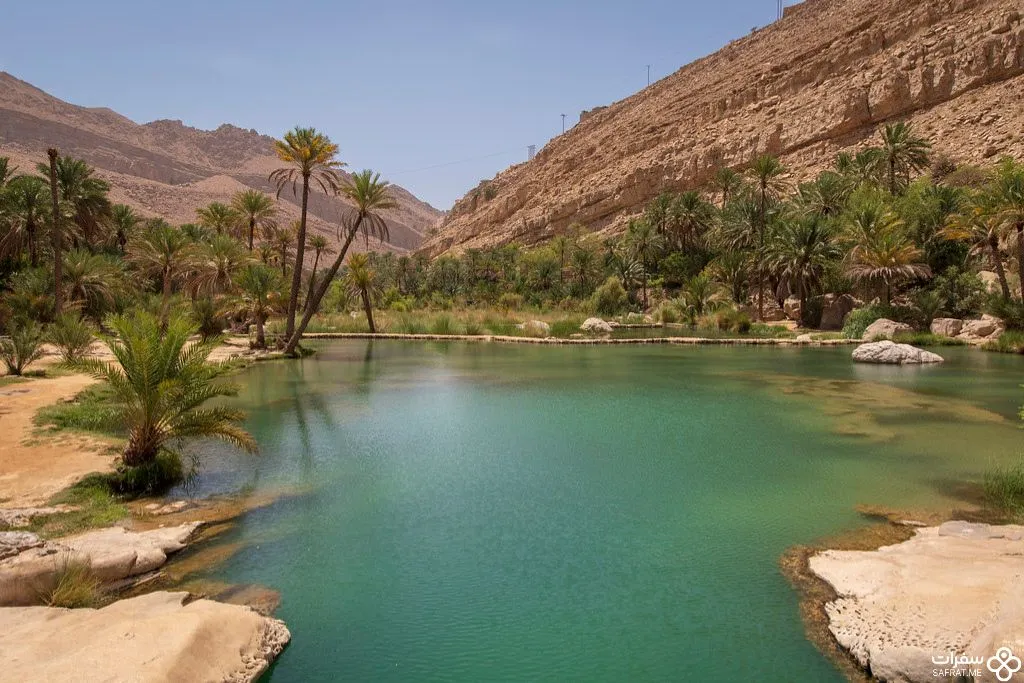
Watching the enchanting springs that gush from deep within the earth and make their way to form beautiful pools in the middle of the wadi, and enjoying the sight of the varied colours of the rocks — especially the red — leaves one in a state of awe.
There are a few small shops and cafés that can be found near Wadi Bani Khalid, in addition to the park that has been established at the foot of the wadi.
The southern side of Wadi Bani Khalid features rocky terrain that can serve as one of the best destinations for climbing, and a visit to Maqal Cave on this side of the wadi is also recommended. Hiking, mountain climbing, fishing, swimming, relaxation, and camping are among the most enjoyable activities at this tourist destination.
The Salalah Region
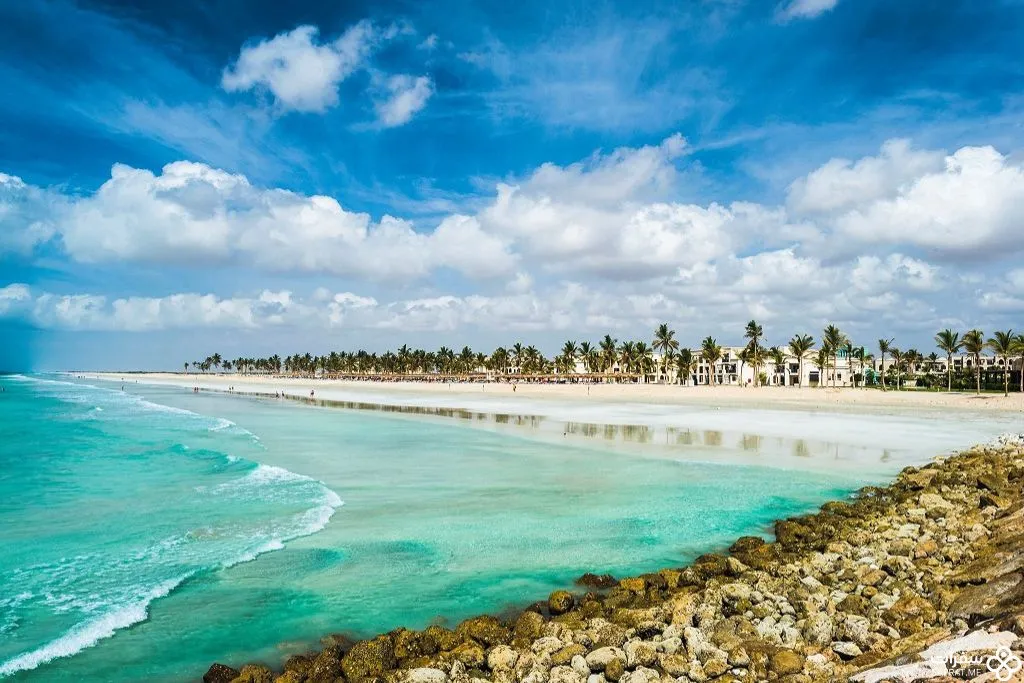
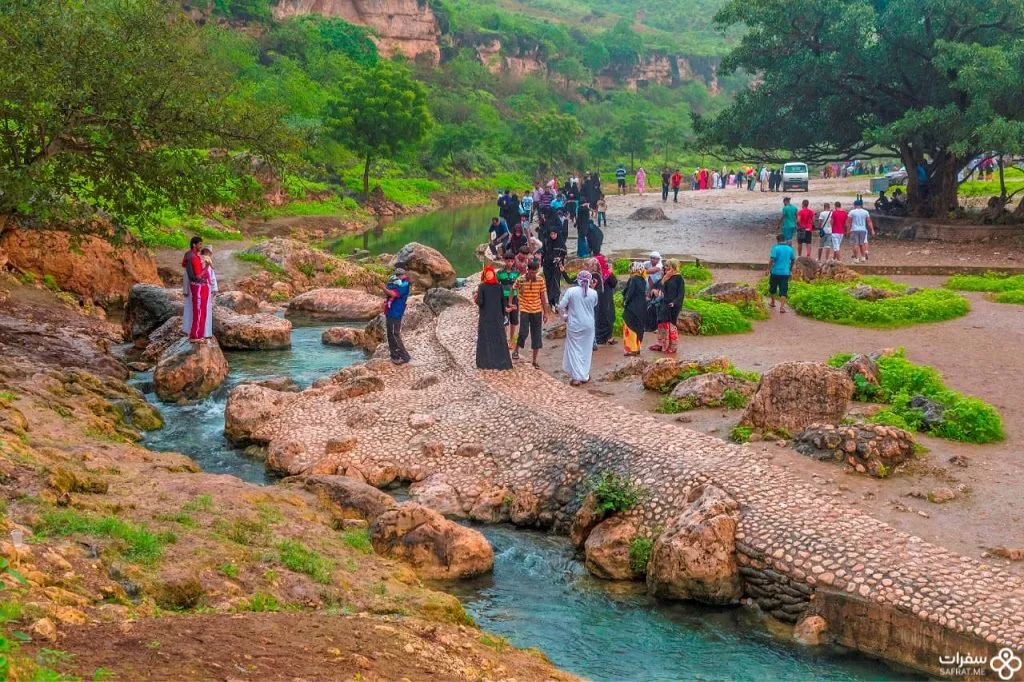
Salalah is the second largest city in Oman after Muscat. Salalah, which lies approximately 200 kilometres from the Yemeni border, is renowned for its delightful autumn climate, when rains fall steadily, seasonal winds blow, and temperatures hover around 25 degrees while other Arab countries experience hot and exhausting weather.
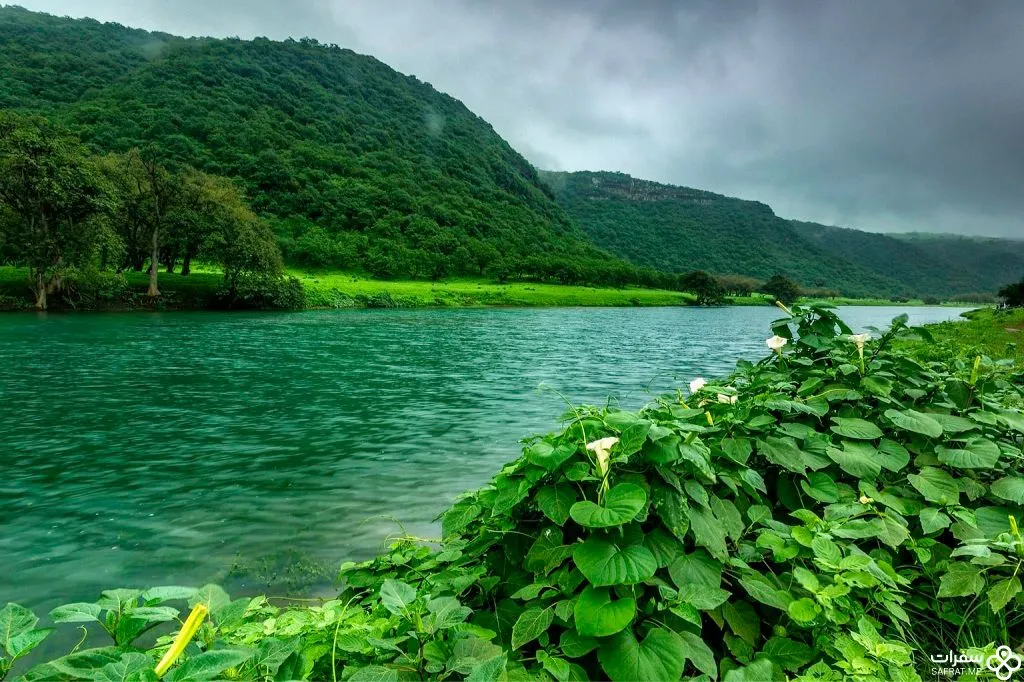
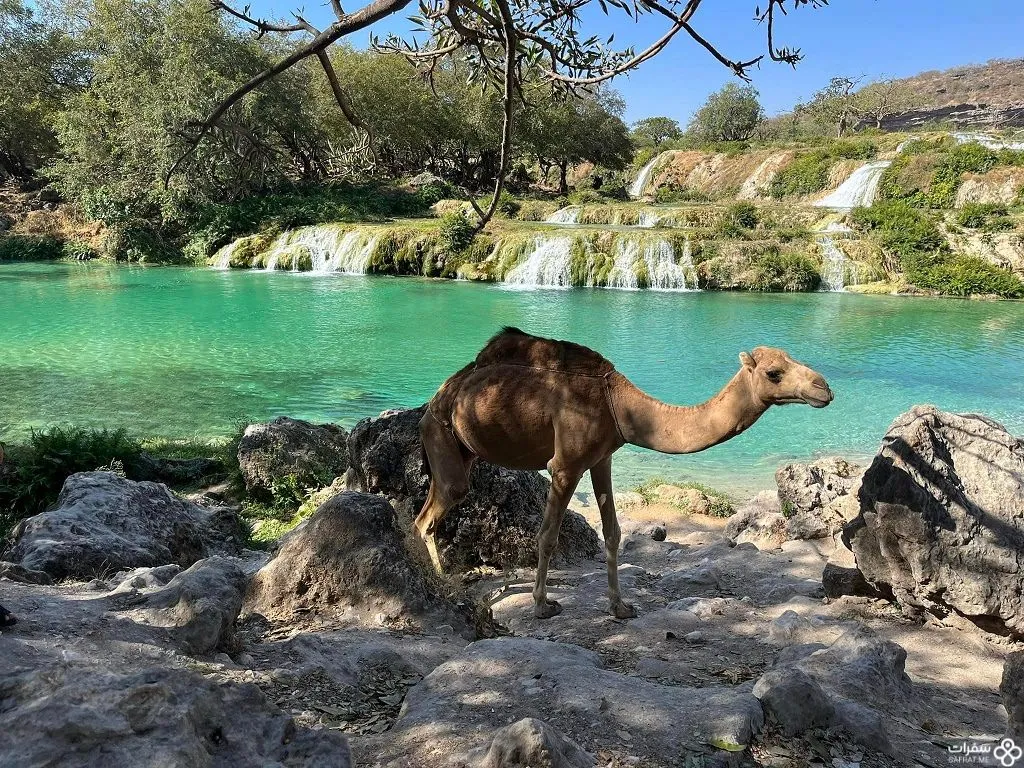
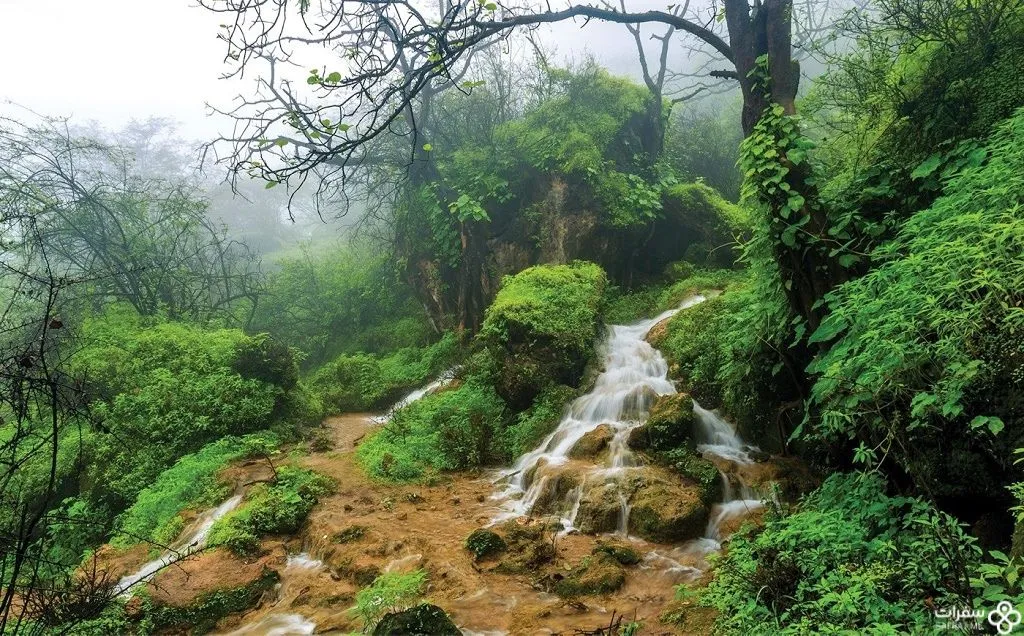
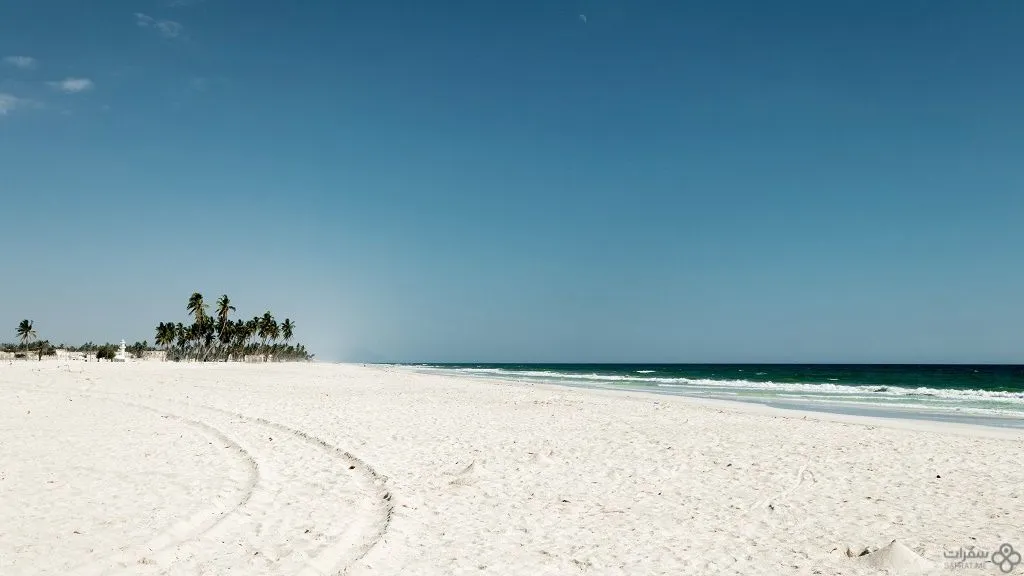
Wadi Darbat is one of the most beautiful tourist destinations recommended for a visit in Salalah; the pleasure of seeing various natural phenomena such as caves, waterfalls, trees, and lakes all in one place is on offer at Wadi Darbat. Al-Mughsail Beach with its turquoise waters, Ain Razat which is visited by large numbers of tourists in summer, and Marneef Cave with its natural blowholes that shoot water upward are among the most beautiful natural attractions in Salalah.
Wadi Shab
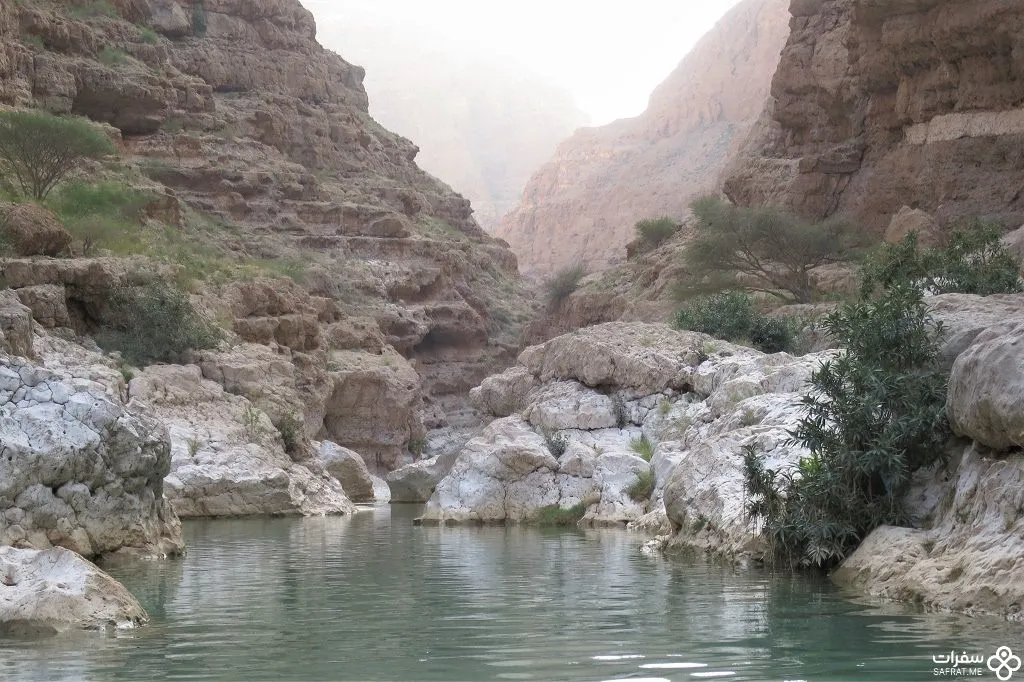
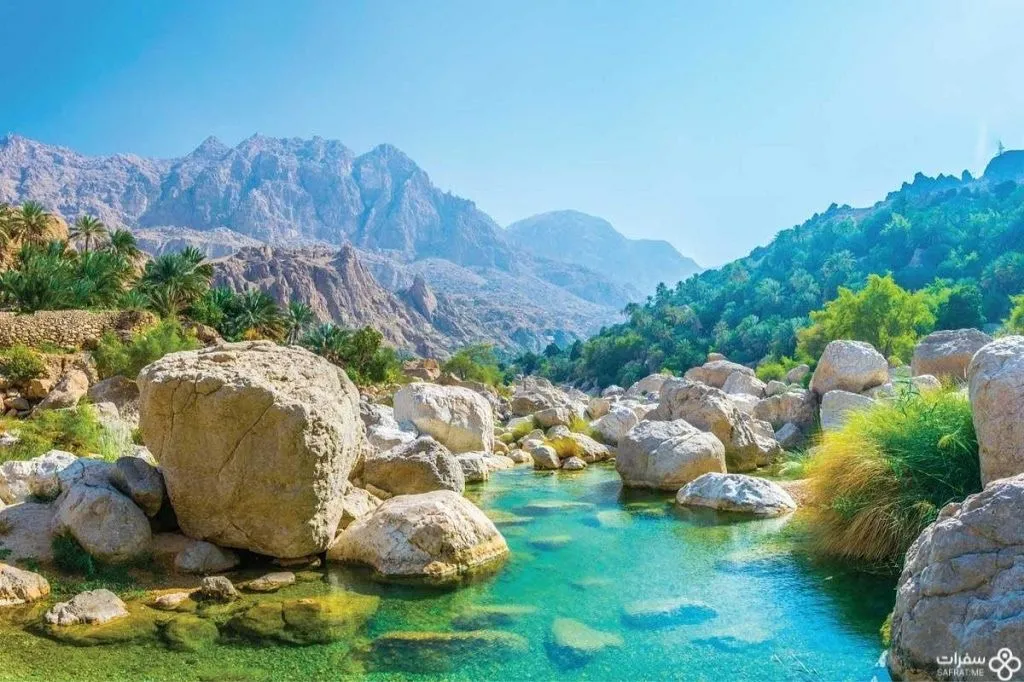
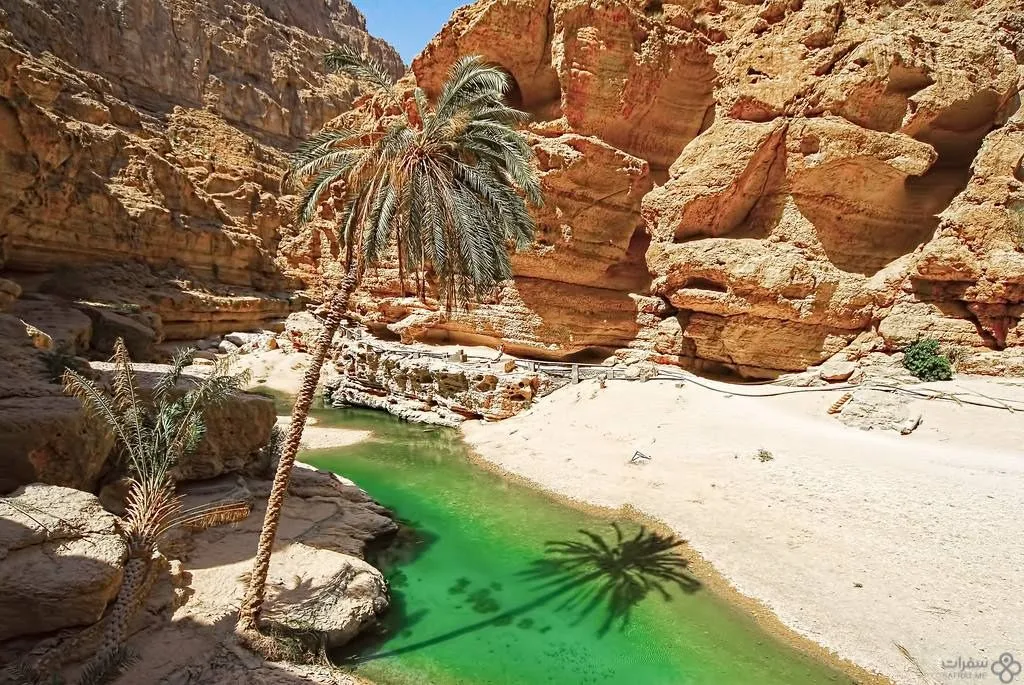
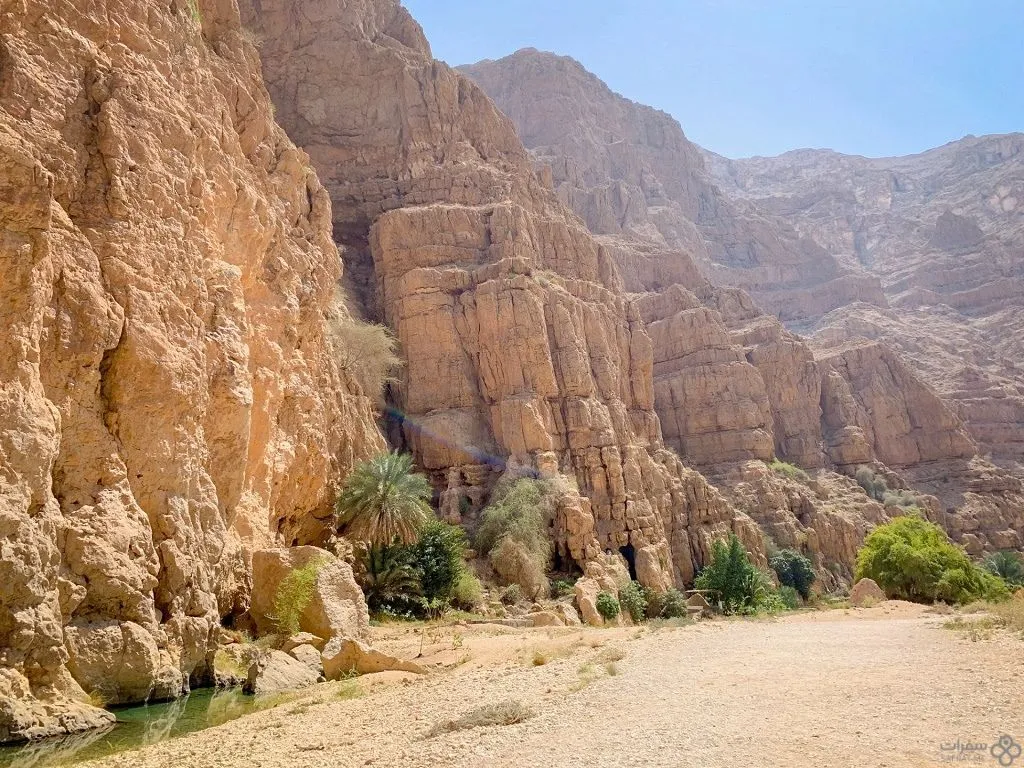
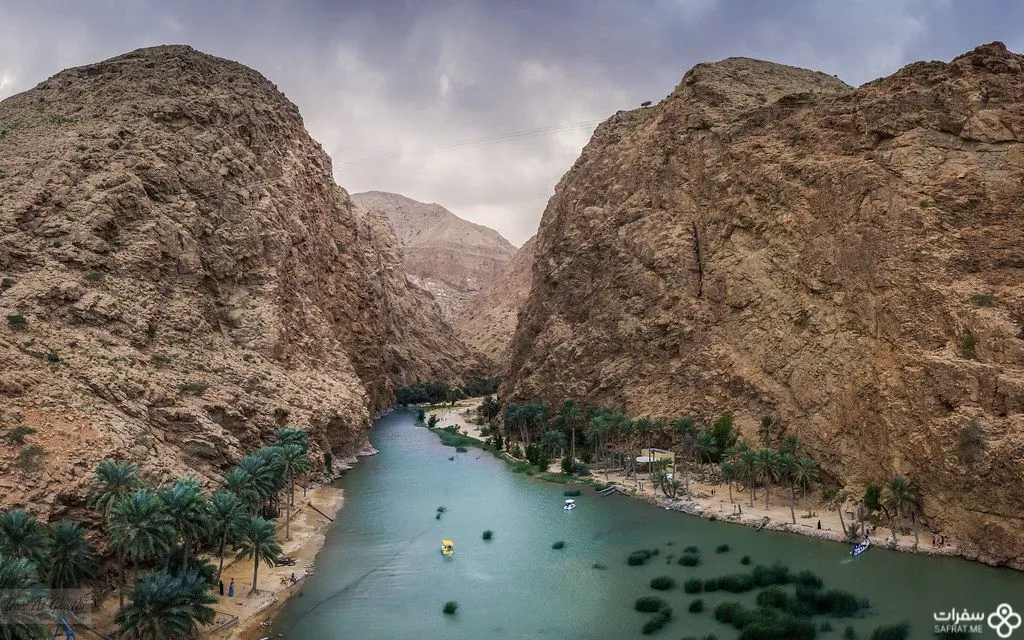
Wadi Shab is considered the most famous wadi in Oman after Wadi Bani Khalid. Wadi Shab belongs to the wilayat of Sur in the South Eastern Governorate.
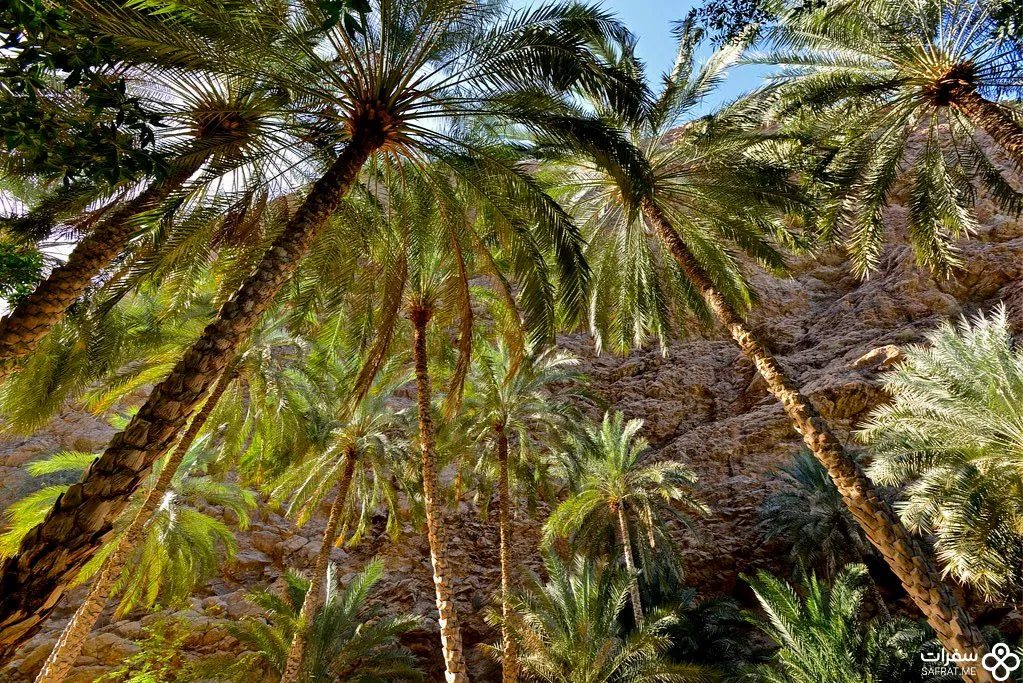
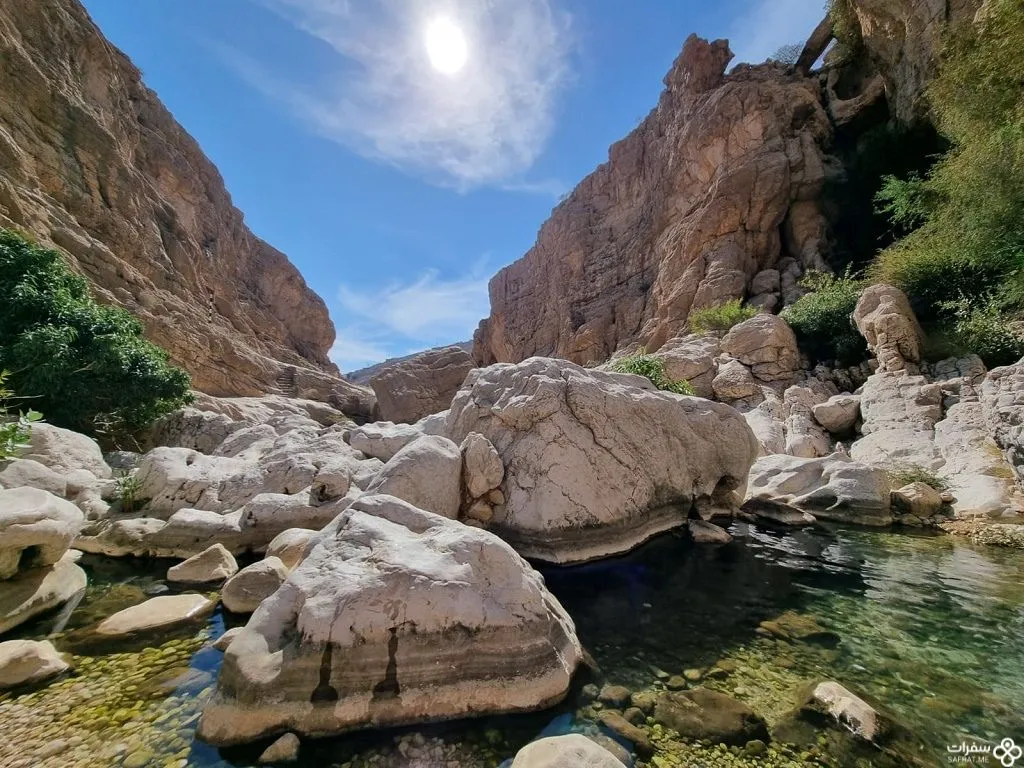
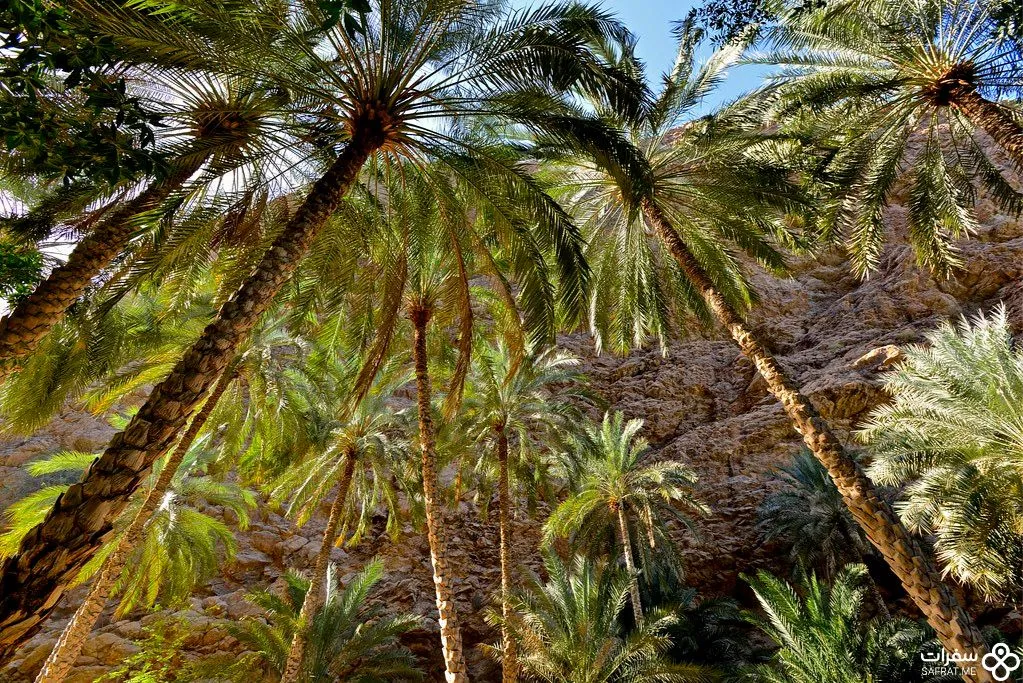
What distinguishes Wadi Shab from Wadi Bani Khalid and other wadis are the clear, blue pools of water that lie amid strangely shaped limestone rock formations. The beautiful vegetation — especially the towering palm trees, shrubs of various sizes, and other plants — is among the most beautiful things that can be seen in Wadi Shab. Many tourists, particularly foreign visitors, have been captivated by Wadi Shab, and some of them have described it as God’s paradise on earth.
Best Times to Visit and Key Activities
The period between November and February is considered the best time to travel to Wadi Shab, when the air is perfectly mild and refreshing. Mountain climbing, boat rides, swimming in the pools of Wadi Shab, and hiking are the most important activities that can be experienced at this natural destination.
Jebel Akhdar
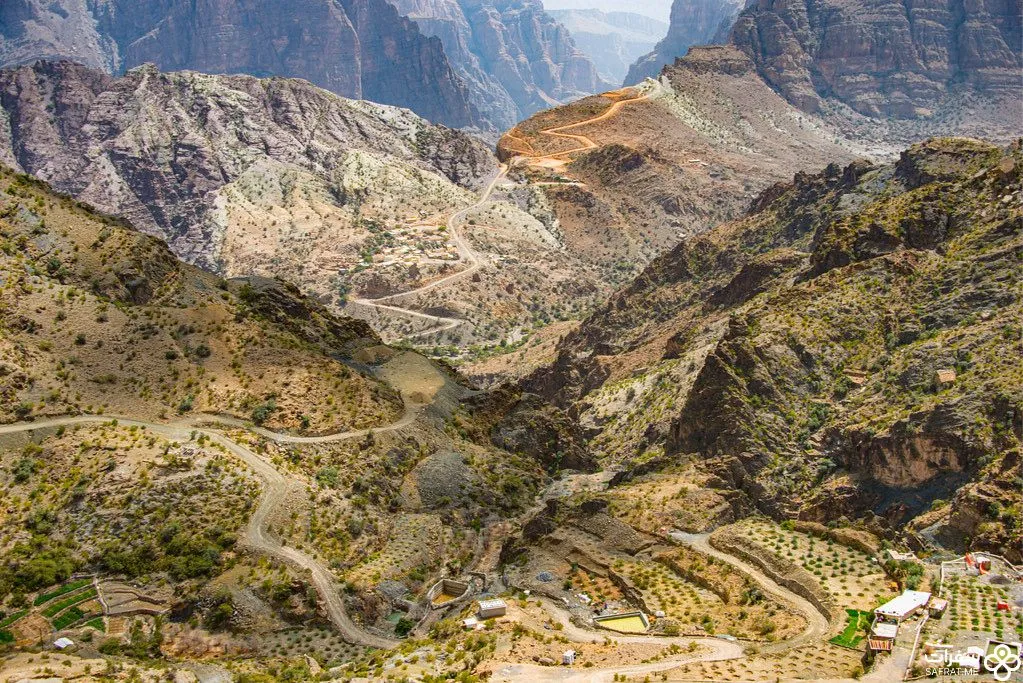
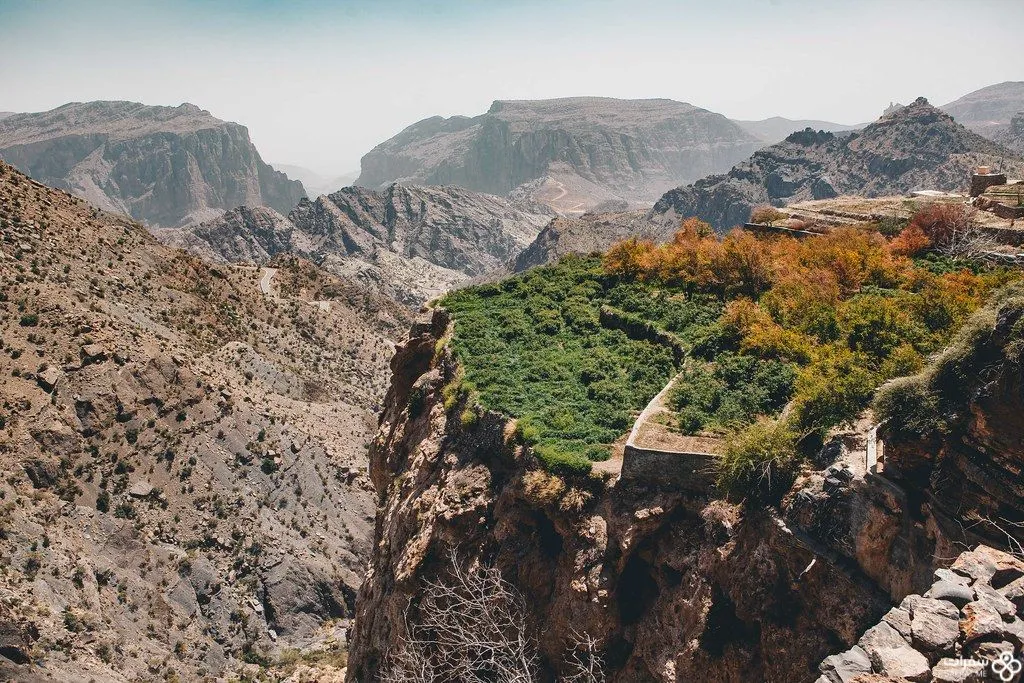
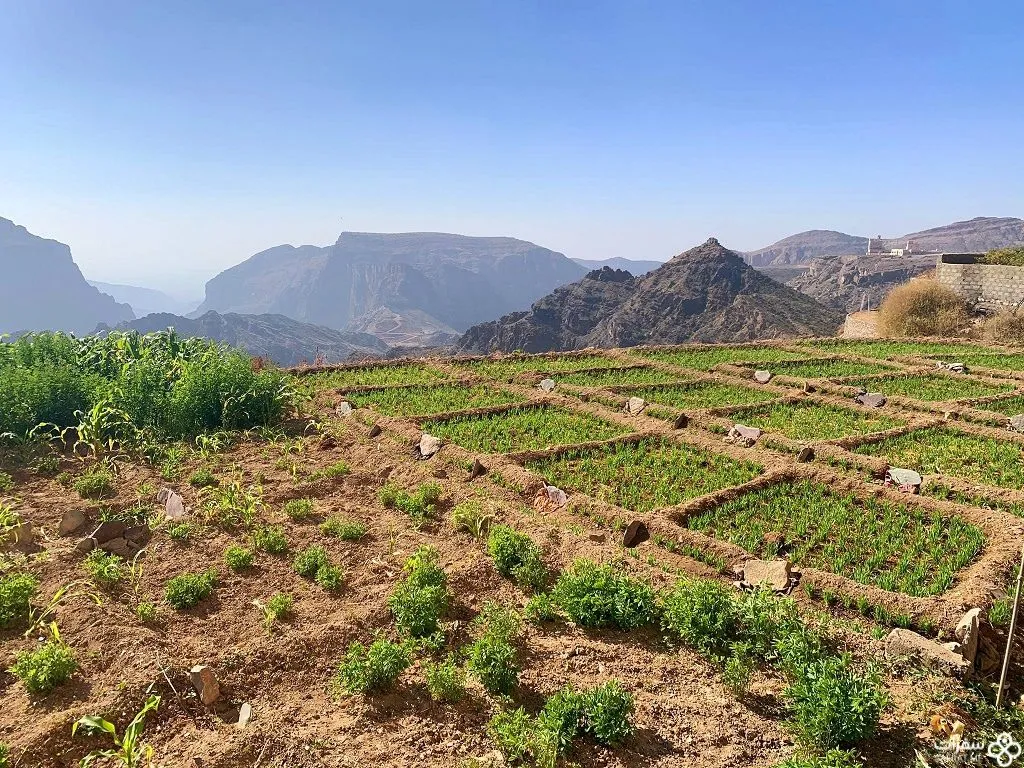
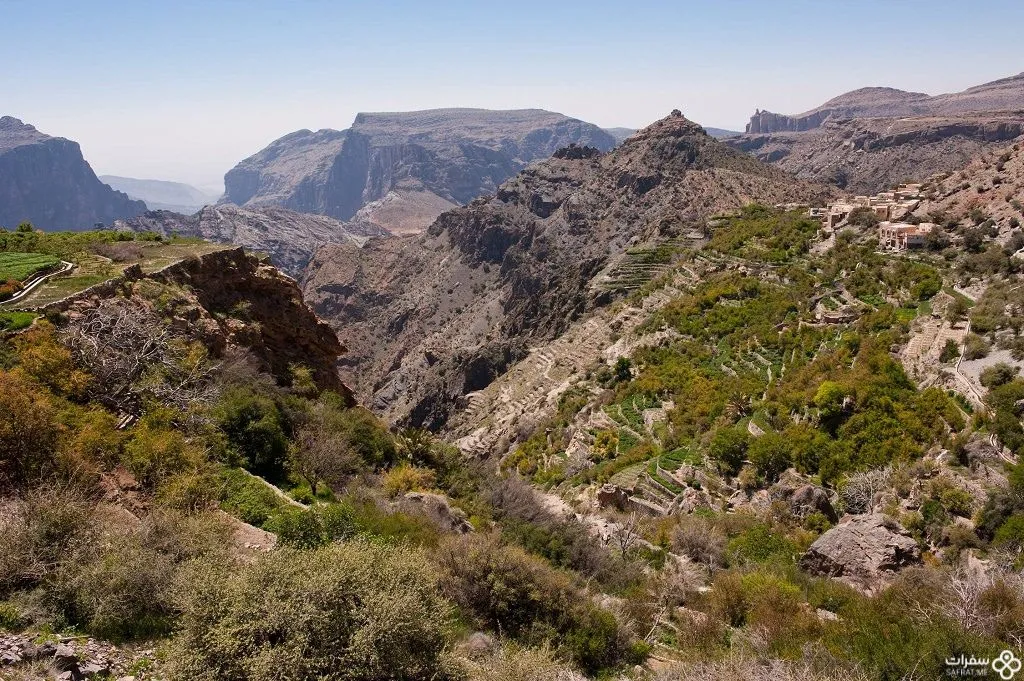
Jebel Akhdar, which belongs to the city of Nizwa in the interior wilayat, reaches an altitude of approximately 3,000 metres. The mountain was named after its colour, as it encompasses various types of trees, plants, and unique and breathtaking agricultural terraces.
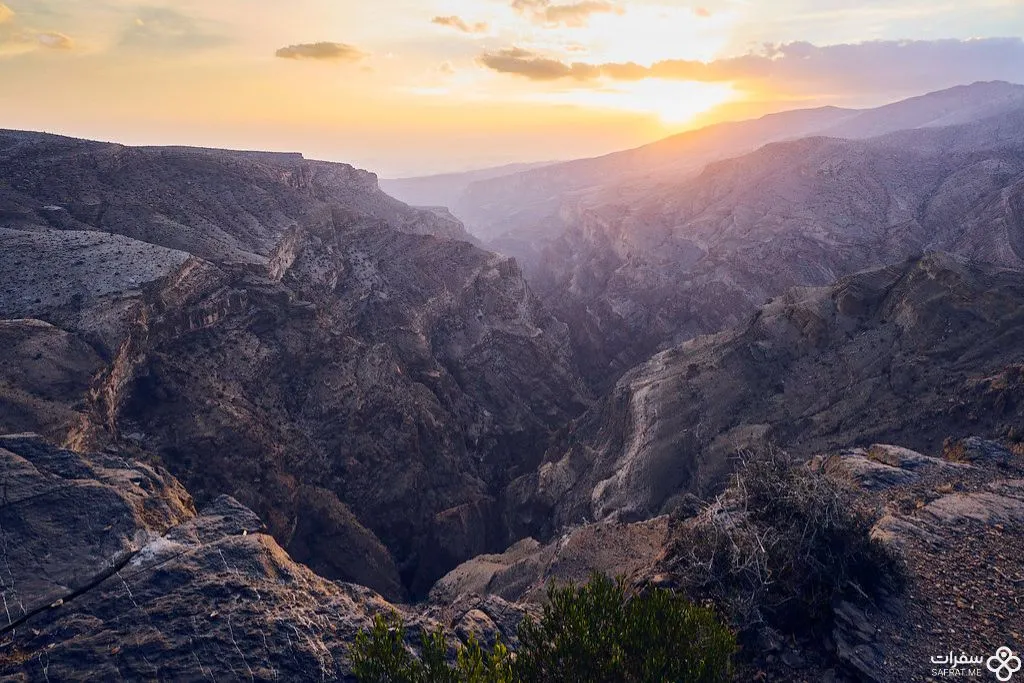
Jebel Akhdar may be the only area in the Gulf countries where various types of fruit can be seen growing, such as pomegranate, almonds, figs, apples, pears, apricots, and grapes.
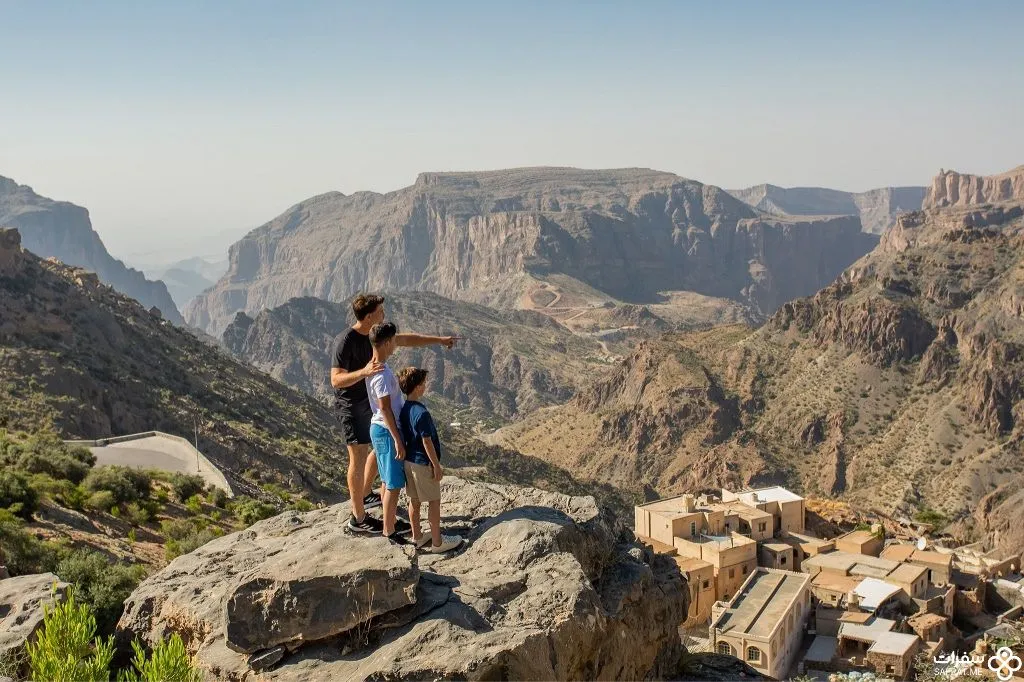
The scent of herbs on Jebel Akhdar lends a magical and ideal quality to the gentle breeze; herbs such as myrtle, wild thyme, and the roses of Jebel Akhdar — whose water is extracted by the mountain’s inhabitants — are the most famous of those fragrant plants. The rural villages with their wonderful designs, which are recommended for a visit on Jebel Akhdar, are among the most beautiful things that add to the adventure of going to this destination.
Best Times to Visit and Key Activities
March and April, that is early spring, are the best times to visit Jebel Akhdar. These are the best times recommended for visiting Jebel Akhdar. Accommodation is not a problem, as there are many hotels available in this area. Enjoying wildlife, visiting the villages surrounding Jebel Akhdar, and camping are among the most enjoyable activities that can be done in this tourist area.
Ras al-Hadd Green Turtle Reserve
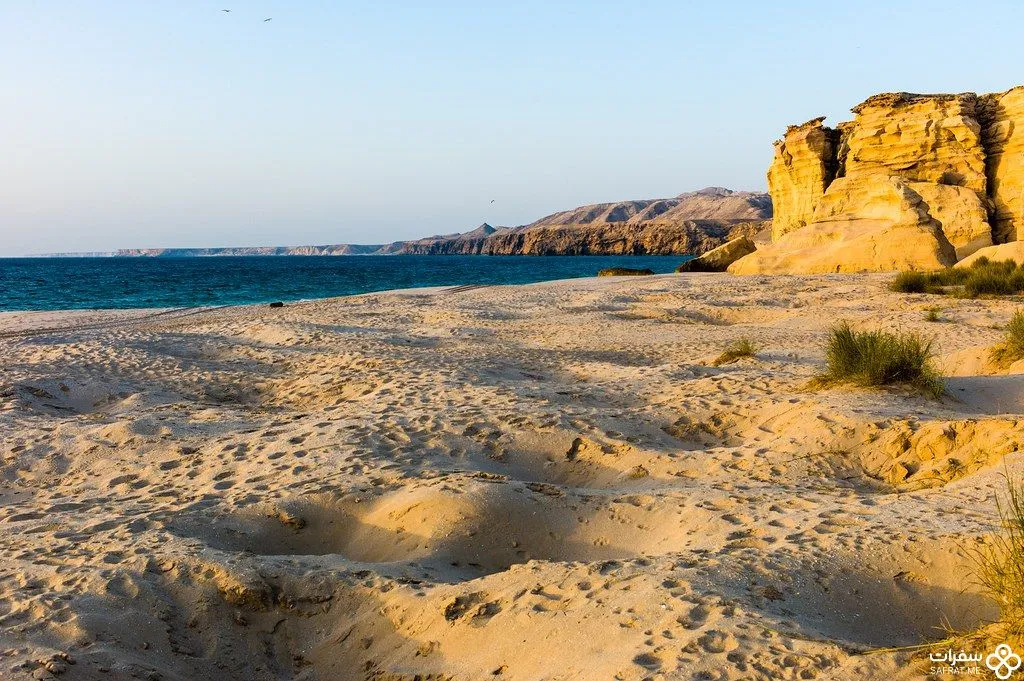
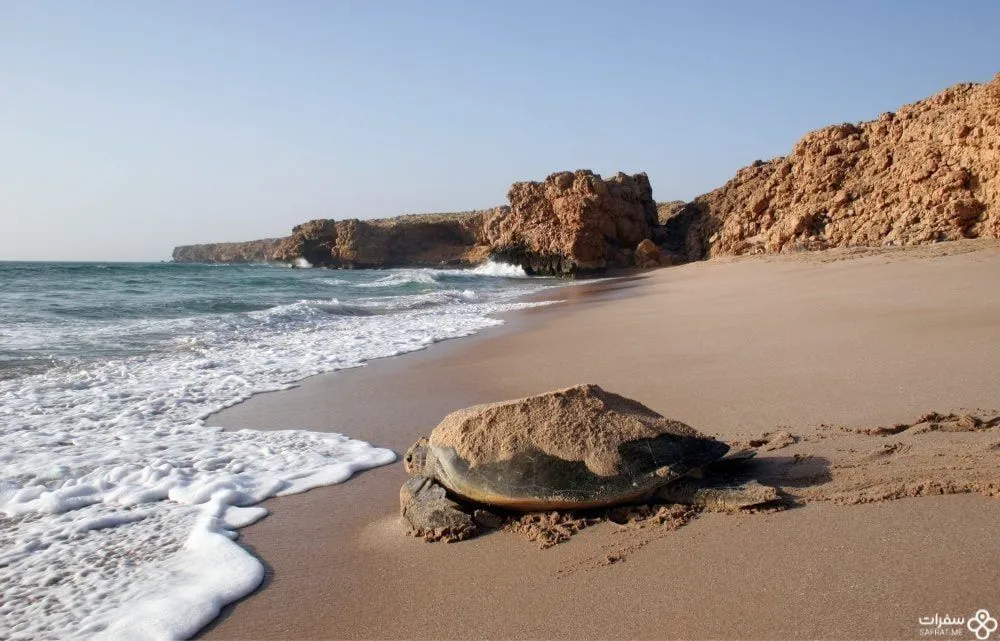
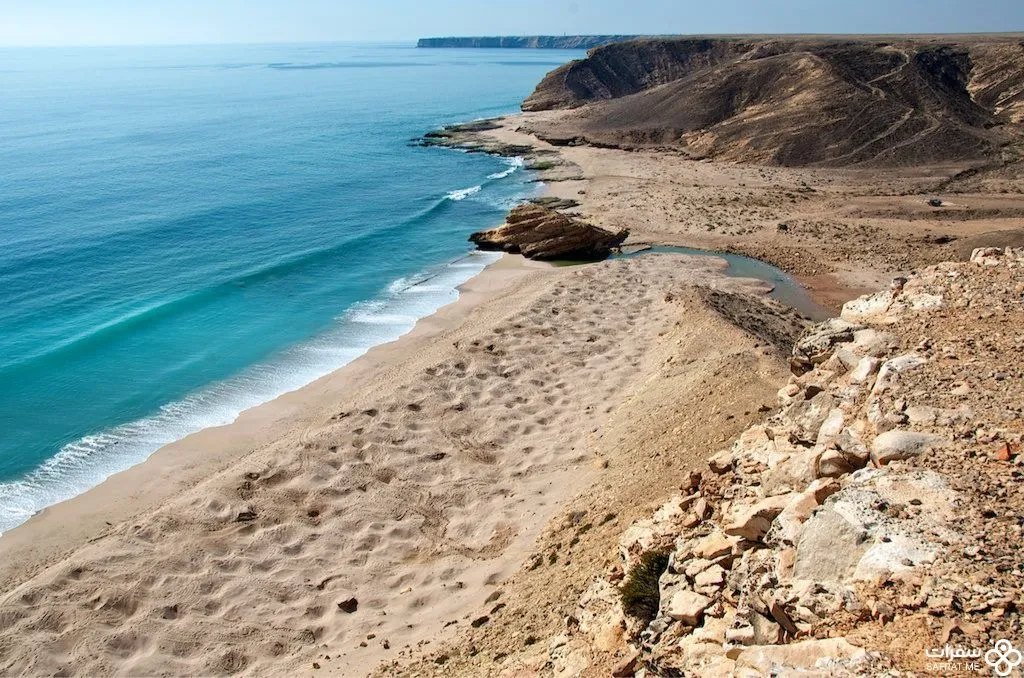
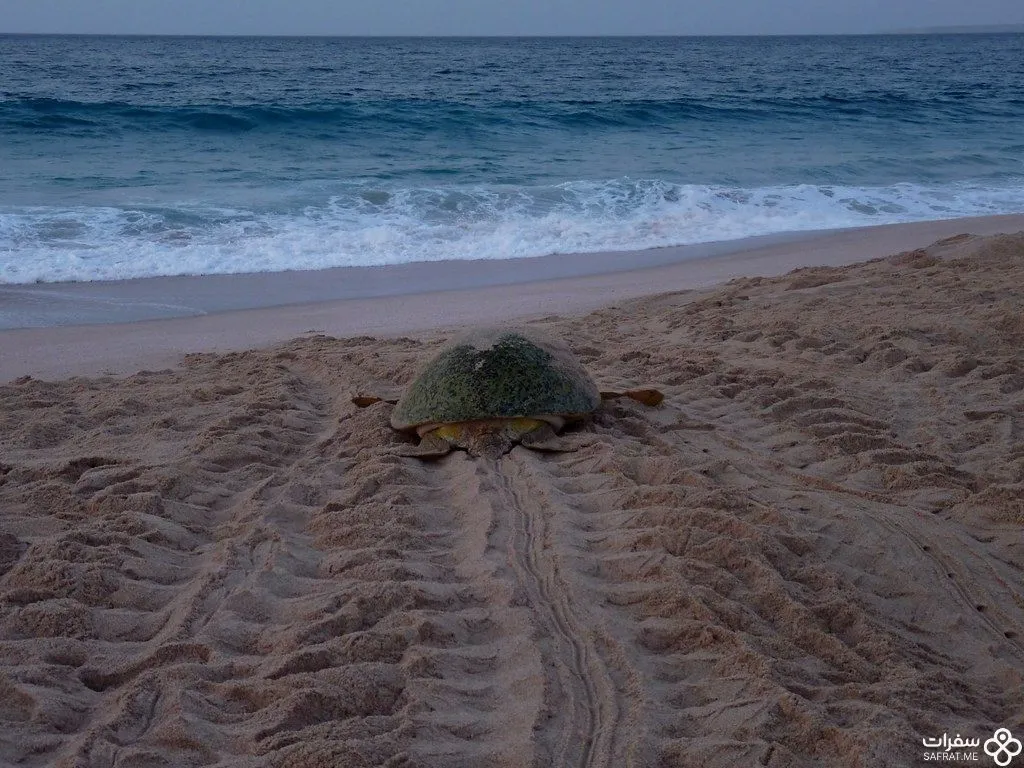
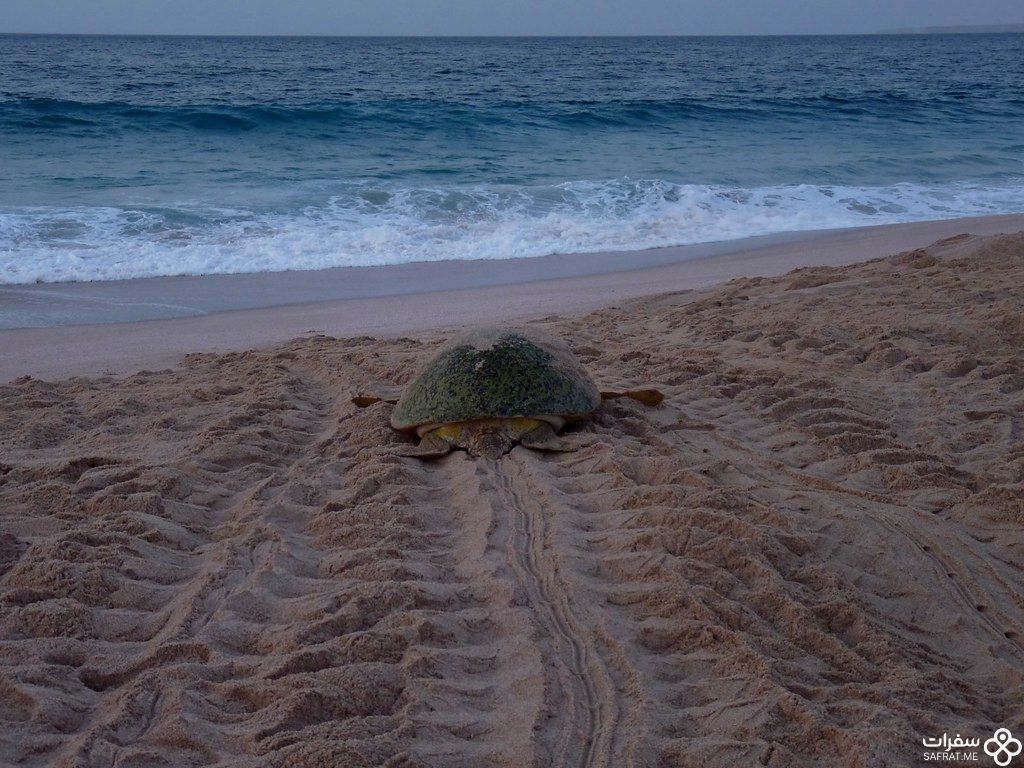
Ras al-Hadd Reserve, also known as Ras al-Jinz, is one of the most important natural destinations in Oman. The beaches of Ras al-Hadd Reserve are home to green turtles that migrate to Oman to nest.
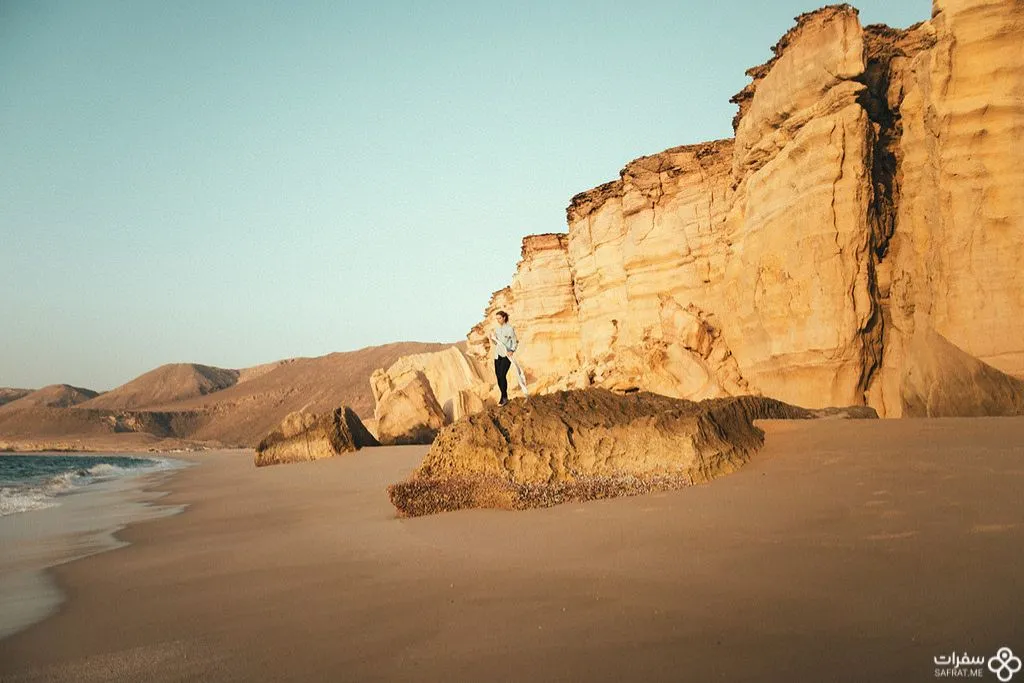
This reserve, located in the Ras al-Hadd area east of the city of Sur in the Eastern Governorate, is one of the most beautiful areas visited by the majority of tourists to witness the nesting and egg-laying of the endangered green turtles, as well as to enjoy the natural air.
Watching the baby turtles emerge from the soft golden sand and make their way to the sea in the early morning hours is one of the most beautiful sights to be seen at Ras al-Jinz Reserve. This reserve can be the ideal destination for lovers of geography and the environment.
Best Times to Visit and Key Activities
There are hotels in the villages near the reserve that are recommended for a stay, and there is also the opportunity to stay at beachside resorts close to the reserve that offer spa services and other facilities. The period from June to September is the best time to visit Ras al-Jinz Reserve.
Qurum Beach
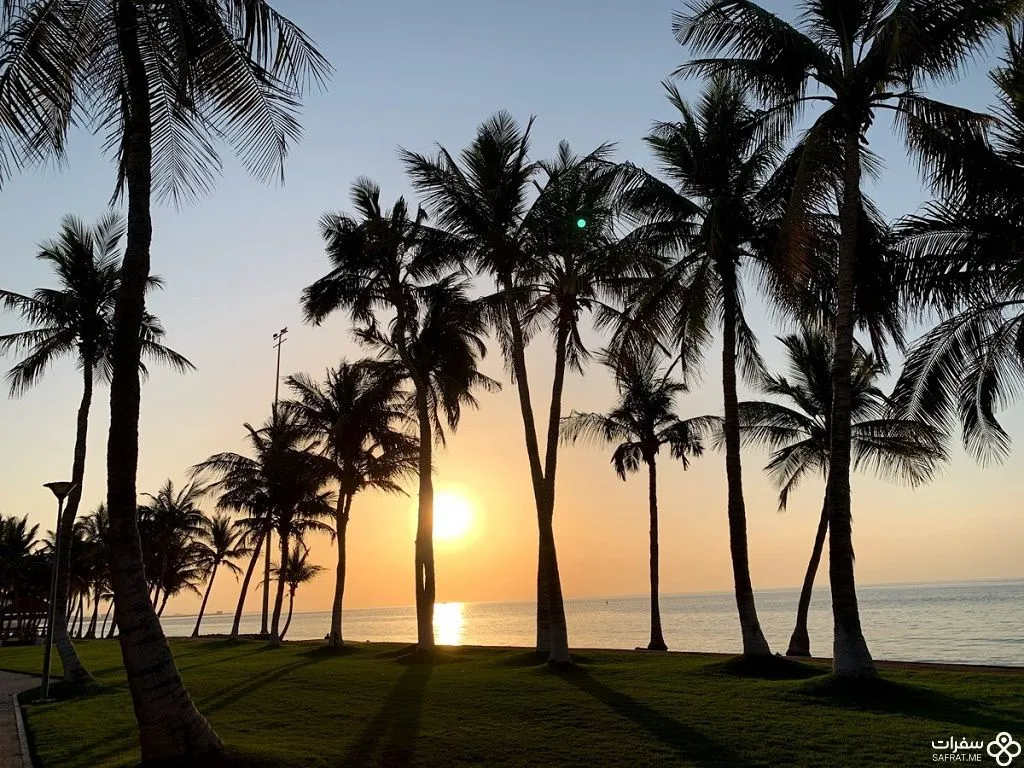
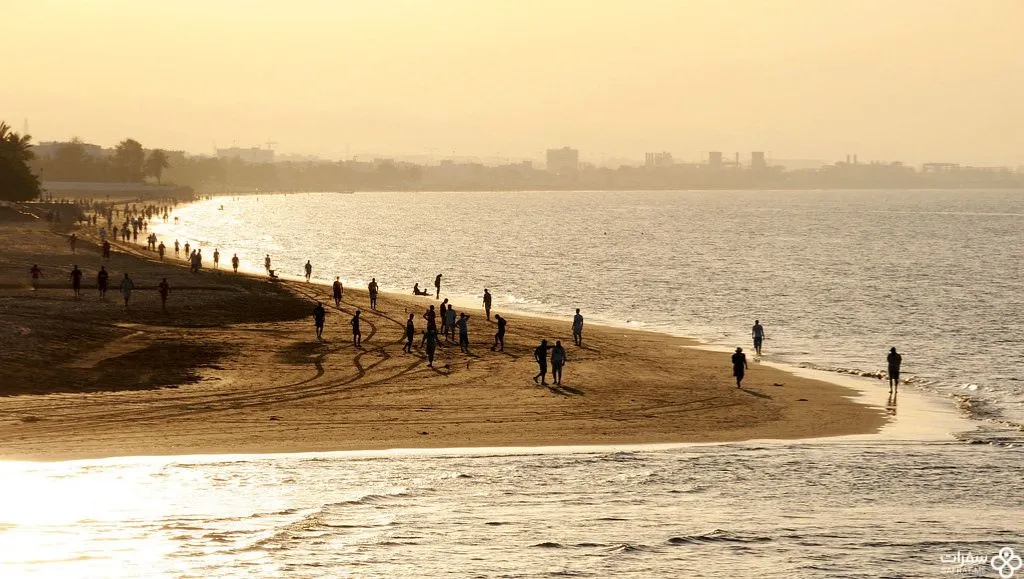
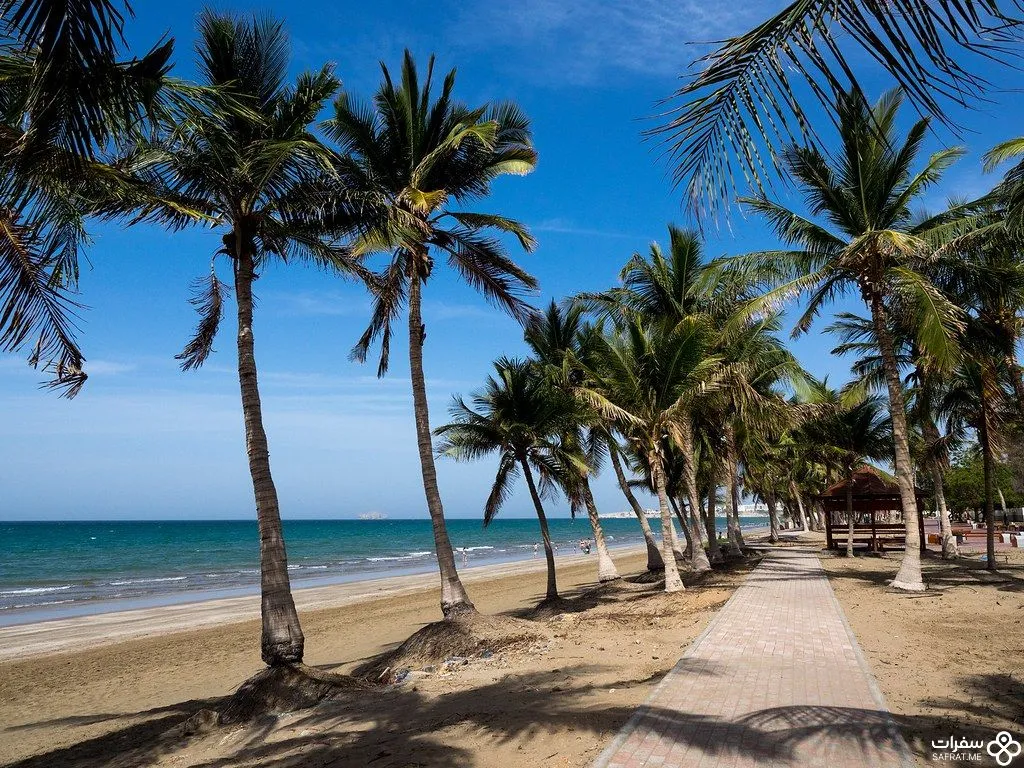
Qurum Beach is one of the beaches that enjoys wide popularity among Omanis and tourists alike. This beach is located just ten minutes from the centre of Muscat. The tall, green palm trees are what set this beach apart from other beaches in the Gulf countries.
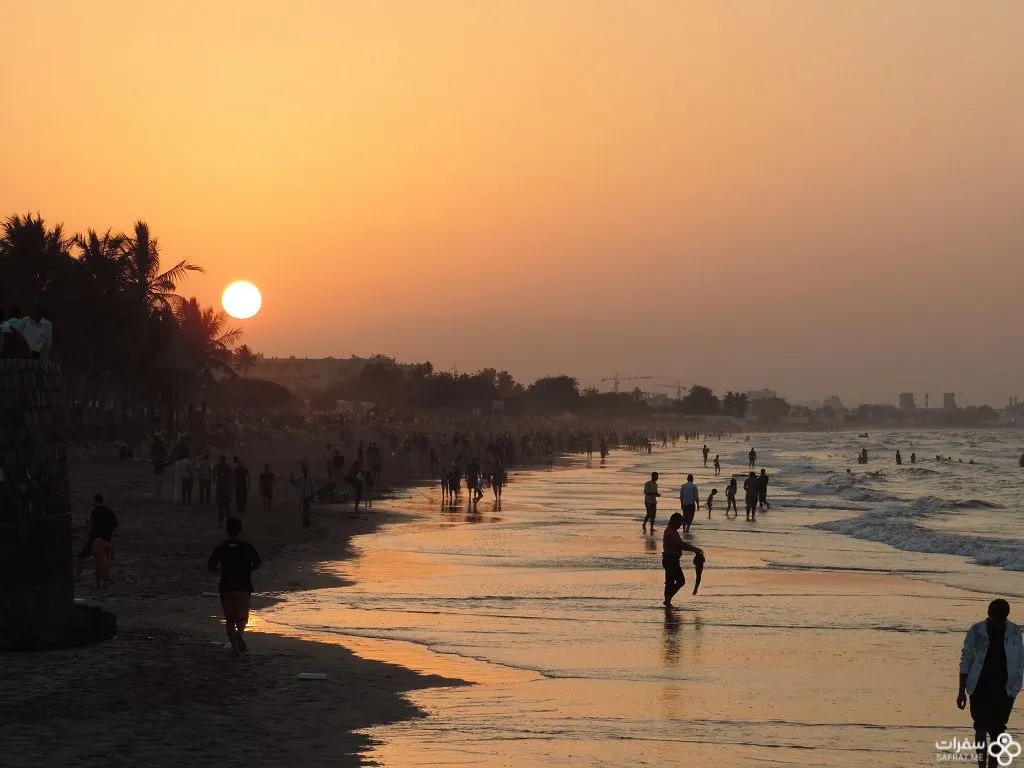
There are many hotels, restaurants, and cafés that can be visited and stayed at near Qurum Beach. Qurum Beach is divided into two sections: the sandy beach and the rocky beach.
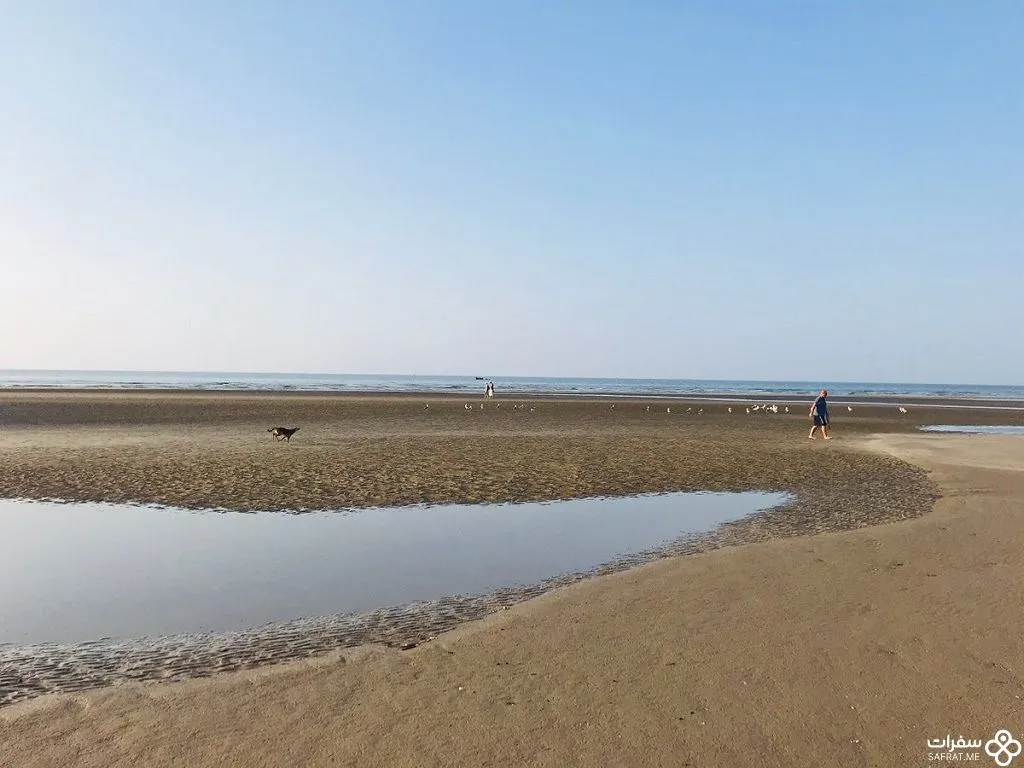
Swimming and relaxing at Qurum Beach, along with other activities such as walking, jogging, and barbecues, are among the most enjoyable things to do at this tourist destination. Watching migratory birds and savouring a cup of Omani-flavoured coffee in the evening at sunset are among the most romantic activities that can be enjoyed at Qurum Beach.
Jebel Shams
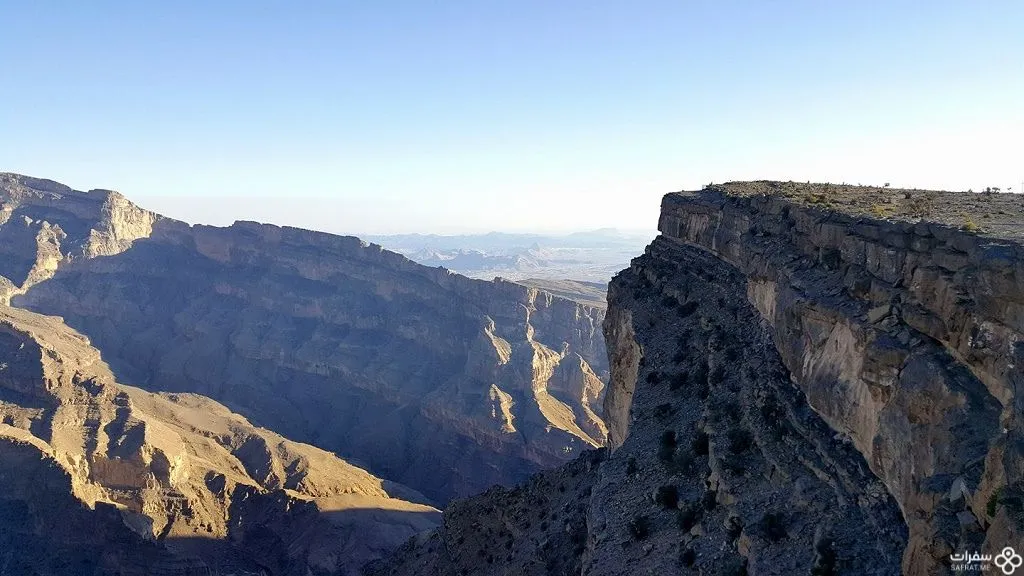
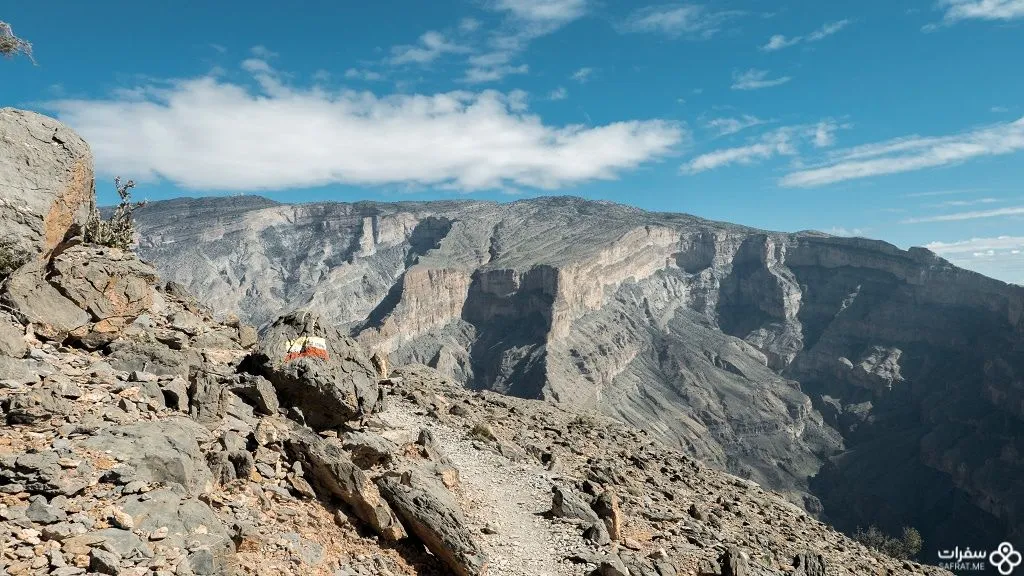
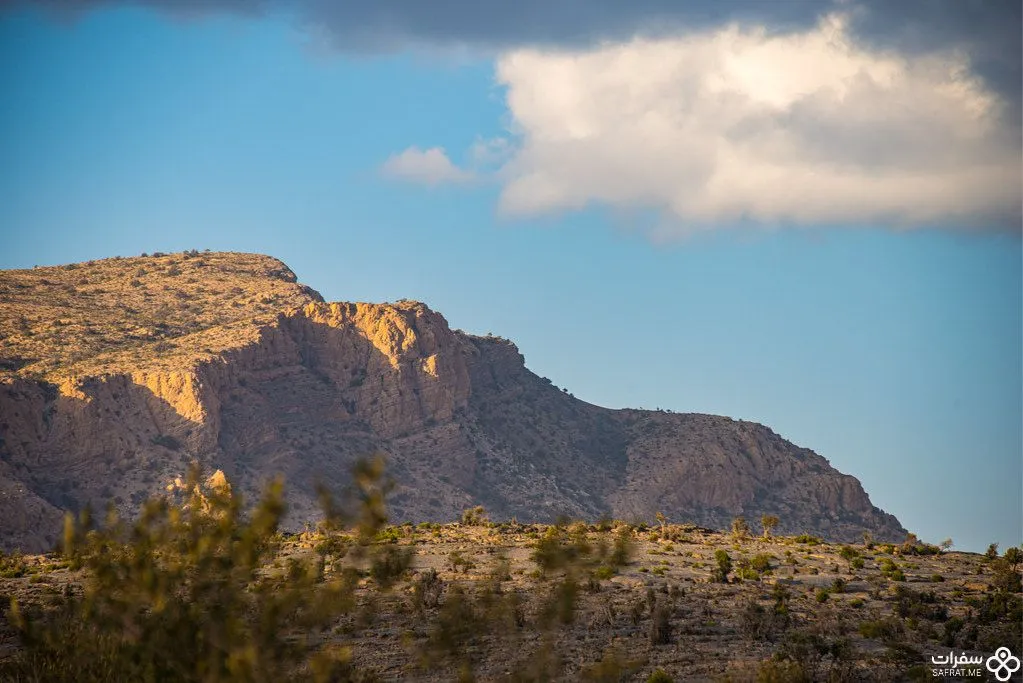
Jebel Shams is one of the most famous natural destinations recommended for a visit in Oman. Jebel Shams is located in the wilayat of Al Hamra, which belongs to the Governorate of Ad Dakhiliyah.
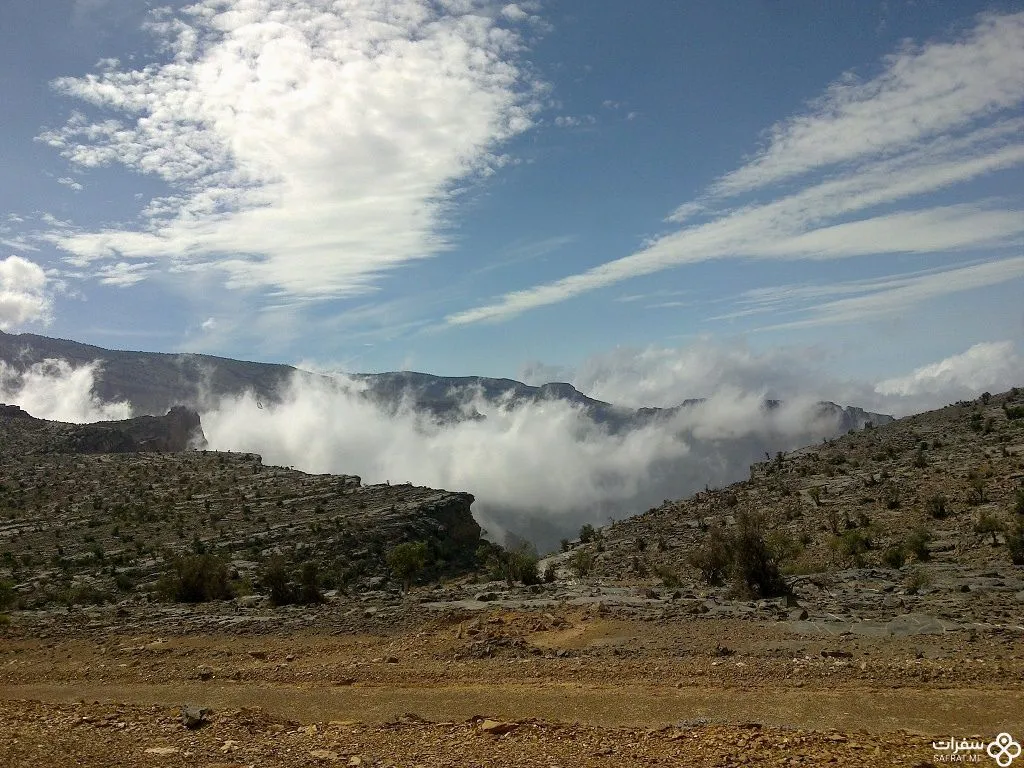
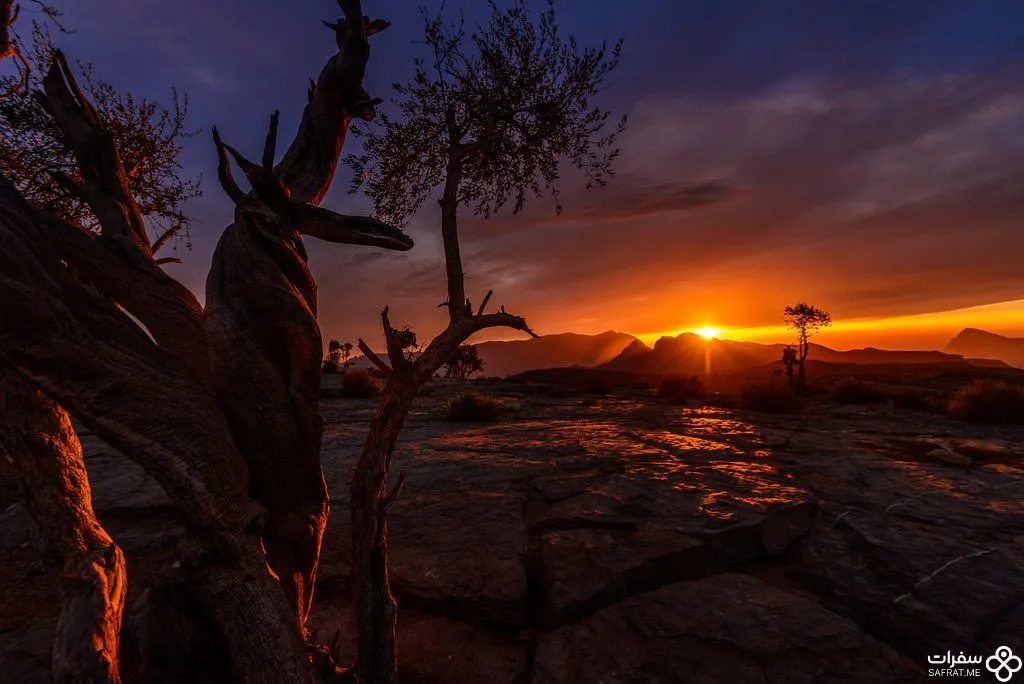
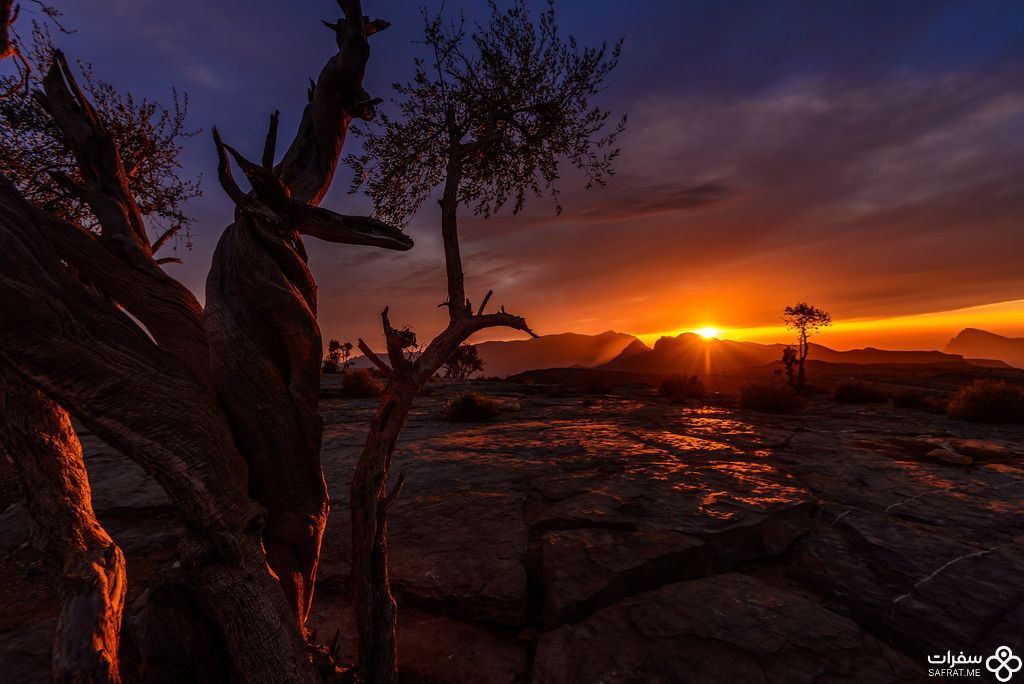
Jebel Shams rises to approximately 3,000 metres. The mountain was named after the local belief that it is the first place in Oman where the sun rises. This mountain, the highest peak in the Hajar mountain range in Oman, is a distinctive destination for climbers. Experiencing the beautiful views of the sunrise from this mountain is one of the most enjoyable activities that can be experienced upon reaching the summit.
Jebel Shams has two peaks: the northern peak, which tourists are not permitted to access as it is considered one of the most important military bases, and the southern peak, which is lower in altitude and is the one visited by most tourists. The pleasure of standing on the Balcony Walk — a deep gorge on Jebel Shams — enables tourists to enjoy the most spectacular and unparalleled views. Camping, stargazing, hiking, and mountain climbing are among the most wonderful experiences that can be had on Jebel Shams.
The Khasab Straits
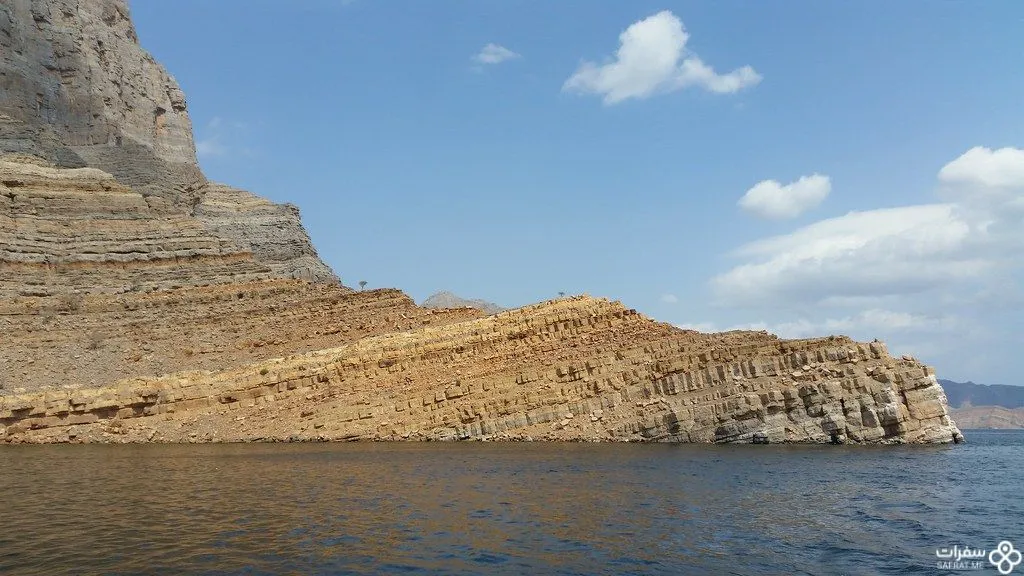
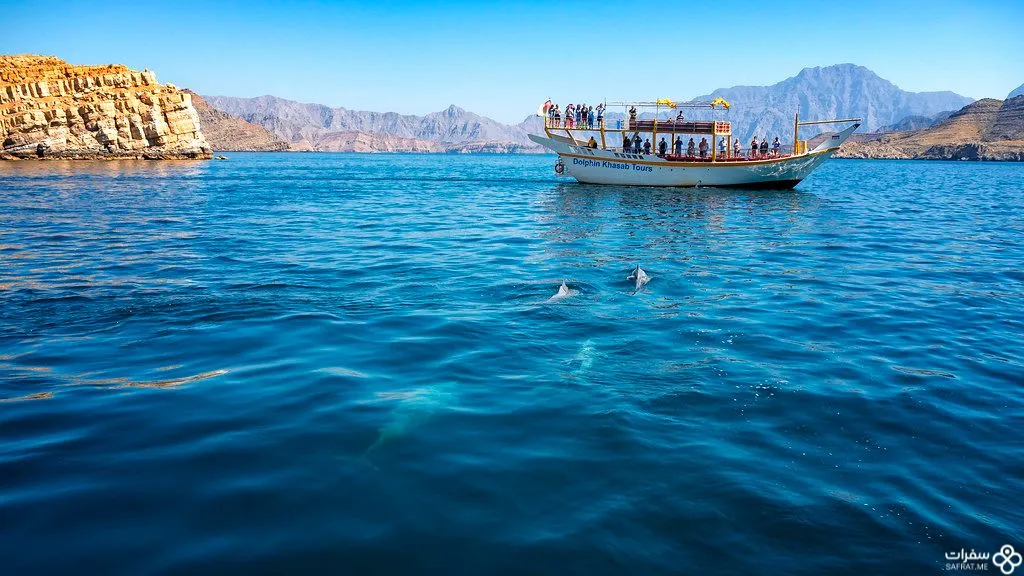
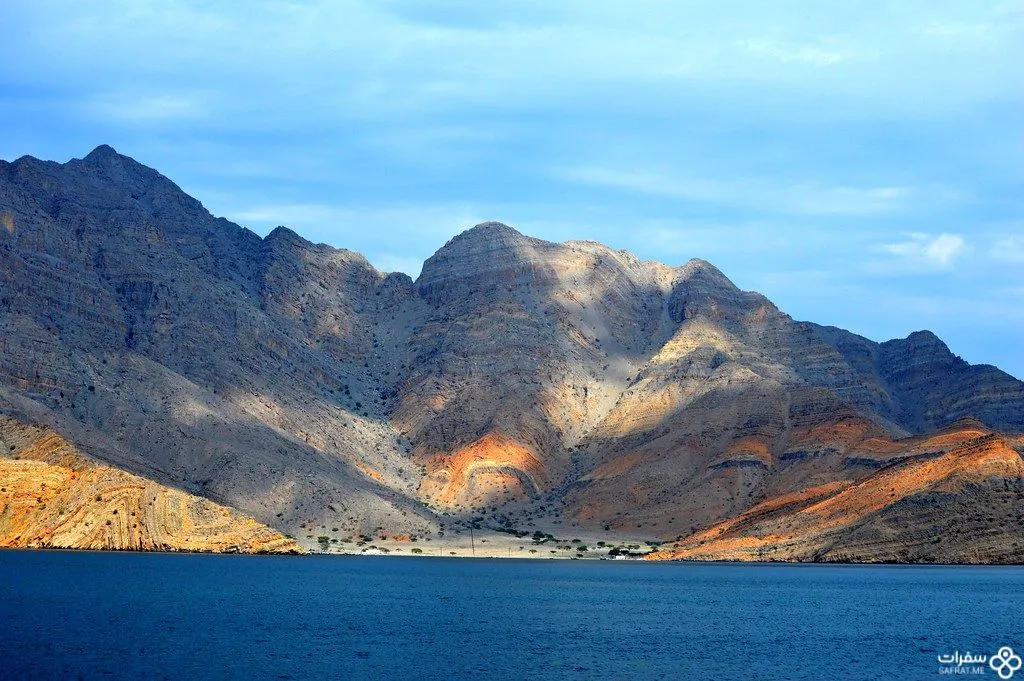
The Musandam Governorate is the northernmost governorate of the Sultanate of Oman. Among the most beautiful views this region offers is the meeting of sea and mountain, where limestone mountains rise alongside the coastline that separates Oman and the United Arab Emirates.
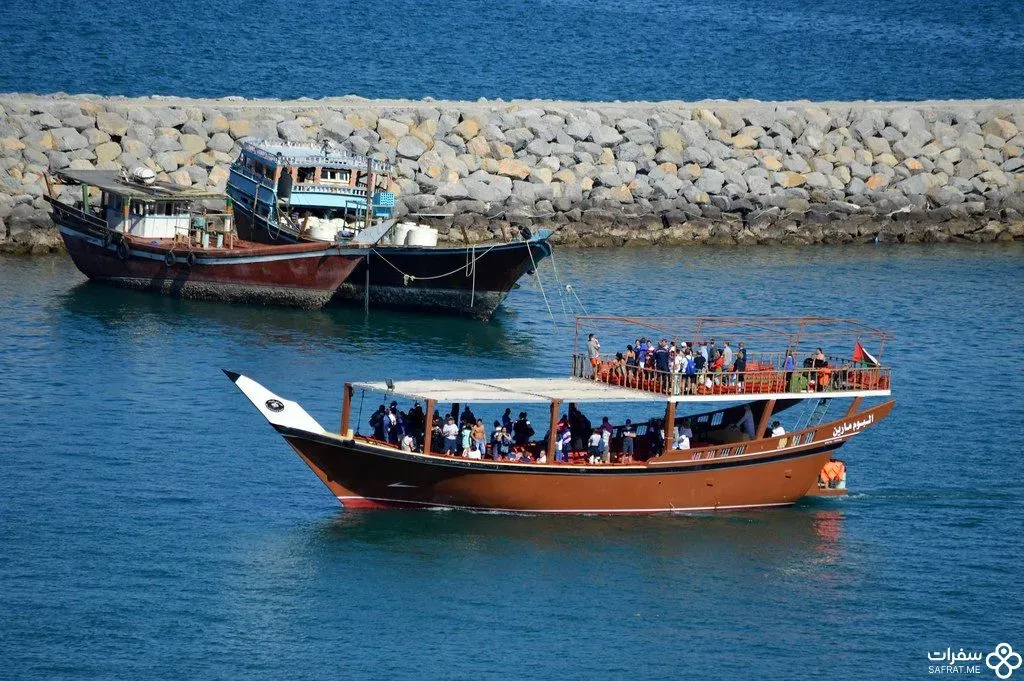
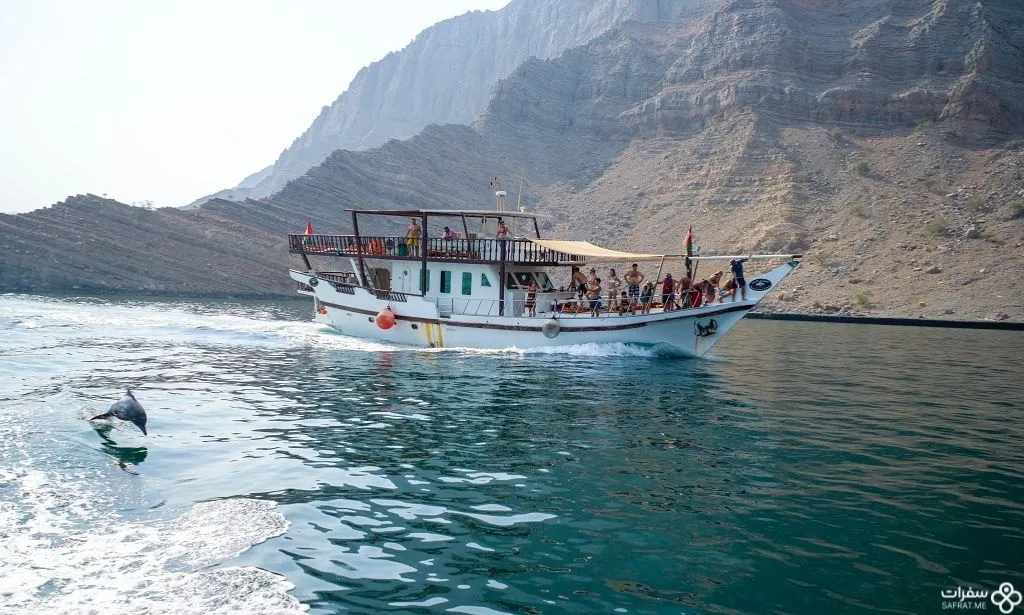
The Khasab area, known as the Norway of the Arabian Peninsula due to its unparalleled beauty, is one of the most beautiful natural destinations not to be missed when visiting Oman. The Khasab area is famous for its majestic straits. These straits can be viewed through sea trips made by traditional sailing dhows.
The adventure of watching dolphins, as well as the large flocks of migratory birds, may be among the most extraordinary sights that can be experienced on the shores of Khasab. Fishing trips and the experience of spending the night on a sailing dhow in the middle of the sea are among the most enjoyable activities that can be done in the Khasab area.
These are not all of the natural destinations in Oman. The Wahiba Sands with the beauty of their fine sands, Majlis al-Jinn Cave and the other caves in the Sultanate of Oman, the dense palm groves of Rustaq, and natural springs such as Ain al-Thawara in the wilayat of Nakhal and Ain al-Kasfa in the wilayat of Rustaq, as well as the Sahl Itin plain, are among the most beautiful other natural destinations recommended for a visit in the Sultanate of Oman.
For more official information about the Sultanate’s landmarks, you can refer to the website of the Ministry of Heritage and Tourism of the Sultanate of Oman.