
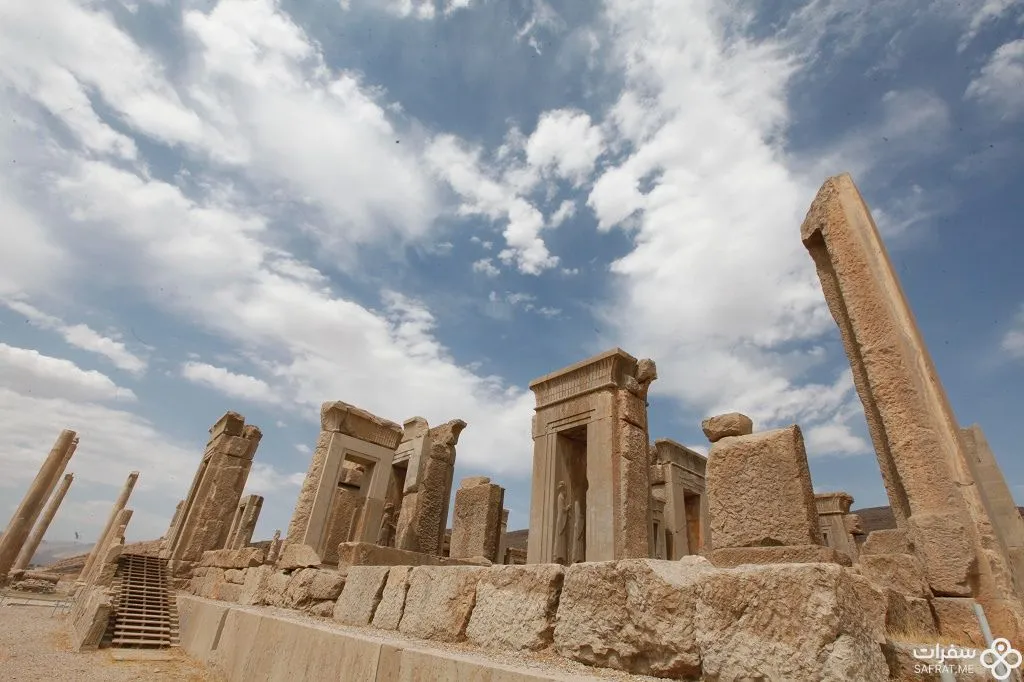
Iran takes pride in its ancient history stretching back thousands of years, during which the Achaemenid Empire played a decisive role in the East. The archaeological structures of Persepolis, which have survived from Iran’s pre-Islamic empire, may be the most beautiful sight the eye can behold in Iran — yet they are not the only one. This land has been richly endowed with historical landmarks from different eras, so much so that there is not a single province in Iran without historical sites. This article will guide you to the top 10 historical destinations that must be visited — or at least some of them — when travelling to Iran.
1. The Archaeological Site of Persepolis
Persepolis, also known as Takht-e Jamshid, is one of the most important Iranian archaeological and magnificent cities with a long history, located in the city of Shiraz. Persepolis was the seat of the Achaemenid Empire. The archaeological site of Persepolis is located 57 kilometres north of the city of Shiraz, near the city of Marvdasht.
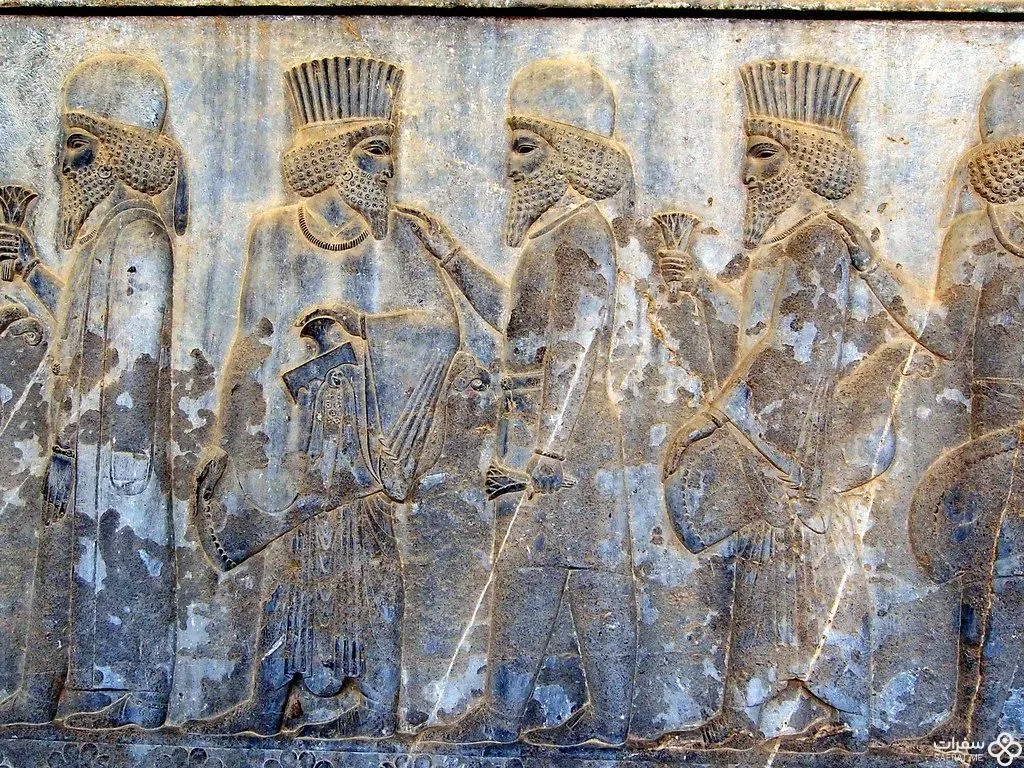
The palace of Persepolis consists of several wings and sections. Among the beauties of this palace are the towering columns and entrances, and the intricate, delicate carvings on the stone walls.
Looking at those carvings is like reading an illustrated story without needing any text — the story of presenting gifts to the Persian king, the story of wars and battles, the story of winged bulls and lions that speak of power in Persian culture — all rendered in extremely fine and clear carvings that a person would be hard-pressed to replicate.
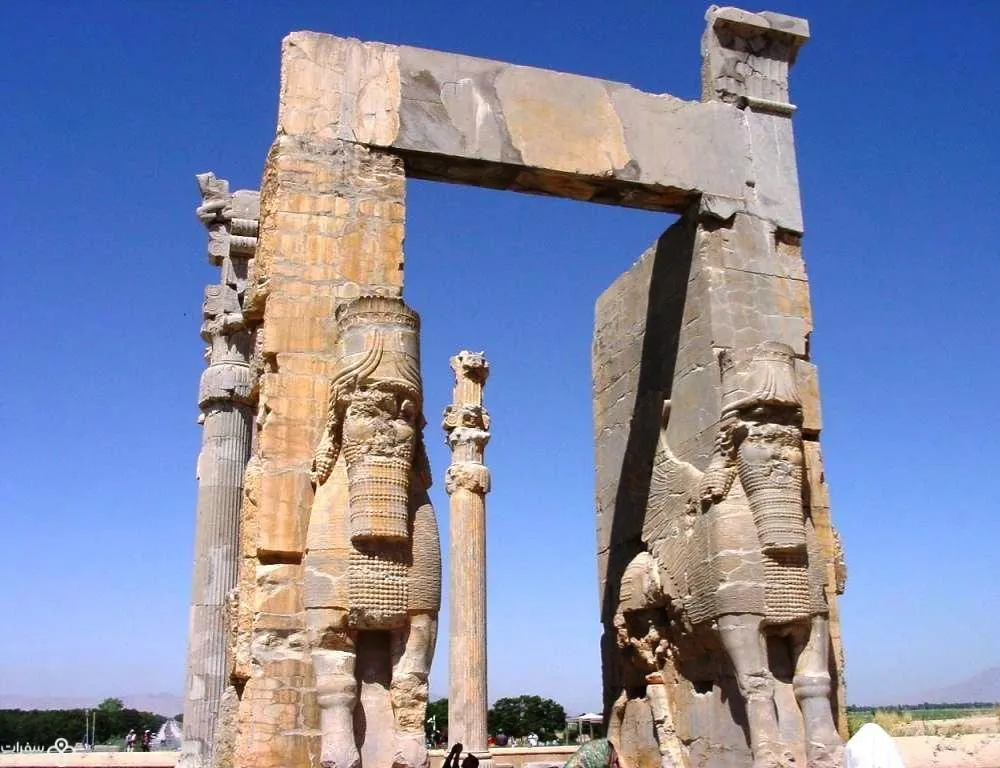
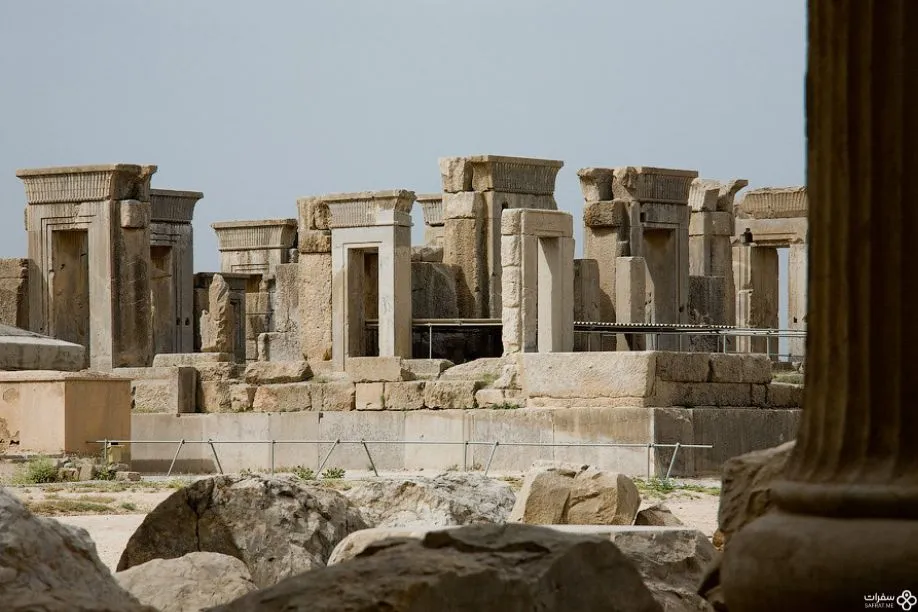
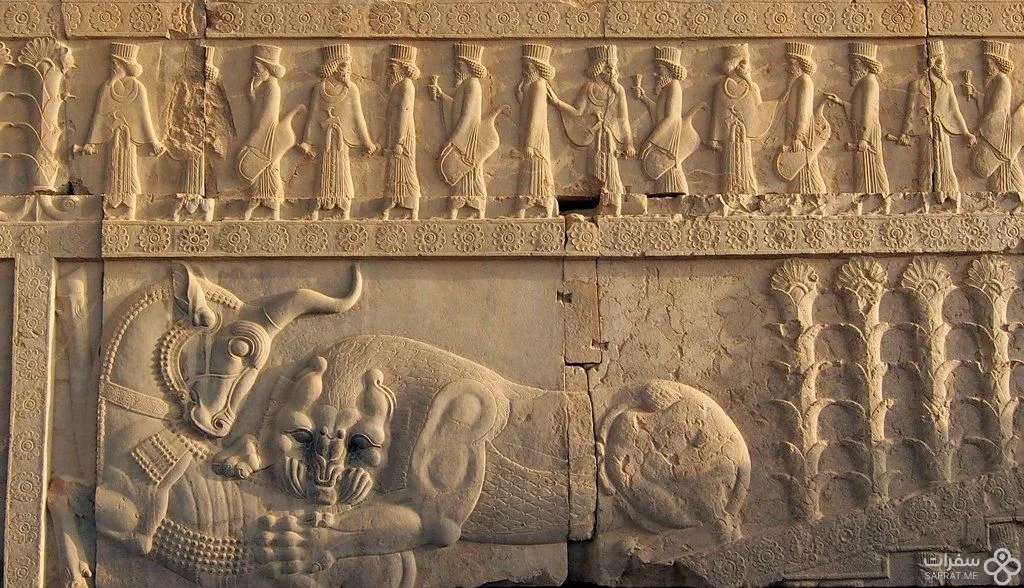
Another experience you can enjoy is climbing the slopes of the mountains surrounding the Persepolis courtyard in the evening and looking out over it at sunset, where an overwhelming and strange feeling about history and the passage of time comes over you as you gaze at those massive columns and the harmony between the different parts of the Persepolis palace, which speak of the greatness and might of the Persian king.
2. Naqsh-e Jahan Square in Isfahan
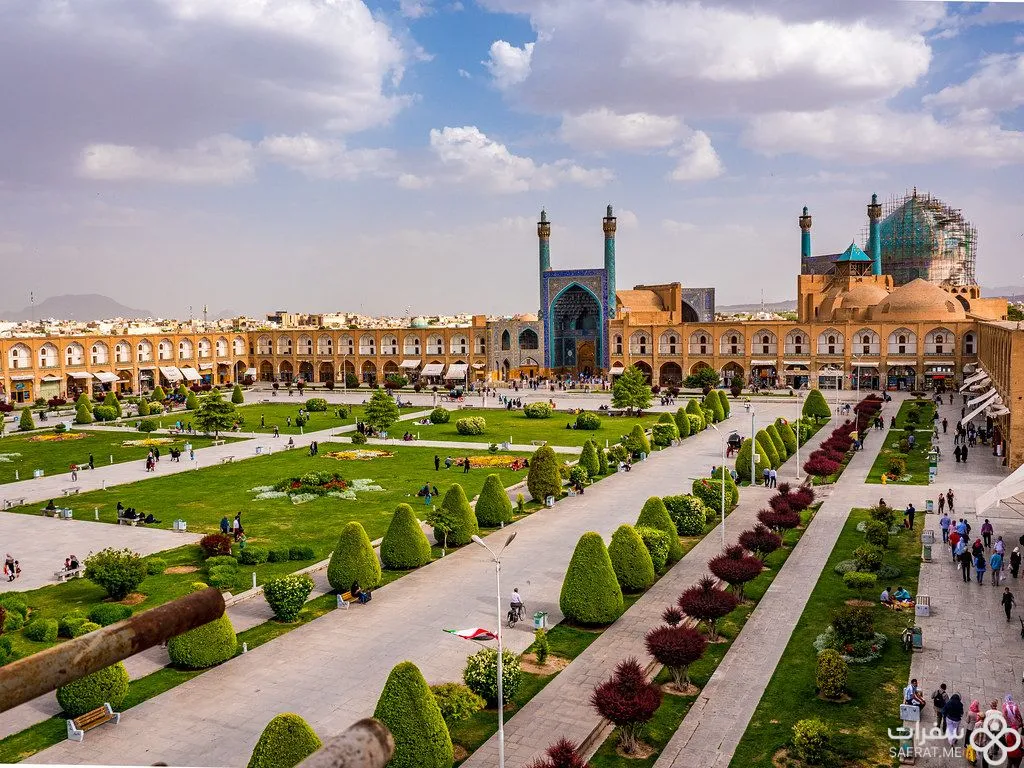
Naqsh-e Jahan Square is one of the most beautiful historical destinations in the city of Isfahan and serves as the heart of the city. This rectangular square has massive and imposing historical landmarks on all four of its sides.
The unparalleled architecture used in constructing the landmarks of this square is what has placed it among the most important historical sites.
One is left in awe at the sight of the turquoise tilework and the soaring blue domes of the Imam Mosque and the Sheikh Lotfollah Mosque in this square. A breathtaking and magnificent garden adorns the centre of the square, overlooked by various rooms arranged in a special order — rooms that are almost like a museum of the beautiful goods they display for sale, goods you could not find anywhere else on earth.
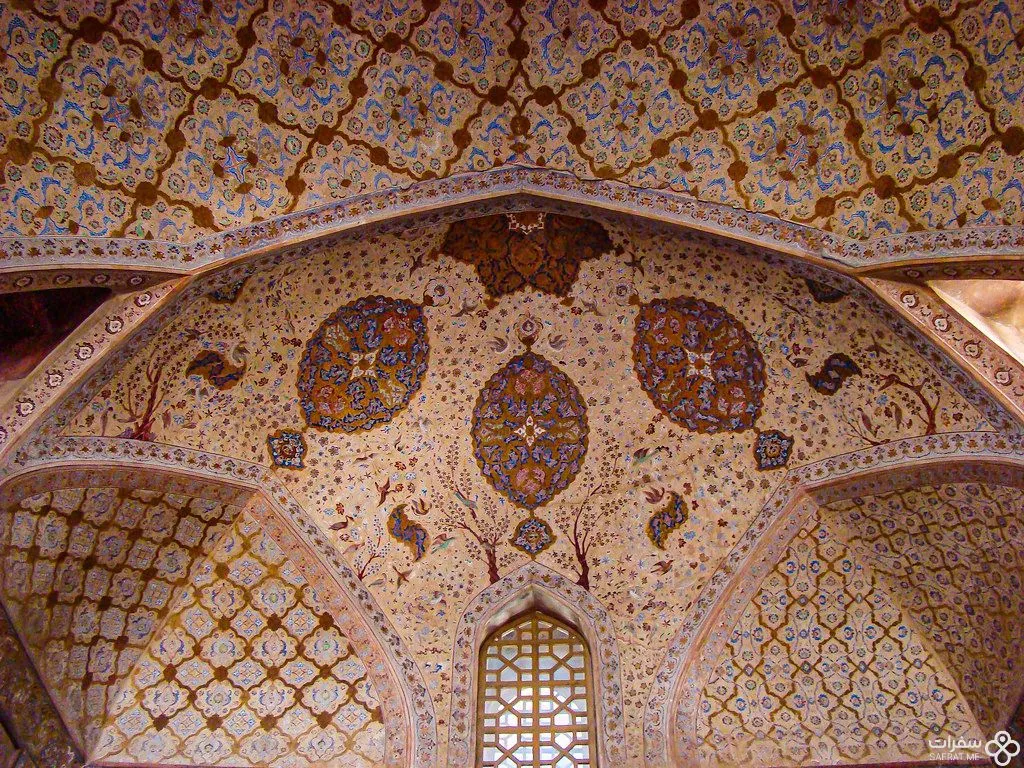
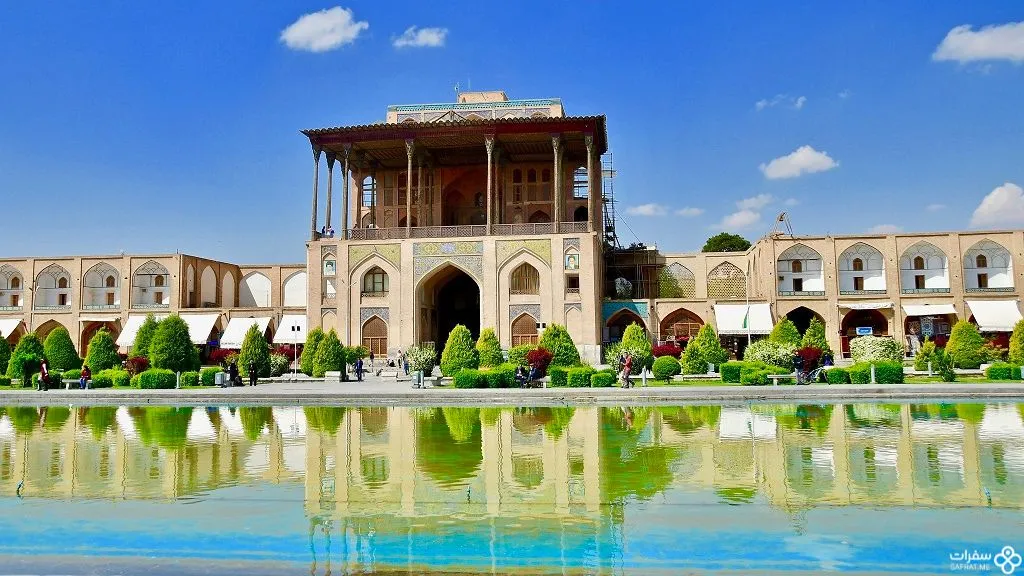
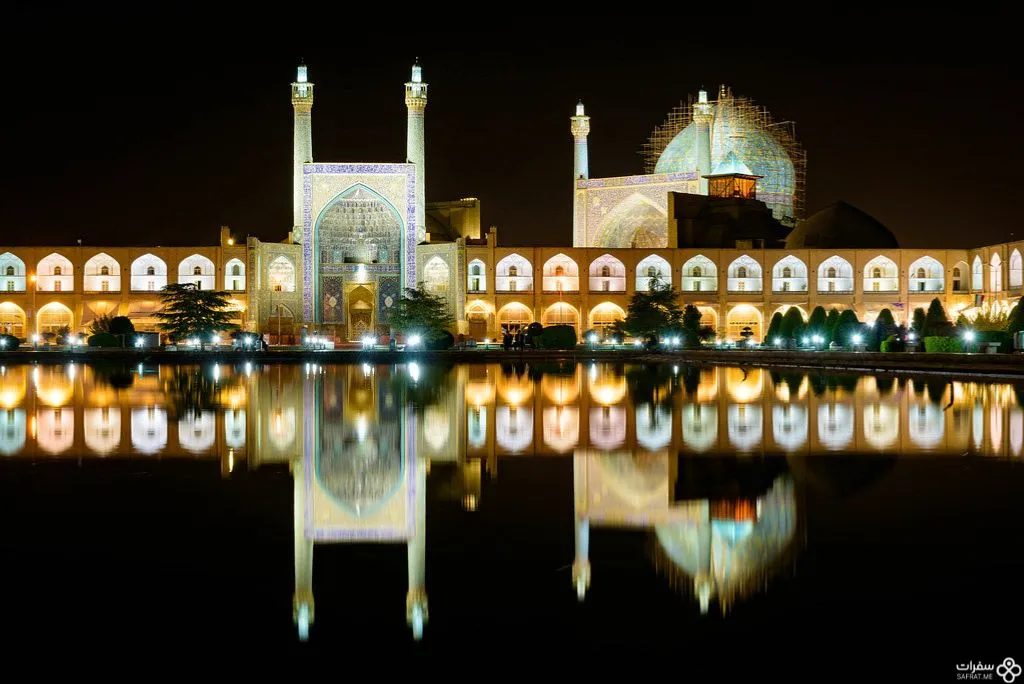
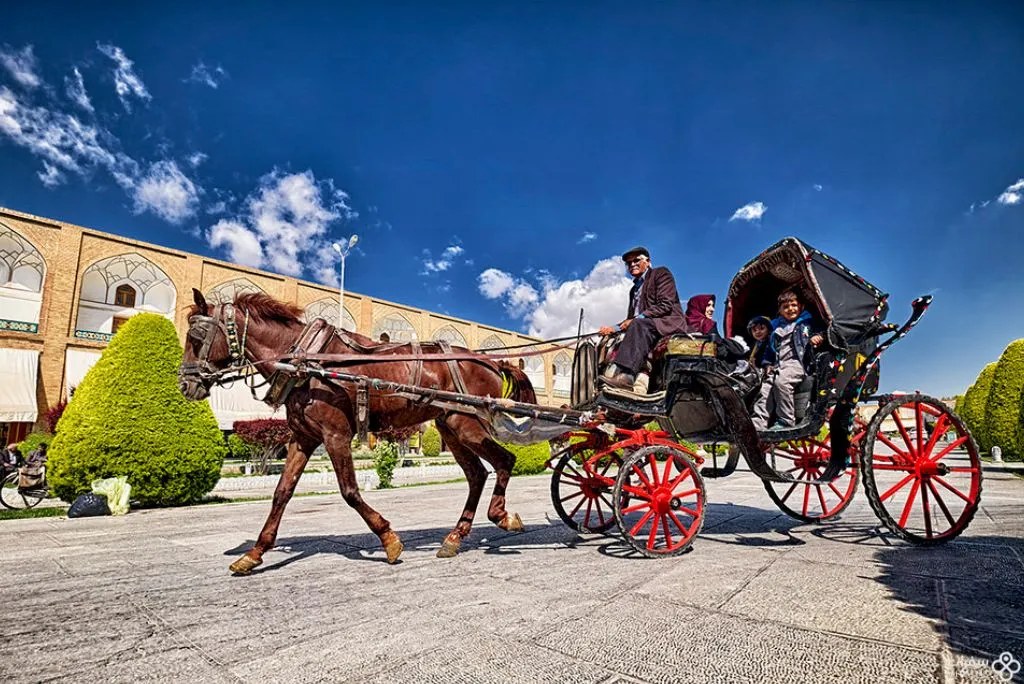
Everything you find in the historic Naqsh-e Jahan Square is worth taking your time over — the crafts and handicrafts made directly before your eyes are astonishing and inspiring.
The Iranian carpets in their varied colours, the engraved copper vessels, the candlesticks, and the silver wares all inspire a sense of wonder and joy at the same time. Riding horse-drawn carriages in Naqsh-e Jahan Square and taking photographs are among the other enjoyable experiences that can be had in this historic square.
3. Golestan Palace (The Palace of the Flower Garden)
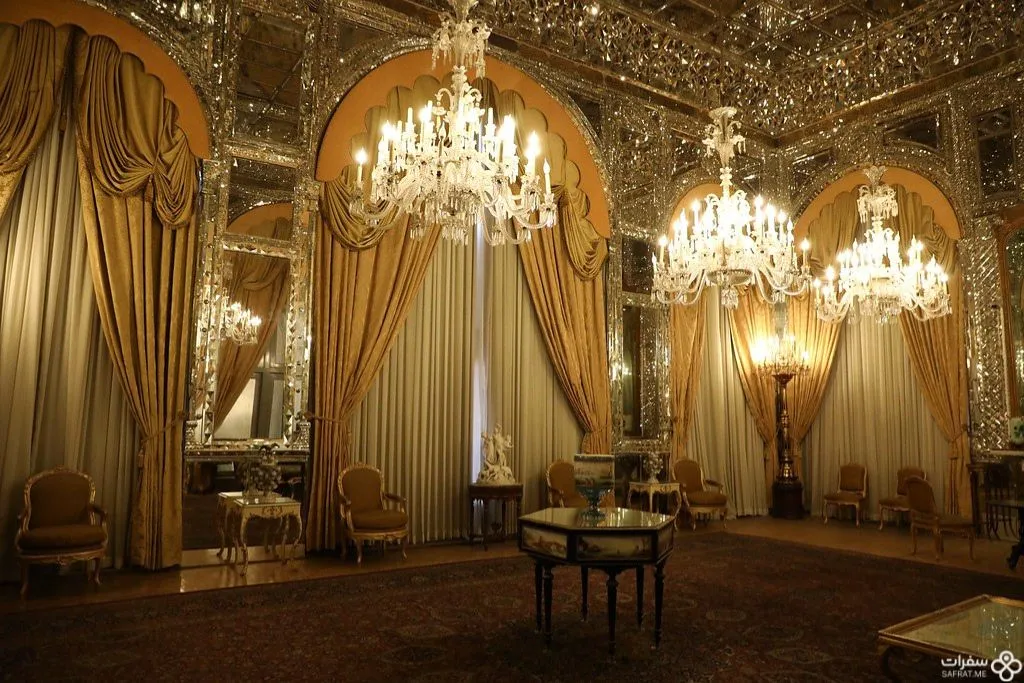
Golestan Palace is one of the most famous and beautiful historical landmarks in the city of Tehran, the capital. The history of this palace’s construction dates back to the reign of the Zands and the Qajars in Iran. Golestan Palace has multiple wings, including: Shams ol-Emareh, the Mirror Hall, the Marble Throne Terrace, Howz Khaneh, the White Palace, Khalvat-e Karimkhani, Emarat-e Badgir, the Ivory Hall, and other wings.
This palace possesses a lavish and magnificent architectural style. The exquisite tilework in various patterns and colours — especially turquoise — is among the most beautiful things to be seen in Golestan Palace. The beautiful and opulent designs, the palace walls inlaid with mirror fragments, and the arched entrances to its rooms and wings leave visitors spellbound.
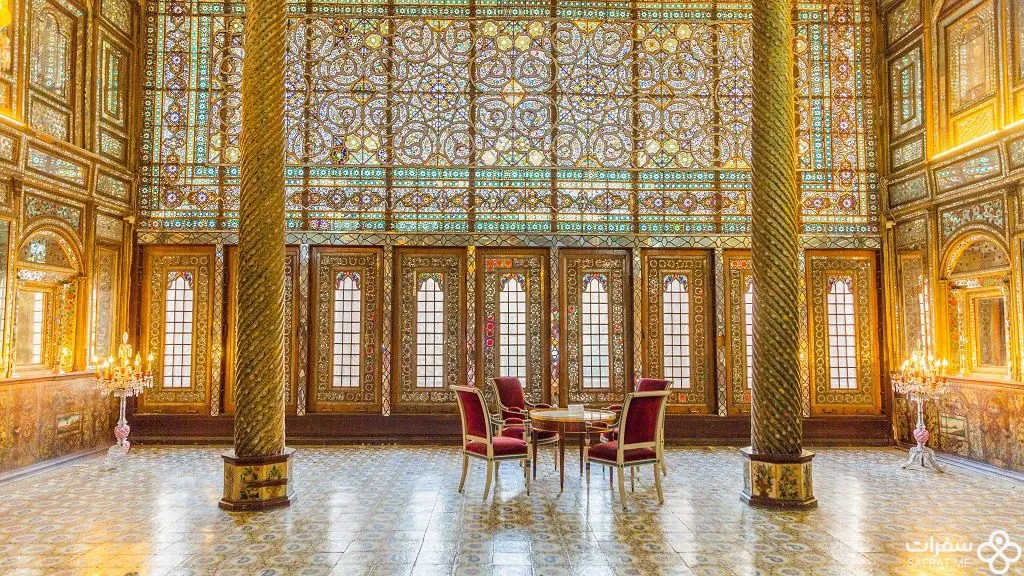
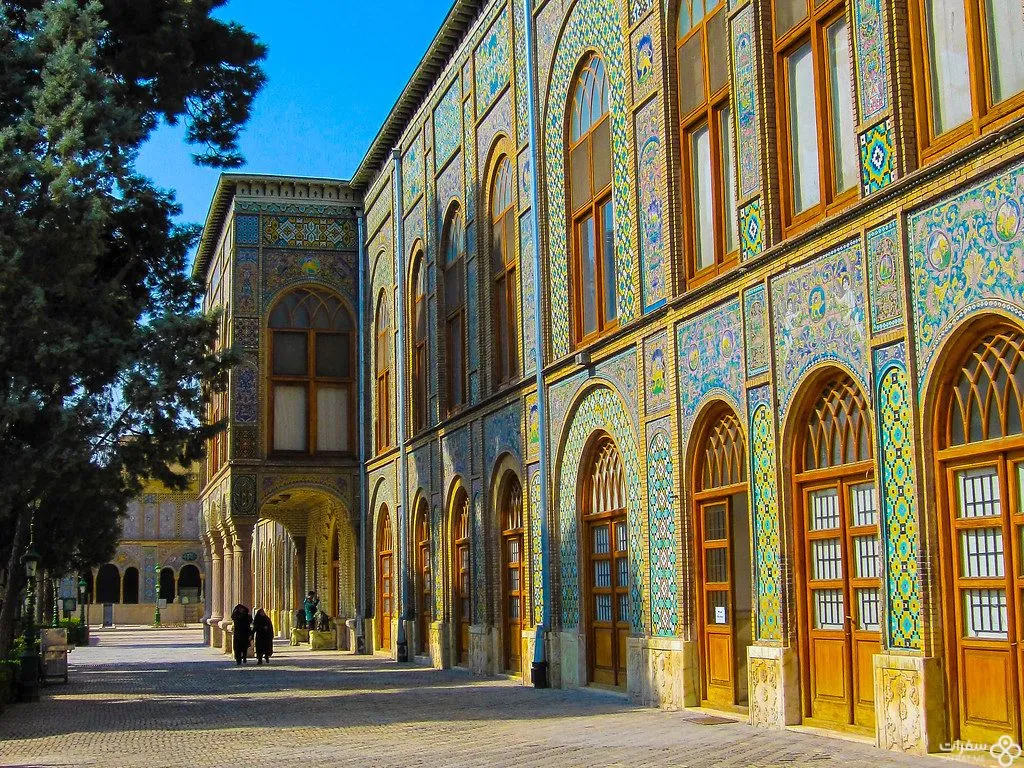
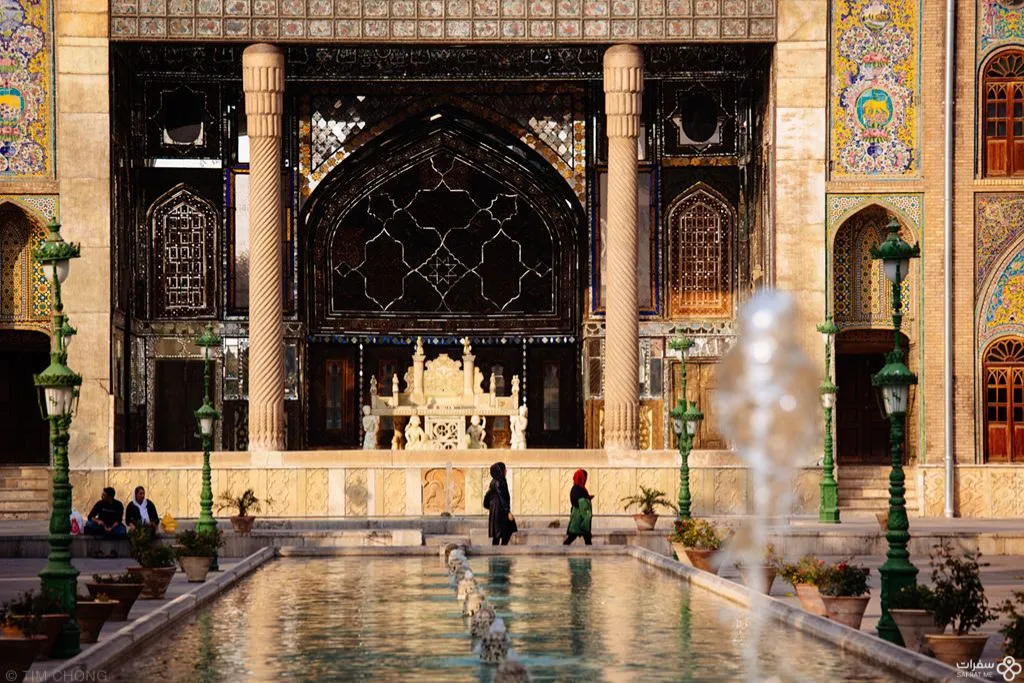
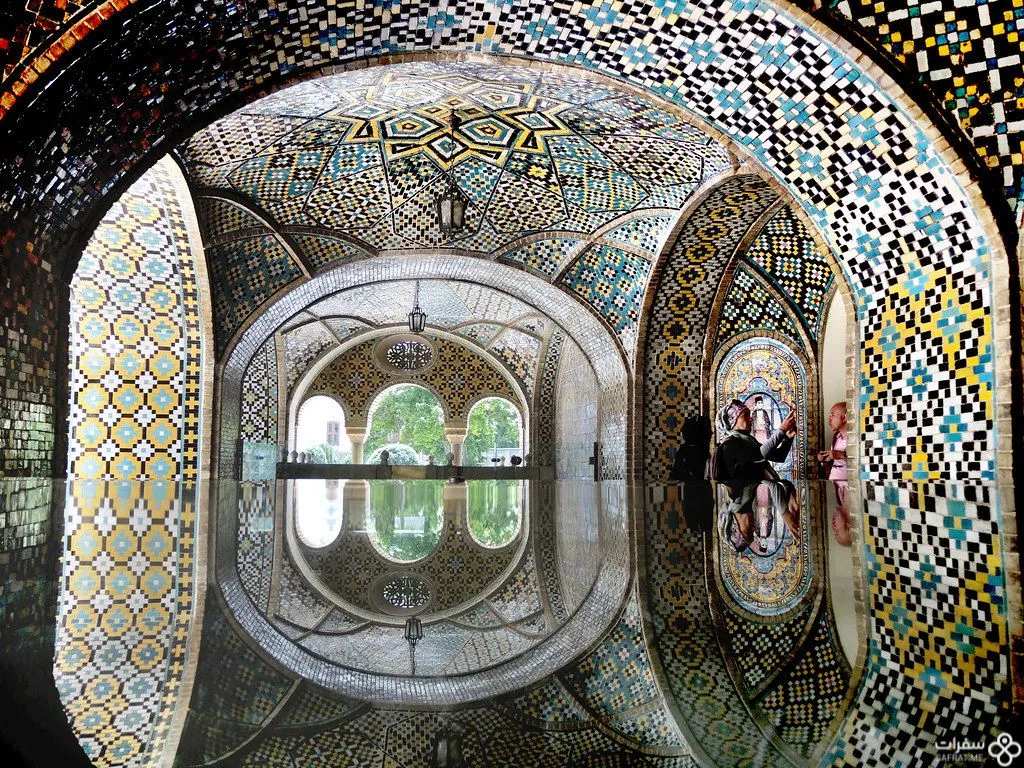
There are luxurious and antique Iranian carpets, as well as curtains, lamps, candlesticks, and some artefacts remaining from the Zand and Qajar eras. As one walks through the halls of this palace, it feels as though one is living in a fantasy, able to sense the splendour and comfort enjoyed by the kings of Persia.
4. The Bisotun Archaeological Area
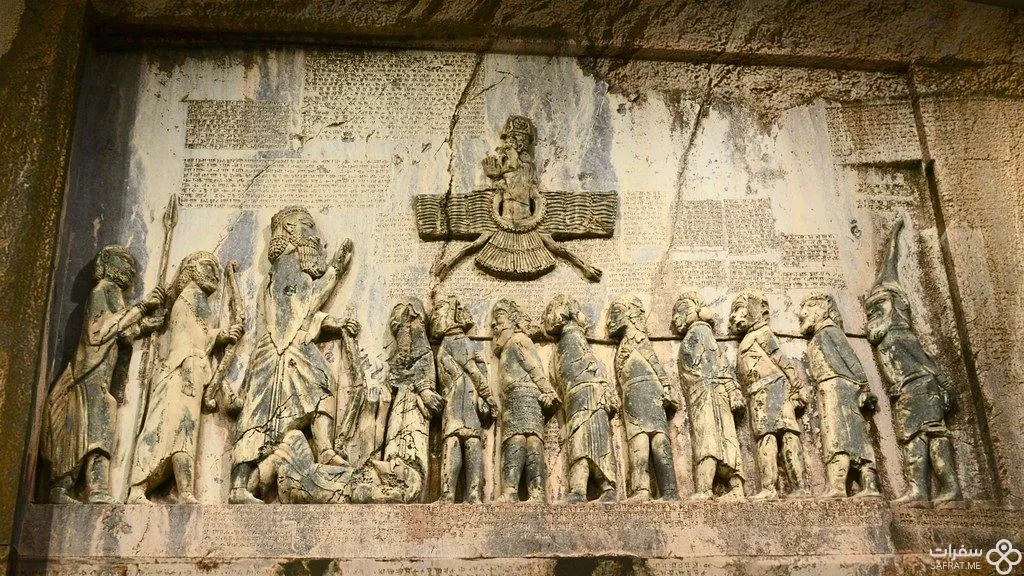
The Bisotun area is located to the northeast of the city of Kermanshah. The Bisotun area is a historical site situated at the foot of Mount Bisotun.
The Bisotun area encompasses numerous historical artefacts, such as the statue of Hercules, the Bisotun Bridge, the Shah Abbas Caravanserai, and the carved images of Mithridates II and Farhad. The Bisotun inscription is the most important historical artefact, dating back thousands of years; it consists of images carved into the rock that tell of the victory of Darius, the Iranian king, over Gaumata the Magian.
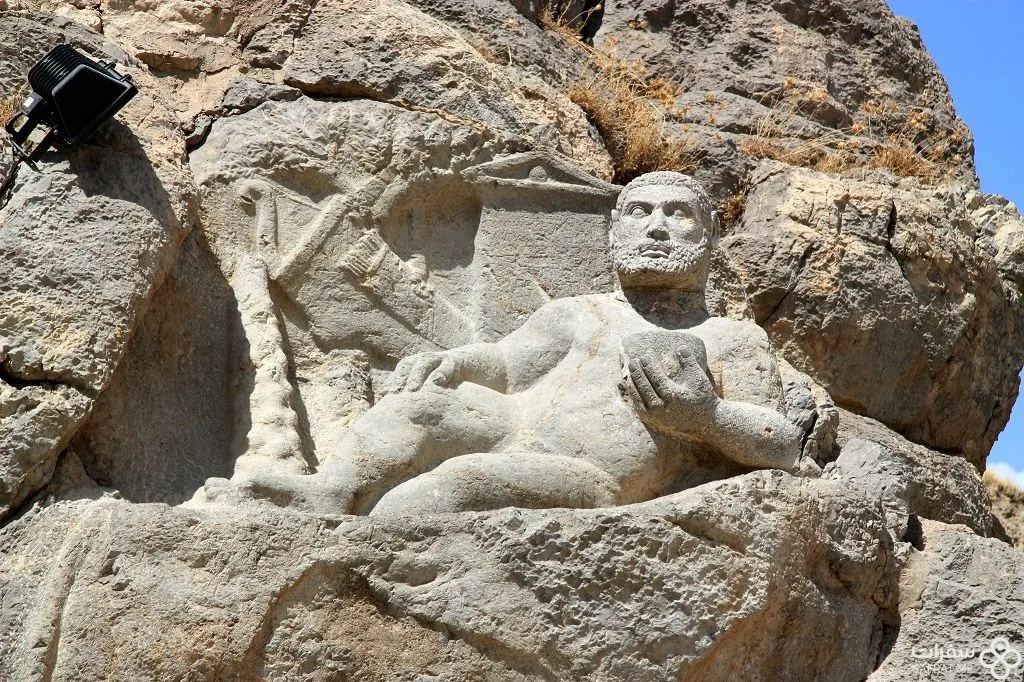
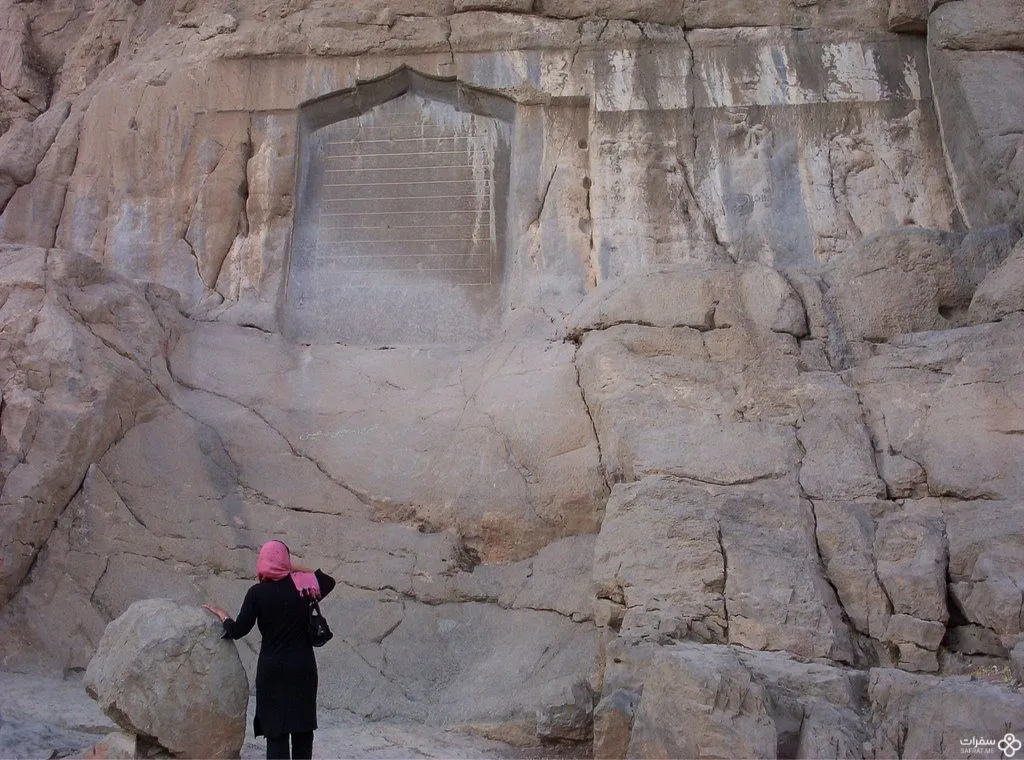
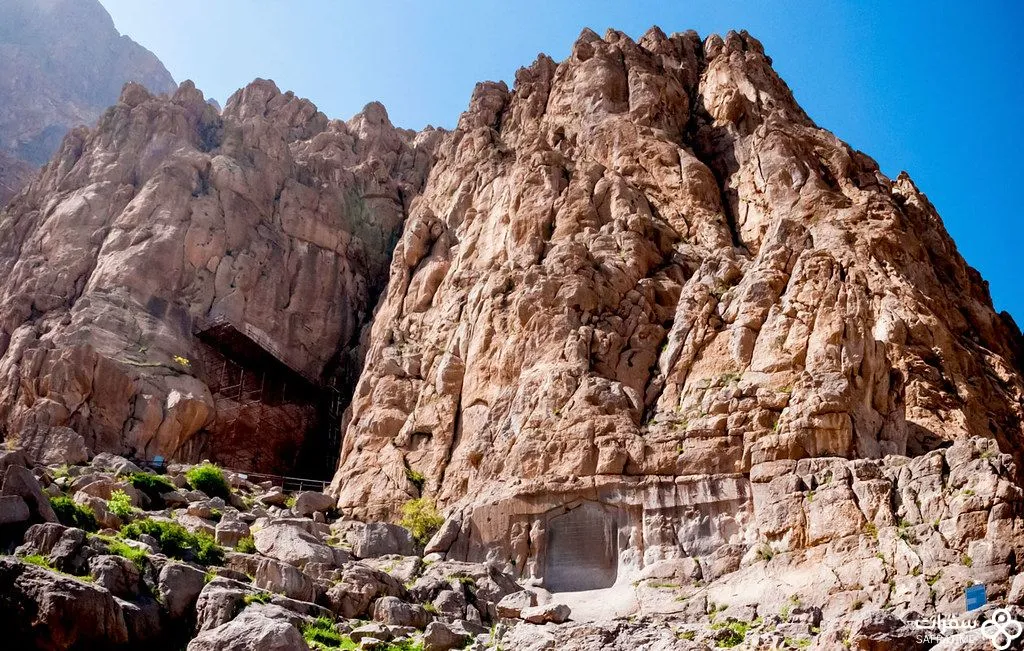
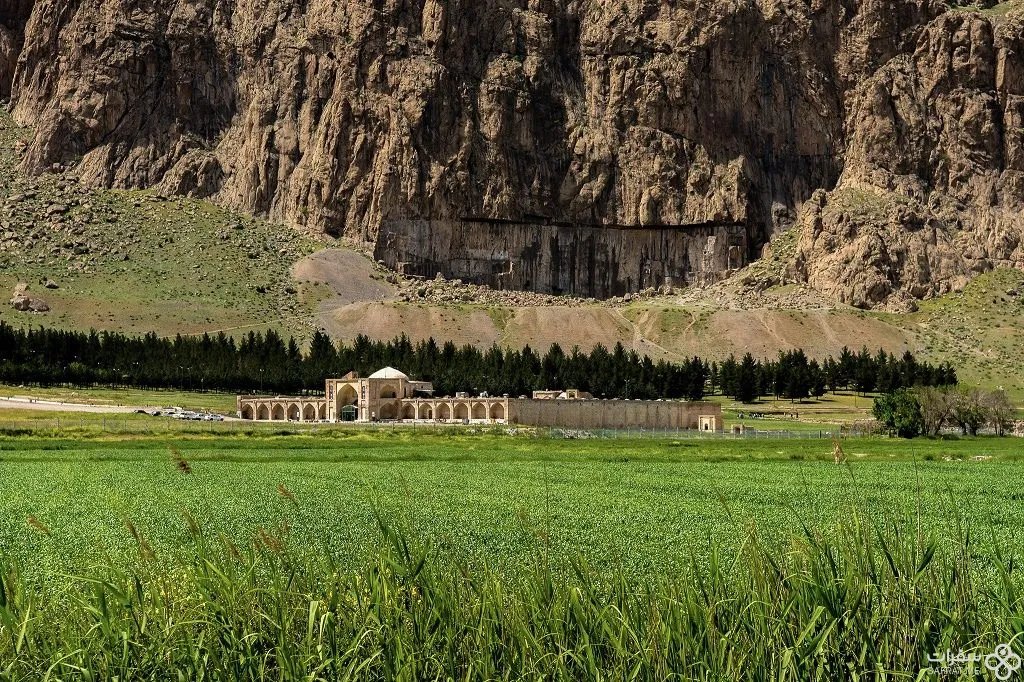
Natural beauty and history come together in the Bisotun archaeological area — the stunning and refreshing climate of Kermanshah and the fragrant herbs on the slopes of Mount Bisotun invigorate the spirit and greatly enhance the pleasure of the journey.
The experience of staying overnight at the Shah Abbas Caravanserai near the Bisotun area — a caravanserai that is itself a historic structure which has been restored in recent years and turned into a boutique hotel welcoming history enthusiasts and heritage travellers — is one of the most beautiful experiences that can be had in the Bisotun archaeological area.
5. The Chogha Zanbil Temple
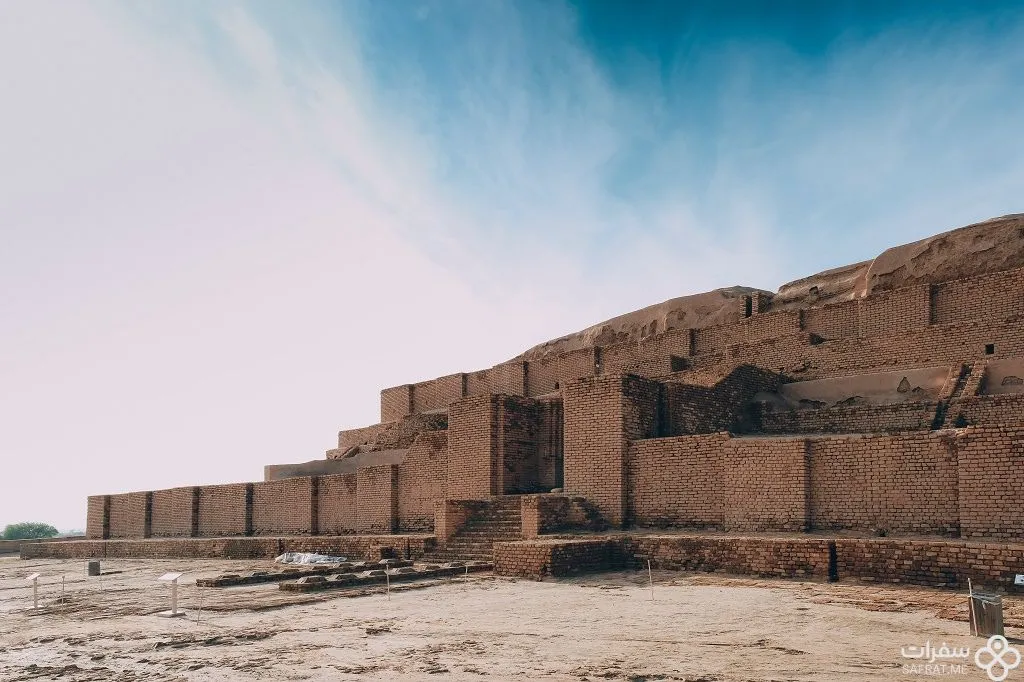
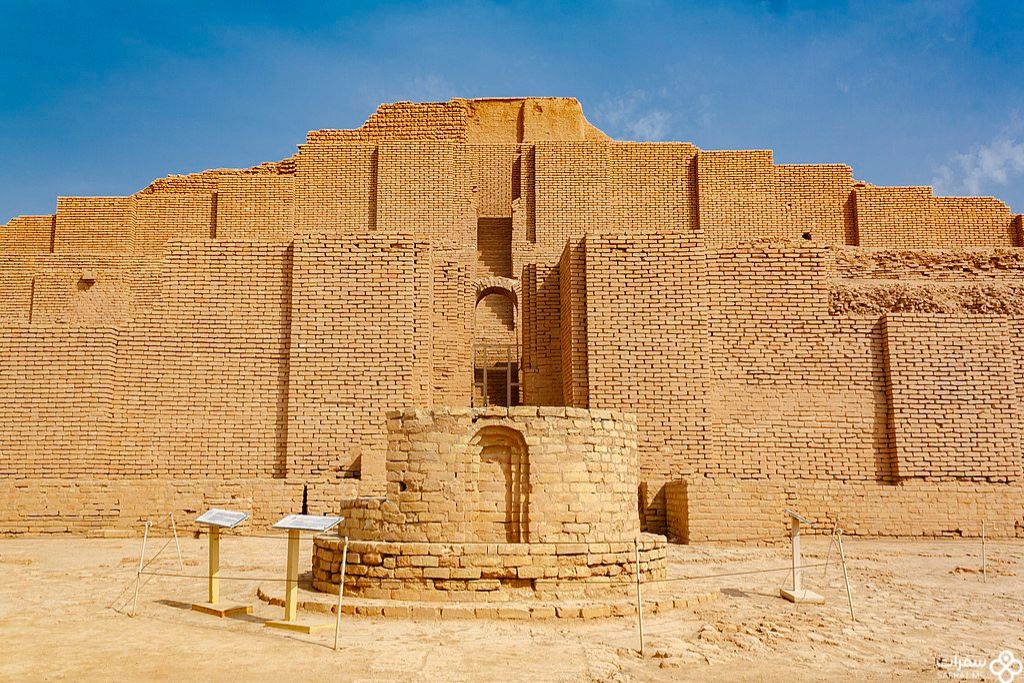
Chogha Zanbil, or Dur Untash in the Elamite language, is one of the important temples in Iran, with a history dating back to 1250 BC.
This temple is the first of Iran’s historical landmarks to be inscribed on the UNESCO World Heritage List, and it is located in the Susa archaeological area in Khuzestan Province. This massive temple is made up of several tiers, on some of whose walls cuneiform inscriptions can be seen.
When you enter the Chogha Zanbil ziggurat area, you feel as though you have been completely transported from this world and have entered the Egyptian desert, where the towering structure of Chogha Zanbil rises before your eyes from among the earthen mounds.
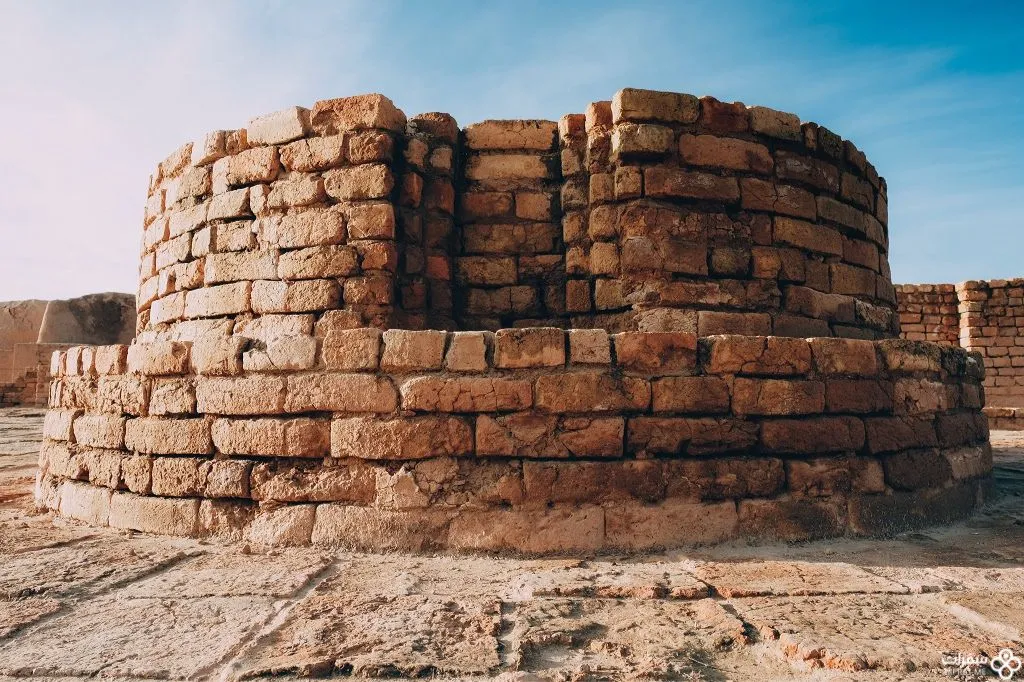
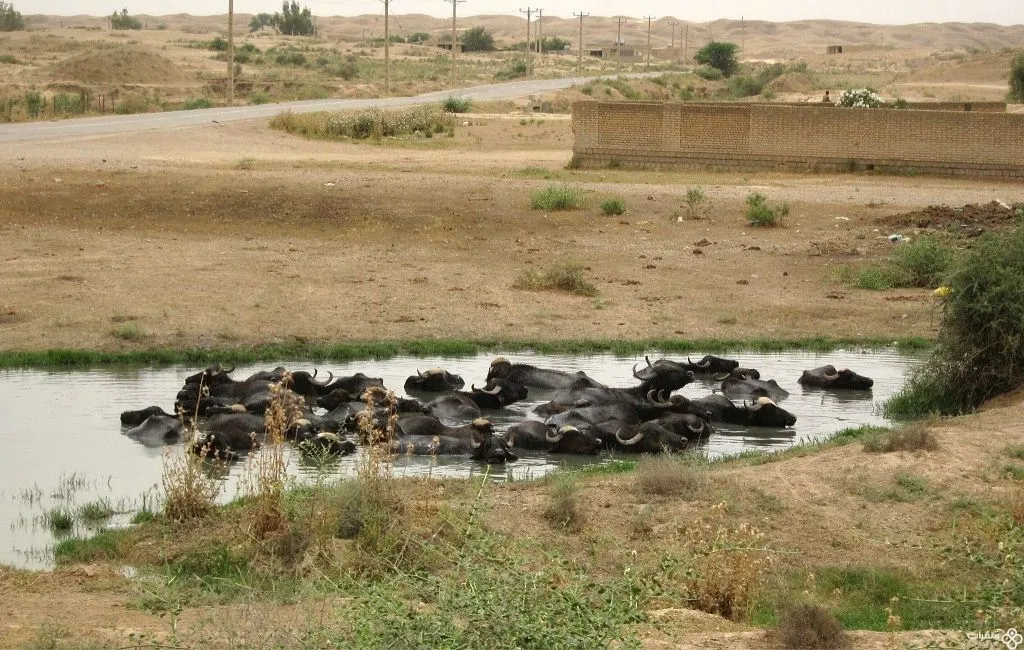
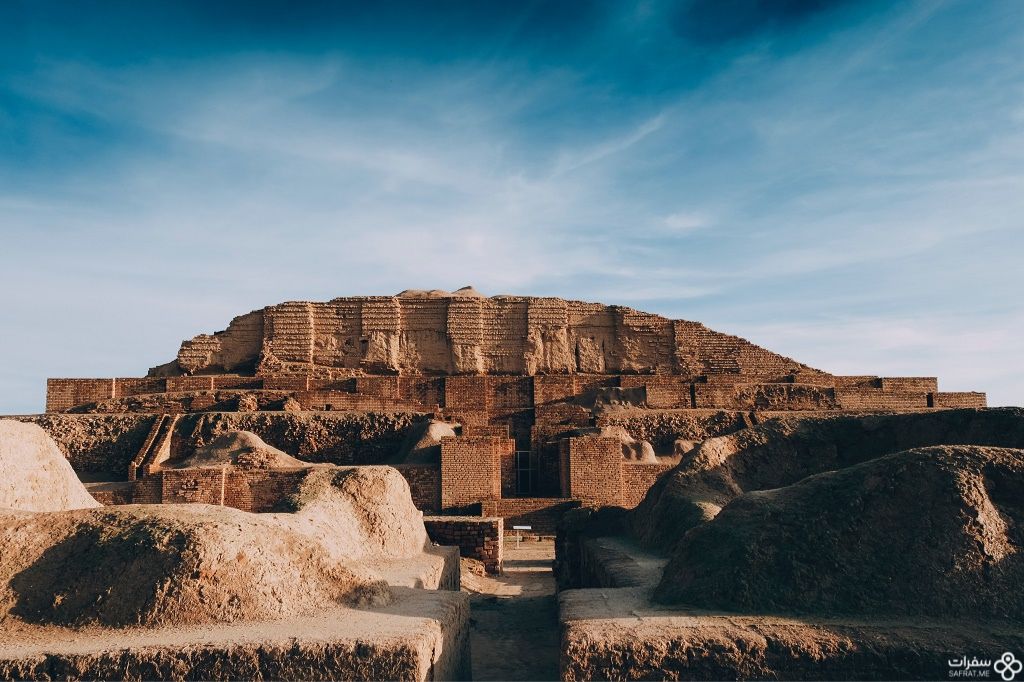
What adds to the pleasure of travelling to this historical destination is that there are many camels and horses that can be ridden and photographed beside this towering landmark, as well as rural restaurants serving hot Arabic flatbread and delicious Arabic dishes specific to the people of that region.
The experience of seeing herds of water buffalo, camels, and mud-plastered rural houses is another adventure this journey has to offer.
6. The Historic City of Yazd
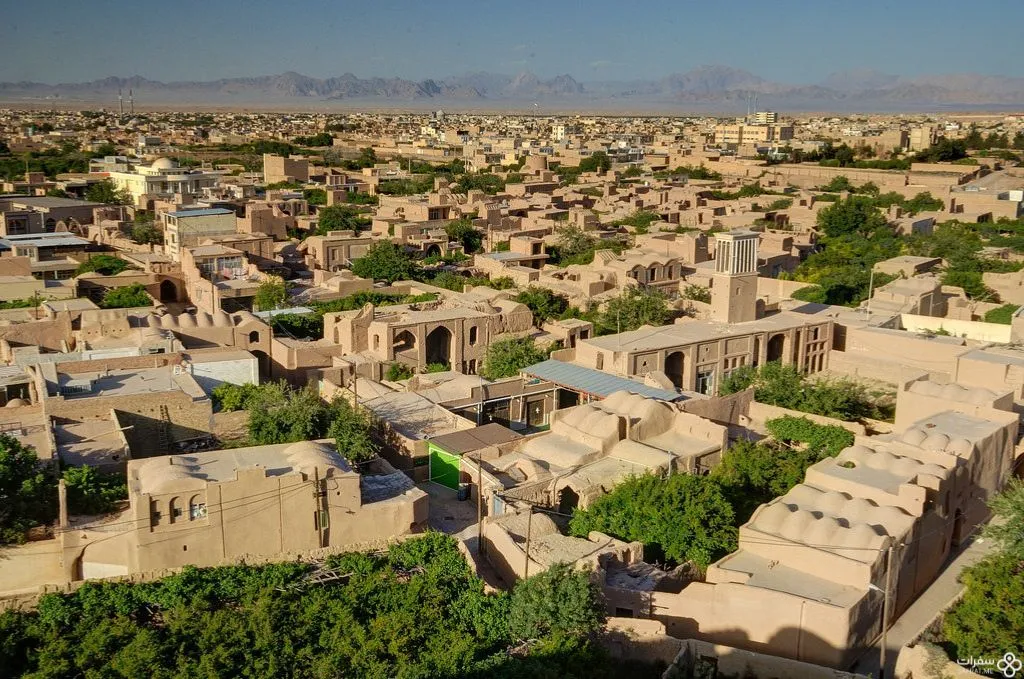
The historic city of Yazd is renowned as the world’s first brick city. Many historians and travellers rank Yazd as the second oldest historic city in the world, after a city in Italy.
The fabric and architecture of the houses in Yazd is what sets this city and its beauty apart from other cities in Iran.
The towering wind-catchers of Yazd, as well as its historic mosques and the temples associated with Zoroastrians, are among the most famous places worth visiting in the city of Yazd.
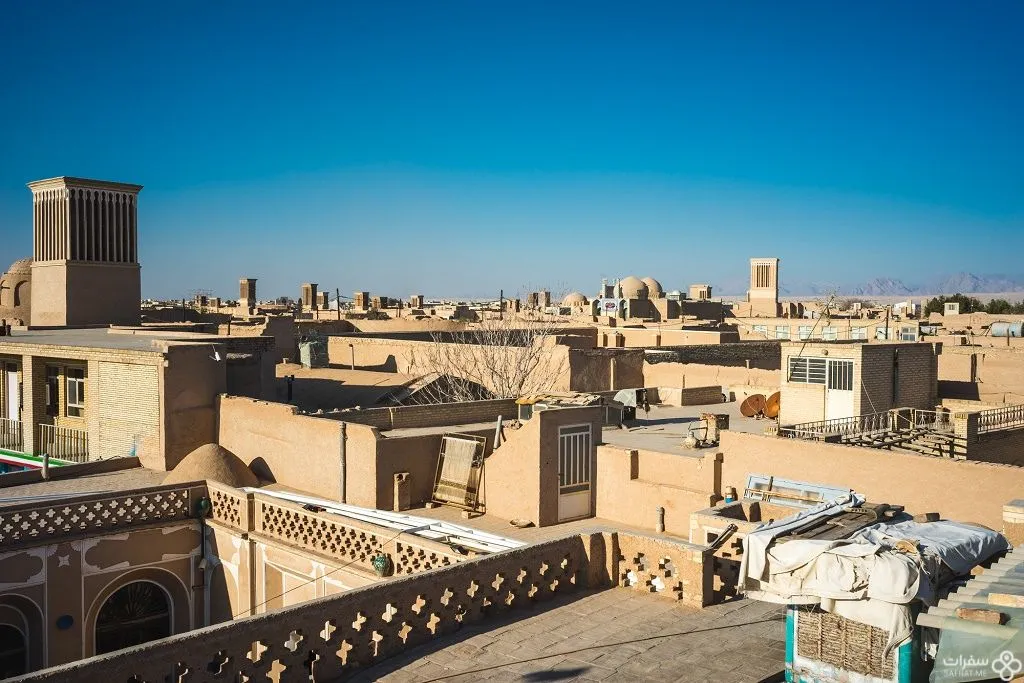
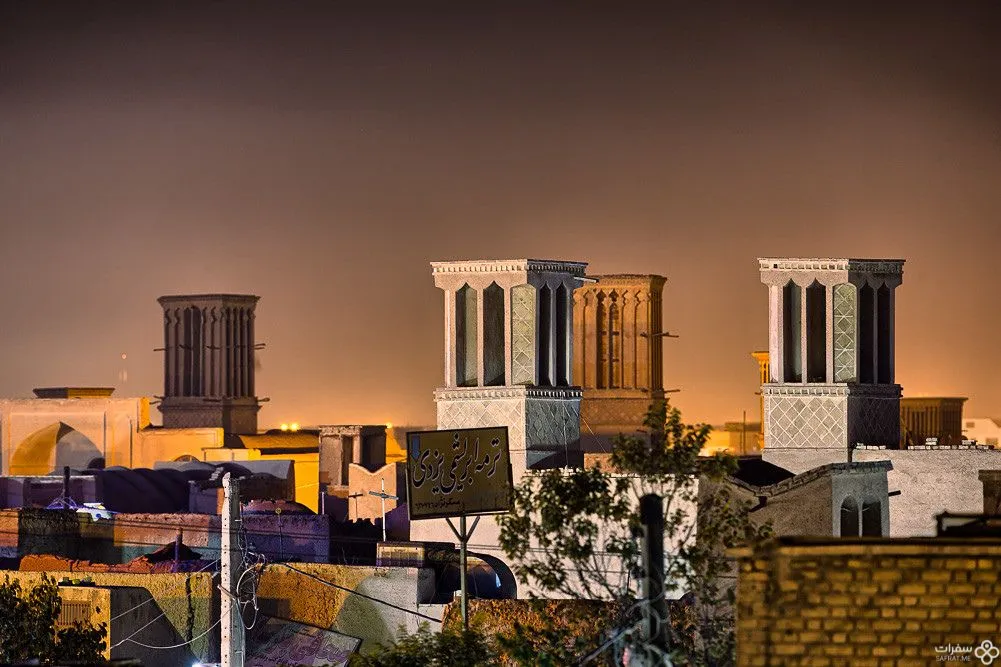
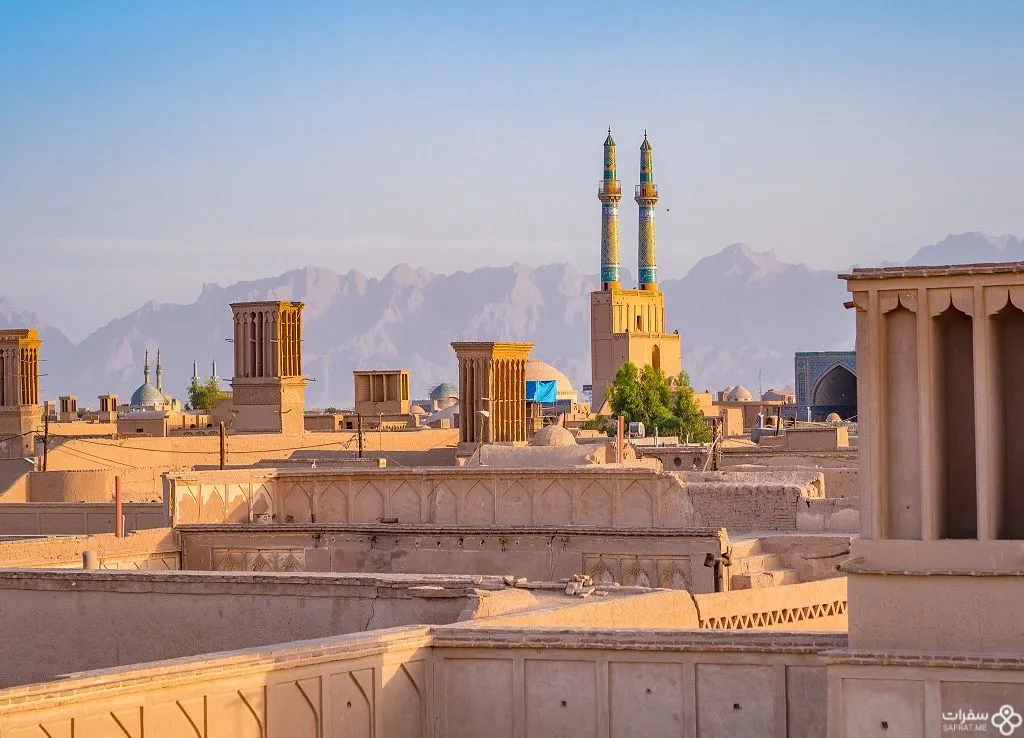
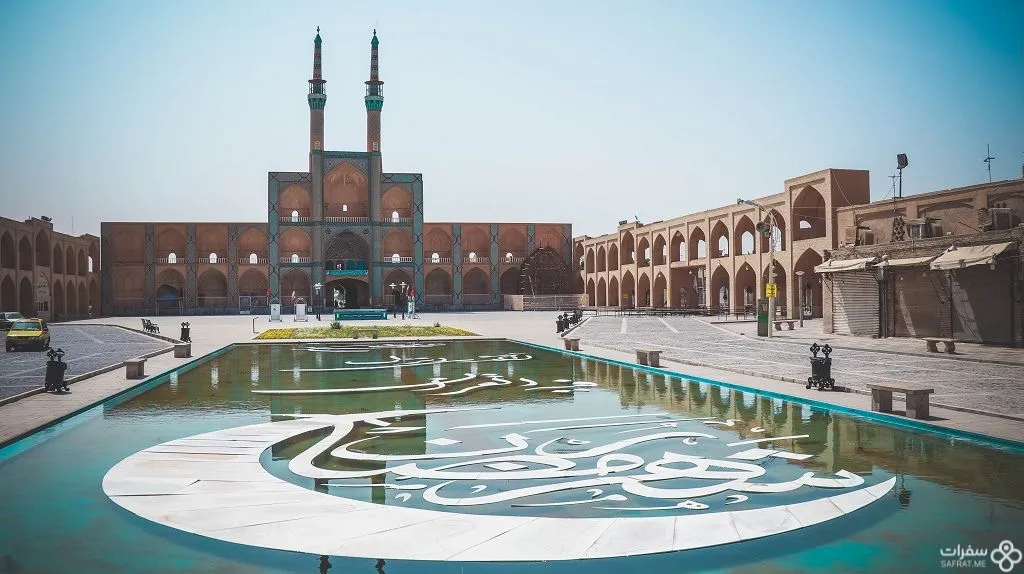
One of the most beautiful experiences that can be had in the city of Yazd is standing on the rooftops of houses and gazing at the wind-catchers and the domes adorned with turquoise tilework, and the mud-plastered walls.
How beautiful are the narrow alleyways with their high walls, which speak of the peaceful coexistence among people — the closeness of people passing through these alleyways speaks of the harmony of hearts and the intimate bond that unites them.
7. The Shushtar Waterfalls, or the Shushtar Historical Hydraulic System
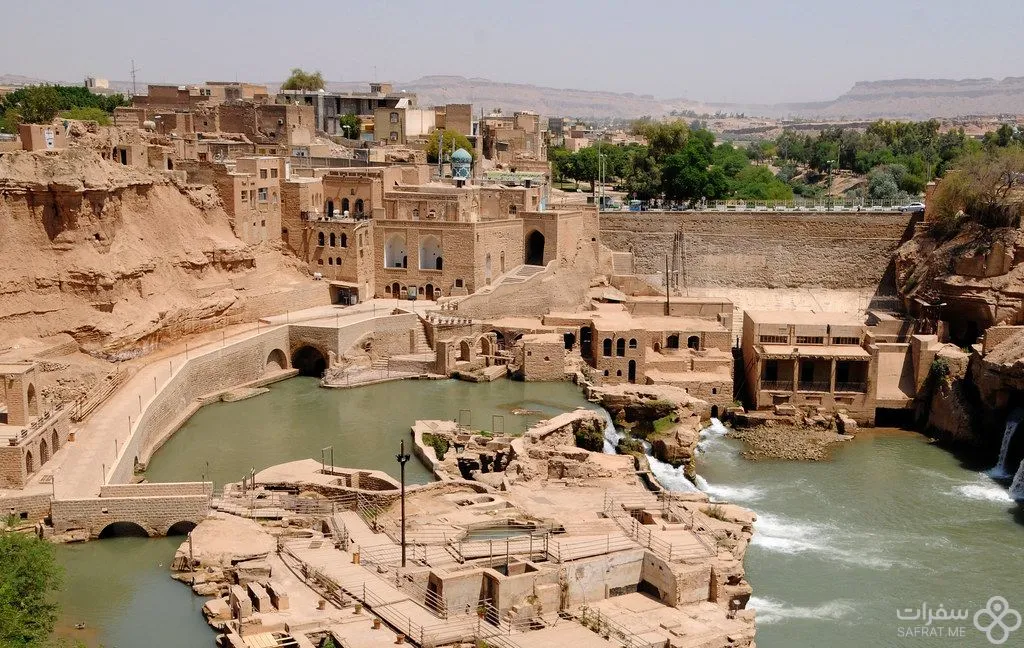
The Shushtar waterfalls are among the historical destinations of the city of Shushtar in Khuzestan.
The Shushtar hydraulic water system consists of a collection of bridges, water wheels, dams, waterfalls, and canals that channel water to different parts of the city of Shushtar.
This structure is located in the heart of the historic city of Shushtar. All of the aforementioned components together form a single hydraulic system designed for the purpose of storing water and making the most efficient use of it. The historical significance of this system lies in the fact that it was designed during the Achaemenid era.
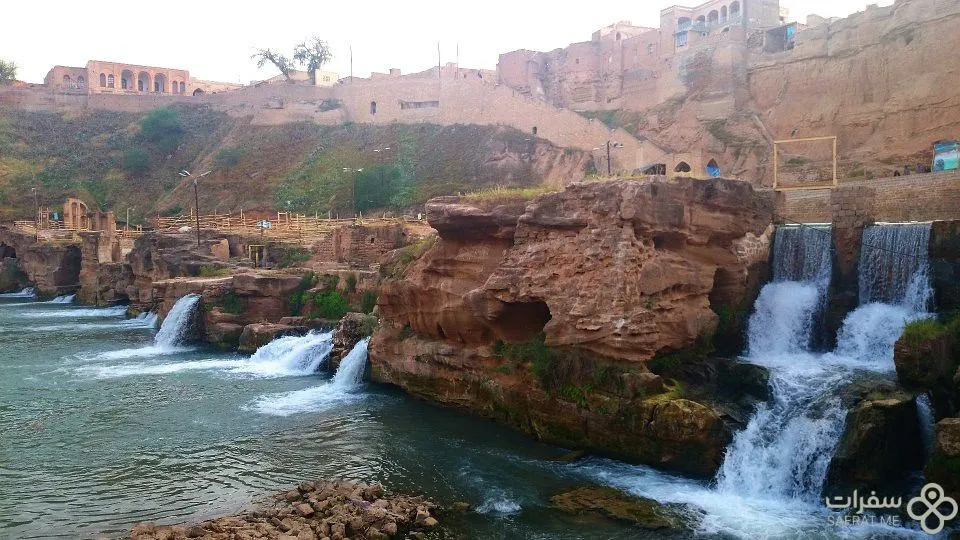
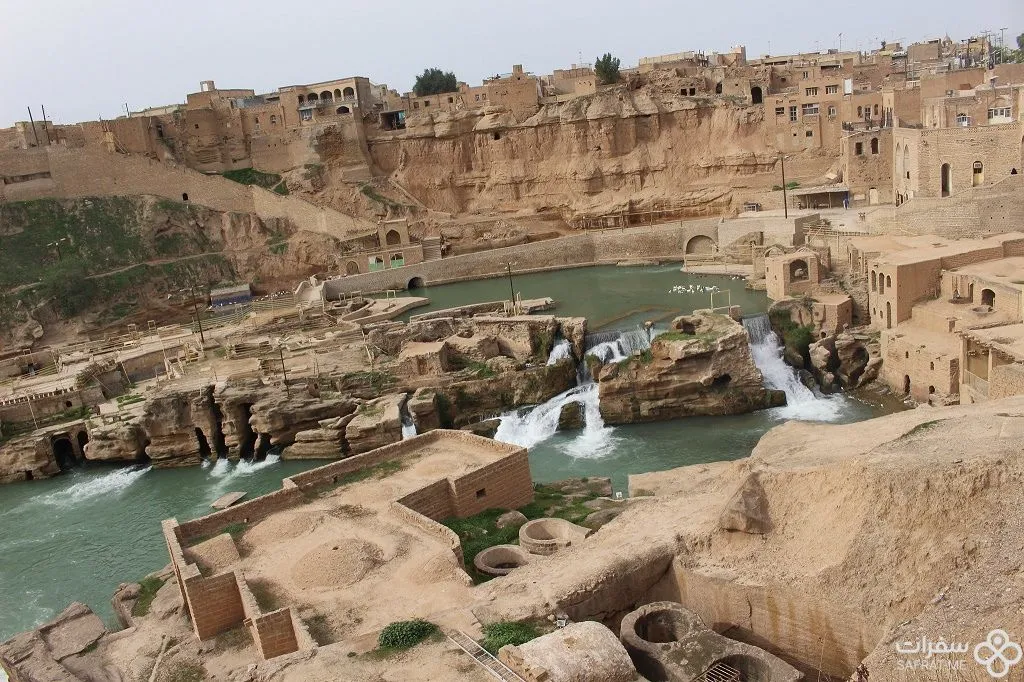
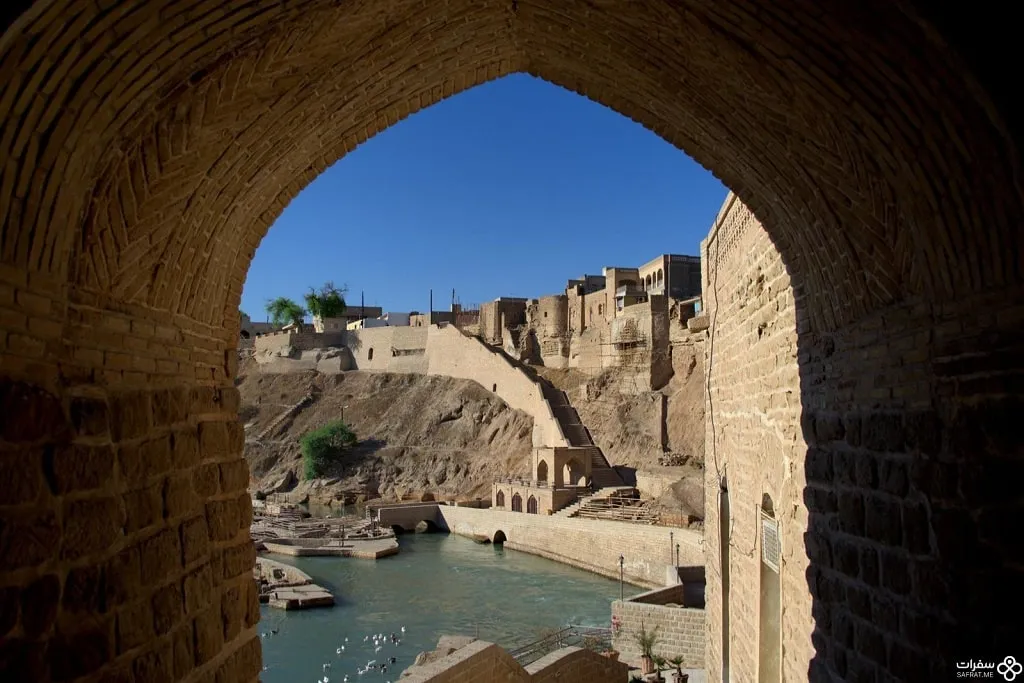
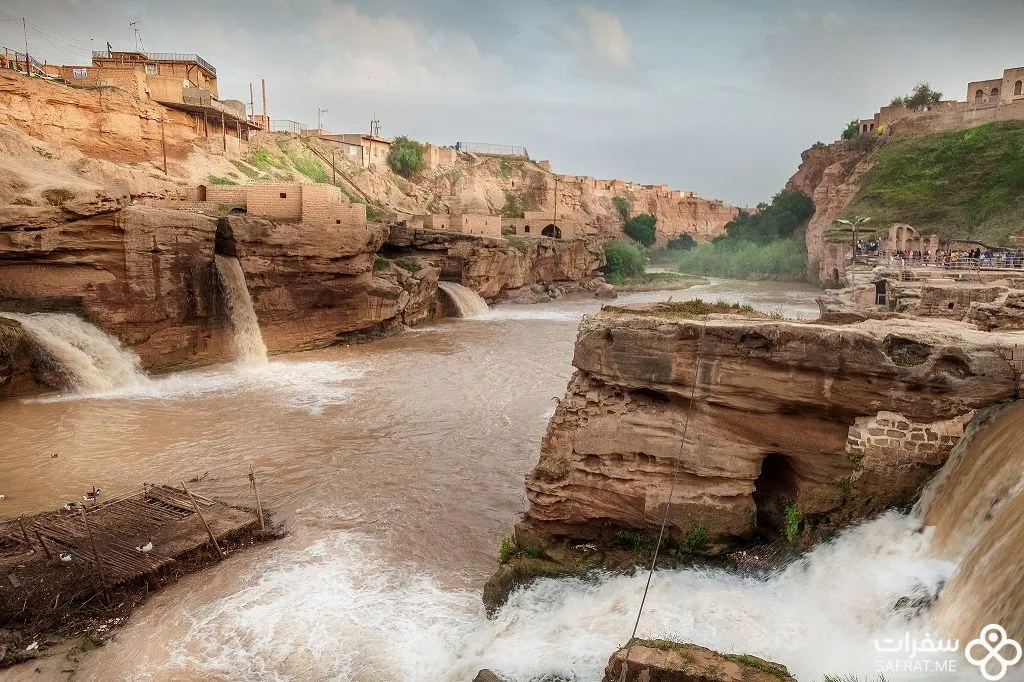
Walking along the structures that make up the Shushtar hydraulic system, which are situated in the middle of the Shushtar River, and examining the various parts of this system in detail, is one of the most beautiful experiences that can be had on this journey.
Seeing the Shushtar waterfalls, the greenery, the plants and palm trees on the edges of the old houses, and the water wheels of which only ruins and general outlines remain, is one of the most beautiful experiences to be had at this stunning destination — sitting on the plateaus that rise above those waterfalls with their distinctive system.
8. Bam Citadel (Arg-e Bam)
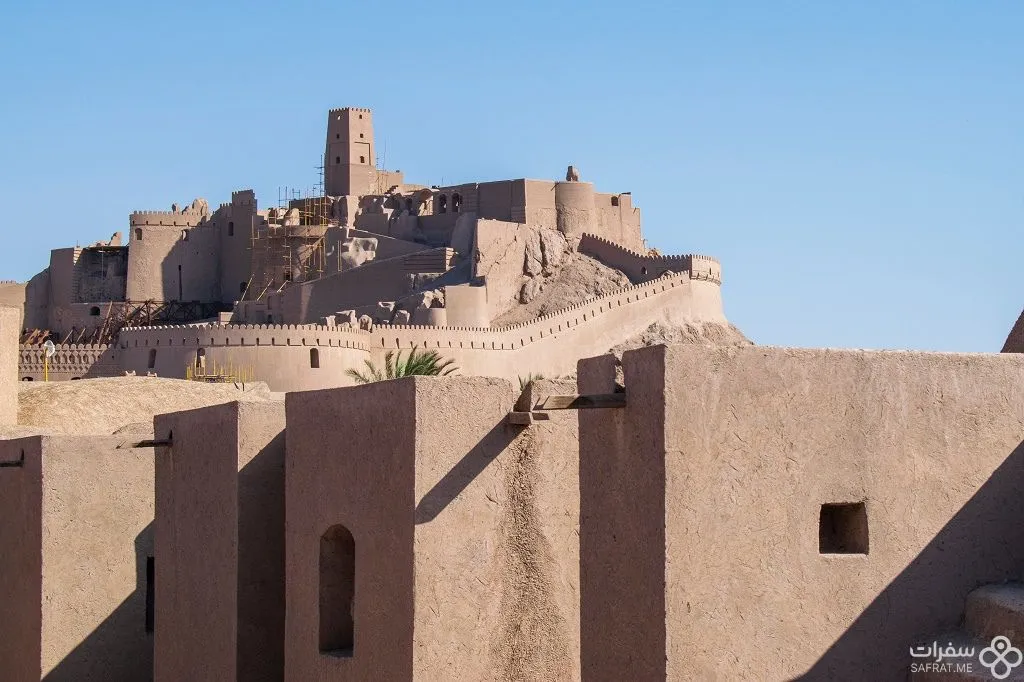
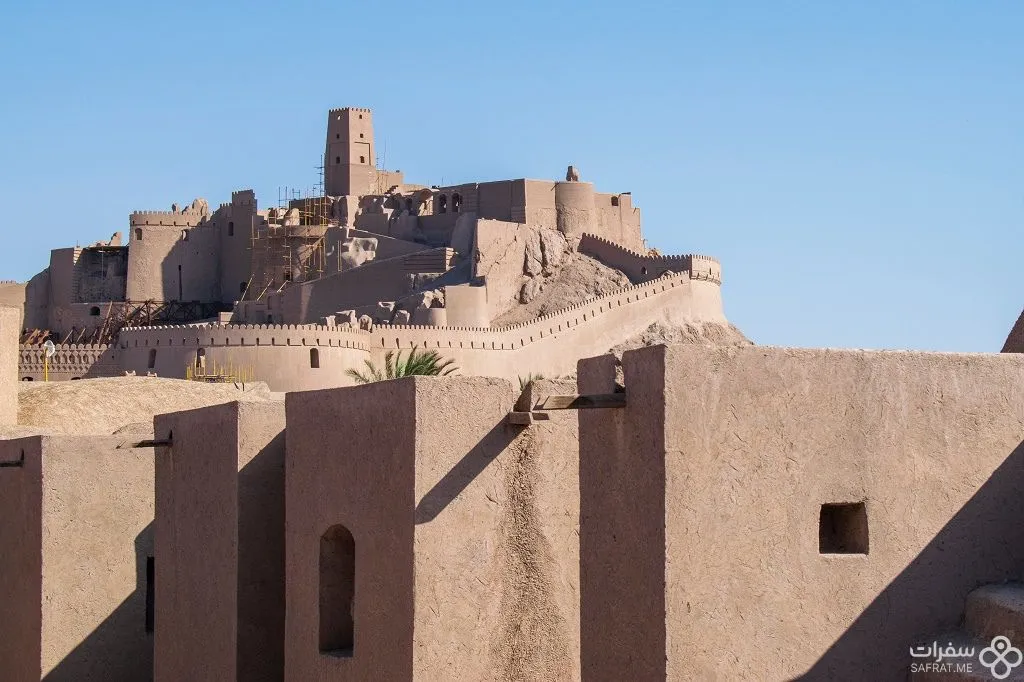
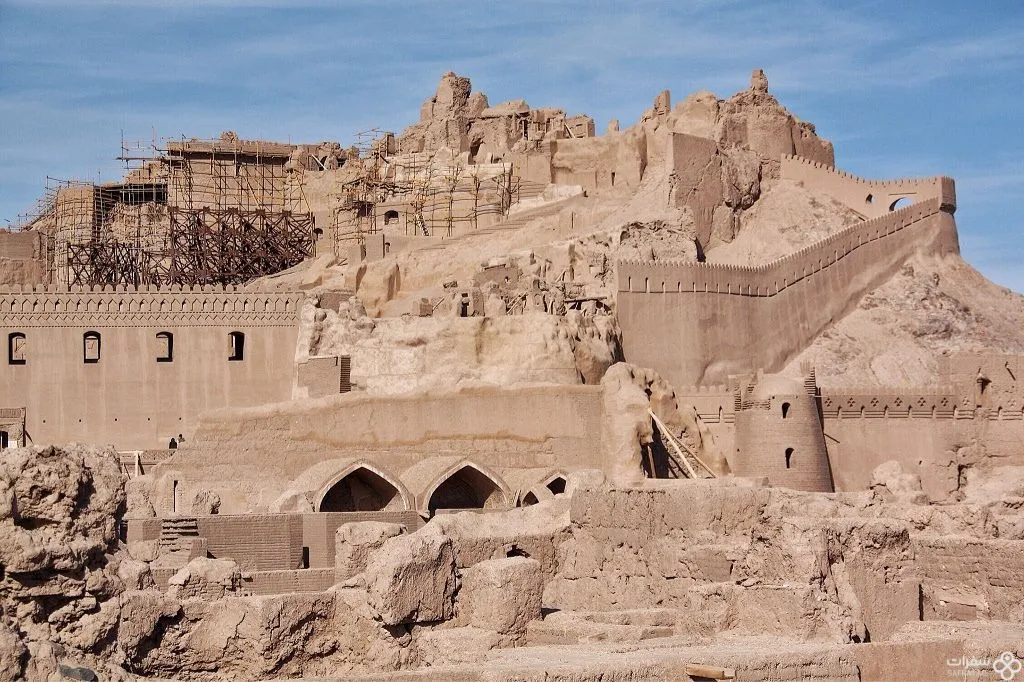
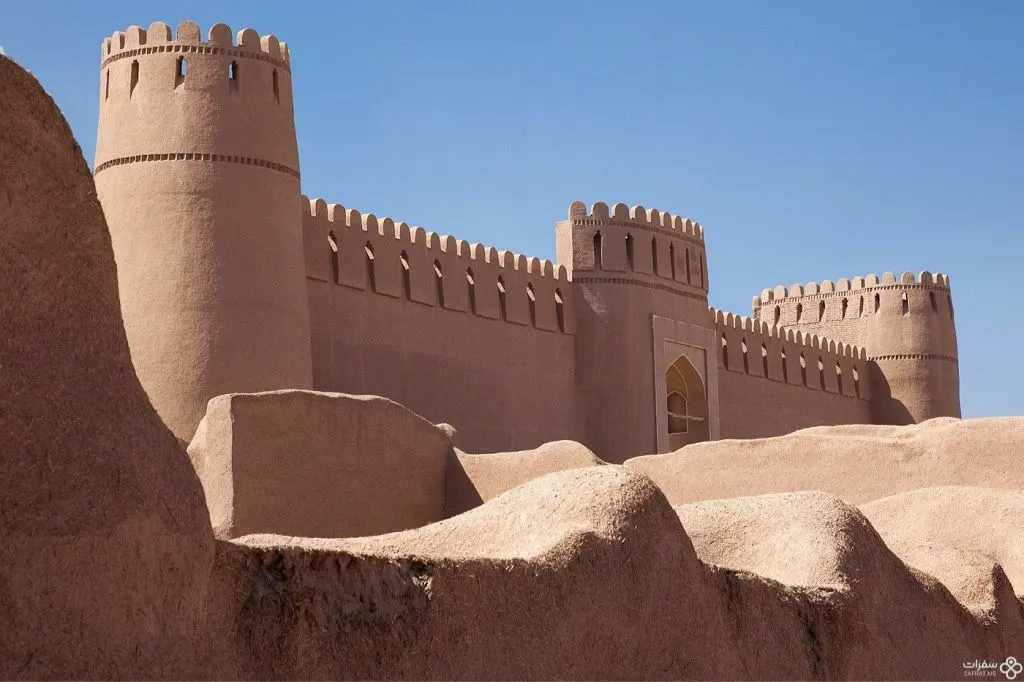
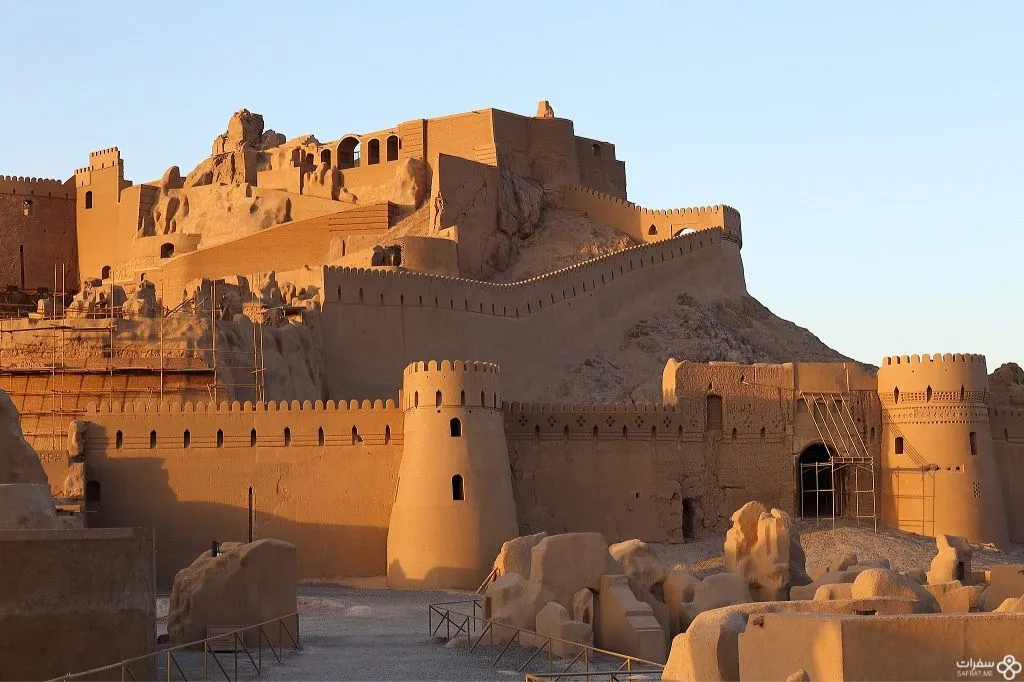
Bam Citadel in the city of Kerman is the oldest mud-brick archaeological structure in the world. The origins of this citadel date back to the Achaemenid period. This citadel played an important role across the various eras that Iran has passed through.
Bam Citadel was built on an earthen hill, making it visible from great distances. The citadel has different sections, including the section designated for rulers and princes, which is located at the centre, and a second section surrounding the first, along with grand houses that also had terraces.
Walking through the historic Bam fortress feels as though you are living centuries in the past, surrounded by nothing but mud walls whose scent after rainfall is utterly captivating. Bam Citadel also has unparalleled architecture that speaks of the ingenuity of its builders in creating traditional cooling systems using nothing more than brick, mud, and the simplest of means.
9. Nasir ol-Molk Mosque in Shiraz (The Pink Mosque)
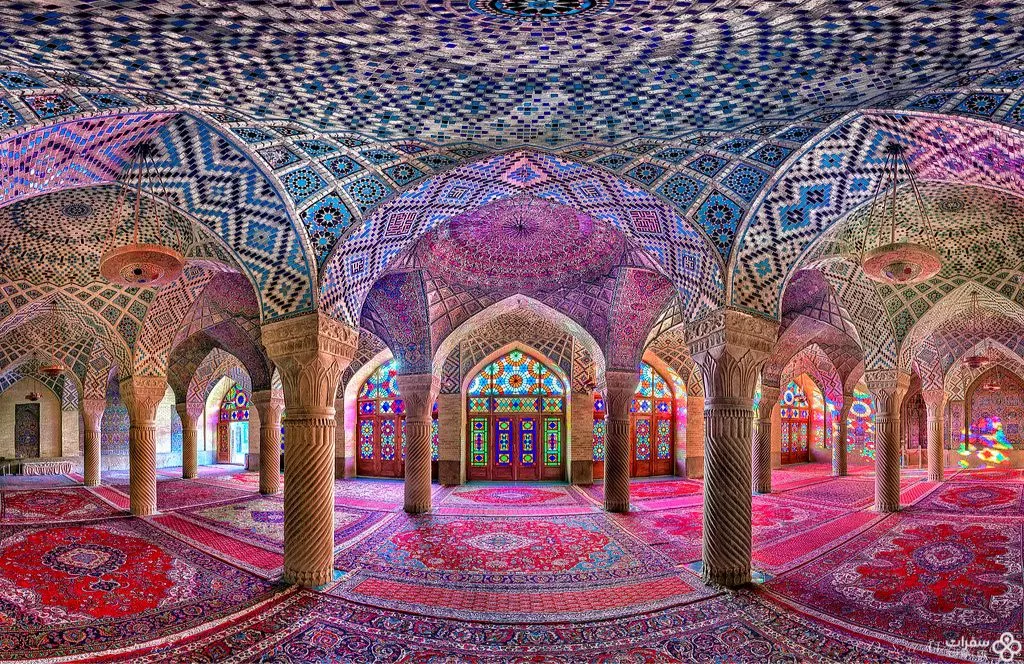
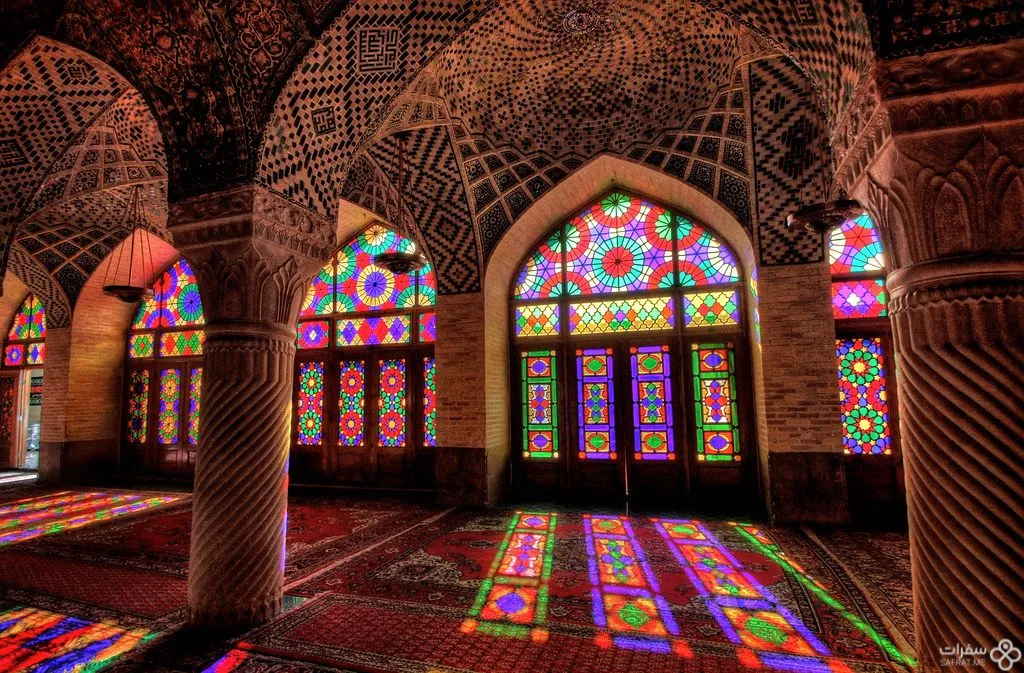
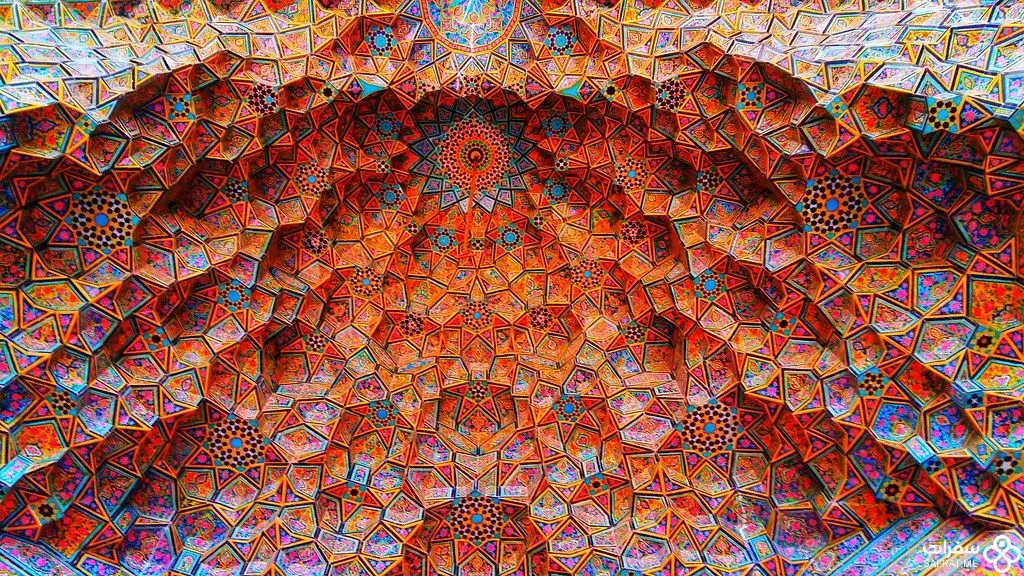
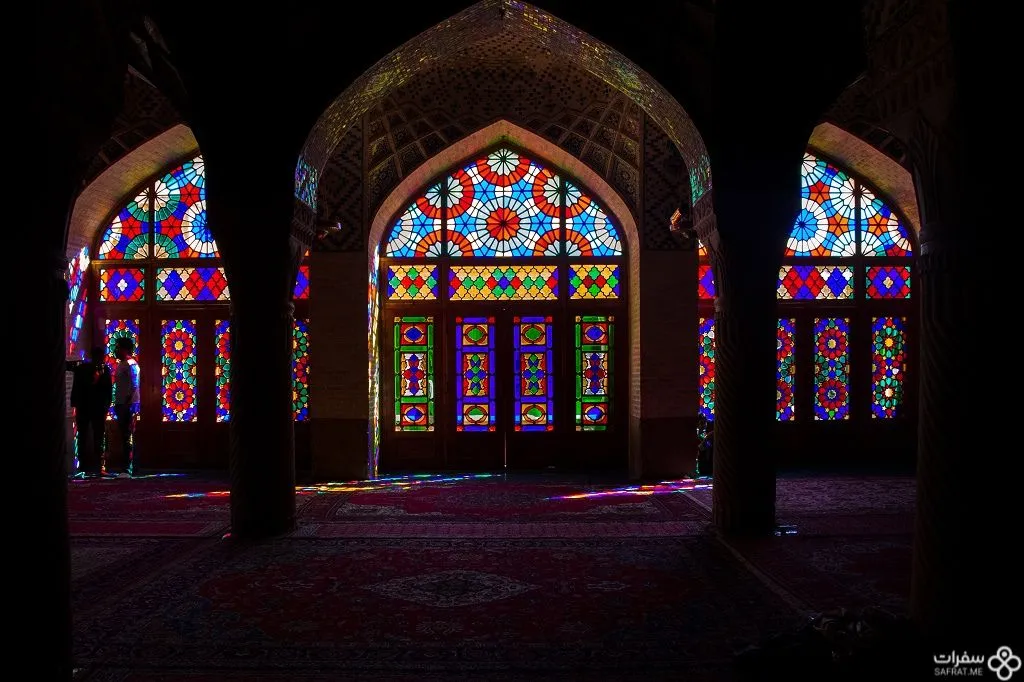
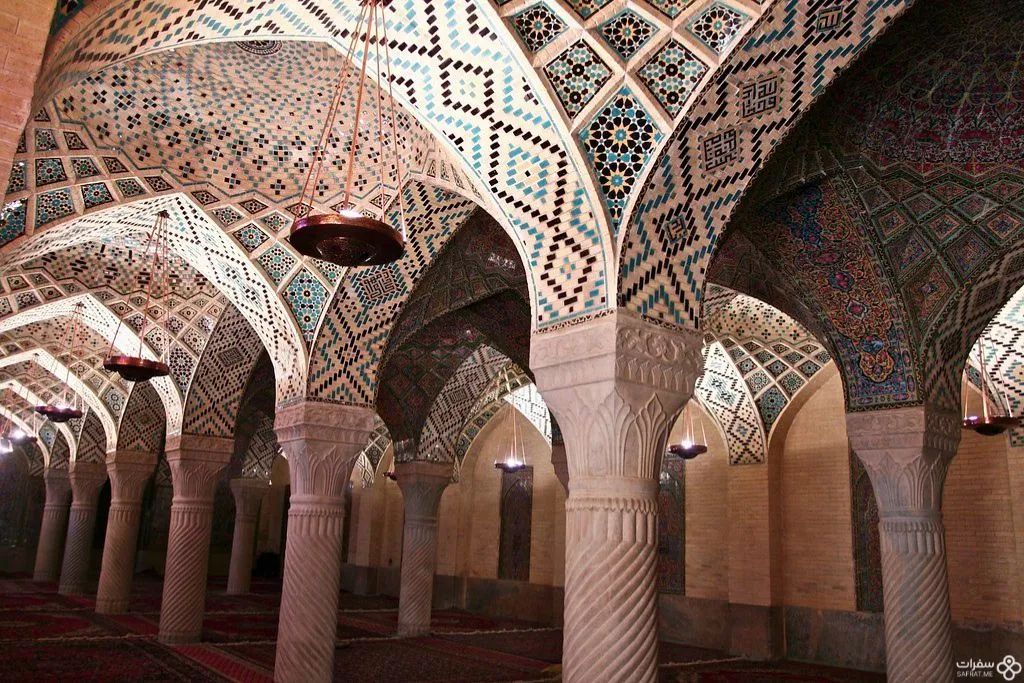
Nasir ol-Molk Mosque in Shiraz, known as the Pink Mosque owing to the pink colour of its door and window glass, is one of the most beautiful mosques in Iran. The glass of the doors and windows in this mosque reflects light that, combined with the colours of the tilework and carpets of this historic and spiritual building, creates a spectrum of different colours.
Walking through this ancient historic mosque, one feels completely transported from this world upon seeing the various colours reflected by the glass, which combine with the colour of the carpet and the tilework to produce new hues of light.
Visiting Nasir ol-Molk Mosque between seven-thirty in the morning and ten-thirty gives visitors the best opportunity to enjoy the reflection of light and its beauty most clearly. The Pink Mosque is located on Lotfali Khan Zand Street, at the end of Alley 37 in Shiraz.
10. The Soltaniyeh Dome
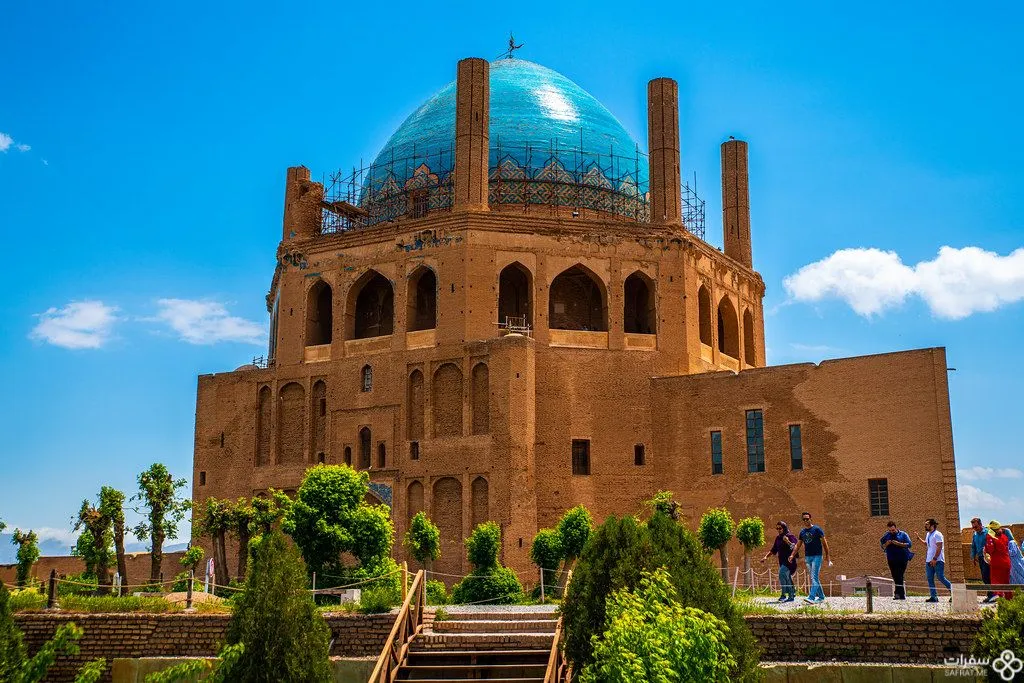
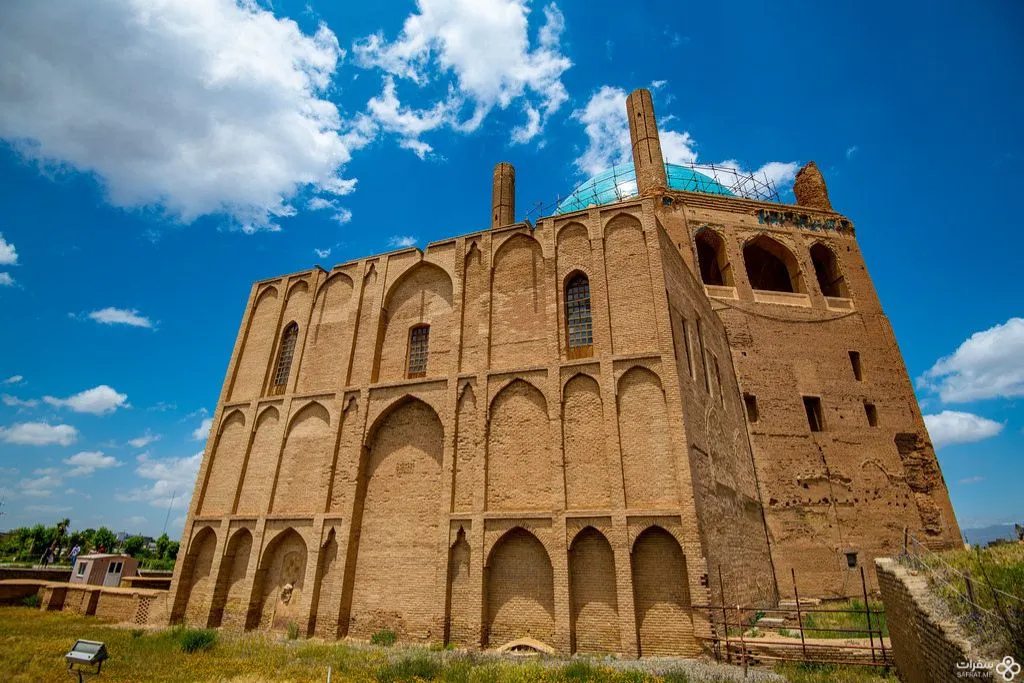
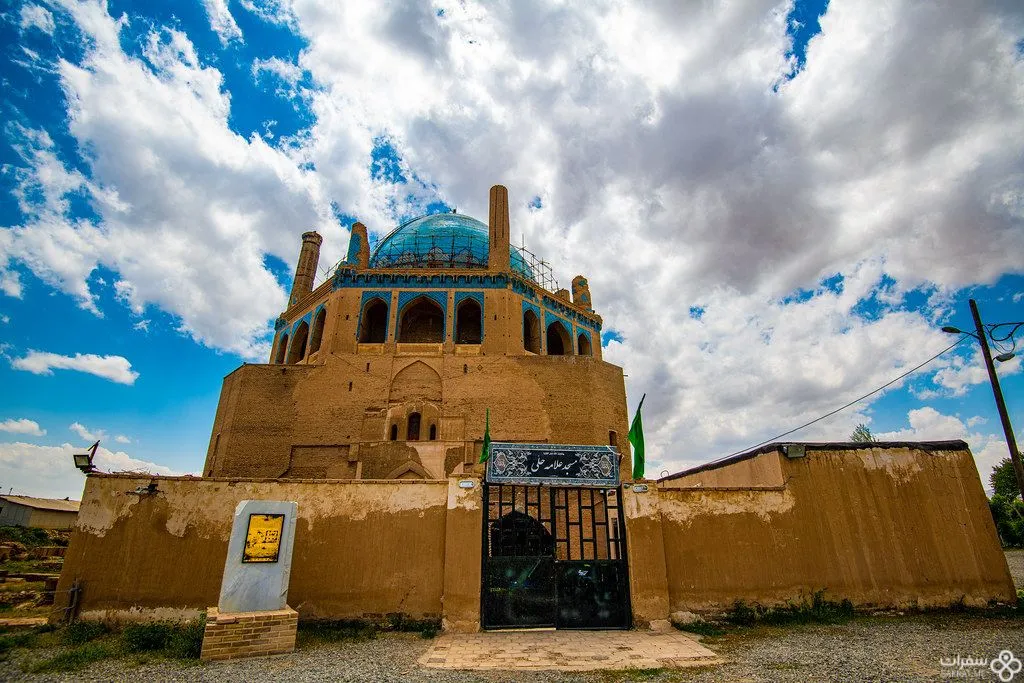
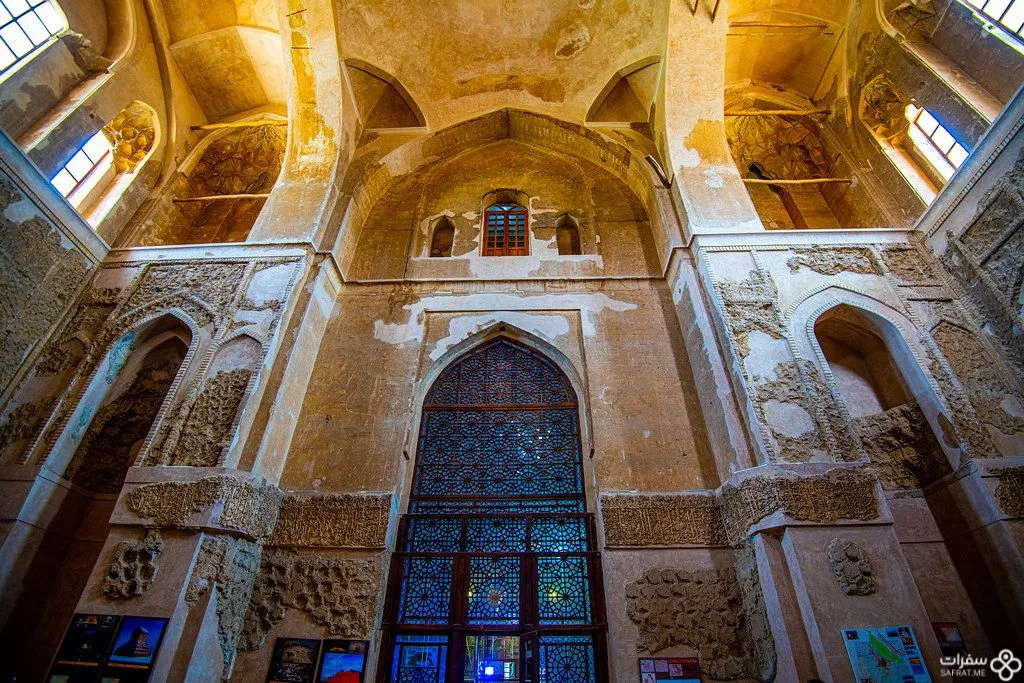
The Soltaniyeh Dome is the largest historic dome in Iran. The Soltaniyeh Dome is located 37 kilometres from the city of Zanjan in northwestern Iran. This dome was built over the mausoleum of the eighth sultan of the Ilkhanid sultans. What adds to the beauty of this dome and makes it unparalleled is that it was built atop a towering octagonal structure.
A single glimpse of this dome from a distance is enough to make one pause for a moment or a few minutes to feast one’s eyes on the beauty of this archaeological masterpiece.
This vast blue dome, which appears as though it were a piece of the sky, astonishes the viewer with its turquoise colour and its soaring height above those tall walls built of brick.
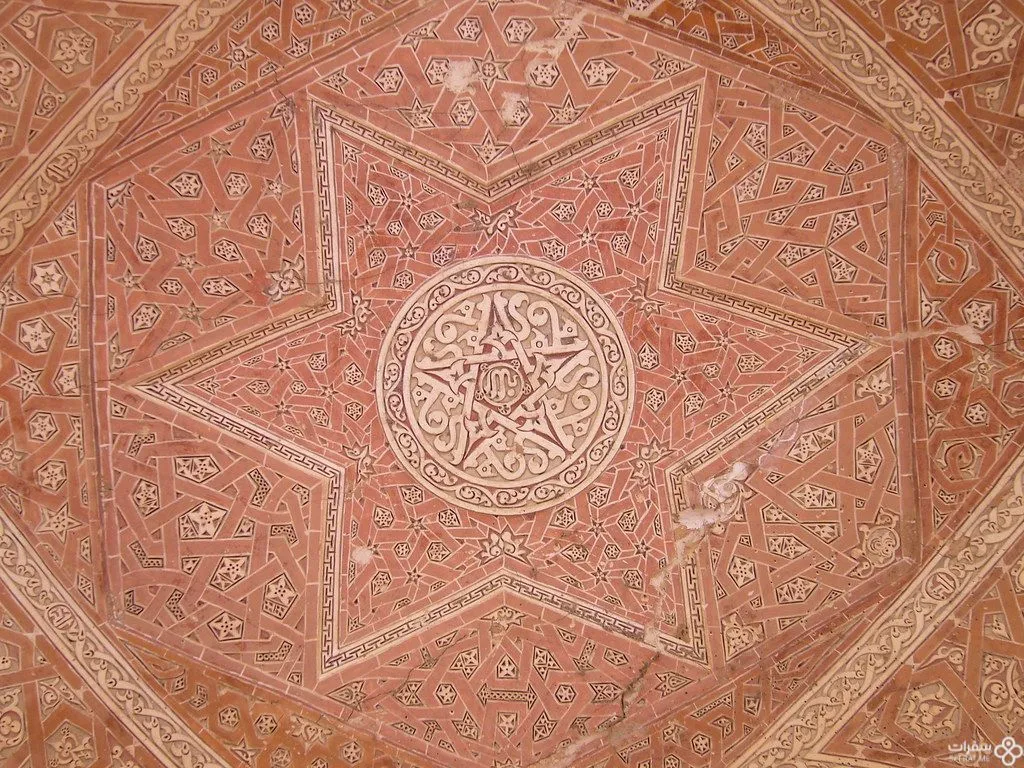
The interior of the dome is adorned with verses from the Holy Quran and hadiths from the Prophet and Imam Ali ibn Abi Talib, peace be upon him.
In truth, it is difficult to count the historical landmarks and sites in Iran, and this is due to the antiquity of Iranian civilisation and its long history.
It is rare to visit a city in Iran that is devoid of historical landmarks; and while some cities may lack buildings and monuments, it is simply impossible for provinces as a whole to be without historical features.
This article has attempted to provide important information about the most famous historical destinations in Iran, but the destinations mentioned are not all of the historical landmarks — there are others that can be discovered by reading articles in the travel magazine.
To find out which of Iran’s landmarks are internationally registered, you can refer to the UNESCO World Heritage List in Iran.