
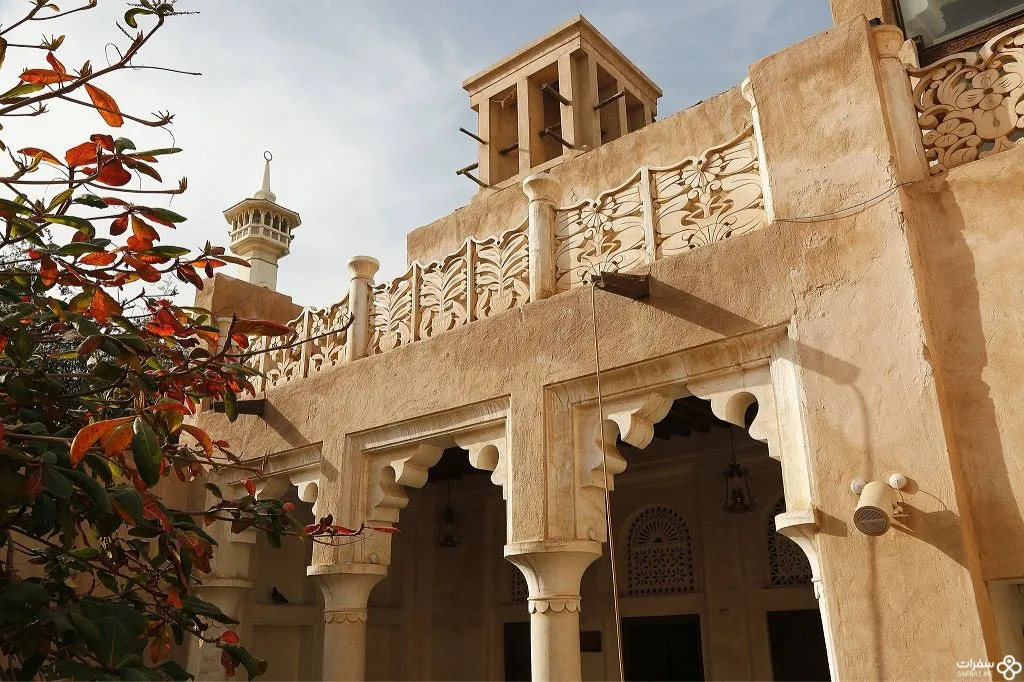
Heritage or historical tourism in the United Arab Emirates is one of the most beautiful experiences for those who love learning about the lives of Arabs and Gulf people in both the distant and recent past. The UAE possesses heritage landmarks that speak to the beauty of ancient Arab life. These landmarks help you better understand Emirati culture as well as Arab culture more broadly, as the castles, forts, and old neighbourhoods will all stir within you a longing for the past and a sense of self.
This article provides information about the most beautiful and important historical sites in the UAE. It can serve as your guide when searching for the most significant historical sites in the Emirates as you plan a visit to this magical and captivating destination.
1. Al Jahili Fort
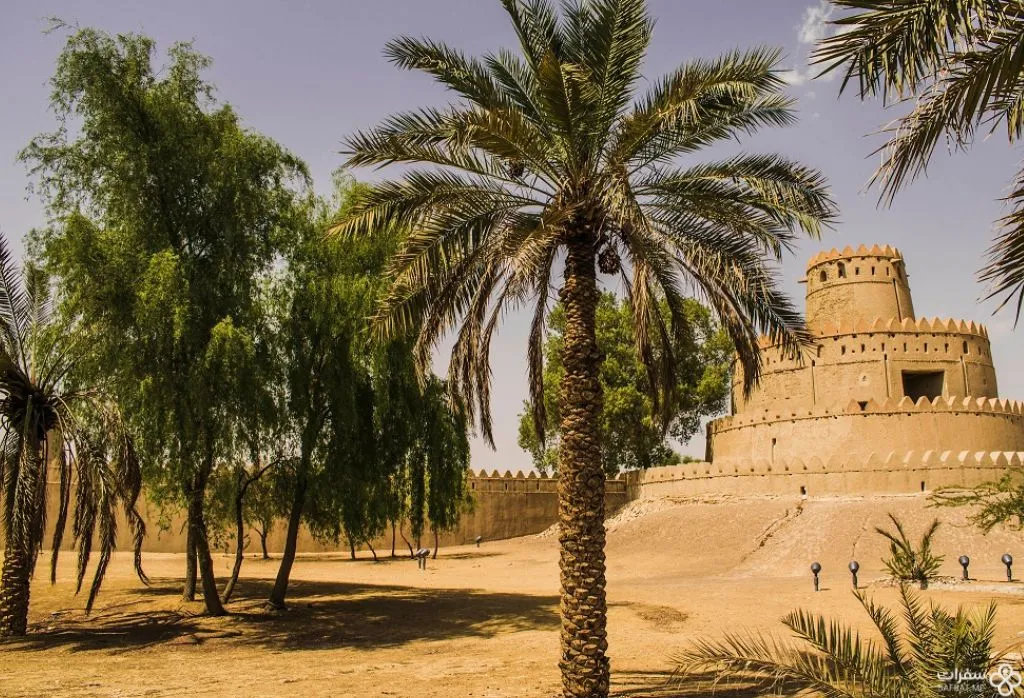
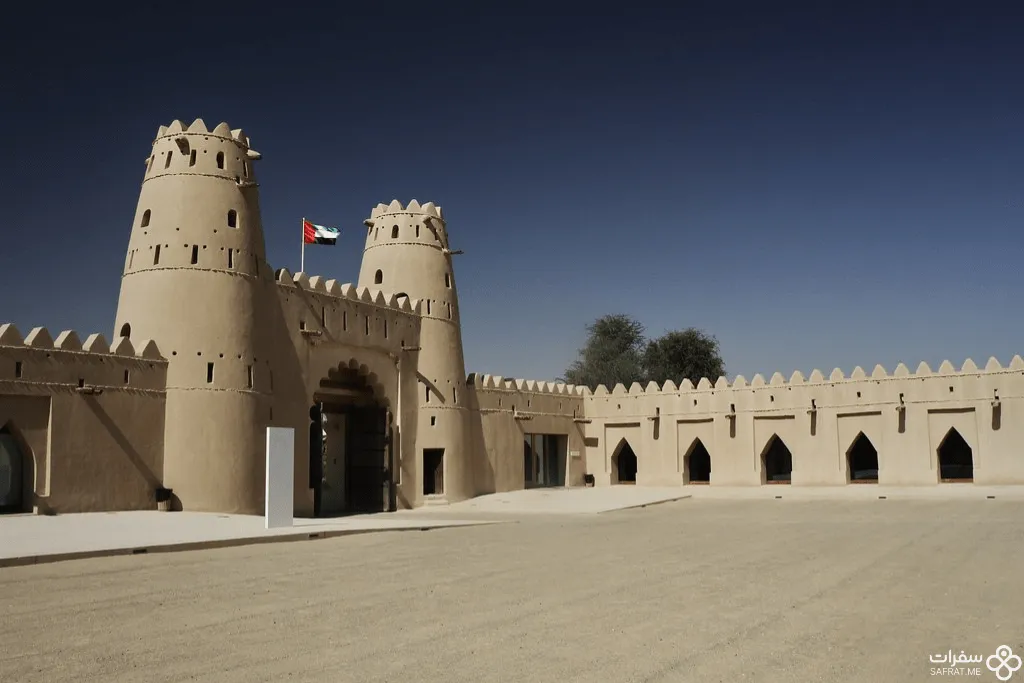
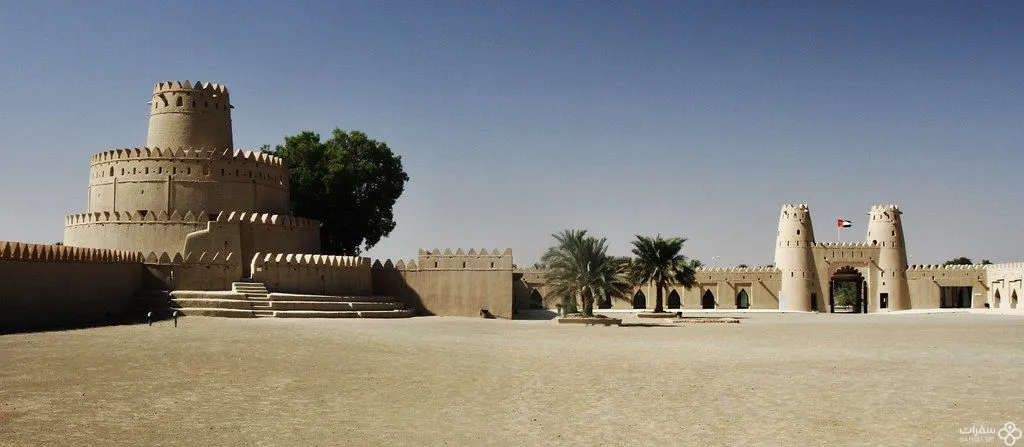
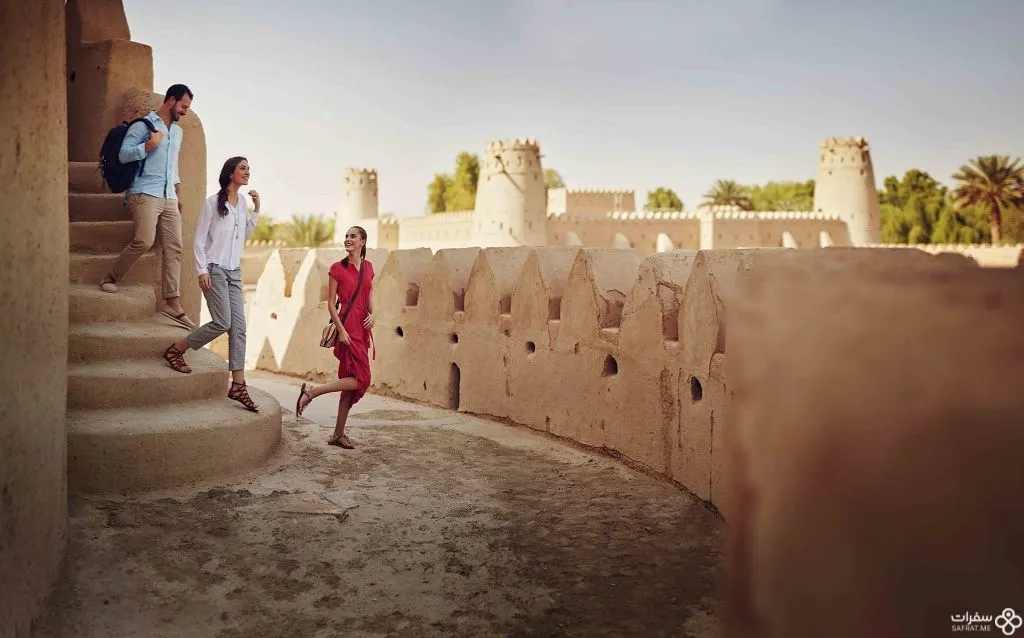
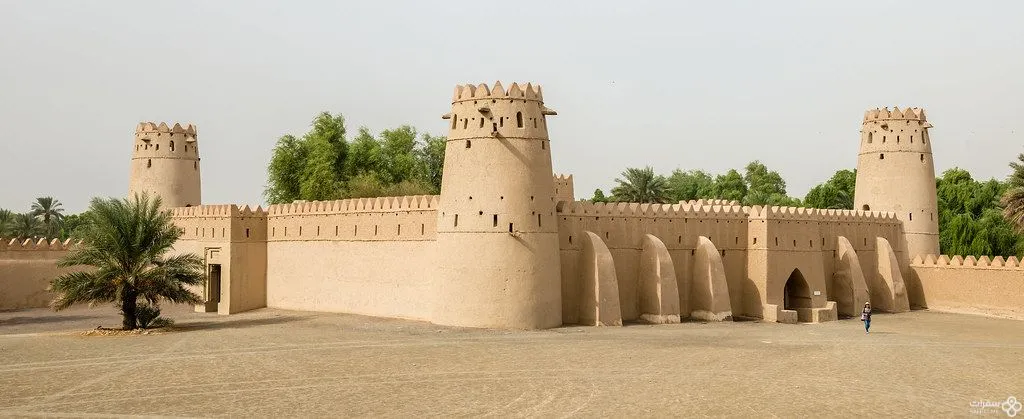
Al Jahili Fort is considered the most beautiful and important fort in the United Arab Emirates. It is located in the city of Al Ain. It is said that the history of this fort dates back to 1891, when it was built to defend the city, until the era of Sheikh Zayed bin Khalifa Al Nahyan, who repaired and reconstructed it. The sight of its cylindrical towers with their projections and openings makes you feel as though you are standing before a military stronghold that has witnessed many events throughout the ages.
What astonishes you when visiting this fort is its beautiful and towering design. The secret behind the awe and wonder it inspires lies in the fact that it was built from simple materials alone, such as palm fronds, mud stone, and clay plaster.
The Mubarak bin London Gallery, dedicated to photographs and artefacts of the British explorer Wilfred Thesiger, is one of the most beautiful halls you can visit in Al Jahili Fort. The watchtower of this fort, which was added to Al Jahili Fort at a later stage, has become a symbol of Emirati civilisation, particularly in the city of Al Ain. This tower is a magnificent spiral tower from which all landmarks and distant points across the desert of Al Ain can be seen.
2. Al Fahidi District (Al Bastakiya)
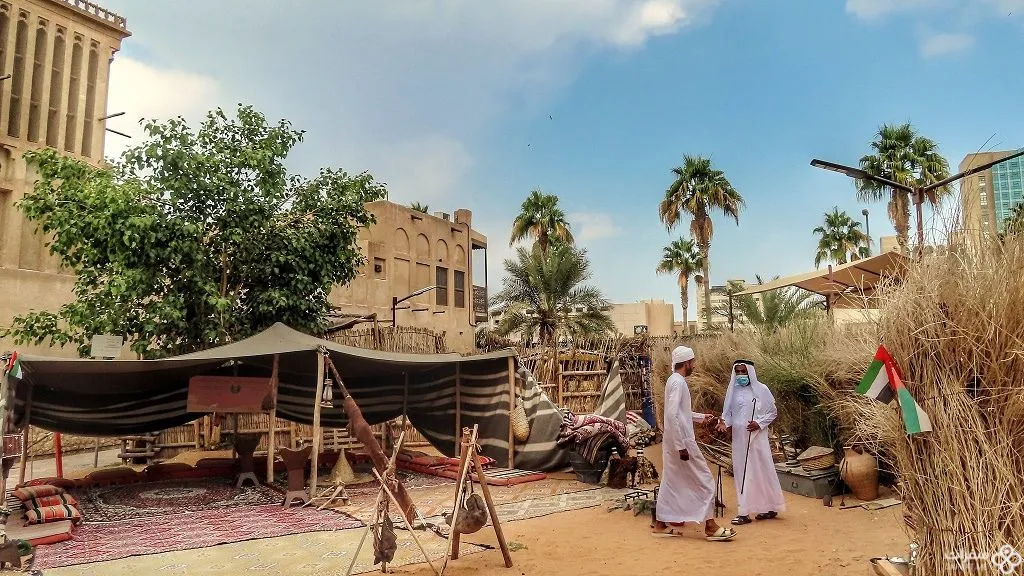
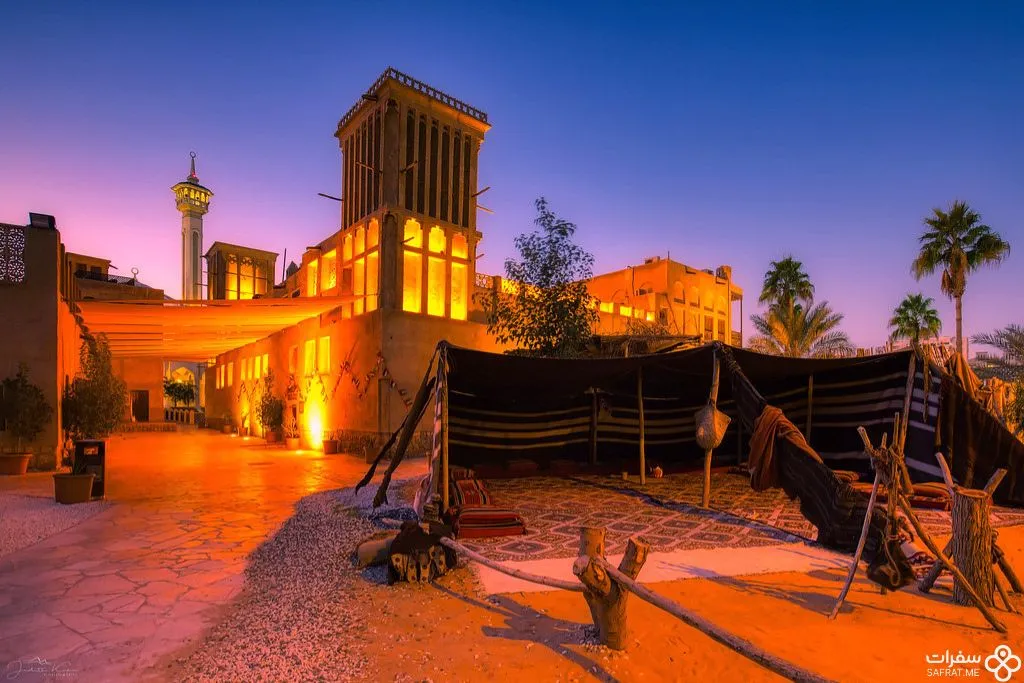
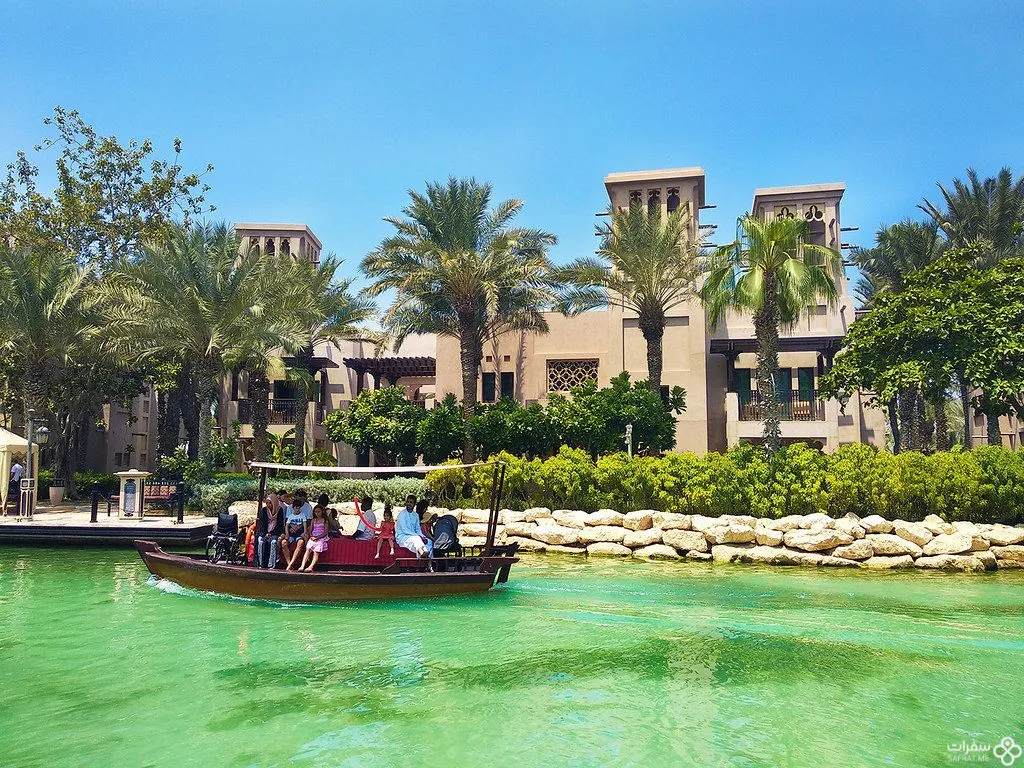
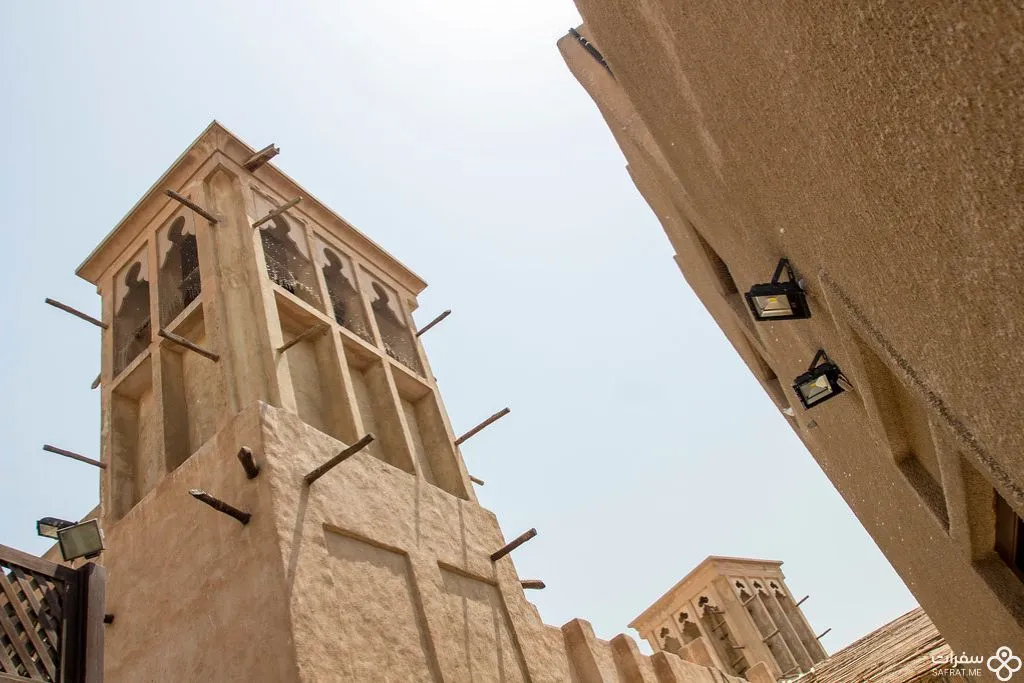
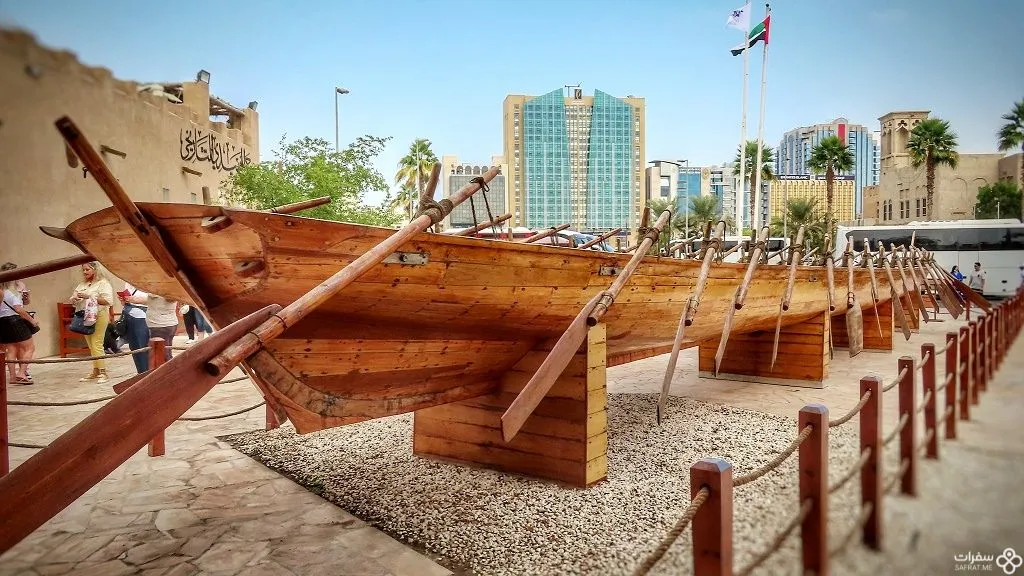
Al Fahidi District was built in the mid-nineteenth century. This neighbourhood was previously known as Al Bastakiya.
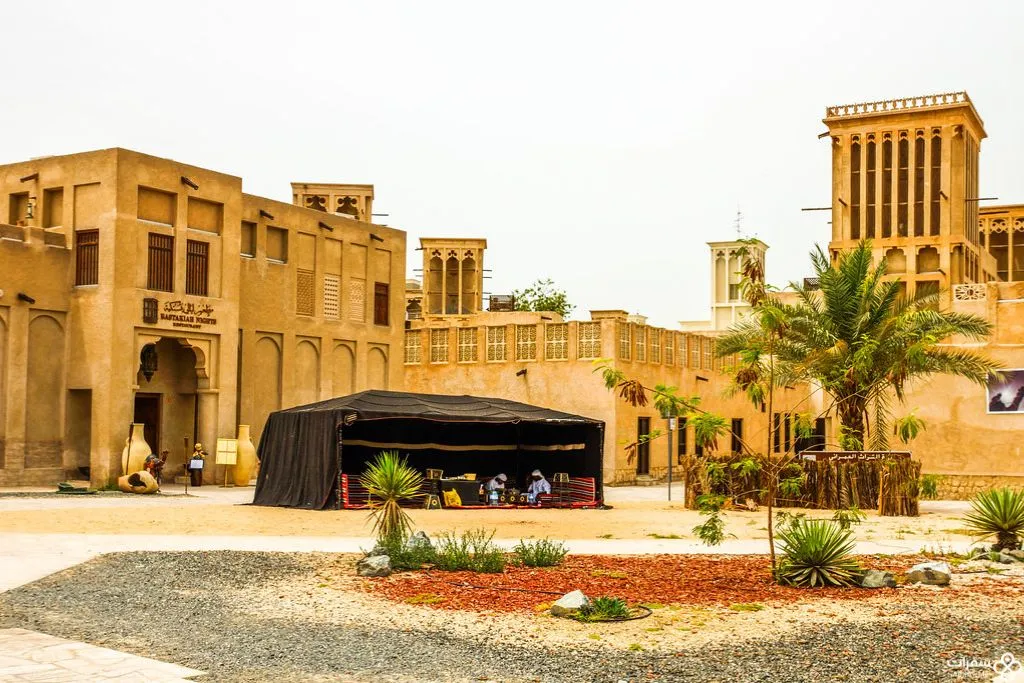
Al Fahidi District is located in the eastern part of the Dubai Creek Dubai. This neighbourhood is entirely different from other neighbourhoods in the UAE, as it was designed in the style of old Gulf architecture for homes and buildings, and its mud-plastered walls take you back to a beautiful past when people lived in simplicity, free from the constraints of appearances and self-interest.
The houses in Al Fahidi District were designed using palm trunks and various types of wood. In Al Fahidi District you can see Arabian horses and camels, for which spaces have been set aside on the outskirts of the neighbourhood.
The scent of spices and traditional foods sold in the small, modest shops in the evening and early morning will astonish you, as vendors sprinkle water on the pathways and the smell of freshness fills every corner. Another feature of this neighbourhood is that you can experience old Gulf life directly, as there are boutique hotels that offer you the opportunity to stay overnight in this beautiful neighbourhood.
3. Sheikh Saeed Al Maktoum Historical House
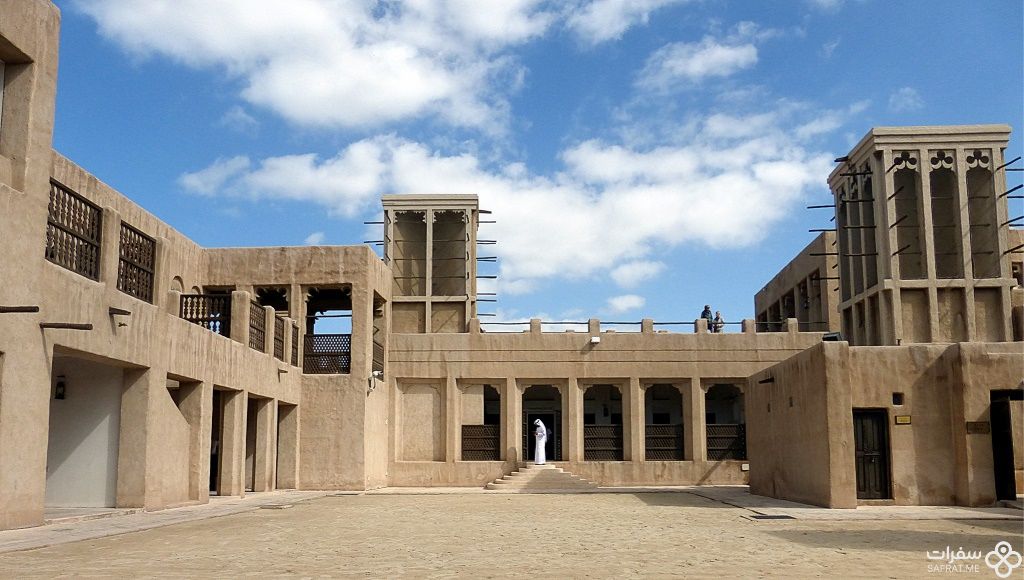
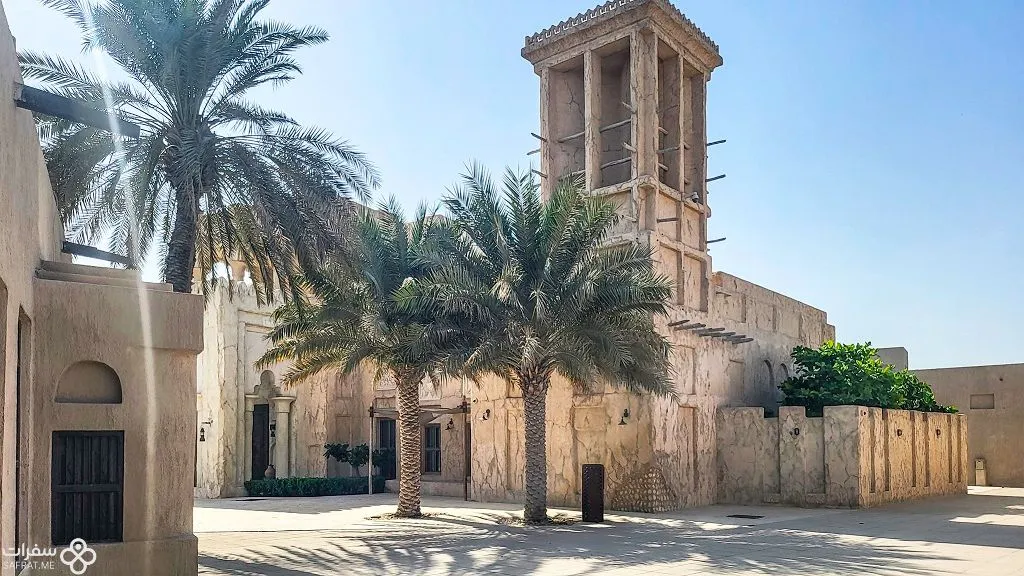
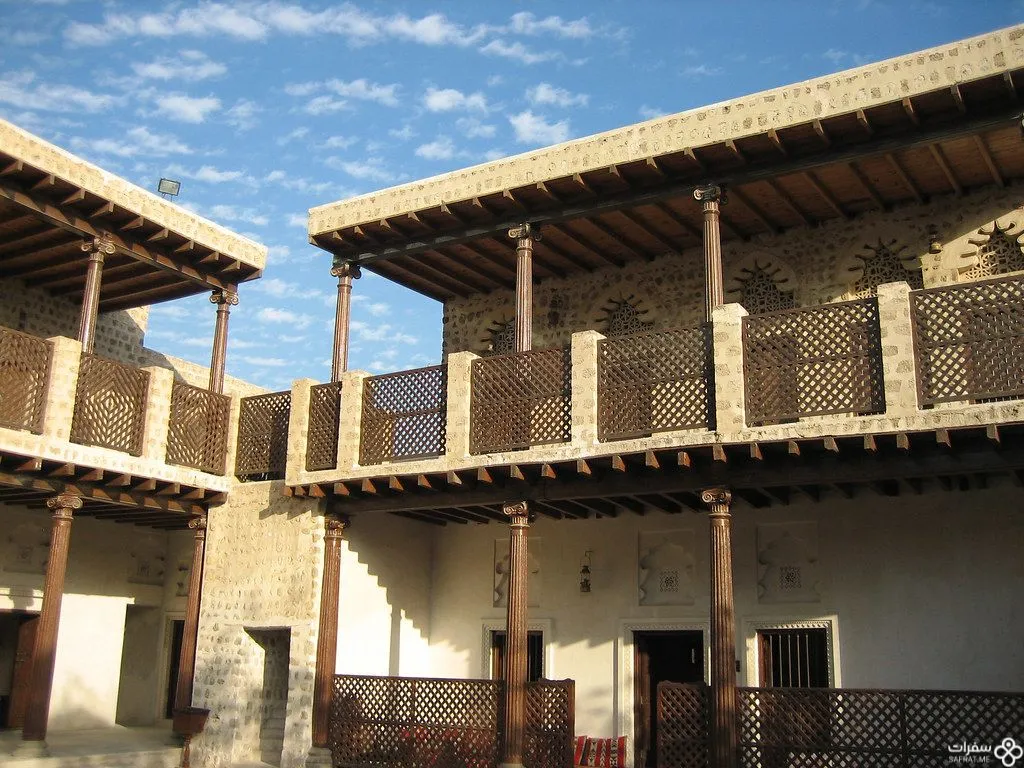
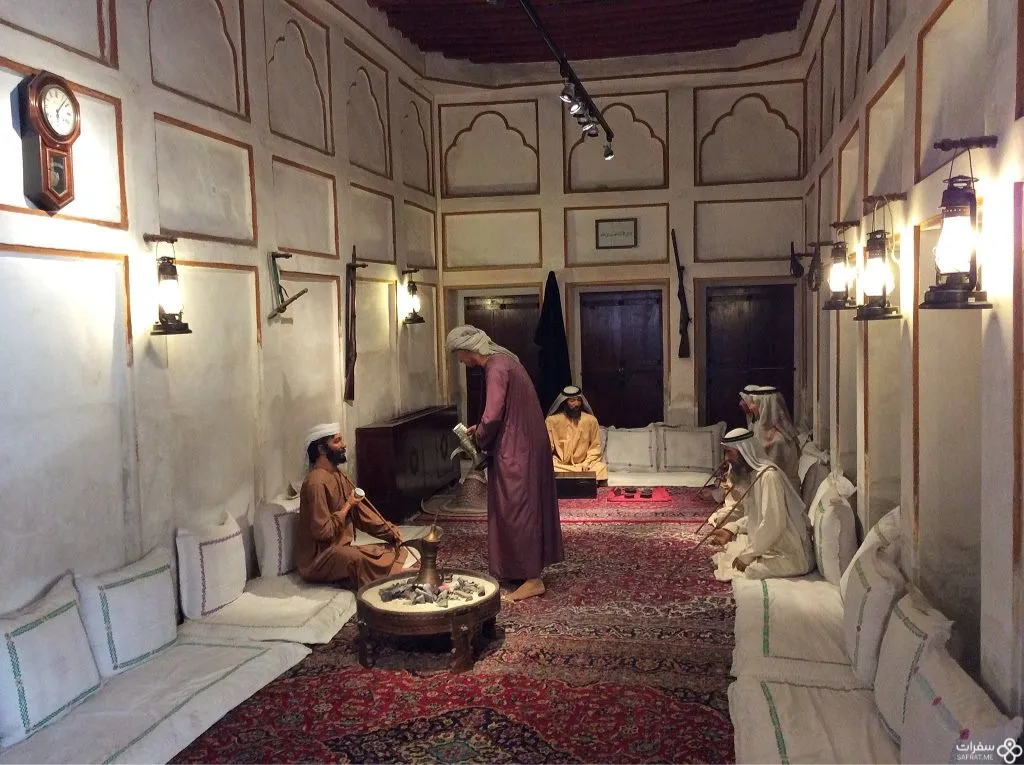
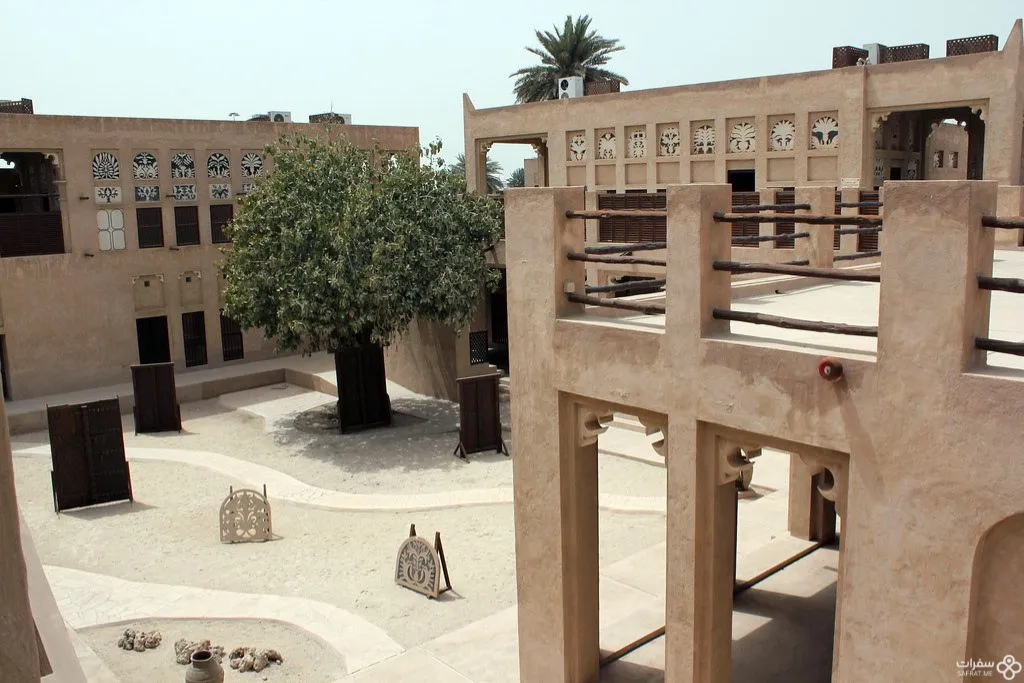
This house, which was built in 1869, is the home of Sheikh Saeed Al Maktoum and the ruling family, and it has remained as it was from that time until now. Sheikh Saeed Al Maktoum and his family lived in this house for more than sixty years. The house has a spacious courtyard onto which the other rooms open, and it also has wind towers that were used to ventilate the various rooms of the house.
If you are a lover of history, especially the cultural and social history of peoples, you can view coins, ancient documents, rare photographs, some precious jewellery, and Gulf antiques in this venerable house. The architectural style used in this house also represents Gulf culture in home construction.
One of the wonderful experiences you can have at Sheikh Saeed Al Maktoum House is the view that delights the eye when standing on the house’s balconies — a view that makes you feel completely immersed in traditional Gulf life, with the brown hues of Sheikh Saeed’s house set against the blue of the Gulf.
4. Qasr Al Hosn
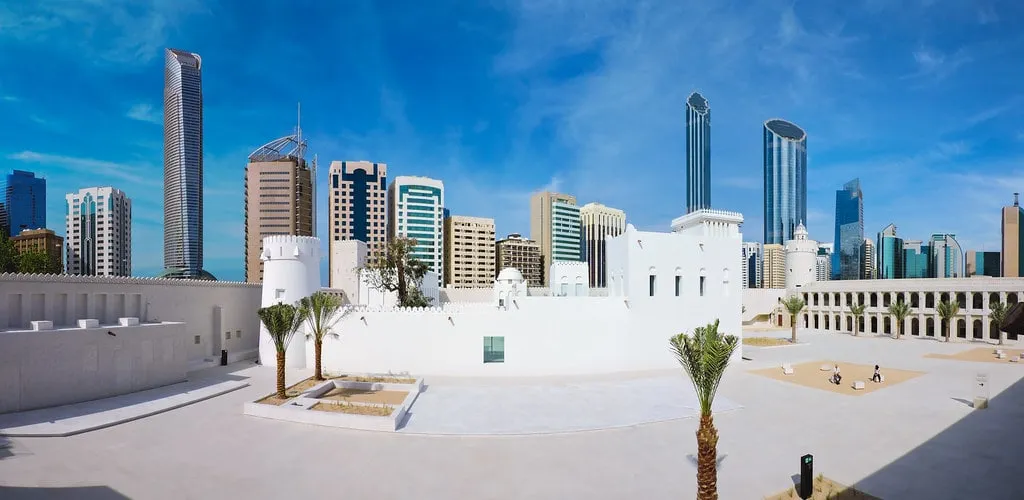
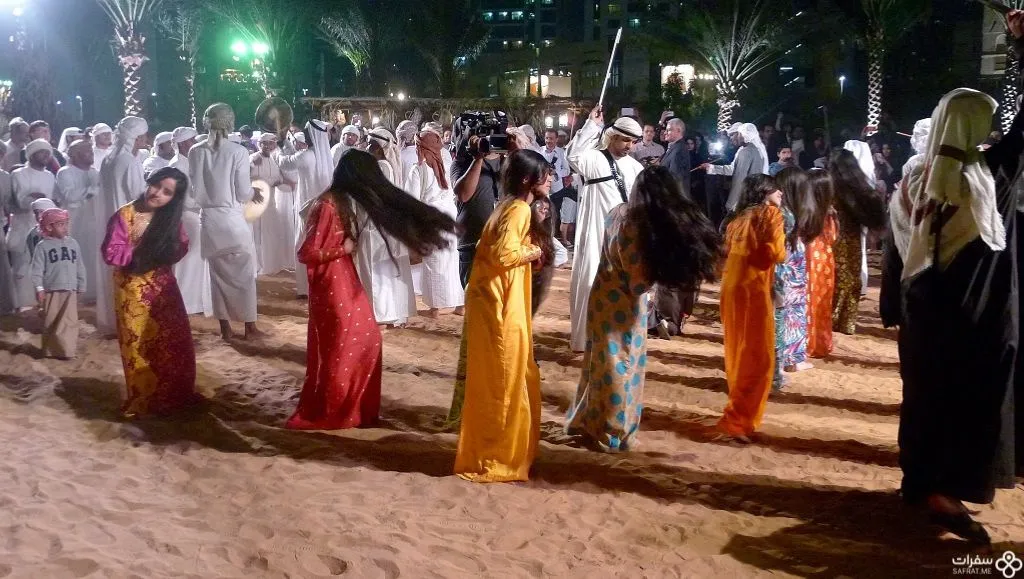
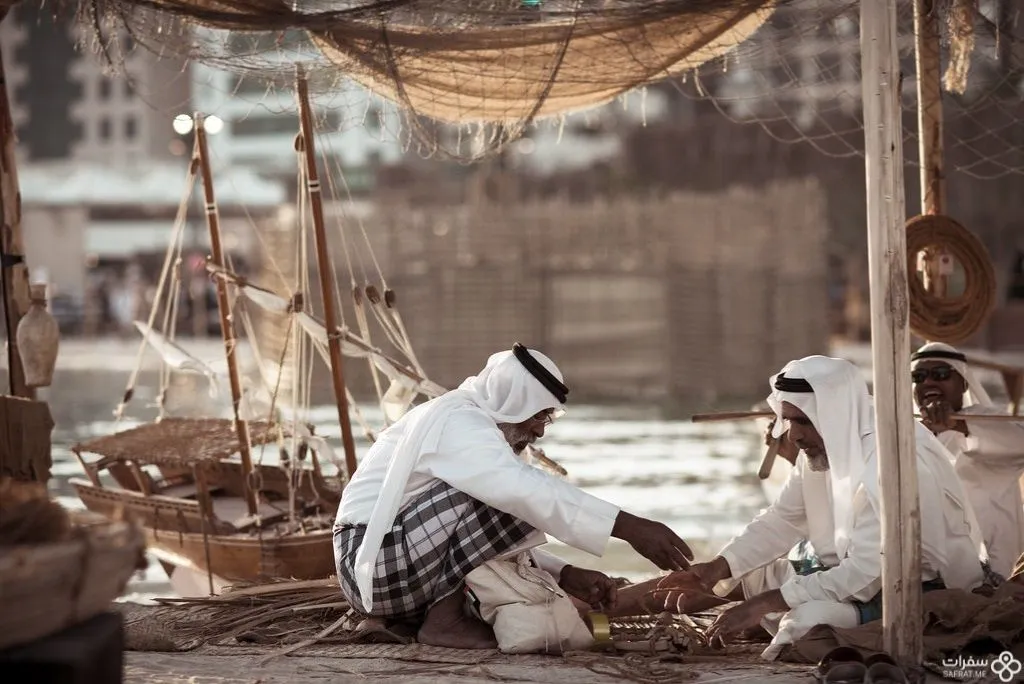
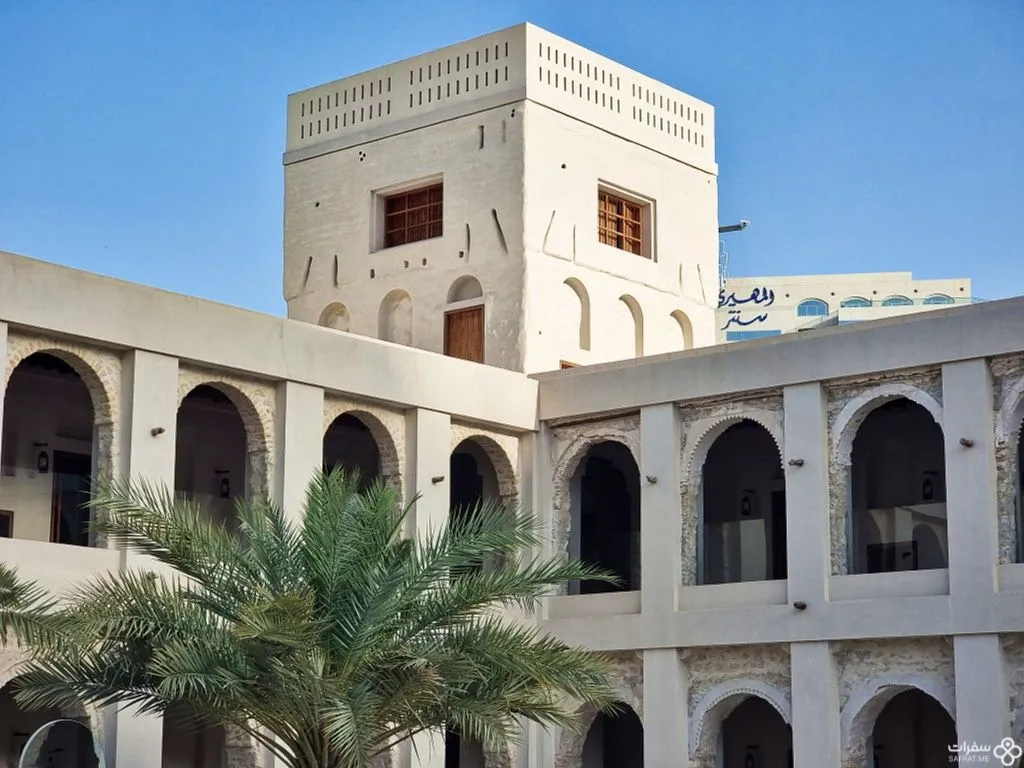
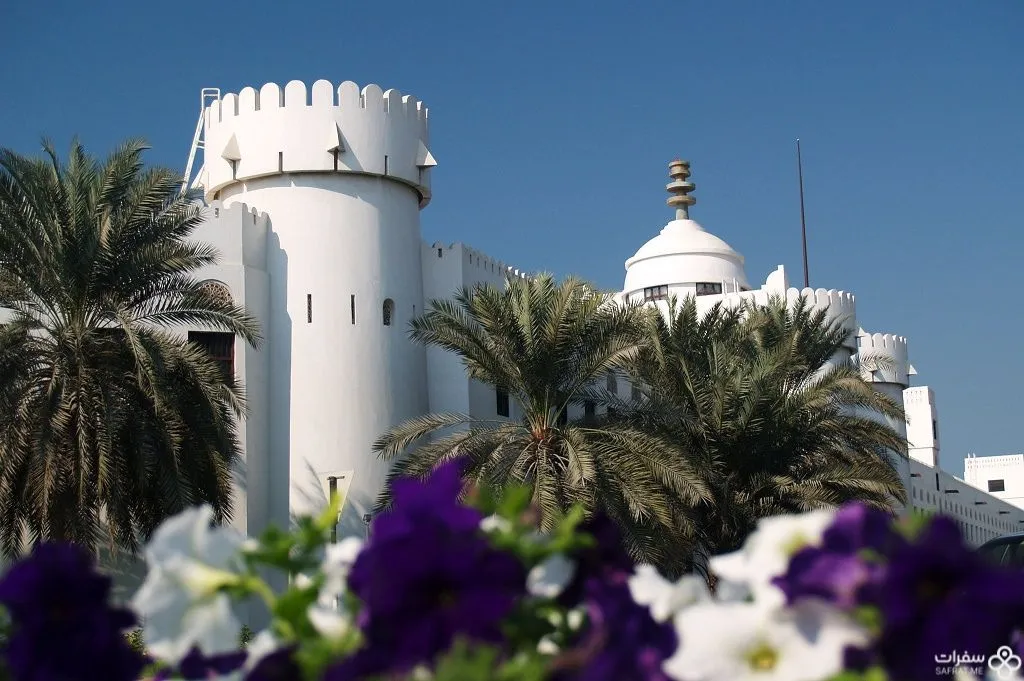
Qasr Al Hosn is another historical site in the emirate of Abu Dhabi. This palace has witnessed many aspects of the lives of the sheikhs and princes of the United Arab Emirates. The history of Qasr Al Hosn’s construction dates back to approximately 1975, while the outer palace (the outer section) was built around 1939.
This palace is the first stone building constructed in Abu Dhabi, at a time when people were living in small, modest huts. One of the important features of this palace is that it has a cultural complex as well as a craftsmen’s house, which allow you to engage with the historical crafts and traditions of the Emirates. This imposing fort, built from stone, is considered one of the most beautiful buildings with fine architecture in the city of Abu Dhabi. The palace houses a collection of items belonging to the ruling family as well as other artefacts that go back to the UAE’s distant past.
This palace is the home of captivating popular and national celebrations, at which all the beautiful Gulf customs and traditions are displayed.
5. Sheikh Zayed Heritage Village
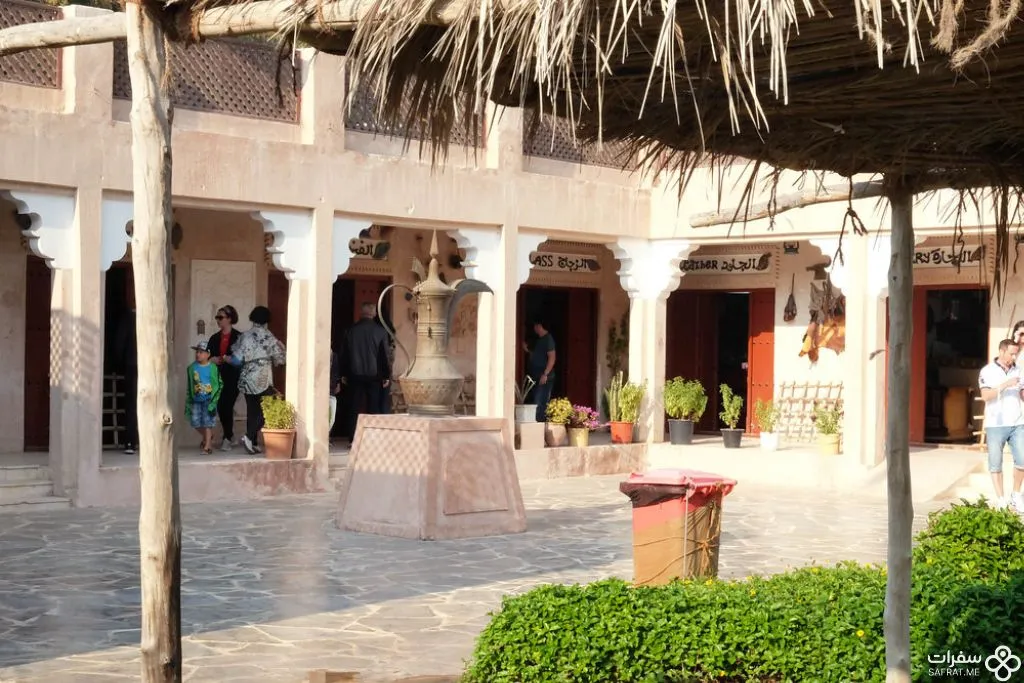
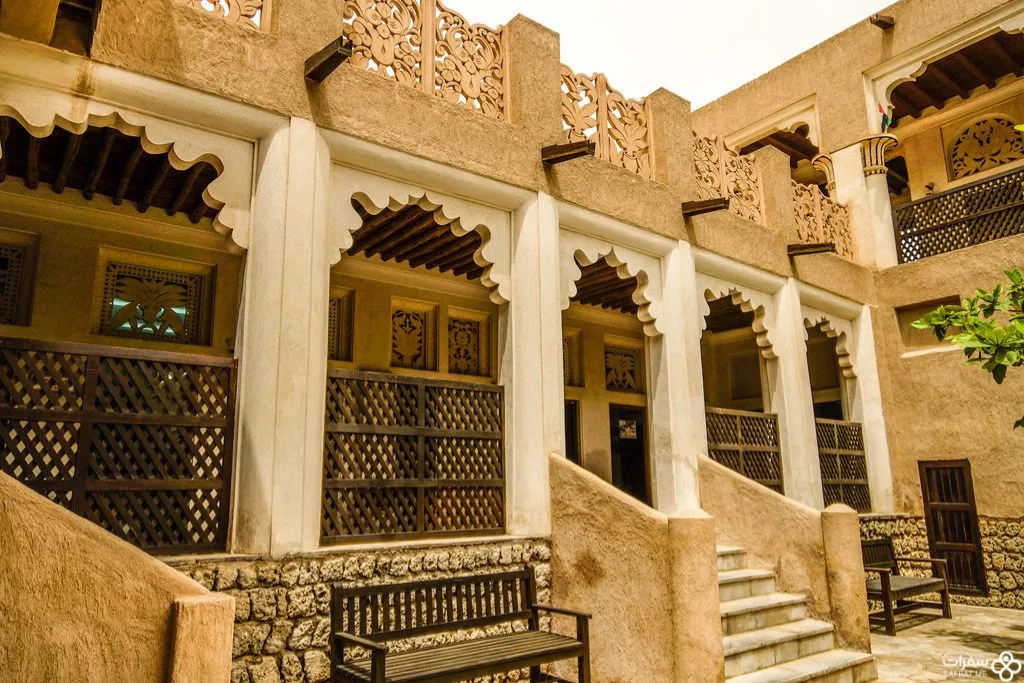
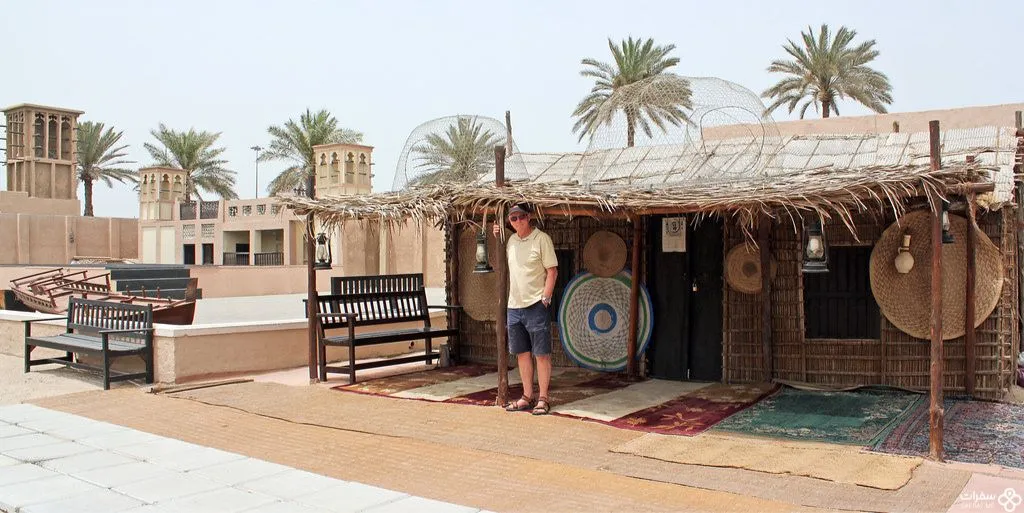
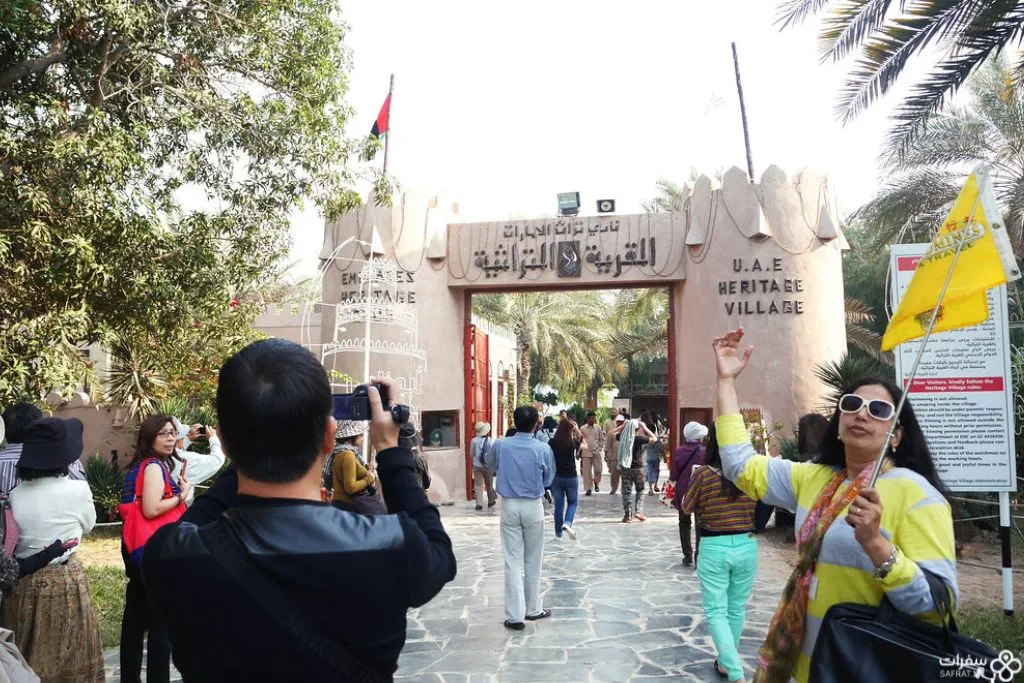
Sheikh Zayed Heritage Village in Abu Dhabi is one of the places recommended for a visit and for enjoying its beautiful atmosphere. This village was built in 1996 by Sheikh Zayed bin Sultan to serve as the largest venue for showcasing traditional Emirati culture.
Although it may be difficult to classify this village among historical landmarks due to its relatively recent construction, its focus on the history of the Emirates — and in particular the social history of the Emirates — has earned it an important standing that has placed it on the list of historical landmarks of the UAE.
There are many facilities in this village that create unforgettable experiences. The historical archive, the Emirati crafts section, traditional clothing, coffee pots, pottery, and the Islamic museum make you feel as though you have lived through the most prominent aspects of Arab Gulf culture.
Viewing ancient handwritten copies of the Holy Quran, watching the spectacular falconry display, and visiting the museum of ancient Emirati jewellery are among the other enjoyable activities that can be done in this village.
Part of this village overlooks the beach. You can enjoy delicious traditional food on the beach, close to small wooden boats that have been brought in to create a beautiful scene and to offer a glimpse into the traditional craft of wooden boat-making in the UAE.
6. Al Muwaiji Palace
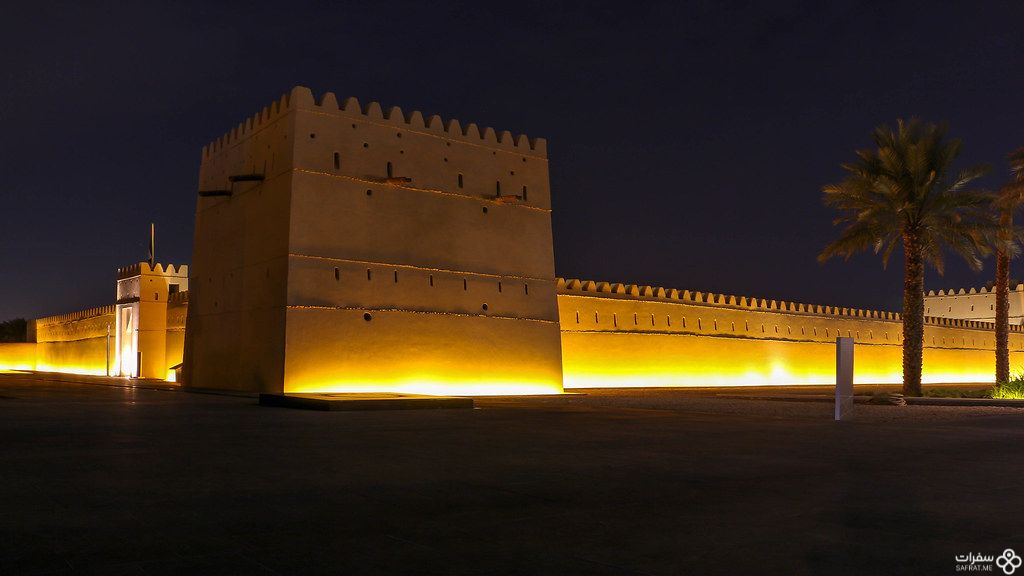
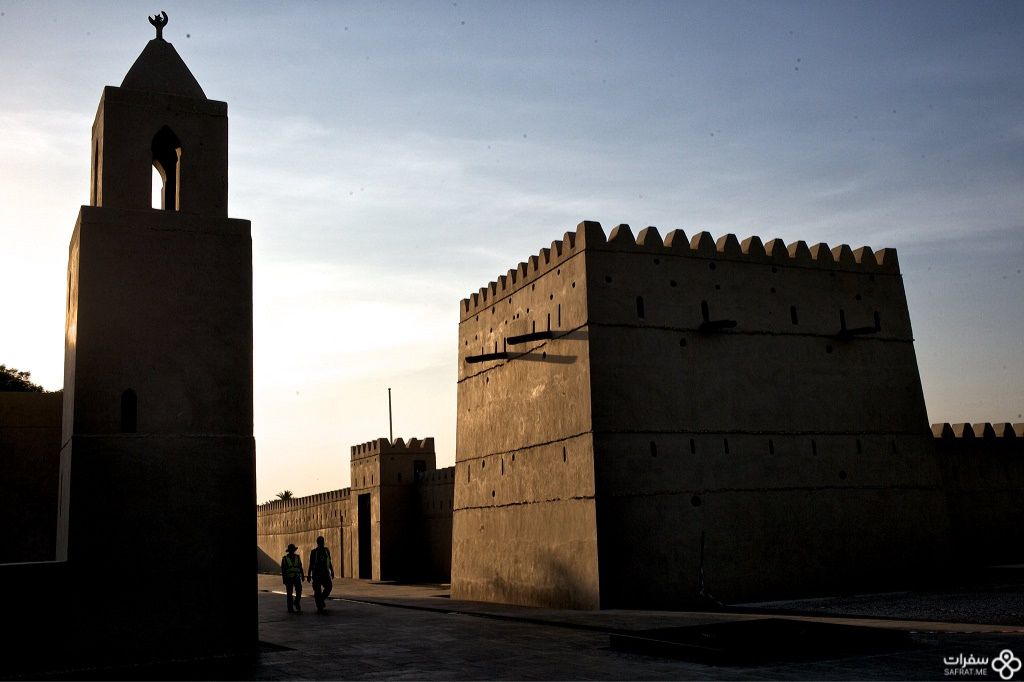
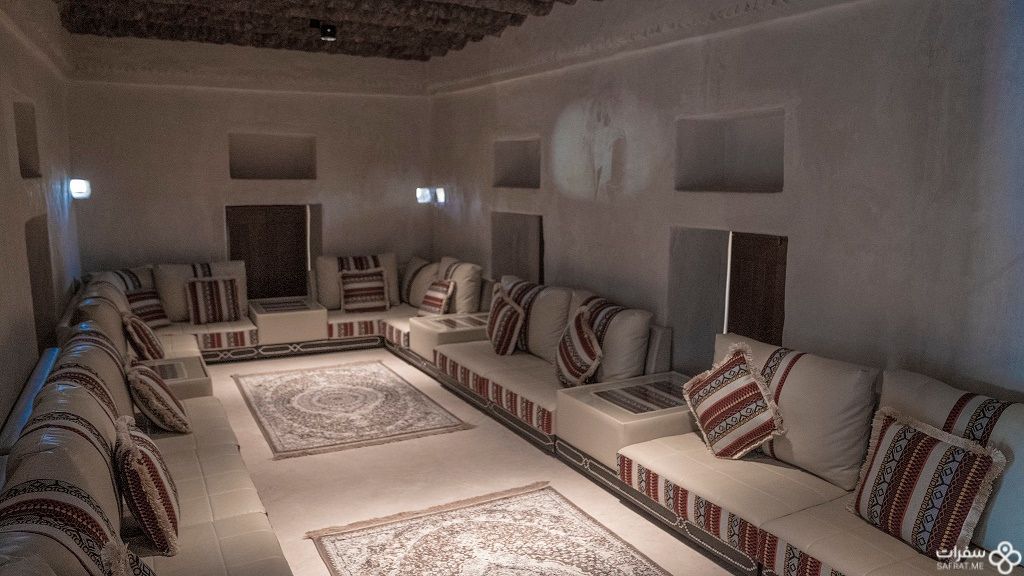
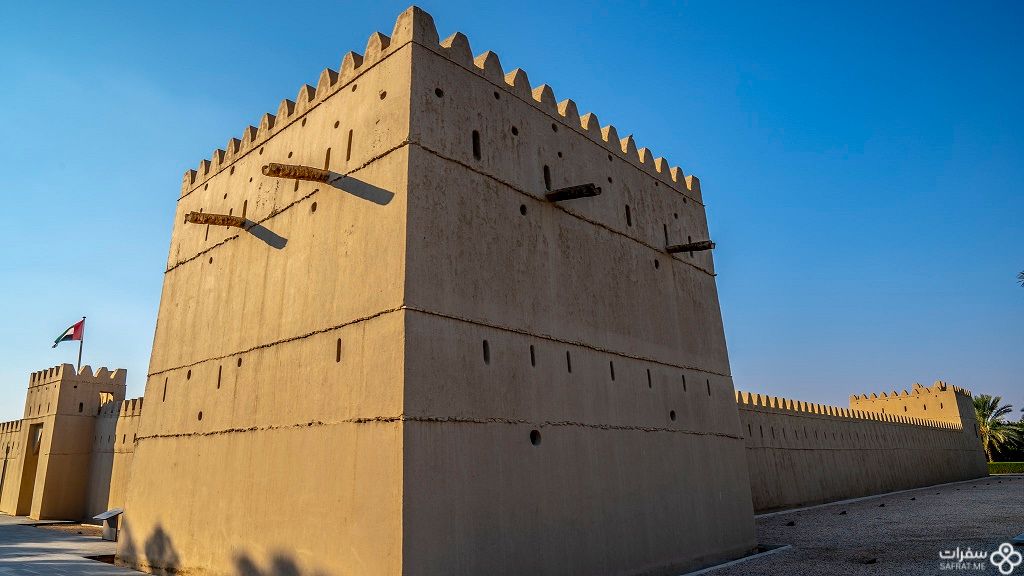
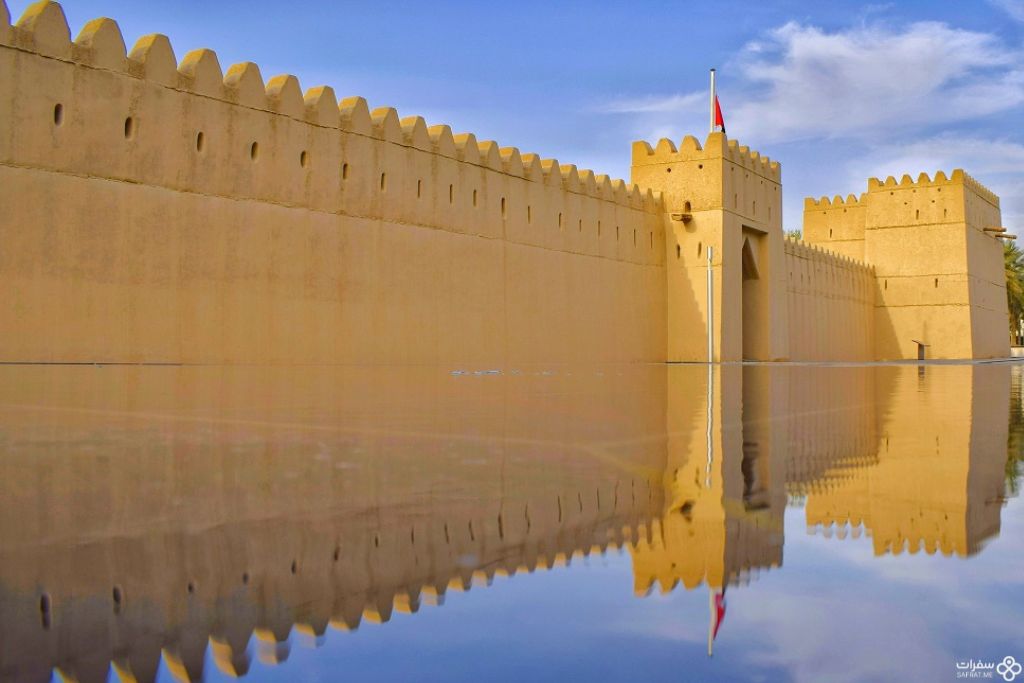
Al Muwaiji Palace is another palace that can be highlighted as a heritage site in the city of Al Ain. The history of Al Muwaiji Palace’s construction goes back one hundred years, to the era of the rule of Prince Zayed the First.
Al Muwaiji Palace has now been transformed into a museum of high international standards that tells visitors about the history of the Emirates through rare photographs that are difficult to find outside this museum. What distinguishes this palace from other heritage sites in the UAE is that it is listed on the UNESCO World Heritage List.
One of the most beautiful experiences to be had at this palace is seeing the tall palm trees and the green fields surrounding it while walking along the pathways that were previously built for soldiers to guard the palace. If you wish to visit this palace, spring and winter are the ideal times, as the gentle breeze playing through the palm fronds greatly enhances the pleasure of travelling to this important historical destination.
7. Al Hamra Island
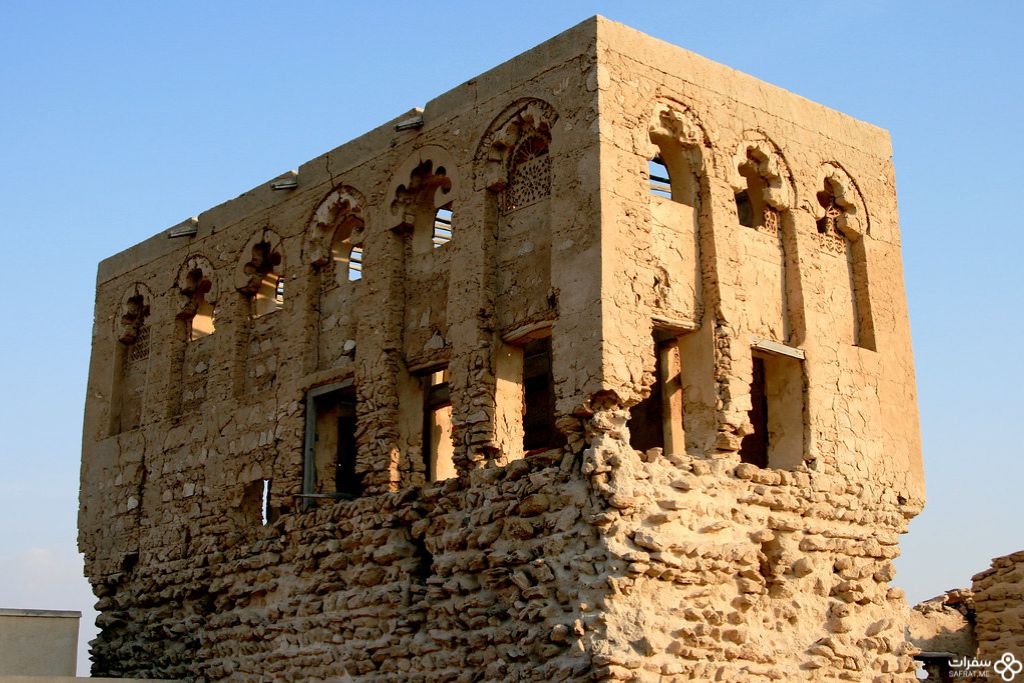
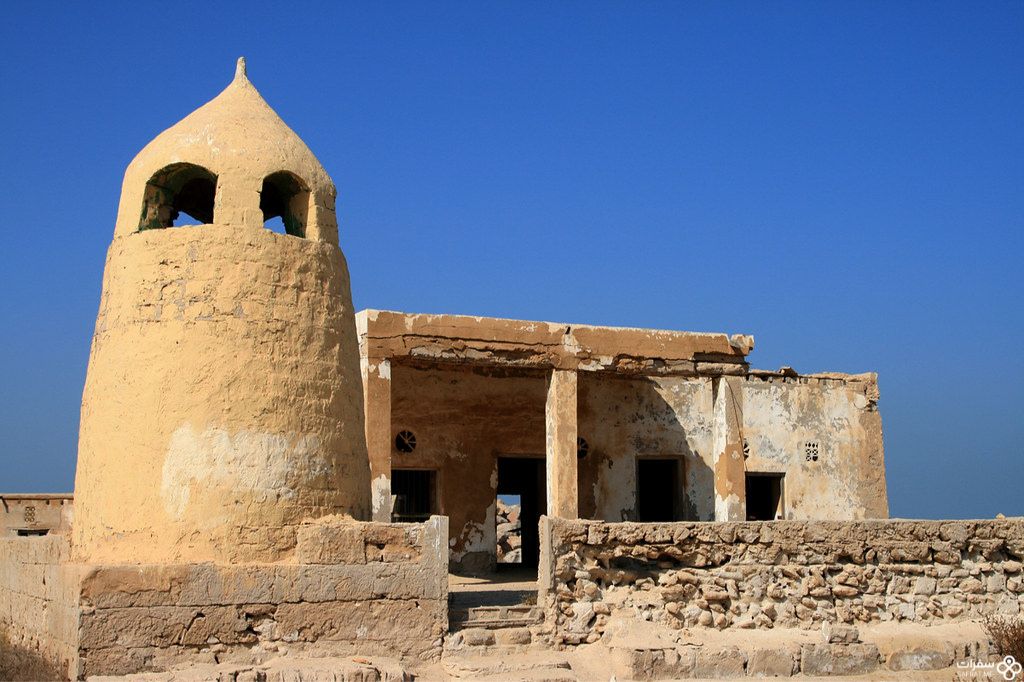
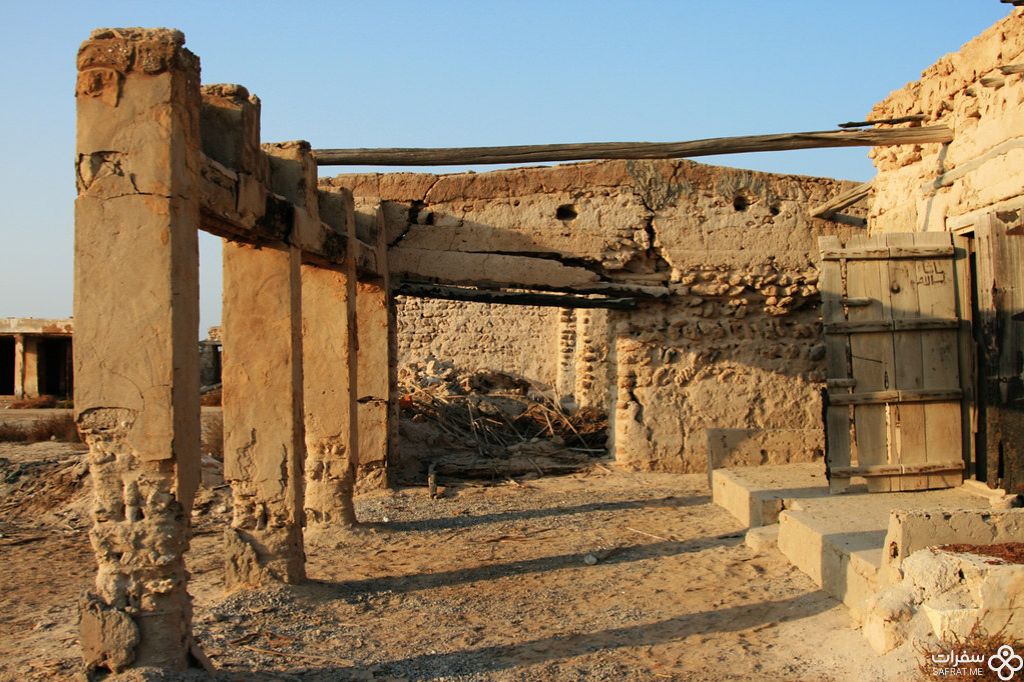
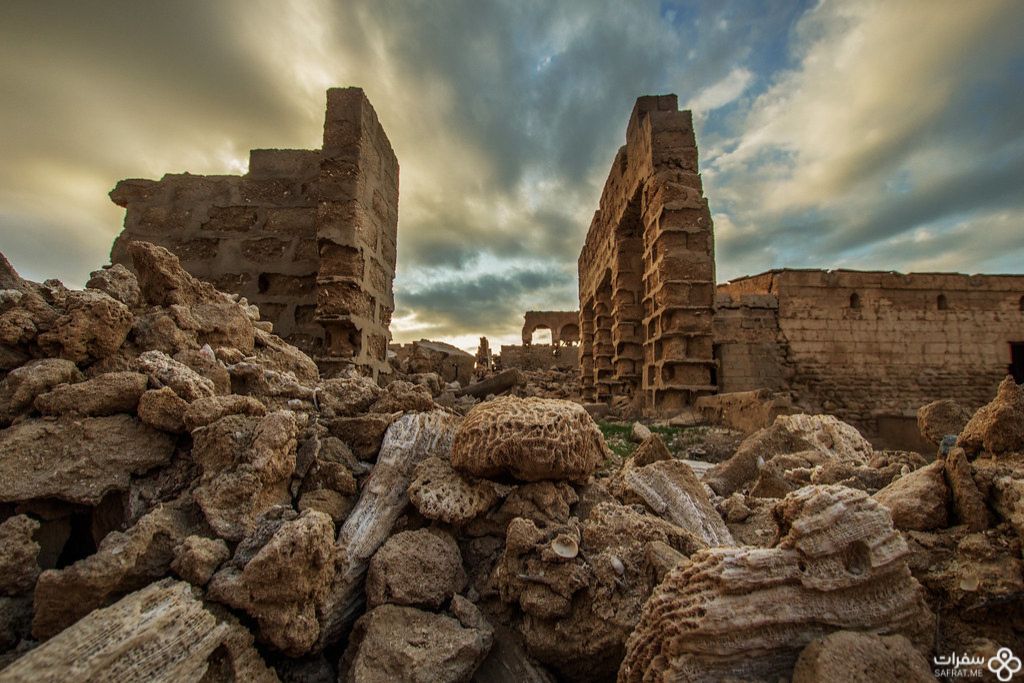
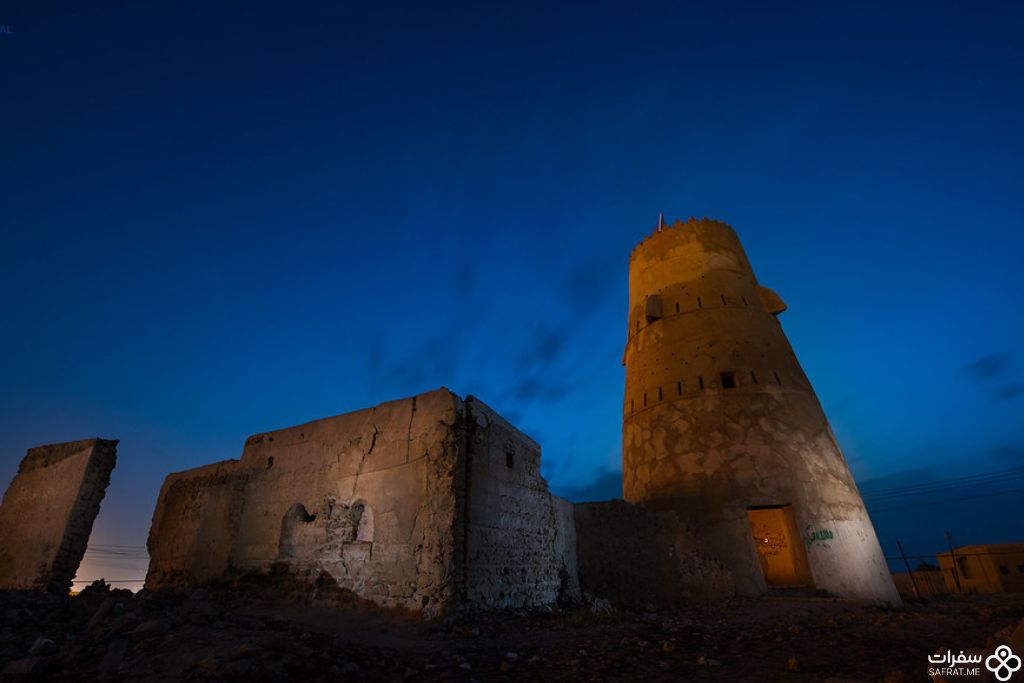
Al Hamra Island is the last remaining village from the rural and heritage way of life in Ras Al Khaimah. Al Hamra Island is one of the islands that was inhabited in the past and was abandoned by its residents many years ago, becoming today a symbol of Gulf architecture with its schools, forts, mosques, and houses.
Despite the passage of around 400 years, you can still see some of its walls painted in old colours. The mosque of Al Hamra Island, with its conical minaret, is one of the most beautiful places that must be visited in this town.
One of the things that adds to the appeal of travelling to this destination for adventure lovers is that it is said this abandoned island was once inhabited by jinn and spirits, and that this is the reason its residents left and moved elsewhere. Al Hamra Island has another kind of charm in the evening, when silence descends over every corner.
The places we have mentioned here are of course not all of the historical and heritage sites in the UAE; rather, this article has attempted to shed light on the most important of them.
There are many beautiful and captivating historical sites in the UAE that you can discover by following the travel magazine on the website.
For more official information about destinations and events in Dubai, you can refer to the official Dubai tourism website.