
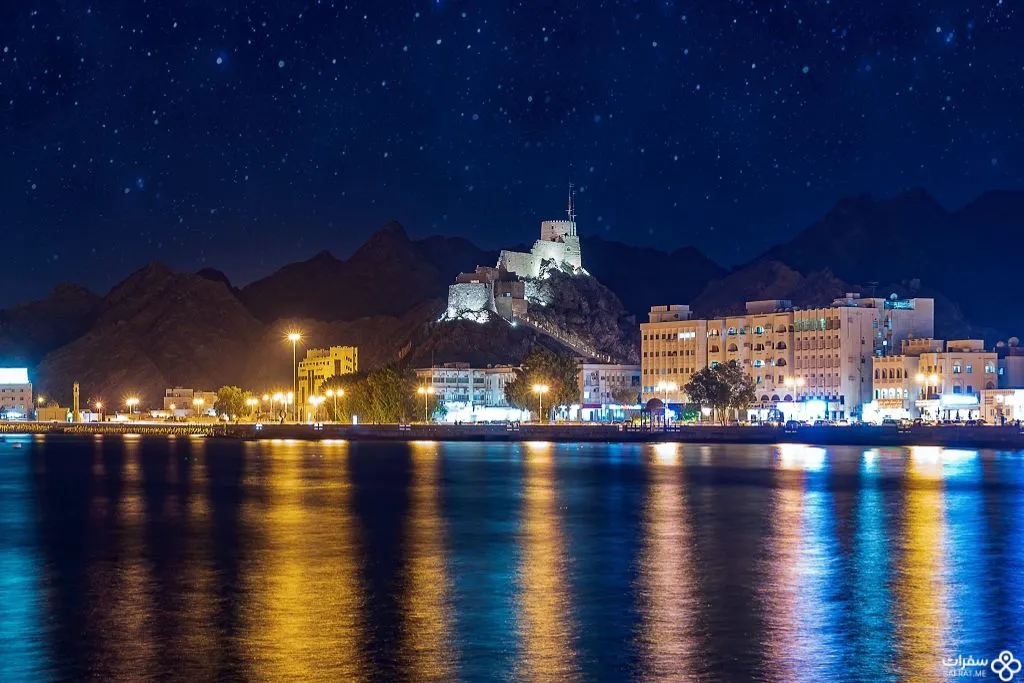
The castles and forts in Oman are among the most important historical destinations that have stood tall in the face of time’s challenges. These forts and castles have today become living historical monuments that recount the heroism of the Omani people in defending their homeland, and they remind visitors of the most significant events and issues tied to the history of this nation. The fact that most of these castles and forts were built amid lush and picturesque palm groves, overlooking villages and coastlines, lends historical journeys a natural and geographical flavour that is truly unparalleled and can only be savoured in Oman.
In this article we will get to know the most important castles and forts that one must visit when travelling to the Sultanate of Oman, as they offer historical and cultural glimpses into the Sultanate of Oman.
Bahla Fort
Bahla Fort is considered the most important and largest fort in Oman. Bahla Fort is located in the Dakhiliyah Governorate of Oman, in the village of Bahla. Bahla Fort was the seat of rule of the Banu Nabhan during the period from the twelfth to the fifteenth century, and it is one of the most important archaeological landmarks to have been inscribed on the UNESCO World Heritage List in 1987.
It is said that the foundation stone of this fort was laid in the third millennium BC, and the fort has undergone various restoration works throughout the ages. The fort contains a number of panels that offer the visitor glimpses of Omani history and the events it has witnessed.
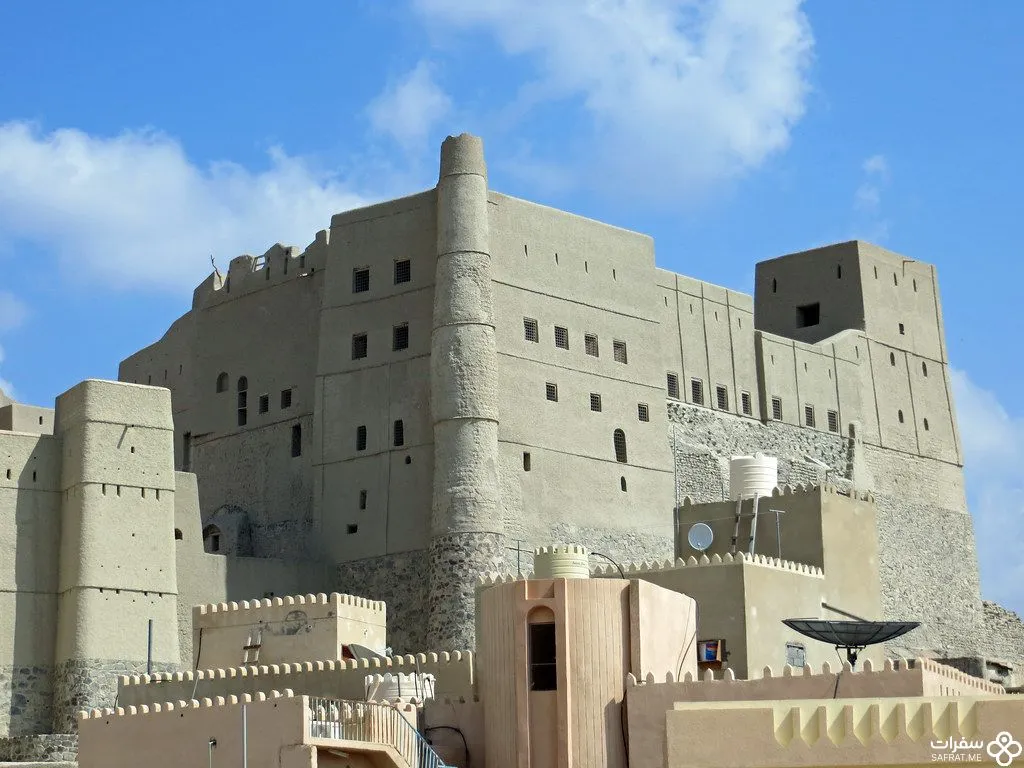
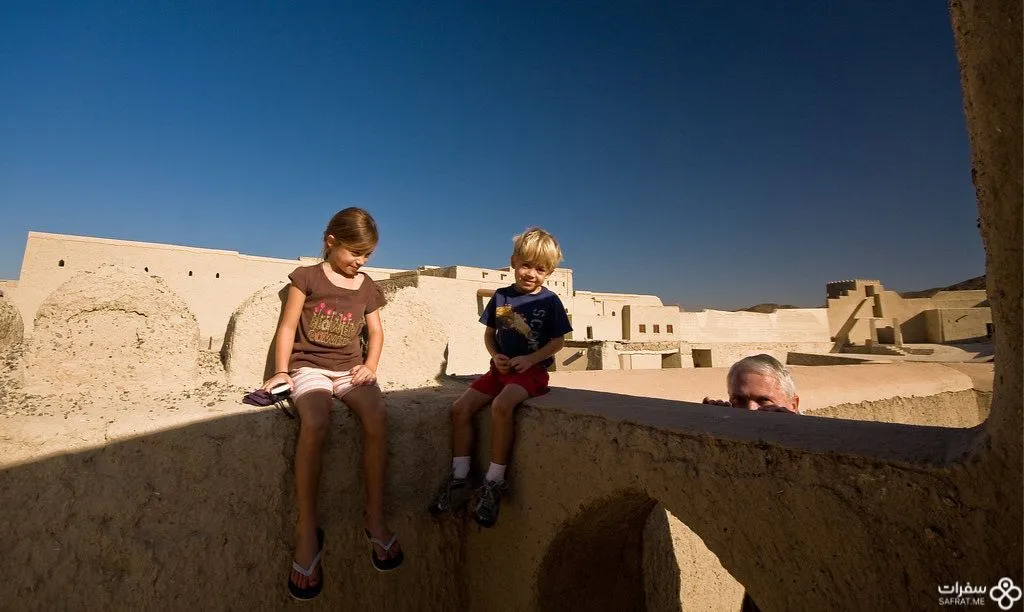
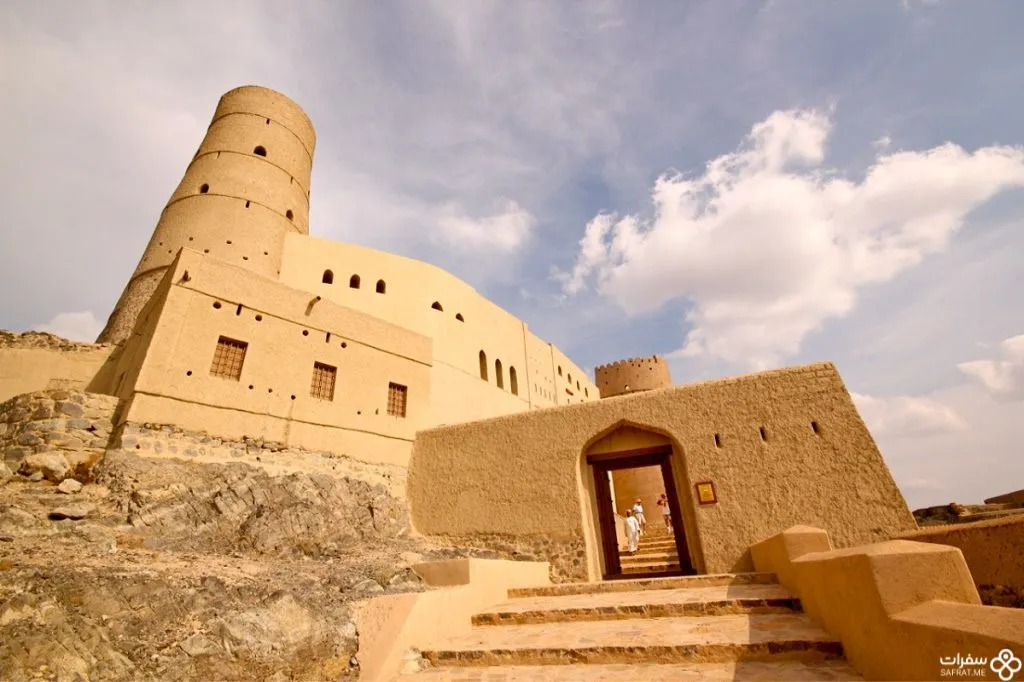
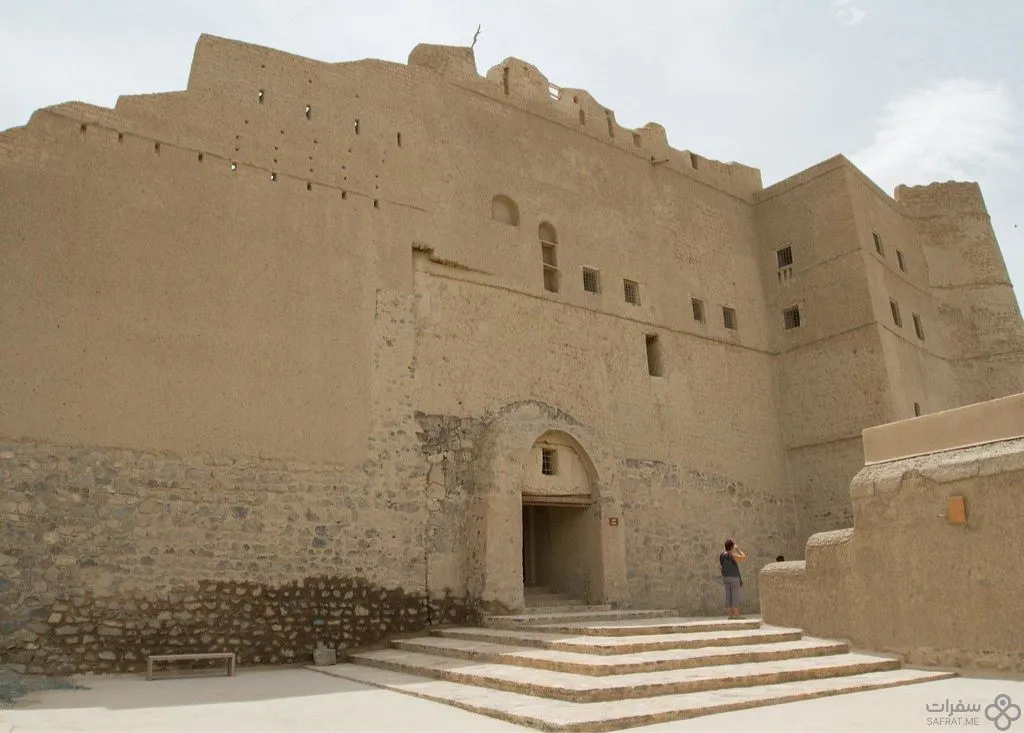
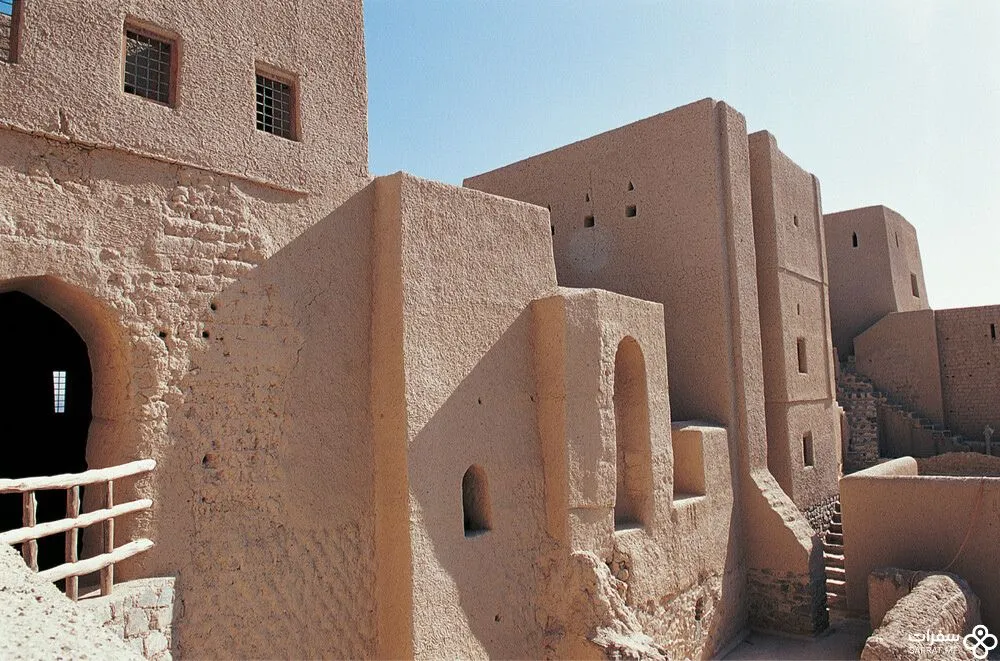
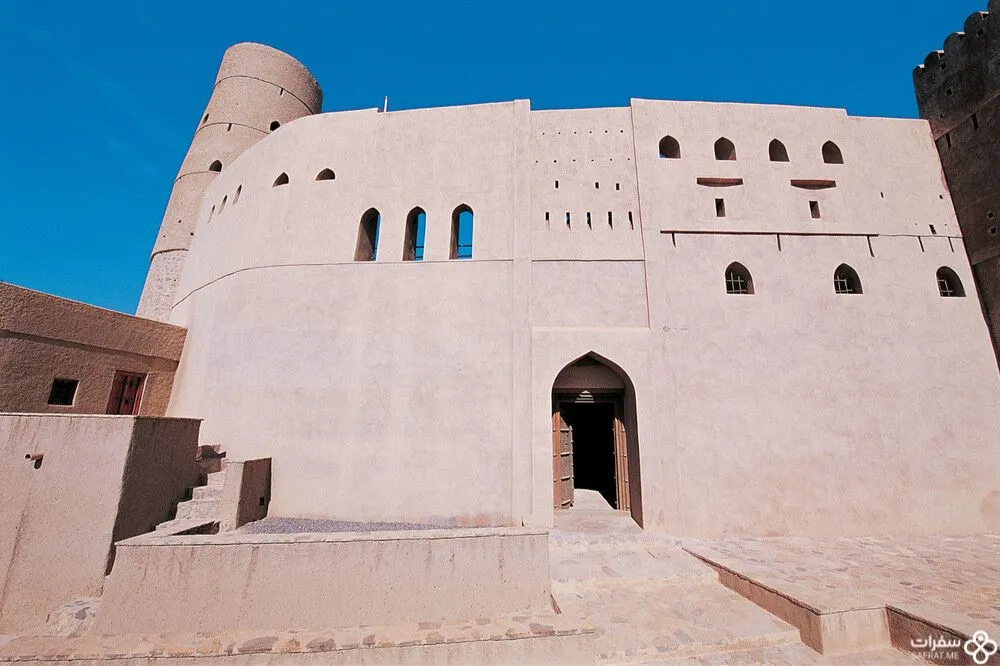
What distinguishes this fort from other forts in Oman is its wall, which stretches approximately 12 kilometres and was built for defensive purposes; it is also equipped with rooms for soldiers to rest, towers, and loopholes for arrows and rifles. Although no precise date has been established for the construction of this wall, it is estimated to date back to a very distant period in time.
A large number of towers can be seen in this fort, and it is also possible to overlook the city of Bahla and enjoy the beauty of the palm groves by standing on the fort, as this mud-built fort was constructed at the highest point of the village.
Nizwa Fort
Nizwa Fort is one of the most famous forts in Oman. This fort is located in the Nizwa Governorate.
Nizwa Fort was built in the seventeenth century, on the orders of Sultan bin Saif, the Yarubi prince.
It is said that the construction of this fort took 17 years. What distinguishes this fort is its circular tower, which stands 40 metres tall.
The view from Nizwa Fort over the city of Nizwa, the Hajar Mountains, and the palm groves is one of the finest experiences to be had by climbing the fort’s towers. The Nizwa souq and mosque are likewise among the historical treasures that have multiplied the beauty of Nizwa Fort.
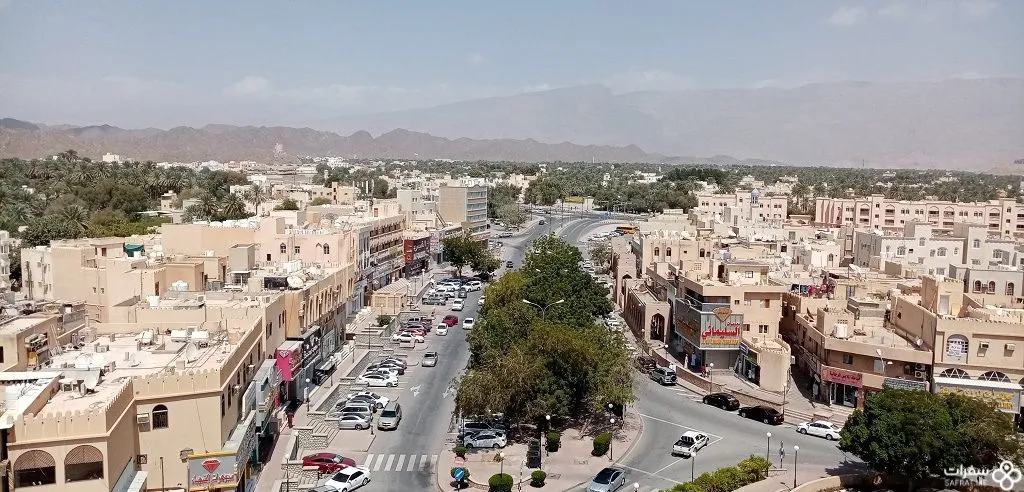
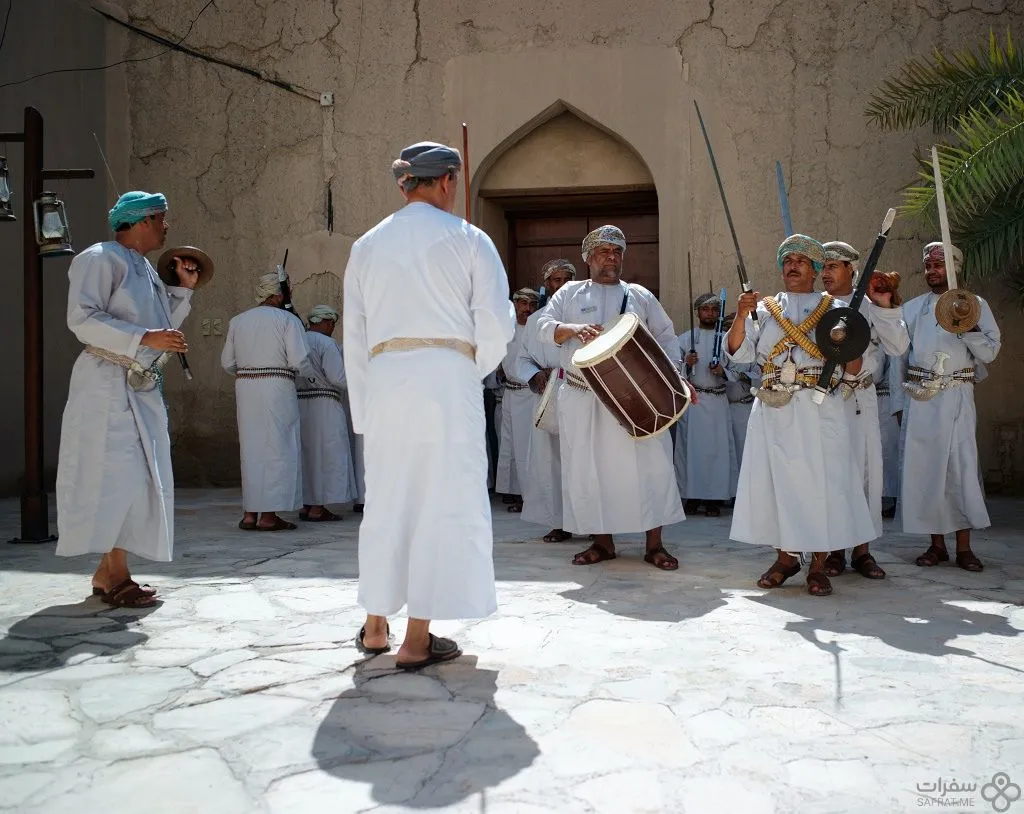
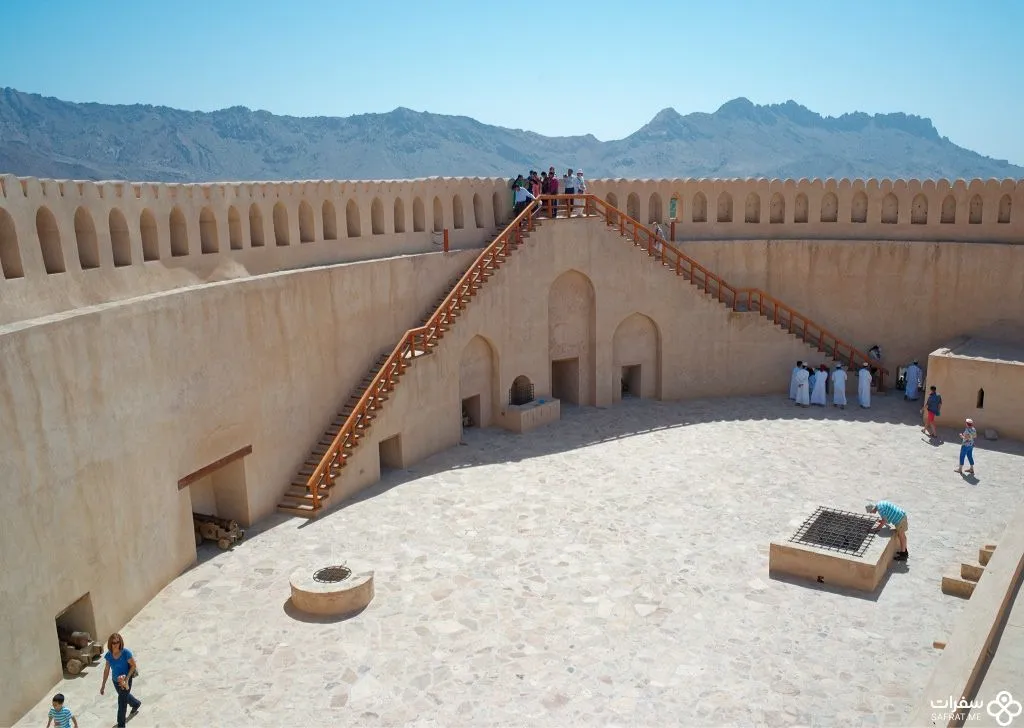
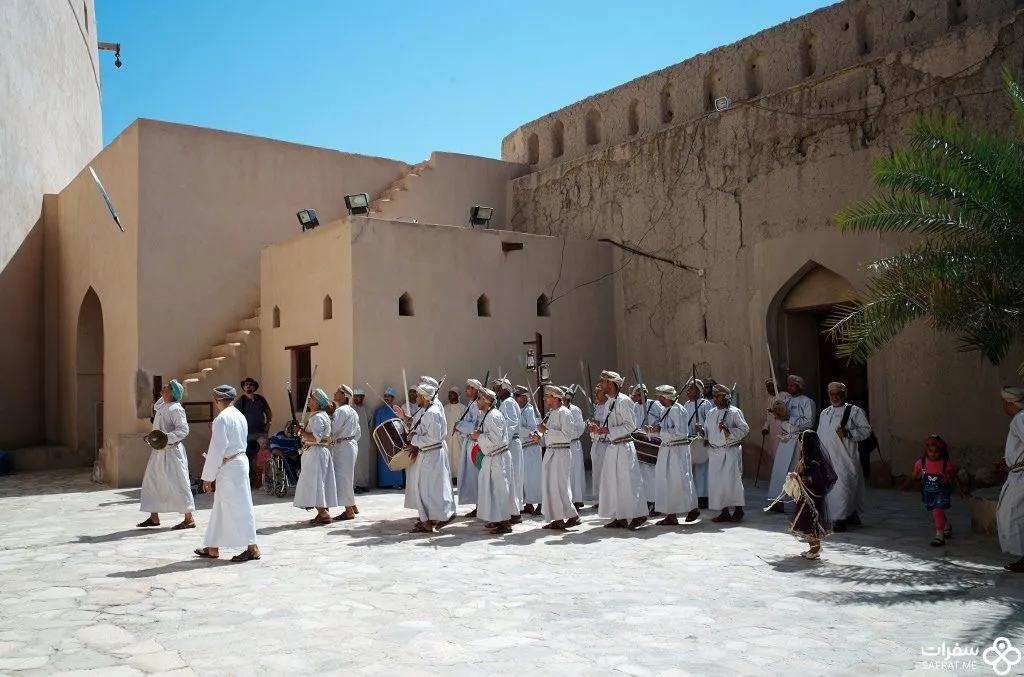
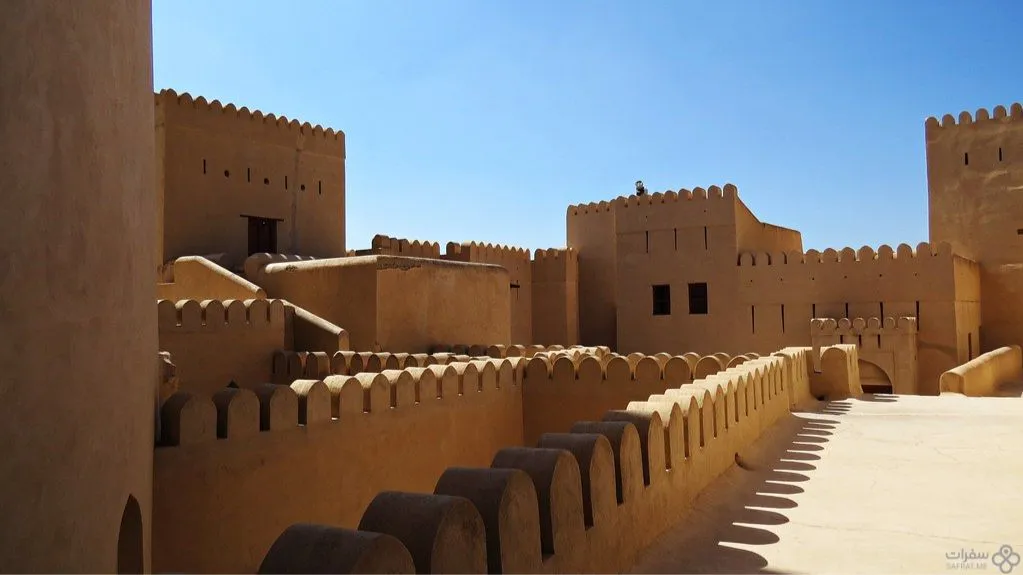
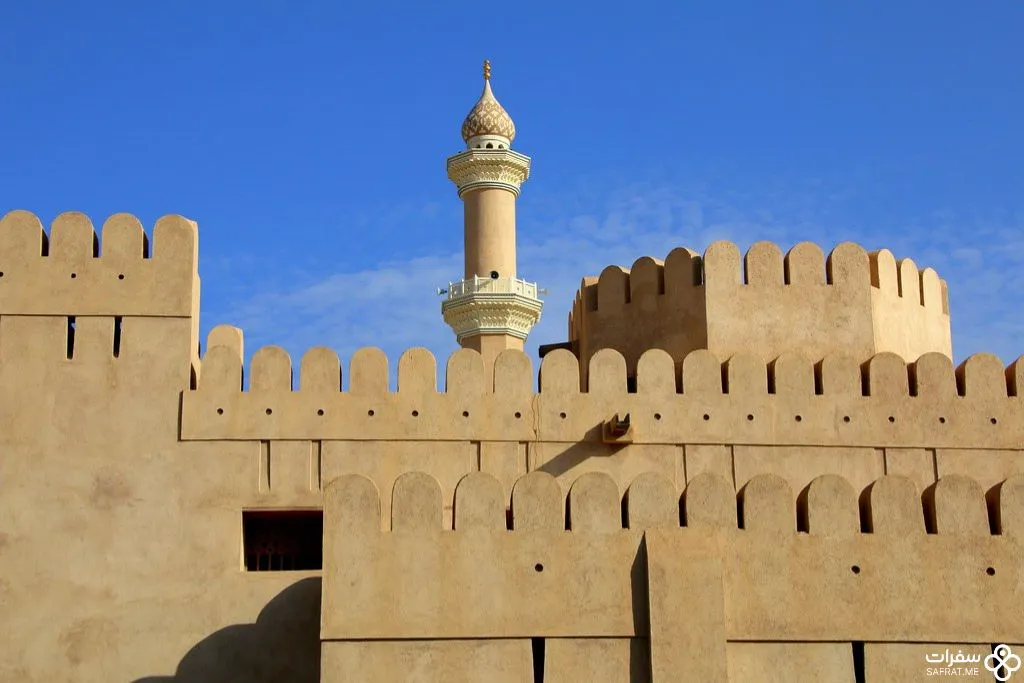
Nizwa Fort is divided into several sections: the first section is the ground floor, which was used for storing supplies; the second floor was the seat of the Imam’s rule and the reception of guests; the third floor served as a resting place for the Imam’s guests; while the last section was reserved for the Imam and his closest guests.
Nizwa Fort contains numerous cannons that were directed through openings towards the outside of the fort. The massive wooden doors of Nizwa Fort and the openings above them tell of the ruse of pouring boiling oils on enemies. Mud, stone, and sarooj are the materials from which Nizwa Fort was made.
Mutrah Fort
Mutrah Fort is located in the village of Mutrah, which belongs to the city of Muscat. The Portuguese built this towering fort during their colonial presence in Oman, on a prominent rocky outcrop that catches the eye from great distances. This fort, overlooking the coast, served as a base for the defenders of the homeland after the expulsion of the Portuguese, and it speaks to the extent of the Omanis’ commitment to guarding the country’s borders.
Mutrah Fort is situated in a highly strategic and important location, where soldiers were able to overlook both the maritime and land borders of the city. Mutrah Fort offers unparalleled views of the Mutrah area, the surrounding mountains, and the sea that lies before it.
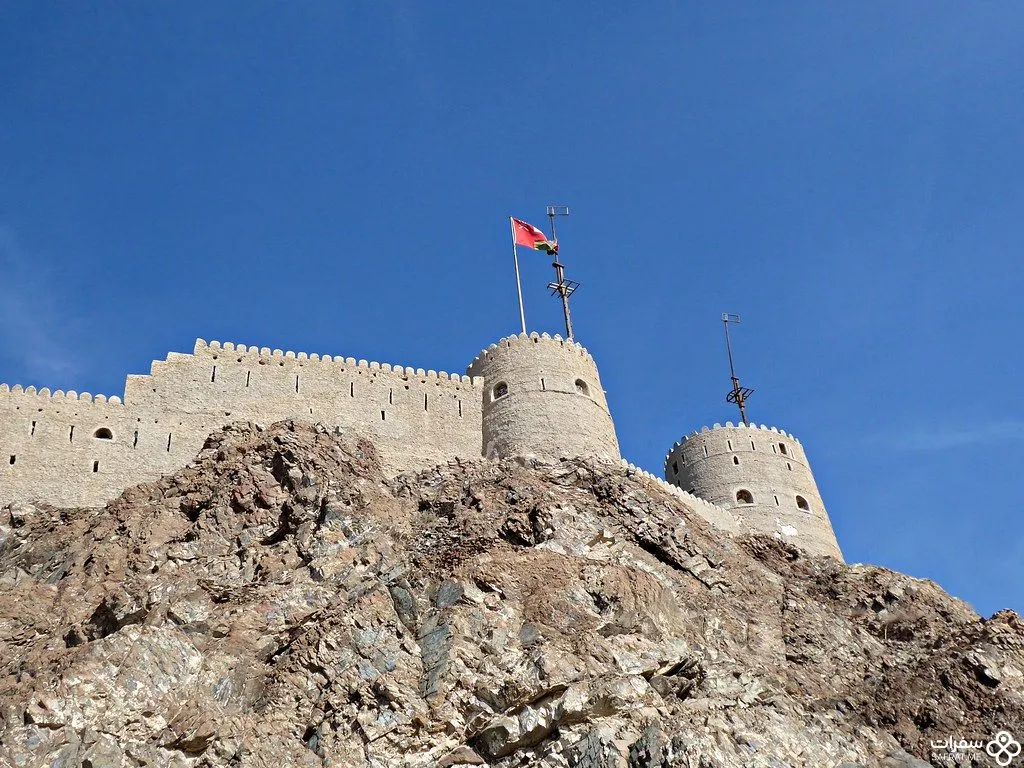
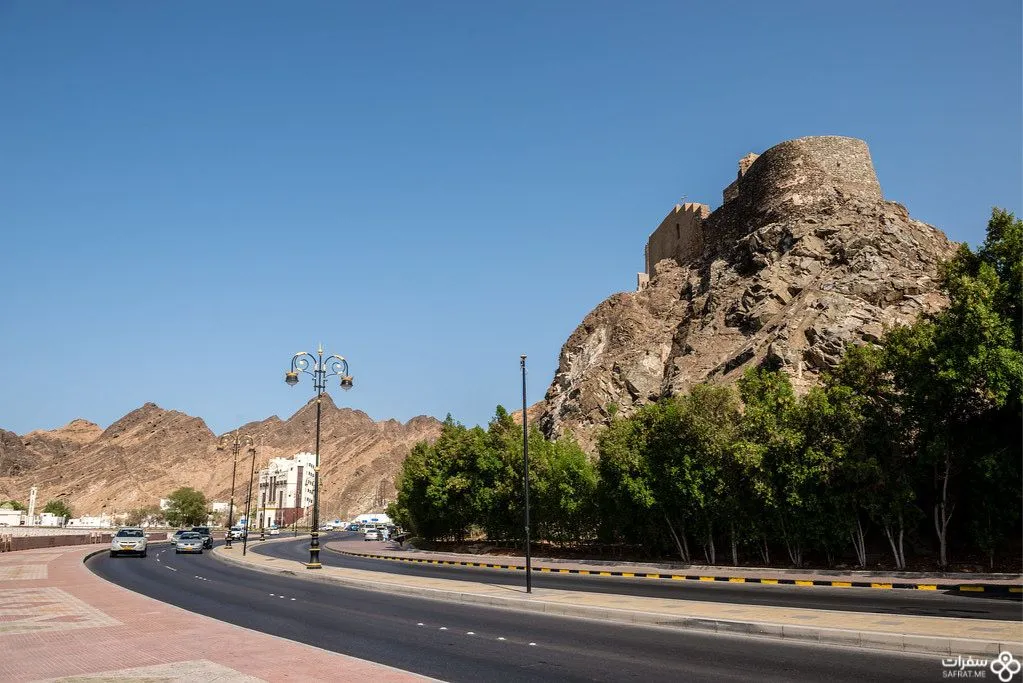
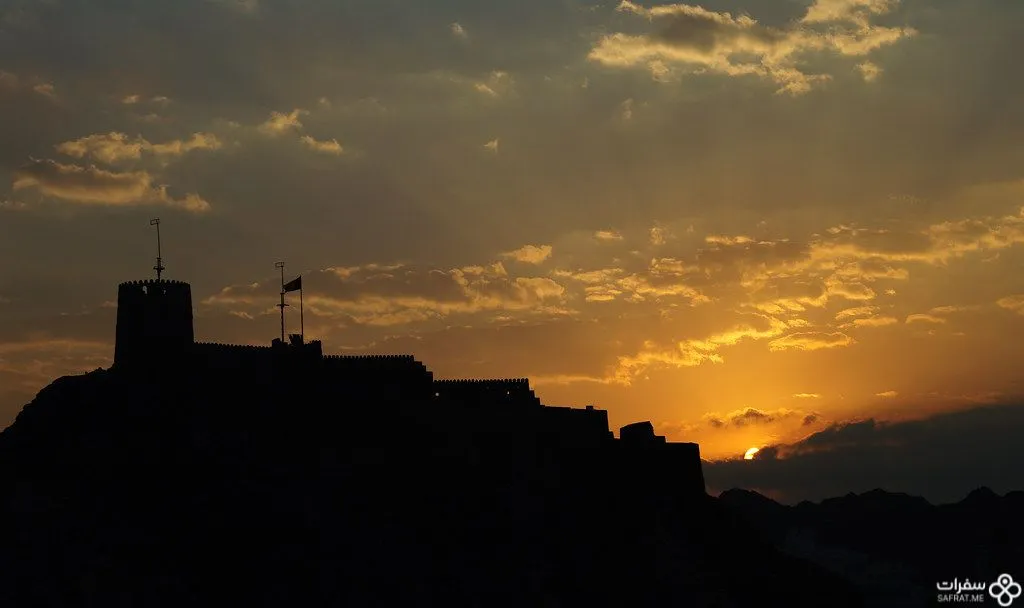
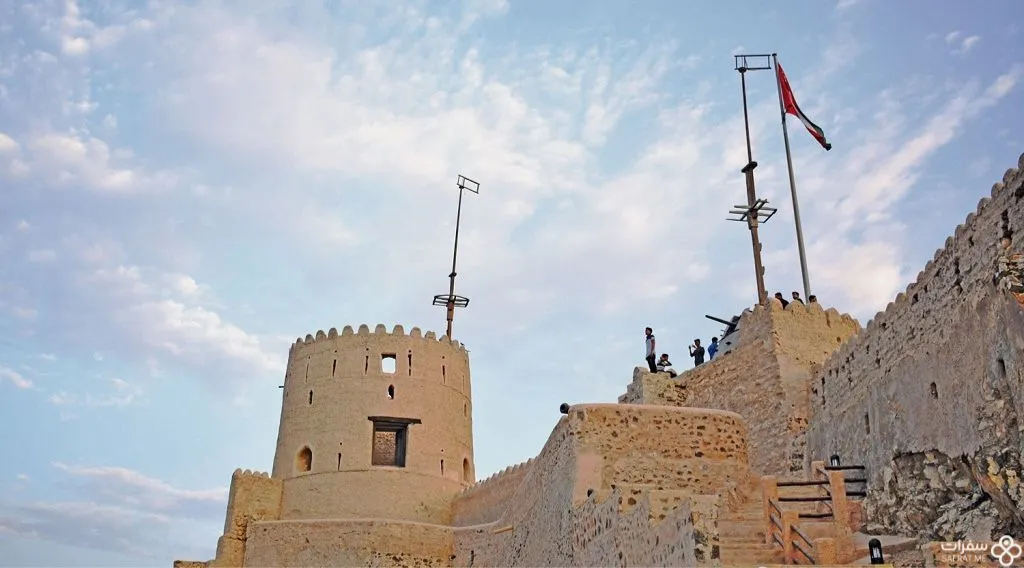
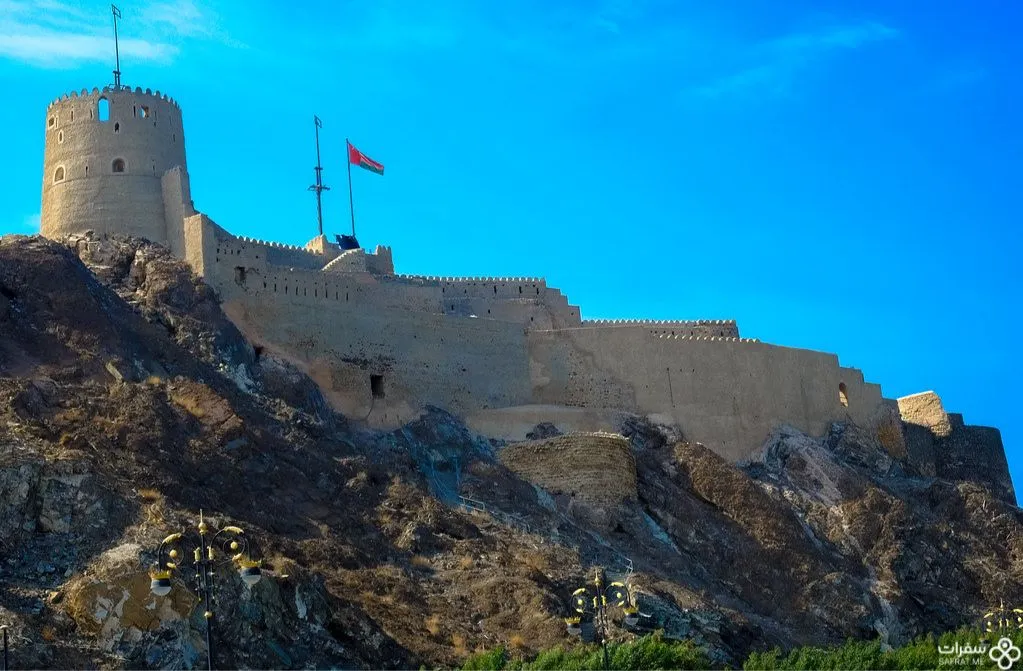
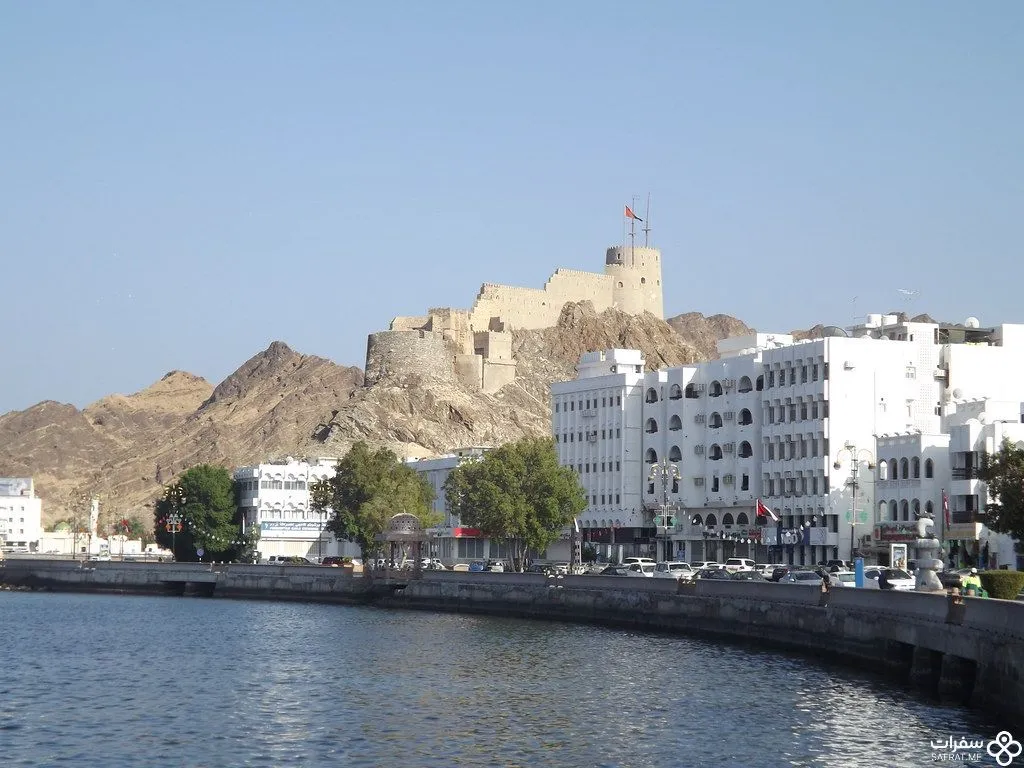
This fort was built by the princes of Hormuz, and it served as a centre of governance and a seat of authority for the Portuguese, the Yarubis, and the Al Busaidi at different periods in time. Sayyid Thuwaini bin Sultan was buried in this fort. Mutrah Fort, which witnessed many pivotal events in Oman’s history, has undergone various restorations throughout the ages that have helped it stand tall in the face of time.
Rustaq Fort
Rustaq Fort is one of the most beautiful historical destinations and holds a special place in the hearts of Omanis. The history of this fort’s construction dates back to ancient times, when the Persians ruled over most regions of the Middle East.
Rustaq Fort is located at the foot of the Hajar Mountains and on the edge of the Batinah Plain. What has made this place a favourite destination for tourists is its setting between a fertile area of picturesque valleys and palm groves.
The antiquity of this historical structure dates back to the Yarubi Imams, as this fort was built on the orders of Imam Nasir bin Murshid in 1634, on the ruins of a tower built by Khosrow Anushirvan, king of the Persians.
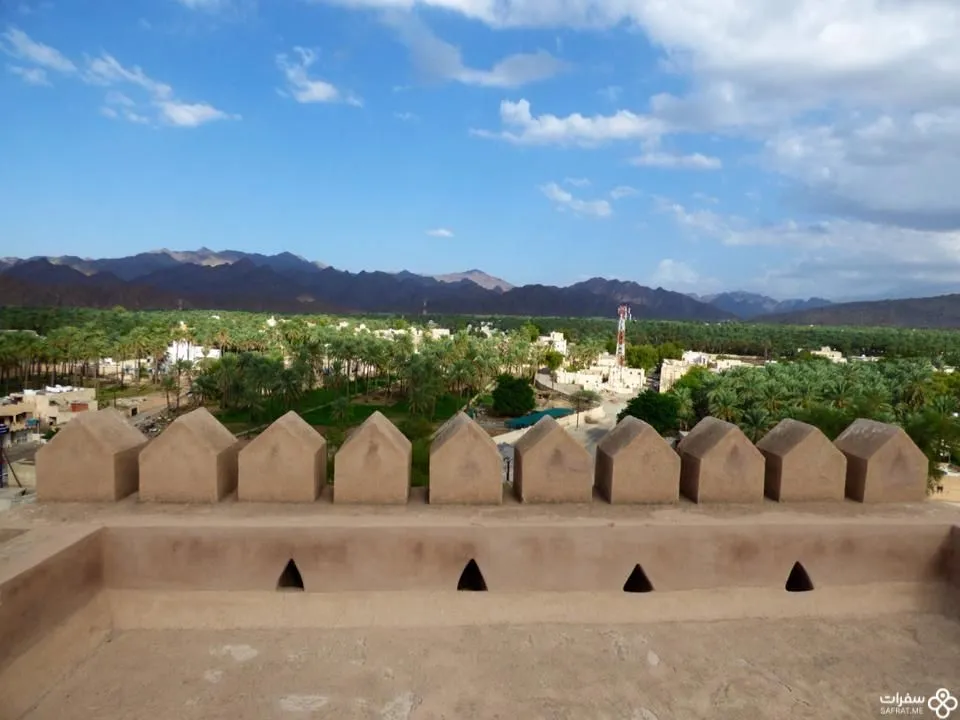
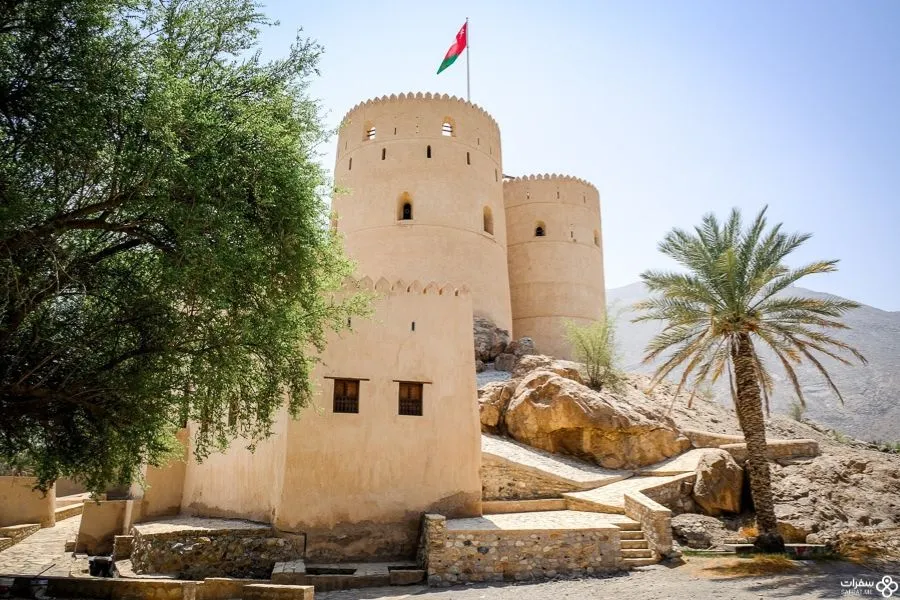
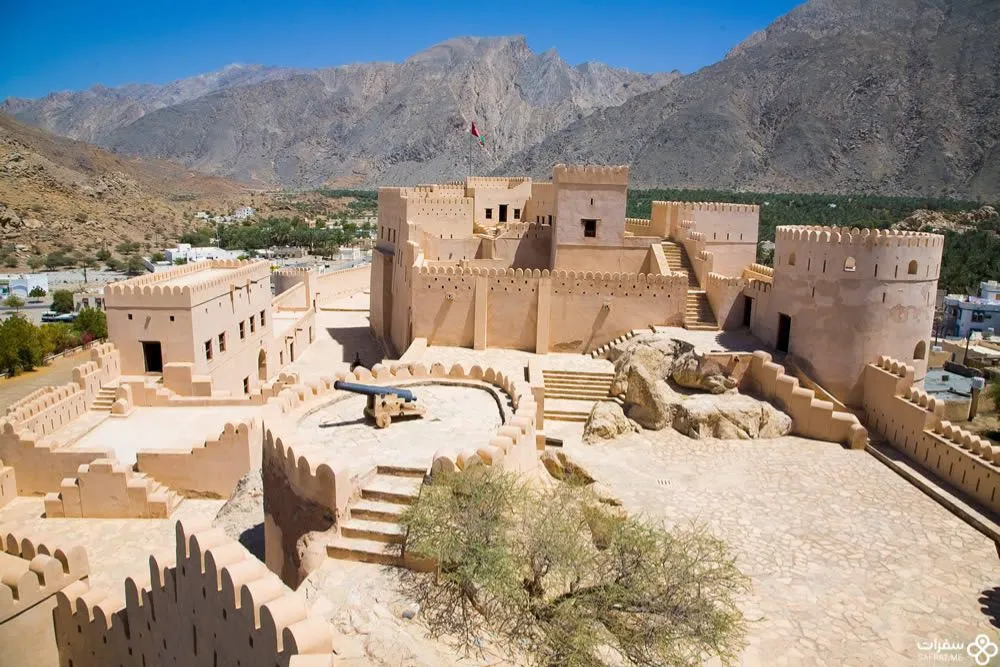
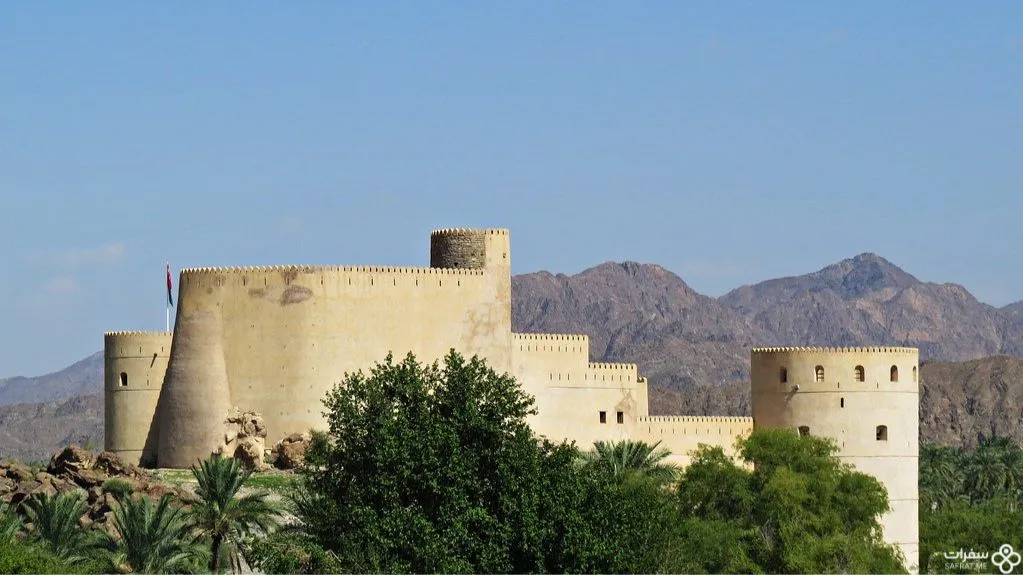
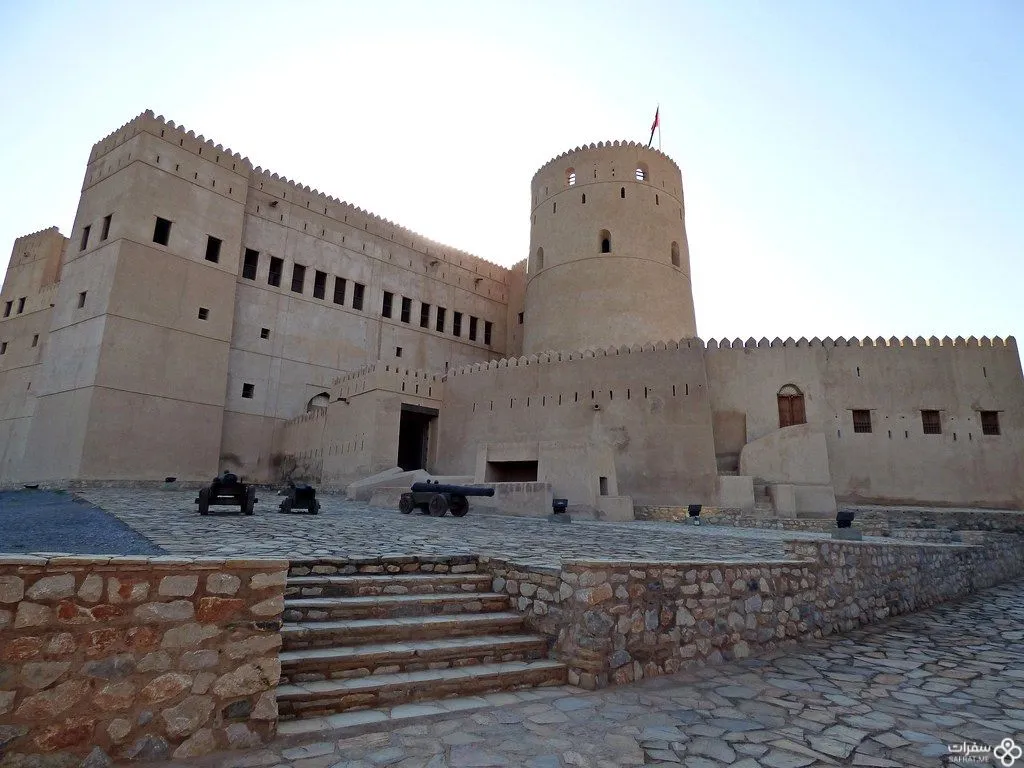
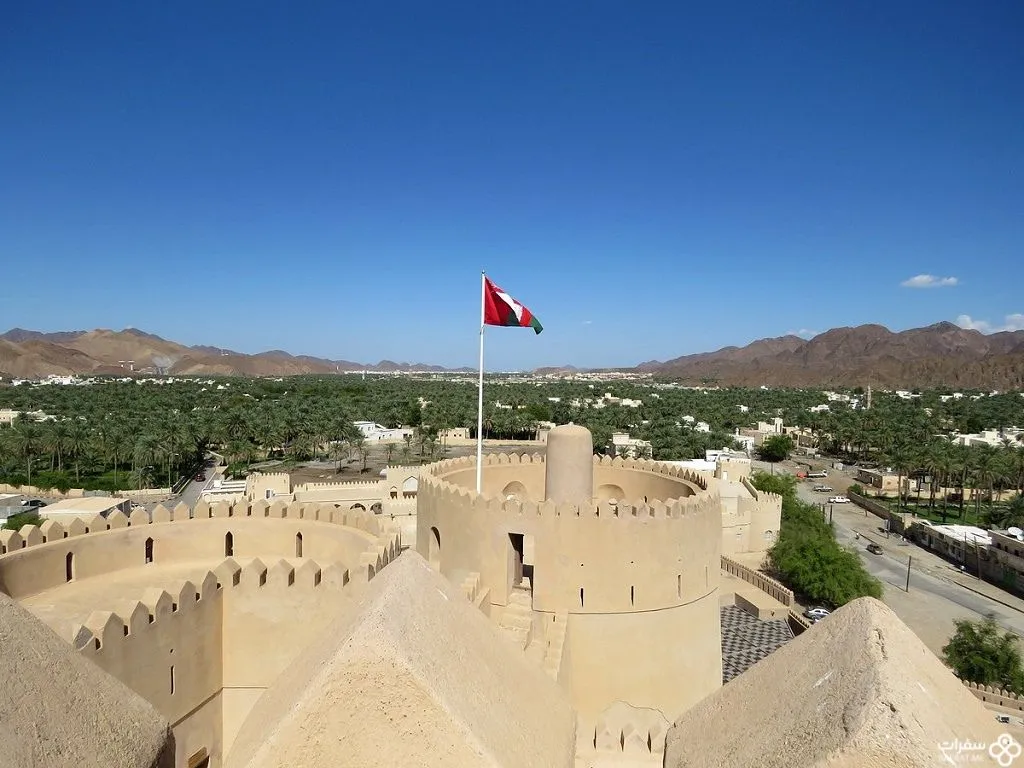
This fort served as the seat of rule for Omani princes at various periods in time. The four towers that adorn this fort, the carved woodwork used in the fort, the beautiful architecture, and the falaj channels designed to irrigate the palm trees are among the finest things to be seen when visiting Rustaq Fort. Imam Nasir and Imam Saif bin Sultan were both buried in this fort.
Al Hazm Fort
Al Hazm Fort is one of the other important forts in Oman. Al Hazm Fort is located in the wilayat of Rustaq, one of the cities of the Batinah Governorate.
This fort was built by Imam Sultan bin Saif al-Yarubi in 1711. Al Hazm Fort was the residence of Prince Sultan bin Saif, and he was also buried in this fort. This fort is one of the finest masterpieces of Islamic architecture.
The wall of Al Hazm Fort stands three metres high, and it has numerous gateways. What distinguishes this fort are the tunnels designed beneath it, which served as secret passageways through which various points of the city could be reached.
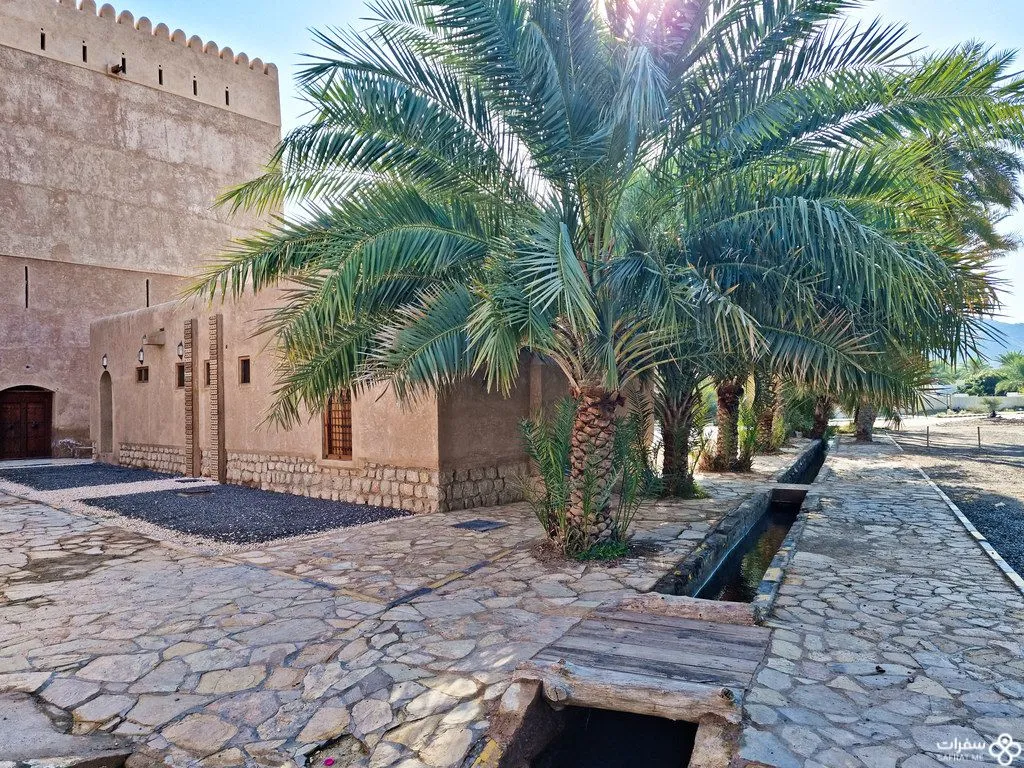
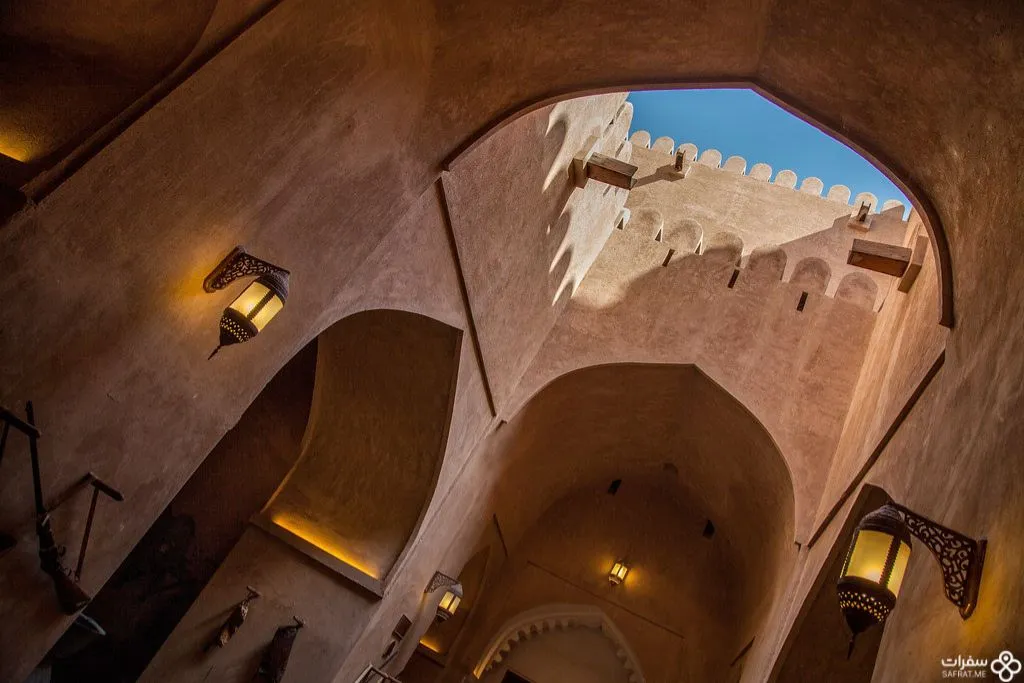
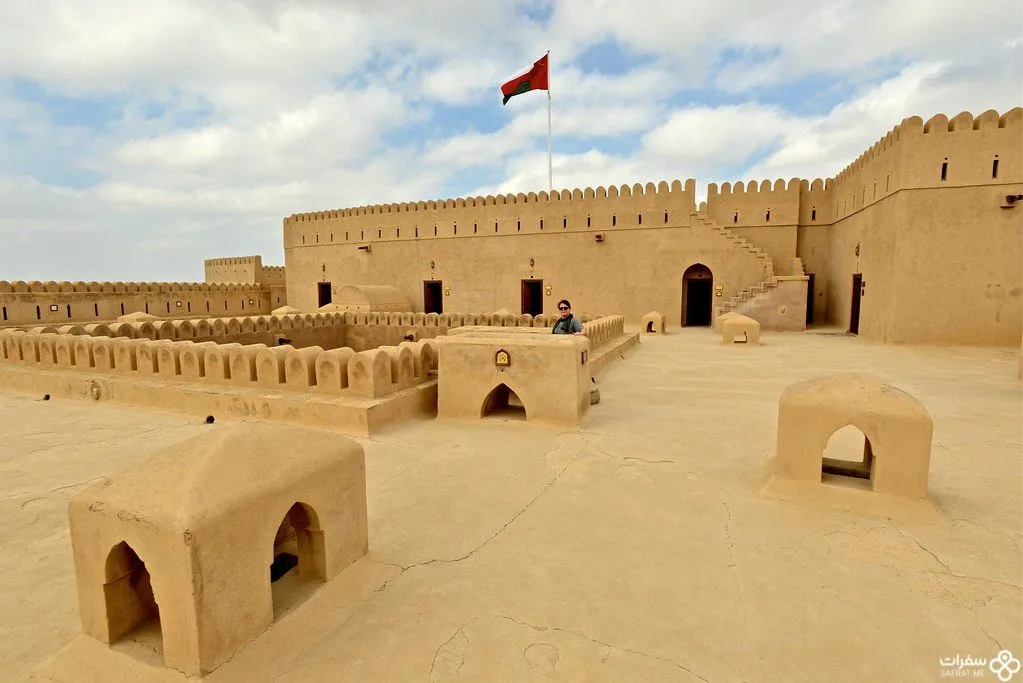
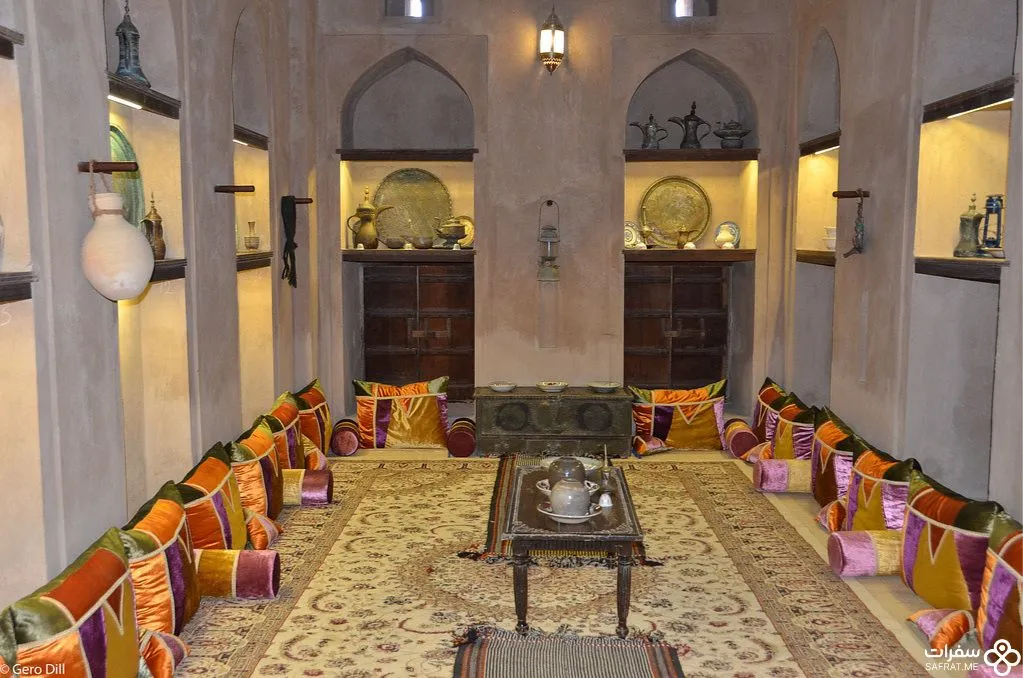
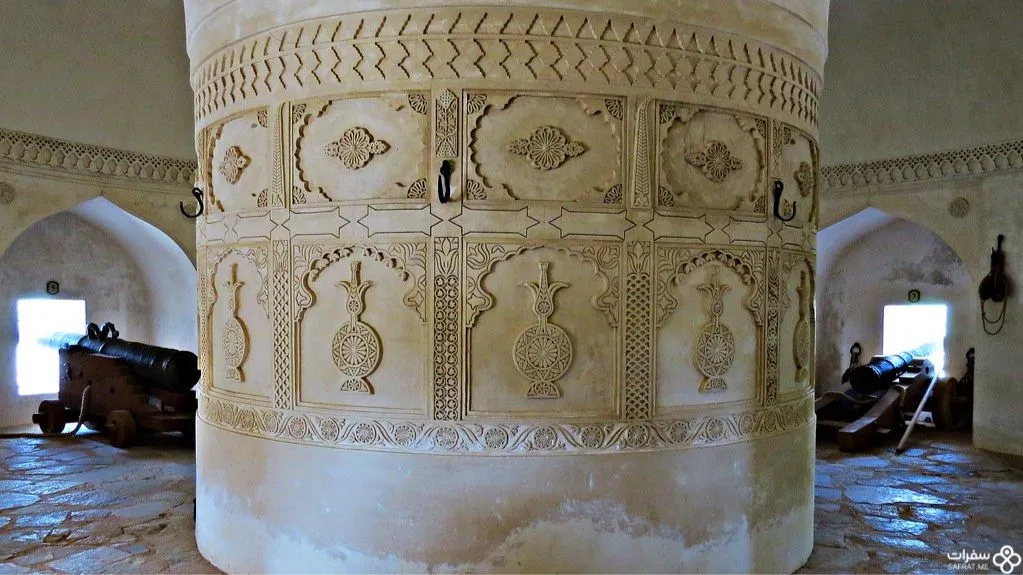
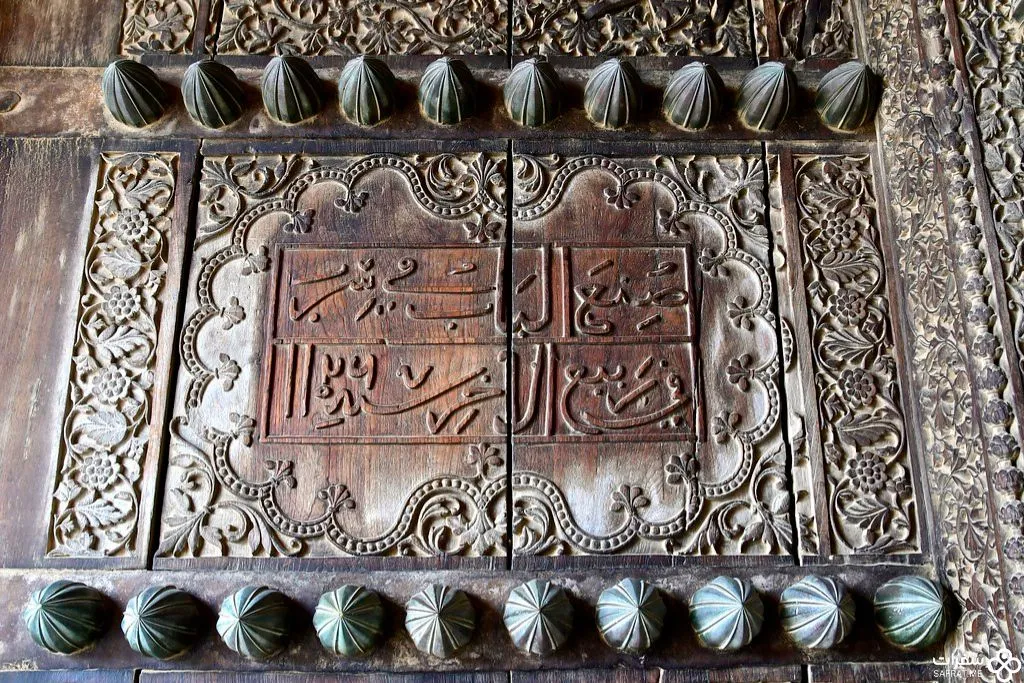
The carved gateway of Al Hazm Fort is one of the finest things to be seen in the fort; it is said to have been transported from the city of Surat to Oman by 13 powerful horses. The various carvings on the fort’s interior walls, as well as the various cannons brought from the United Kingdom, India, Germany, Poland, and the Iberian Peninsula, are the other things that draw the eye at Al Hazm Fort.
Sohar Fort
Sohar Fort is located in the north of the Batinah Governorate, in the city of Sohar.
It is said that the history of this fort’s construction dates back to the thirteenth century AD.
There is a close relationship between the construction of this fort and the location of the city of Sohar, as Sohar was an important trading hub connecting the Red Sea, India, and the Far East.
Sohar Fort was rebuilt in 1621 by a Portuguese architect.
A museum was opened in 1993 displaying numerous archaeological artefacts and panels that recount the history of the city of Sohar and its neighbouring cities.
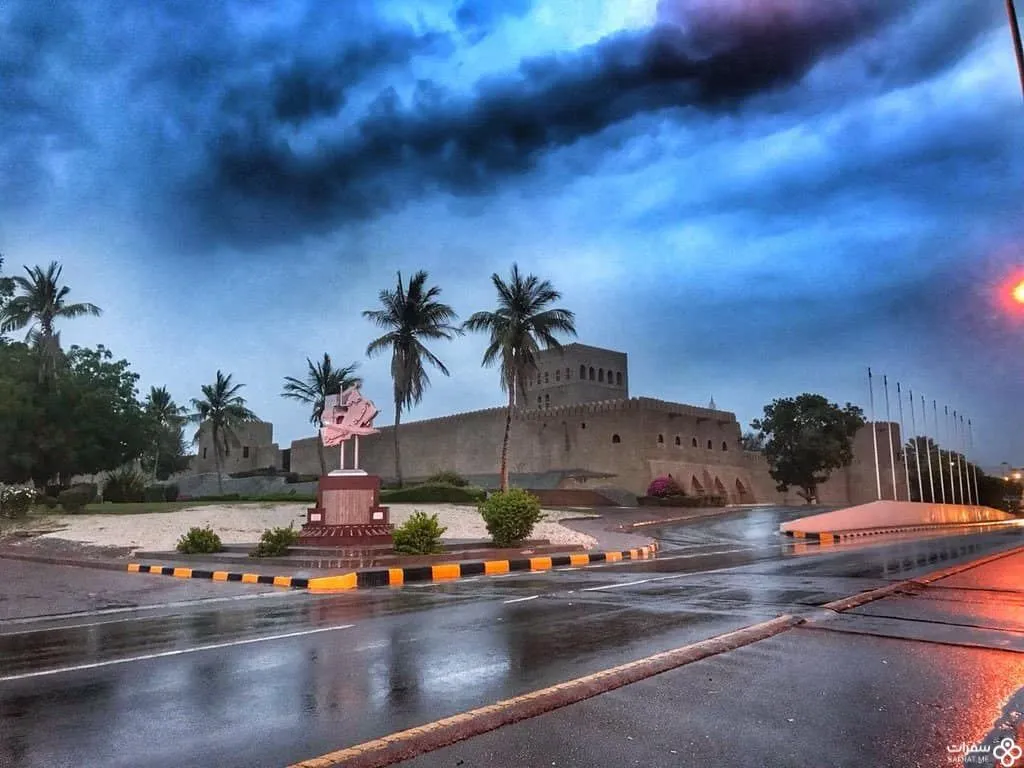
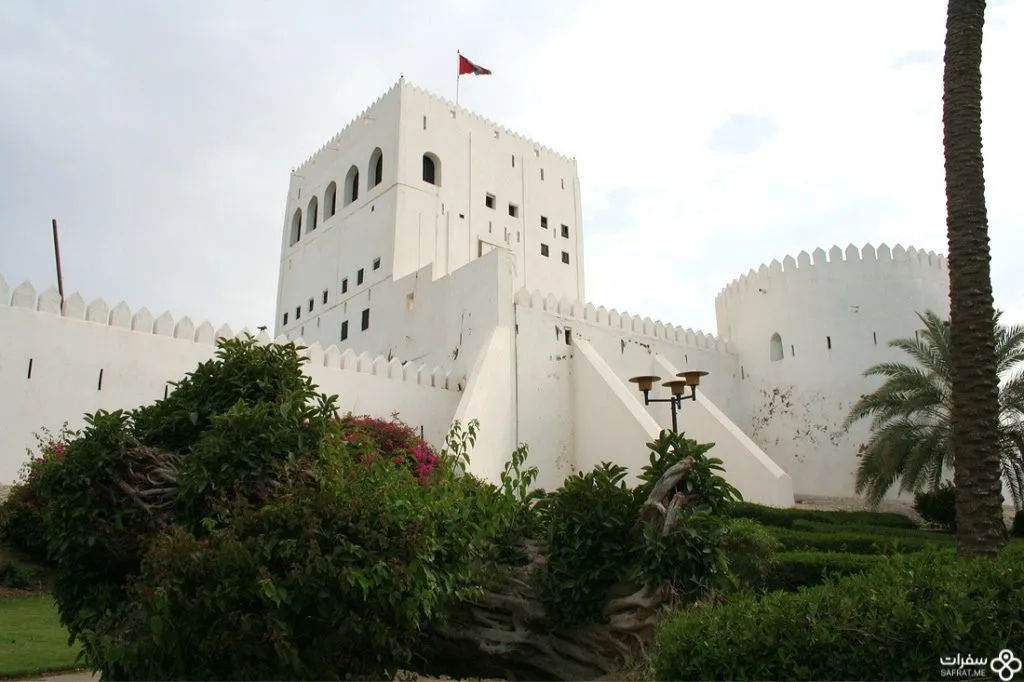
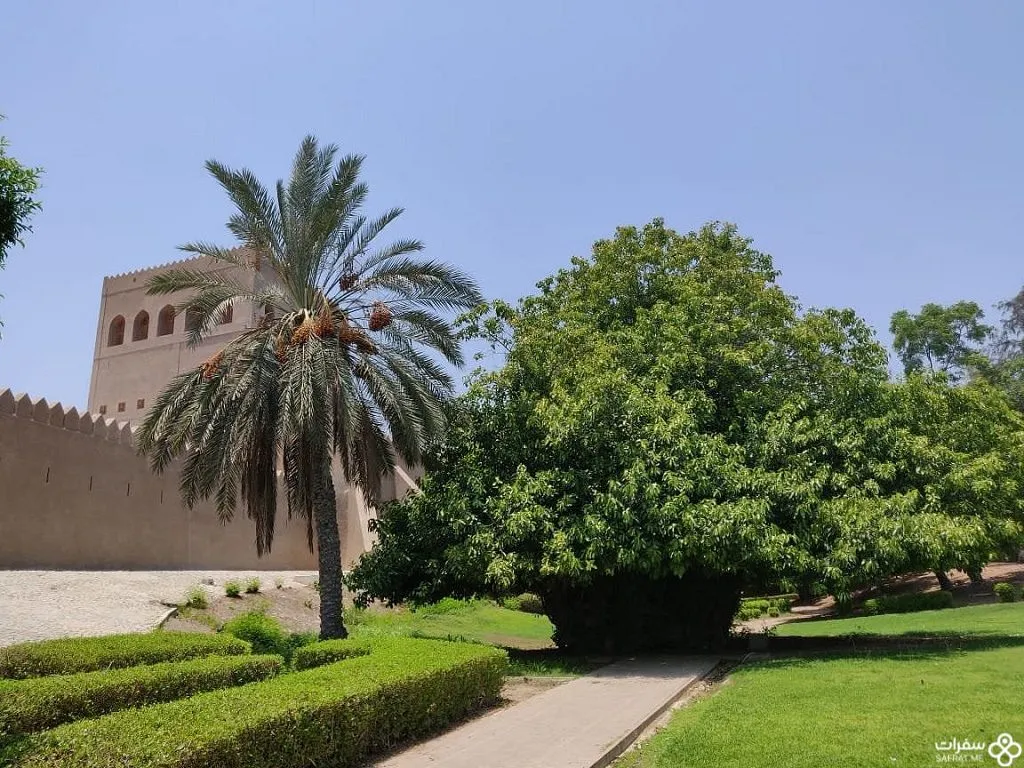
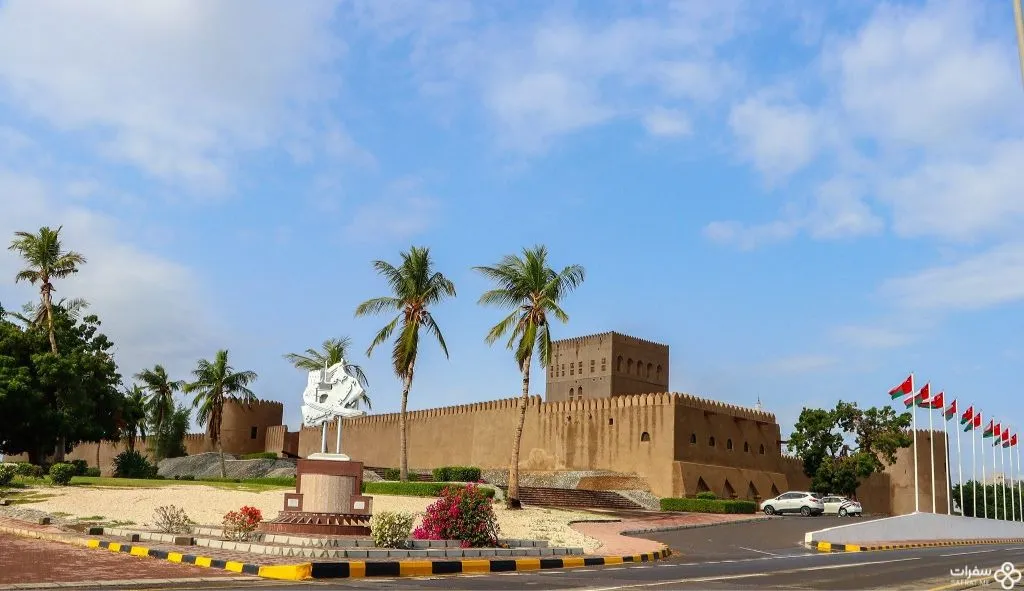
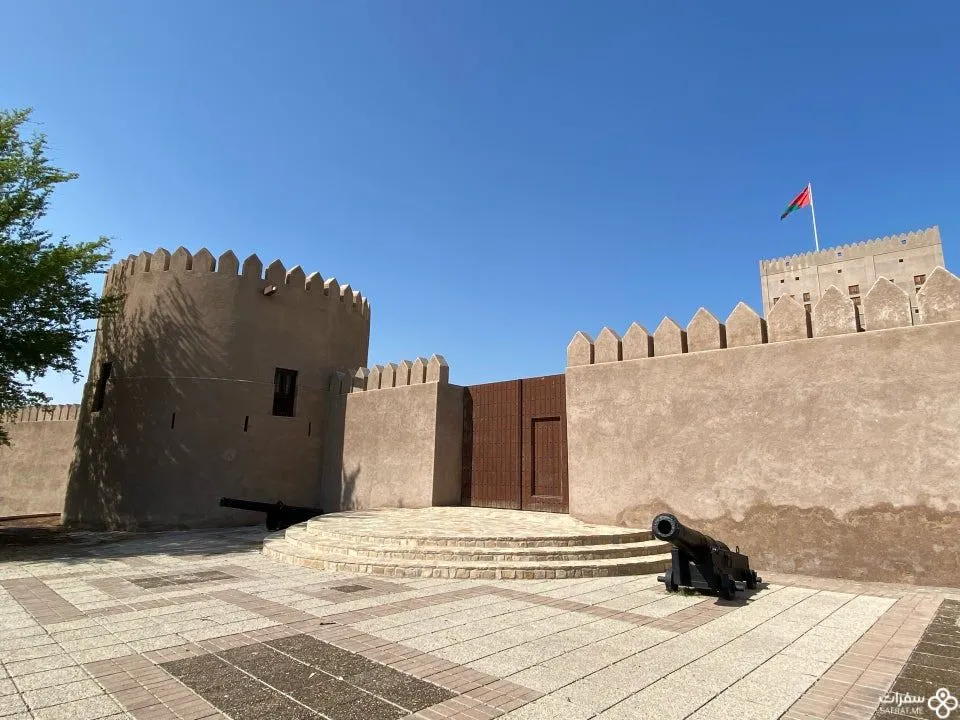
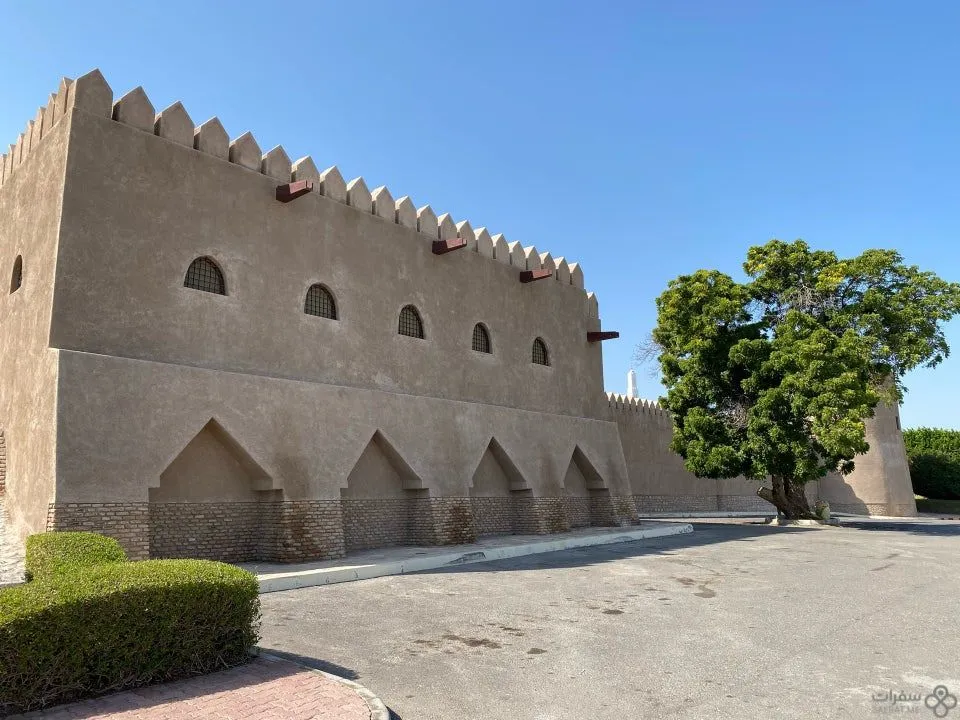
This fort was built by the princes of Hormuz, and it served as a centre of governance and a seat of authority for the Portuguese, the Yarubis, and the Al Busaidi at different periods in time. Sayyid Thuwaini bin Sultan was buried in this fort. Sohar Fort, which witnessed many pivotal events in Oman’s history, has undergone various restorations throughout the ages that have helped it stand tall in the face of time.
Jalali and Mirani Forts
Jalali and Mirani Forts are the twin symbols of the city of Muscat. These two forts are located in the north-east of the city of Muscat. Although it is not possible to enter the two forts, they remain among the most prominent destinations for many tourists.
Jalali and Mirani Forts were built by the Portuguese in 1588. Over time, Mirani and Jalali Forts were used for various purposes, including as a prison, military barracks, and a residence for soldiers and princes.
The two forts were built on a rocky outcrop overlooking the edge of the coastline, and there is no way to reach them except via a small bridge that leads to one of the strongholds.
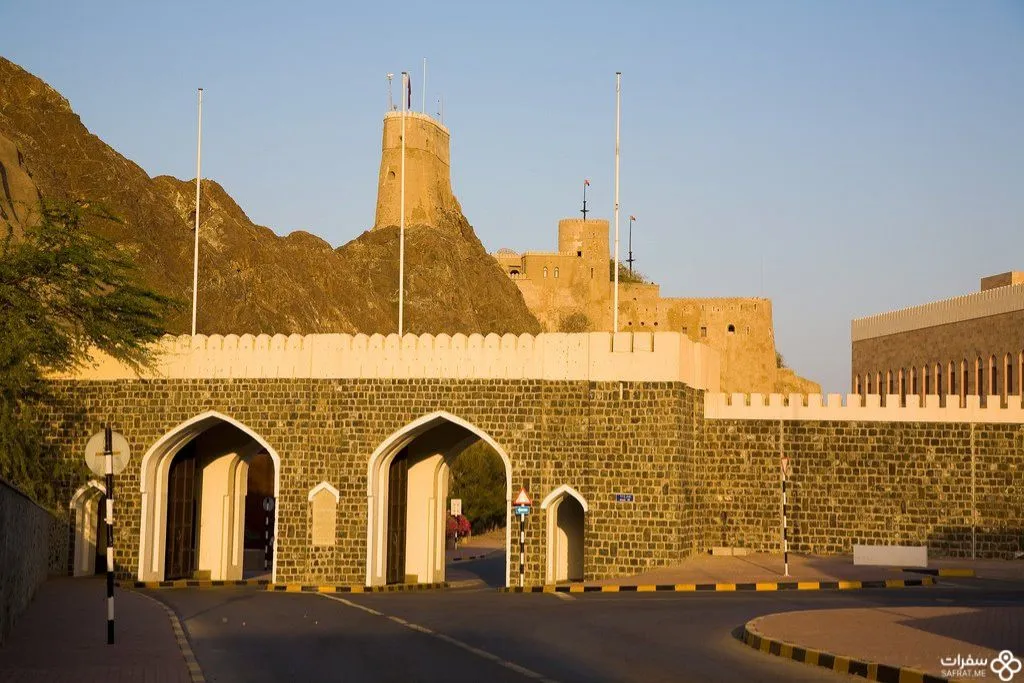
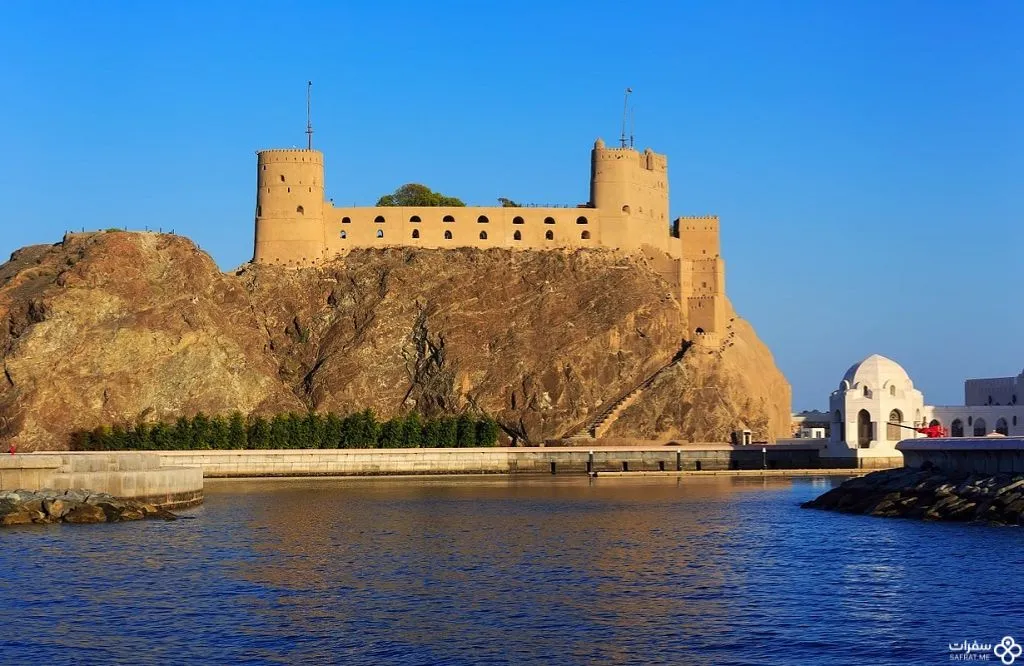
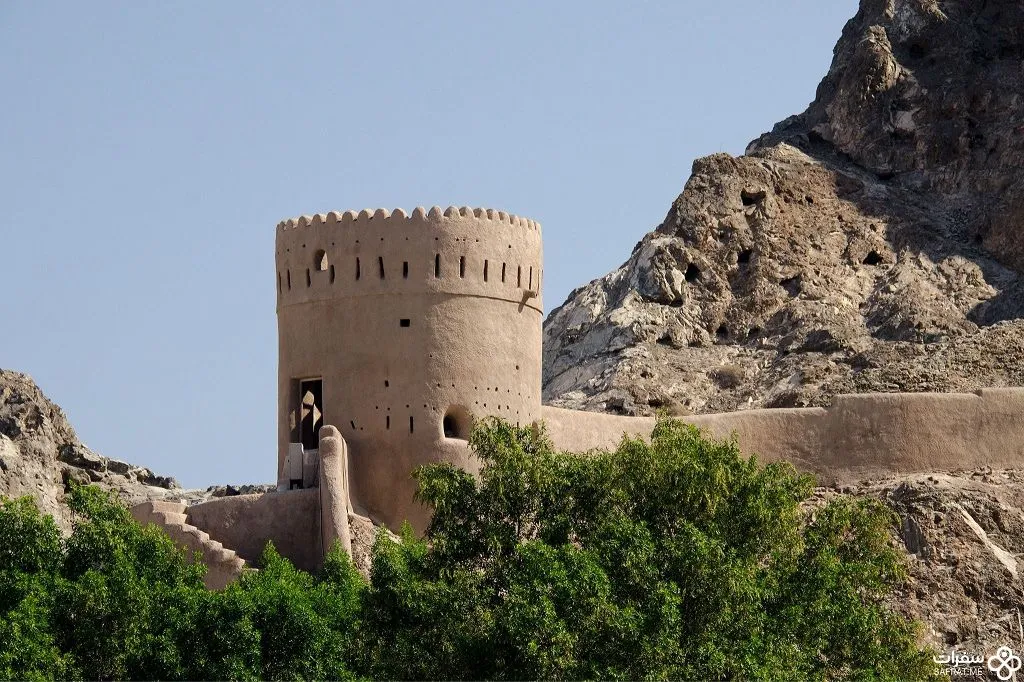
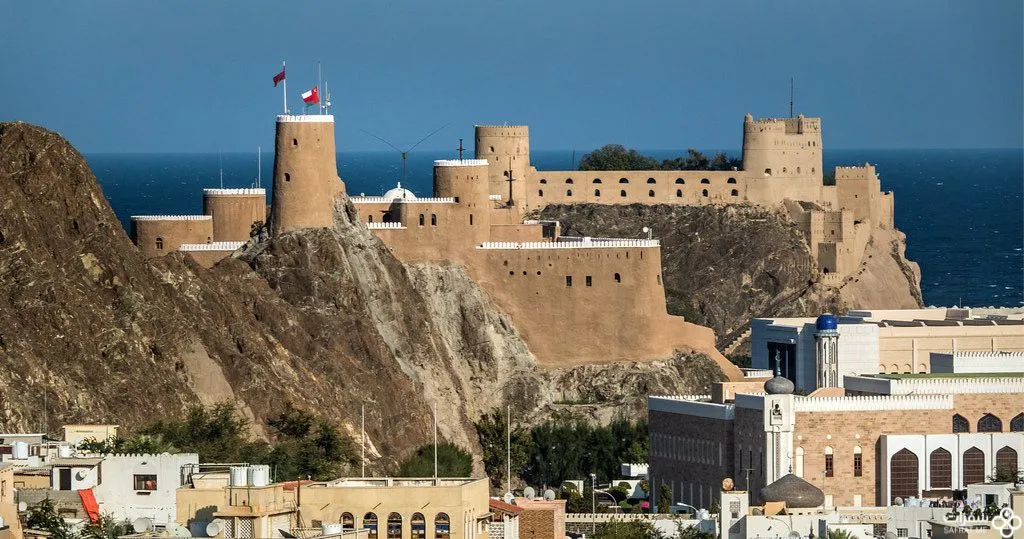
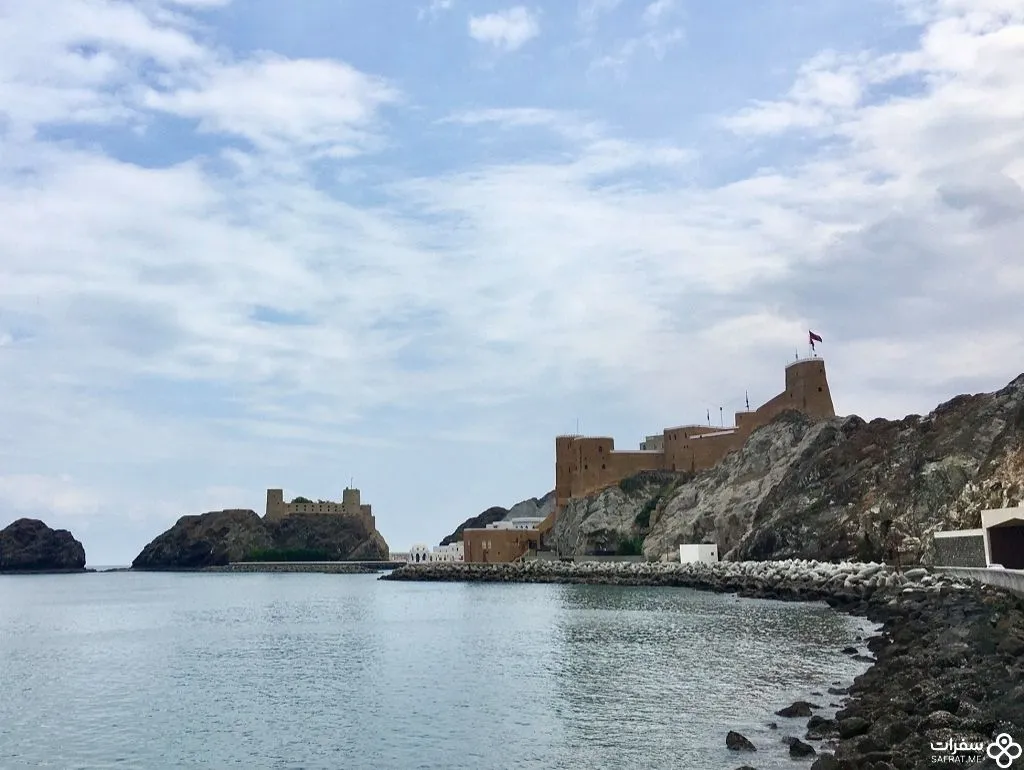
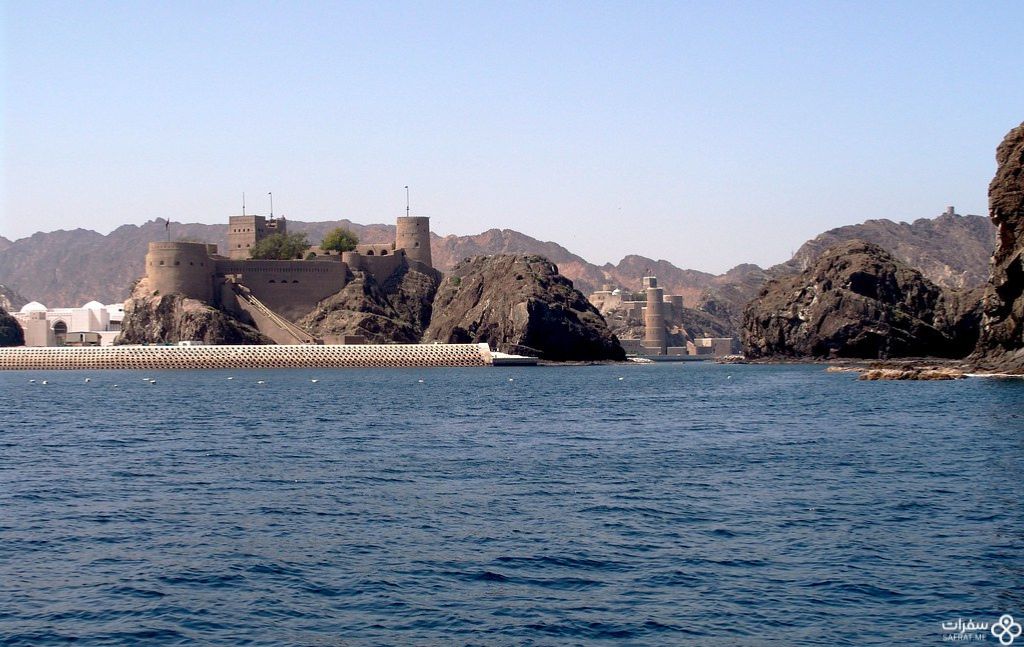
Because the two forts are located close to one another, and because of the rhyme shared between their names, the names of the two forts are always mentioned together. Watching the sunset and standing near the two forts and taking photographs makes one feel the value of time and life, as the two forts speak of the passing of time in the blink of an eye.
Because of the prominent and strategic role played by Oman’s castles and forts in preserving this country, many of those forts were built in past centuries. I have tried to point to the most beautiful and important of them in this article, those that are worthy of a visit and of being seen up close. Khasab Fort, Nakhal Fort, Al Hillah Fort, Al Muntirib Fort, and Jabrin Fort are among the other forts that can be visited in the Sultanate of Oman.
For more official information about the Sultanate’s landmarks, you can refer to the website of the Ministry of Heritage and Tourism of the Sultanate of Oman.