
Iran is a lost paradise. There are beautiful and diverse things in Iran that have created immense splendour, from historical monuments dating back to the Old Stone Age to natural phenomena and breathtaking beauty that have multiplied the charm of this corner of the earth. In this article, I would like to introduce you to the most beautiful natural landmarks that have added to Iran’s beauty. Iran has different climates across its various seasons due to its distinctive geographical location; some regions of Iran are mountainous, some are hot and humid, some are hot and dry, and some overlook the sea, all of which has contributed to the diversity of nature in Iran.
Iran’s Mountains and Their Beauty
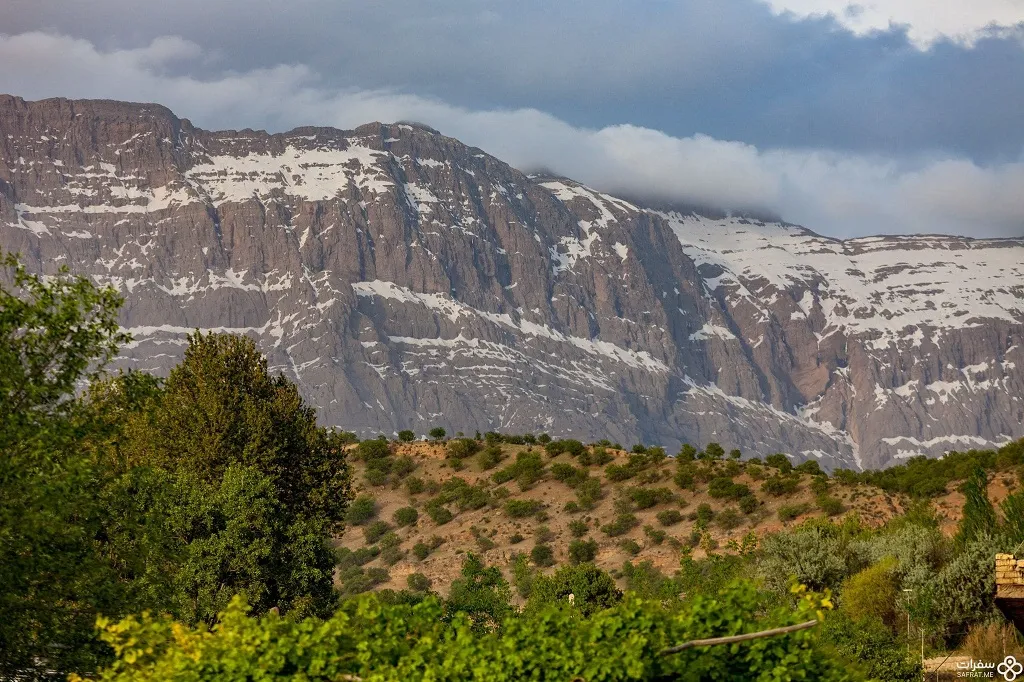
The abundance of towering mountains in Iran has played an important and decisive role in the diversity of its climate. Iran’s mountains are varied: some are suitable for climbing and sport, some have lush green scenery and vibrant trees, and some are located in cities with hot climates in Iran.
The Zagros and Alborz mountain ranges are among Iran’s mountain chains. Climbing the Zagros Mountains creates unparalleled experiences for people, allowing them to become acquainted with the flora and fauna unique to these mountains.
Seeing the beauty of oak trees, watching eagles and listening to their magnificent calls, and experiencing life for a few days with nomadic tribes are among the most wonderful experiences you can have while climbing the Zagros Mountains.
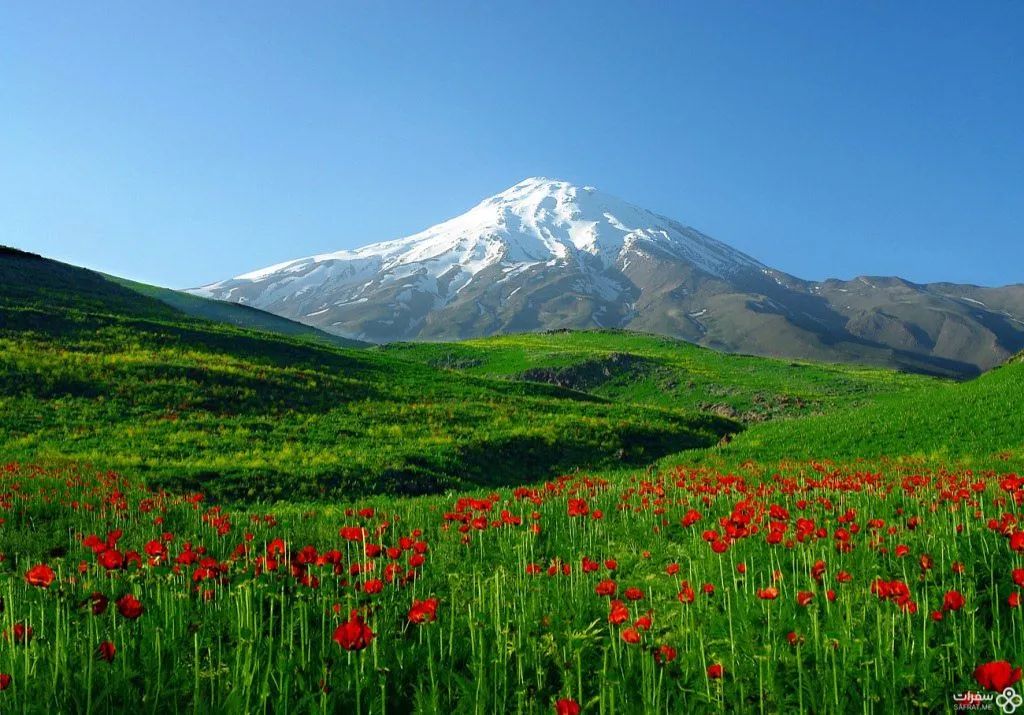
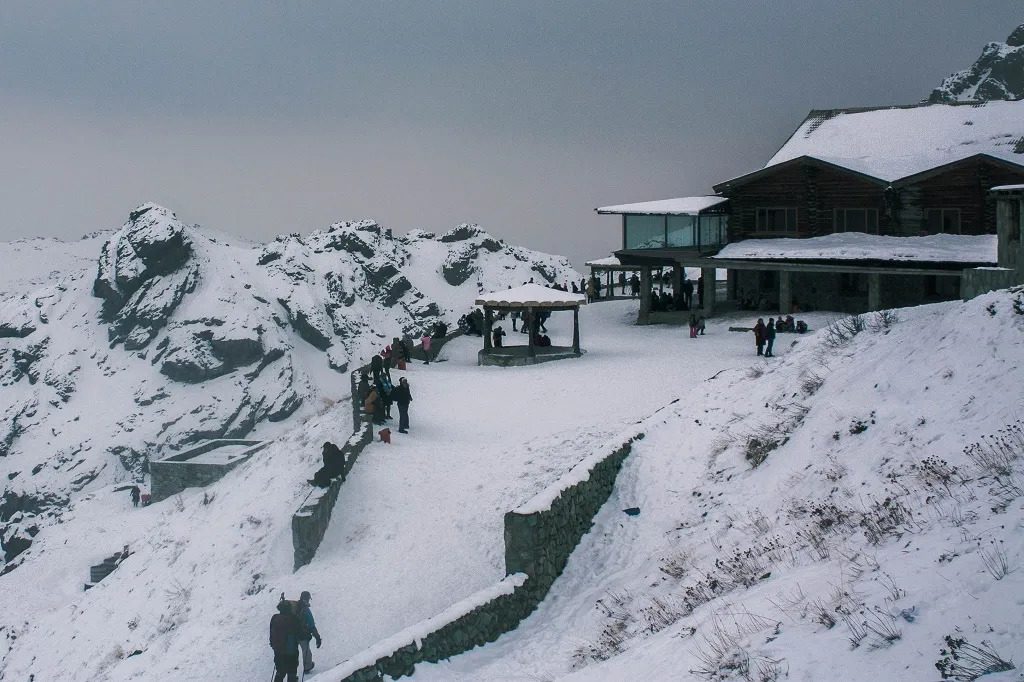
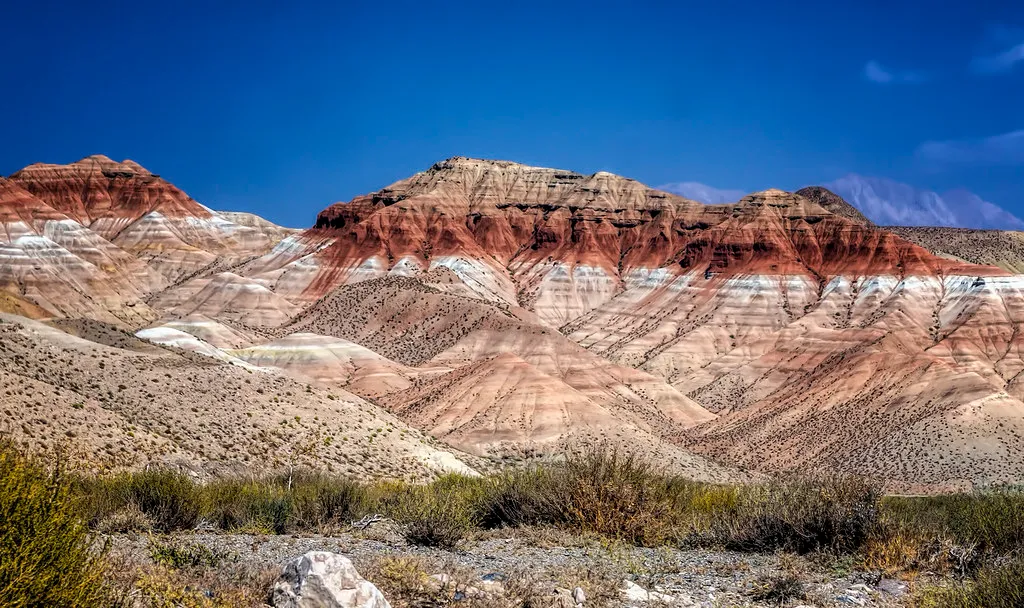
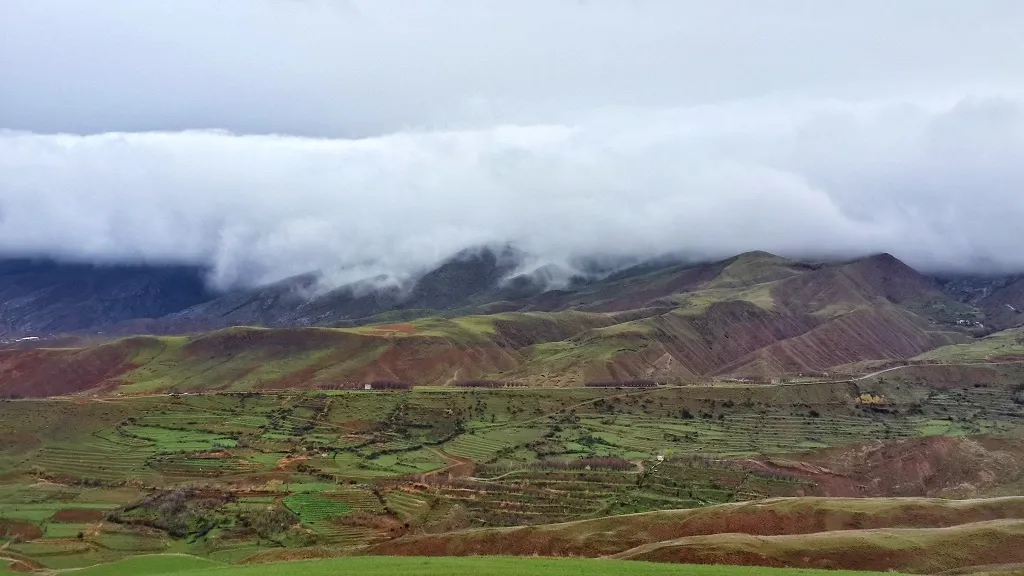
Iran’s Most Famous Mountains
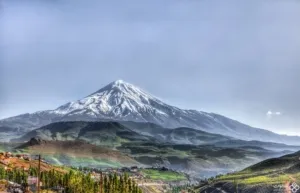
1. Mount Damavand
Mount Damavand has the highest peak in Iran, and climbing this mountain is recommended for those who are serious enthusiasts of mountaineering.
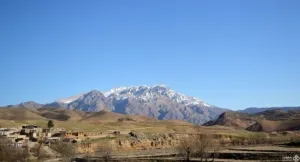
2. Mount Dena
Climbing this mountain is recommended for nature lovers and those who appreciate stunning scenery, where camping and watching nomads are enjoyable activities, and climbing is also recommended.
Iran’s Seas and Their Unparalleled Beauty
The experience of travelling to Iran’s seas is one of the most enjoyable experiences for tourists. What multiplies the beauty of Iran’s coastal destinations is that they can be visited in different seasons of the year. Summer is the best time to visit the Caspian Sea in northern Iran, while winter and autumn are the best times to visit the Persian Gulf and the Sea of Oman.
1. The Caspian Sea, or the Khazar Sea
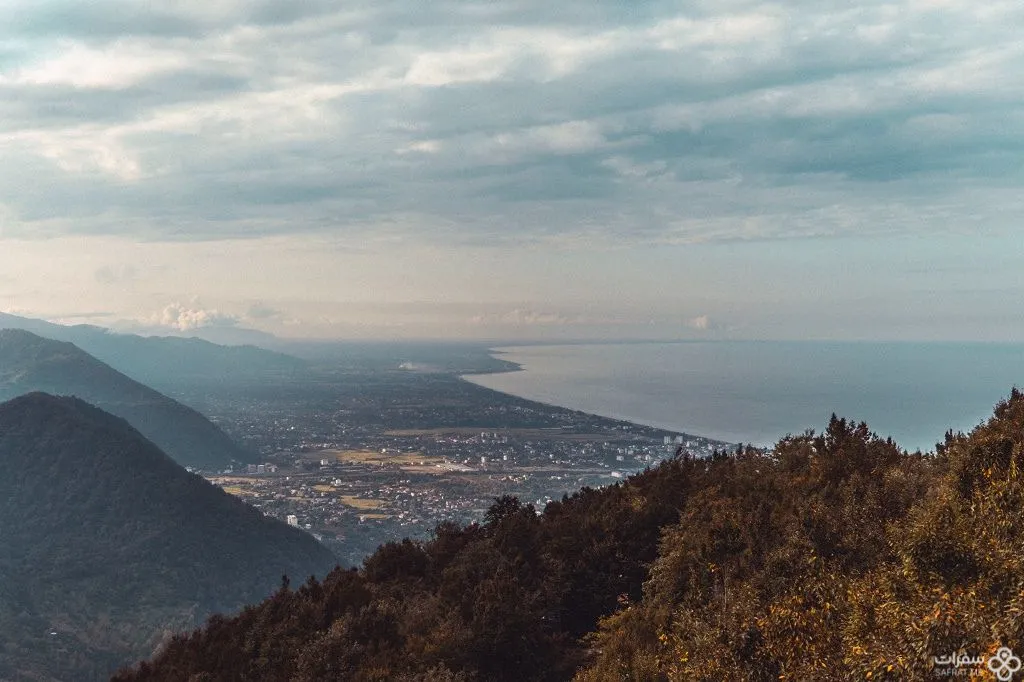
The provinces of Gilan, Mazandaran, and Golestan overlook this beautiful sea. When you travel to northern Iran, you feel as though you have journeyed to a fantasy destination… with its pleasant weather, green forests, and shells washed ashore by the waves… Swimming in the sea and fishing are among the most wonderful activities you can experience at the Caspian Sea.
2. The Persian Gulf
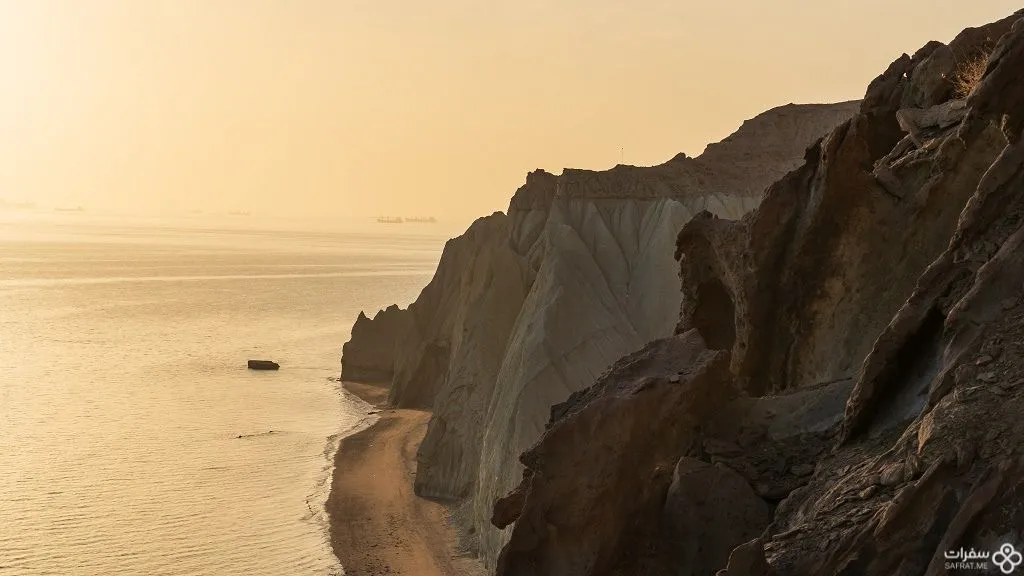
The provinces of Khuzestan, Bushehr, and Hormozgan are among the provinces overlooking the Persian Gulf. Shopping at the ports and experiencing the rural life with its distinctive traditions of the southern people are among the pleasures of travelling to the Gulf and the coastal cities of the south, as there is also the delicious southern cuisine and the rituals of local dances and songs.
3. The Sea of Oman
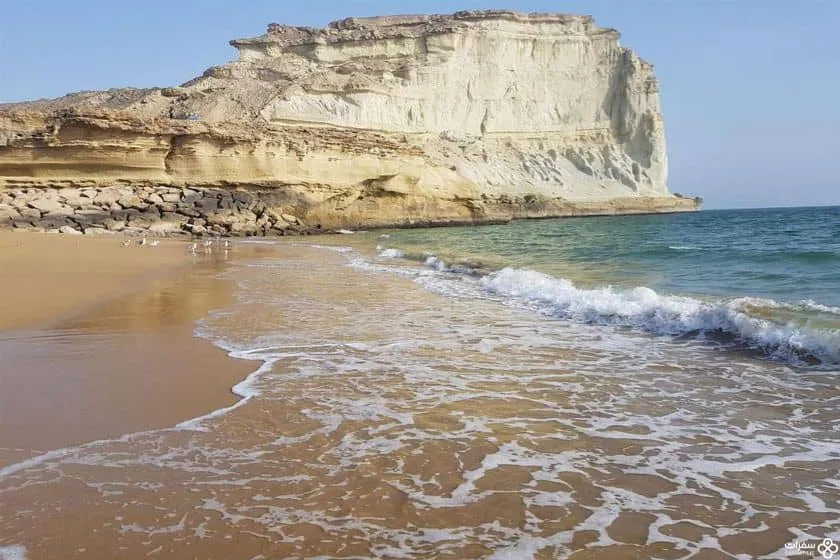
The province of Sistan and Baluchestan and part of Hormozgan province overlook the Sea of Oman. Shopping in traditional markets, tasting traditional foods, and fishing are among the most wonderful experiences you can have on the shores of the Sea of Oman.
Iran’s Forests
Due to the diversity of Iran’s climate, Iran’s forests also come in different types: some are green with stunning and pleasant scenery throughout most seasons of the year, and some are mountainous forests located in the central provinces of Iran. Below we present the most important forests in Iran that are recommended for nature lovers to visit.
1. The Forests of Northern Iran
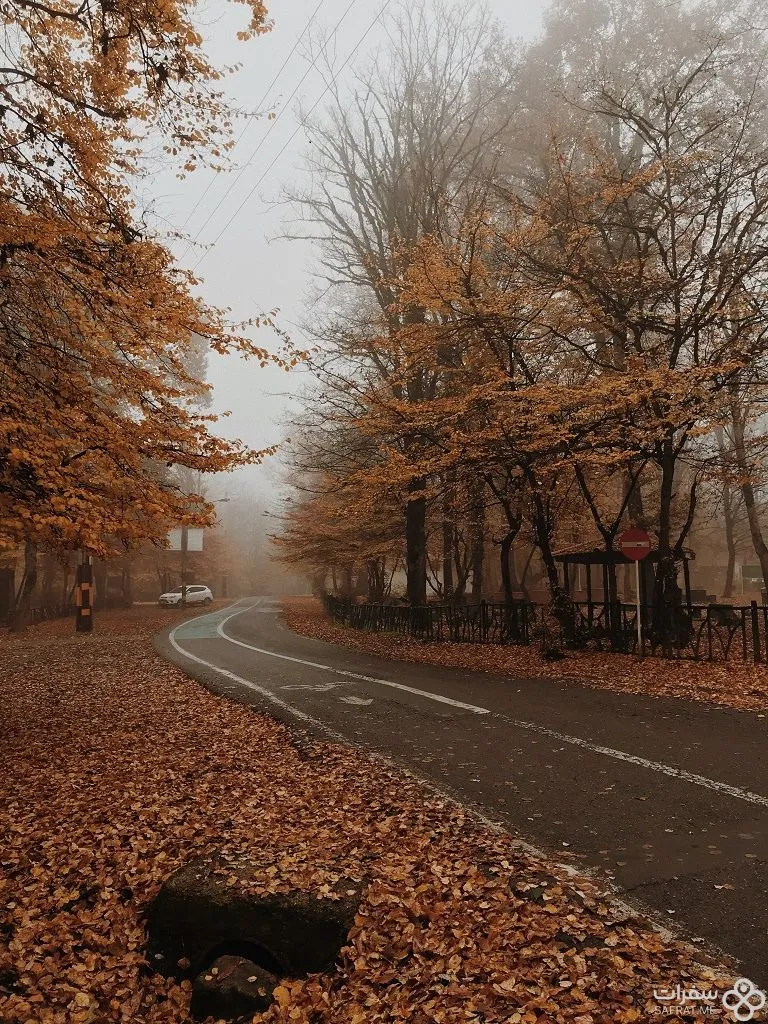
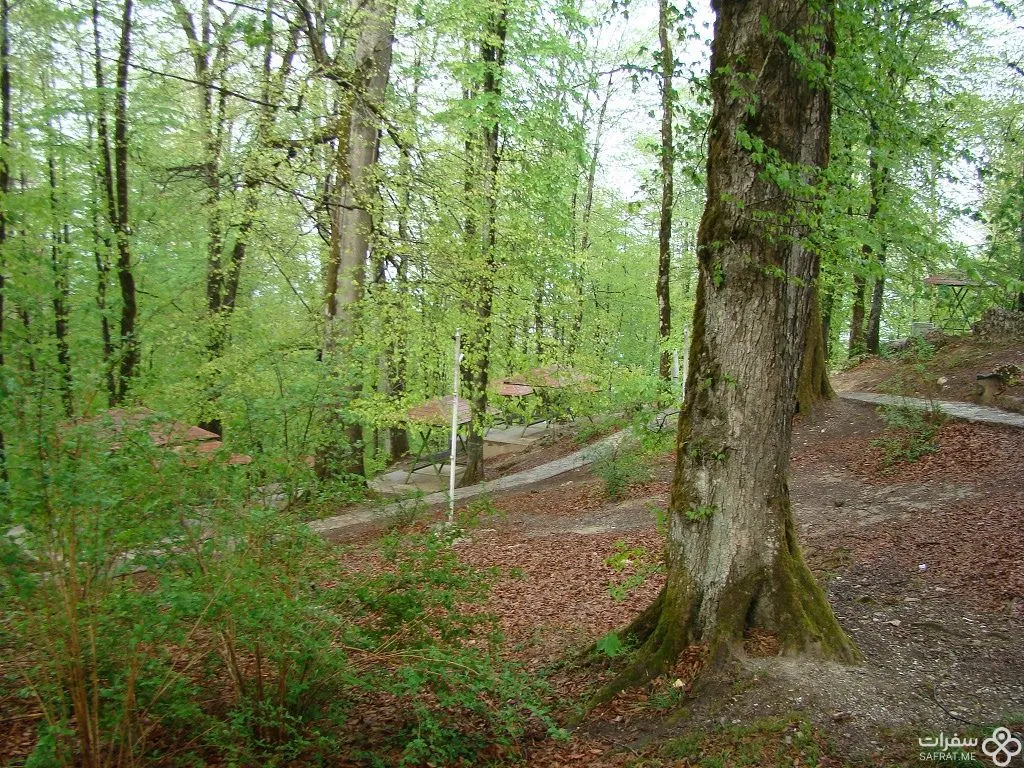
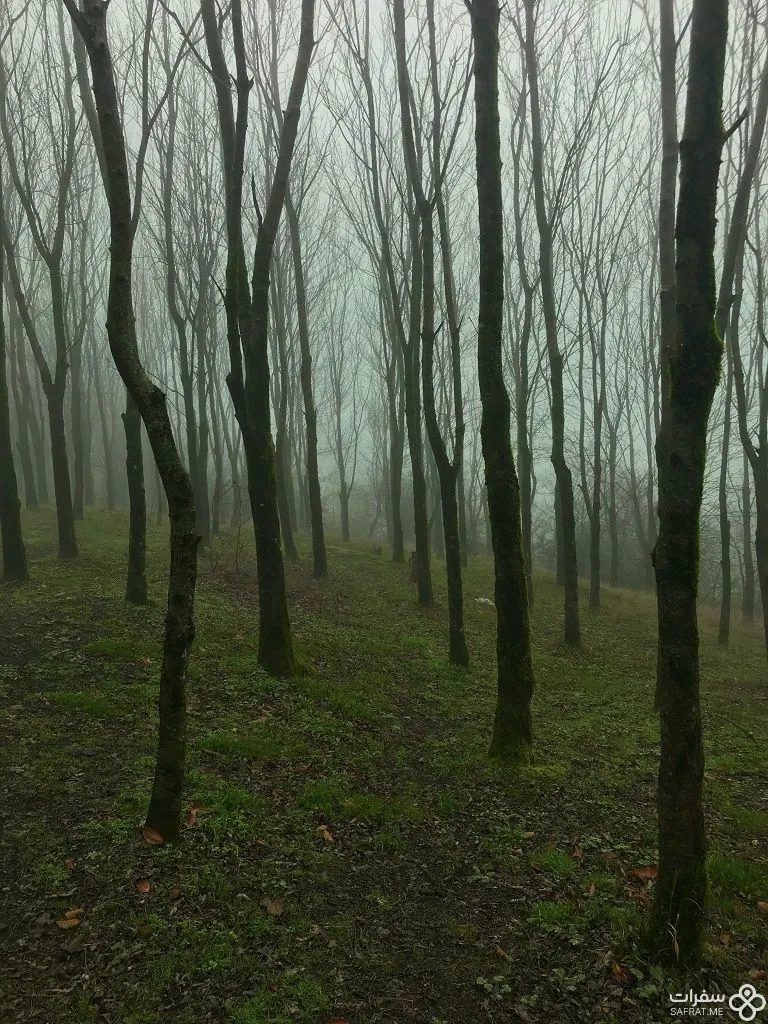
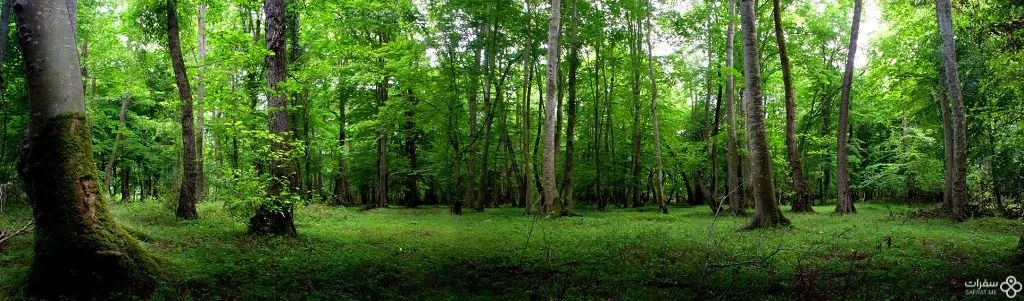
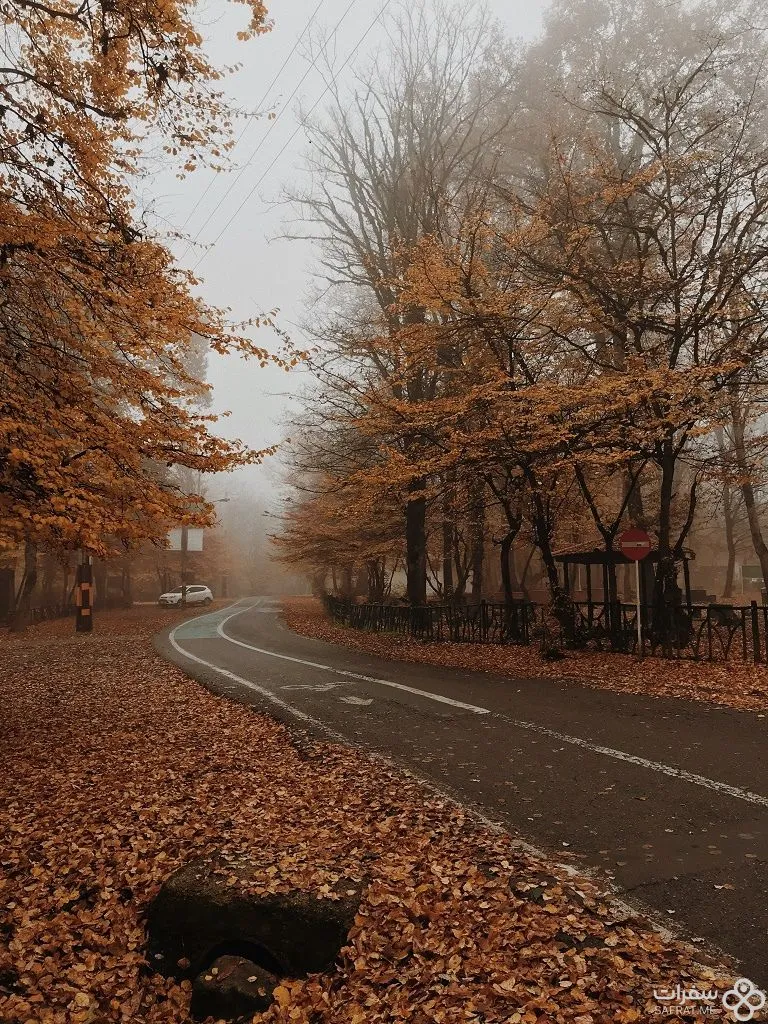
Iran is famous for its green forests in the northern region, which are distinguished by two features: their proximity to the sea and their pleasant, refreshing climate. The weather in the northern cities becomes magical in winter, when gentle rains fall and fog covers most of those cities, which are surrounded by tall, green mountains.
How wonderful it is to drink tea brewed in a traditional charcoal samovar in that magnificent weather, on the balconies of old houses overlooking the breathtaking nature.
2. Iran’s Central Forests and the Forests of the Zagros Foothills
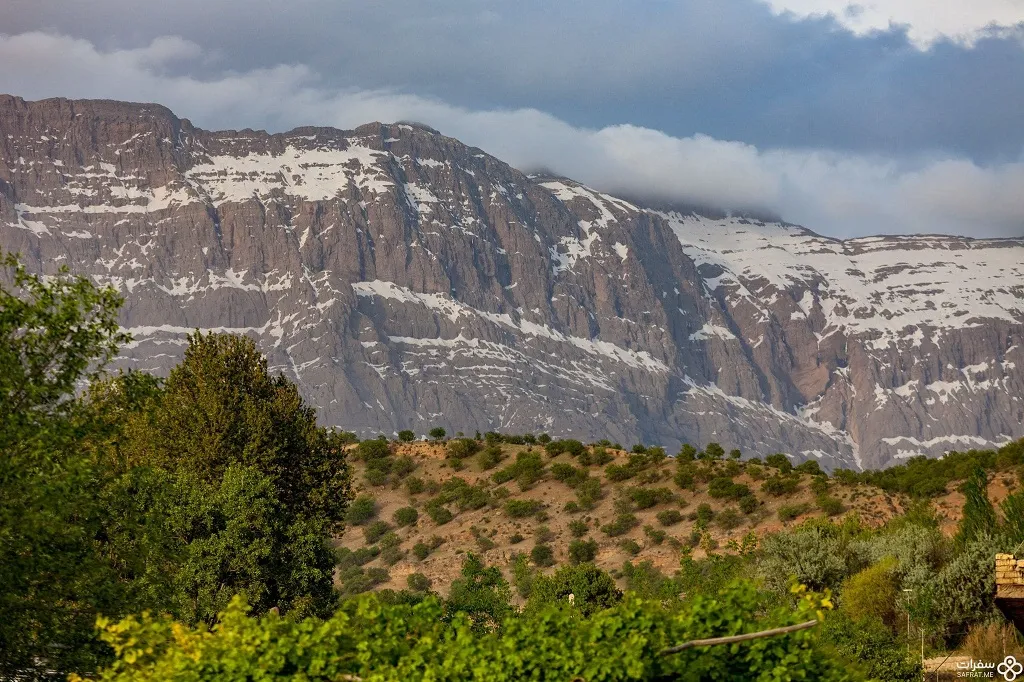
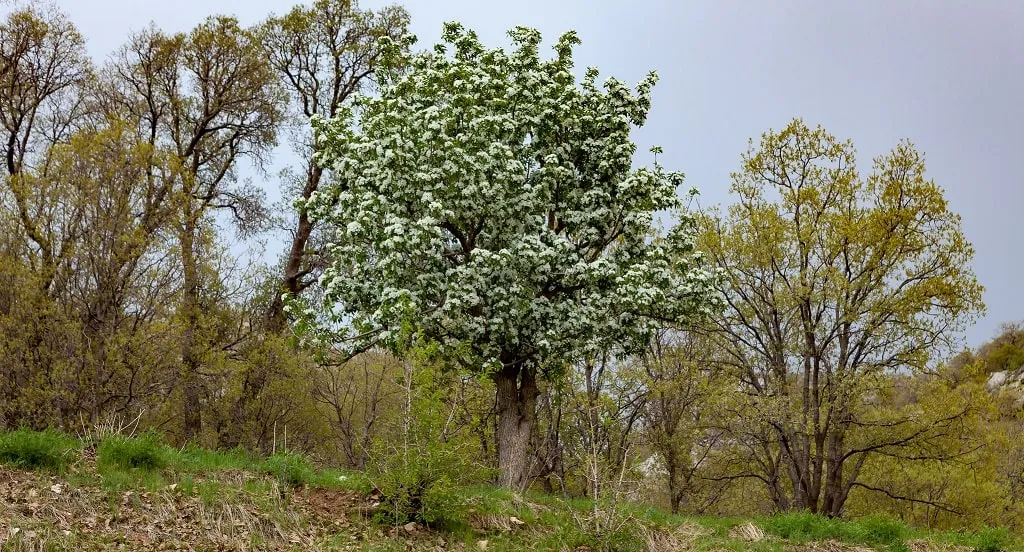
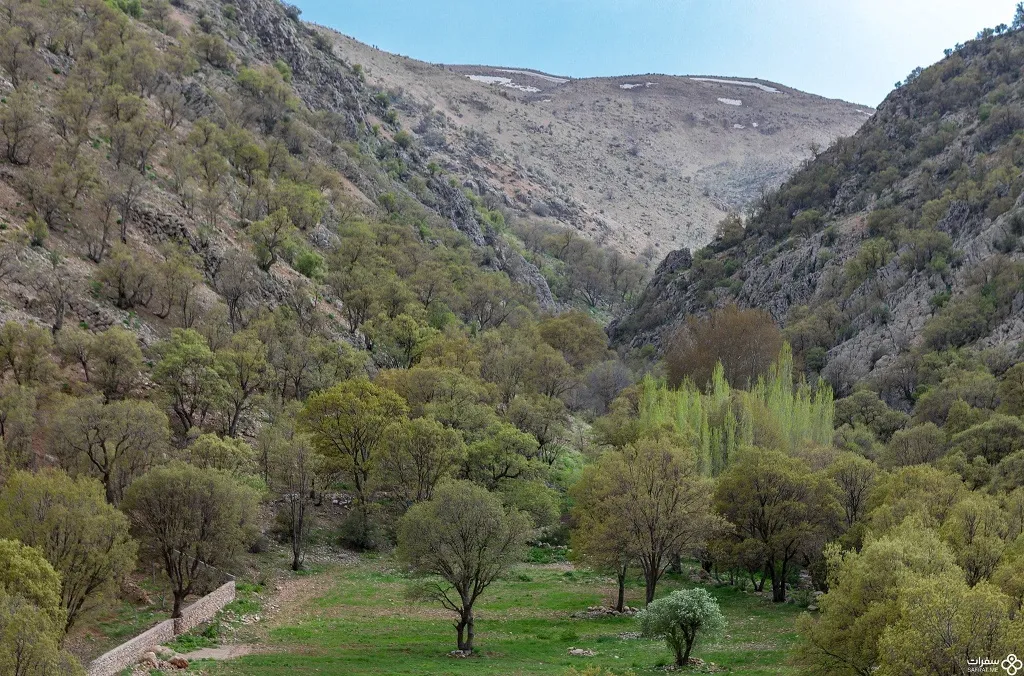
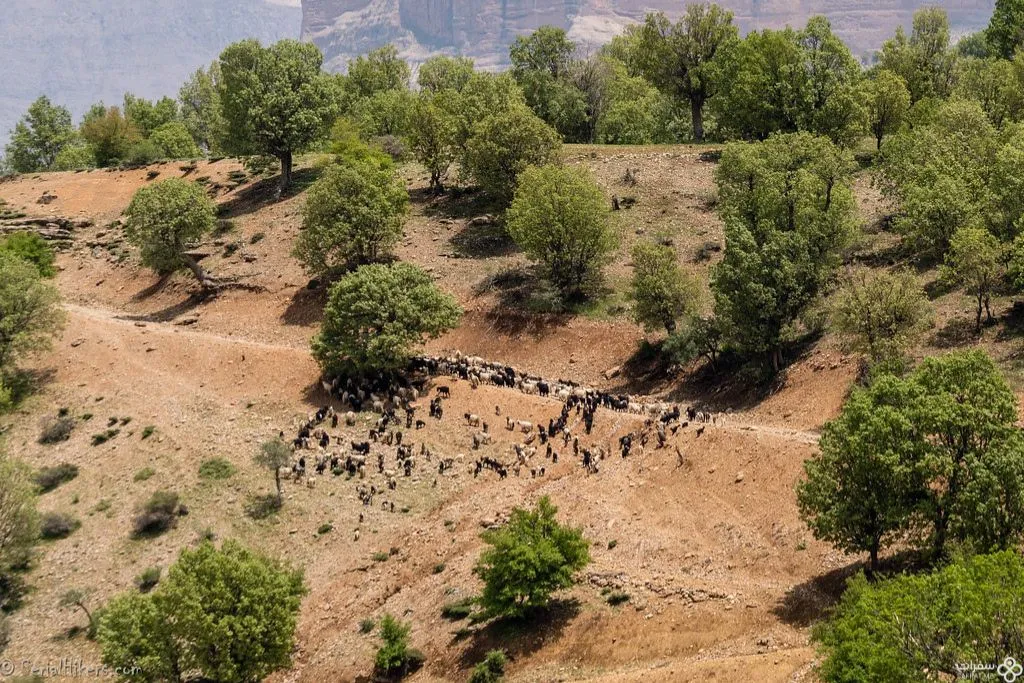
The weather in these forests is highly variable. Visiting these forests is usually recommended in spring and autumn when the weather is moderate and pleasant, and there are also nomadic tribes who live in tent dwellings.
3. Mangrove Forests, or Marine Mangrove Forests, in Iran
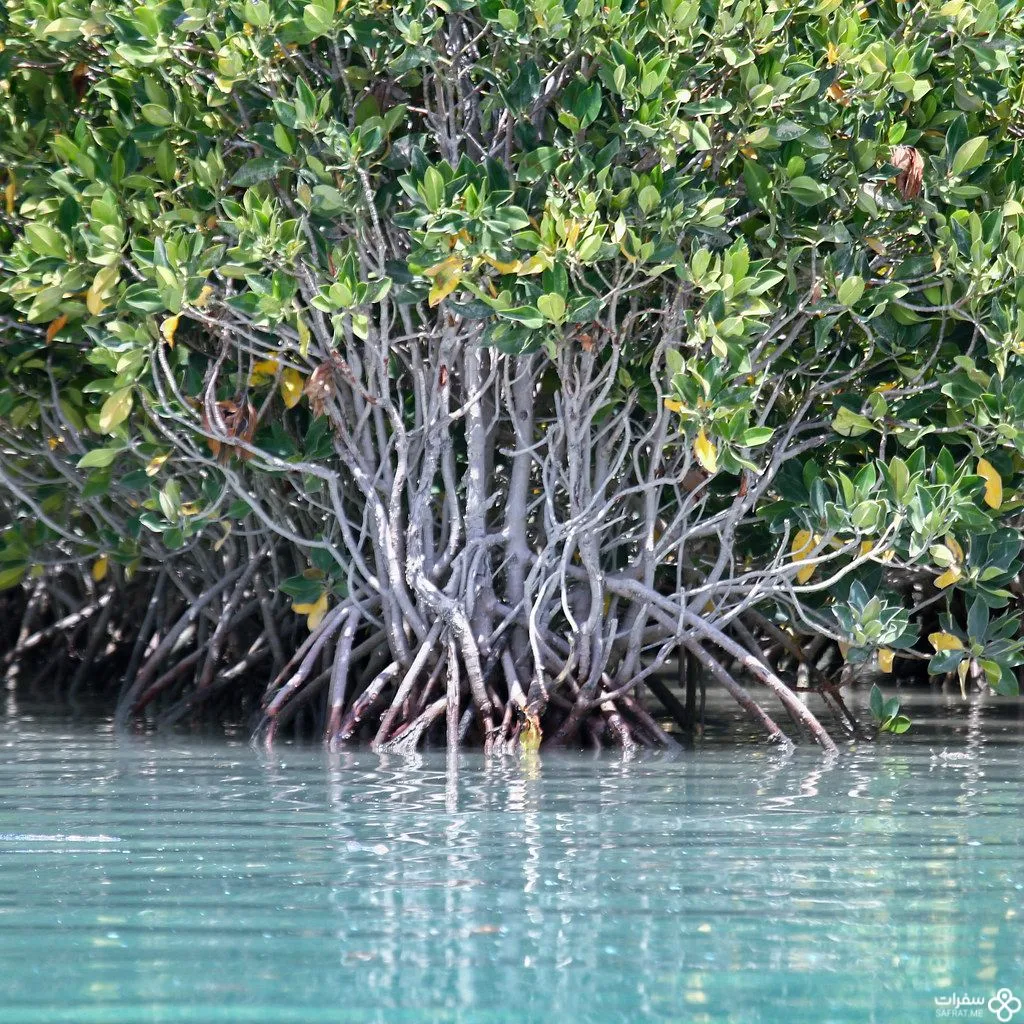
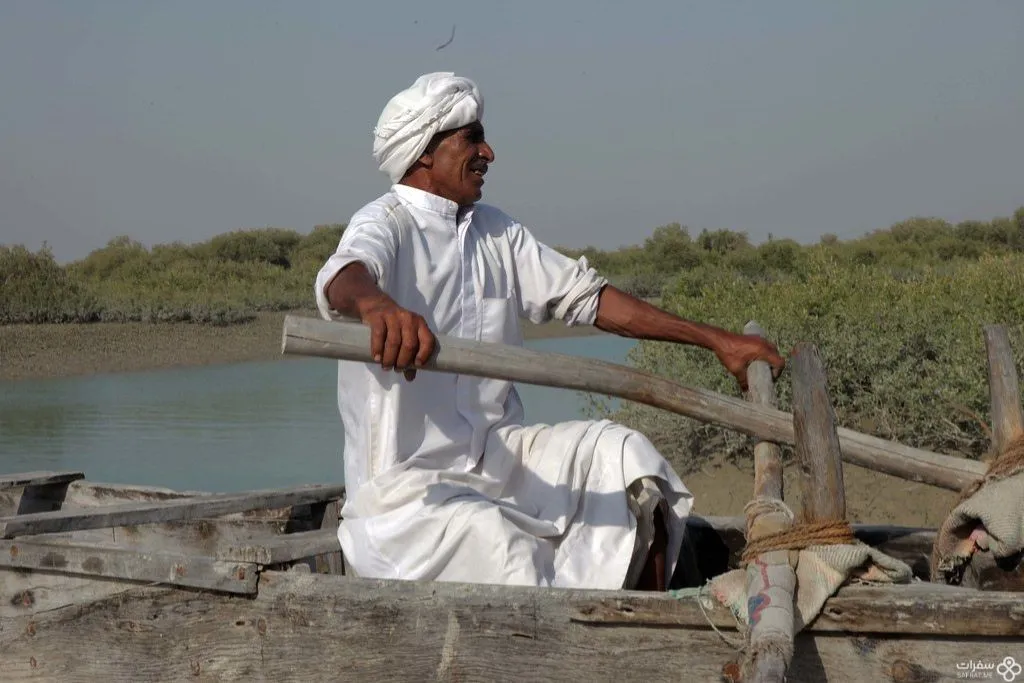
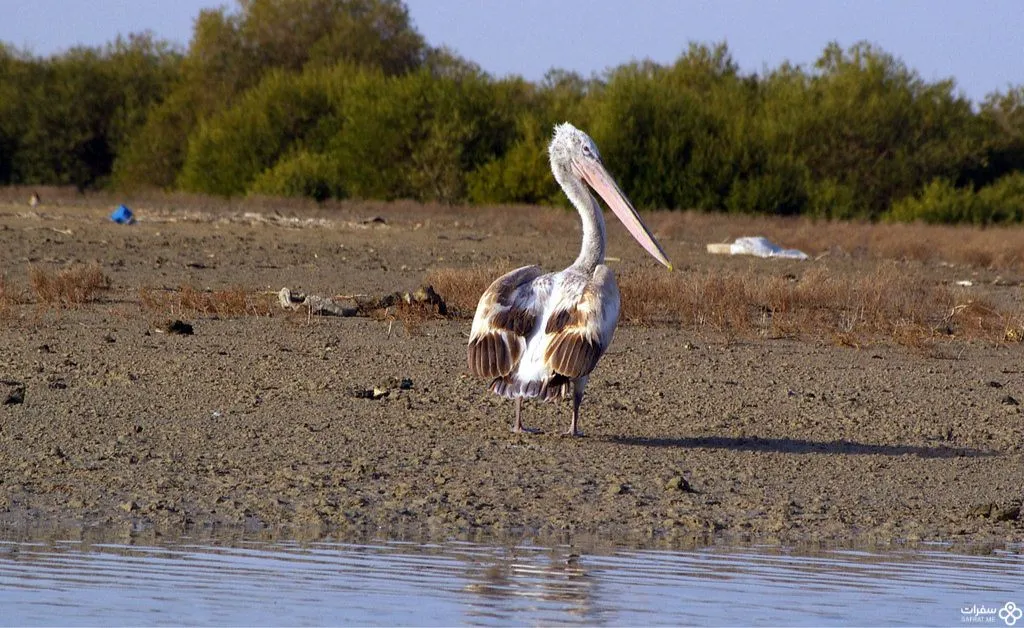
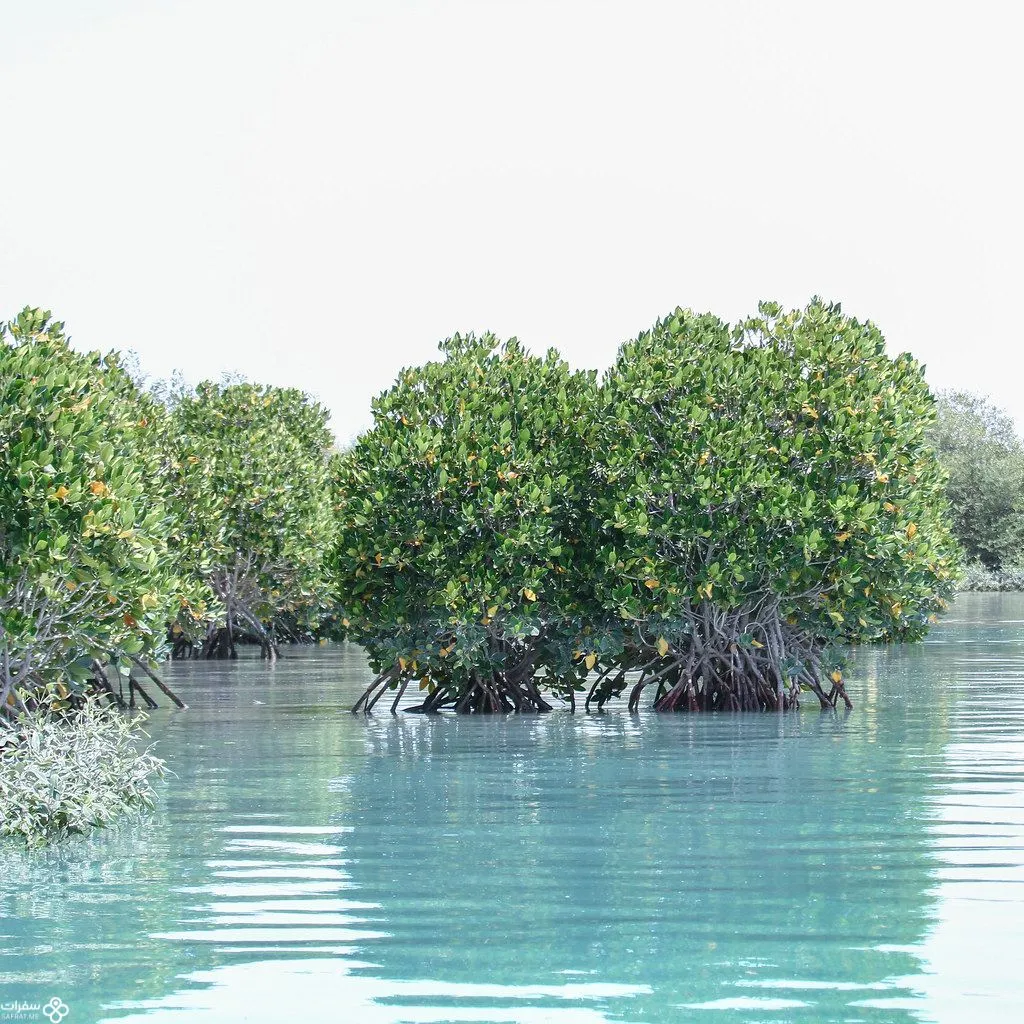
The mangrove forests are located in southern Iran and on Qeshm Island. The pleasure of seeing trees and plants rooted in the water is multiplied with the help of small boats that assist tourists in completing an exciting adventure.
Iran’s Caves
Iran’s caves are among the other natural destinations that have added to the beauty of this country. There are many caves in Iran, each with its own special feature. Below we mention just two of Iran’s caves whose visits create an unparalleled experience for tourists.
1. Ali Sadr Cave
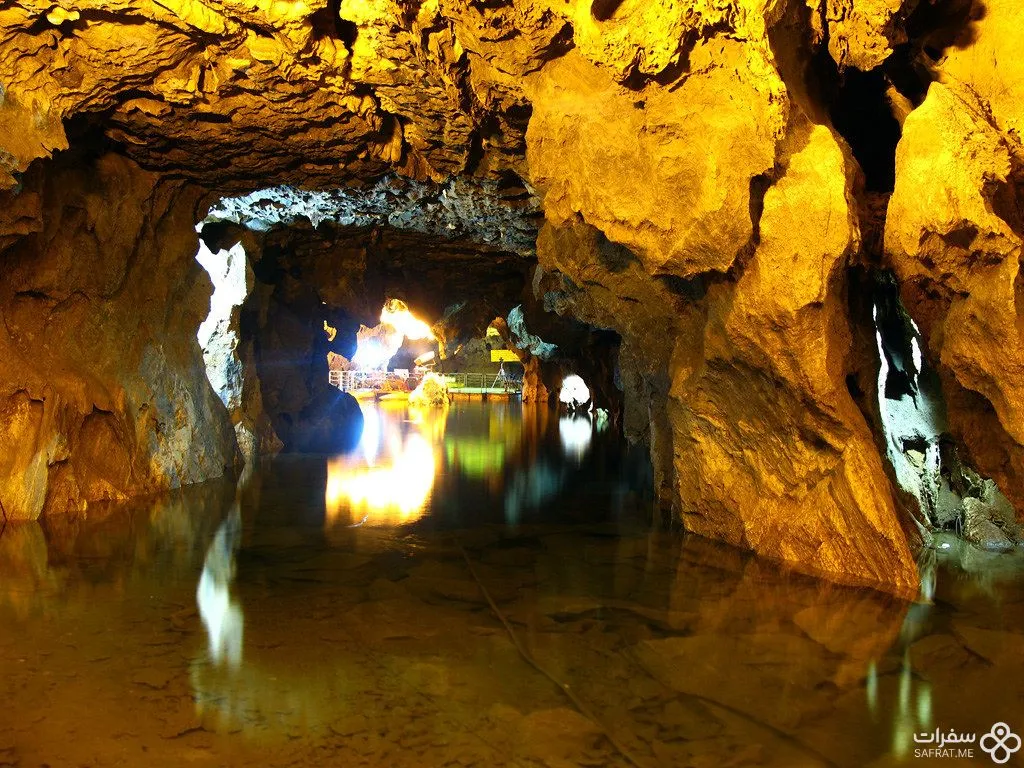
Ali Sadr Cave is considered one of the most famous water caves in Iran and the region. This cave was formed from limestone, and the stalactites and stalagmites within it create an indescribable beauty. What multiplies the enjoyment of this cave’s splendour is riding boats inside the cave to enjoy and witness this immense and unparalleled natural phenomenon.
2. Shapur Cave
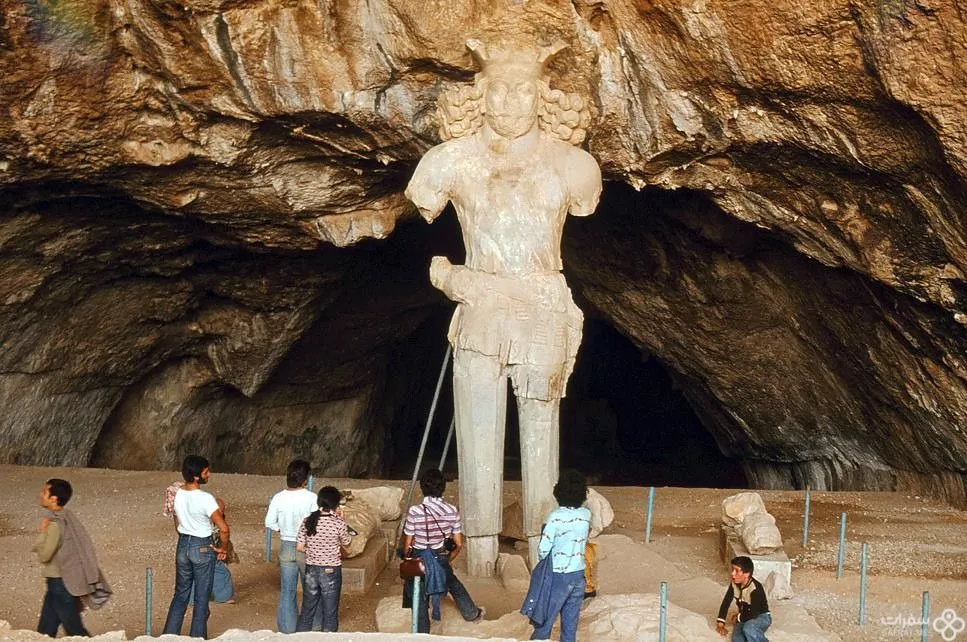
Shapur (Sabur) Cave is considered one of the beautiful and historic caves in Iran. You can see the statue of Shapur I, the second king of the Sassanid dynasty, in this cave. This statue has remained intact for 1,700 years, and there are also inscriptions on the cave walls that date back to ancient eras.
Iran’s Rivers
Rivers are considered the main arteries and play an important role in Iran. Rivers are abundant in areas located at the foothills of Iran’s mountains. There are many Iranian cities that have been built since ancient times on the banks of rivers.
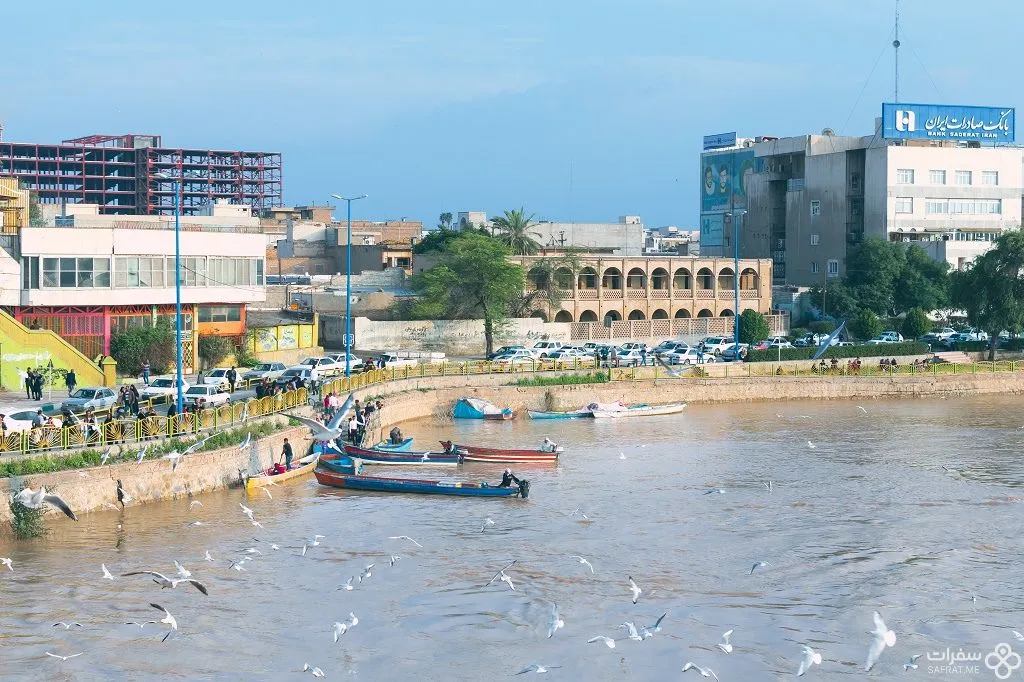
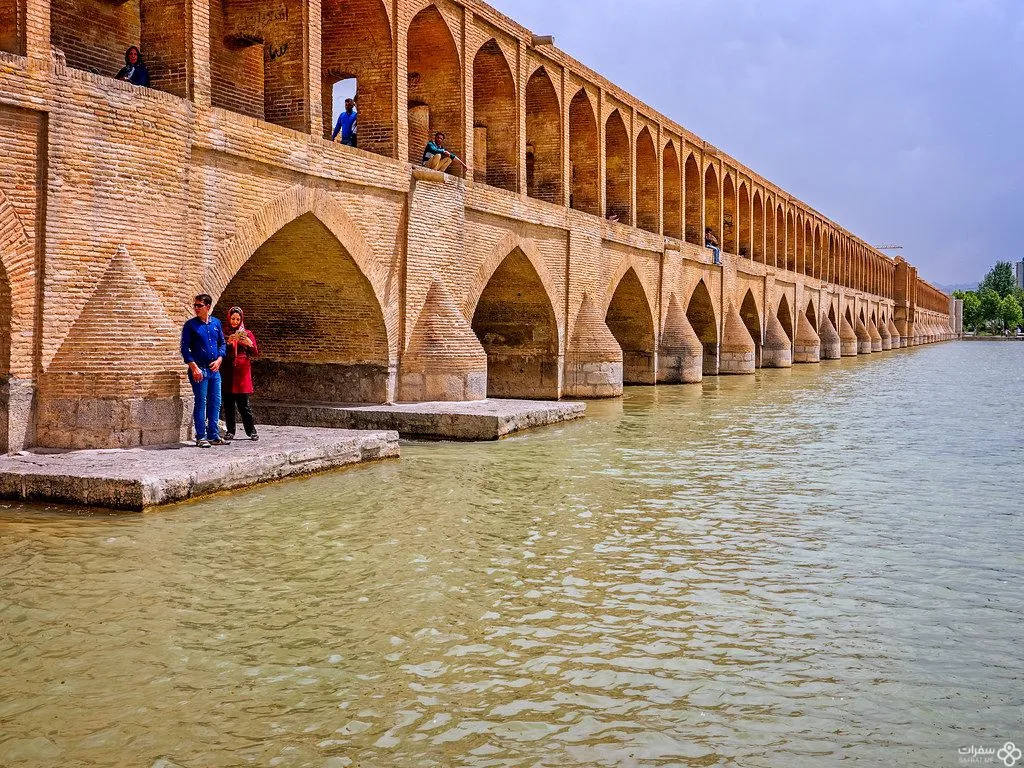
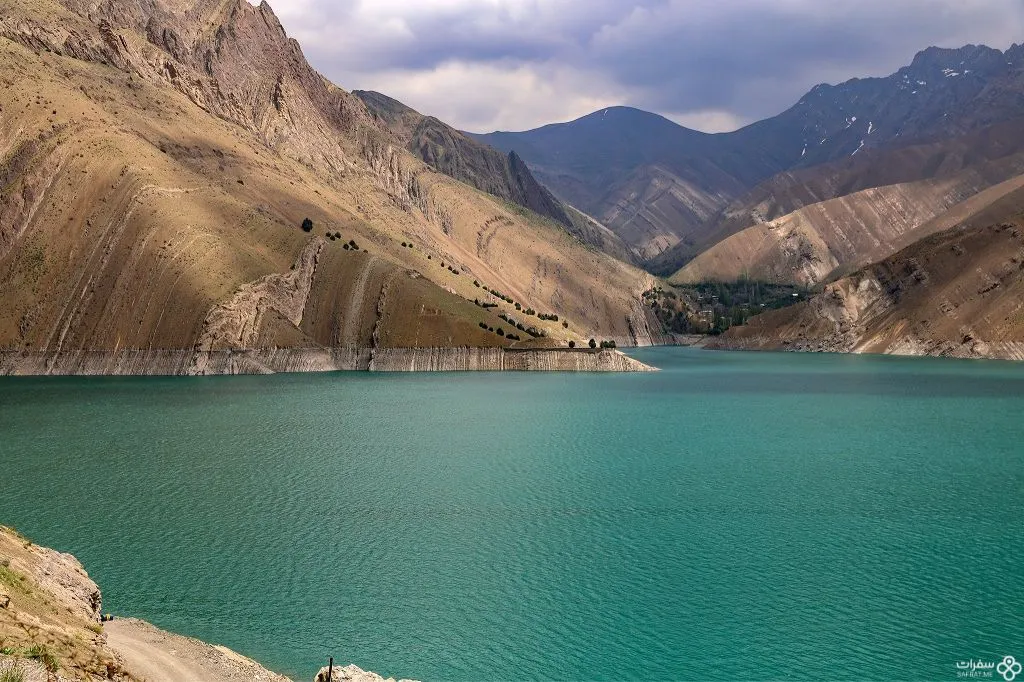
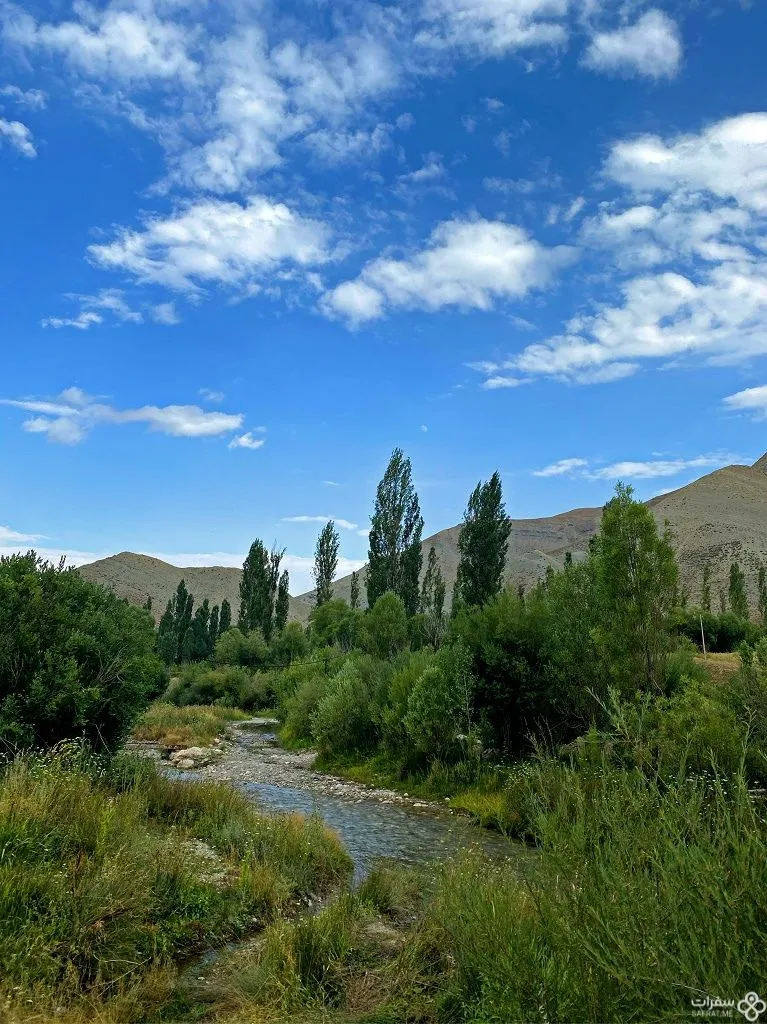
The Aras River, the Karun River, and the Chalus River are among the most beautiful rivers that have become attractive tourist destinations. Dining near these rivers with family in moderate weather, as well as viewing the dams built on some of these rivers, are among the most wonderful activities that can be done near those rivers.
Waterfalls in Iran
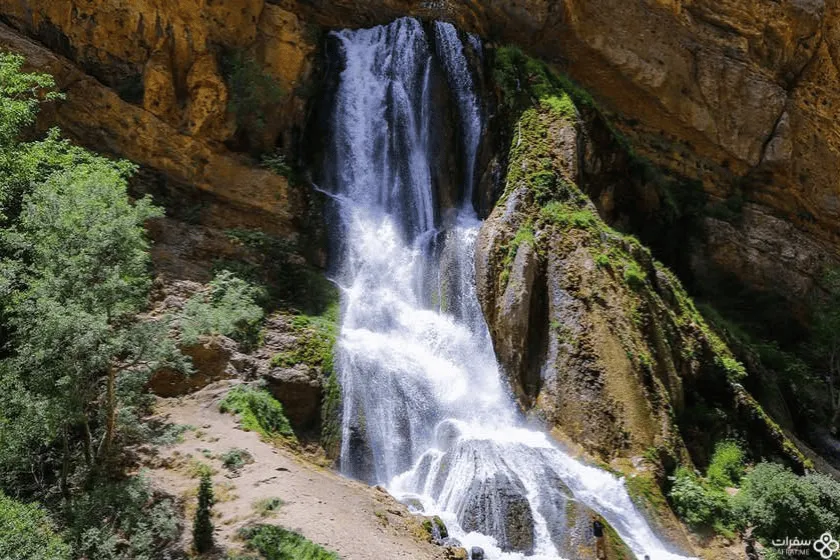
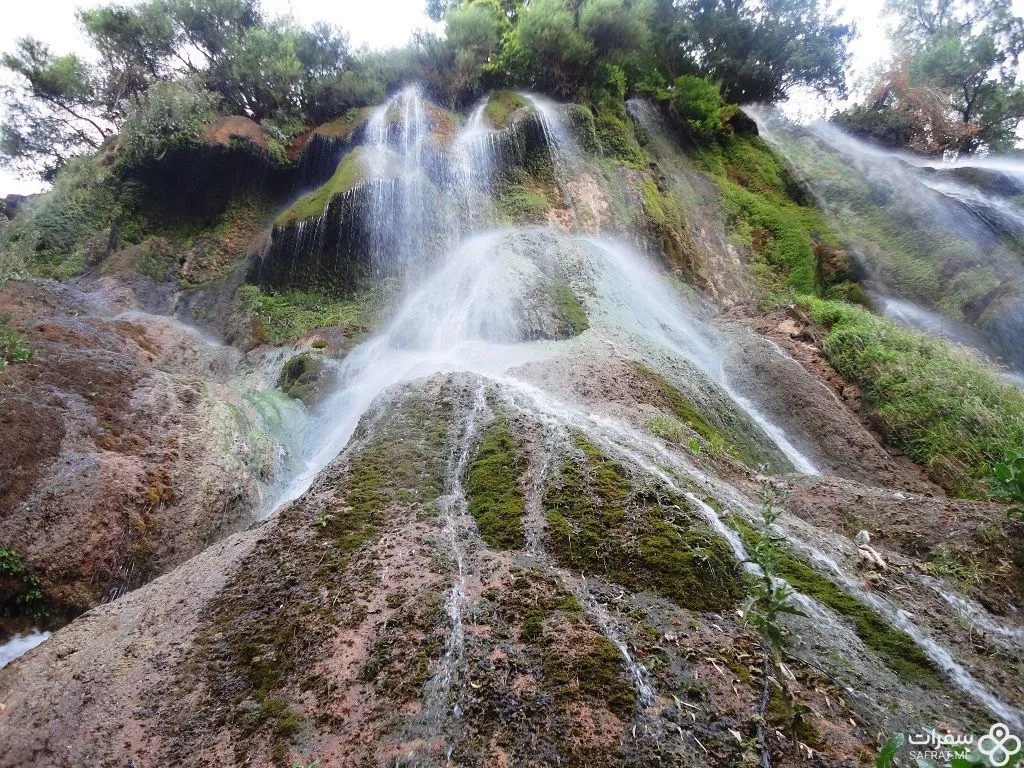
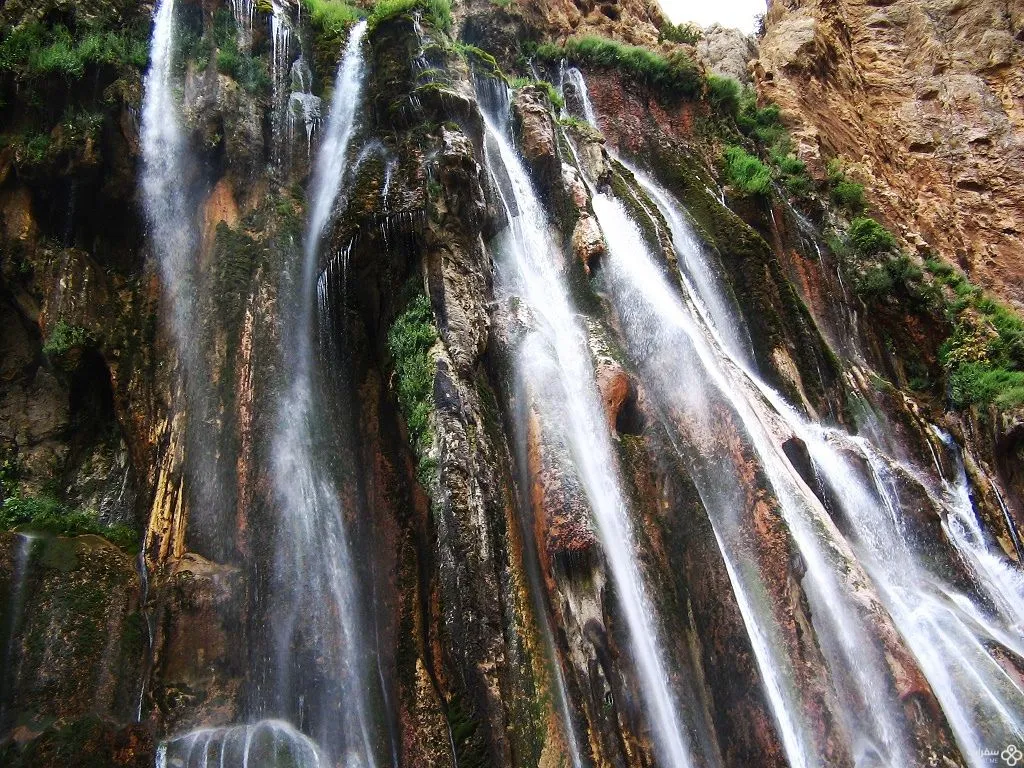
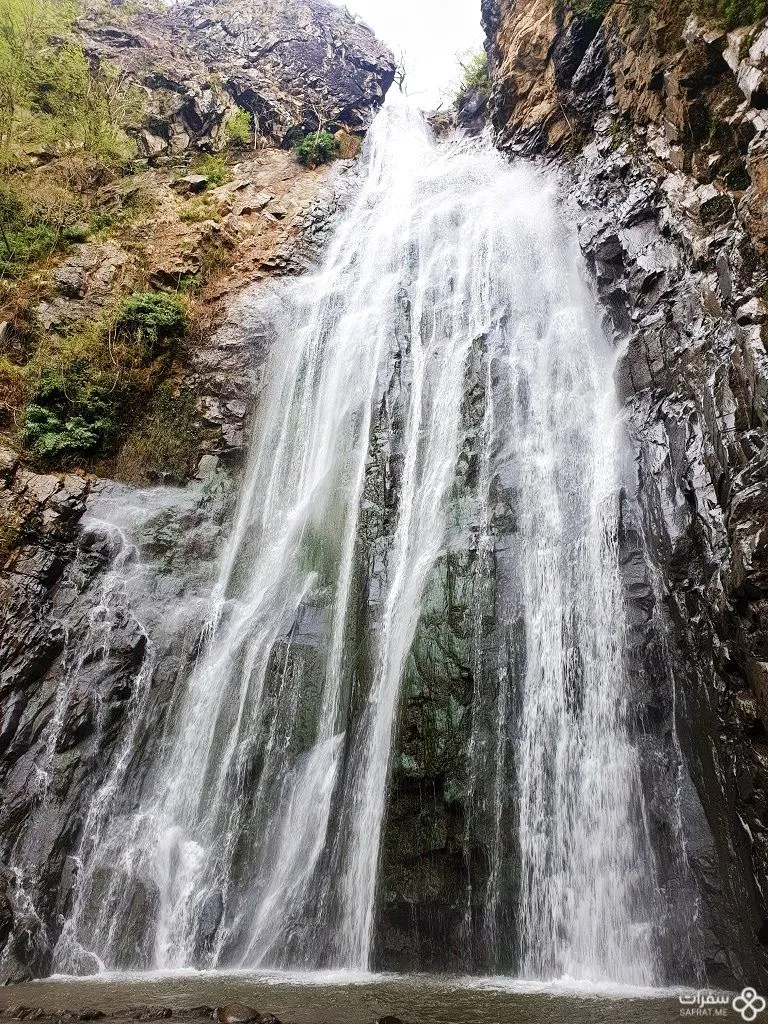
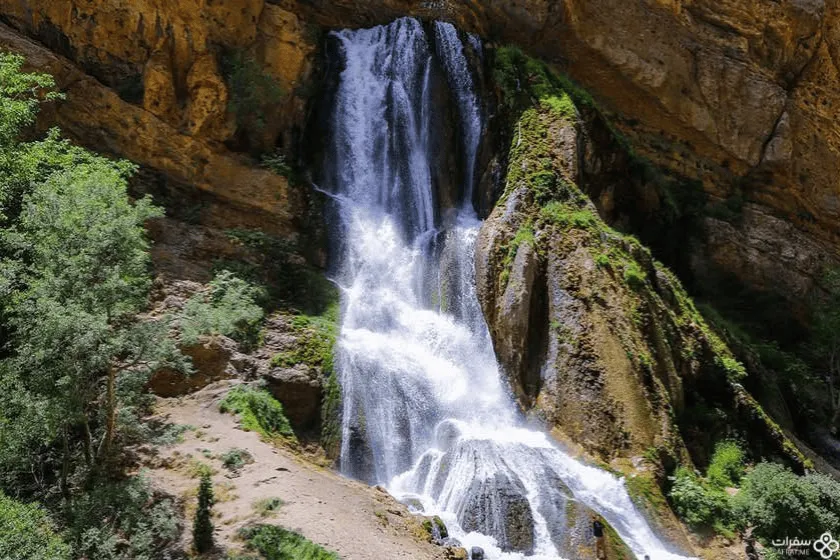
Waterfalls are among the attractive natural phenomena in Iran.. The Haft Abshar waterfalls, Si Sakht, and the Margoon waterfall in Fars Province are among the most beautiful natural waterfalls recommended for viewing in Iran. What distinguishes Iran’s waterfalls from other waterfalls is that most of them do not descend from rivers but instead spring from the heart of towering mountains.
One of the very beautiful features of those waterfalls is their cold water, due to the location of those waterfalls in mountainous and elevated areas, making a visit in summer all the more enjoyable and appealing — especially if the trip includes camping near the waterfalls and holding an Iranian barbecue.
Iran’s Deserts
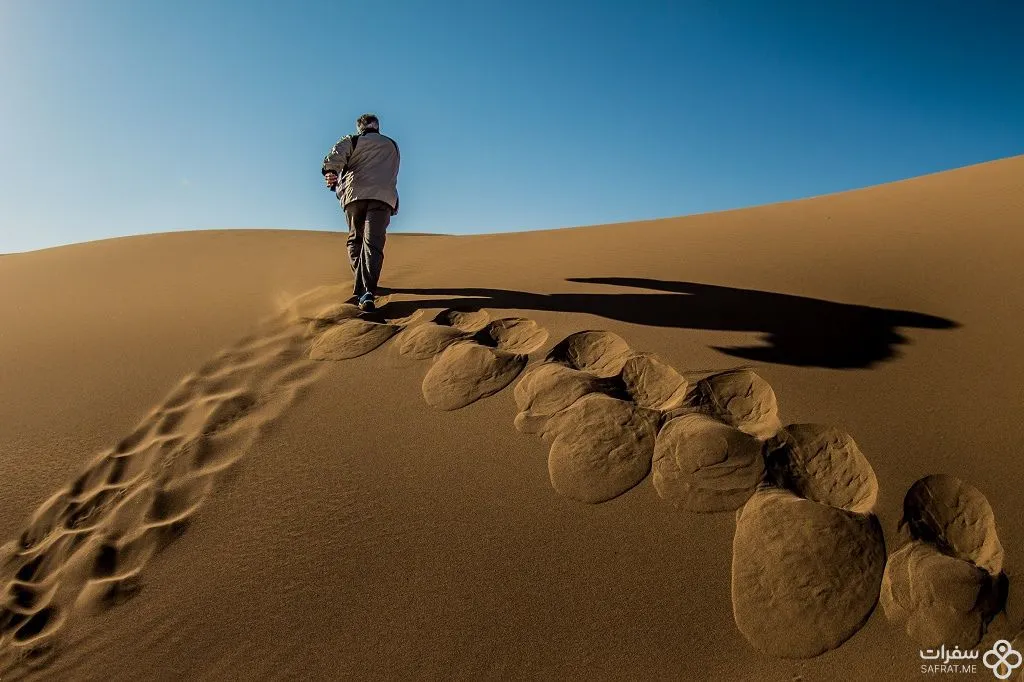
Iran’s deserts, with their fine sands and glittering nights, are among the most beautiful natural destinations sought by many tourists and nature lovers. The Kavir Desert and the Lut Desert are among the greatest and most famous deserts in Iran. These deserts span central provinces of Iran due to their vast size, and they also possess geological features that can serve as rich material for geological tourism.
The Varzaneh Desert, the Maranjab Desert, and the Shahdad Desert are among the most beautiful deserts recommended for visiting in Iran. Spending the night in historic caravanserais built along the routes of those deserts, viewing saltwater lakes, enjoying desert sports and safari trips, and taking pleasure in observing the flora and fauna are among the most wonderful experiences and activities that can be done in Iran’s deserts.
Wetlands and Marshes
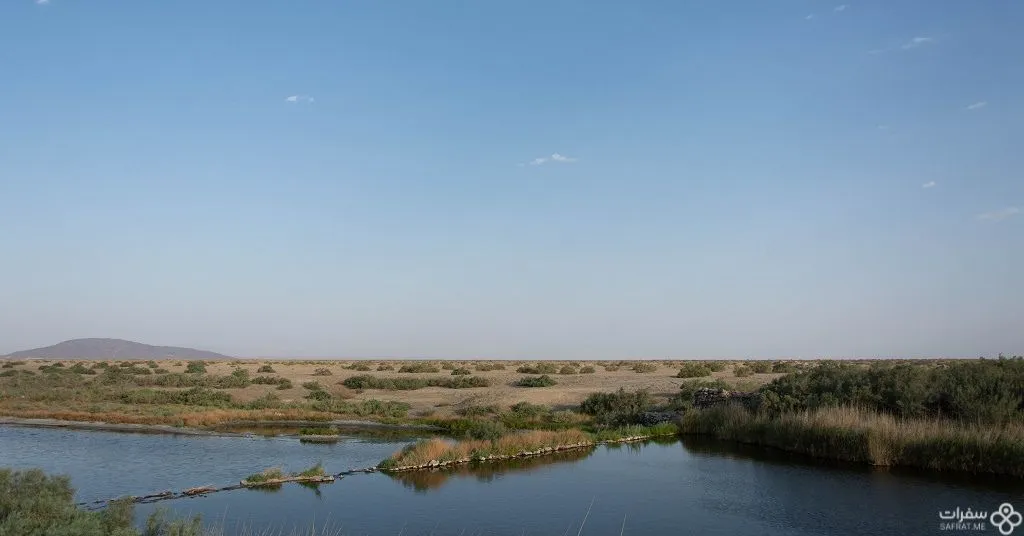
Iran’s wetlands, with their special characteristics, are tourist destinations that have their own dedicated audience. Among the most beautiful qualities of Iran’s lakes, one can point to the diversity represented in their flora and fauna. Hamoun Wetland, Anzali Wetland, Gavkhuni Wetland, Hoor Al-Azim Wetland, and Miankaleh Wetland are among the most beautiful wetlands in Iran.
Miankaleh Wetland
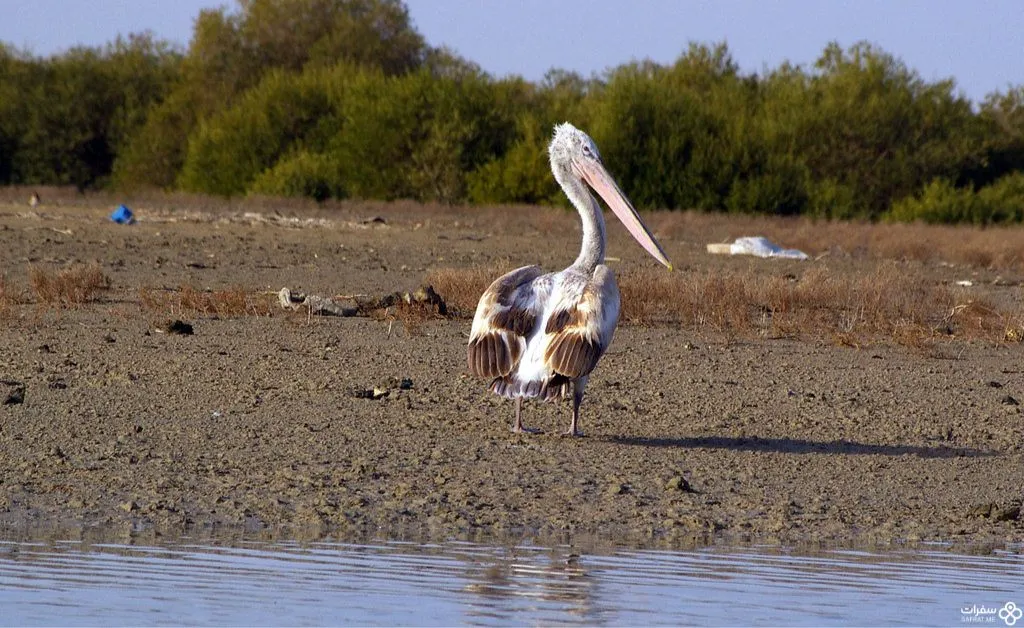
Watching migratory birds and the diversity of plants that grow in those areas are among the most wonderful activities that can be experienced at Miankaleh Wetland.
Hoor Al-Azim
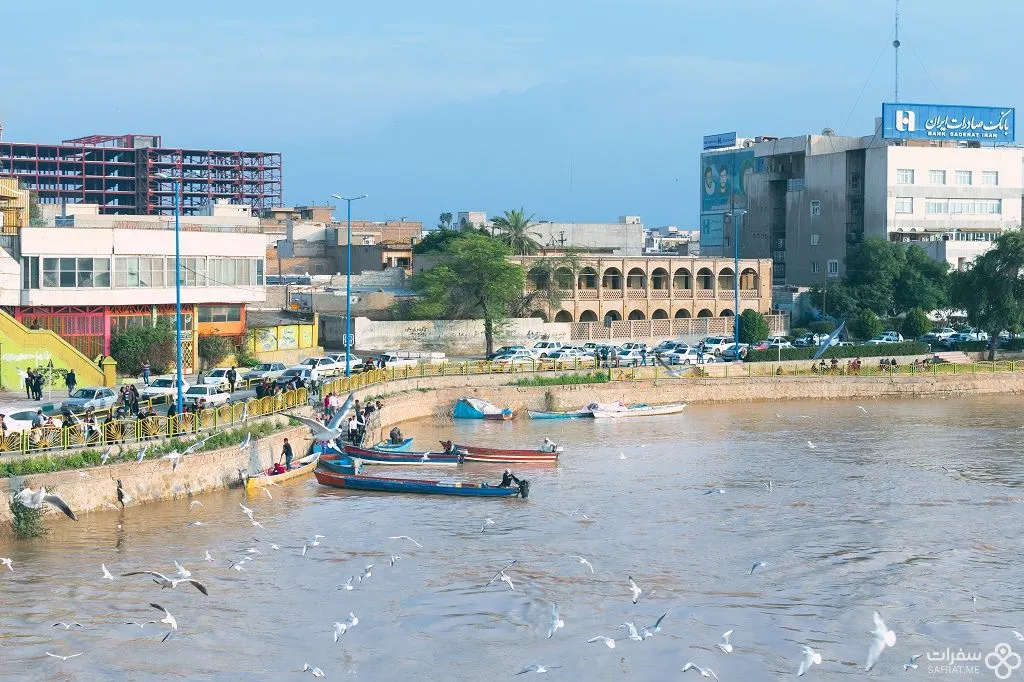
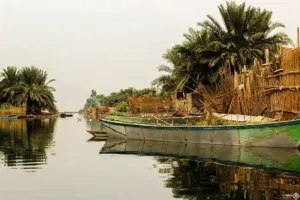
The experience of renting a boat to view the rural villages built within Hoor Al-Azim, with their distinctive traditions and way of life, makes the journey truly one of a kind.
Iran’s Valleys
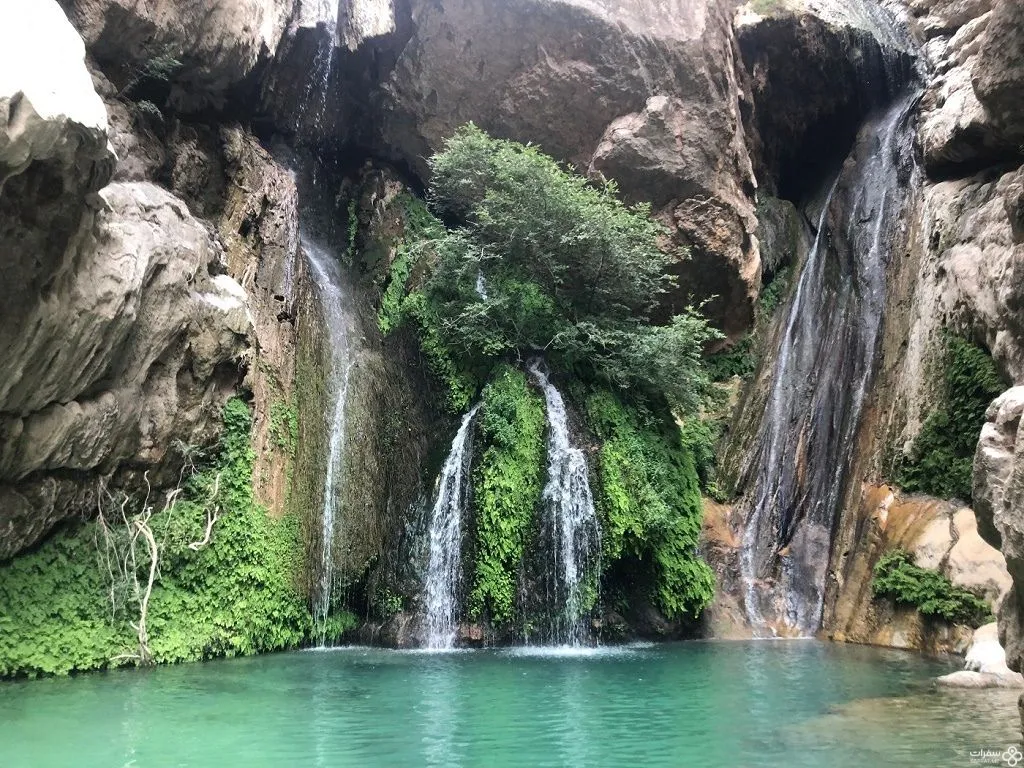
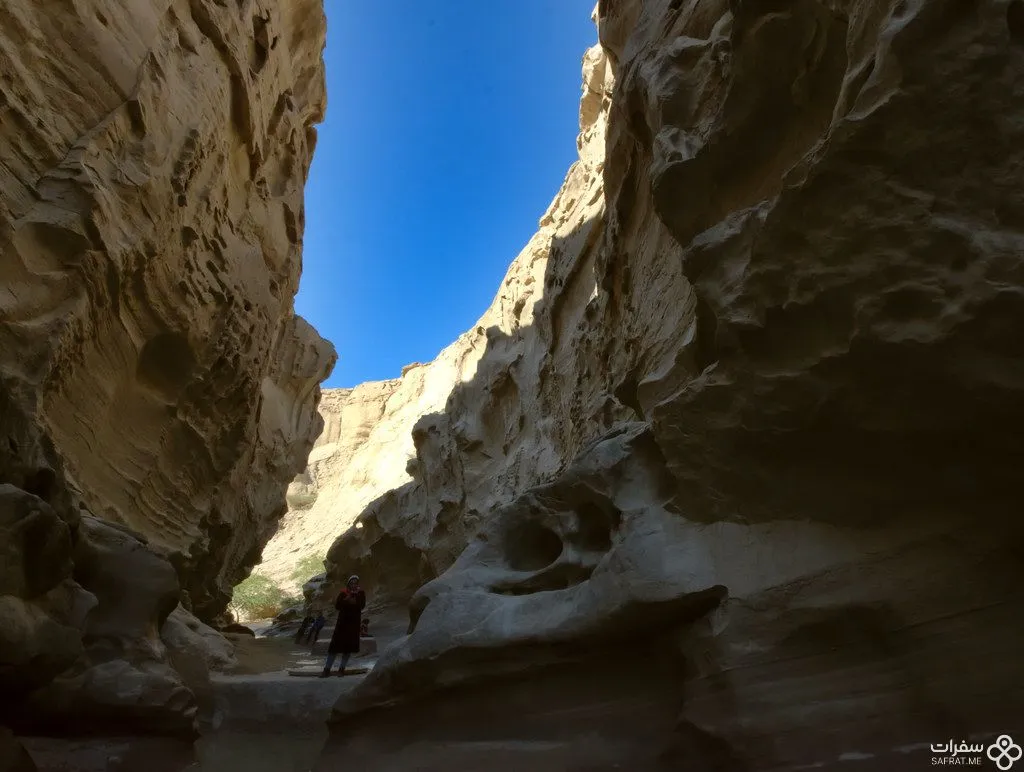
Iran’s valleys are considered among the most beautiful tourist areas that you may be hearing about for the first time. Iran’s valleys are mostly located in mountain crevices, filled with small streams of water.
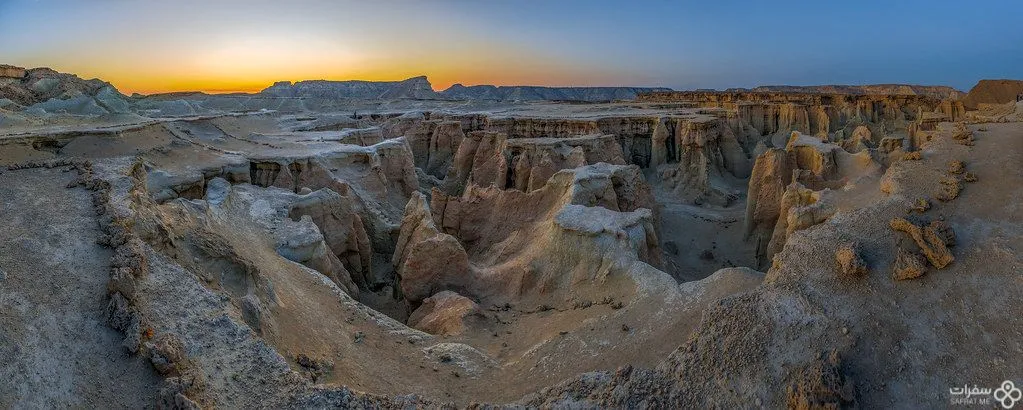
In most cases, local people have not known about these valleys due to their rugged and difficult paths. Iran’s valleys are not merely ordinary natural phenomena; rather, they serve as a record upon which the historical features of the land and the changes it has witnessed over millions of years have been inscribed.
Iran’s Islands
Iran’s islands are among the other most beautiful natural destinations in Iran. Iran’s inhabited islands possess a special natural beauty, where one can enjoy viewing valleys in their various beautiful geometric shapes, dolphins, and marine animals, and there is also a significant influence of the flora and fauna on those islands.
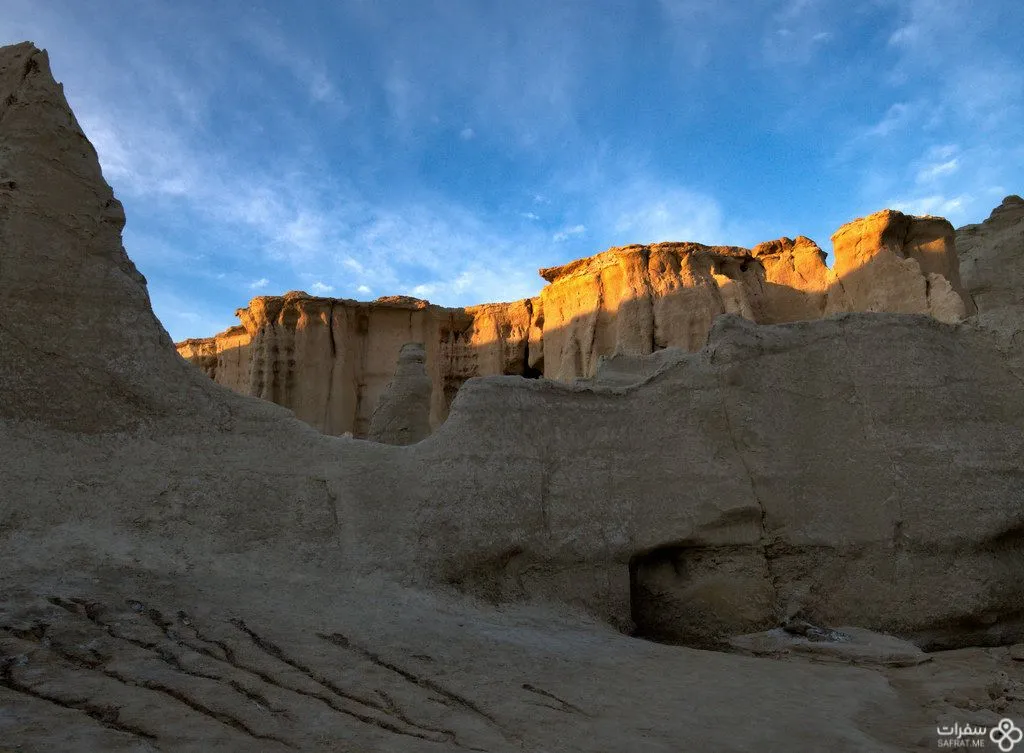
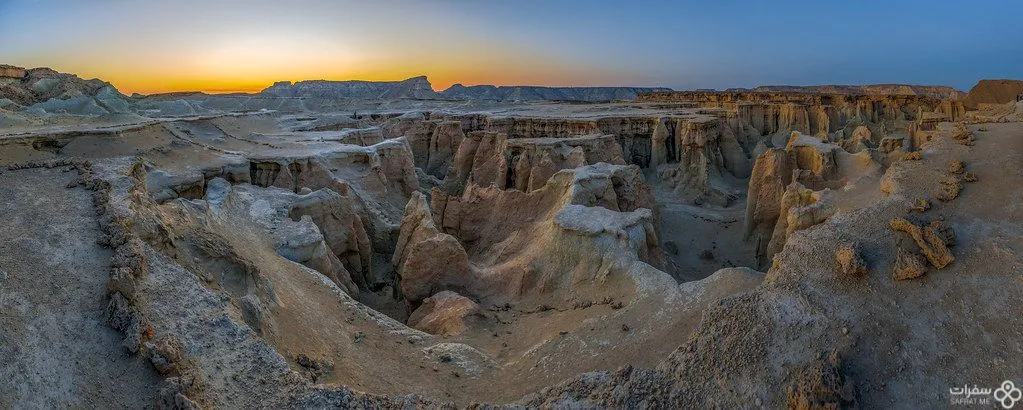
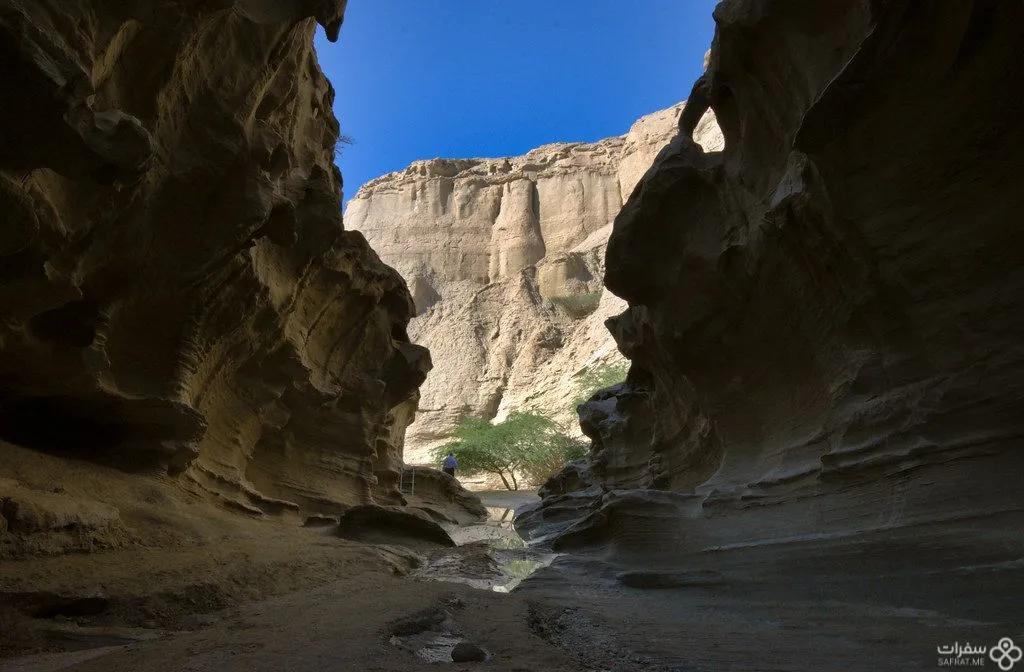
Among the special beauties of the islands of southern Iran, one can point to the culture of the local people, with their colourfully designed clothing, local dances, and rural houses. Tourists can purchase handicrafts made by local women, which are often crafted from a variety of seashells.
Kish Island, Qeshm, and Hormuz Island are among the most beautiful islands in Iran that are recommended for visiting.
You can read more information about natural destinations in Iran through our travel magazine, especially the articles written about Iran’s nature.
To find out which of Iran’s landmarks are registered internationally, you can refer to the UNESCO World Heritage List in Iran.