
You are preparing your travel documents and wondering: is a passport enough, or do you need additional documents? Knowing the travel requirements from Iraq precisely will save you from standing at the airline counter only to discover that a document is missing or that you are carrying cash exceeding the permitted limit. This guide covers mandatory documents, financial regulations, and airport procedures step by step.
Mandatory Documents and Paperwork for Leaving Iraq
Traveling from Iraq requires a valid Iraqi passport with at least six months of validity remaining from the planned departure date. Most international destinations refuse boarding to travelers whose passports have less than this remaining validity, even if the visa is still valid. Check the passport’s expiry date before booking a flight with enough time to renew it if necessary, as issuing a new passport can take weeks in some governorates.
Visas and Residency Permits
Departing through the airport without a valid entry visa or legal residency permit for the destination country is not permitted, except for destinations that grant a visa on arrival or a prior electronic visa. Keep a printed copy of the e-visa and any supporting documents such as hotel bookings or invitation letters, as airline staff request them when issuing boarding passes. Some destinations, such as Baghdad–Istanbul flights, require an electronic visa that must be obtained several days before travel.
Flight Tickets and Bookings
A confirmed flight ticket is a fundamental requirement for completing travel procedures, and it is preferable to have a round-trip ticket or an onward ticket to a third destination. Some countries refuse entry to travelers who do not hold confirmed proof of onward travel, and airlines enforce this requirement strictly when issuing boarding passes at Iraqi airports. Make sure the name on the ticket matches the name in the passport letter for letter, as any discrepancy—even in the English characters—may result in being denied boarding.
Financial Regulations and the Permitted Limit for Foreign Currencies
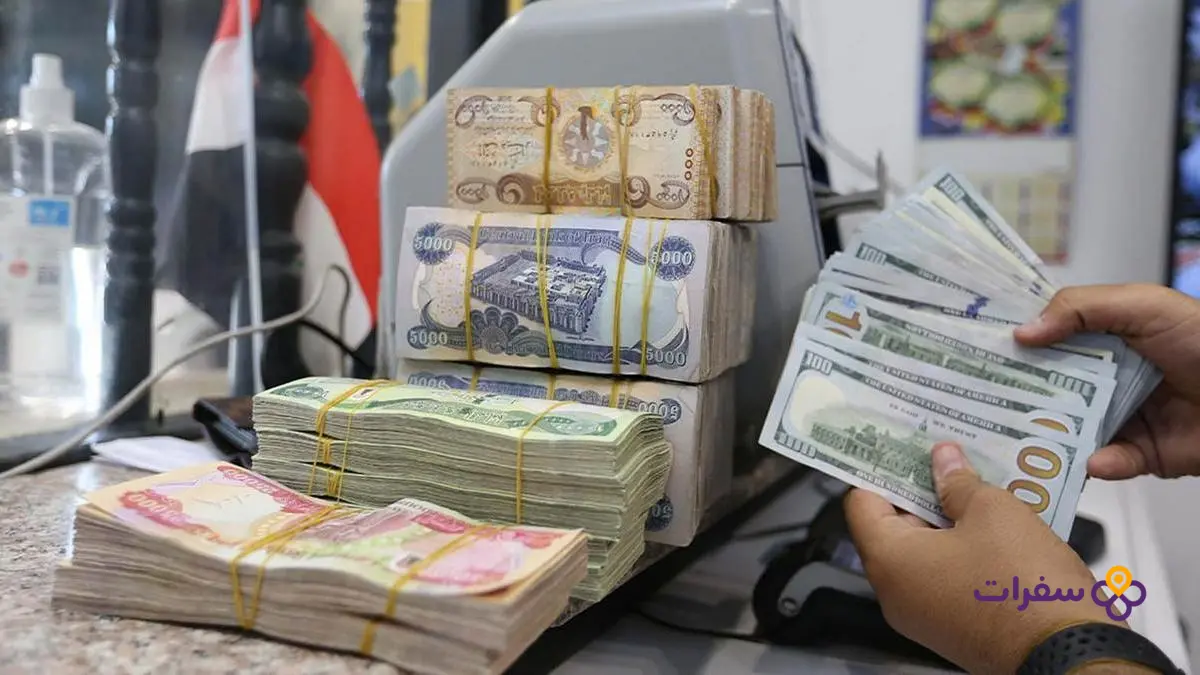
The Central Bank of Iraq sets a clear ceiling on the cash amounts a traveler may carry when leaving the country, and this limit differs between Iraqi dinars and foreign currencies. When the permitted limit is exceeded, customs declaration becomes a mandatory procedure rather than an optional one, and the customs form is submitted in the departure hall before reaching the security screening gates. Failure to declare excess amounts may result in confiscation of the cash or a travel delay, so keep currency exchange receipts or bank withdrawal statements as proof of the source of funds.
Carrying Gold Jewelry and Personal Ornaments
Gold jewelry and ornaments are subject to similar customs controls, particularly if their weight or value exceeds the exempt threshold. Personal jewelry that you normally wear does not require declaration in most cases, but additional pieces or commercial quantities require prior declaration. Make sure to keep purchase invoices or valuation certificates for valuable pieces, as customs may request them upon return to prove that the items left the country with you and were not purchased abroad. If you are planning a trip to Iran for religious tourism via Baghdad–Mashhad flights, bear in mind that some destinations impose additional restrictions on bringing gold in.
The Declaration Process at the Airport
Customs declaration forms are available at the entrances to departure halls and are filled out in Arabic or English in clear handwriting. Record the total amount in the original currency and attach a copy of the passport and flight ticket. After the form is stamped by the customs officer, keep a copy with you throughout the journey; it may be requested upon arrival at the destination or upon returning to Iraq as proof that you declared the funds legally.
Arrival Guidelines and Travel Stages Through Iraqi Airports
It is recommended to be at Baghdad International Airport or the airports of Najaf and Erbil 3 to 4 hours before the scheduled departure time, to ensure that all procedures are completed without delay. This timeframe is not an exaggeration; security screening at the entrances takes varying amounts of time depending on congestion, and you may face long queues during morning or evening peak hours.
The Step-by-Step Procedure from Arrival to Boarding
- Initial security screening: At the airport entrance, the passport and flight ticket are checked, and carry-on baggage passes through an X-ray machine. Keep your documents within easy reach.
- Baggage check-in and boarding pass issuance: Proceed to the airline counter to weigh checked luggage and obtain a boarding pass. Check the gate number and closing time printed on it.
- Passport stamping and customs: After check-in, you pass through the passport offices for the departure stamp. If you are carrying cash exceeding the permitted limit, submit the customs declaration at this stage.
- Final security screening: Before entering the departure lounge, carry-on baggage undergoes an additional check. Remove large electronic devices from your bag and place them in separate trays.
- Waiting and boarding: Monitor the announcement screens for any change in gate number or boarding time, and proceed to the gate at least fifteen minutes before the scheduled time.
If you are traveling on a Baghdad–Tehran flight or other destinations, make sure to carry an electronic or printed copy of your hotel booking or accommodation address; some passport officers request it at the time of stamping.
Travel Requirements for Special Categories and Minors
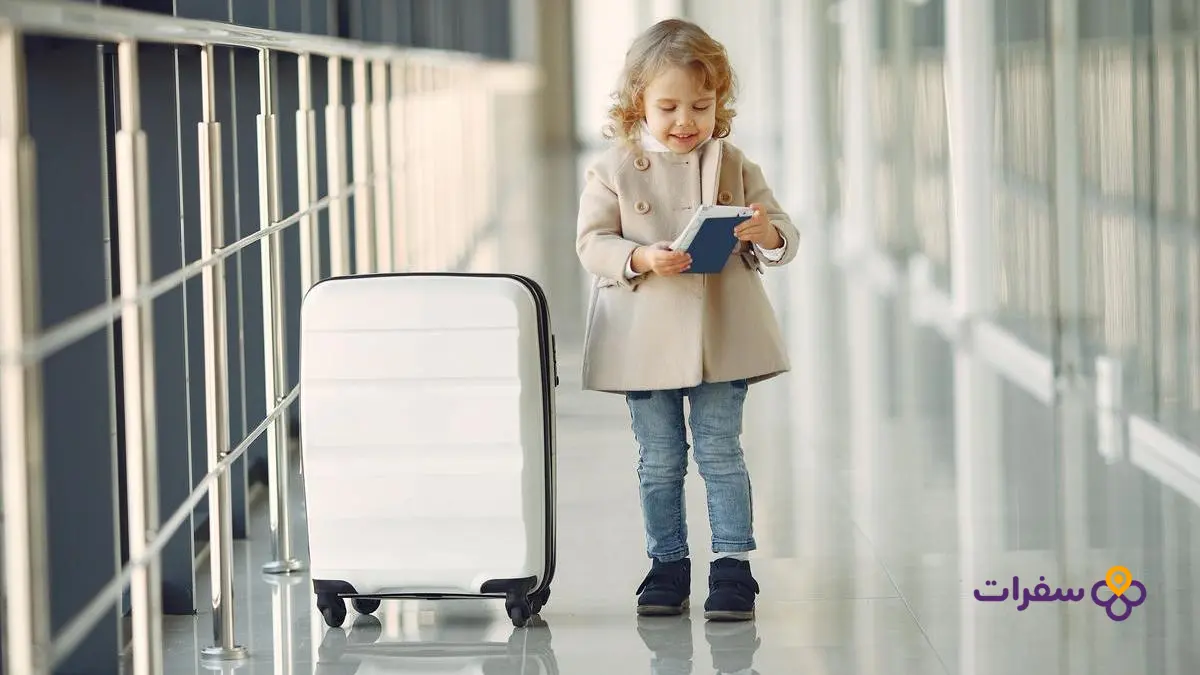
Travel by children and minors under the age of eighteen is subject to additional controls aimed at protecting their legal rights. When a minor travels alone or accompanied by only one parent, most airlines and border authorities require the submission of an official written consent from the other parent or legal guardian, certified by a notary or the relevant authorities. This consent confirms that the absent party is aware of the trip details, destination, and duration, and prevents complications at checkpoints or at the arrival airport.
The procedures also require attaching civil status documents that prove the relationship between the accompanying person and the child, such as a birth certificate or family booklet, especially if the child and the accompanying person have different surnames. Some destinations require consent forms in a specific format in their official language, so it is advisable to check with the embassy of the destination country before traveling to avoid being denied boarding. Minors traveling entirely alone require the airline’s dedicated unaccompanied minor service, which requires advance booking and additional fees in most cases.
Certain occupational categories, such as those working in the government or security sector, may need a prior travel permit from their employer before leaving the country. This permit is different from a visa and is issued by the direct administrative authority, and must be presented upon request at the immigration and passport offices at the airport. Ensuring that these documents are in order before heading to the airport saves time and avoids having the trip cancelled for procedural reasons.
List of Prohibited Items and Permitted Baggage Weight
Iraqi airports apply international aviation safety standards to all carry-on and checked baggage. Liquids in carry-on bags are prohibited if a single container exceeds 100 ml, and they must be placed in a transparent plastic bag not exceeding one litre in capacity. Sharp objects such as scissors, blades, and multi-purpose tools are prohibited in the cabin and must be checked in with the hold luggage. Spare batteries and portable charging devices (power banks) are permitted in carry-on bags only and not in checked luggage, provided their capacity does not exceed the limit set by the airline.
Medications and Medical Reports
Travelers are entitled to carry prescribed medications in quantities sufficient for the duration of the trip, but it is advisable to bring a medical report or official prescription in English stating the name of the medication and the dosage. Liquid medications such as insulin or eye drops are exempt from the liquid restriction rule, but the screening officer must be informed about them before passing through the scanner. Medical injections and needles require an official document proving the medical need, to avoid any inquiries or delays at security checkpoints.
Permitted Weight and Excess Baggage Fees
Weight limits vary by airline and travel class, but the common limit for checked baggage ranges between 20 and 30 kilograms for economy class, while carry-on baggage is generally permitted at 7 to 10 kilograms. Exceeding the specified weight requires payment of additional fees at the baggage check-in desk, and these fees vary considerably between carriers. Canned food products and agricultural goods may be subject to restrictions upon arrival in the destination country, so it is advisable to review the customs regulations of the target country before packing.
Frequently Asked Questions About Traveling from Iraq
Can a traveller carry Iraqi dinar in cash when travelling abroad?
Carrying a limited amount of Iraqi dinar is permitted upon departure; however, most countries do not accept its exchange or conversion outside Iraq, so it is advisable to convert the amount into a foreign currency before travelling. The Iraqi dinar is not negotiable at most international banks, and carrying large quantities of it may subject the traveller to questioning procedures upon return with no practical benefit at the destination.
What happens if a passport expires during a trip?
If a passport expires during a stay abroad, the traveller risks being denied boarding on the return flight or being detained at the destination airport until the Iraqi consulate intervenes. Airlines will deny boarding if the remaining validity is less than six months, even for a short trip, because immigration authorities at the destination enforce this requirement strictly.
Is a traveller required to show a hotel booking when departing Iraq?
Iraqi customs does not normally require proof of a hotel booking upon departure; however, immigration authorities in the destination country may require it as a condition of entry, particularly in countries that grant visas on arrival. It is preferable to print a copy of the booking confirmation or keep an electronic copy readily available on your phone to avoid any delay or refusal at the checkpoint.
What is the procedure if a traveller loses their boarding pass before reaching the gate?
The traveller should go to the airline’s desk inside the departure hall to have the boarding pass reprinted after their identity and e-ticket have been verified. The process is usually quick, but it takes extra time that may affect the boarding schedule, so it is advisable to keep a digital copy of the boarding pass or save it in the phone’s digital wallet app as a precaution.