
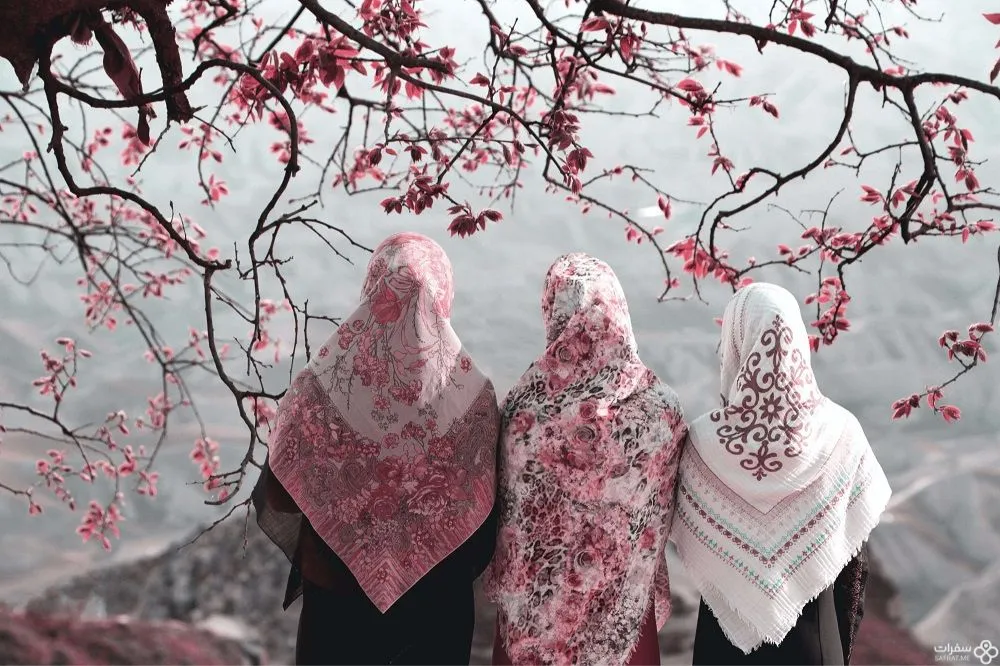
Have you ever thought about a tourist destination you can visit in any season of the year?!
Different regions of most countries typically experience similar weather across the various seasons of the year, due to their small size and geographic location. But have you ever thought about a tourist destination you can travel to in any season of the year? If you would like to learn about the most famous attractions that have placed Iran on the list of four-season countries, then keep reading this article.
Iran and Its Geographic Location
Iran enjoys a variety of climates thanks to its distinctive geographic location. Iran borders the Caspian Sea to the north, and is bounded to the south by the Persian Gulf and the Sea of Oman. The Alborz and Zagros mountain ranges are among the most important factors behind the emergence of Iran’s diverse climates. The cities of northern Iran that overlook the Caspian Sea are fertile and green, and the air in northern Iran is generally mild and temperate. Southern Iran, on the other hand, has a climate that differs from the northern cities, with intensely hot summers and mild winters.
If you are asking about the best times to travel to Iran, the answer is that spring and early autumn are the most beautiful seasons you can enjoy in Iran. Below I will tell you about the characteristics and features of Iran’s different seasons.
Iran’s Seasons and Their Beauty..
I would not be exaggerating if I said that Iran’s seasons are a world unto themselves… What sets Iran’s nature apart from other countries is that you can experience all four seasons and their changes in Iran. You can breathe in the fragrance of spring flowers and the sweetness of the air in Tehran, the capital, and in Iran’s central cities, just as you can feel the heat of the day and the gentleness of the night air in summer. The yellowing of tall trees’ leaves and their falling to the ground in autumn is one of the most beautiful sights you can witness, and in winter you can see snowfall and the white peaks of Tehran’s mountains. One important point I should mention is that each season in Iran has its own traditions and customs, which add to the beauty and appeal of that season.
Spring… The King of Seasons
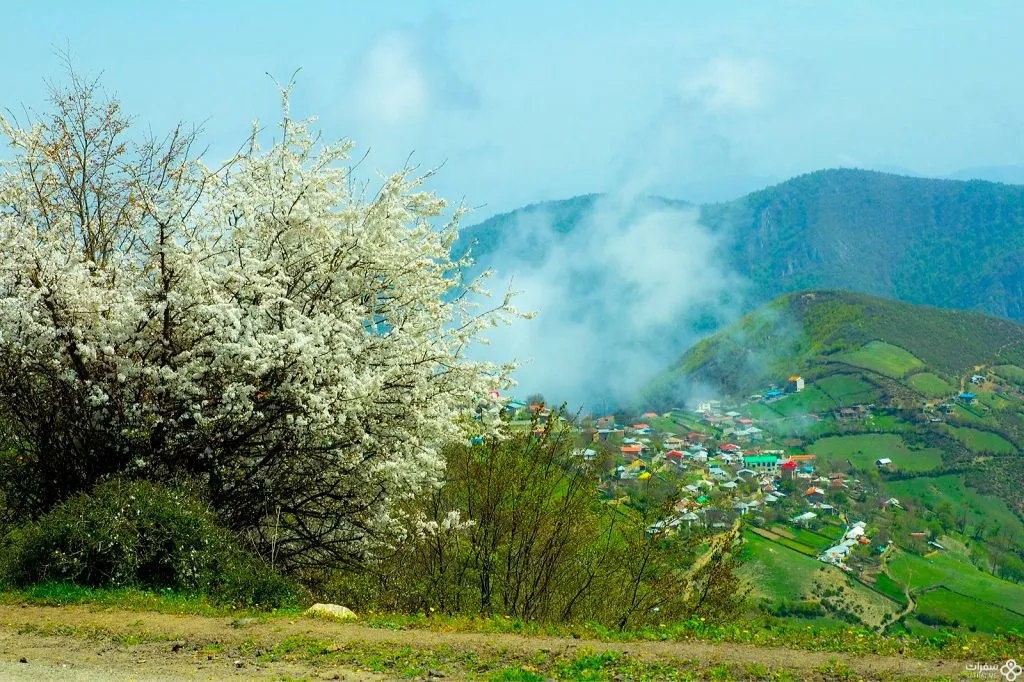
You can experience mild and pleasant weather in most of Iran’s central cities in spring, although there are some cities where the weather remains cold, such as those in northwestern Iran. Some cities see rainfall in spring, but this rain is light and does not have a significant impact on the general weather, as the atmosphere remains mild and pleasant. Moreover, this rain is usually brief and light, making one wish to walk in it and enjoy breathing the fresh, beautiful air. Adding to the beauty of spring is the fact that it coincides with the Nowruz holiday, which is the New Year celebration in Iran, with its own special and captivating rituals and beauty.
Spring is the great miracle and a revival after death… You can feel the transformation that comes over nature in spring. In Iran, spring is the season in which you can travel to all regions of the country.
23 °C
Average daytime temperature
12 °C
Average nighttime temperature
20 mm
Average rainfall
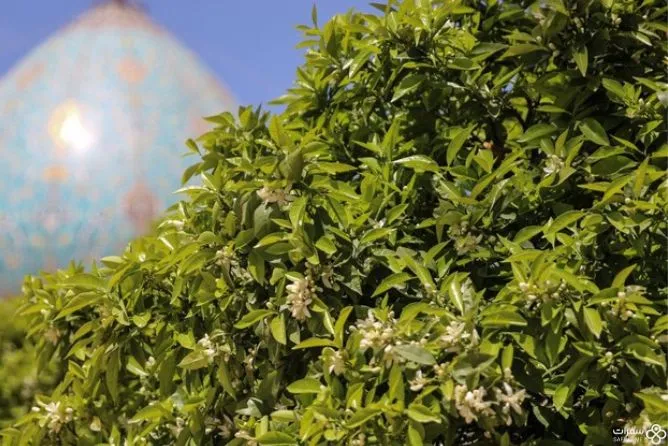
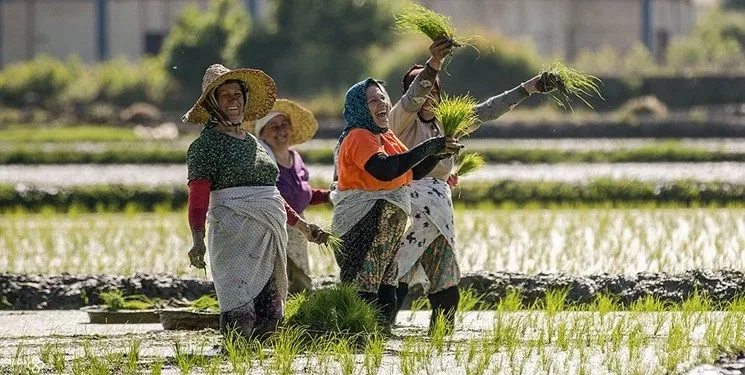
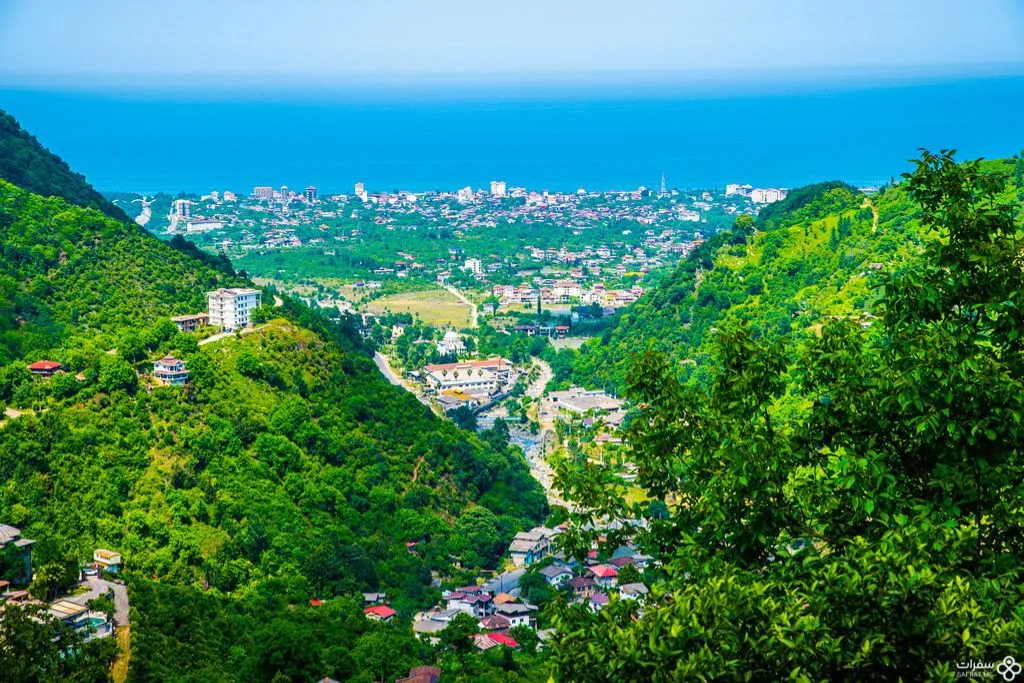
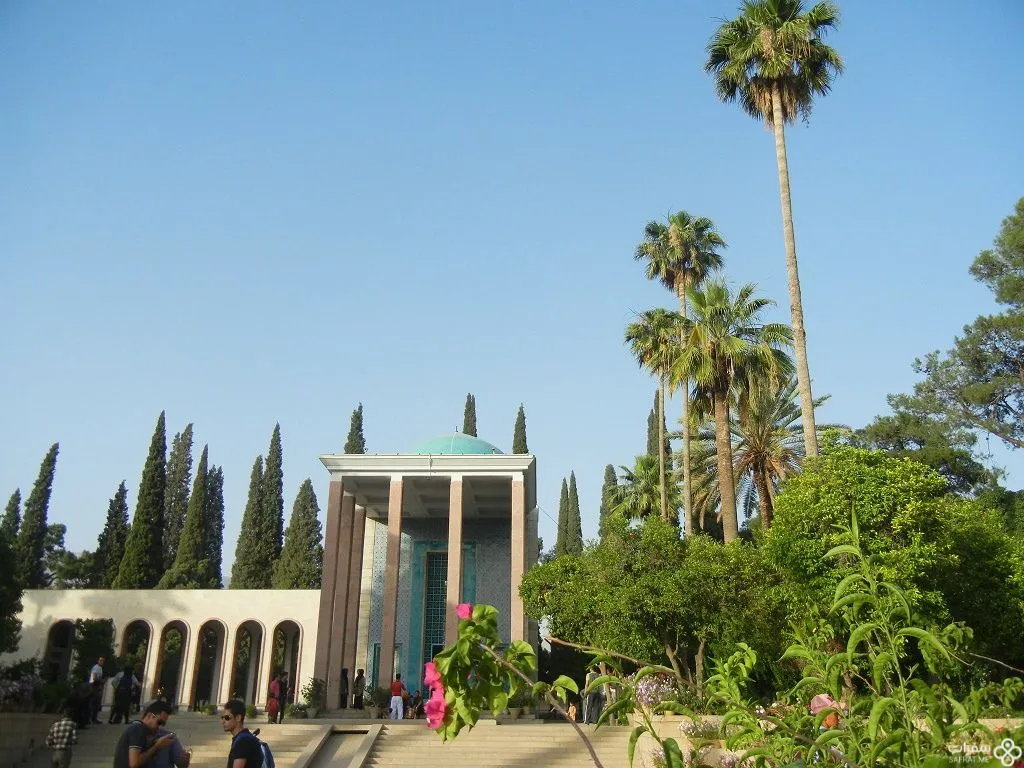
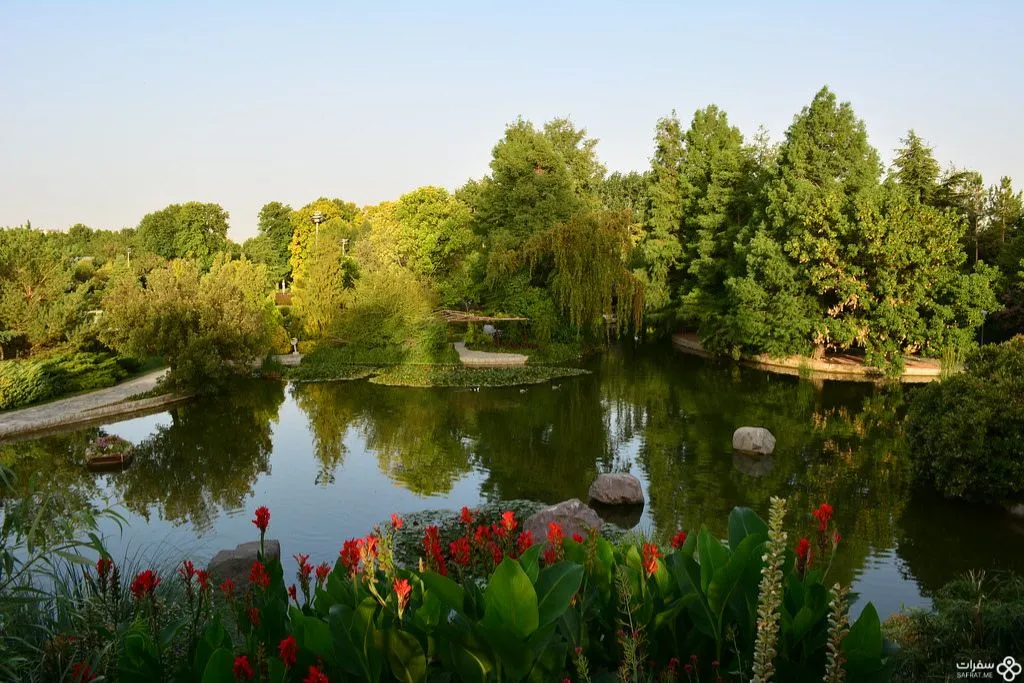
I doubt you have ever seen a place as beautiful as Shiraz in spring, where you can witness a resurrection of colors, and the scent of bitter orange fills every corner of Shiraz in spring. In the city of Kashan, you are greeted by vast fields of Damask roses that have bloomed to have their water extracted using traditional tools — a process you can take part in. As for the northern cities in spring, all you see is a green that brings you calm and leaves your worries and sorrows behind. On top of that, spring is the rice-planting season — a season that becomes one of a kind with the songs of village women who plant rice together. And the city of Isfahan will enchant you with its fresh and gentle air.
The cities of Shiraz, Isfahan, and Kashan, along with the northern cities of Iran, are among the cities whose beauty will astonish you in spring.
Summer… The Season of Activity and Movement
The weather is generally hot in most parts of Iran during this season, but Iran’s central cities have a moderate summer that does not reach the unbearable heat found in southern Iran.
The moderate heat in Iran’s central cities is characterized by gentle breezes; standing in the shade of trees makes you forget the heat entirely and awakens a feeling reminiscent of the mild air of spring.
Iran’s central cities, and especially the cities of the north, west, and northwest, are the top tourist destinations preferred by most Iranians for their summer holiday trips.
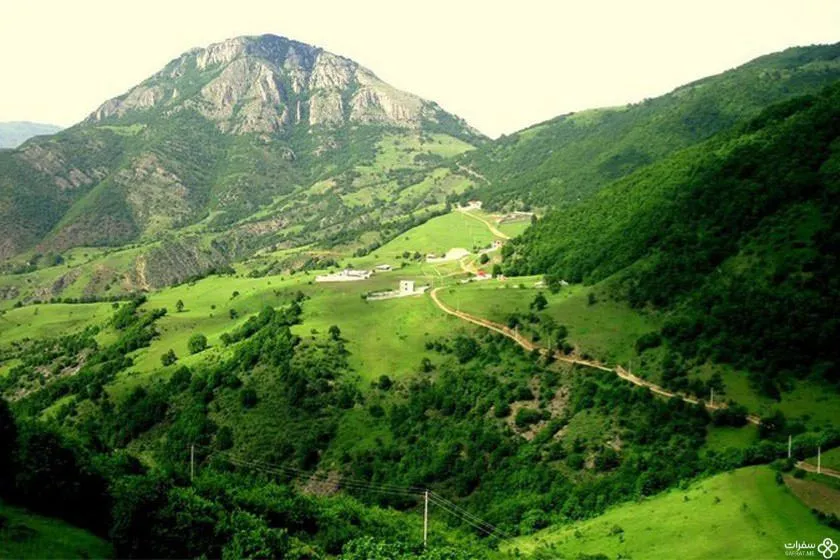
The beauty of Iran’s northern cities in this season lies in witnessing summer rainfall in the northern cities near the Caspian Sea, and you can also spend time by the sea to enjoy its tranquility and grandeur.
Ardabil is one of Iran’s western provinces that you can visit in summer. Because this city and its surrounding towns in northwestern Iran experience cold, snowy weather, the summer season is like spring for this region. You can benefit from hot springs as well as medicinal saltwater springs, and breathe fresh air in these areas.
30 °C
Average daytime temperature
22 °C
Average nighttime temperature
10 mm
Average rainfall
Autumn… The Season of Embracing Nature
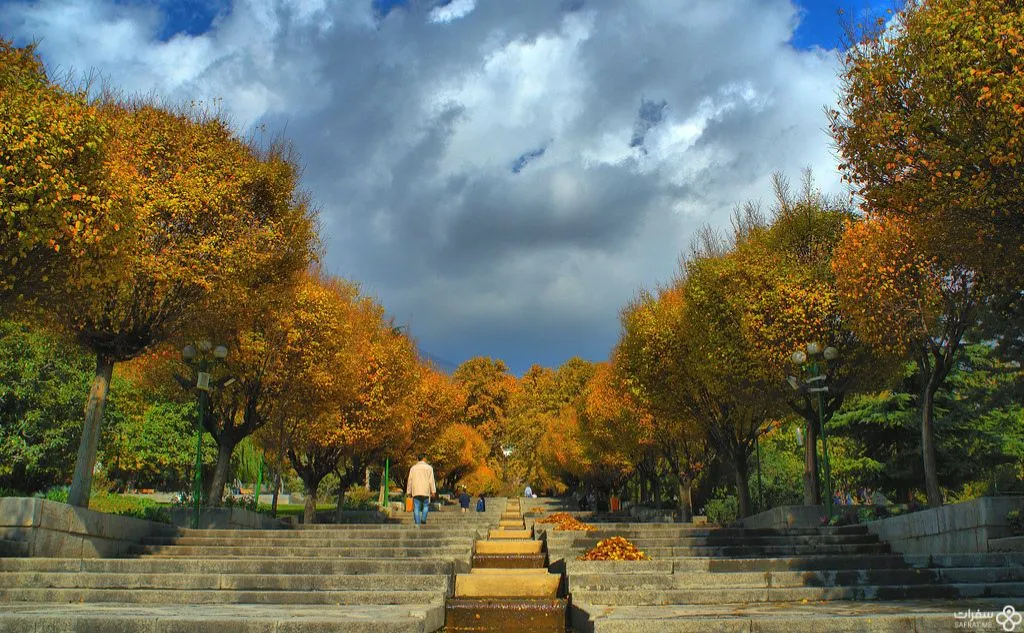
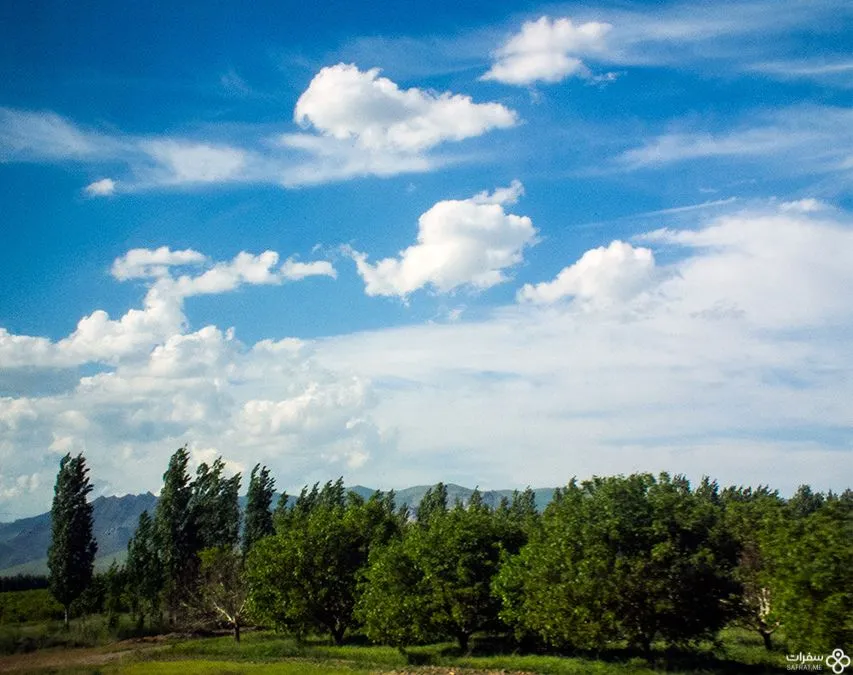
Autumn is one of the seasons whose features and beauty you can experience at their finest across the various regions of Iran. Autumn in Iran spans three months: Mehr, Aban, and Azar. These months correspond roughly to October, November, and December in the Gregorian calendar.
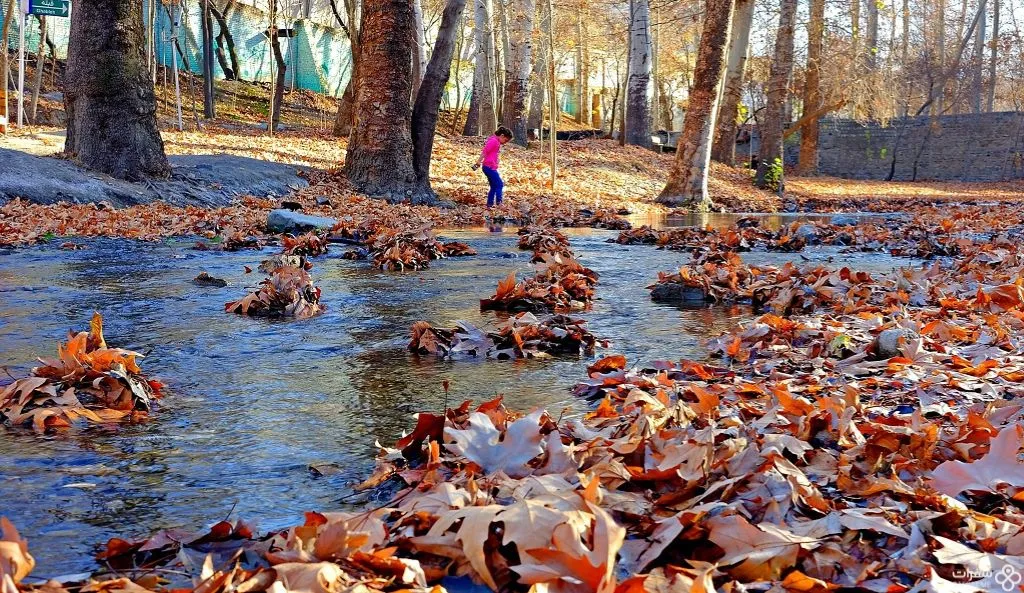
The air is mild across Iran’s various cities in autumn. You can travel to different parts of Iran during this season, though travel in this season is generally recommended for lovers of natural beauty and its varied colors. Some cities receive light rain, which causes the leaves to turn yellow and creates colorful, varied patterns on the ground. How wonderful it is to walk through the streets of Tehran after an autumn shower… Adding to the beauty of that experience is sampling the delicious foods cooked on small carts and sold along the edges of popular markets and even shopping malls.
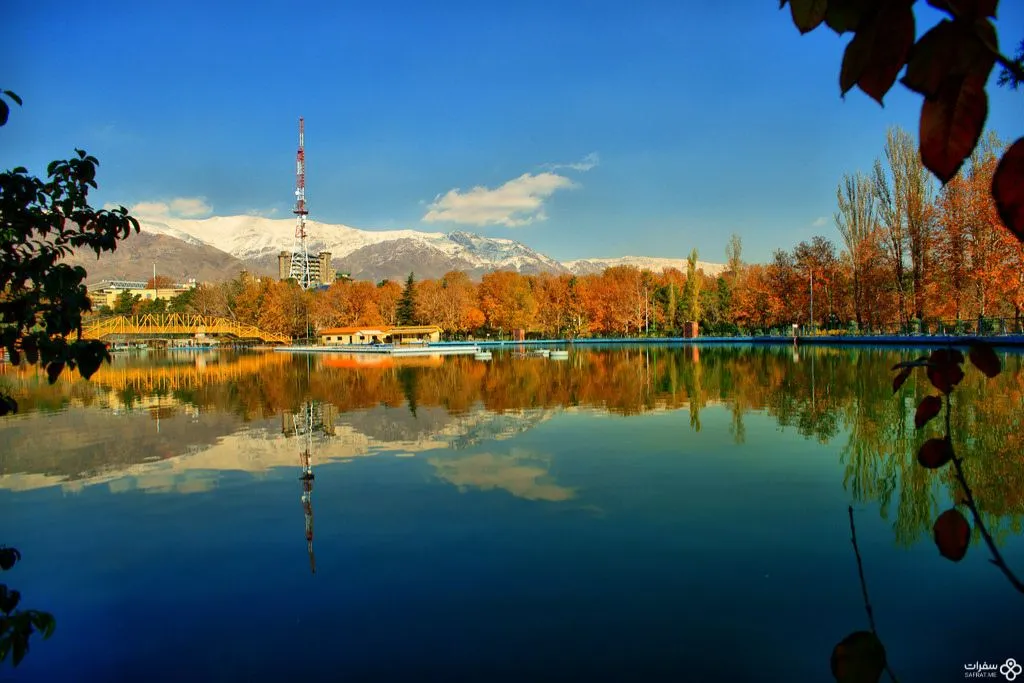
You will feel autumn when you see the leaves falling from the tall, well-known trees of Valiasr Street in the capital, as well as in the villages surrounding Tehran…
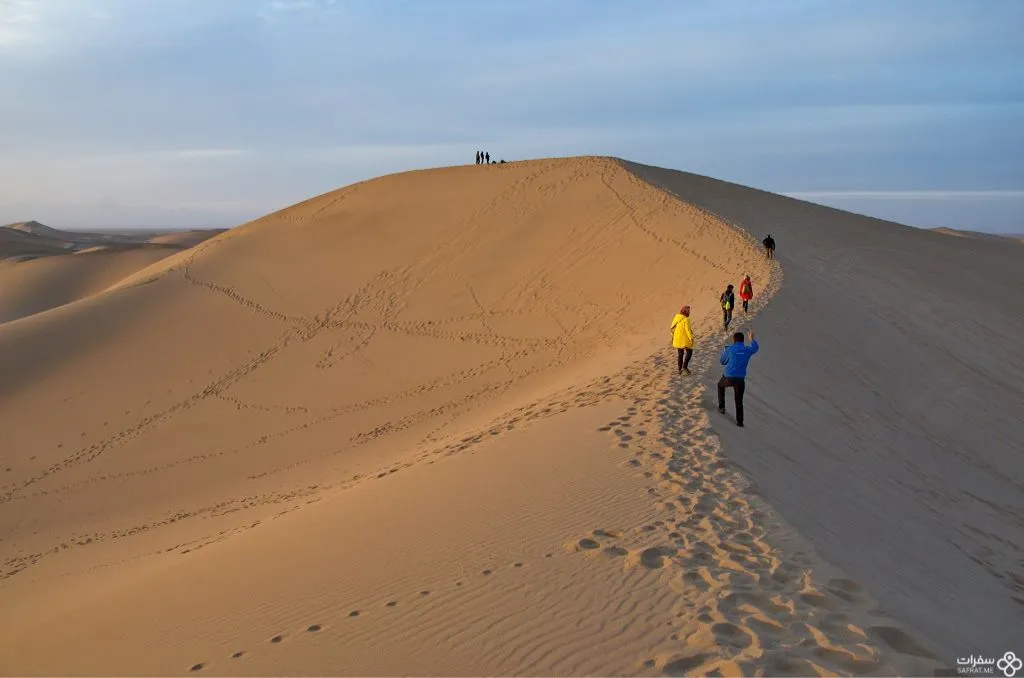
How beautiful it is to go on a desert tour and gaze at the night sky while lying on the soft sand… Traveling to the desert in autumn is recommended due to the lower temperatures. Shiraz and Yazd are among the other cities you can travel to in this season. You can admire the unique historic buildings of Yazd in mild and pleasant weather, since the weather is hot in summer in those areas.
You can travel to Khuzestan with its cities full of bridges, flowing rivers, popular markets, and delicious food. The city of Mashhad is among the cities recommended for a visit in autumn, because the air tends toward moderation in those areas that experience high temperatures in summer.
23 °C
Average daytime temperature
12 °C
Average nighttime temperature
10 mm
Average rainfall
Winter and the Experience of Unforgettable Memories..
Iran’s winter falls in the months of Dey, Bahman, and Esfand of the Solar Hijri calendar. These months correspond roughly to January, February, and March.
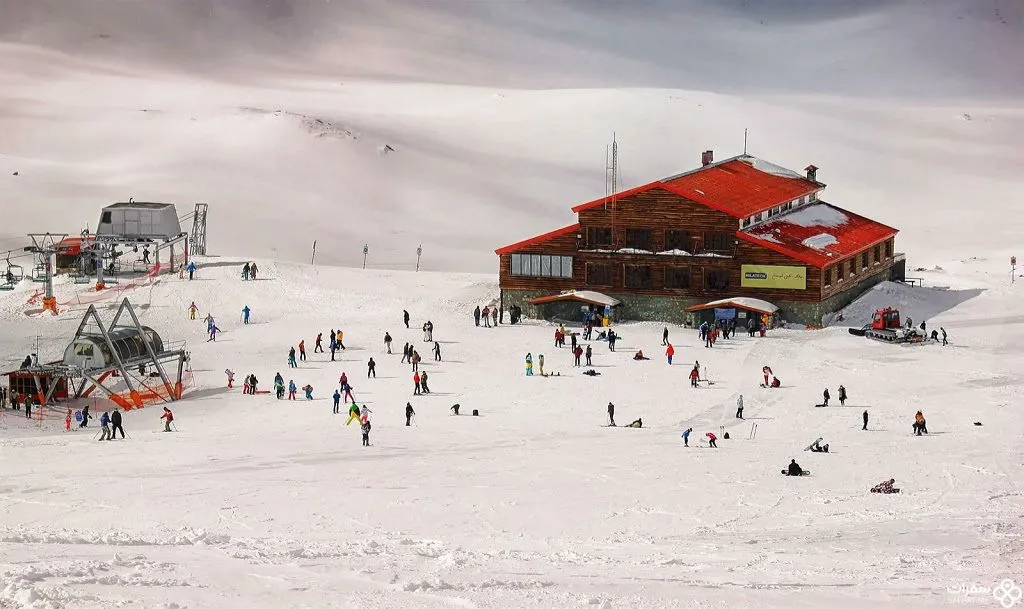
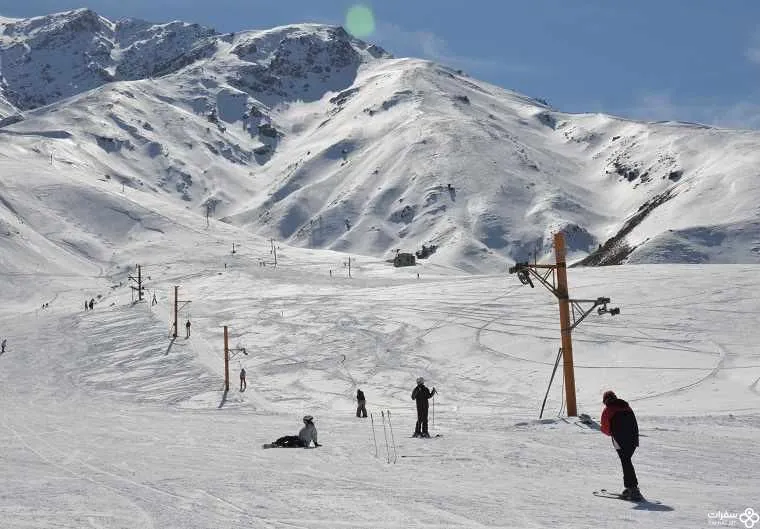
Most of Iran’s cities experience cold weather in winter, and the climate in most Iranian cities is rainy and snowy. Because some Iranian cities are blanketed in snow during this season and many cities receive heavy rainfall, winter can be a beautiful tourist destination for those who love playing in the snow. There are lovely resorts in Tehran that offer winter sports facilities.
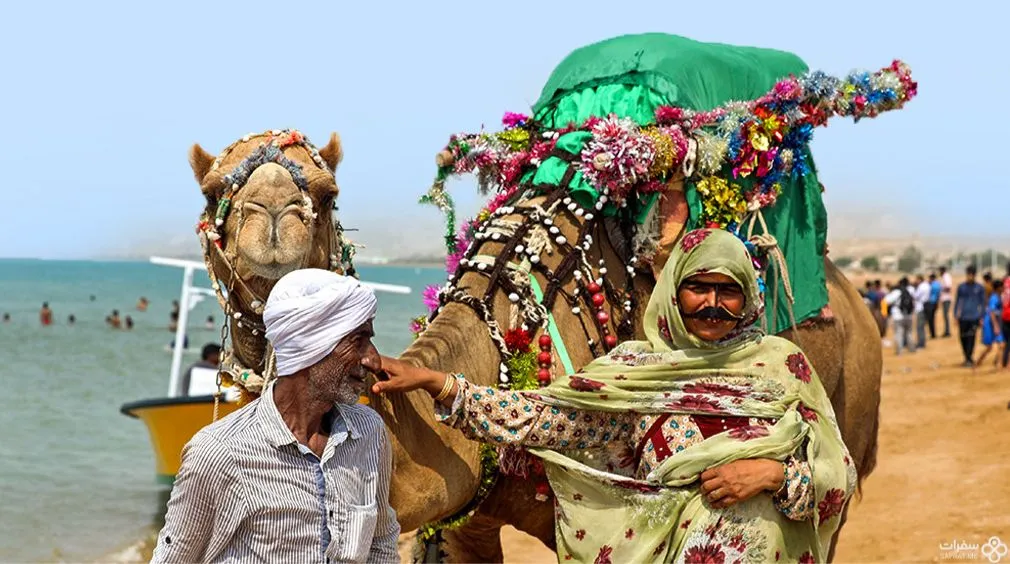
You can travel to southern Iran in winter, where the weather is mild and suitable for strolling on the soft sands of the Gulf, shopping in the popular markets along the Gulf shore, and sampling seafood. If you are a fan of skiing and winter sports and want to build a snowman, Tehran is your ideal destination — you can head to the Tochal resort north of Tehran, covering a distance of nearly seven kilometers through the mountains with the help of a cable car. You can also go to Tabriz and the cities of northwestern Iran.
If you prefer to avoid the cold and lean toward milder weather, Khuzestan Province awaits you, where you can feed migratory birds on the banks of the Karun River in Ahvaz. You can also head to the islands of southern Iran such as Qeshm Island and Kish, and to Hormozgan Province, as well as its ports with their bustling popular and commercial markets. You can also enjoy the natural beauty of Sistan and Baluchestan.
23 °C
Average daytime temperature
12 °C
Average nighttime temperature
10 mm
Average rainfall
Among the social and historical traditions and customs associated with winter among Iranians, mention can be made of Yalda Night, when Iranians celebrate what is considered the longest night of winter, staying up until morning listening to stories told by grandparents.