
If I wanted to speak briefly about the natural destinations in Jordan, I would have to say that Jordan’s nature is no less important or beautiful than its historical landmarks such as Petra — in fact, visiting Jordan’s natural destinations may be an even greater adventure. You can float on the surface of the water in the Dead Sea without any fear of drowning, you can marvel at the stunning and unparalleled geological formations in Wadi Rum and Wadi Mujib, as well as the filming location of Lawrence of Arabia’s mouth scene in Wadi Rum, and breathing in the scent of the holy land from atop Mount Nebo — which is, in most accounts, the resting place of the Prophet Moses, peace be upon him — puts you in an ideal spiritual state.
The Dead Sea: the lowest point on Earth
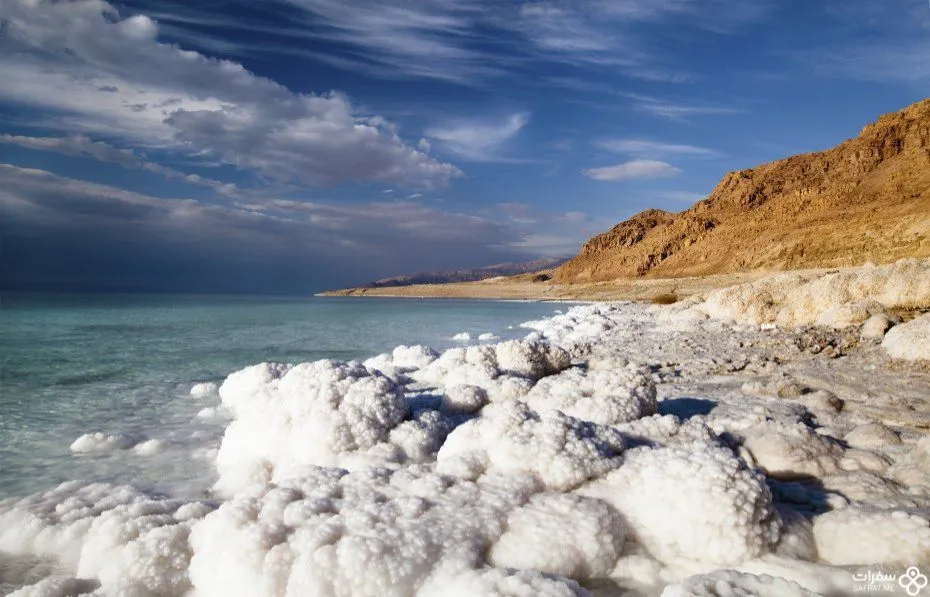
The pleasure of being in the desert, lying beneath a sun that hides behind the clouds, on the shore of a sea whose waves push tiny salt particles — which appear in the form of crystalline masses — covering vast stretches of the sea.
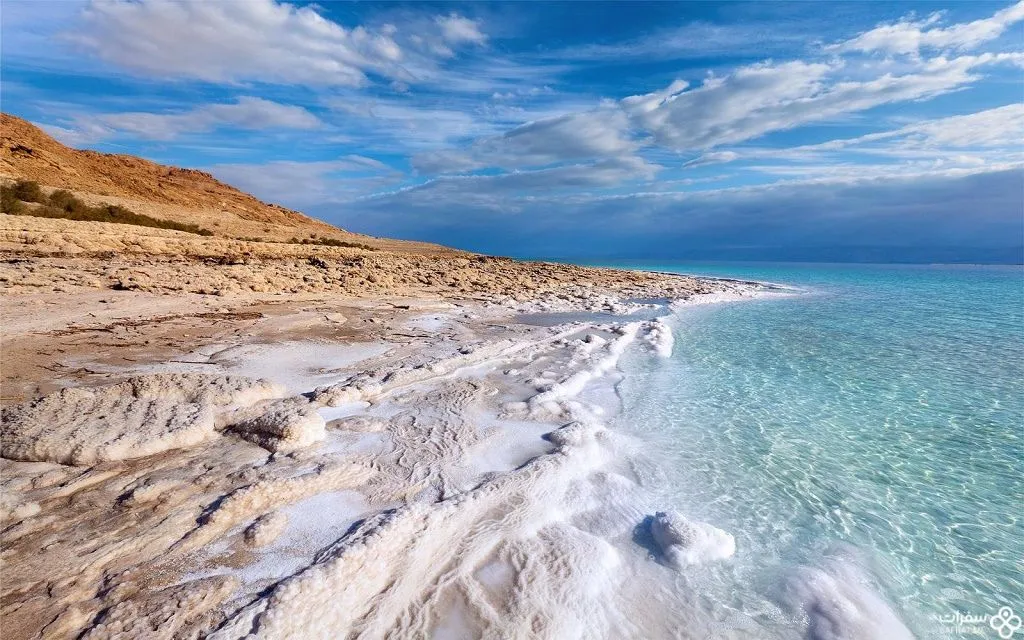
The Dead Sea may be the most significant sea from a geographical, religious, and historical perspective. The Dead Sea lies along the Jordanian-Palestinian border and is approximately one hour from the capital, Amman. Its historical significance lies in the fact that it has been mentioned in the writings of many civilisations, while its religious significance stems from its mention in the Holy Quran.
This sea was named ‘dead’ because of the high concentration of salt it contains. Despite its name, this sea can actually be a friend to humans: the salt content prevents the body from sinking and keeps it on the surface of the water, to the point where you can drink a cup of coffee or read a newspaper while lying almost flat on the surface of the sea.
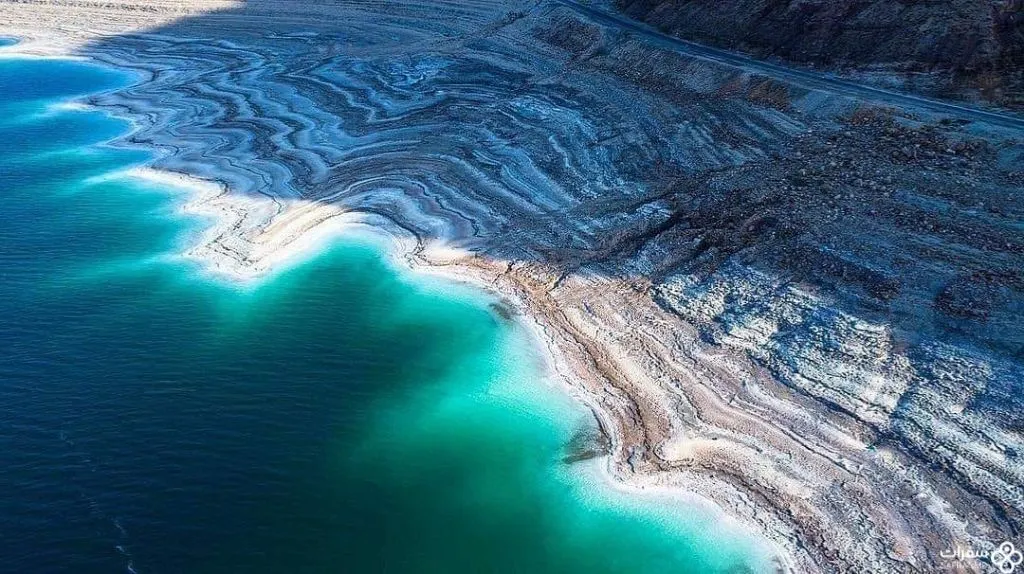
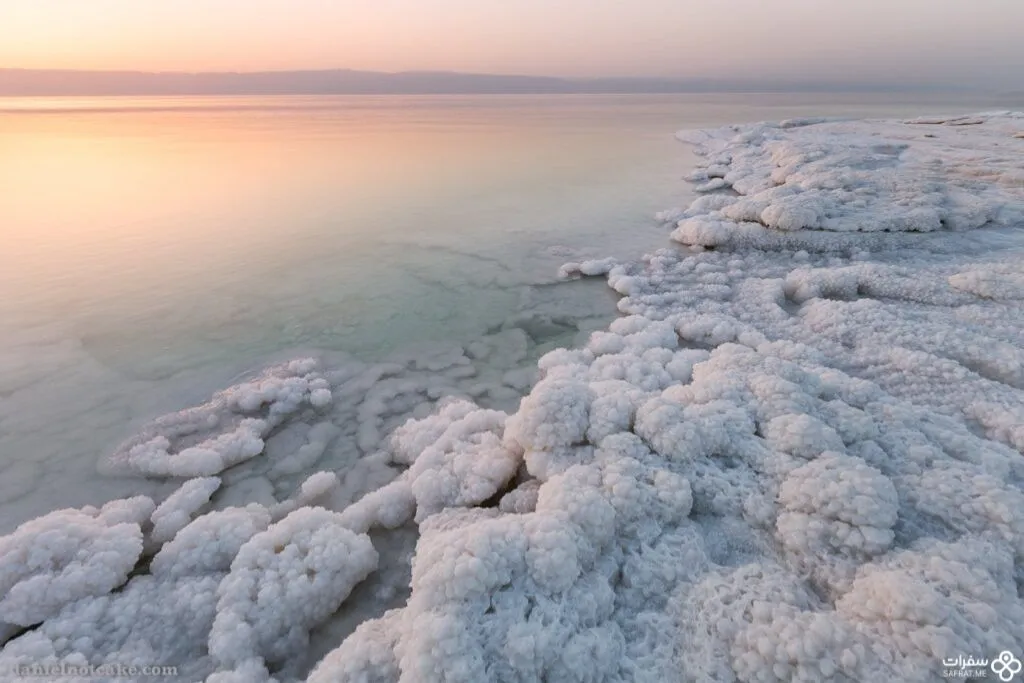
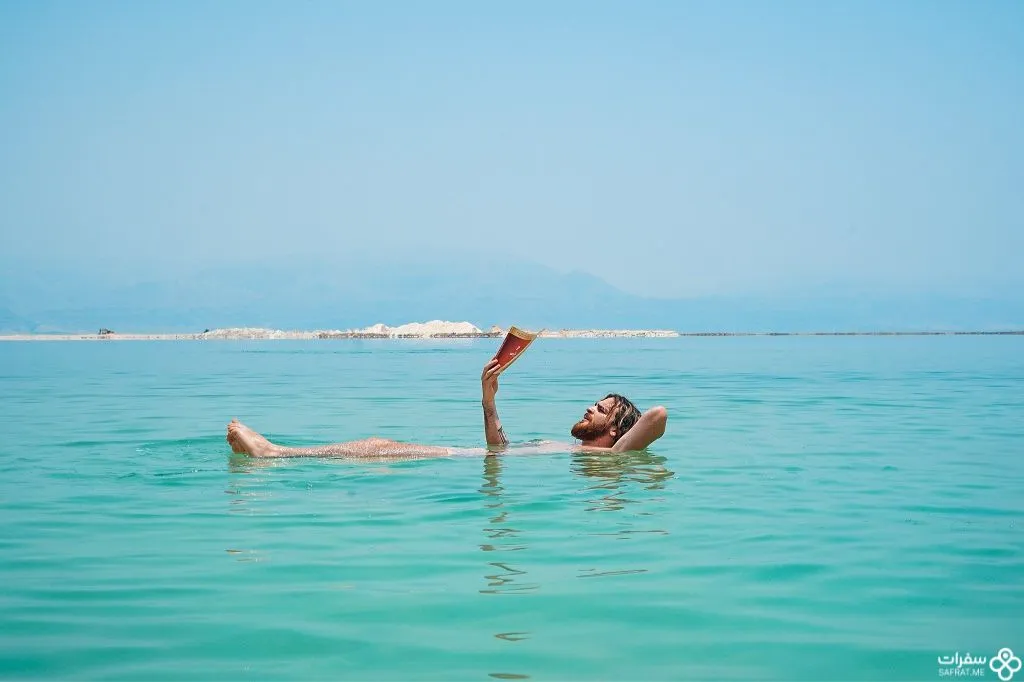
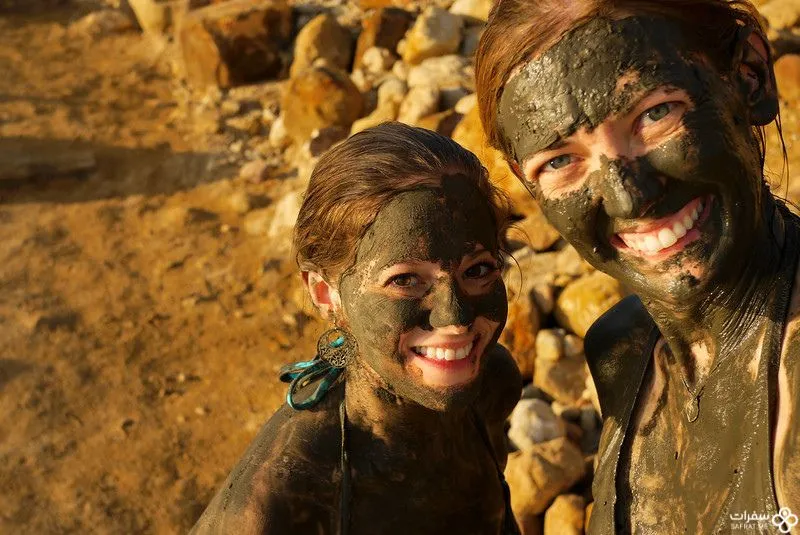
The healthy atmosphere that characterises the Dead Sea is among the most important geographical and health-related features that draw visitors to this spot on Earth — including the pure oxygen air, the solar radiation (UV) that prevents the body from burning, as well as the mineral salts and mud applied to the body, which bring about a sense of refreshment and vitality.
Wadi Rum
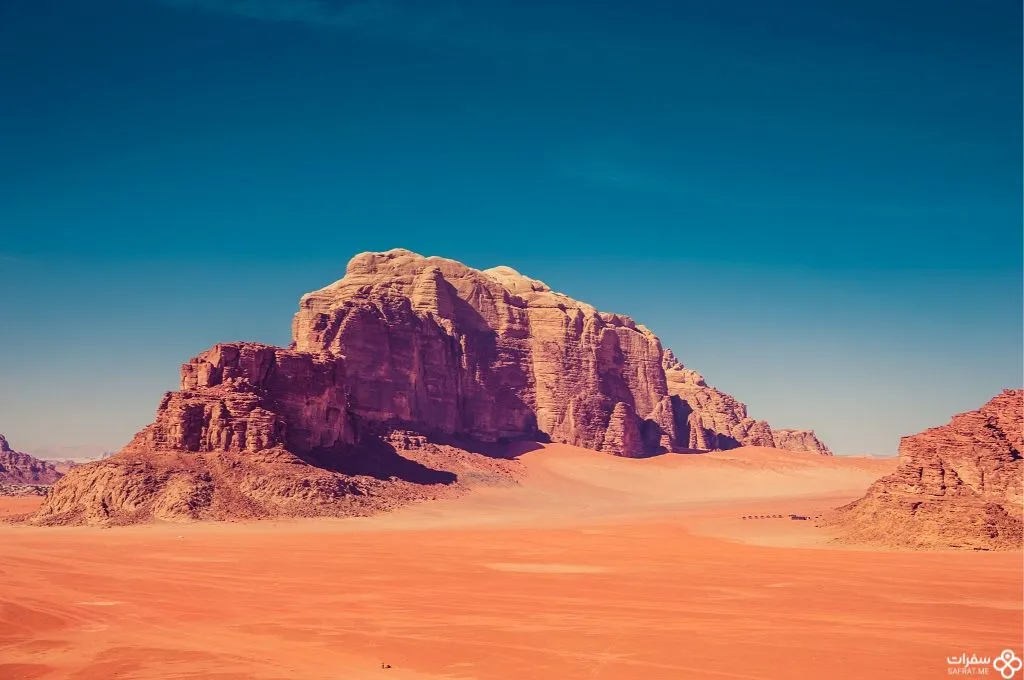
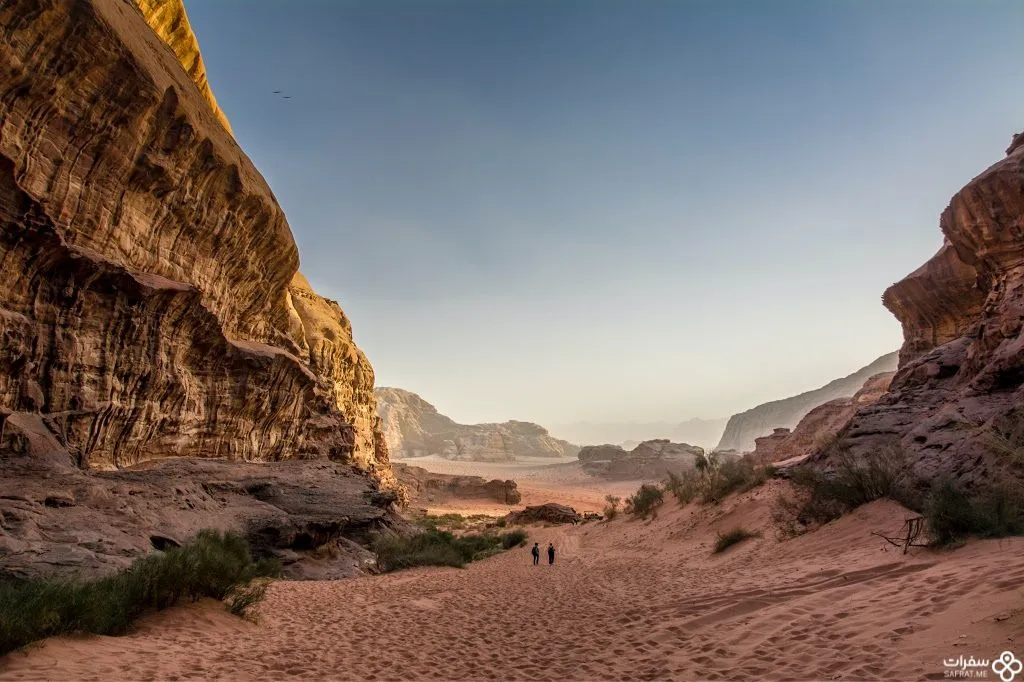
Wadi Rum is one of the most beautiful natural destinations visited by most tourists in Jordan. Among the most remarkable sights in this valley are the eroded hills and rocky outcrops rising from the desert in shades of yellow, brown, and orange.
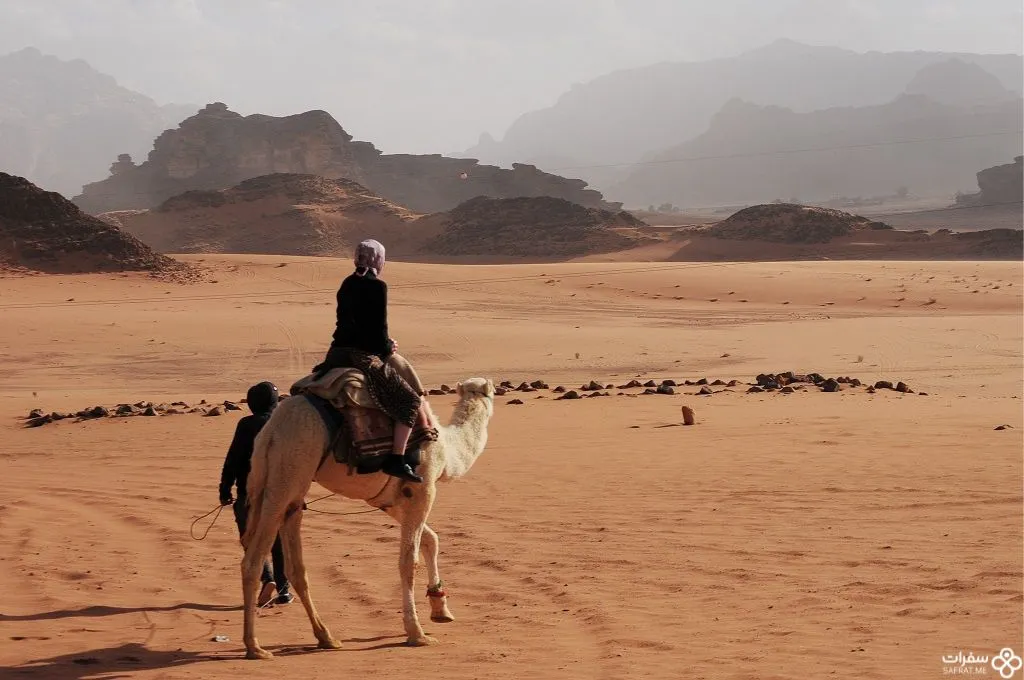
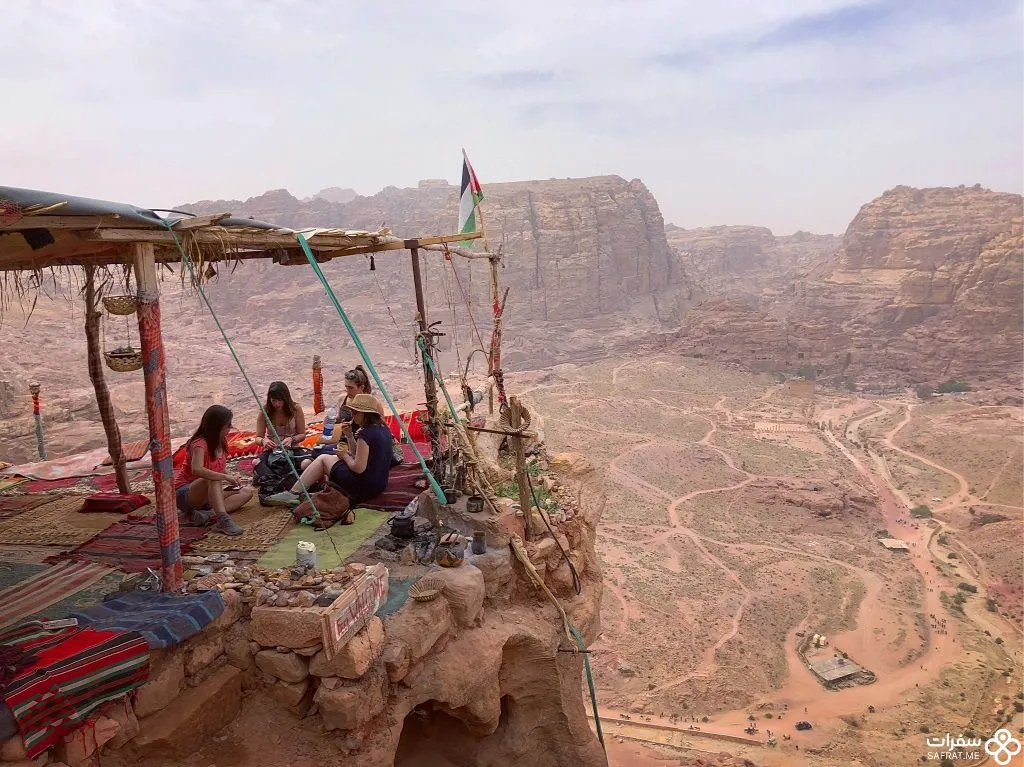
Wadi Rum has been inscribed on the UNESCO World Heritage List as one of the most important natural sites. Many tourists prefer to explore the valley in jeeps so they can enjoy the fresh open air and take in the breathtaking scenery. The opportunity to learn about the lifestyle of the nomadic peoples of Wadi Rum, sample their favourite foods, and take photographs inside their goat-hair tents makes the trip a truly exploratory adventure.
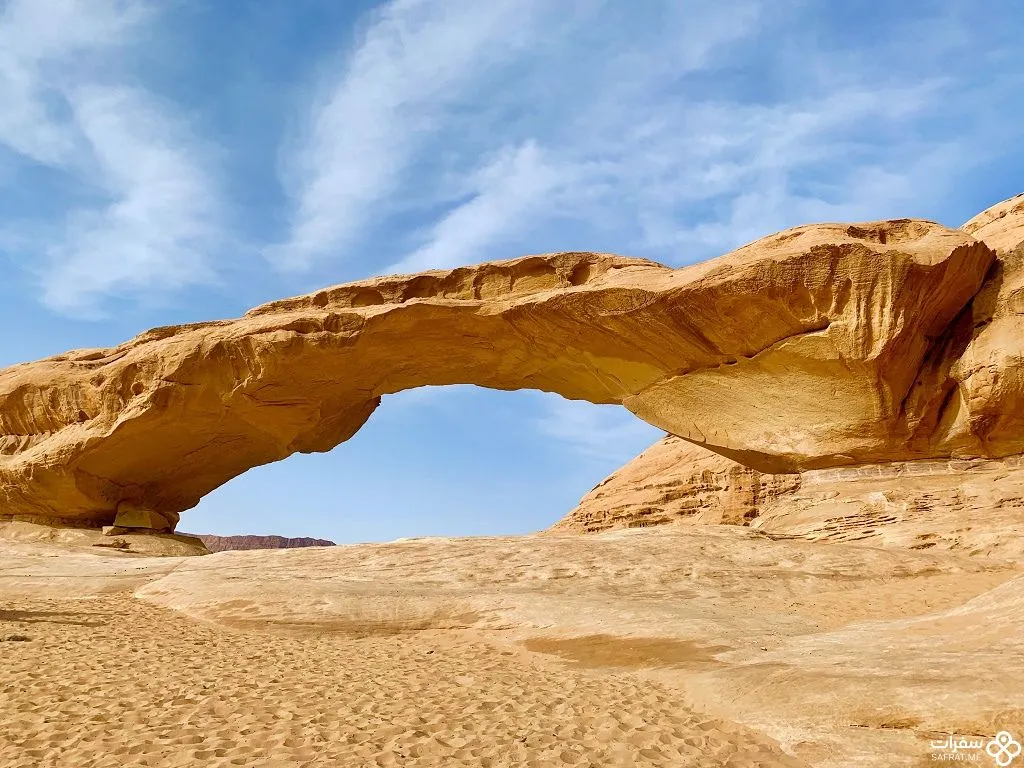
The experience of seeing the rock arch known as the Burdah Bridge — the highest natural rock arch — as well as visiting the house of Lawrence, the British military commander who preferred to live in the desert among the Arabs, and viewing the Mushroom Rock, are among the other experiences that can be had in Wadi Rum.
Best times to travel to Wadi Rum
The period from March to May and from September to November is the best time to travel to Wadi Rum, when the weather is mild. The chance to see fragrant wildflowers in spring, as well as the experience of living alongside the nomadic peoples, are among the most wonderful activities that can be enjoyed in Wadi Rum.
Wadi Mujib Nature Reserve
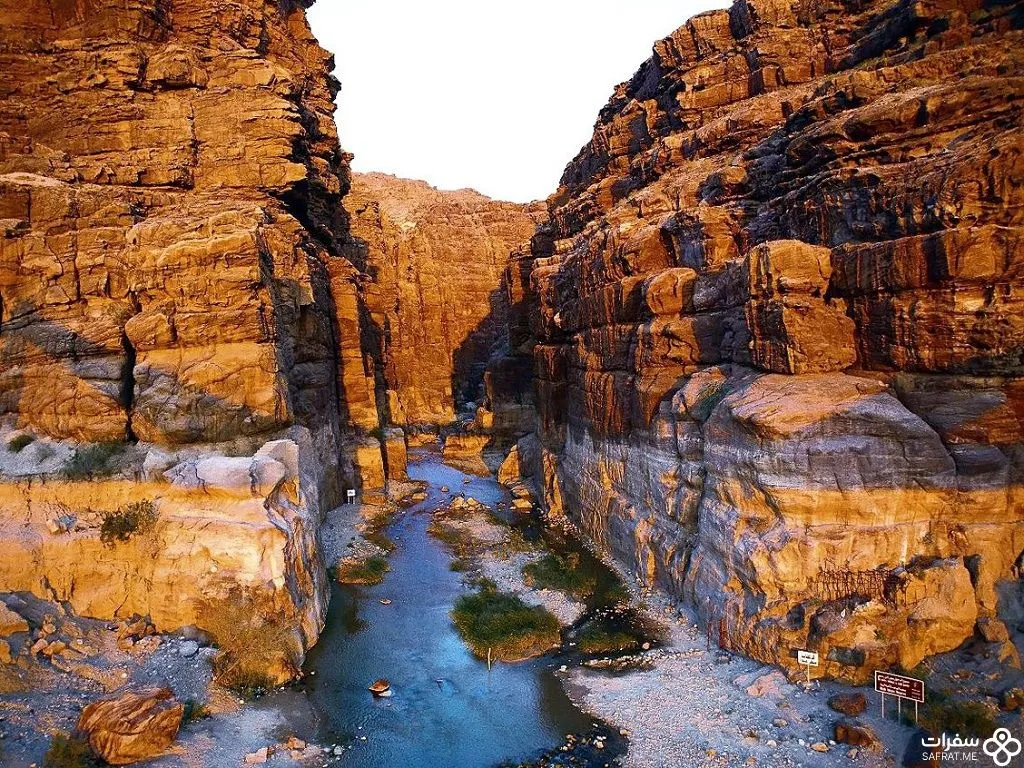
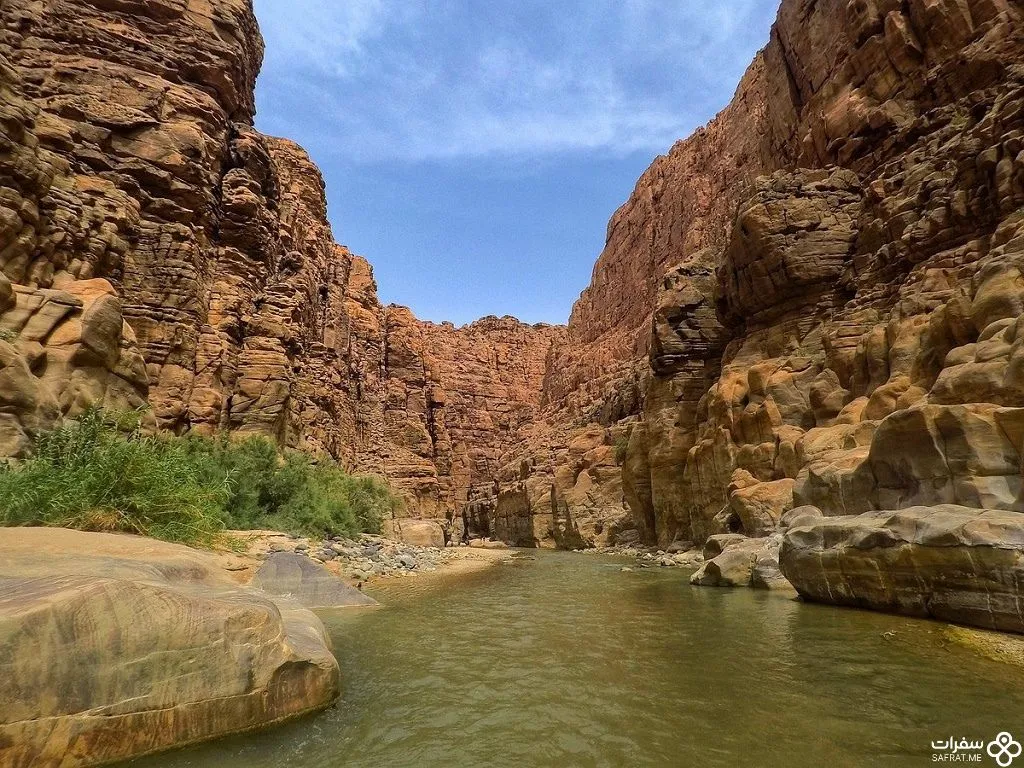
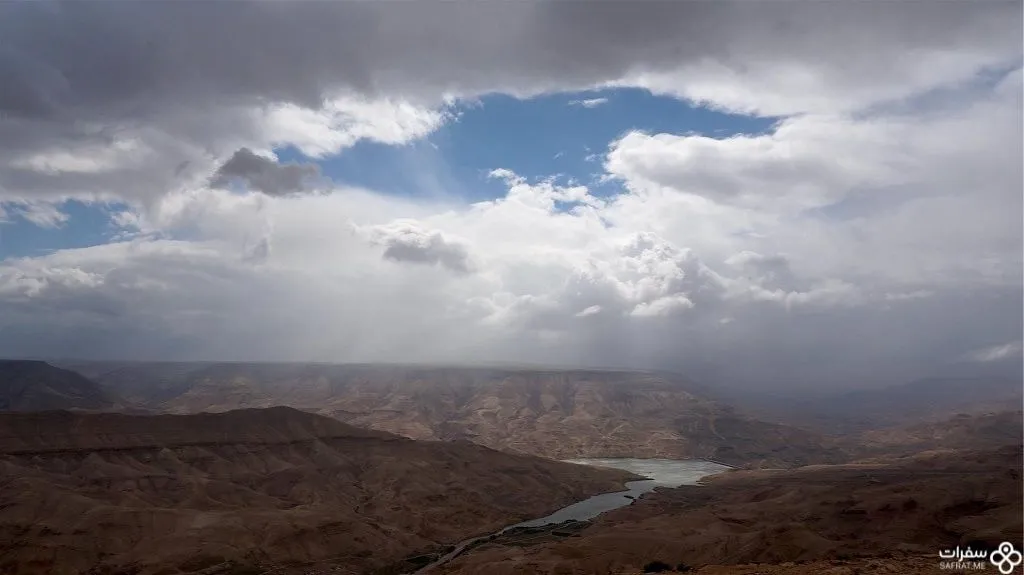
Wadi Mujib Nature Reserve is considered one of the most spectacular destinations recommended for a visit when travelling to Jordan. This valley lies approximately 90 kilometres south of the capital, Amman. This nature reserve in Jordan is the lowest nature reserve in the world, at a depth of more than 400 metres below sea level.
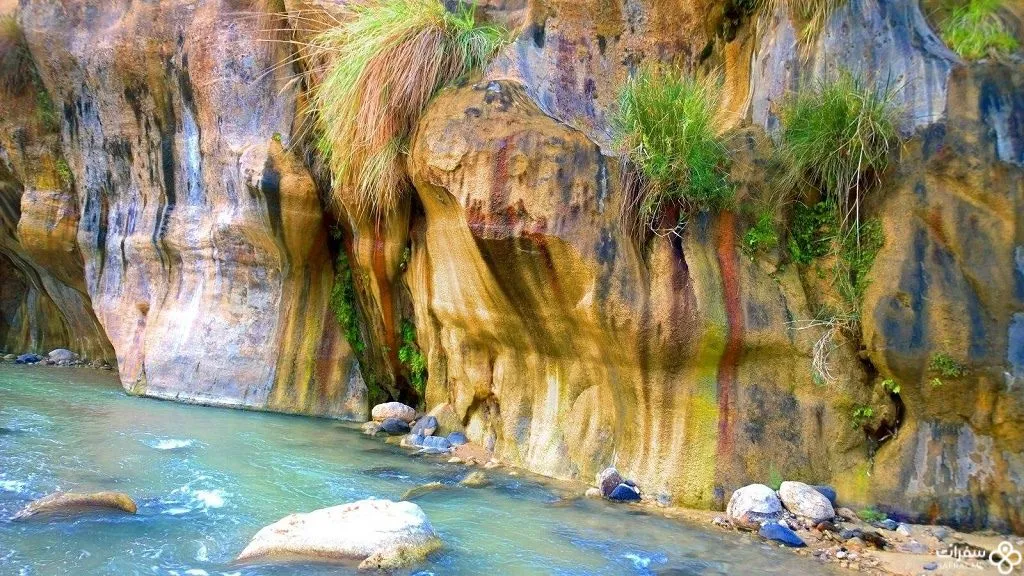
The pleasure of seeing the pink and brown hues of the rocks, along with the varied vegetation and certain animals such as the Nubian ibex, the Syrian wolf, and the striped hyena, are among the features that add to the adventure of visiting this valley.
There are various trails for exploring Wadi Mujib Nature Reserve. The Ibex Trail, along which beautiful herds can be spotted and which ends at the Dead Sea, and the Siq Trail, considered the best trail for those seeking canoeing and adventure. The third trail, the Canyon Trail, is the most challenging of all the trails, where adventurers navigate it by swimming and walking, and can also view a waterfall that reaches 20 metres in height.
Mount Nebo
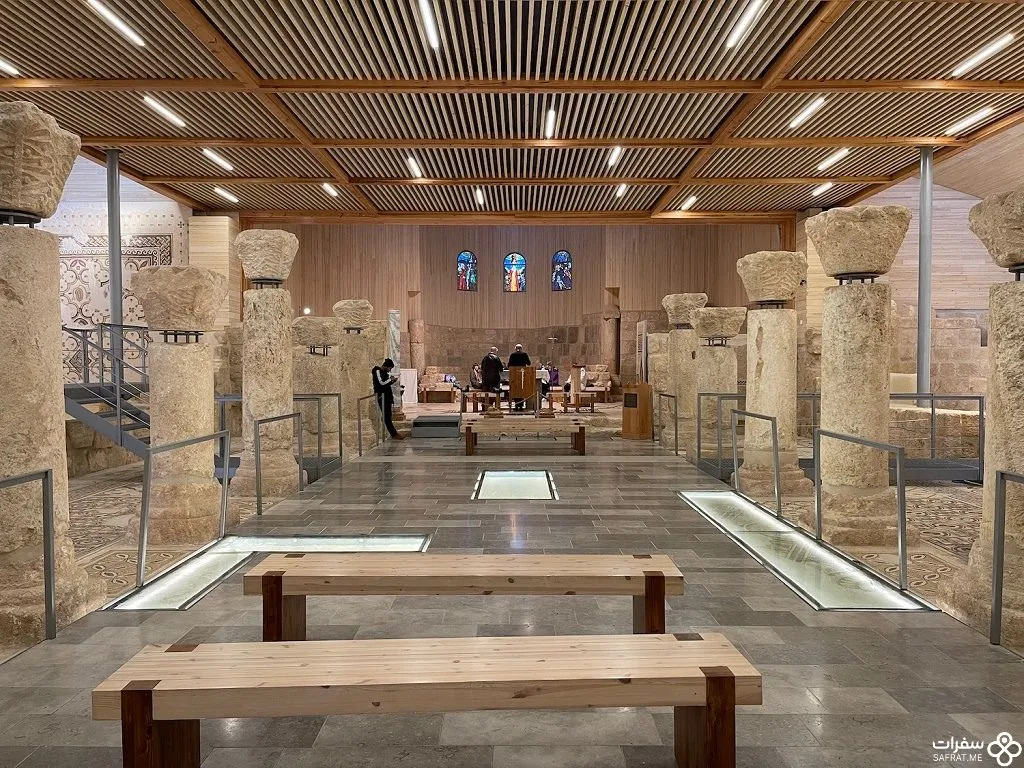
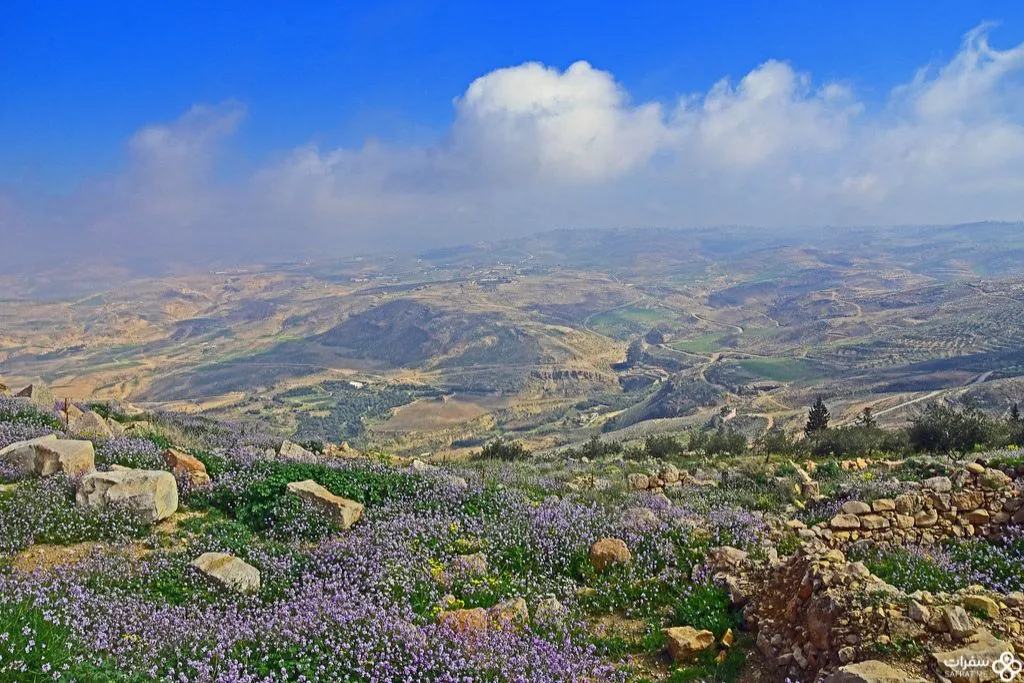
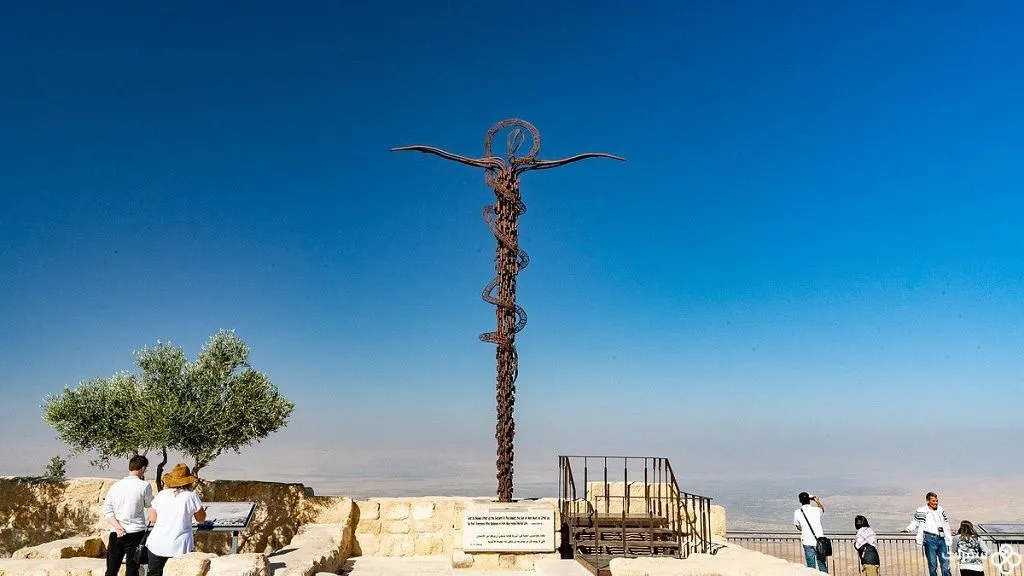
Mount Nebo is another of Jordan’s mountains. This mountain lies 30 kilometres from the capital, Amman, and approximately 10 kilometres from the city of Madaba. If Wadi Qadisha is the sacred valley in Lebanon, then Mount Nebo is the sacred mountain in Jordan.
The sanctity of Mount Nebo is manifest in the fact that, for Muslims, it is the mountain where the Prophet Moses was buried; for Christians, it is the mountain upon which the Prophet Moses stood to behold the Promised Land; and for Jews, it is the forbidden land upon which the Prophet Moses stood to look upon the land of Canaan.
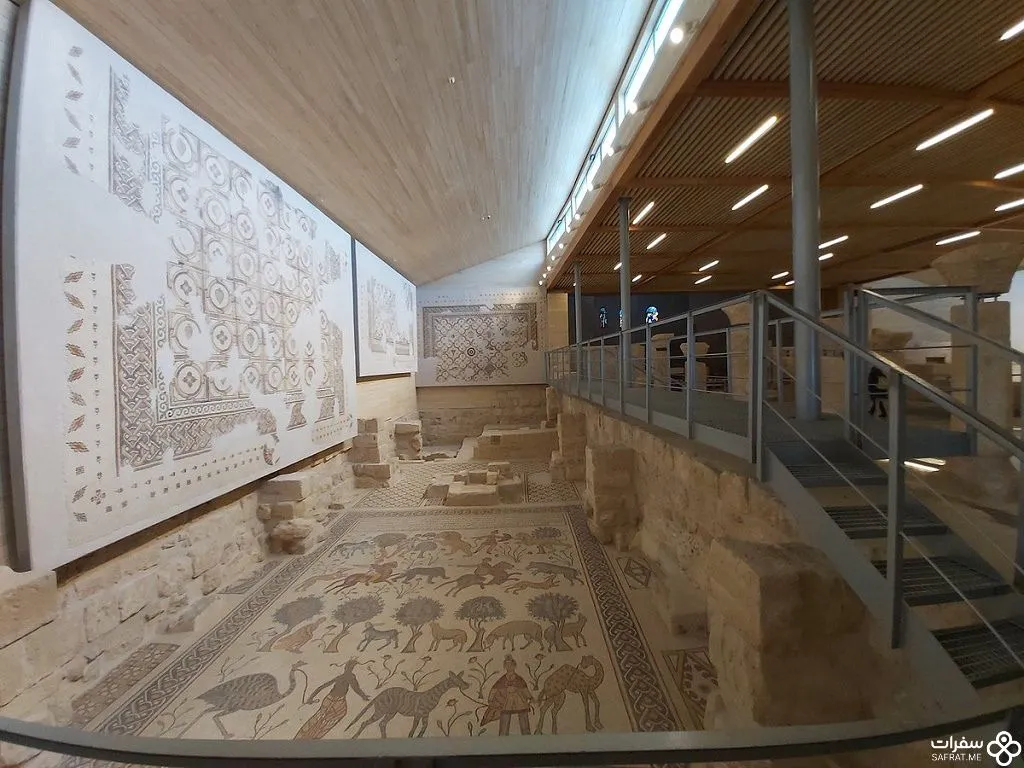
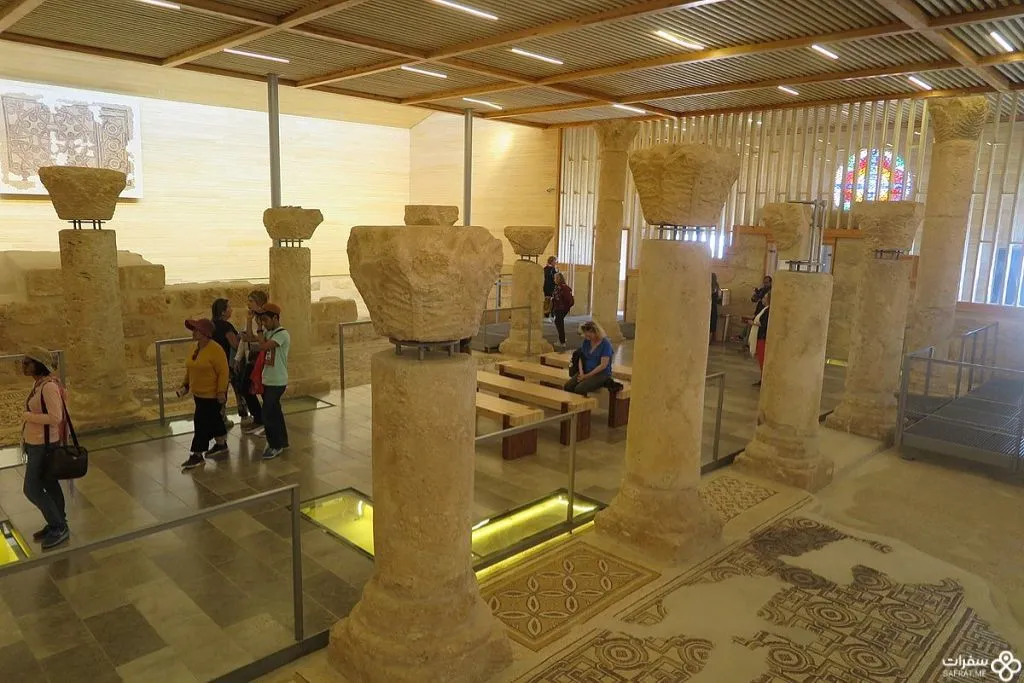
Among the most beautiful places that can be visited on Mount Nebo is the village of Khirbet al-Mukhayyat, which is filled with mosaic remains and historic churches. This mountain has been a destination for religious tourism enthusiasts since the fourth century, and there is also a small church on the mountain that reflects Byzantine mosaic art.
Ma’in Hot Springs
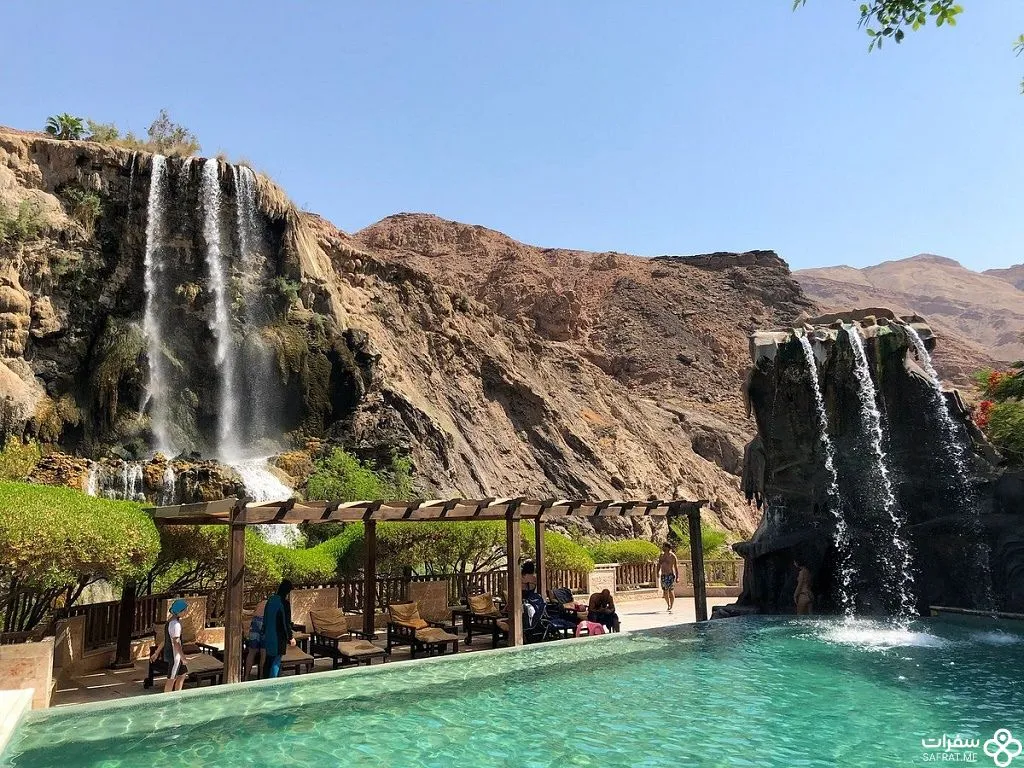
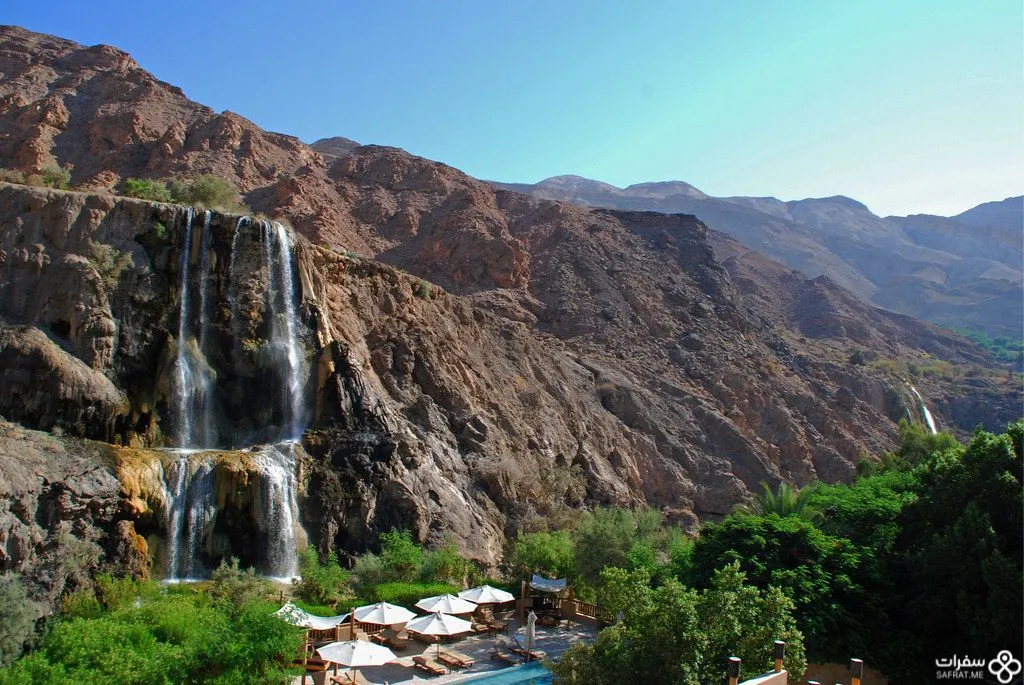
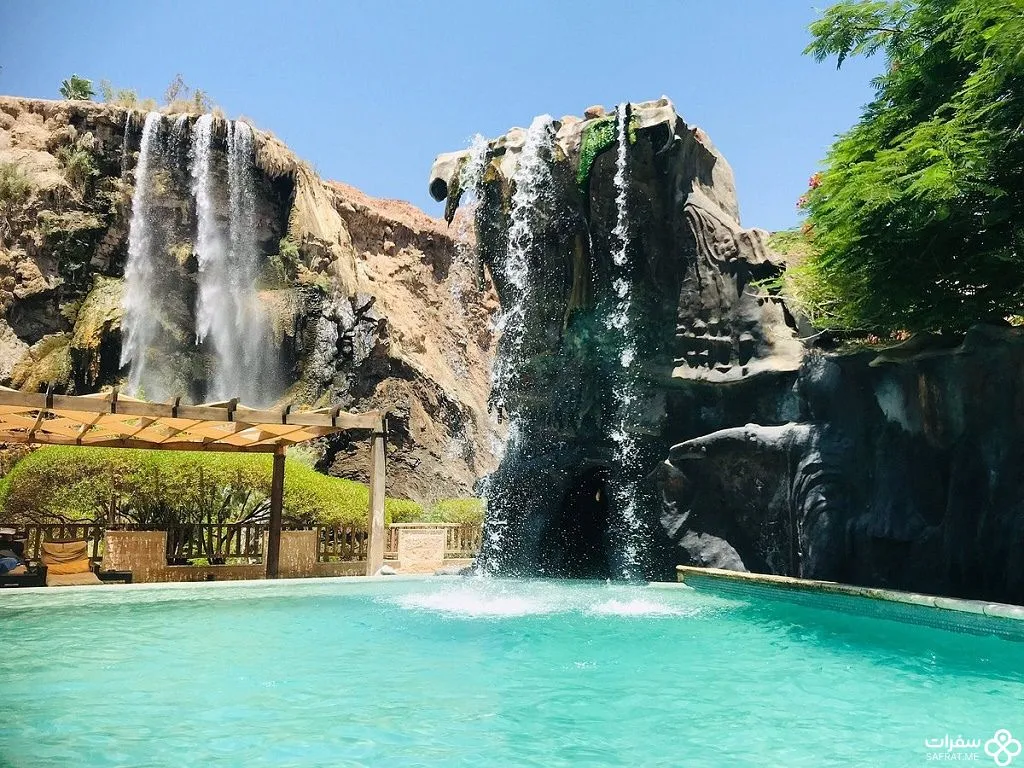
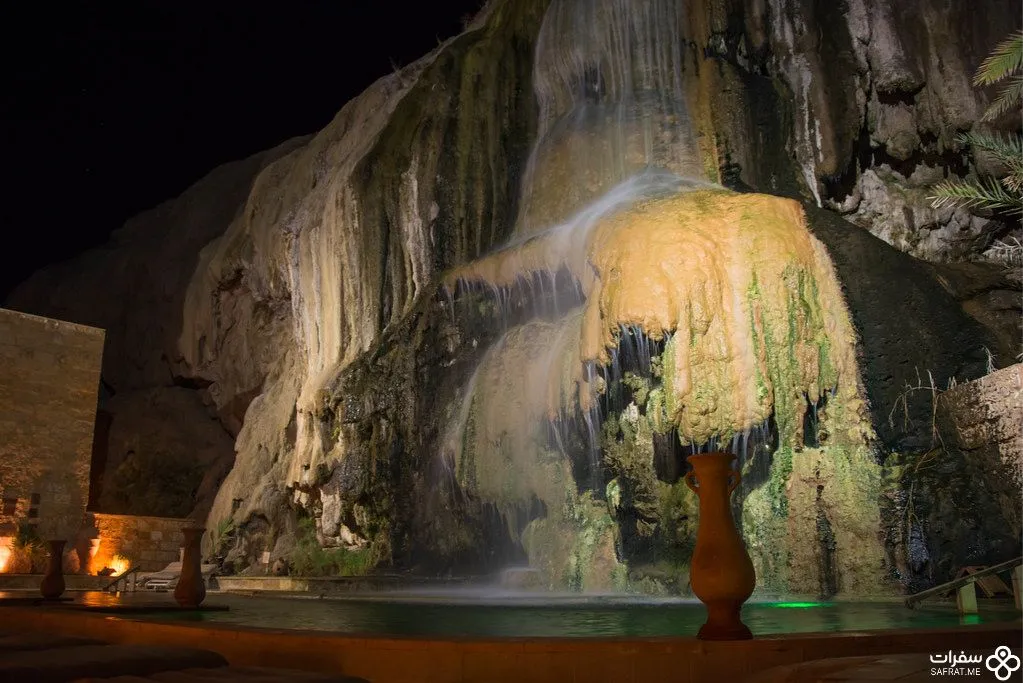
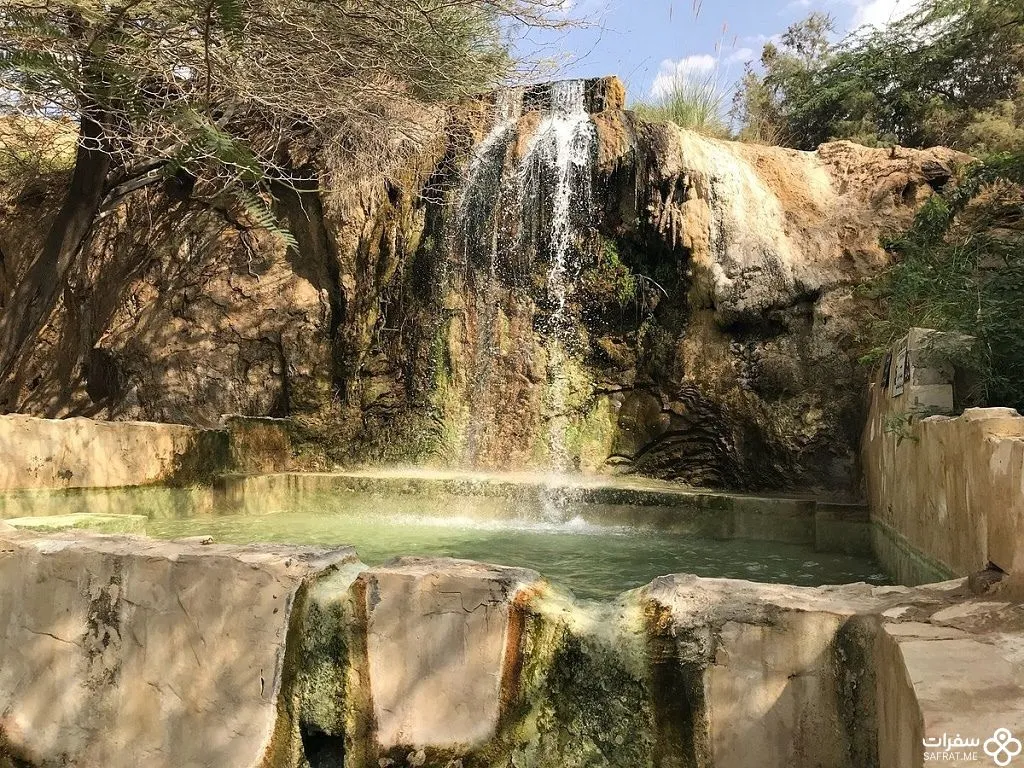
The Ma’in Hot Springs are among the most remarkable natural attractions in Jordan. These springs, fed by rainwater from the plains as it passes through cracks in volcanic lava, cascade down in the form of waterfalls at a temperature reaching 63 degrees Celsius.
The Ma’in Hot Springs lie 58 kilometres south of the capital Amman, and approximately 27 kilometres from the city of Madaba. This destination is one of the most important sites sought out by many tourists for therapeutic purposes, as the waters help treat skin conditions and promote psychological and spiritual wellbeing; inhaling the steam from these waters is also recommended for smokers.
The waters of these springs contain potassium, magnesium, and calcium, which help treat joint pain and inflammation. The total number of these springs is 63, each with varying temperatures.
For more official information about destinations in Jordan, you can refer to the official website of the Jordan Tourism Board.