
Have you ever read about Persian civilization and culture, and the cultural examples that remain from that ancient heritage — examples that are still held in high regard and cherished by the Iranian people…?! For instance, the Solar New Year holiday known as Nowruz, with its captivating rituals and ceremonies, is one of the celebrations that Iranians have inherited over thousands of years. Among the other beauties of Iranian culture are the various national cultures within Iran. In truth, when I think of the sub-cultures in Iran, I think of the different colors, vases, and trees that adorn Iranian carpets… where I see that difference and beauty are something the two share in common.
This article attempts to tell the reader about the most important and most beautiful cultural features and occasions in Iran.
Nowruz
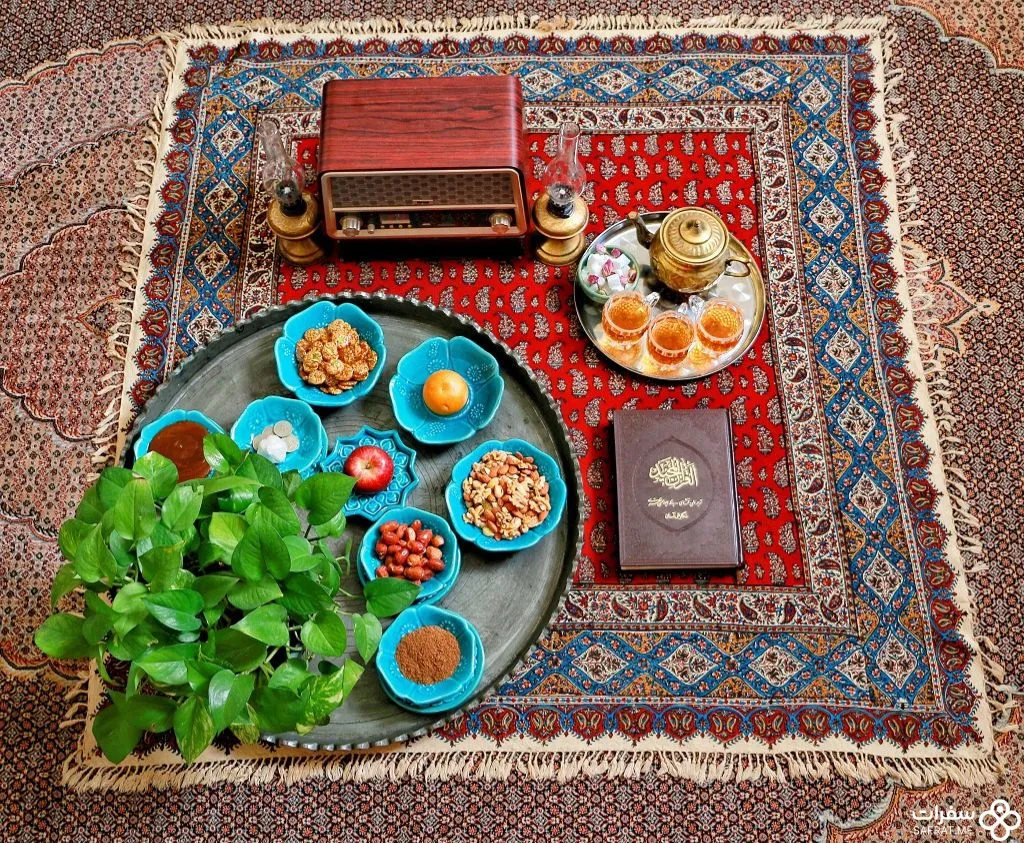
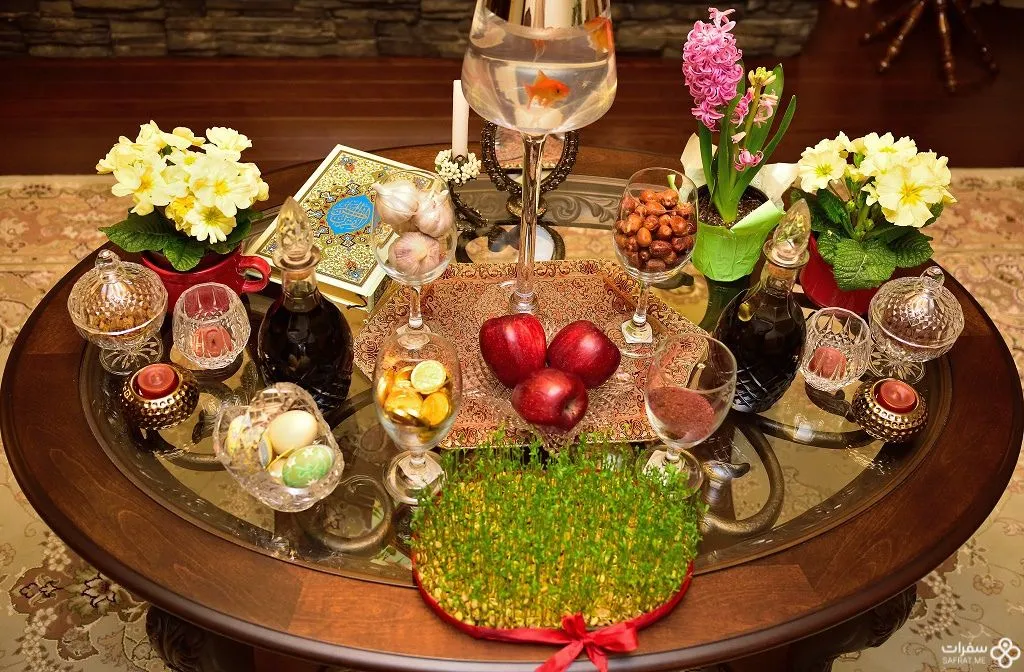
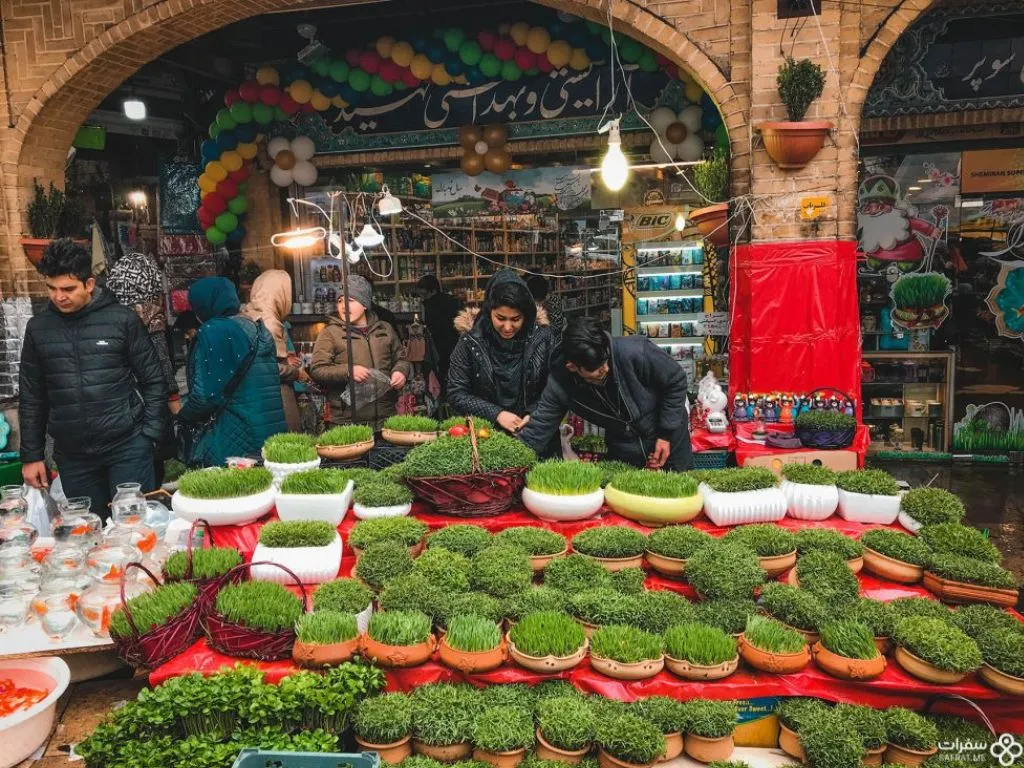
The holiday spread and its arrangement are among the beautiful cultural and historical phenomena associated with welcoming the holiday.
This spread is called the Haft Sin — meaning “seven S’s” — signifying that seven specific items beginning with the letter S are placed on it, in addition to the Holy Quran, a small red fish, greenery, and various flowers.
Each item placed on the Haft Sin spread has its own philosophy and represents something particular in human life. One of the distinguishing features of this holiday is that it falls in spring, where everywhere you look you see nothing but the greenery of fields and trees, and smiling faces that have left their homes and taken to nature to enjoy the fresh, open air.
Nature Day
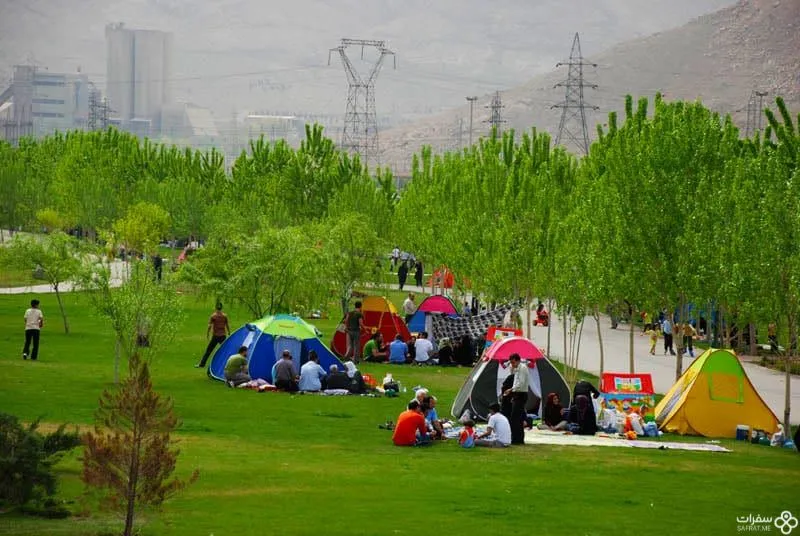
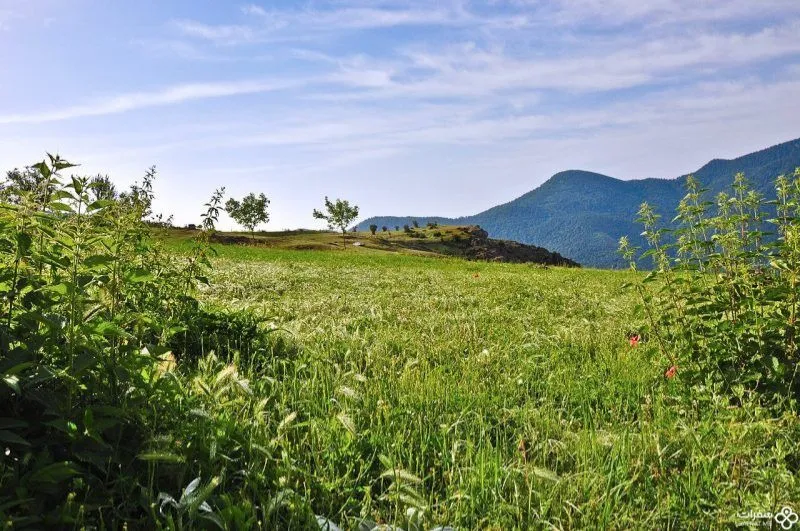
This day is known in Persian culture as Sizdah Bedar, a term meaning the day on which a person goes out with his family into the embrace of nature, the countryside, and open lands.
This day is the thirteenth day of the month of Farvardin and the last day of the Nowruz holiday. Natural destinations such as green forests, parks, and rivers are the best travel destinations on this day.
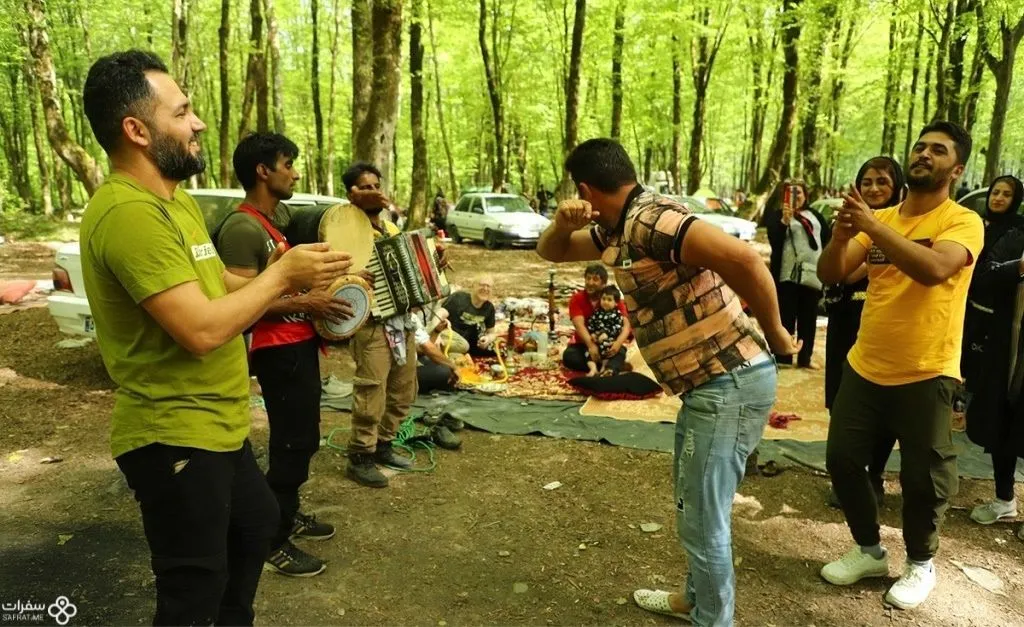
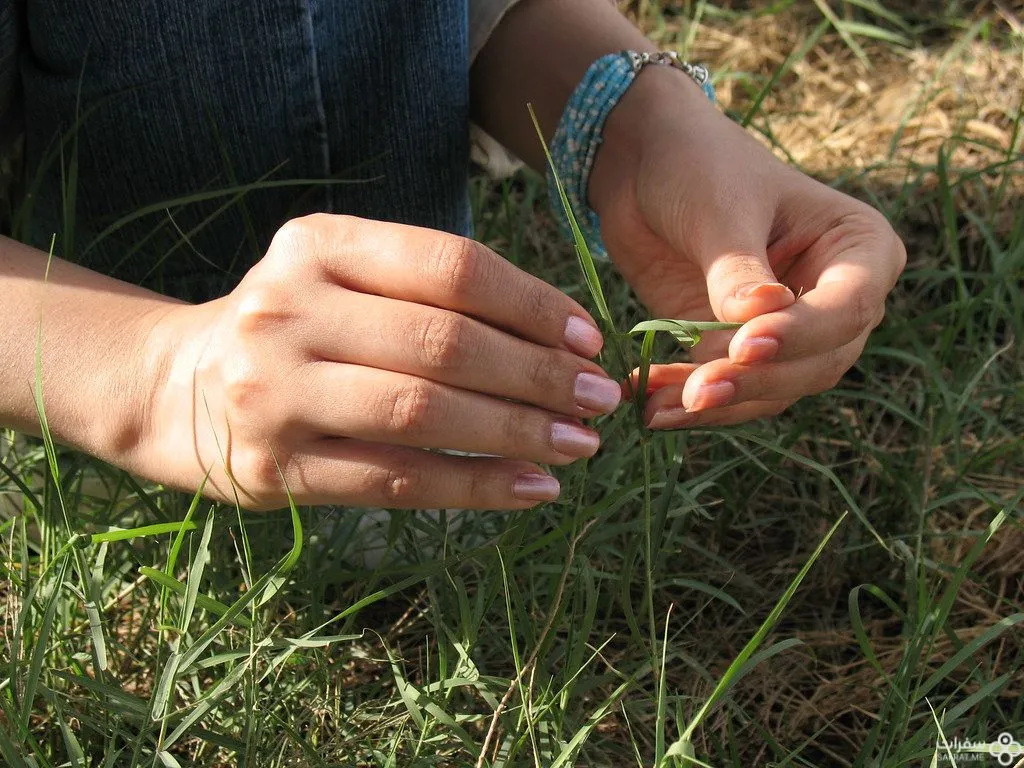
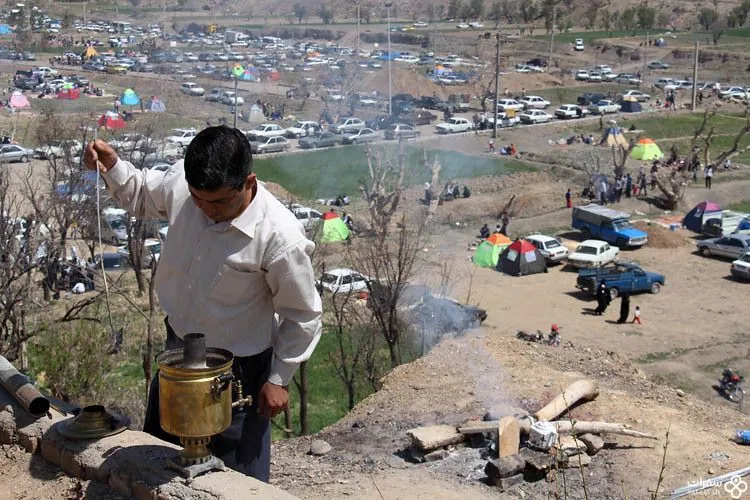
Cooking and eating traditional foods over an open fire in the beautiful outdoors, and enjoying the fresh natural air, are among the experiences that add to the beauty of this day. On this day, families place the greenery that has spent thirteen days on the holiday spread into flowing rivers. One of the inherited customs of this day is tying a single wheat stalk in nature with the intention of achieving one’s most cherished wish in life.
Ramadan in Iran
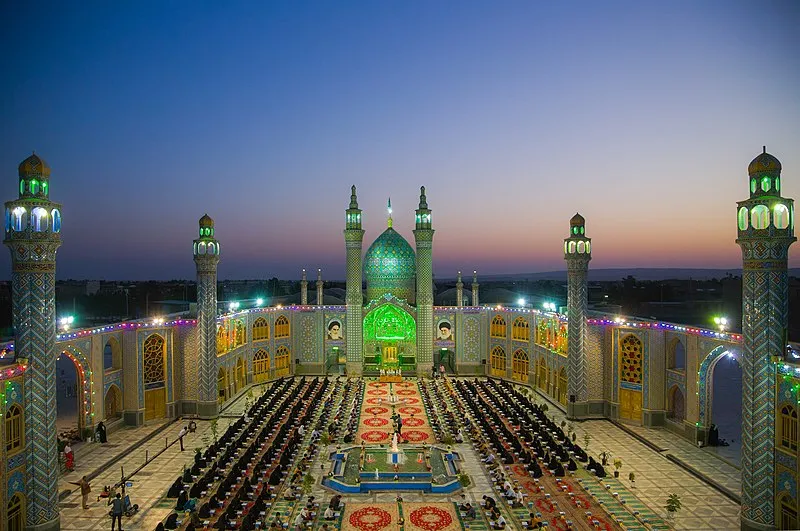
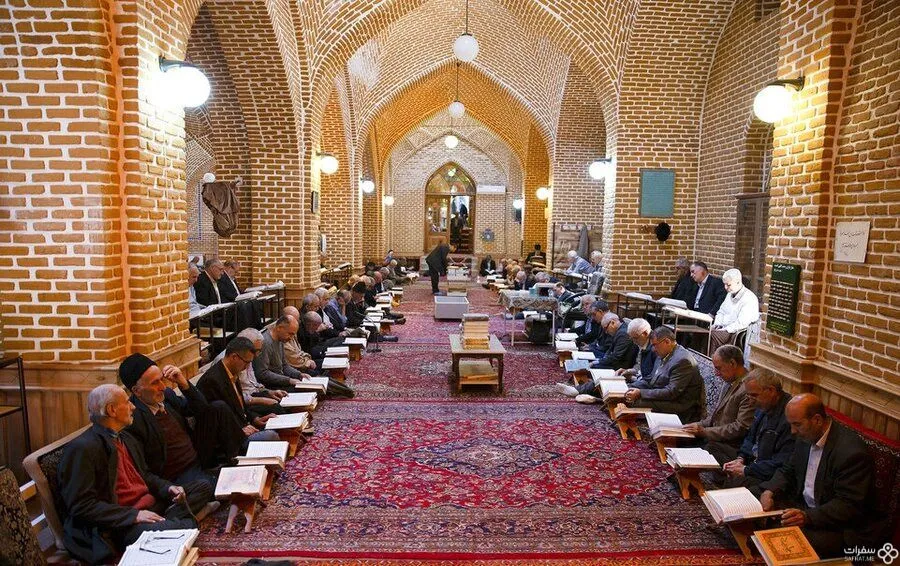
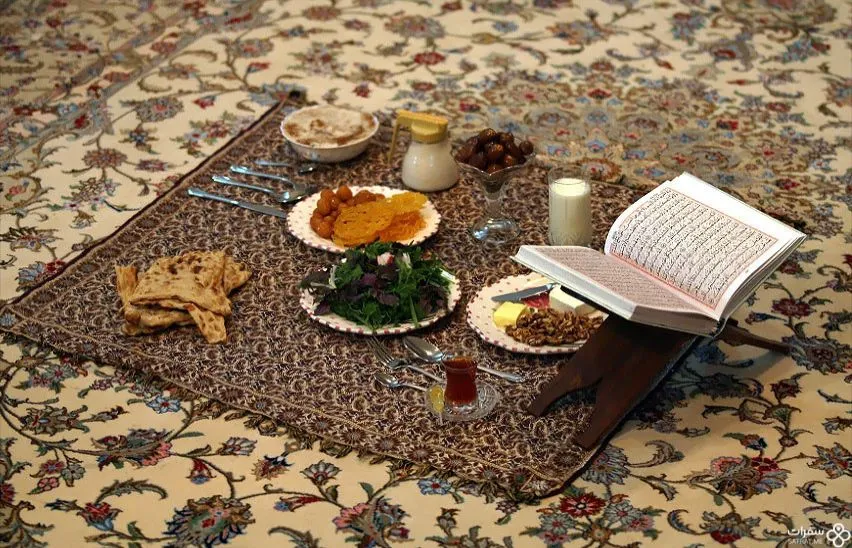
Ramadan is the month in which Muslims fast; it is the month of devotion and forgiveness. Ramadan has a special and beautiful atmosphere that the Iranian people celebrate,
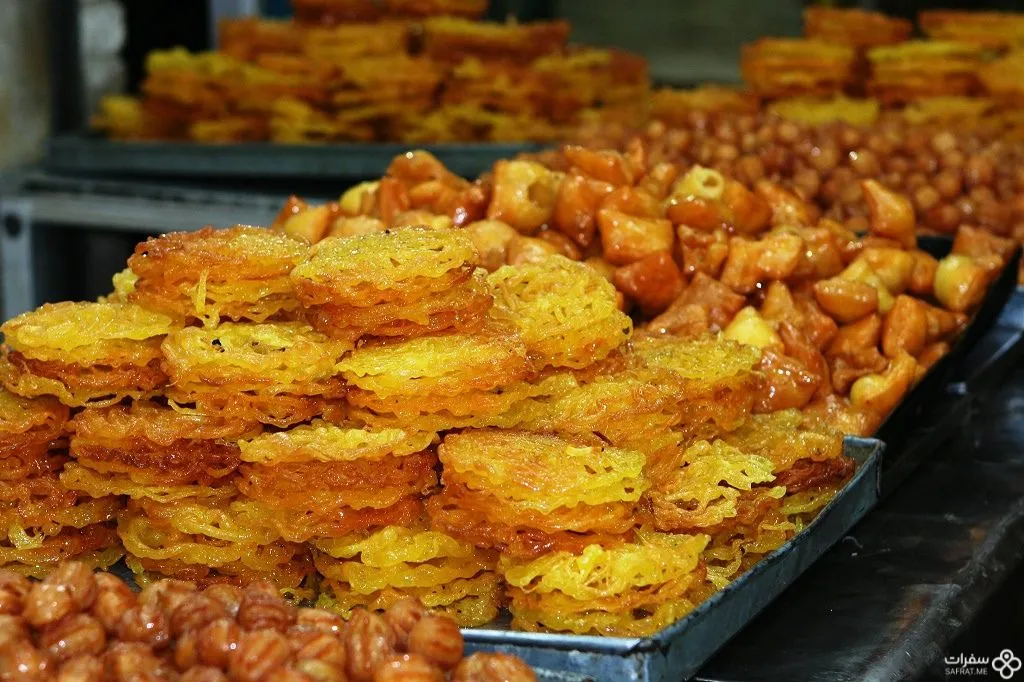
and Ramadan nights are vibrant in Iran’s villages and cities, where evening gatherings multiply in homes and public spaces. There are also sweets — zulbia and bamiyeh — which are prepared only during this blessed month.
The nineteenth through the twenty-first days of Ramadan are the days marking the martyrdom of Imam Ali ibn Abi Talib, peace be upon him. Iranians hold mourning ceremonies on these days and distribute votive offerings to commemorate the Commander of the Faithful, peace be upon him. At the end of the month comes the joyous Eid al-Fitr, which Iranians welcome with warmth and sincerity.
The Month of Muharram and Ashura
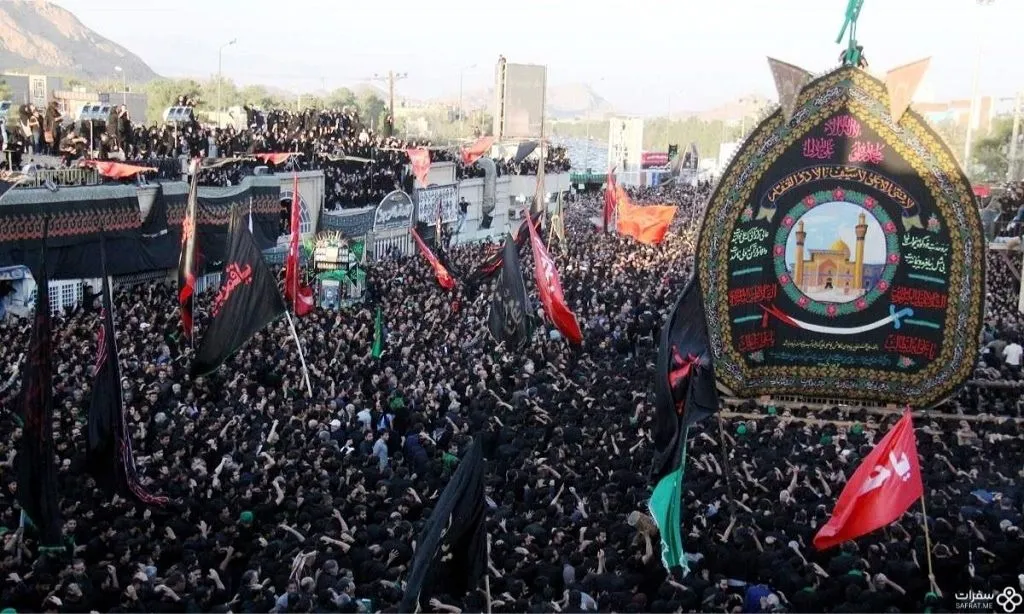
Muharram is the month in which Imam Hussein ibn Ali ibn Abi Talib and his loyal companions were martyred in the desert of Karbala.
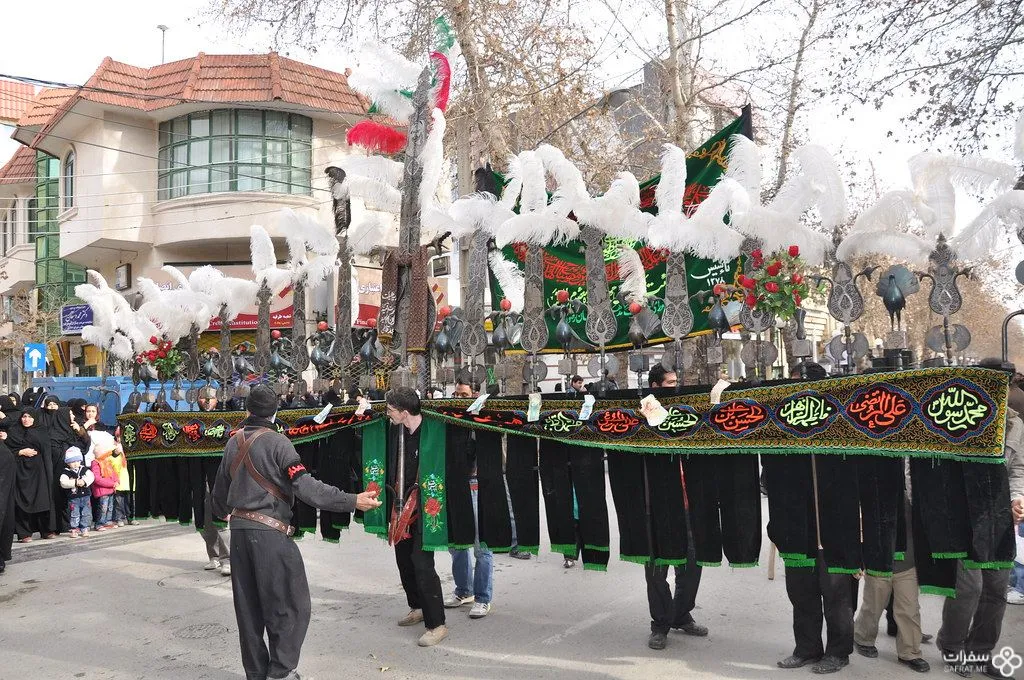
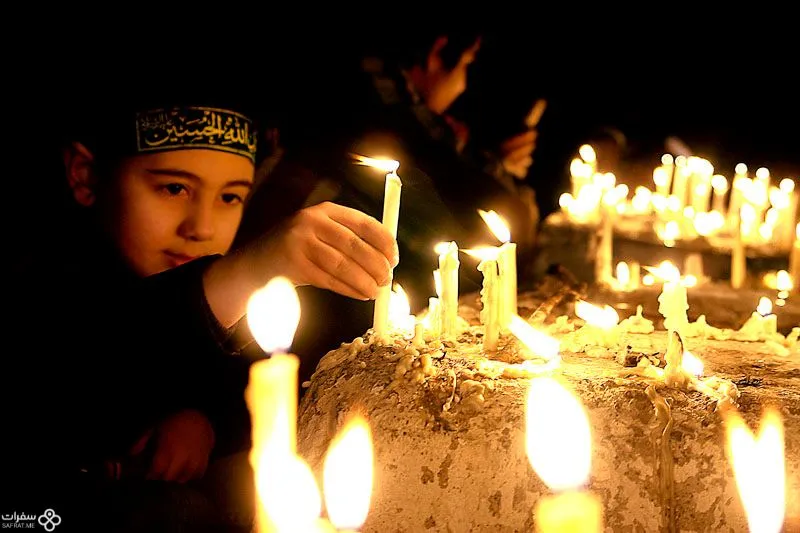
Black colors spread across Iran’s cities during this month in mourning for the martyrdom of this great Imam. The first ten days of this month are the days of mourning for Imam Hussein.
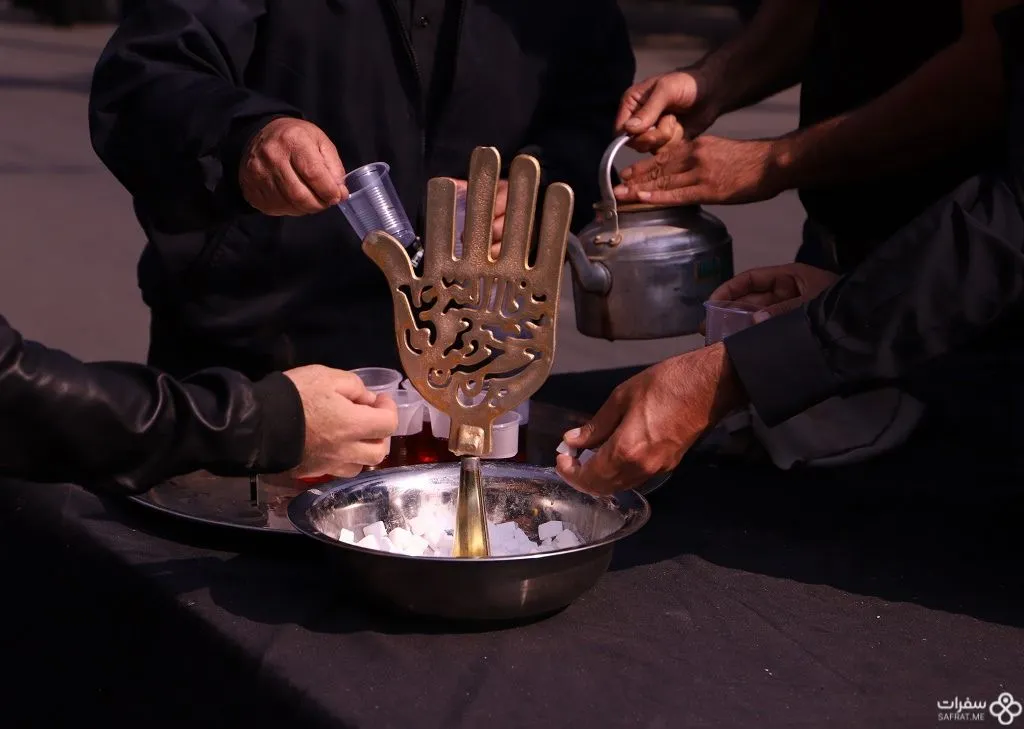
The construction of mourning halls, the raising of black banners, and the holding of ta’ziyeh ceremonies — which are re-enactments of the events of Ashura — are among the traditions that can be witnessed during this month in various cities of Iran. The culture of distributing votive offerings during this noble month is also among the other traditions in Iran. Each ethnic group in Iran has its own particular methods and traditions for mourning Imam Hussein, which speak to the depth and diversity of that group’s culture.
Yalda Night
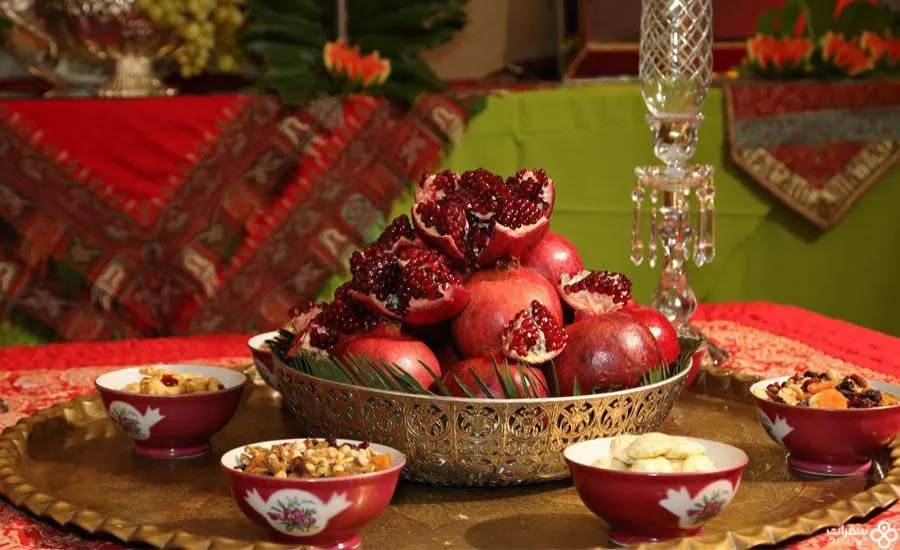
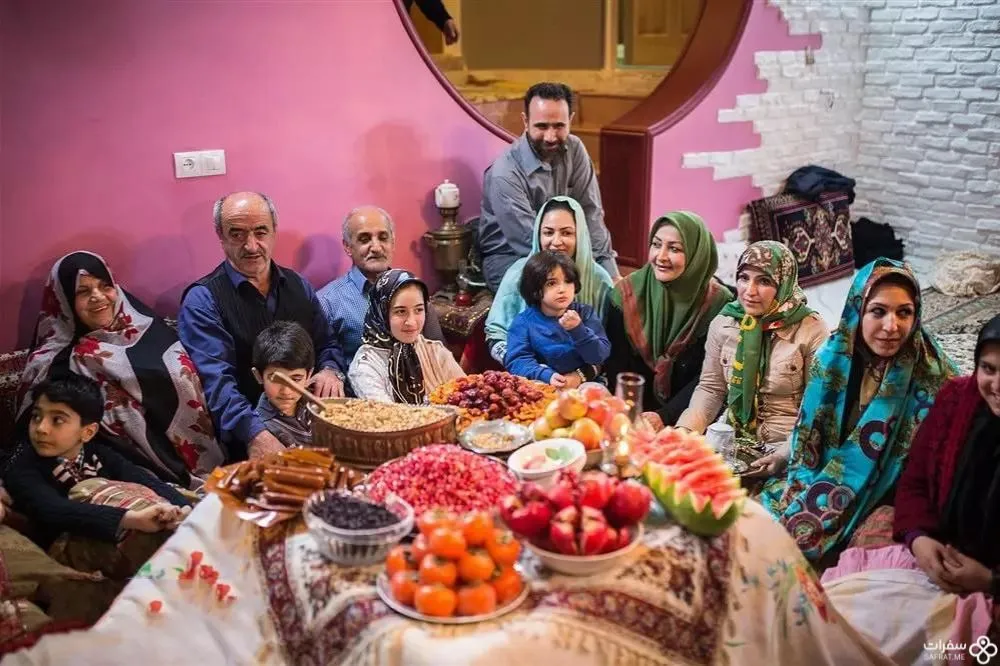
This night is the longest night of winter. The history of celebrating this night goes back thousands of years. All members of the family gather on Yalda Night at the grandparents’ home for an evening gathering.
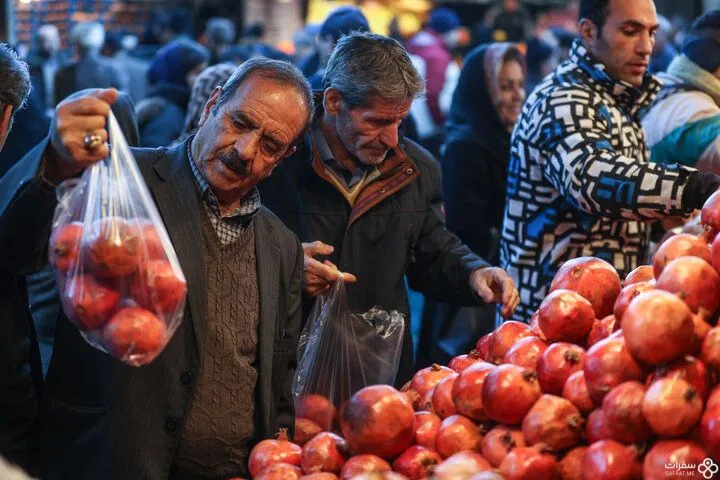
After enjoying a delicious meal — which is usually made up of fine Iranian dishes — family members move to the fruit table, where pomegranates and watermelons reign over this spread placed on the korsi (a wooden table covered with heavy quilts, around which family members sit with their legs tucked underneath those quilts for warmth, the quilts also covering their chests).
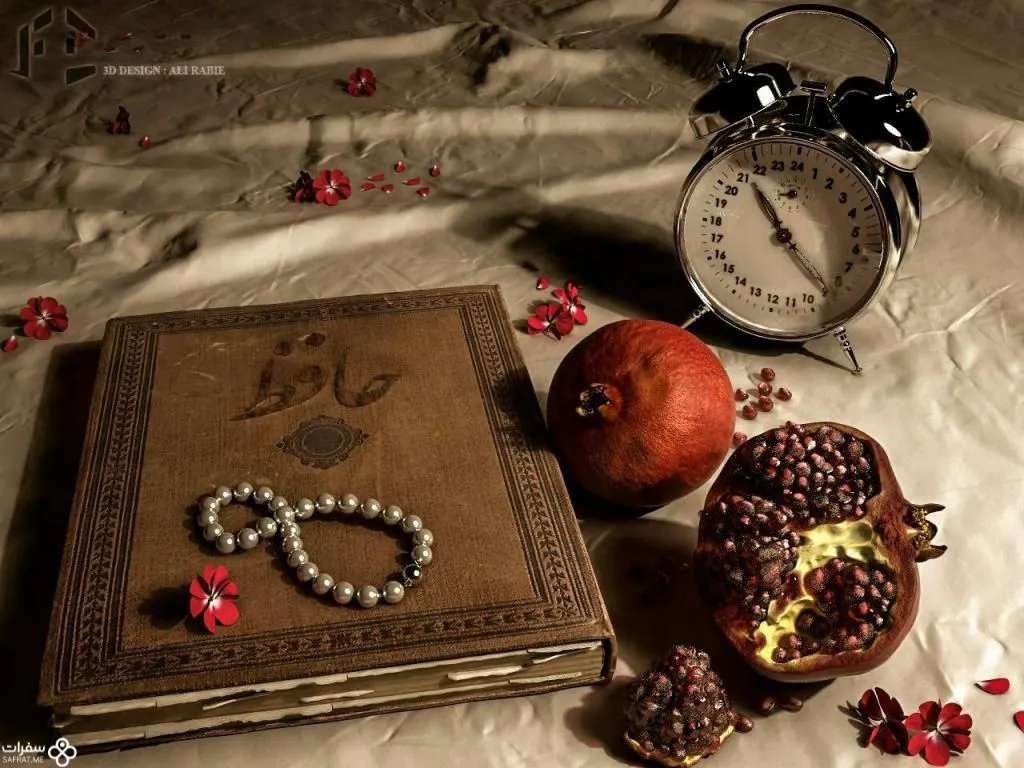
The head of the family reads poetry from the divans of Hafez Shirazi and Saadi, while the grandparents speak of their childhood days and fond memories of the past, and the children and young members of the family also talk about their wishes, hopes, and thoughts.
The Fire Festival (Chaharshanbe Suri)
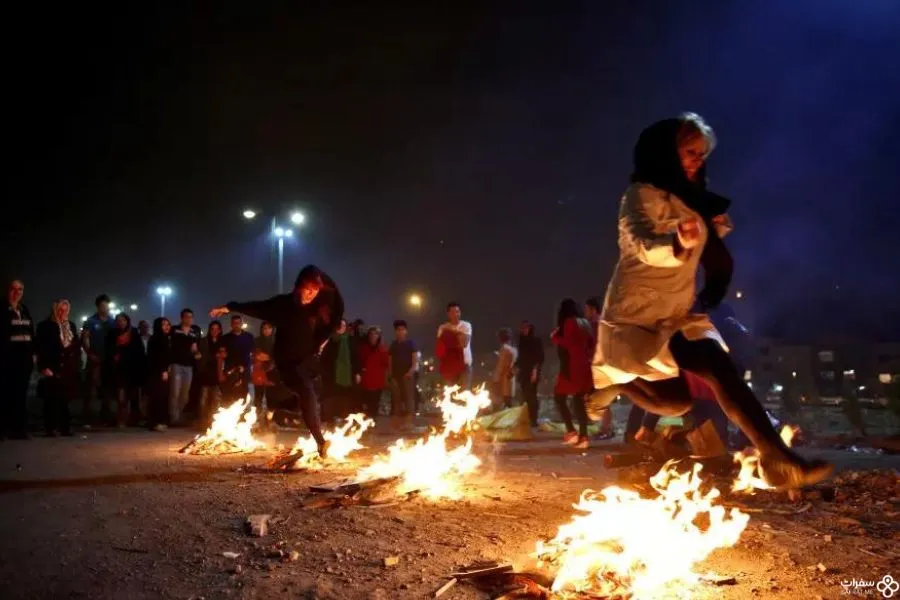
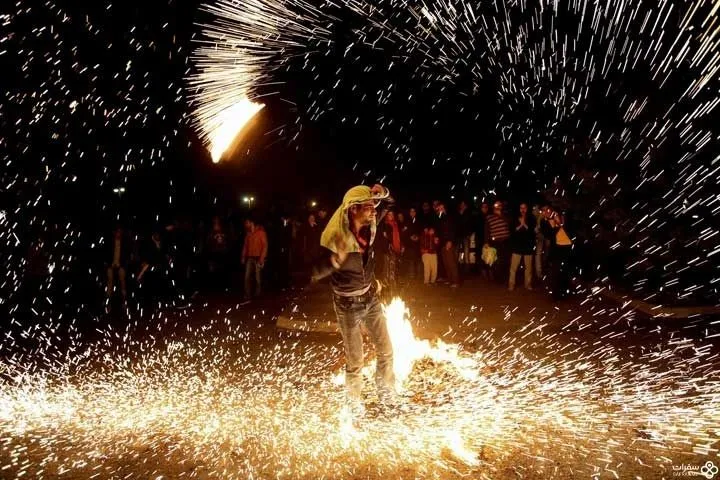
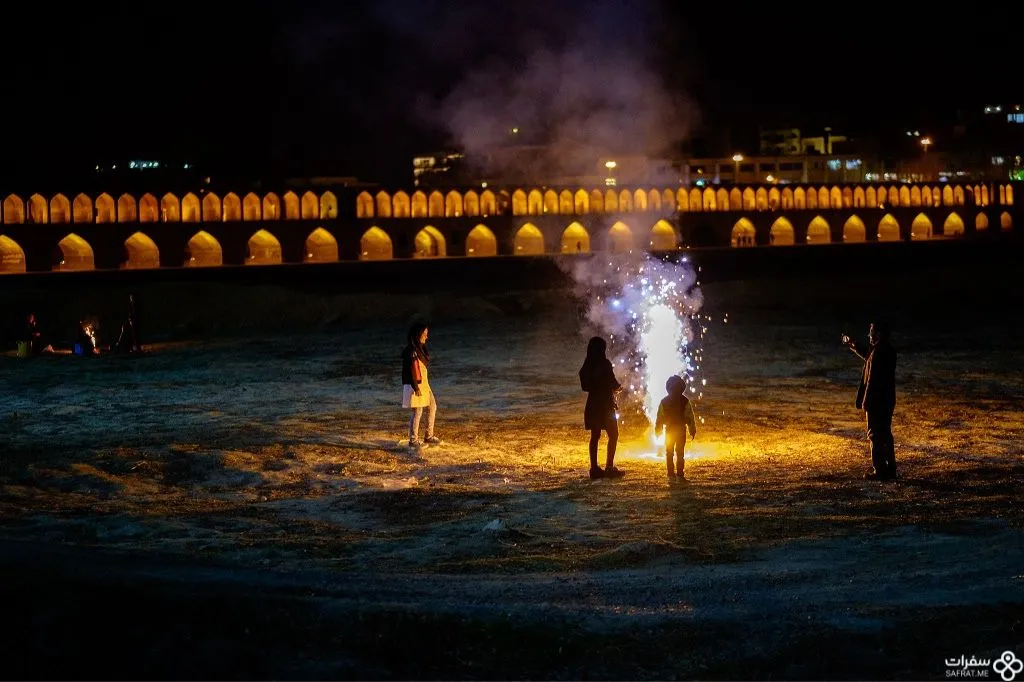
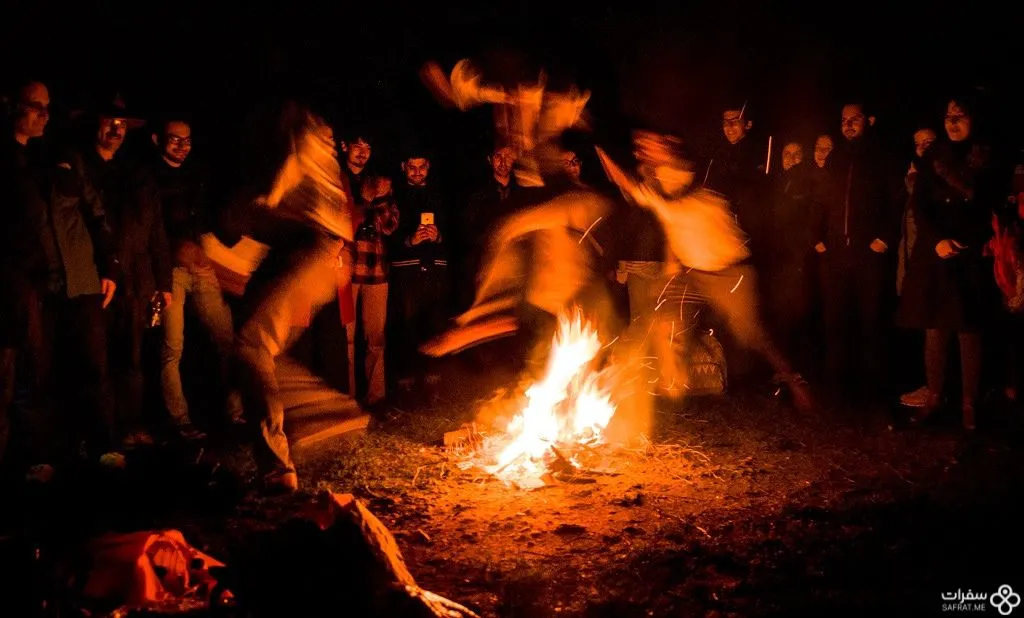
This night is also one of the beautiful nights that the Persians inherited from their ancient culture. The Wednesday night in question is the last Wednesday night of each year.
Iranians gather on this night around a small fire, spend the evening together, exchange conversation, and then play around the fire and attempt to jump over it.
Fire is considered one of the four pure elements in Zoroastrian culture, and in Iranian culture it symbolizes freshness, purity, health, and well-being. Jumping over fire in ancient Persian culture is a form of prayer in which one seeks light — which signifies warmth and joy — as opposed to darkness, which speaks of the pains and troubles of the human conscience.
Traditions Related to the Various Ethnic Groups of Iran
The large number of different ethnic groups in Iran has given rise to the diversity of Iranian culture. All the ethnic groups living in Iran have their own distinctive clothing and their own dialects. In keeping with this diversity, there are different patterns of life in Iran, as well as ceremonies and customs that belong exclusively to each of Iran’s ethnic groups. In the continuation of this article, we attempt to take a look at the most beautiful cultures and traditions specific to some of Iran’s ethnic communities.
Rose Water Extraction
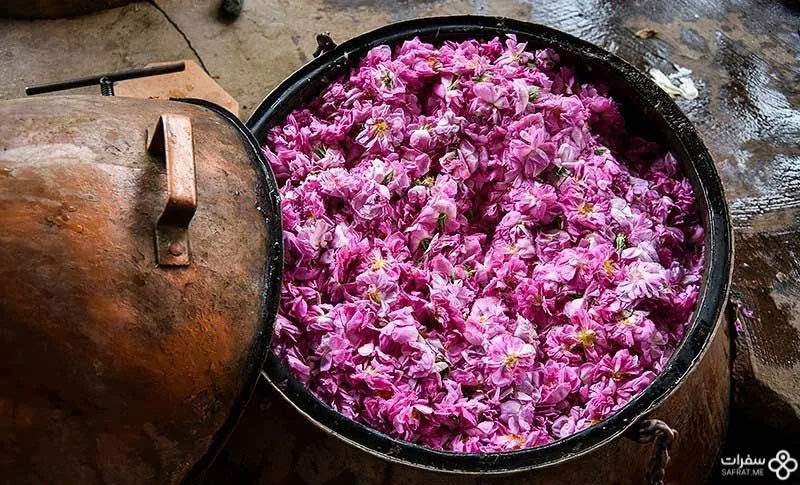
The rose water extraction festival is one of the most famous and most beautiful celebrations in the city of Kashan.
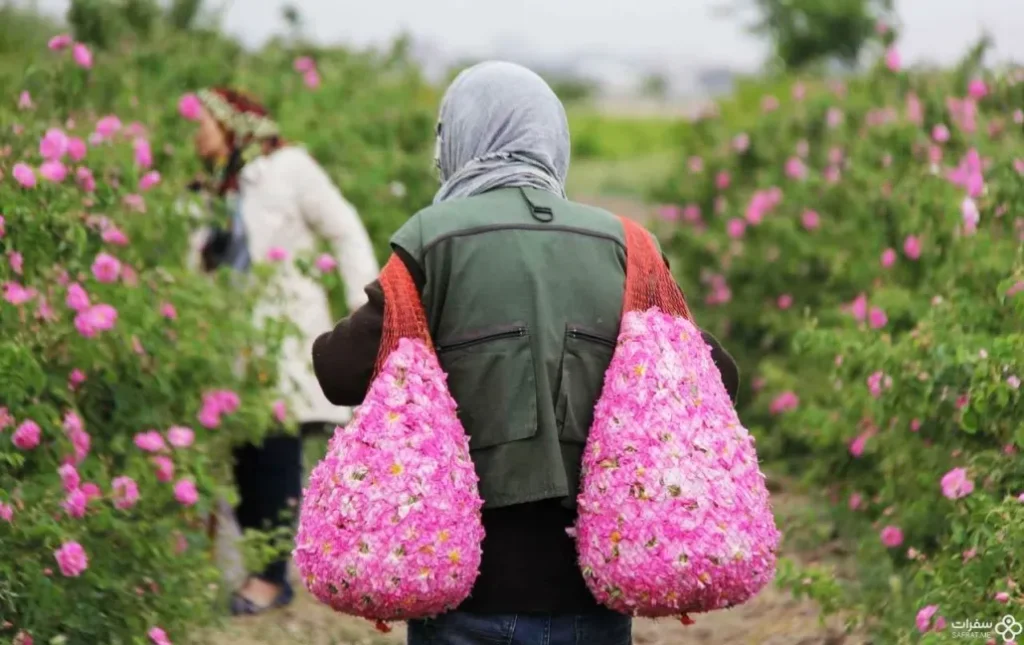
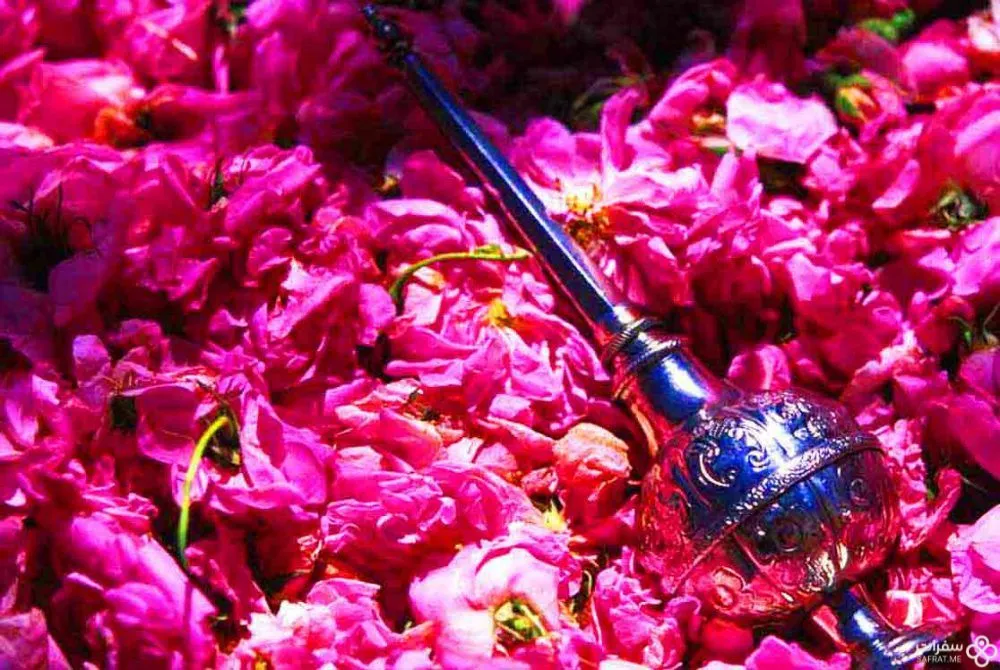
Many farmers plant Damask roses — known in Persian as the Mohammadi rose — in vast orchards and fields, owing to the mild climate of this region. These roses have a pleasant and magical fragrance that can be detected from great distances. In the month of Ordibehesht (the second month of spring), after the roses have bloomed, they are prepared for harvesting.
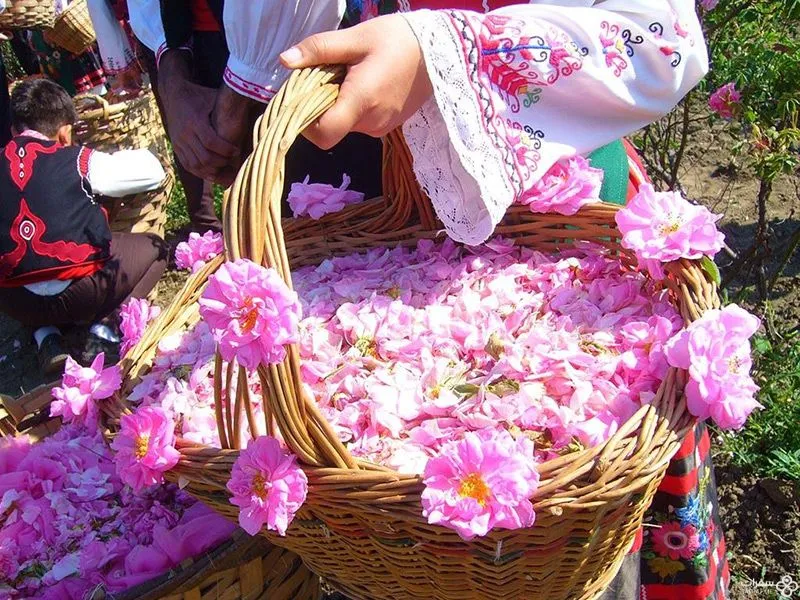
You can join the workers in picking hundreds of roses from the field and placing them in baskets, then carrying them out of the field alongside the workers and their families, repeating this process several times until the roses form piles that astonish the eye with their vivid color and magical fragrance. They are then washed in large vessels and placed in other vessels specially designed for cooking them to extract the oil through a steam distillation process. The oil appears as droplets that fall from a tube connected to the lid of the large vessels used in this process. You can participate in this beautiful festival and take home pure, natural Iranian rose water.
The Harvest Festival in the Northern Cities of Iran
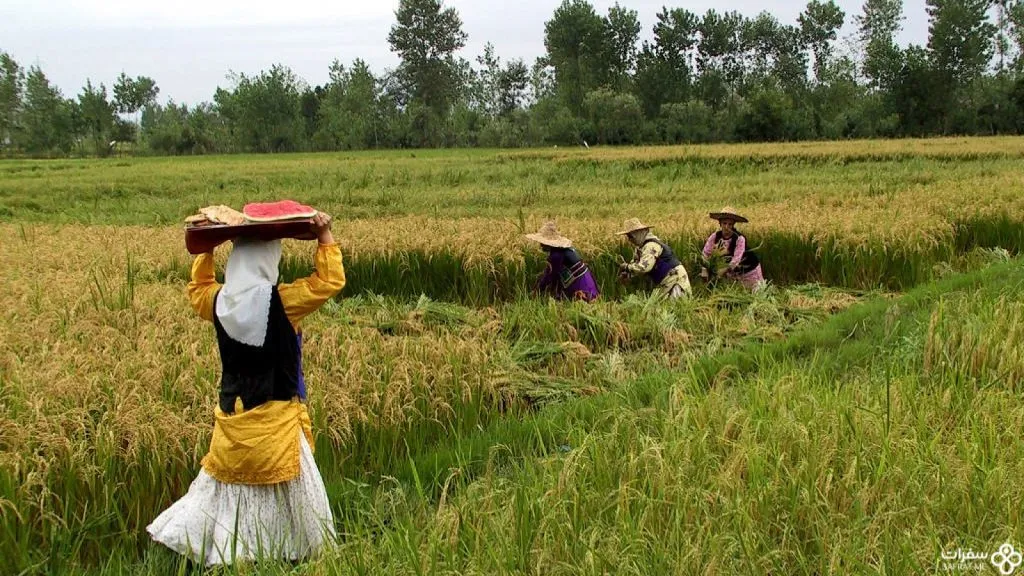
Farming is one of the most important activities and occupations of rural communities in Iran, and the northern cities of Iran form the fertile region where rice — which comes in dozens of varieties — is cultivated. The harvest celebration is a tradition that has survived from earlier times to the present day.
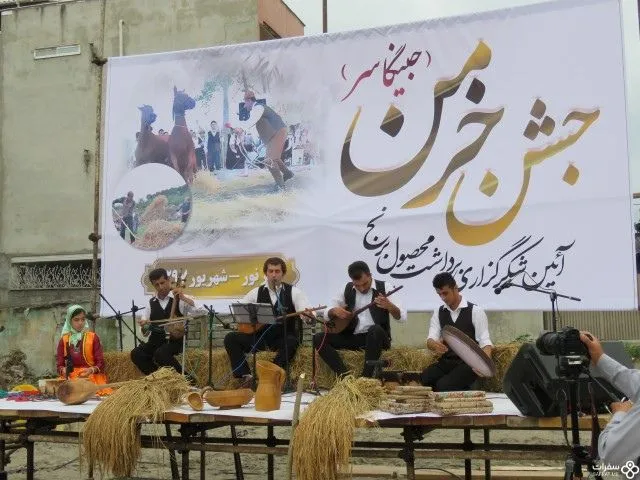
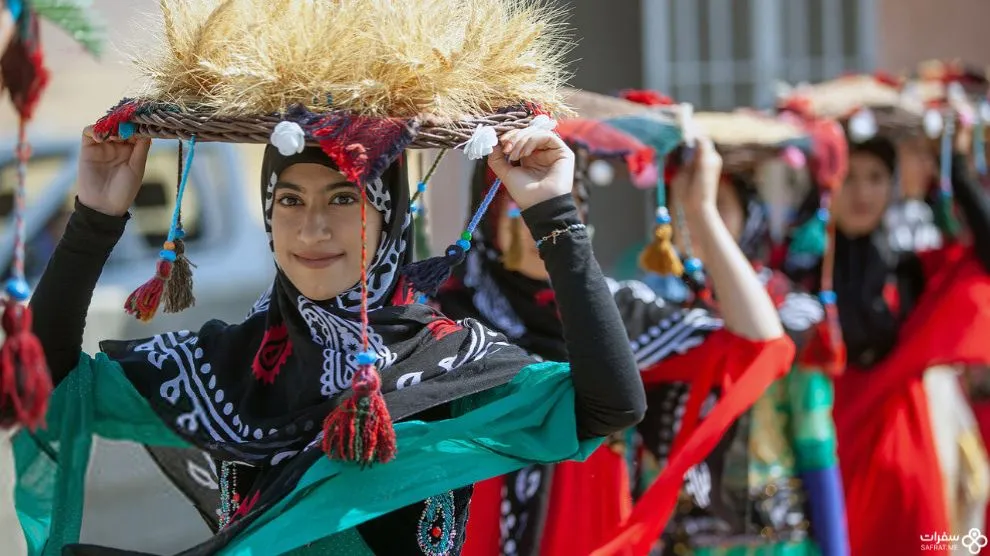
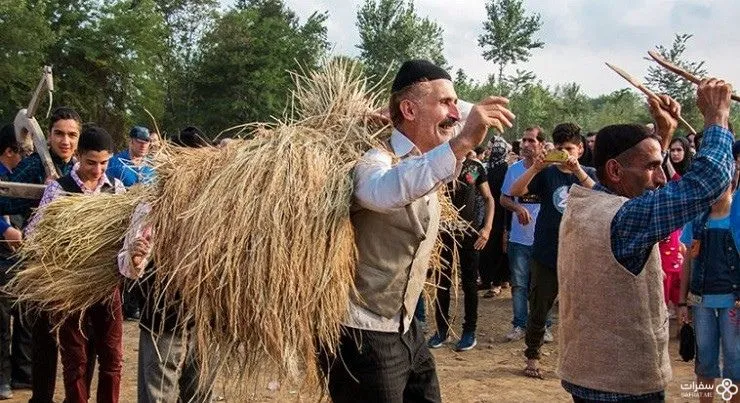
Villagers from the northern provinces of Iran — namely Mazandaran, Gilan, and Golestan — gather at the harvest festival to express their joy and happiness over the sale of the crop, during the summer and autumn seasons, which are the harvest months. The farmers give thanks to God for the abundance of blessings and the successful completion of the harvest season, then distribute ash (a traditional soup) and local foods among themselves. There are also local musical instruments and collective folk dances that add to the festivity and joy of these celebrations.
The Stick Dance Culture in Lorestan and the Lur-Inhabited Regions
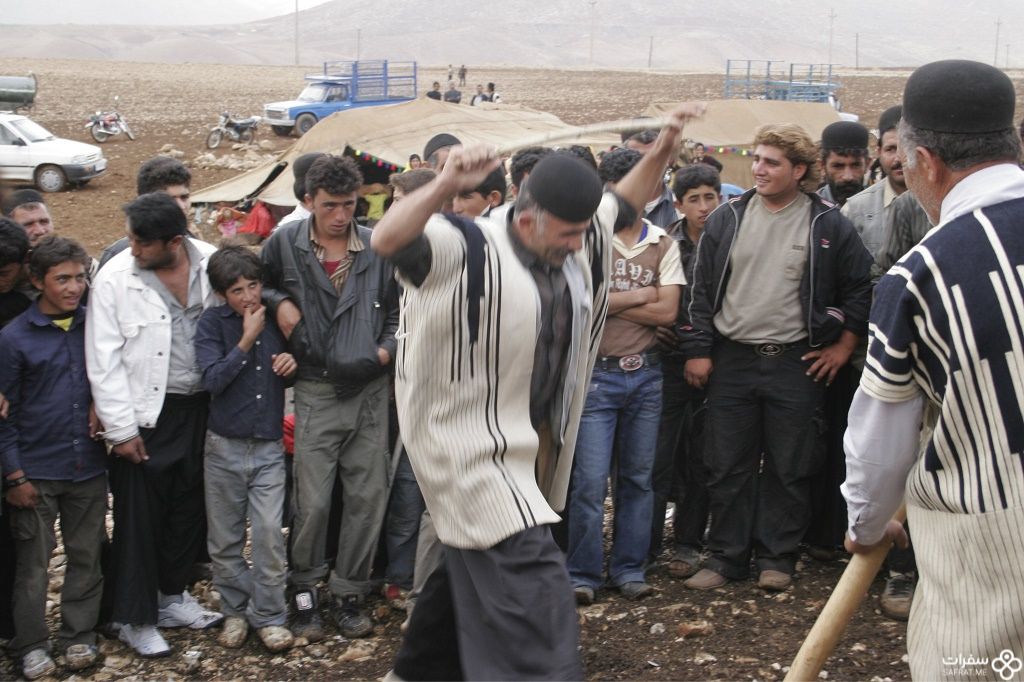
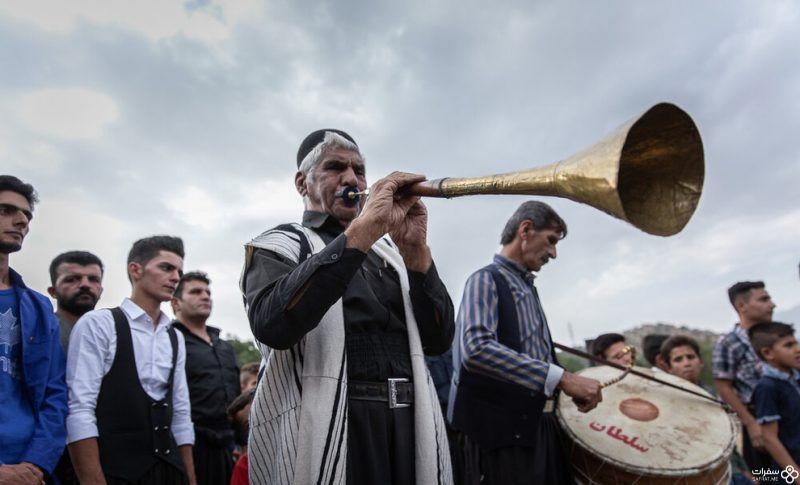
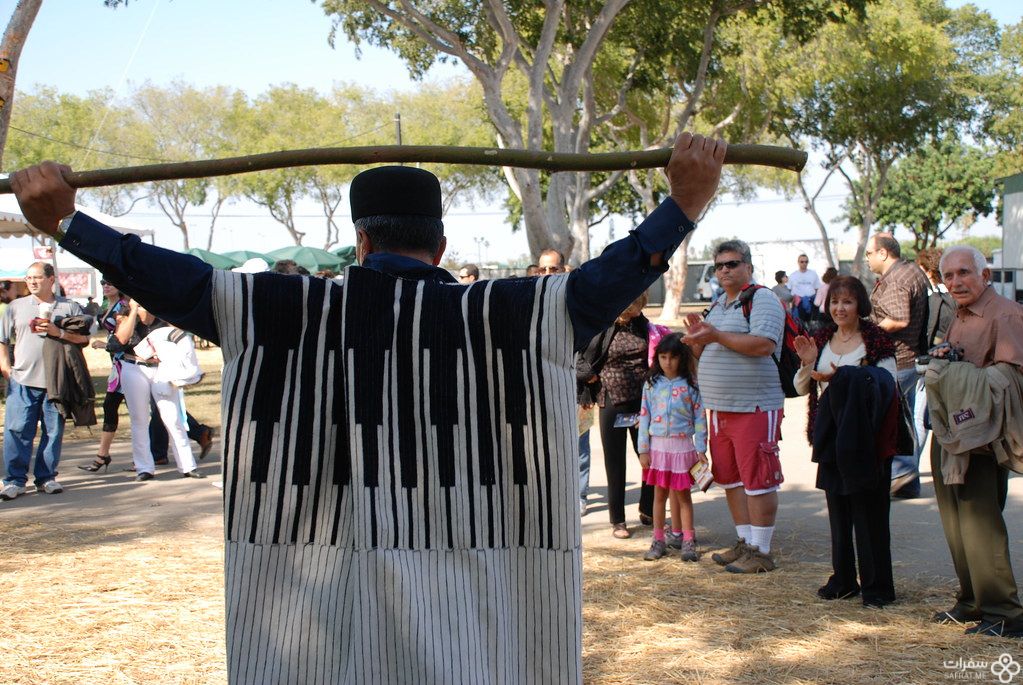
The stick dance is one of the most famous traditions of the Lurs, one of the most ancient ethnic groups in Iran. This folk dance requires its own particular music, the instruments of which are the ney (flute) and the dammam (drum).
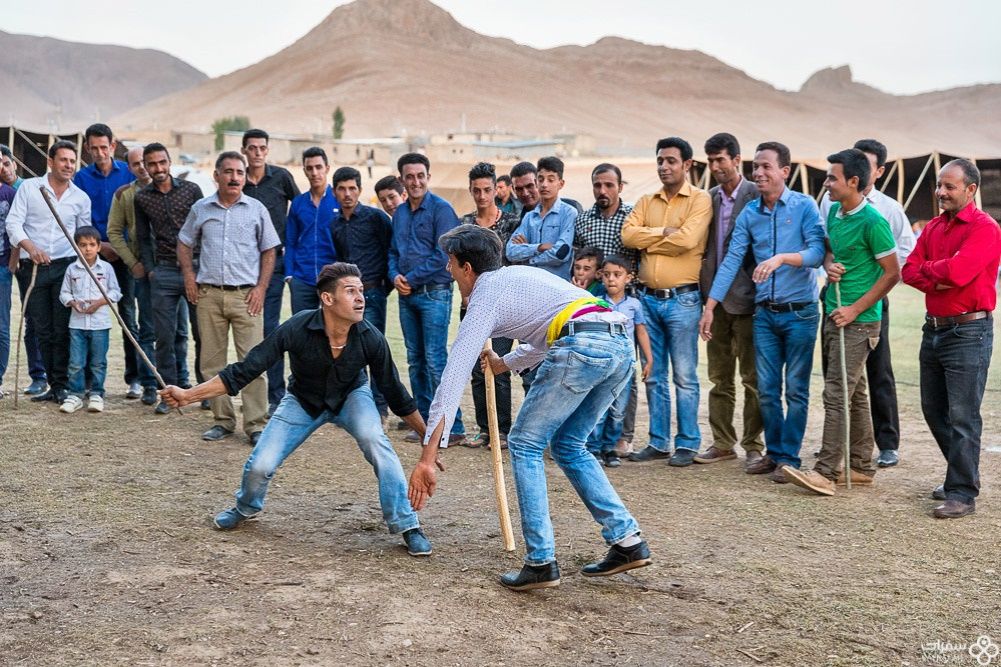
This dance is essentially a game in which two people take part: the first holds a thick stick on which he leans, and the second holds a long, flexible rod.
The two begin dancing and moving gracefully across the arena to the beat of the dammam and the ney. Then the one holding the thick stick stops moving and leans on his stick, whereupon the one holding the flexible rod moves to attack and strikes his partner’s thigh, and the one with the stick must deflect the blow using his stick after pulling his body out of the leaning position. It is rare for a Lur wedding to take place without this tradition being witnessed at it.
The Qali Shuyaan (Carpet Washing) Ceremony in the City of Mashhad Ardahal
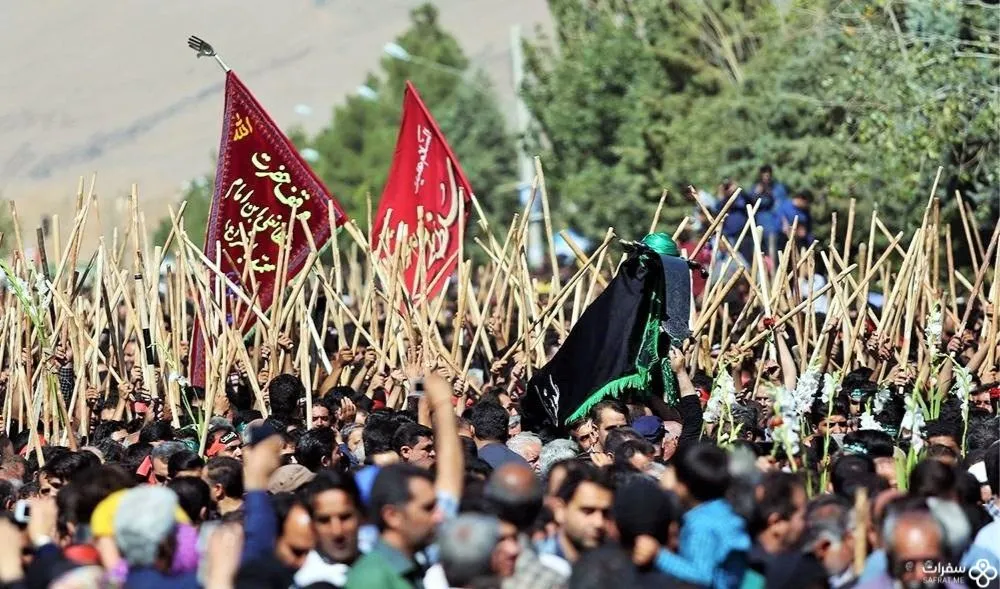
The carpet washing ceremony is held on the second Friday of the month of Mehr — the beginning of autumn — in the city of Mashhad Ardahal, which belongs to the city of Kashan. One of the descendants of the Ahl al-Bayt, Sultan Ali ibn Imam Muhammad al-Baqir, is buried in this city.
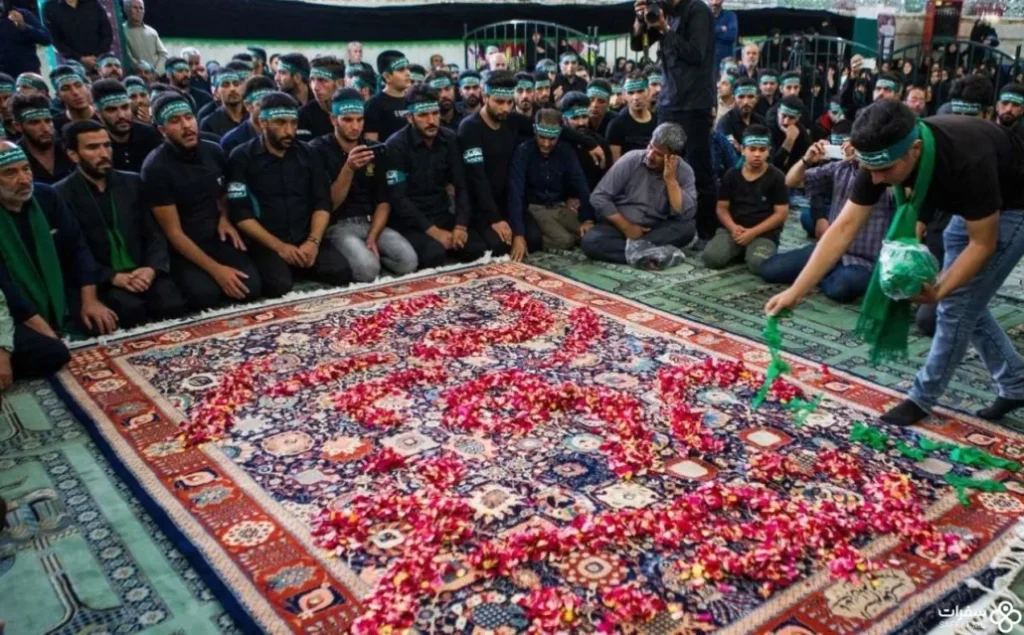
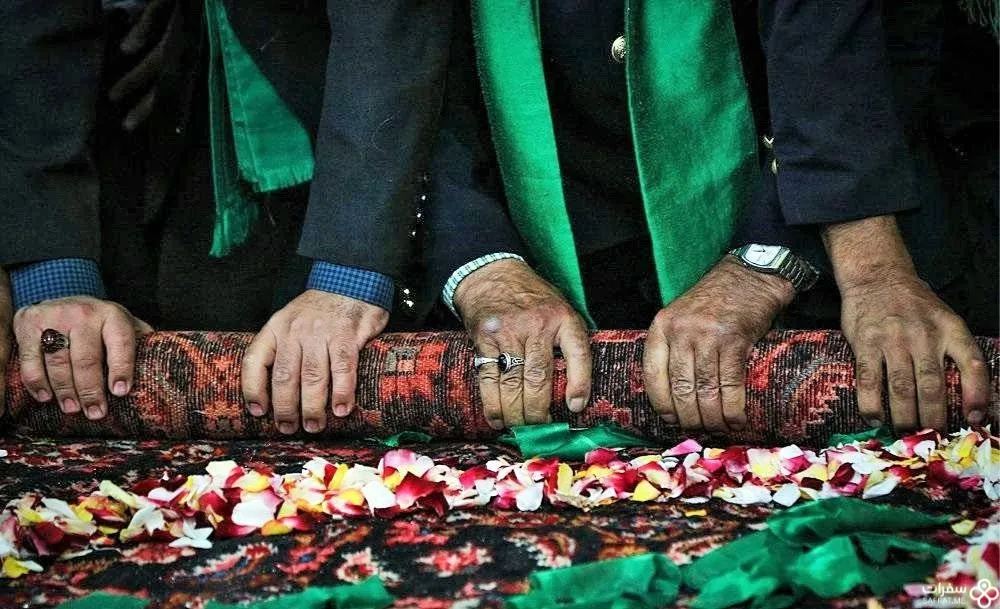
It is said that Sultan Ali ibn Imam Muhammad al-Baqir incurred the wrath of the ruler of Ardahal because of his influence and impact among the people, and so he and his companions were killed after a struggle that lasted 13 days with the ruler’s soldiers. After the people heard of Sultan Ali’s martyrdom, they wrapped his pure body in a carpet, washed it in the river, and then buried him in that area.
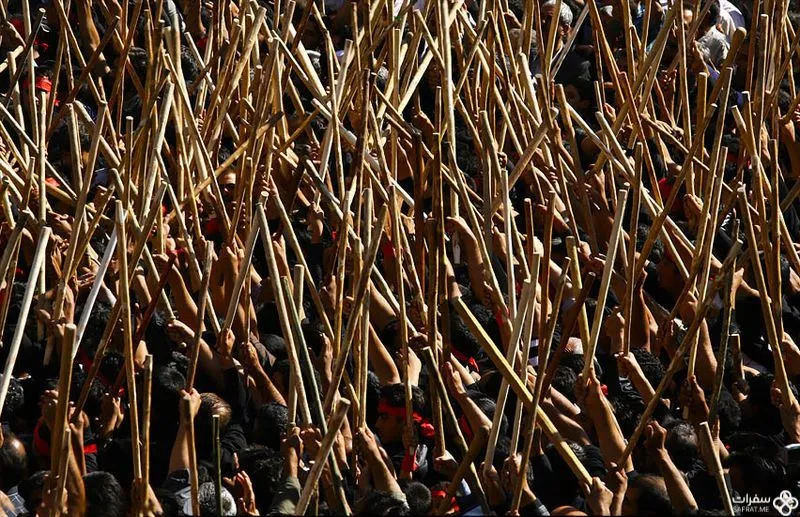
Every year the people revive this tradition by carrying thousands of sticks (symbolizing vengeance) and shaking them as they make their way to the holy shrine. They bring out a rolled carpet representing the carpet in which the noble body of Imam Sultan Ali ibn al-Baqir was wrapped, then carry it to the river while weeping, wailing, and beating their chests in remembrance of that revered saint.
In this article I have attempted to point to the most important cultural traditions and ceremonies in Iran that are worthy of participation and close observation, though they do not represent all of its cultural attractions. For more information regarding cultural customs in Iran, you may refer to the website’s blog.
To find out which Iranian traditions are internationally registered, you can refer to the UNESCO List of Intangible Cultural Heritage in Iran.