
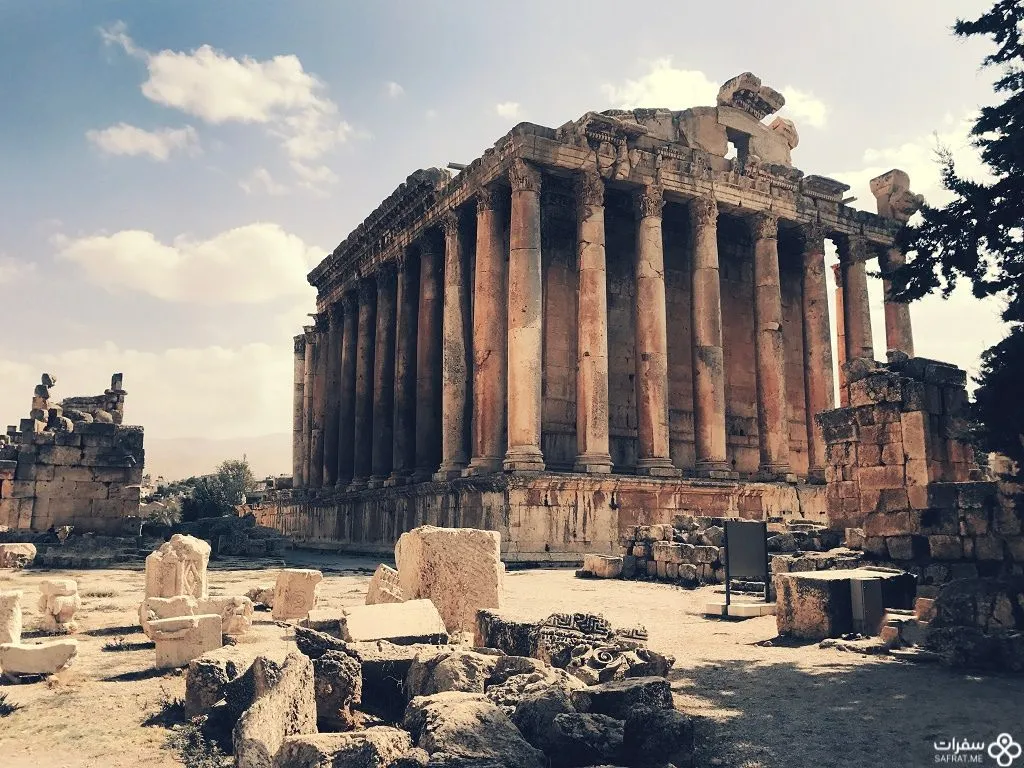
Lebanon, a country whose history spans multiple civilisations, is an ideal destination for travellers interested in discovering unique historical sites. In this article, we present an overview of eight historical sites that visitors should see during their trip to Lebanon.
1. The Roman Temples in the City of Baalbek
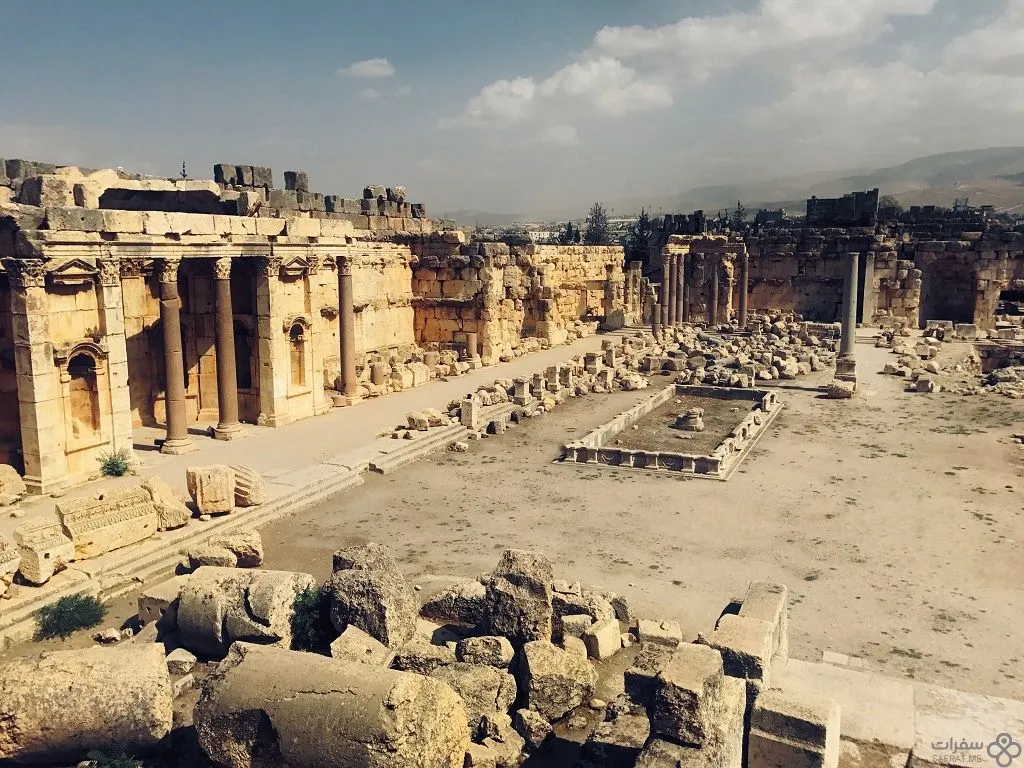
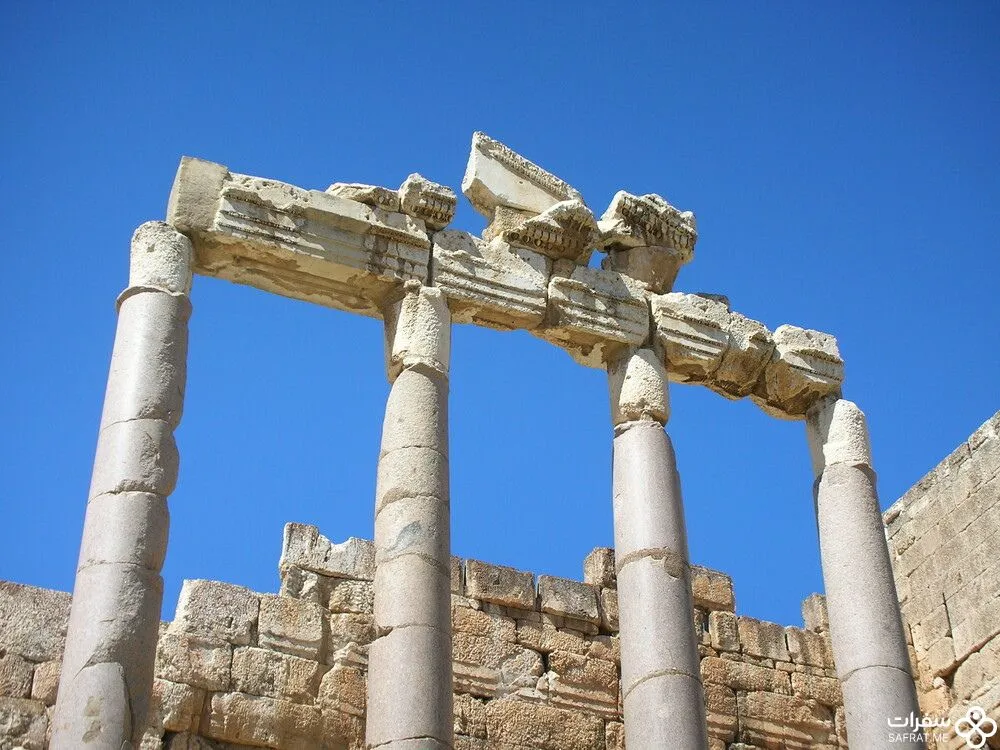
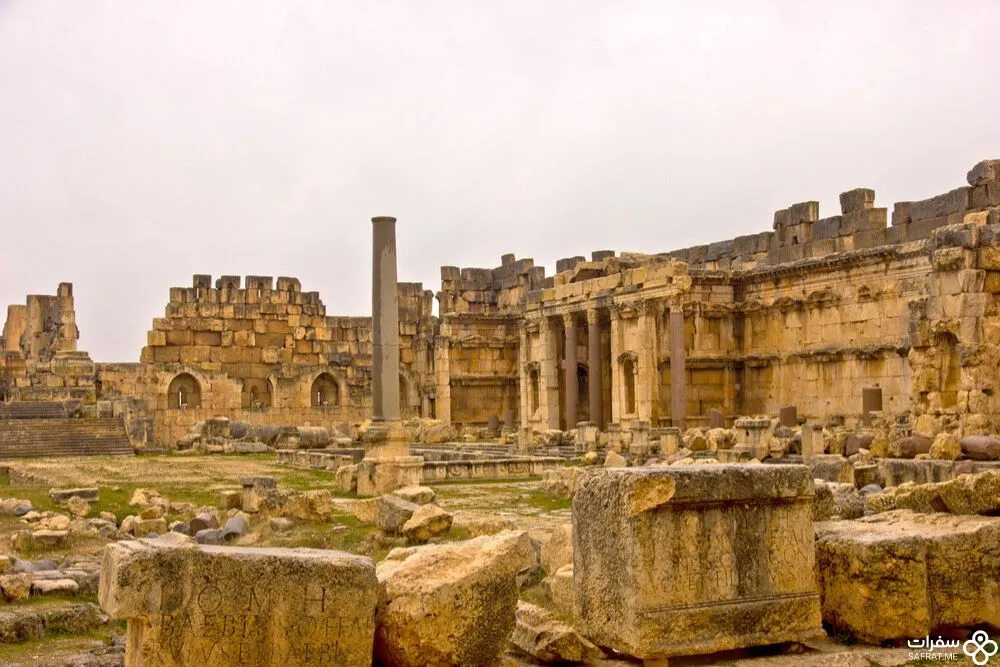
Among the most prominent archaeological sites in Lebanon, visitors can enjoy a tour among the impressive ruins. The Temple of Jupiter, the Temple of Bacchus, and the Temple of Venus are three magnificent temples that reflect the grandeur of the Roman era.
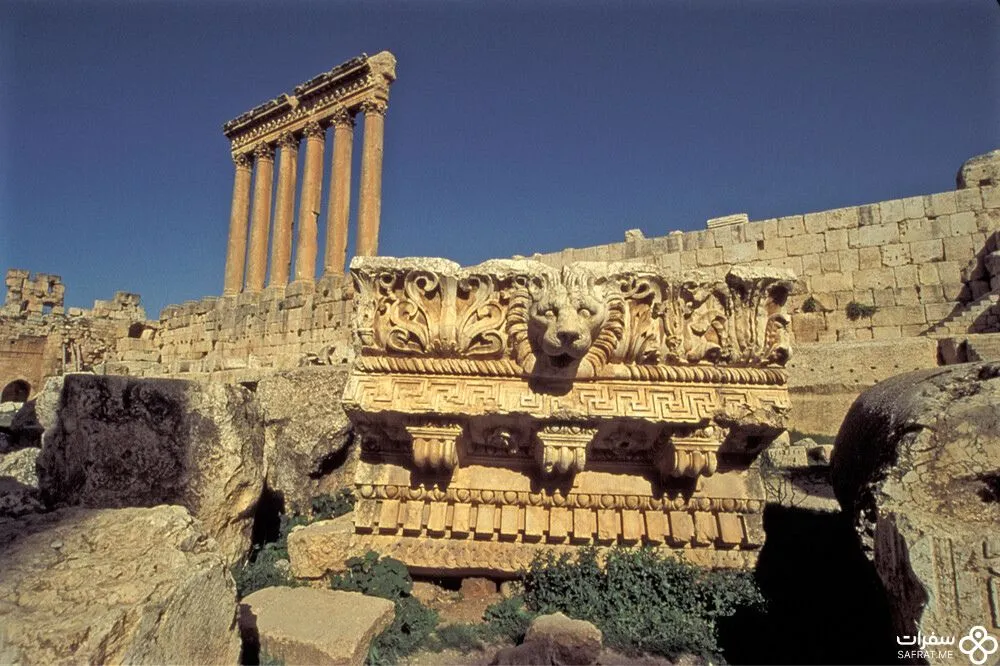
A. The Temple of Jupiter
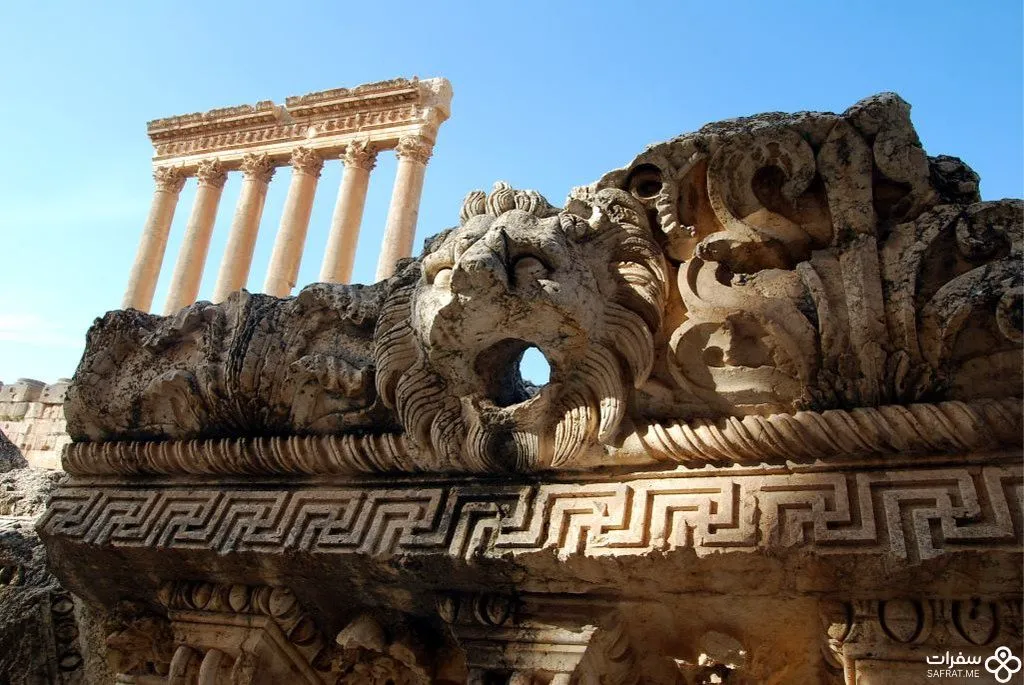
It is considered one of the most important temples in Baalbek, rising to a height of 90 metres with wide terraces
Despite the changes that have affected this temple over the passage of time, it has continued to convey the grandeur of the empire and its architectural engineering to visitors. The main courtyard of this temple, which can be reached by ascending the terraces and crossing the small forecourt, contains carvings of Roman deities. The thick walls and enormous columns leave one in a state of awe, as these columns stand more than 22 metres tall and their diameter exceeds two metres.
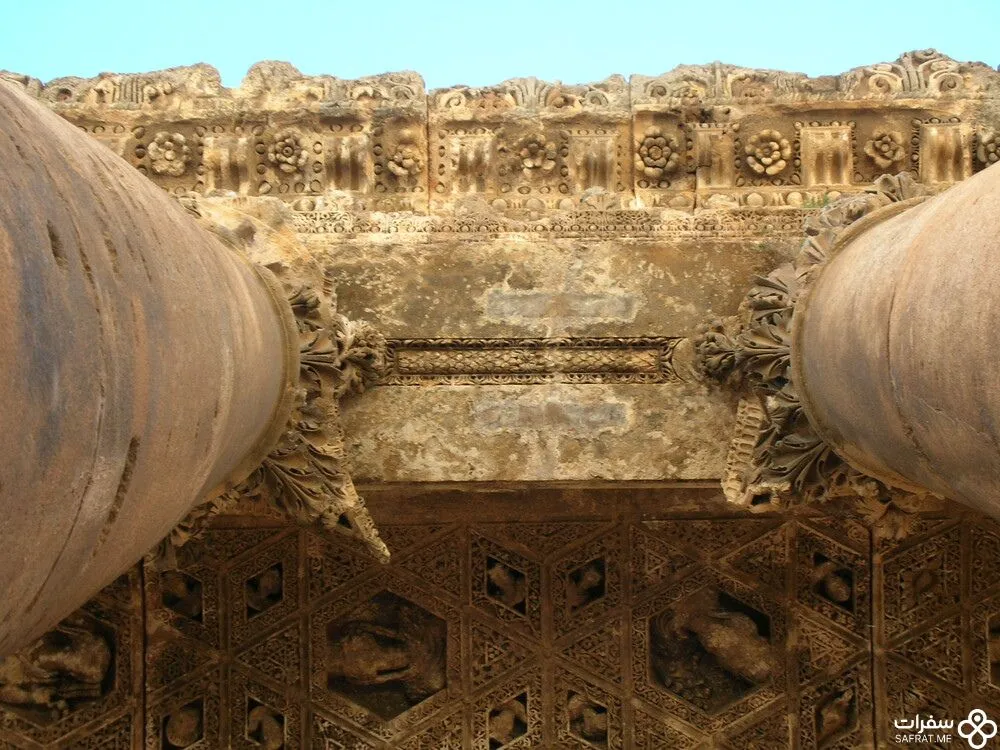
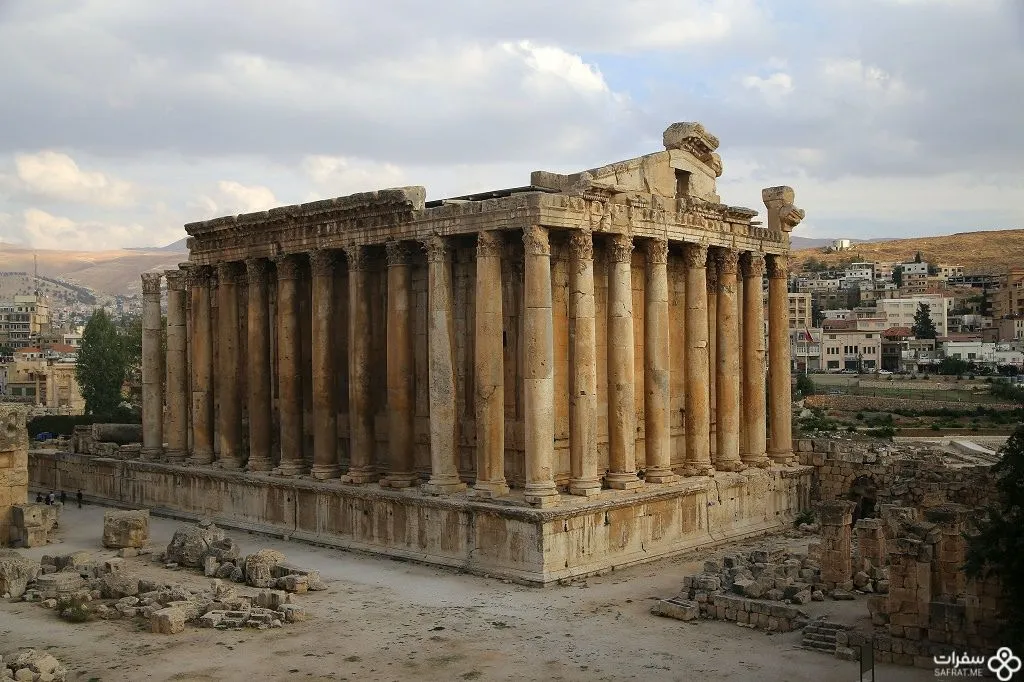
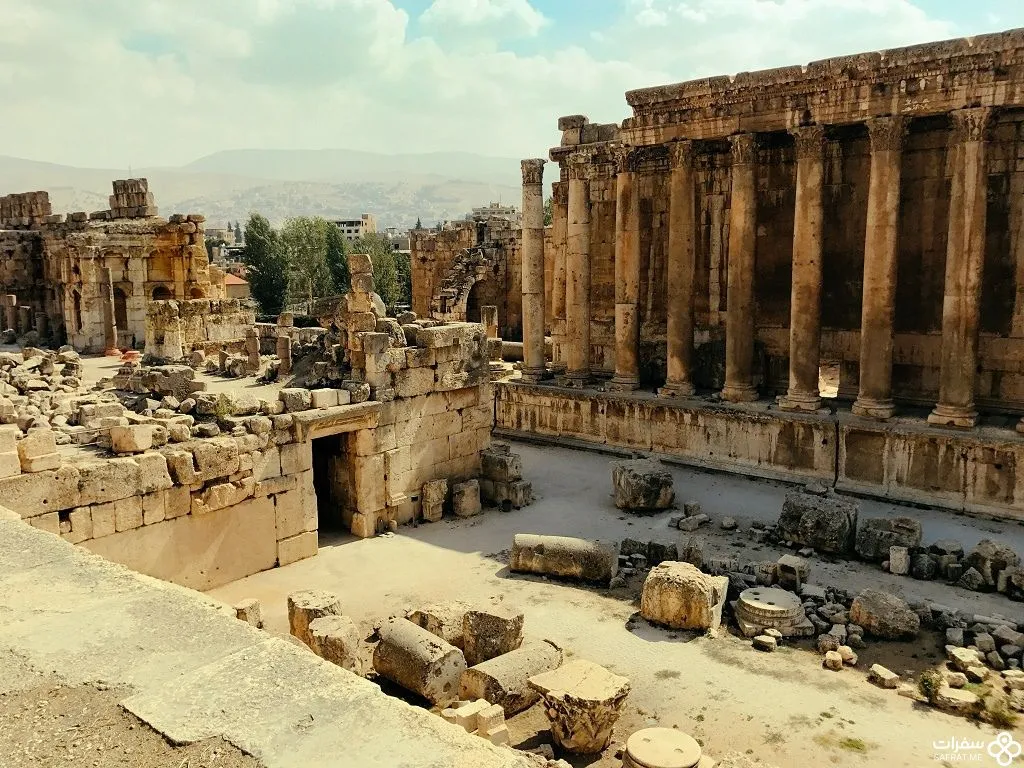
B. The Temple of Bacchus
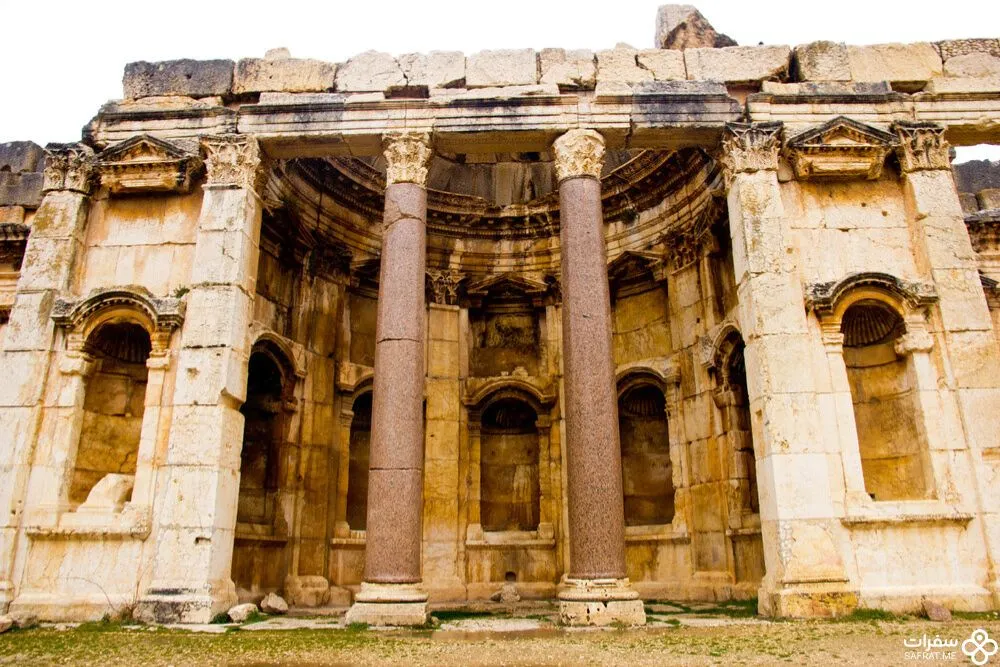
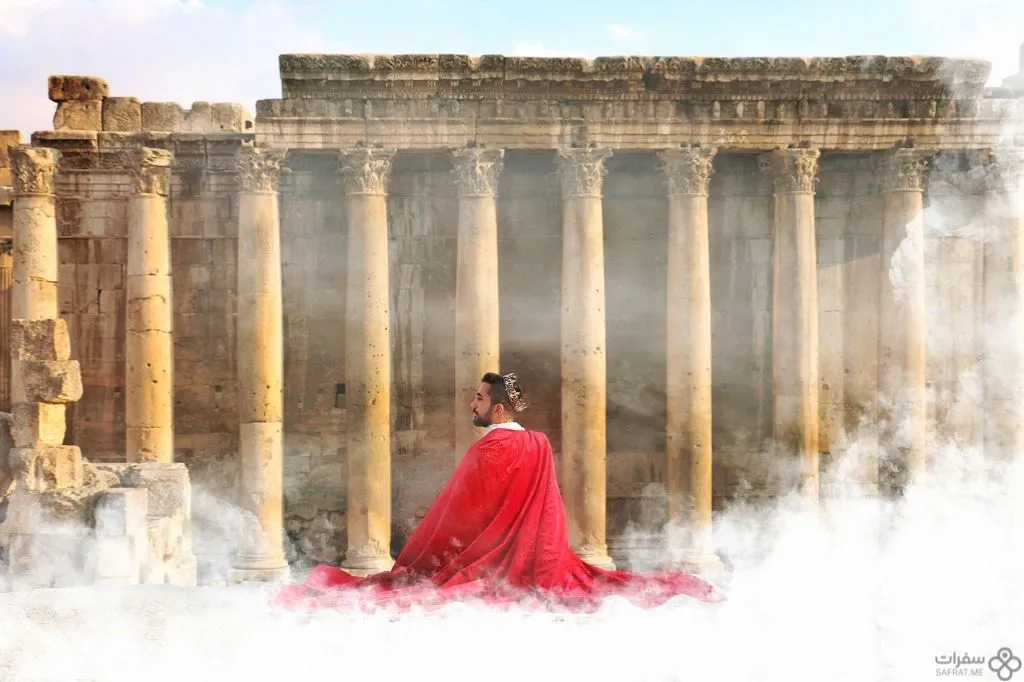
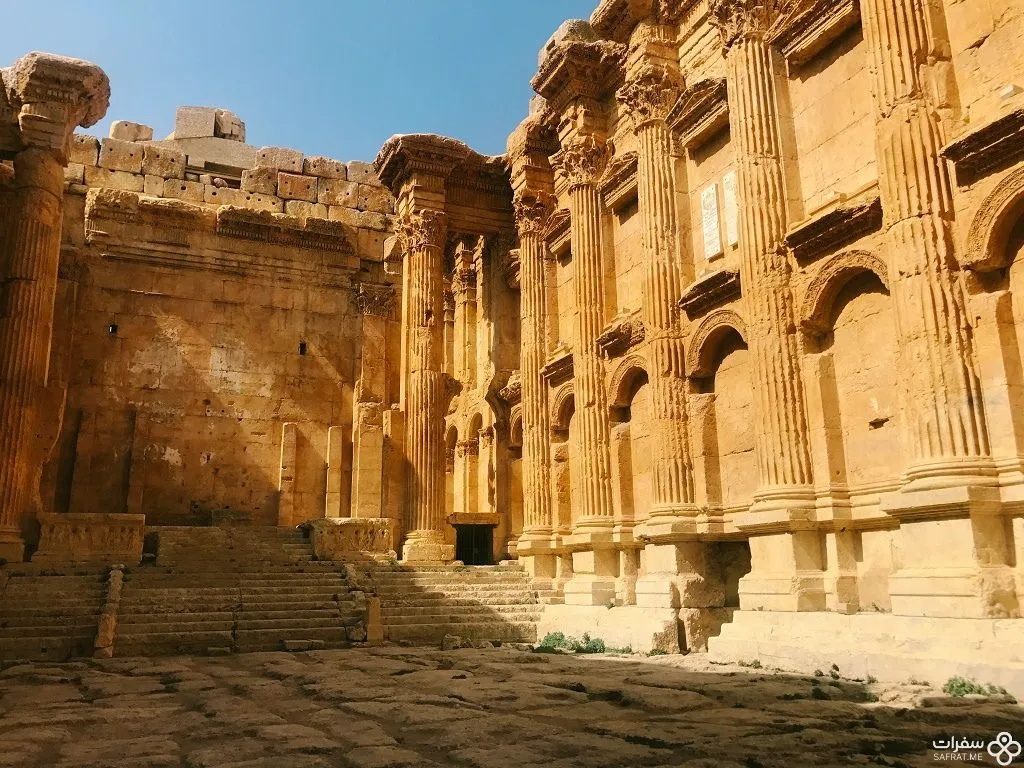
It is considered one of the most beautiful Roman temples in the East, standing 30 metres tall and built on a podium five metres high.
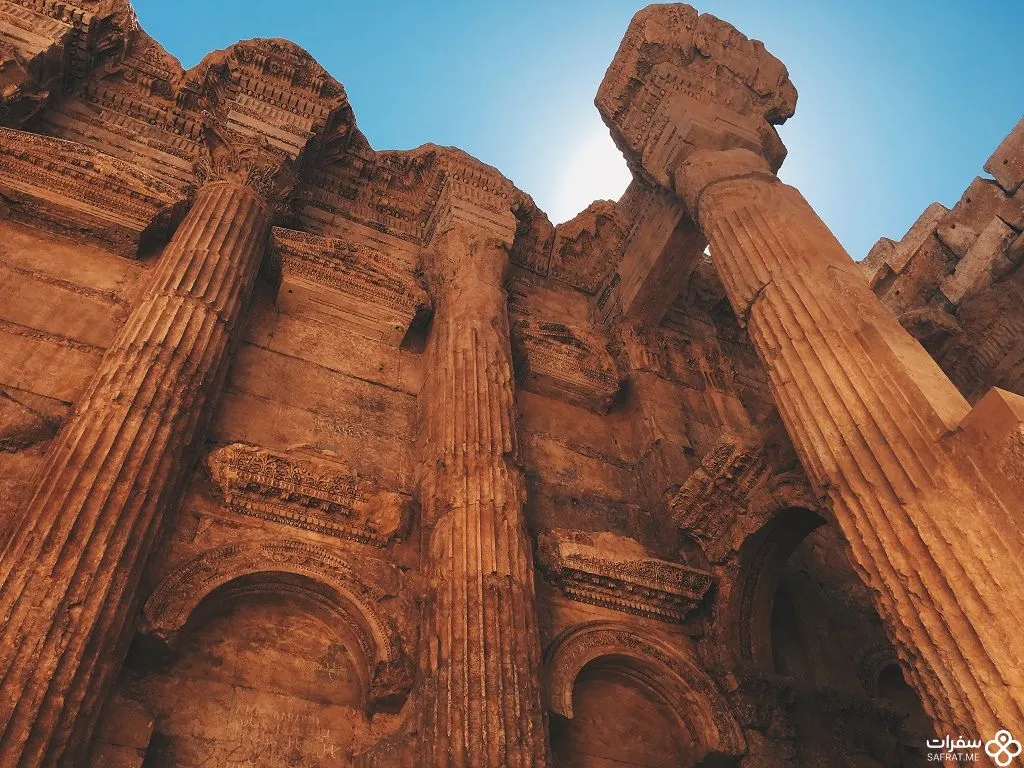
C. The Temple of Venus
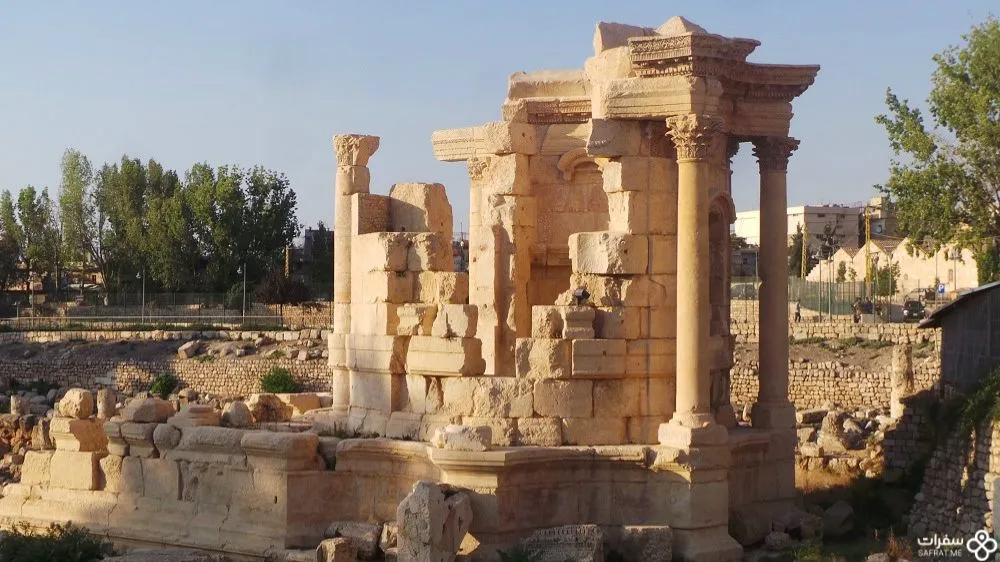
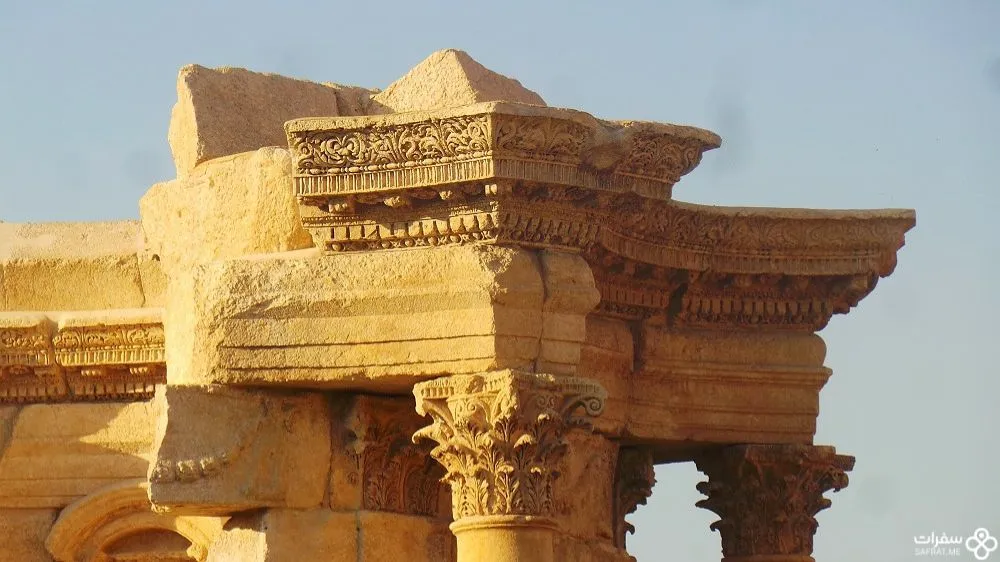
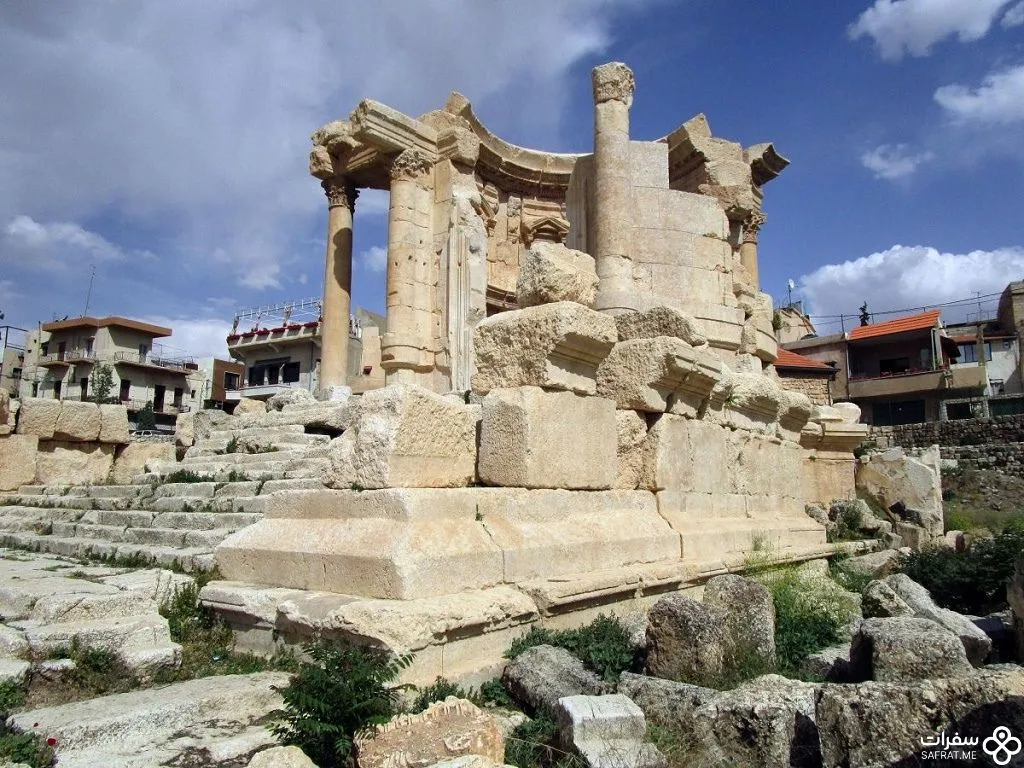
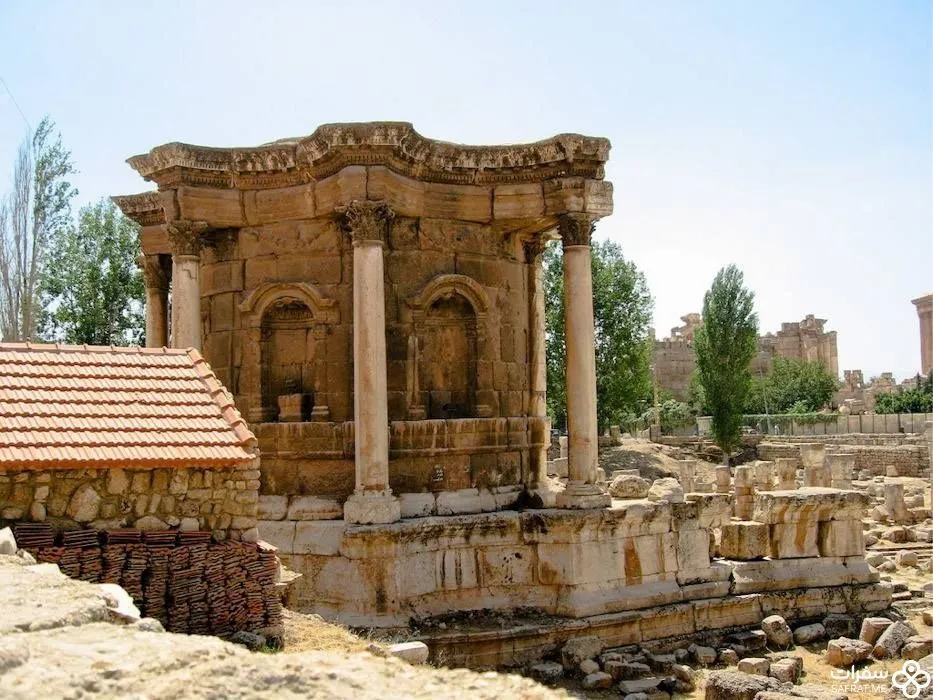
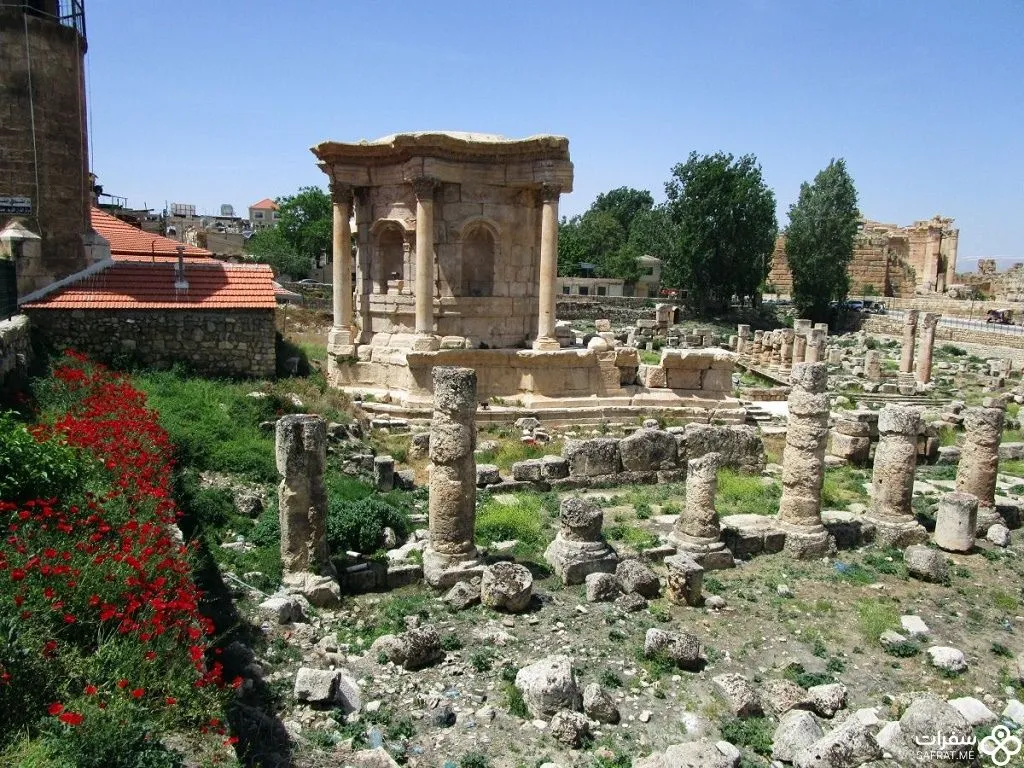
This temple, which is the smallest of the temples at the historic site of Baalbek, is among the important temples in Lebanon. The construction of this temple dates back to the early third century AD. This temple, built on a rectangular plot, was constructed in a circular form and rests on six columns.
Although this temple has suffered considerable destruction, some of the columns and stones used in its construction can still be seen scattered across the grounds of the historic Baalbek site.
The historic site of Baalbek is the largest historical site in Lebanon and is visited by many tourists from countries around the world. This site is, in most cases, likely to be at the top of the list of places tourists plan to visit.
2. The Beirut National Museum
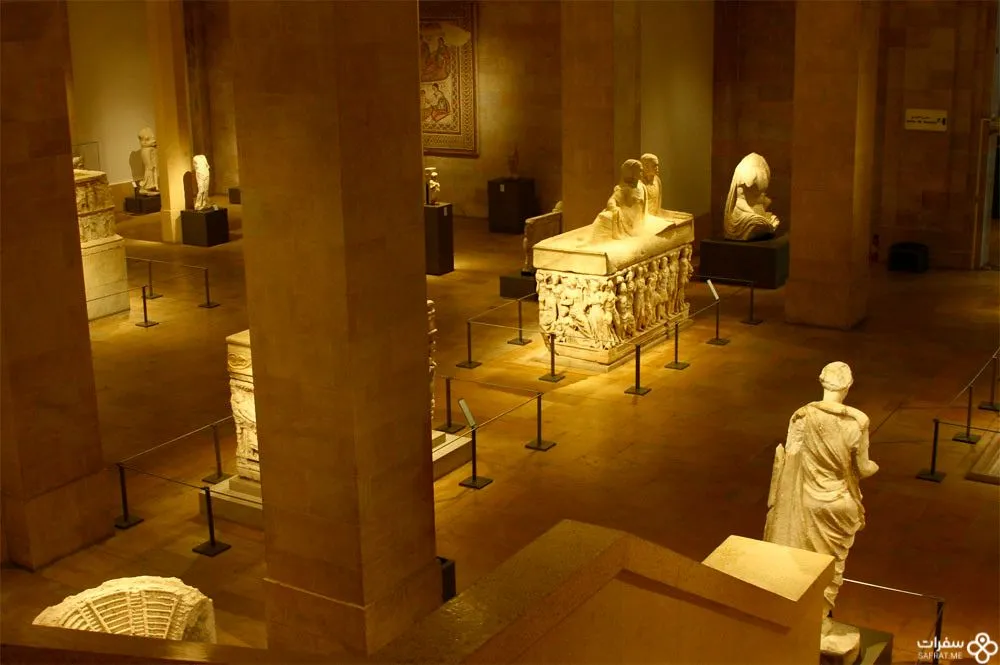
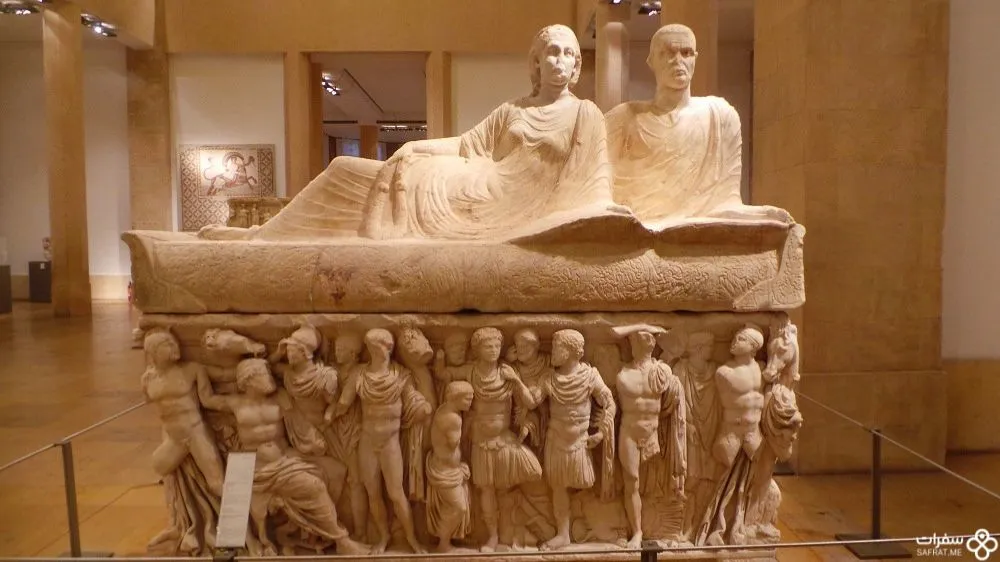
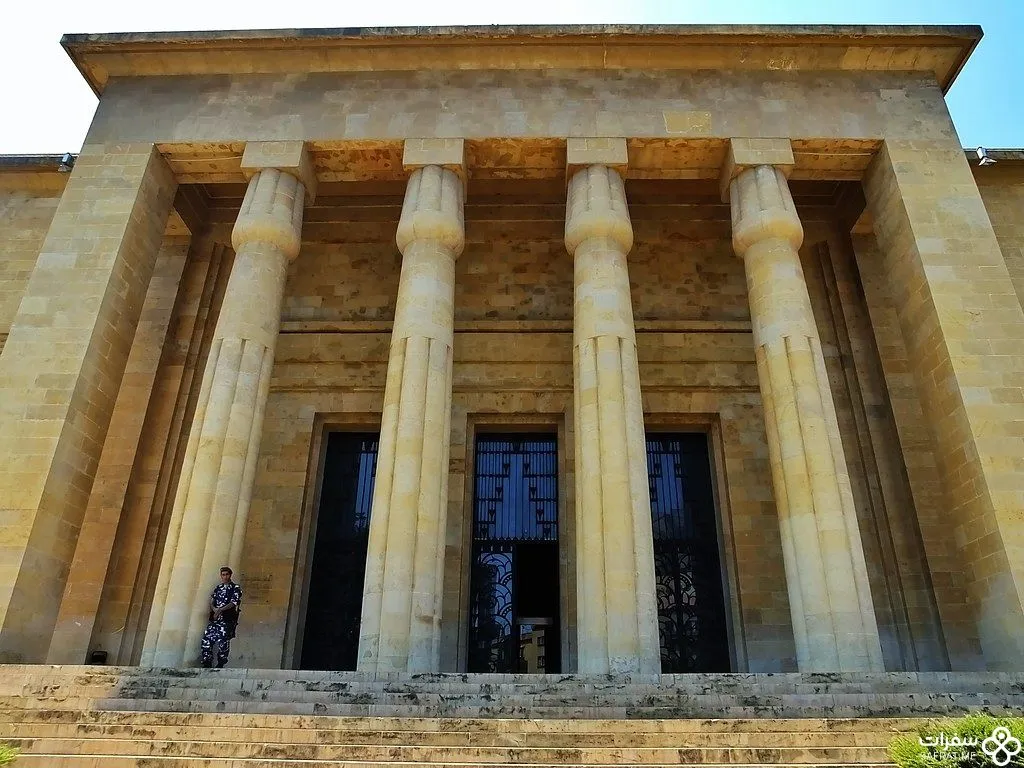
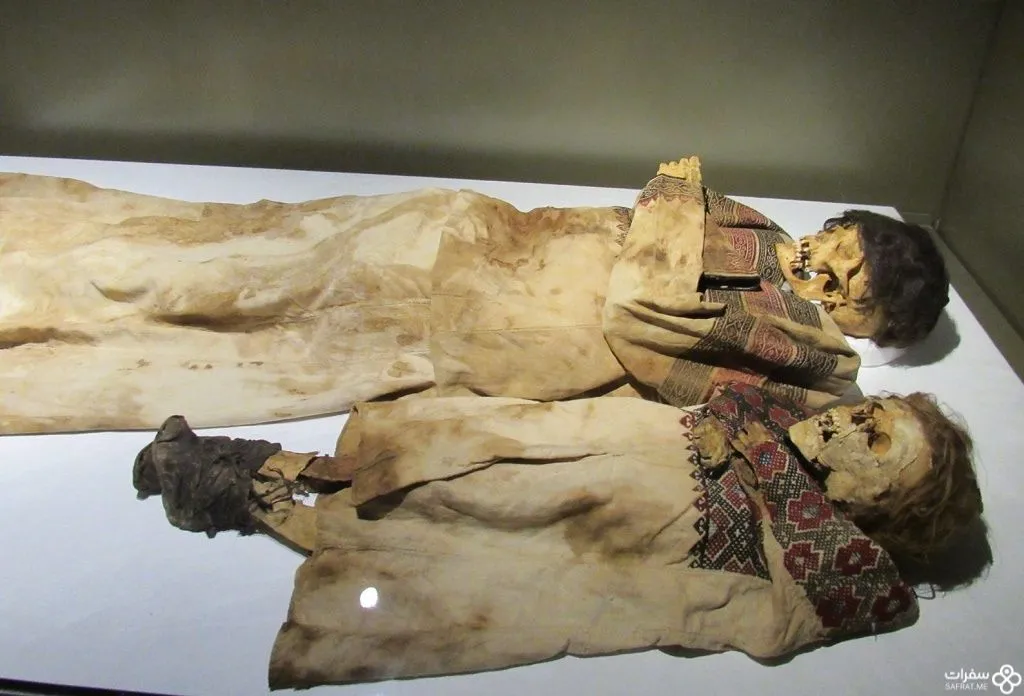
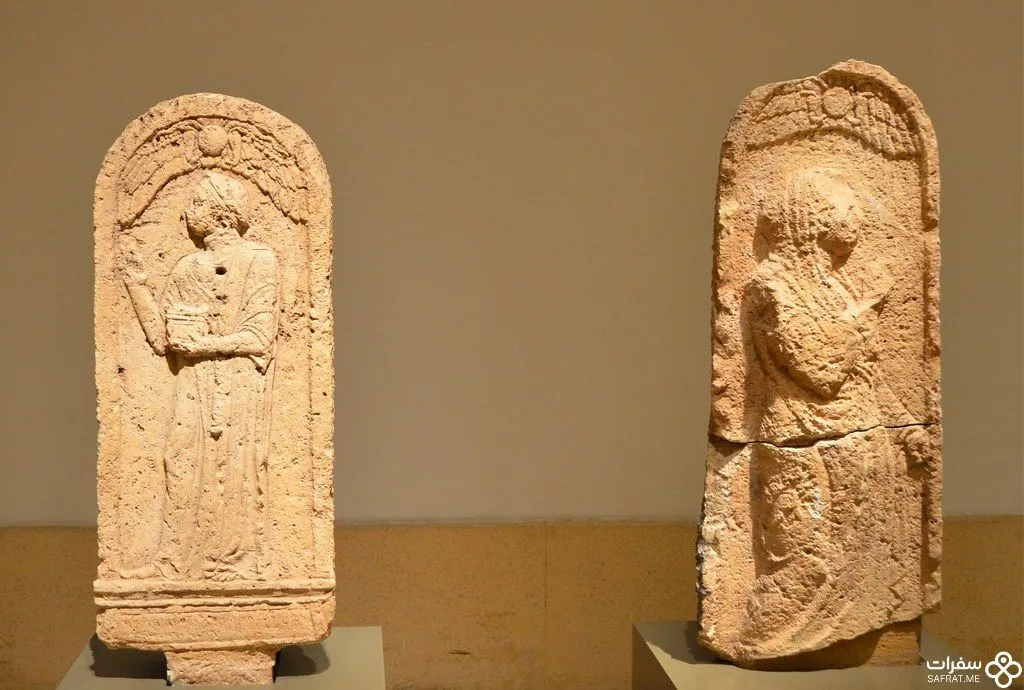
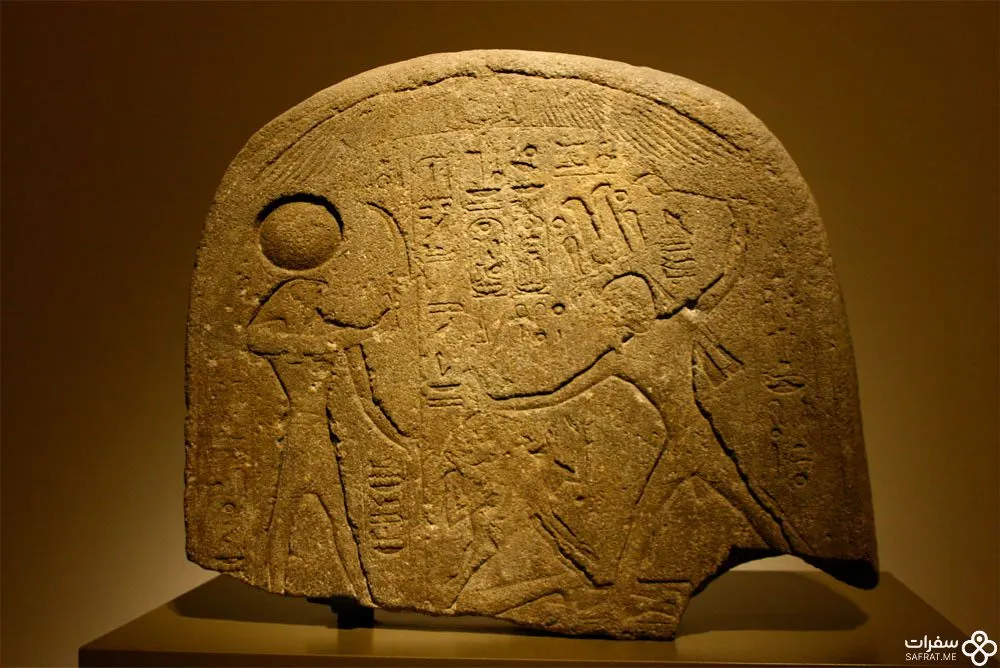
Lebanon’s National Museum contains artefacts dating back to the Phoenician era, including beautiful Phoenician sarcophagi and statues, as well as cabinets made of plaster stone. The museum also houses artefacts from the city of Byblos and mummified remains, making it a wonderful destination for history enthusiasts.
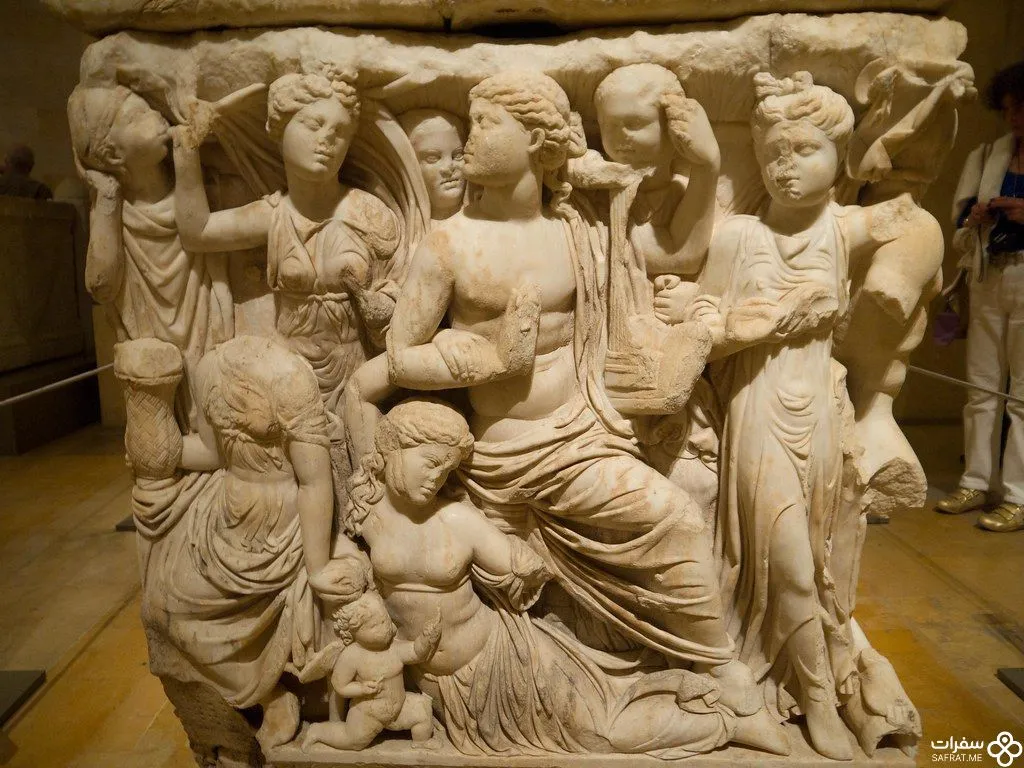
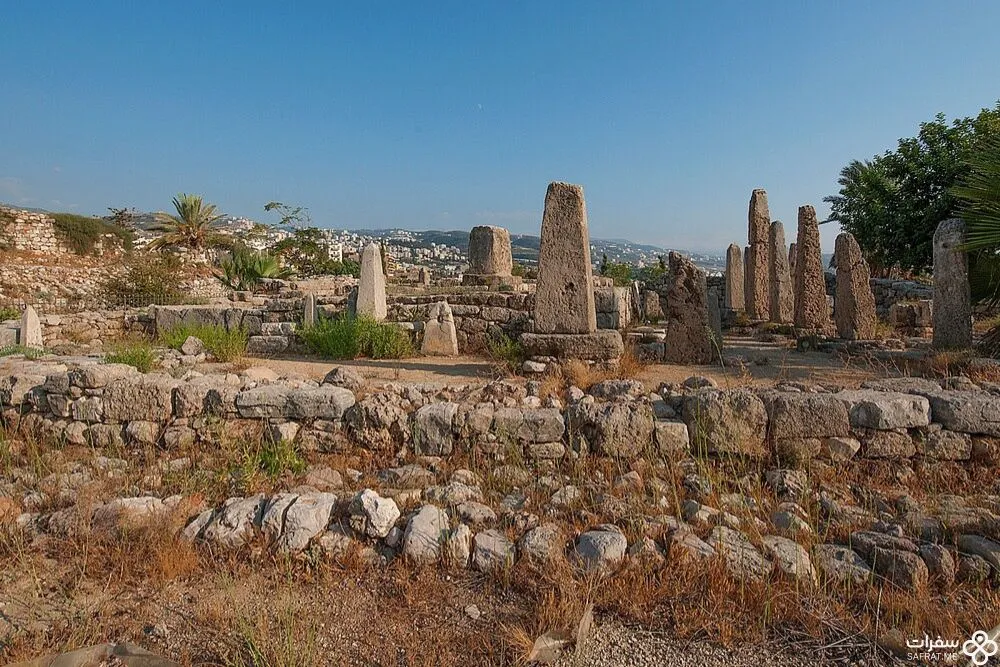
Some of the artefacts in Lebanon’s National Museum date back to the Phoenician era and were found near the Obelisk Temple. The numerous Phoenician sarcophagi carved with human faces are among the most precious items to be found in this museum.
The statues of Byblos (or those transferred from the Jbeil area), cabinets made of plaster stone, golden breastplates, and ivory cosmetic boxes found in Sidon are among the most beautiful items that can be seen in Lebanon’s National Museum.
The human-faced sarcophagi and mummified remains are among the most striking features a visitor will encounter on the lower floor of this museum.
3. The Historic City of Sidon
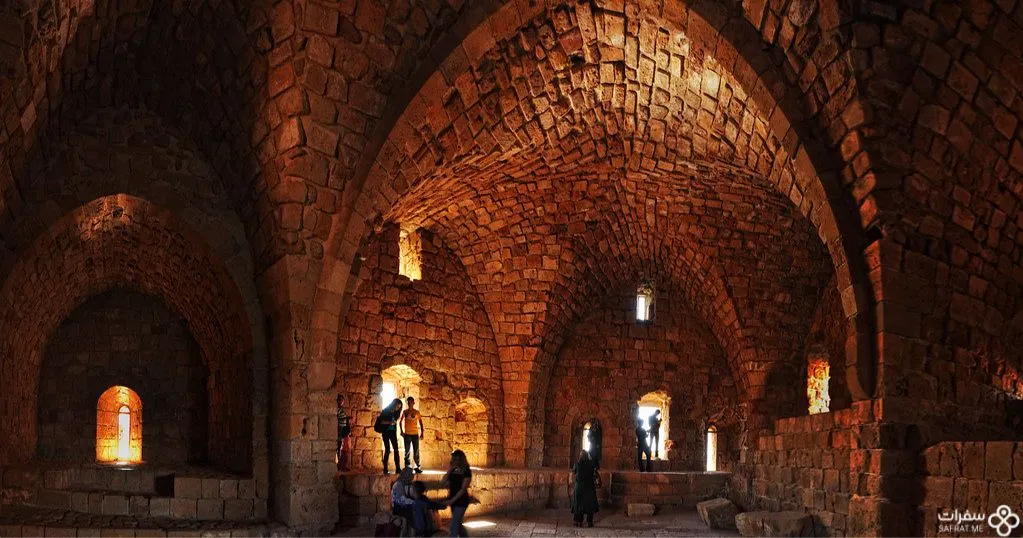
The city of Sidon is considered one of the sites recommended for those with a passion for history. This city, which was known in ancient times by the name Sidon, has witnessed various civilisations and cultures from hundreds of years before the Common Era through the Islamic, Crusader, and modern periods.
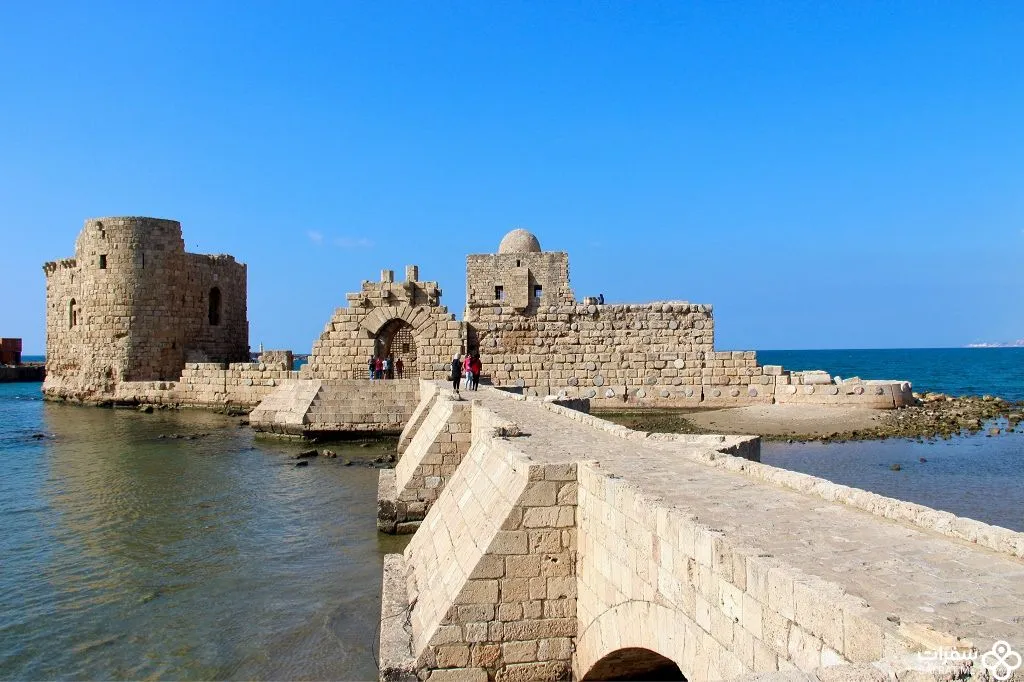
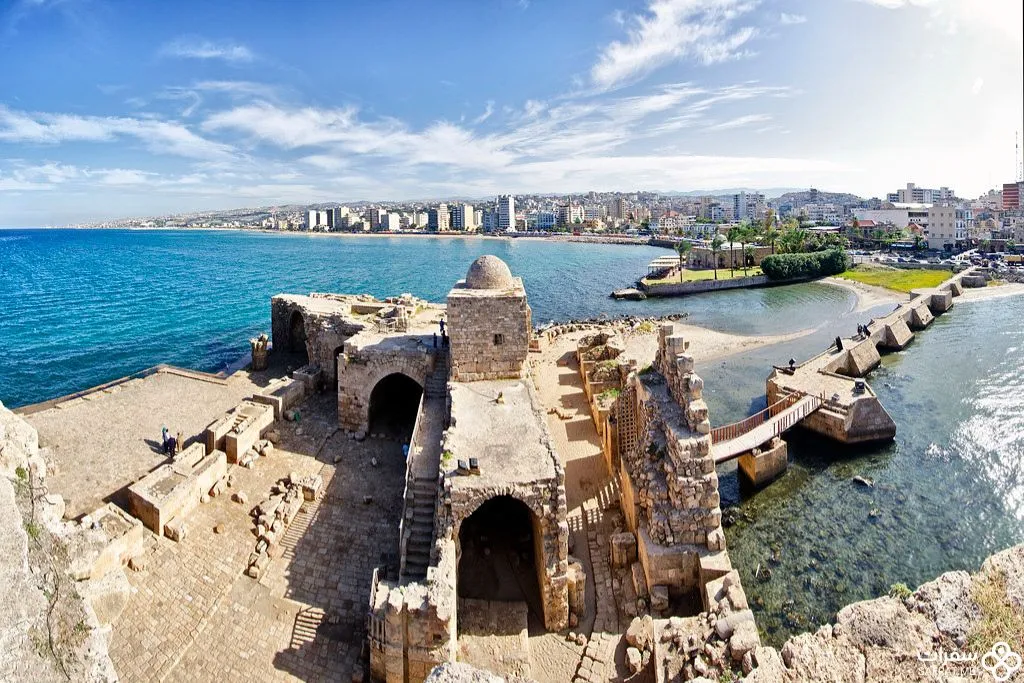
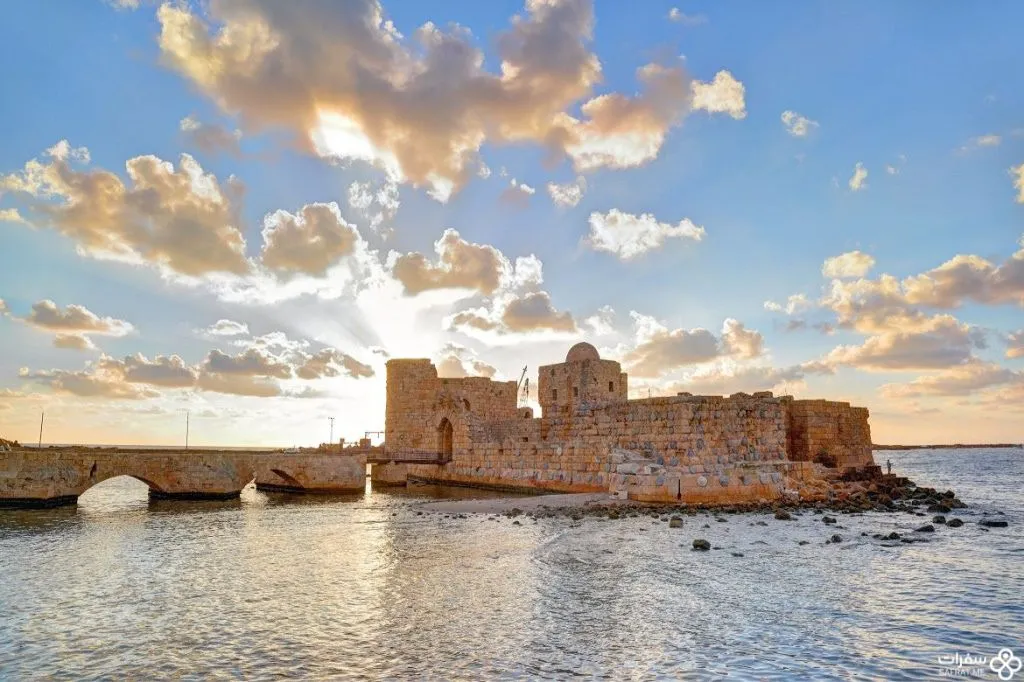
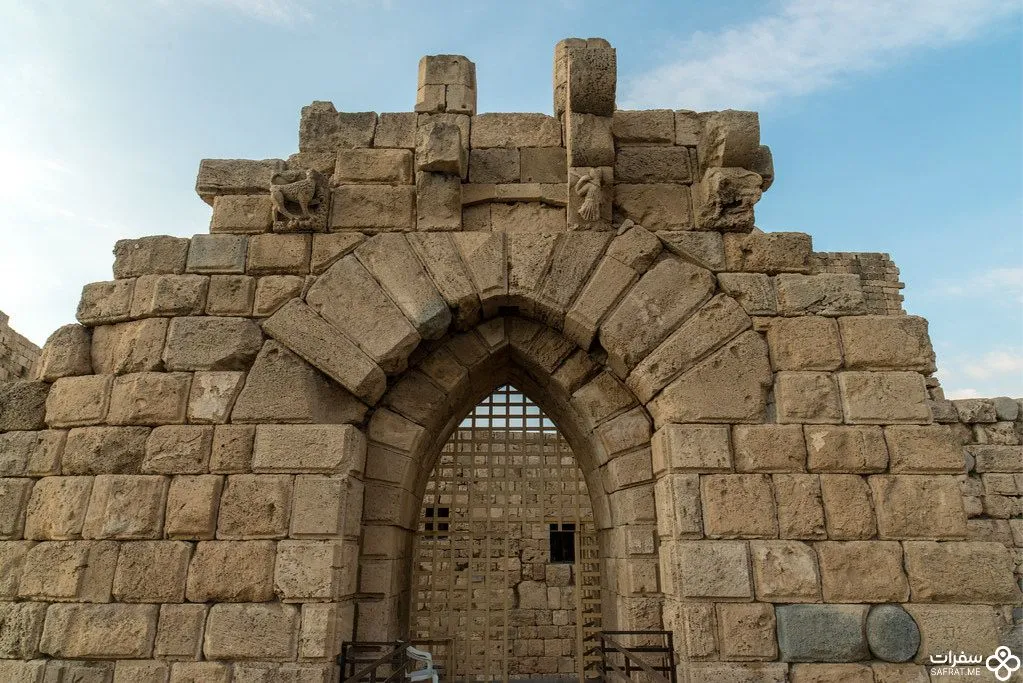
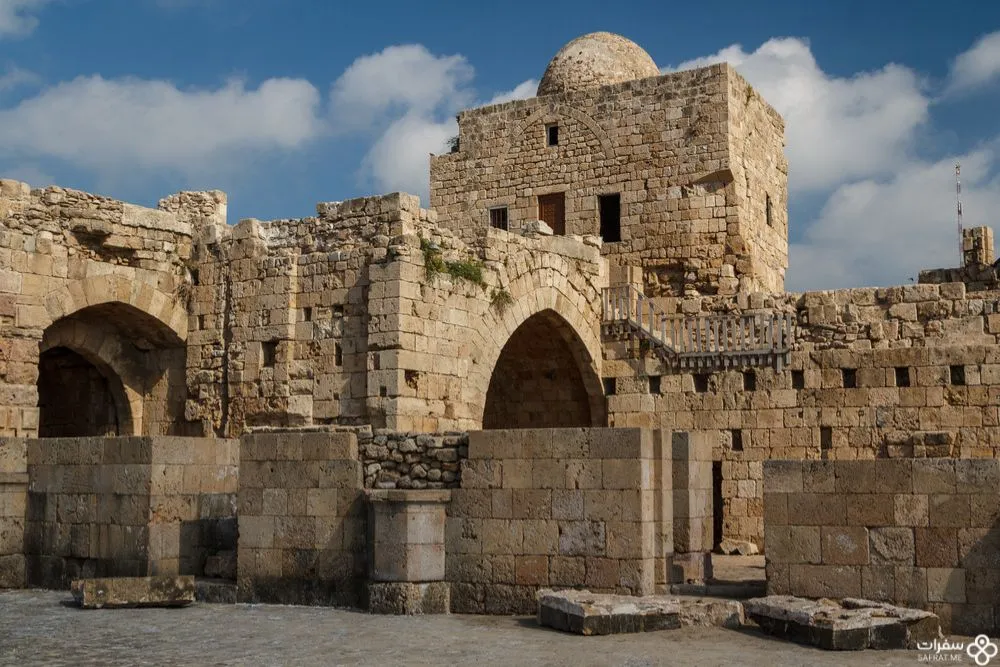
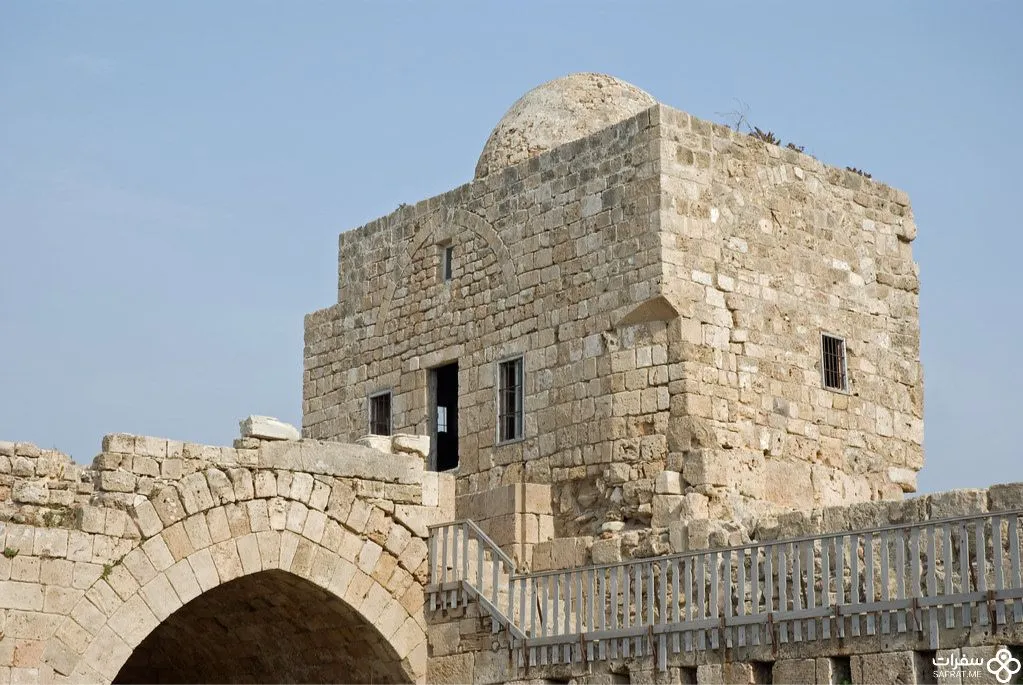
Sidon Castle, which was built eighty metres from the shore, is one of the landmarks that dates back to the Crusader era.
Thick stones remaining from the Roman era were used in the construction of this castle in order to make it as fortified as possible.
This island, which appears from a distance to be floating on the sea, is considered the symbolic emblem of historic Sidon.
Khan al-Ifranj, historic mosques such as the Great Omari Mosque, Abu Nakhla Mosque, and al-Kikhia Mosque, as well as bathhouses such as Hammam al-Sheikh, Hammam al-Ward, and Hammam al-Sab’ Banat, are among the other historic landmarks recommended for a visit in the historic city of Sidon.
4. The Al Bass Archaeological Site (The Ancient City of Tyre)
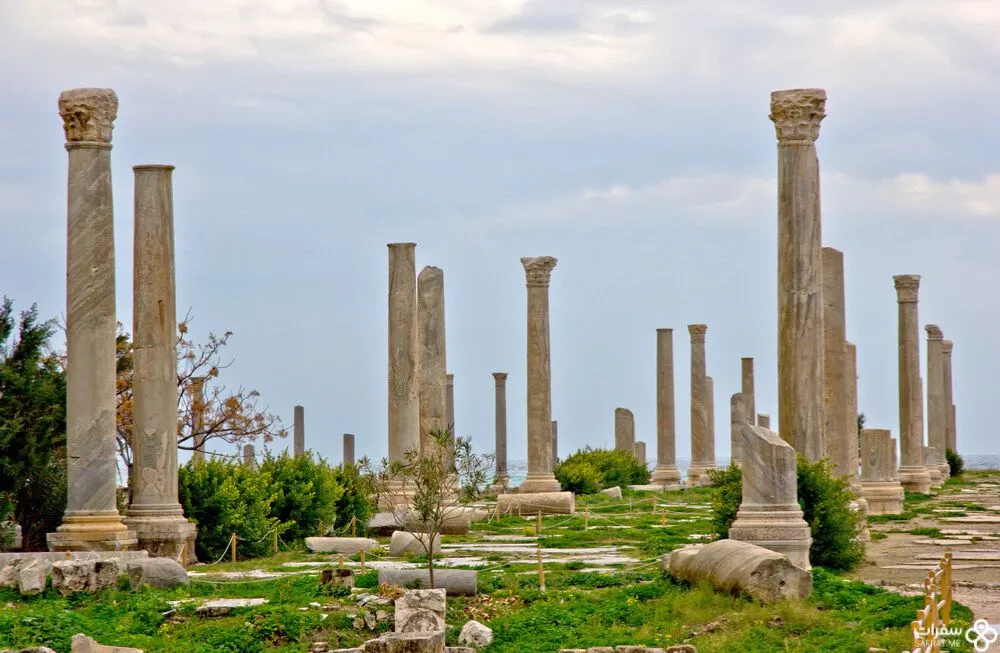
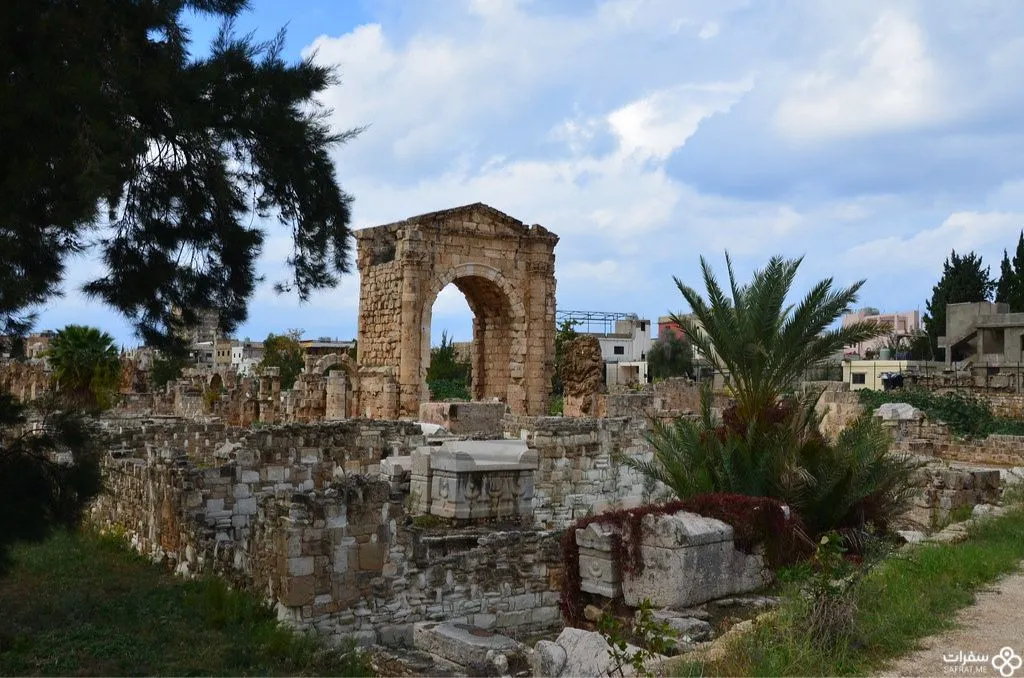
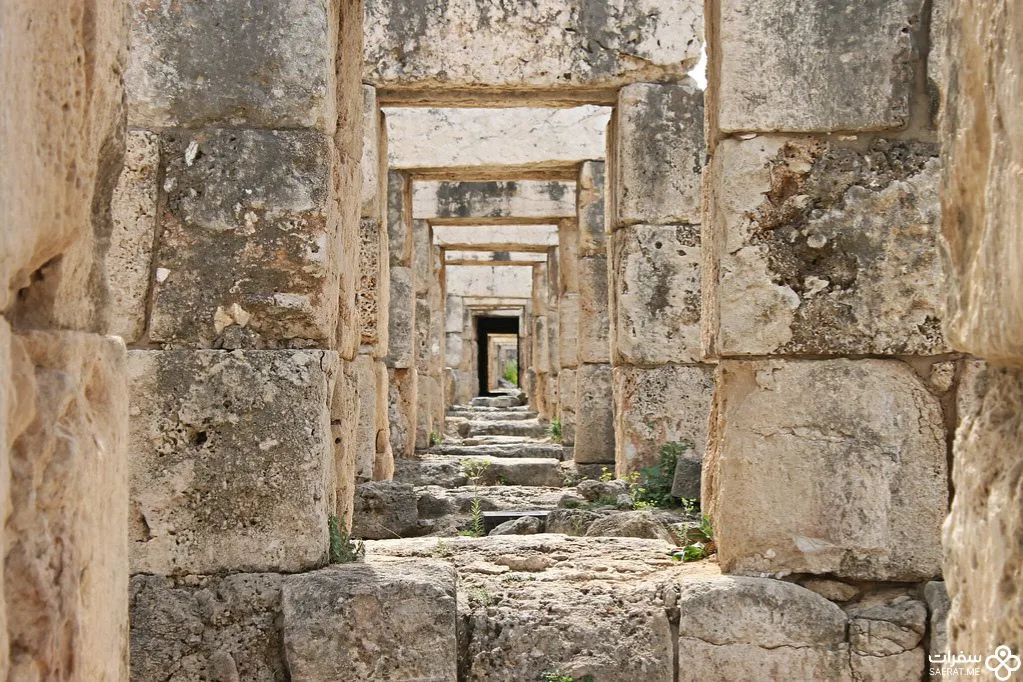
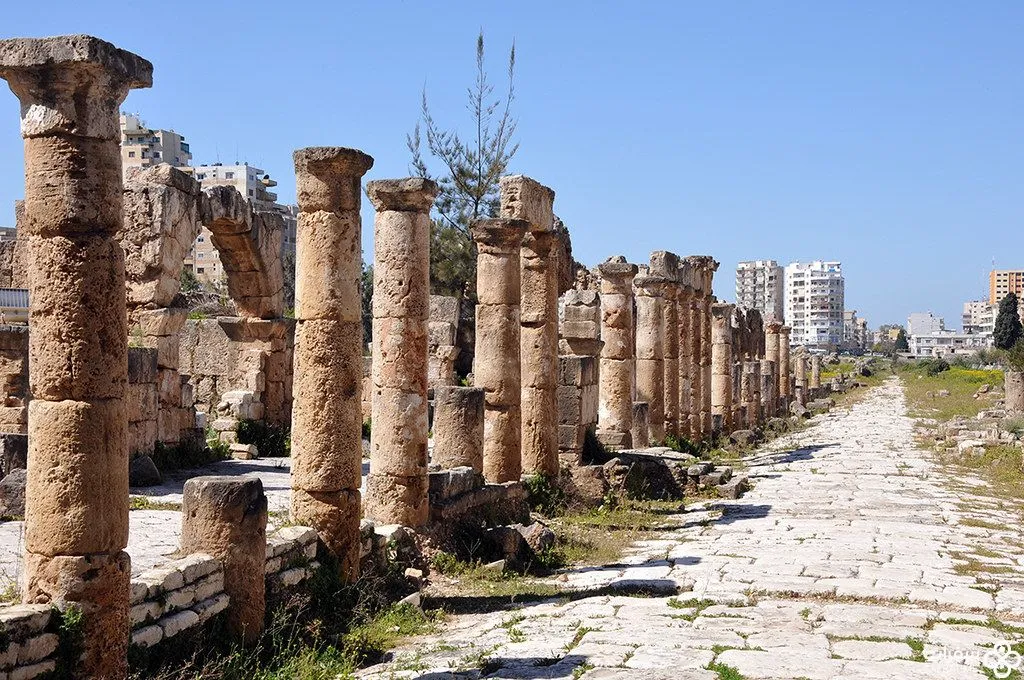
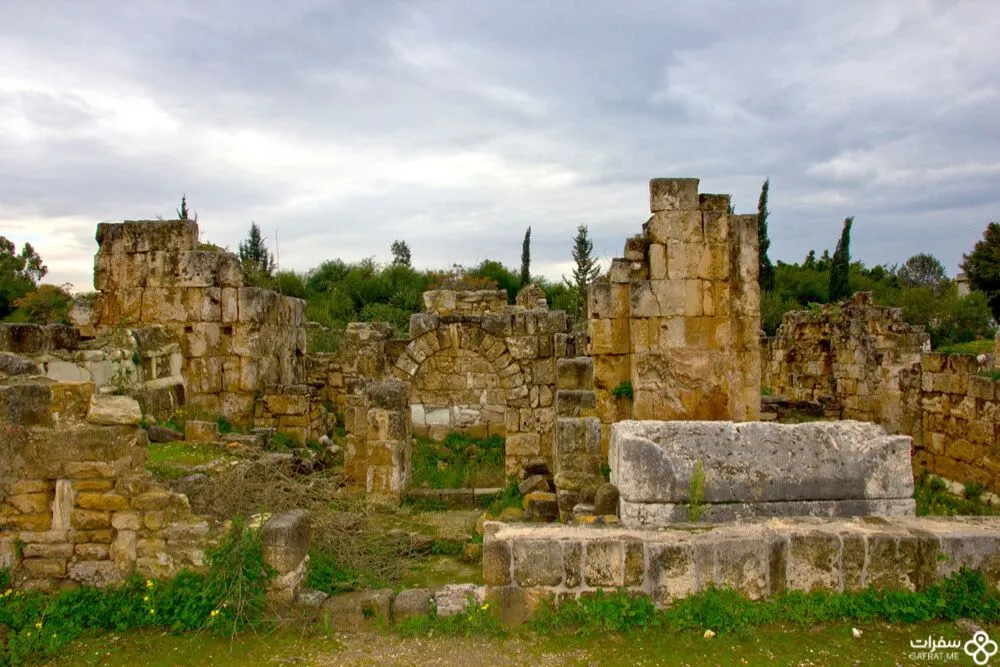
The Al Bass archaeological site is considered one of the most important historical sites in Lebanon. The Al Bass site is located two kilometres west of the centre of Lebanon. Hundreds of rock-cut tombs with their varied decorations and designs can be seen at the Al Bass archaeological site.
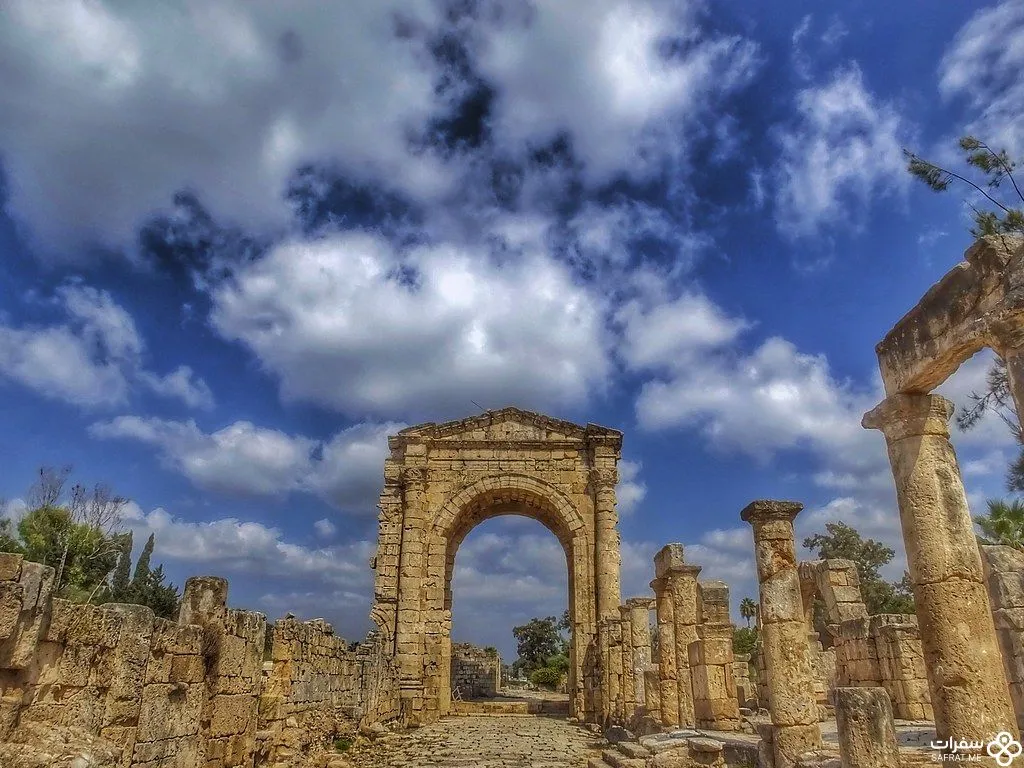
One of the most beautiful things to be seen at the Al Bass archaeological site is the entrance, which has remained intact and has not undergone many changes, in addition to the columns that extend along both sides of this entrance.
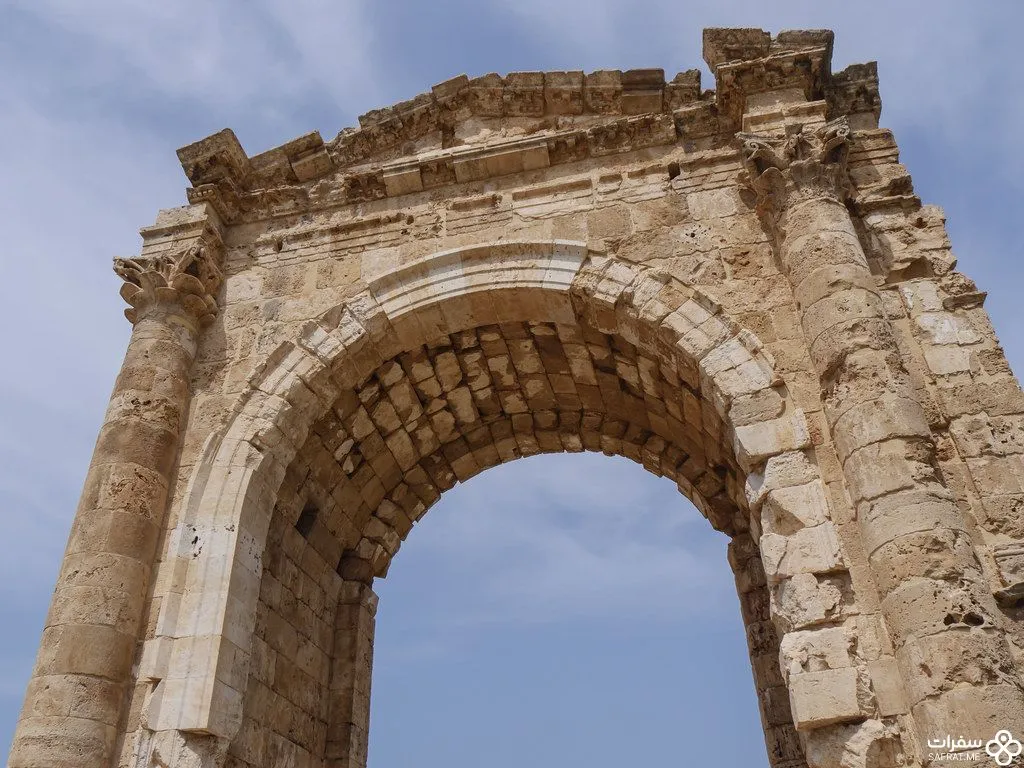
The Roman road, the arch, and the hippodrome, which can accommodate more than 20,000 spectators, are among the other most beautiful landmarks that can be visited at this site
5. The Jbeil Archaeological Site
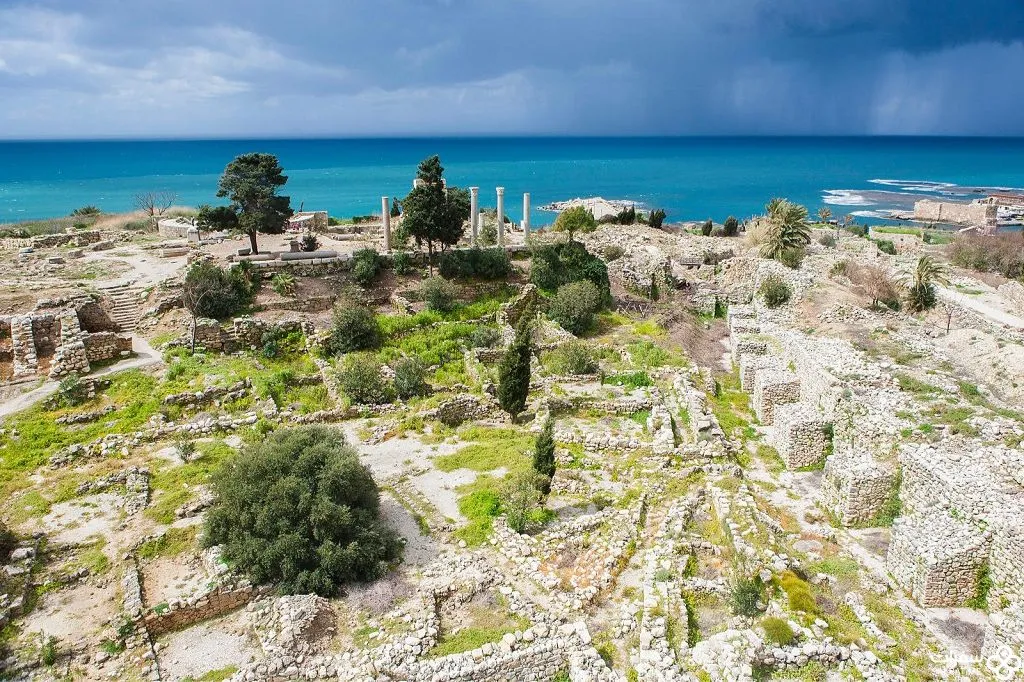
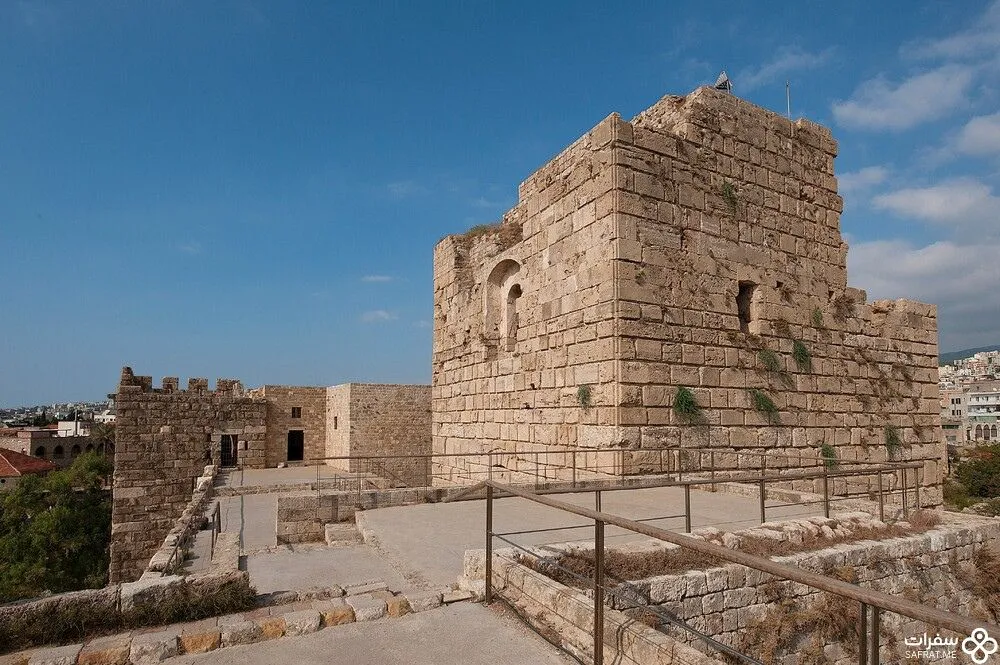
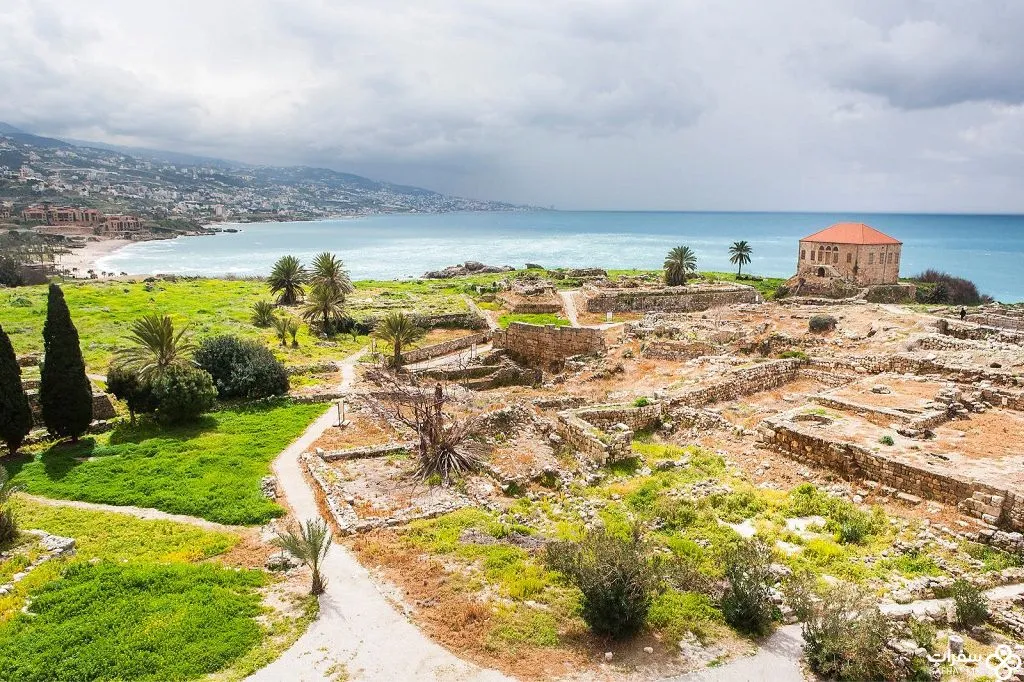
The Jbeil archaeological site is one of the most famous archaeological sites that must be visited when travelling to Lebanon. The Jbeil archaeological site is located 37 kilometres north of Beirut and 44 kilometres south of Tripoli.
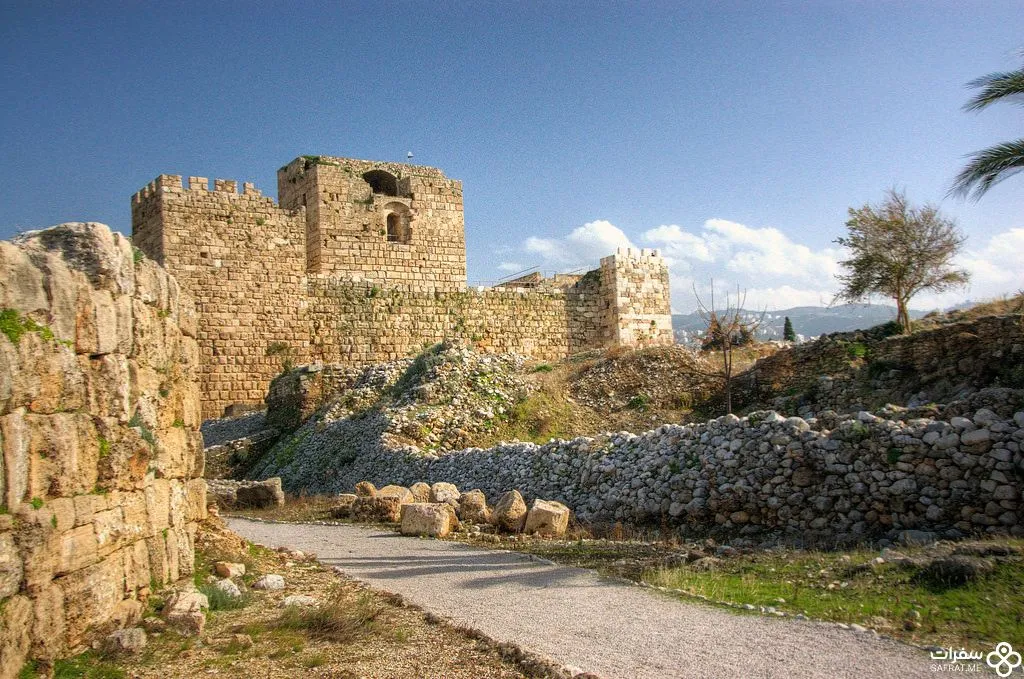
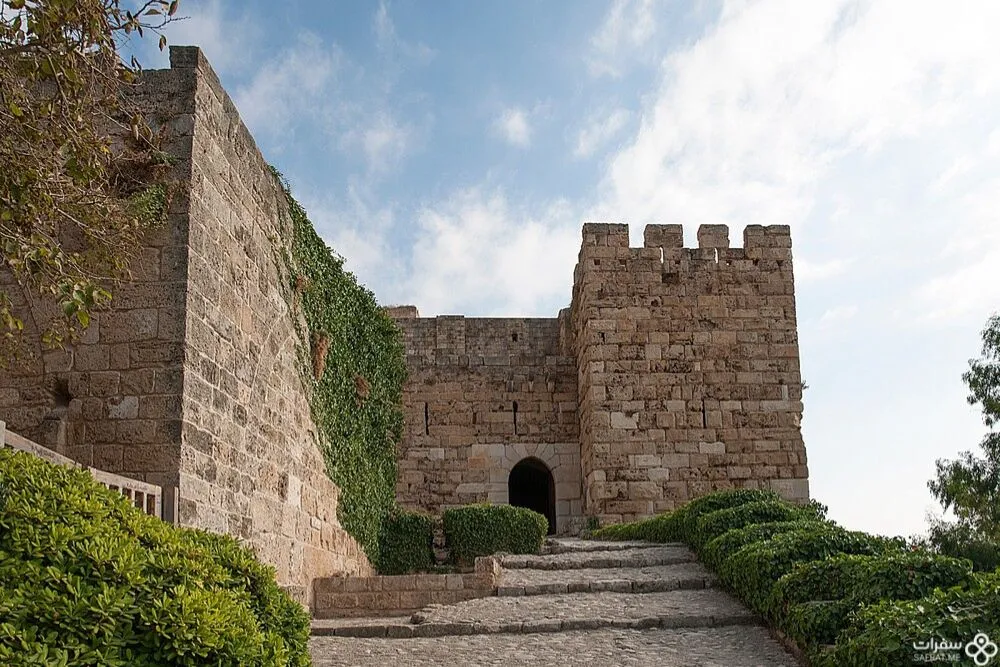
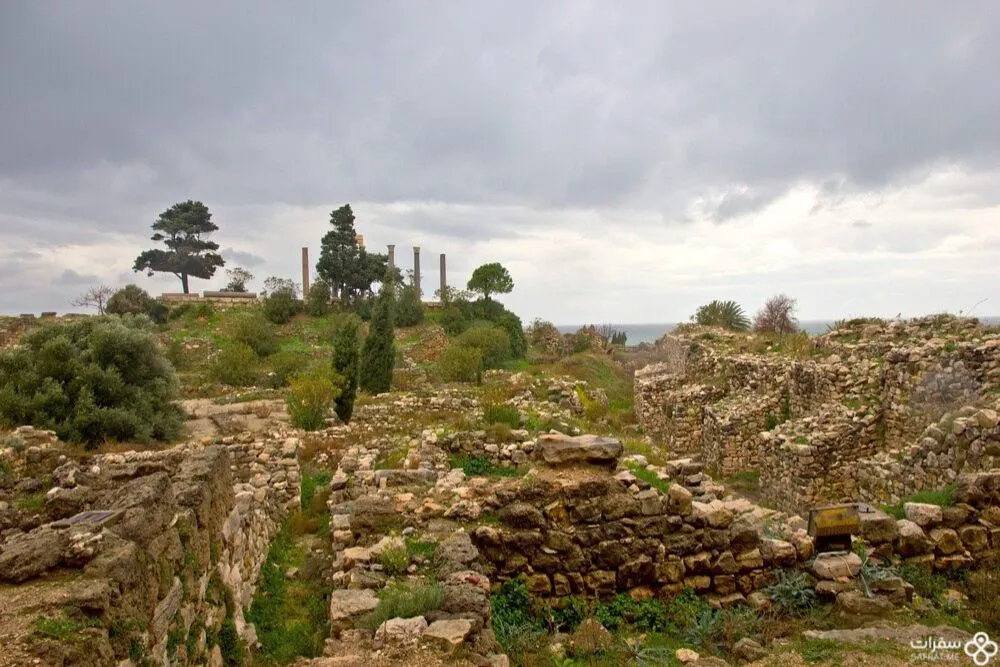
The Jbeil Archaeological Museum is one of the beautiful and unique museums in Lebanon. This museum is located within the historic Jbeil Castle, which is considered part of the Crusader heritage. This castle, which has today become a museum bringing together various antiquities and artefacts, overlooks the Phoenician city in which numerous different artefacts have been discovered.
The city walls, which date back to the second and third millennia BC, are among the other important remains that make the historic site of Jbeil all the more significant.
6. The Historic City of Anjar
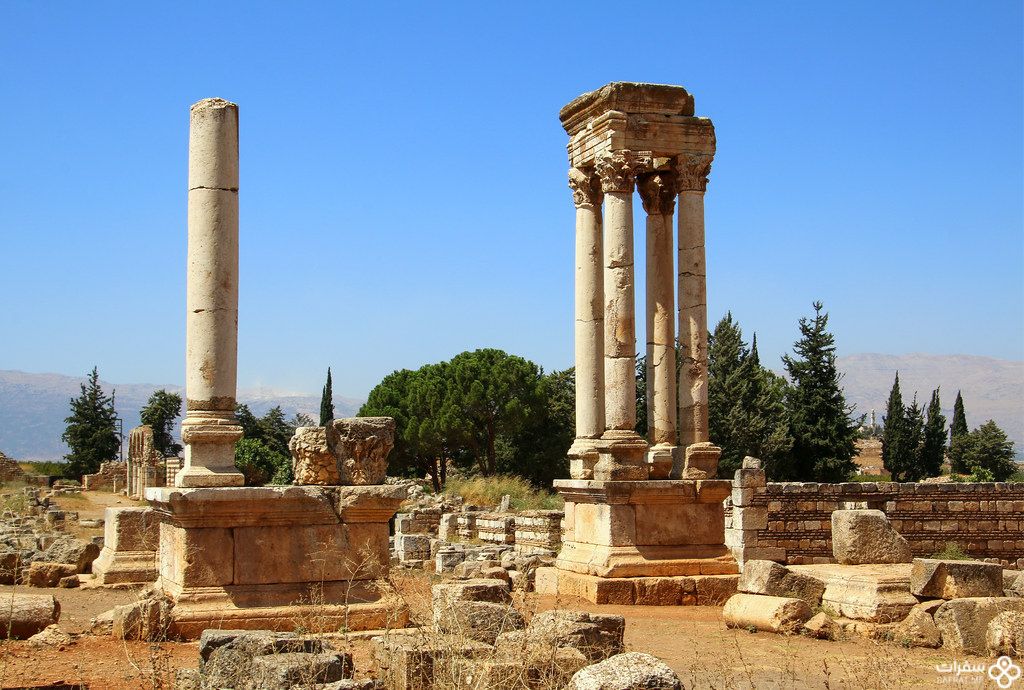
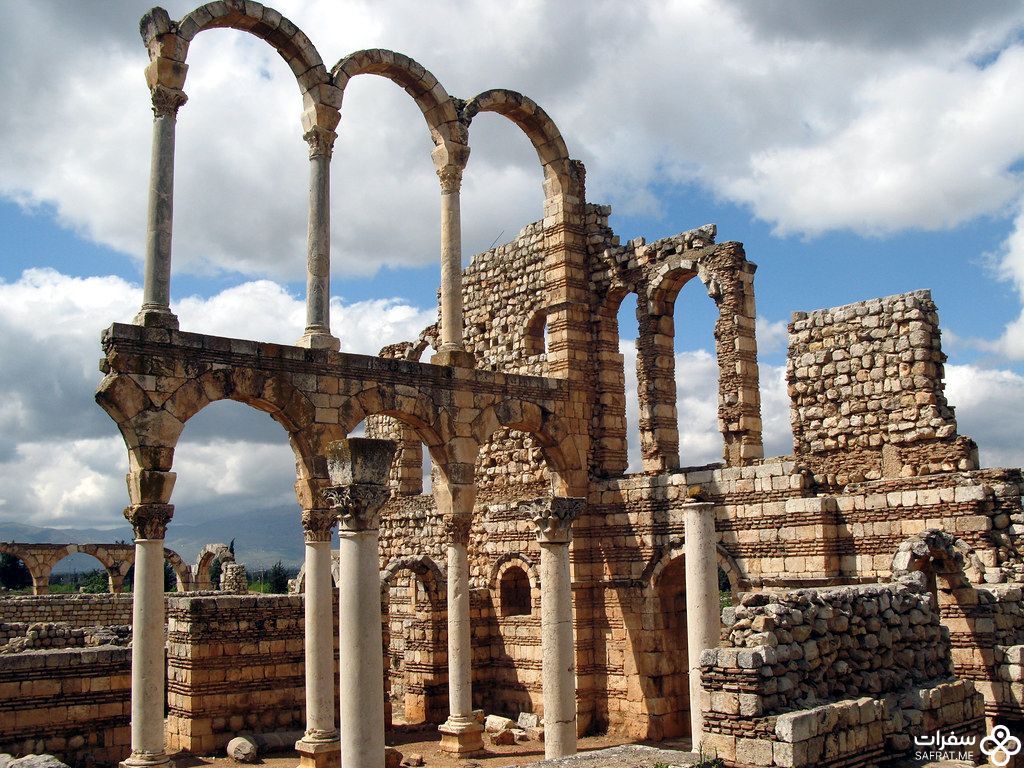
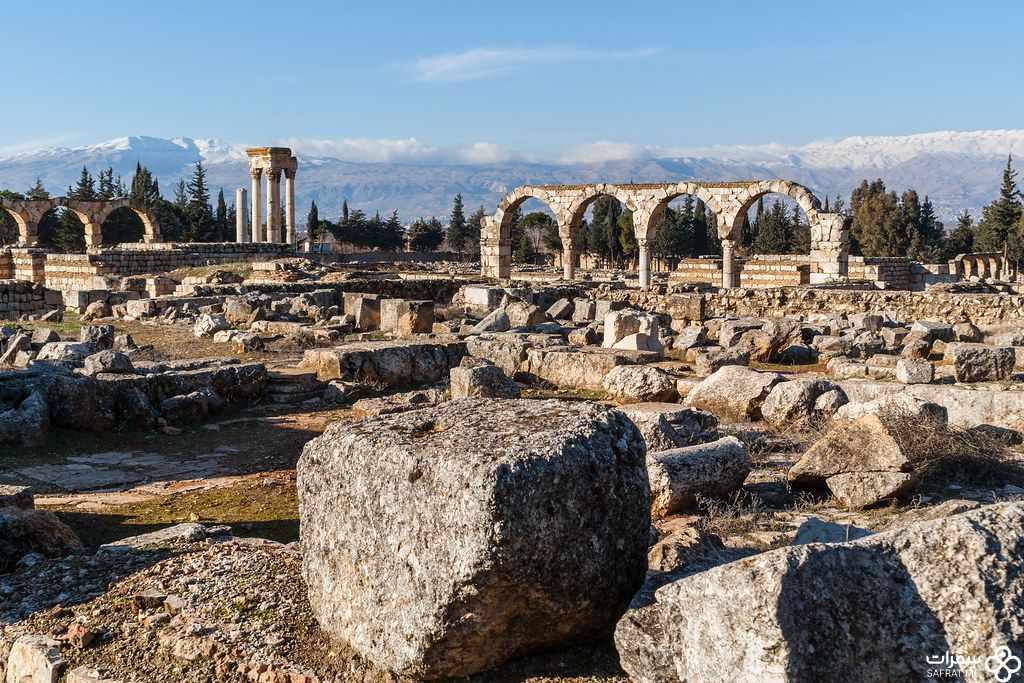
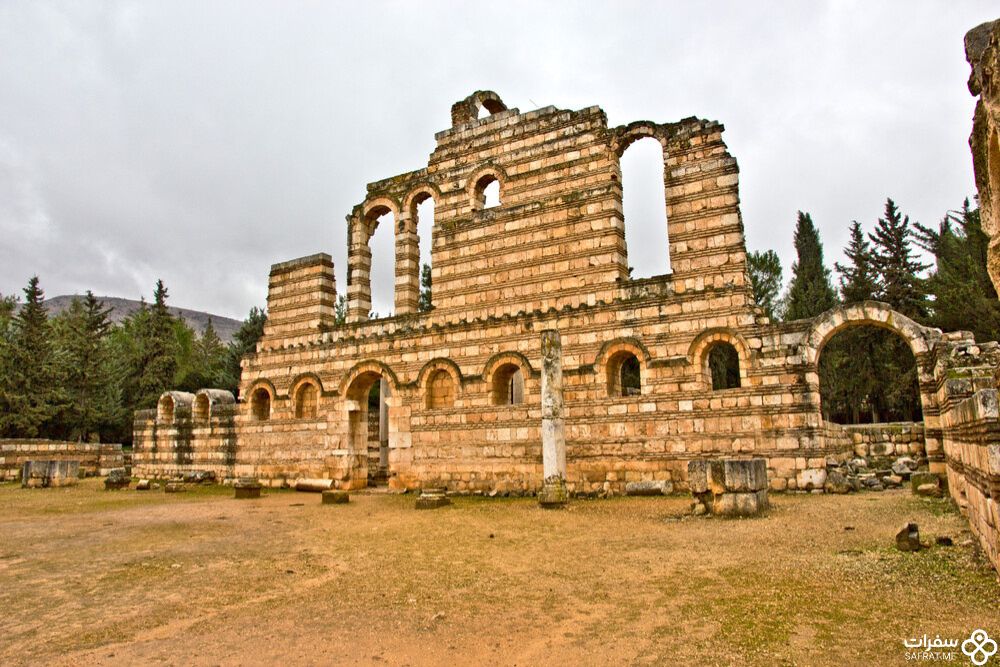
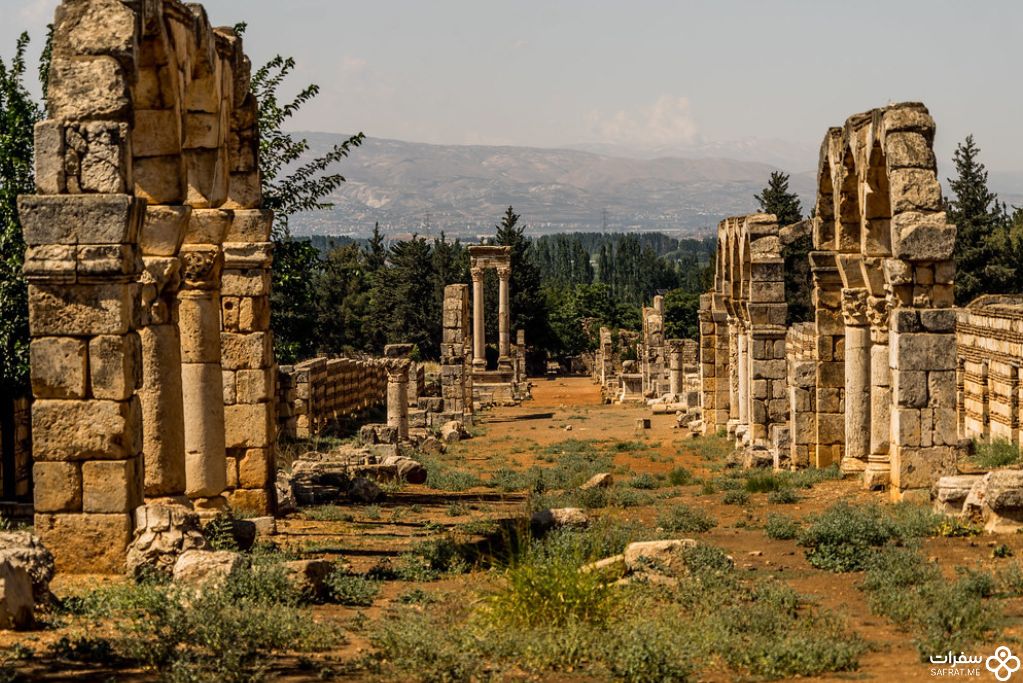
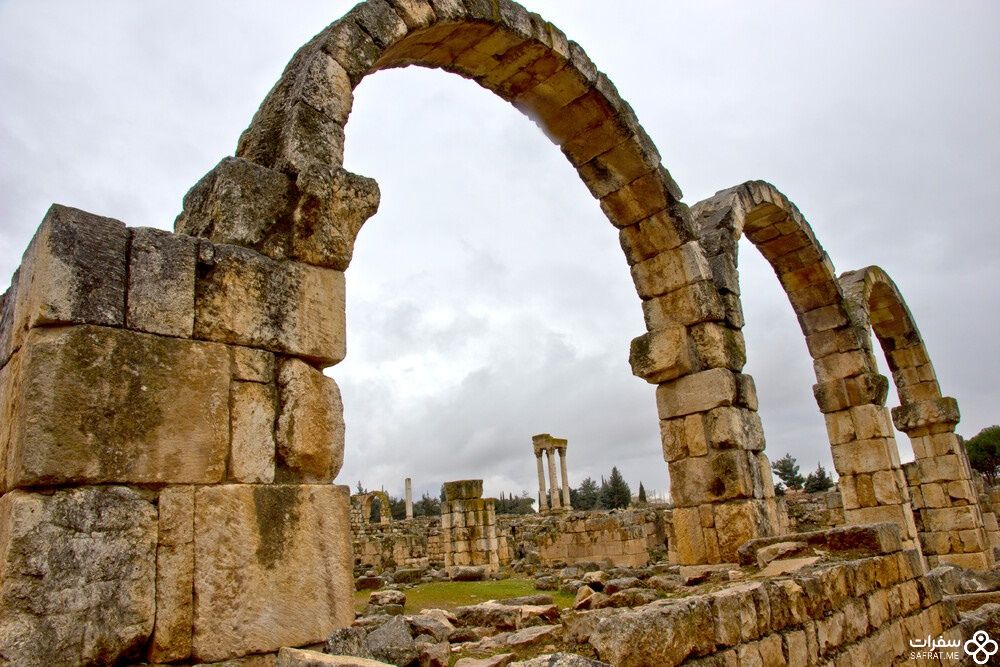
The city of Anjar was founded during the Umayyad era and was an active centre of trade. The city is divided into four sections by two main streets running through its centre.
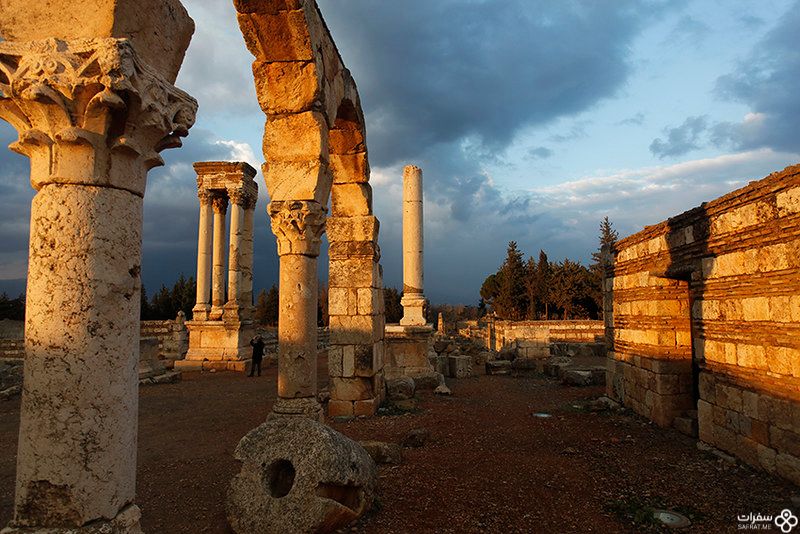
One of the most beautiful features to be seen in Anjar, which sets it apart from the ruins of other historic palaces and cities, is four columns arranged in two tiers on one of the original streets of this city.
The landmarks and ruins remaining in this city demonstrate the intelligence of Islamic architectural engineers, even though many of the city’s features have suffered destruction and ruin.
7. Khan al-Ifranj
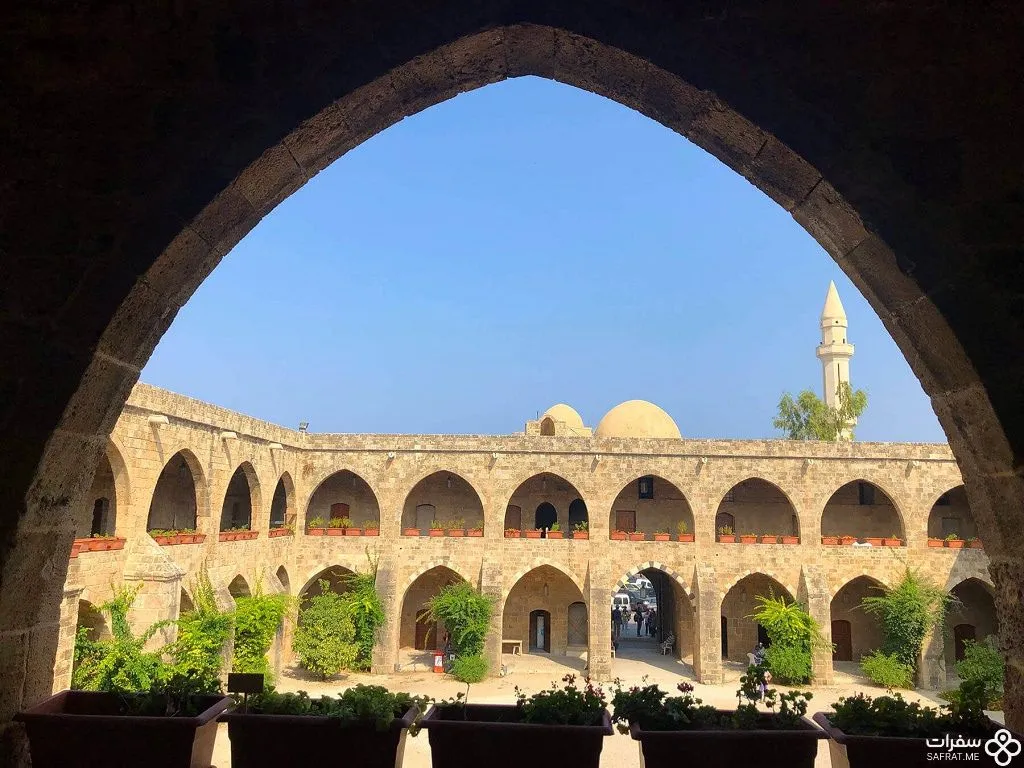
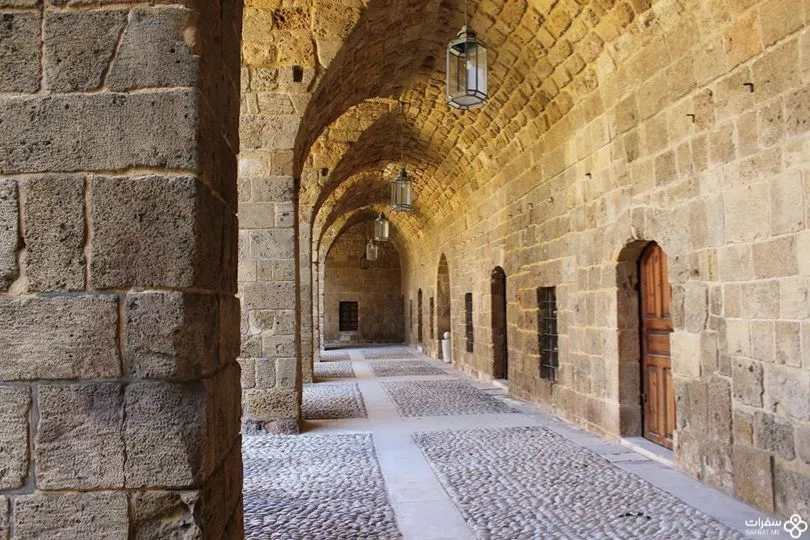
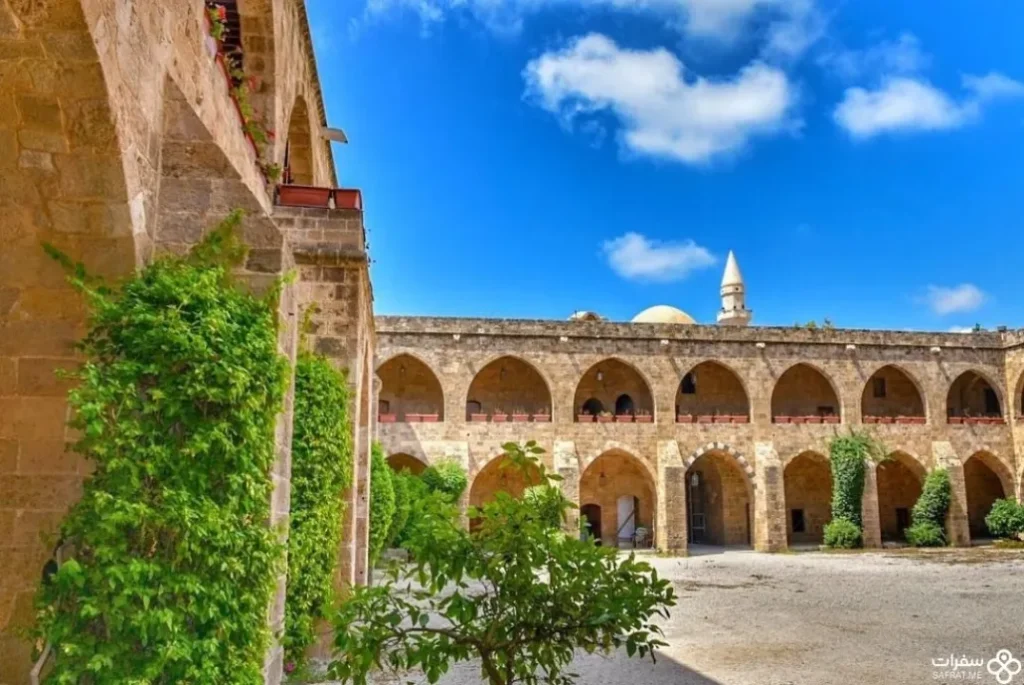
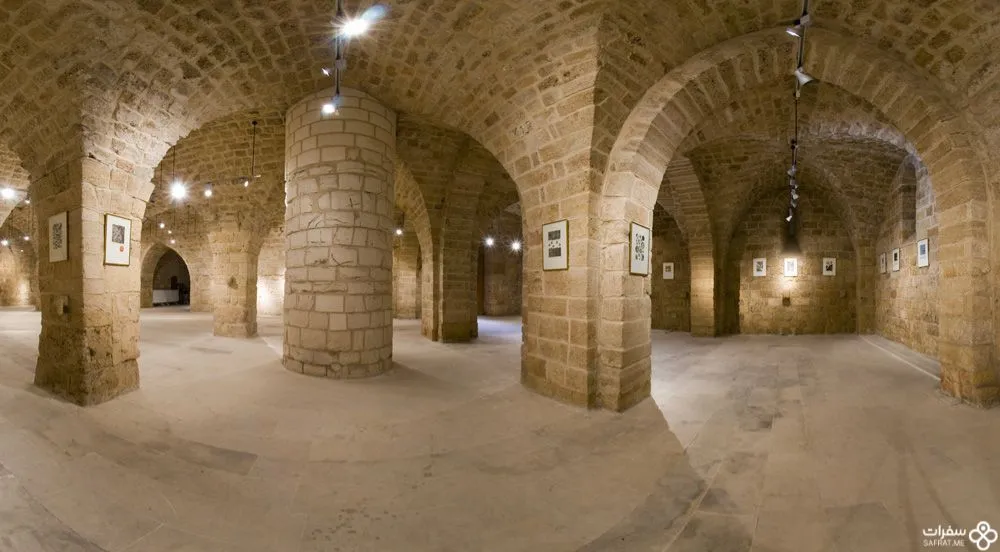
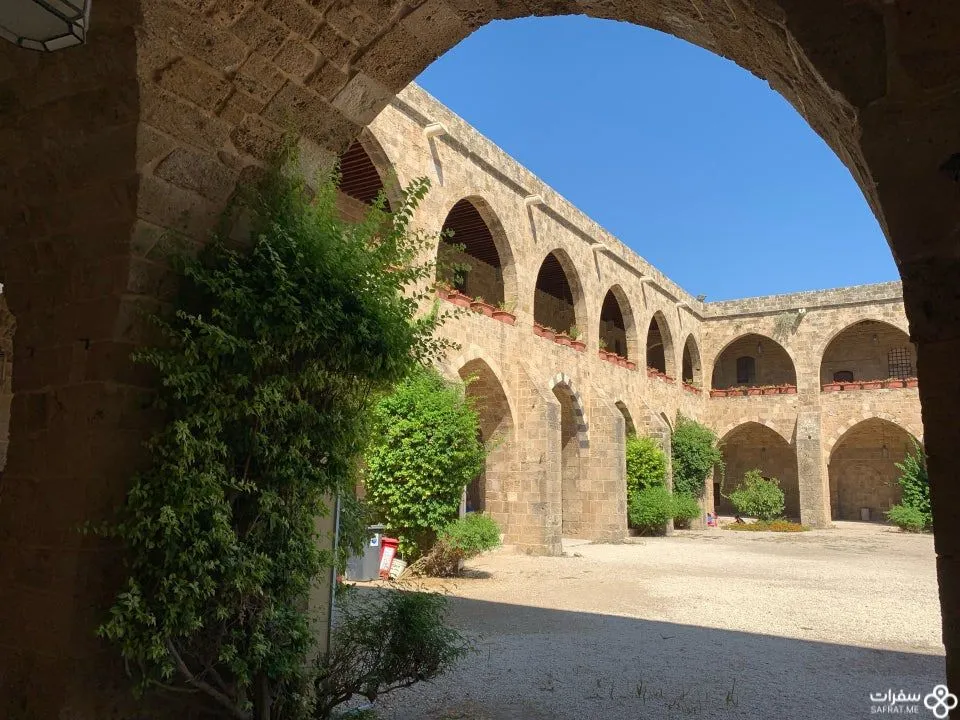
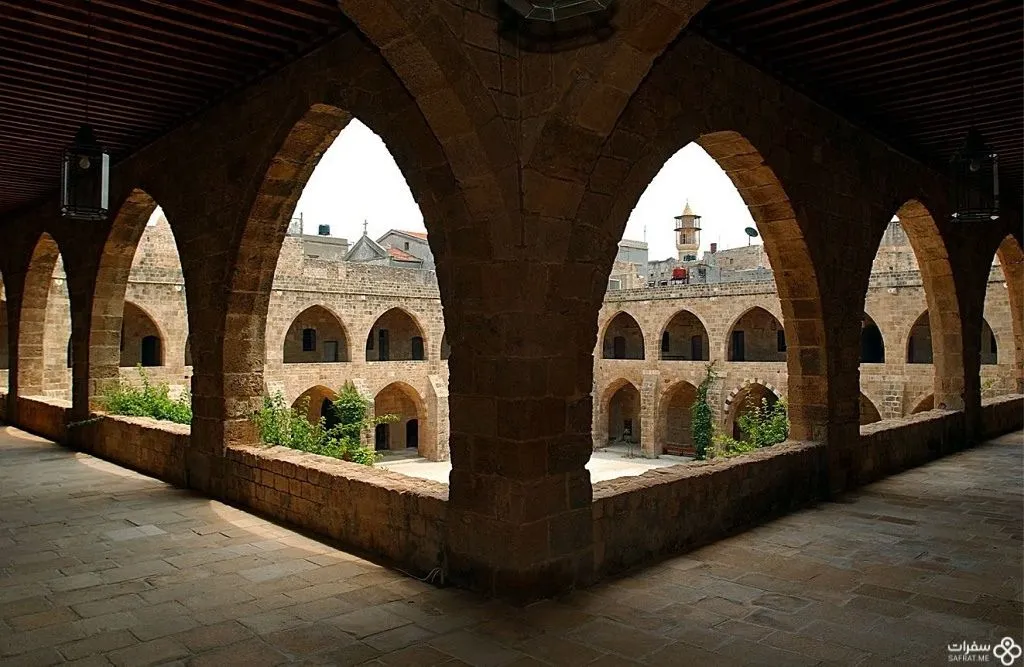
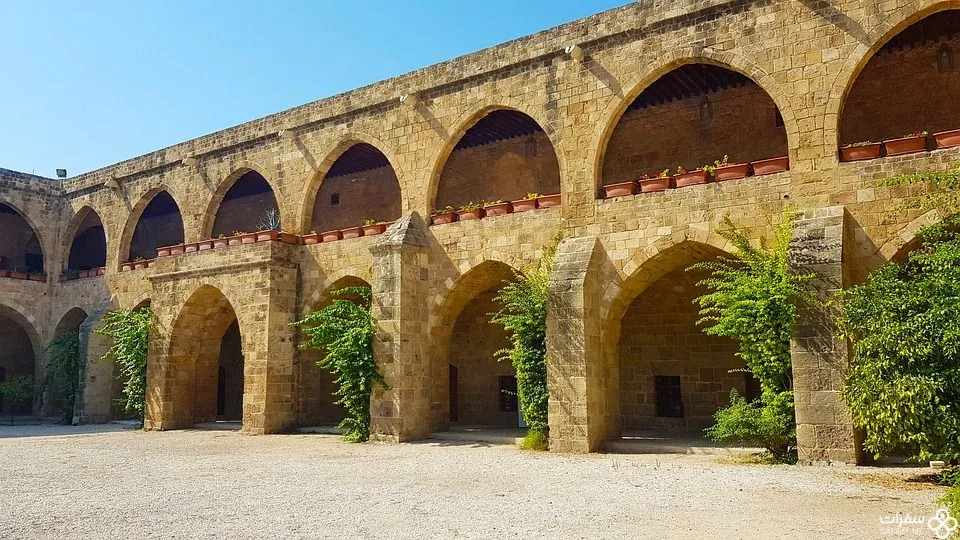
Khan al-Ifranj is considered one of the most beautiful historic landmarks recommended for a visit in the city of Sidon. The construction of this khan dates back to the eighteenth century, built on the orders of Prince Fakhr al-Din al-Maani. This khan is regarded as one of the most beautiful khans in the entire East owing to its Islamic architectural design.
Khan al-Ifranj consists of two floors: the first, or ground floor, was designated for commercial transactions and served as a place for selling goods and merchandise, while the second floor was designated for accommodating guests.
The consular house is the second building that can be seen within Khan al-Ifranj, and it was designated for the French consul. The third section of Khan al-Ifranj is the small khan located to the south-west of the large khan.
8. Beit ed-Dine Palace
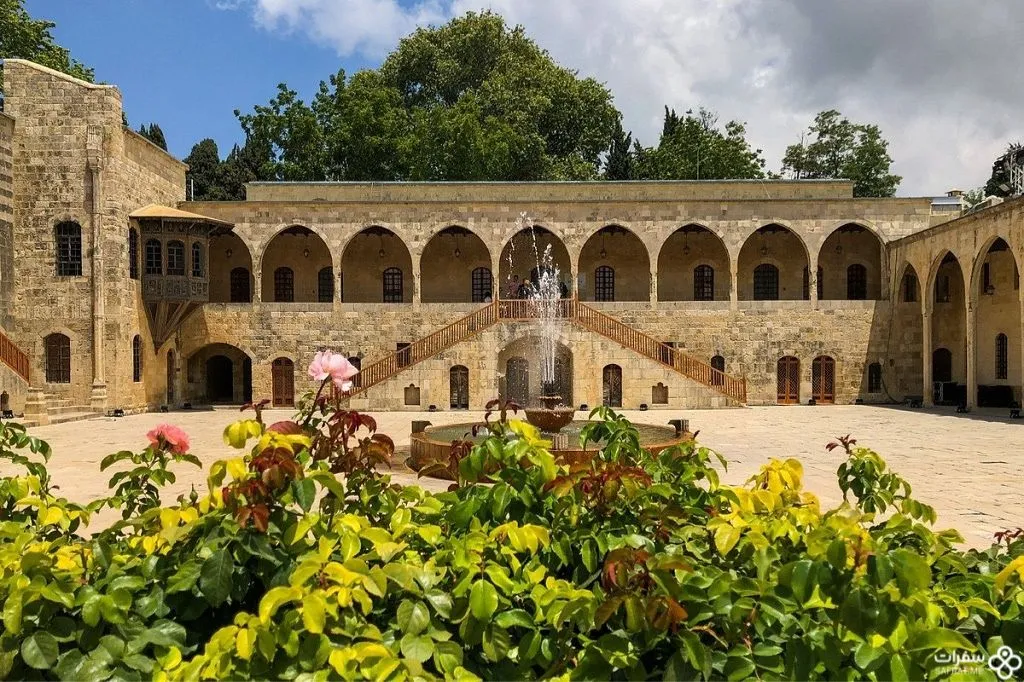
Beit ed-Dine Palace is one of the most beautiful landmarks to be seen in the village of Beit ed-Dine. The village of Beit ed-Dine is located in the Mount Lebanon Governorate, 45 kilometres from the capital Beirut. The construction of this palace dates back to the seventeenth century, built on the orders of Prince Bashir II, who transferred the capital of the emirate from the town of Deir al-Qamar to the city of Deir al-Din.
The façade of this building is adorned with a beautiful circular pool that harmonises with the walls and floor of the palace through the type of stone used. The entrance to the palace, and in particular the entrance door, is the first surprise to greet a visitor, as this wooden door is decorated with designs and motifs that draw great admiration. The carved cedar wood adorning some of the walls of this palace may well be the most beautiful example of the precision and elegance employed throughout.
To find out which of Lebanon’s landmarks are registered internationally, you can refer to the UNESCO World Heritage List in Lebanon.