
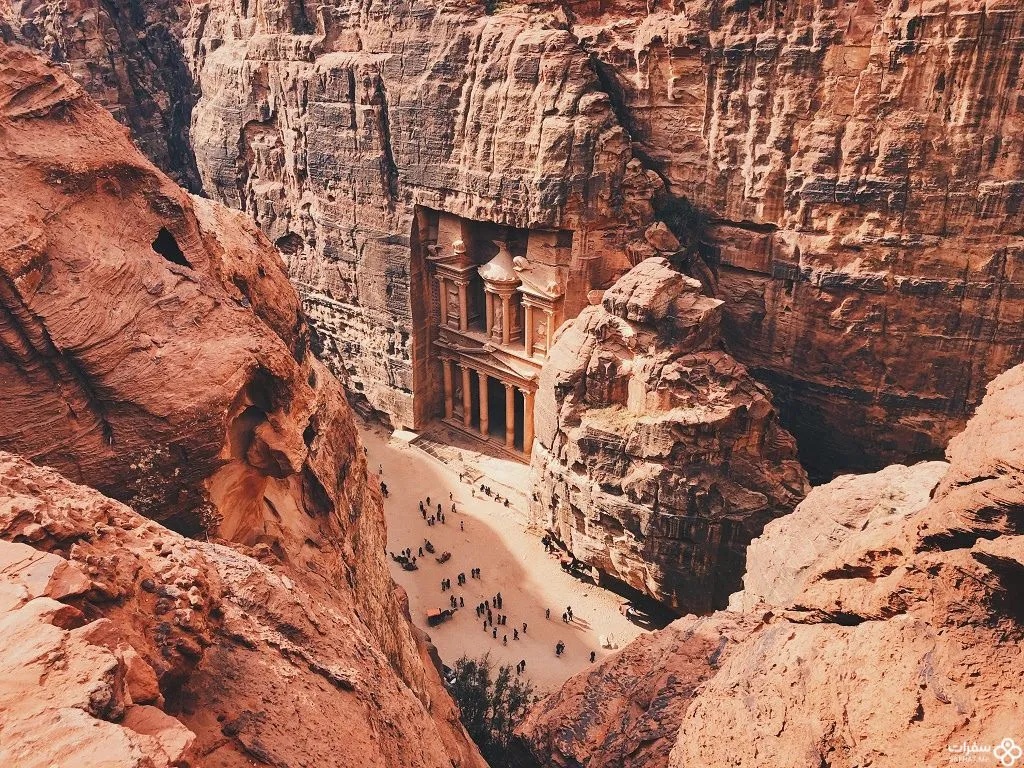
The historical destinations in the Kingdom of Jordan may well be among the most beautiful reasons to travel to Jordan. Walking the Siq — the rocky gorge that rises to approximately eighty metres in height — is a one-of-a-kind adventure that ends with arrival at the historic city of Petra, which captivates the eye with its beautiful and monumental architectural forms dating back to more than three centuries before Christ. Visiting the archaeological site of Jerash, the second grandest and most beautiful archaeological landmark in Jordan, is an unparalleled experience that is highly recommended when travelling to Jordan.
1. The Archaeological Site of Petra
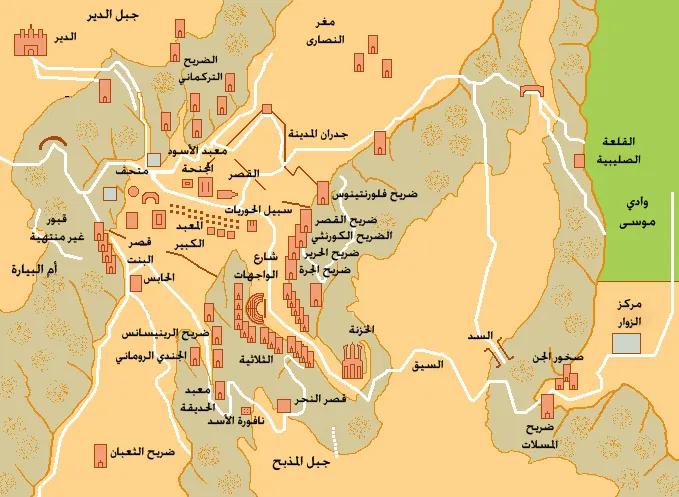
The city of Petra is the most prominent and important symbol of the Hashemite Kingdom of Jordan and one of the most significant historical landmarks in the Middle East, attracting thousands of tourists every year from all parts of the world. Petra, or the Rose City, is the grandest and most beautiful of historical treasures, having served as the capital of the Nabataeans in the third century BC.
Clear and distinct landmarks have survived from this city, which we highlight below.
The Siq Trail
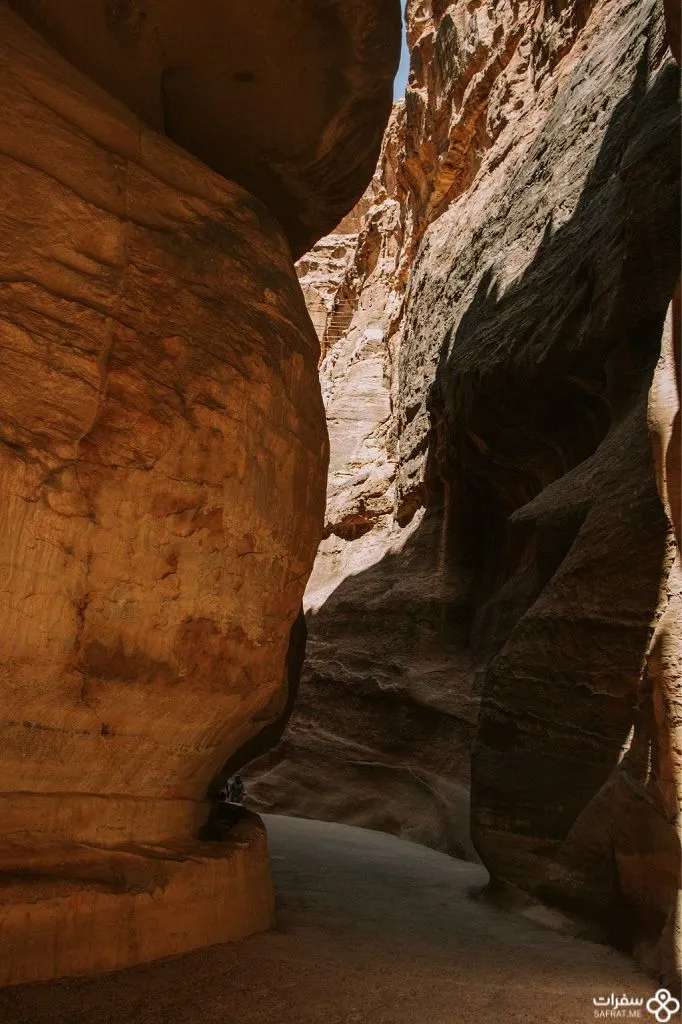
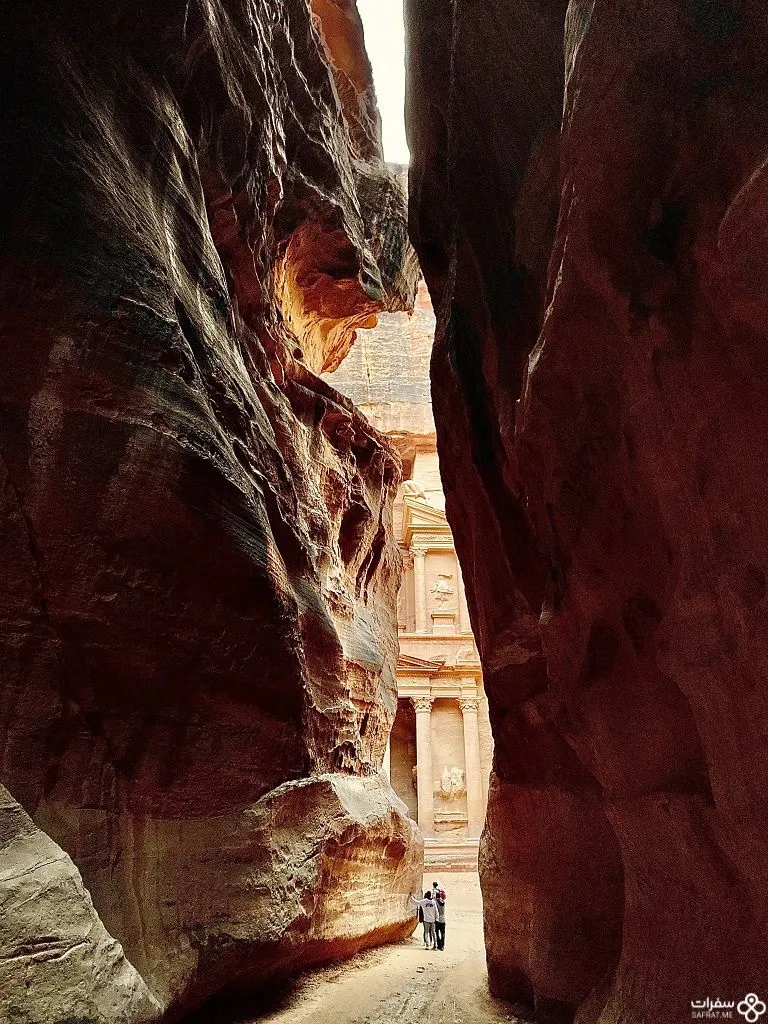
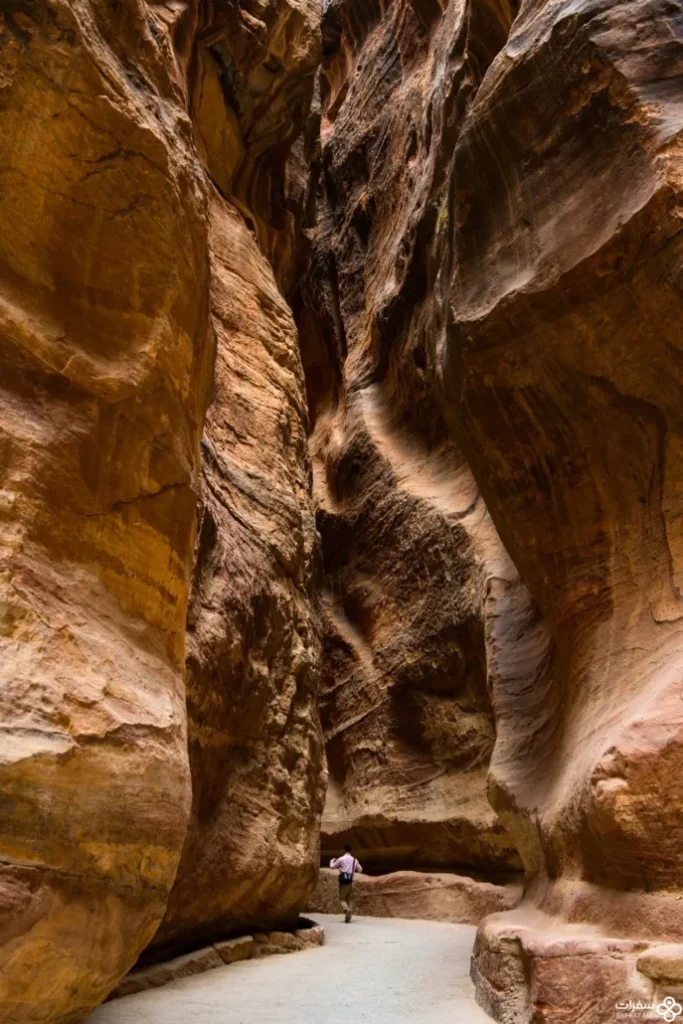
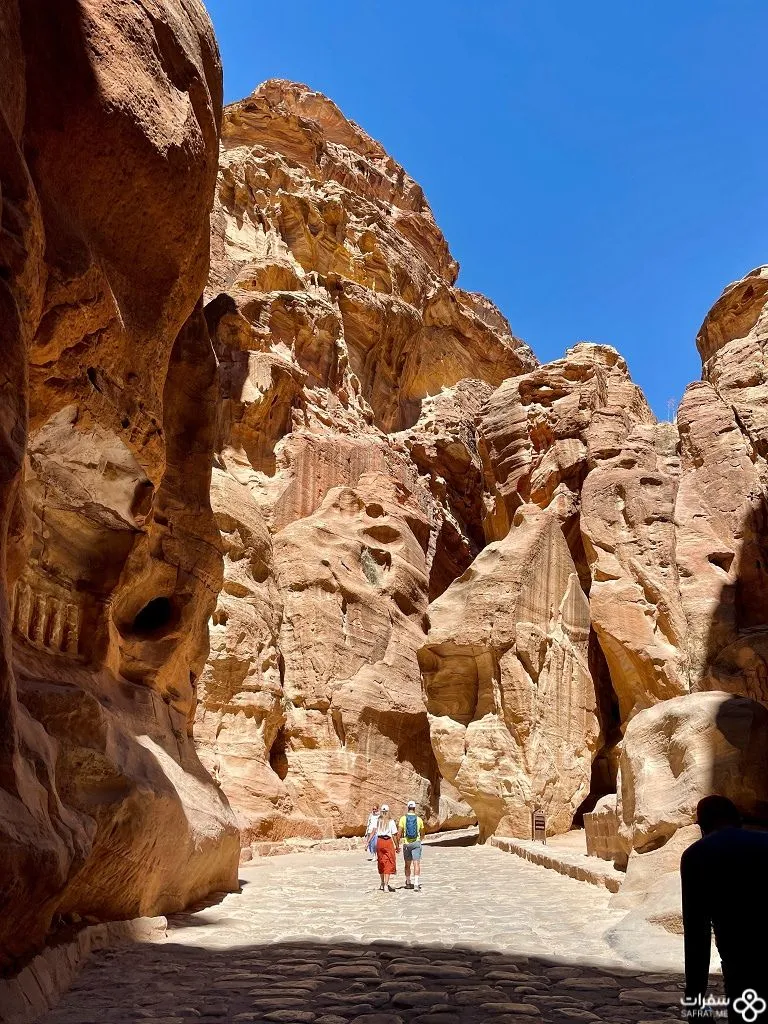
The Siq is the starting point of the adventure. The Siq is a rocky gorge stretching 1,200 metres in length, with walls reaching up to eighty metres in height, which must be traversed in order to reach the city of Petra.
This gorge is natural, except for a section at its end that was carved by the Nabataeans. The sides of the Siq trail are adorned with Nabataean carvings depicting deities and the idols of Sabinus. Those inscriptions tell that Sabinus, son of Alexander the Macedonian, was the one who commissioned these carvings to be made along this path.
The Treasury
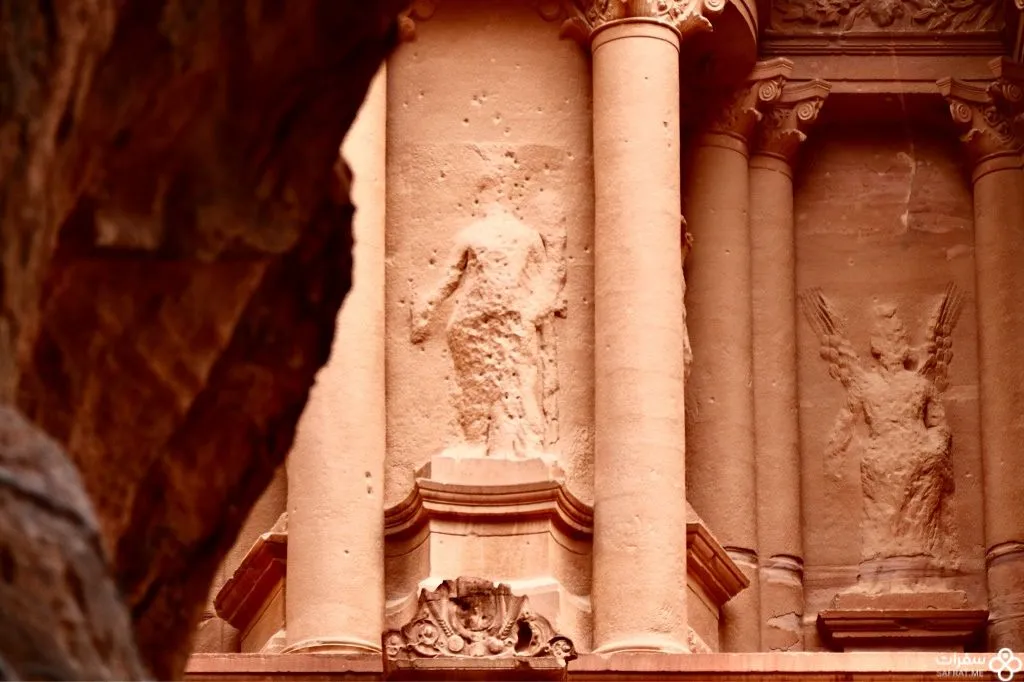
The Treasury building is the first structure in the city of Petra that one encounters upon passing through the Siq. This towering edifice, considered one of the most beautiful architectural masterpieces in the Middle East, is a building carved into the rock, measuring 25 metres in width and reaching forty metres in height.
This great rock-hewn structure speaks to the pinnacle of human ingenuity in architectural design. The soaring columns and the masterful façade, designed with flawless elegance, along with the geometric forms that multiply the beauty of this frontage, leave the viewer in a state of awe and astonishment.
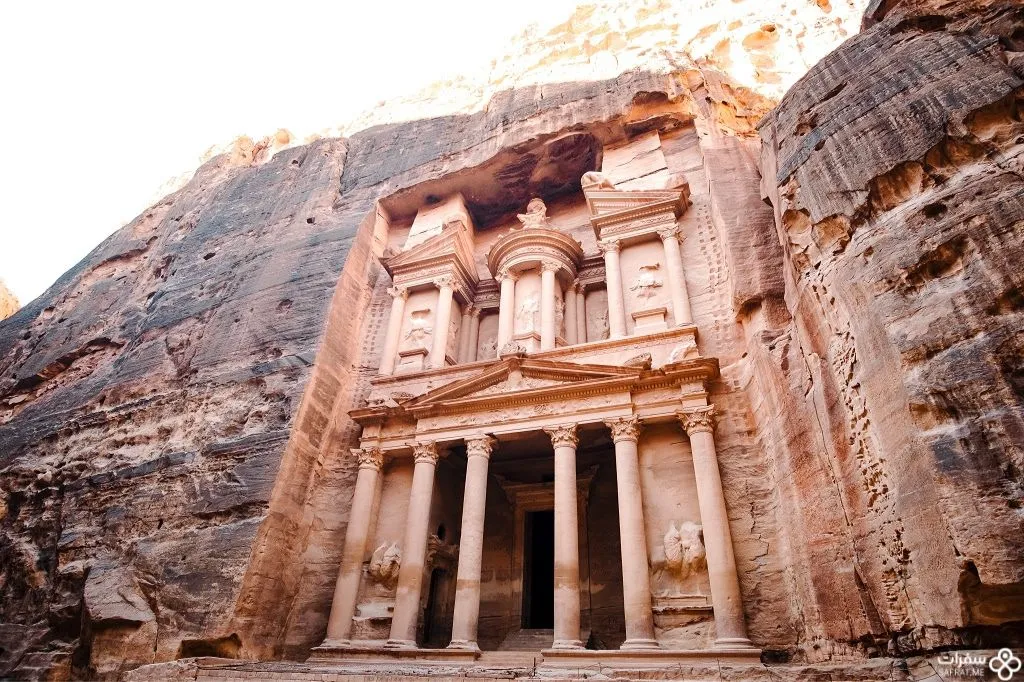
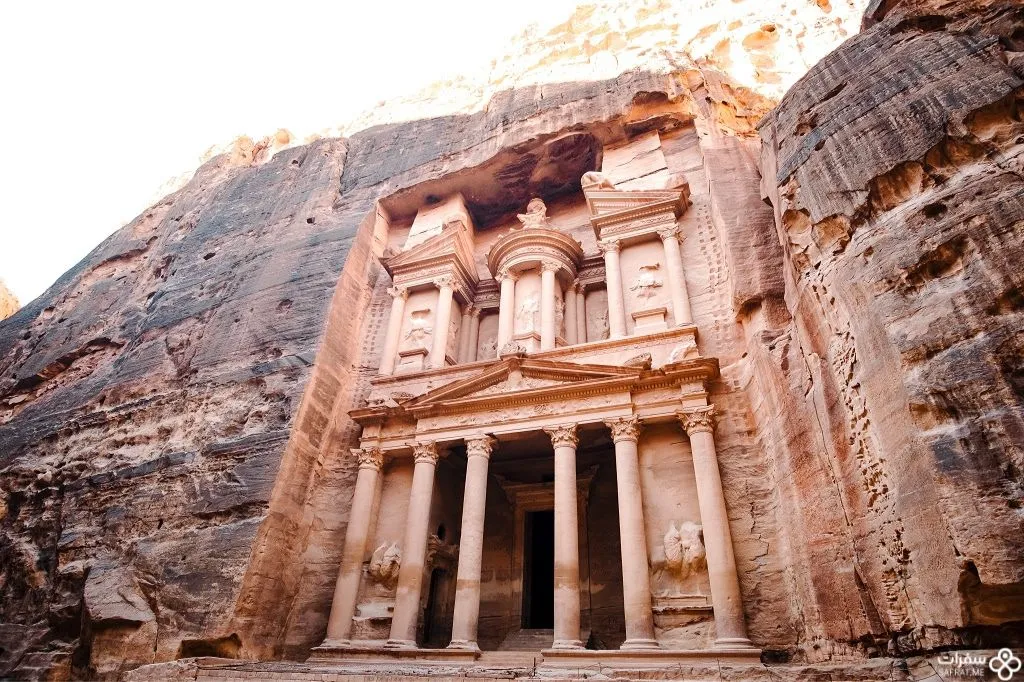
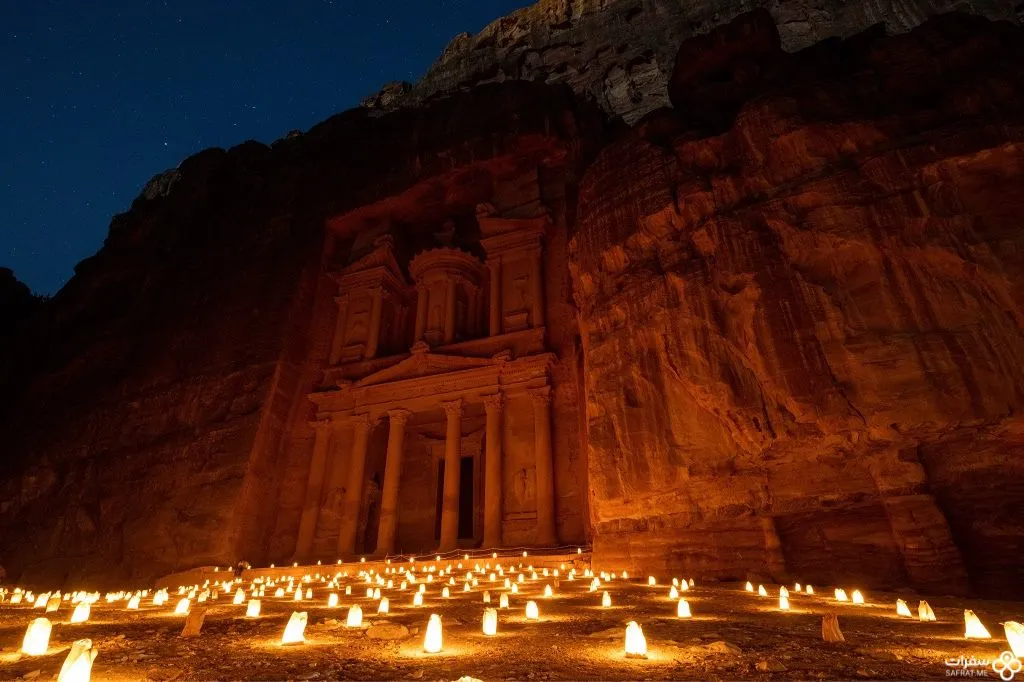
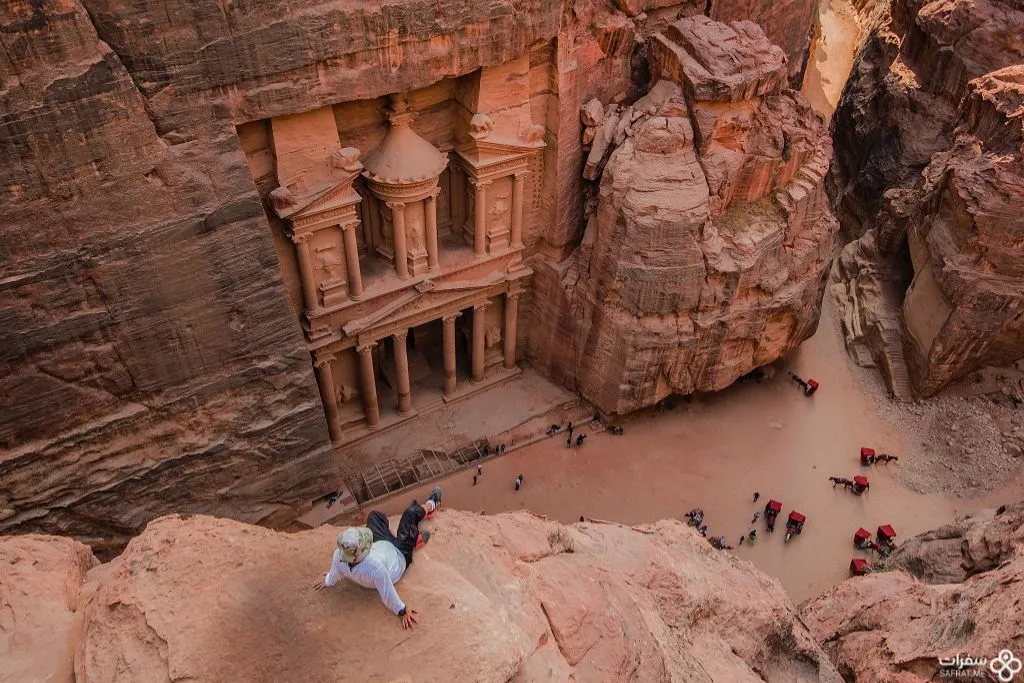
Local people used to believe that the urn visible at the top of this building contained a great treasure; however, it was later discovered that this structure is a royal tomb dedicated to the burial of rulers.
There are three chambers inside this building: two side rooms, one of which contained a tomb, and a central room housing a grand staircase that leads up to small rooms on the upper floor where small tombs are found.
The Monastery
The Monastery is the second most important landmark in the city of Petra. This enormous structure, carved into the rock, closely resembles the Treasury building.
This façade, which measures fifty metres both in width and in height, dates back to the third century BC, when it served as a tomb for the Nabataeans. The building came to be called the Monastery based on the cross-shaped inscriptions visible on the interior walls of its chambers, which indicate that the structure was used as a monastery during the Byzantine era.
It is said that this building once possessed statues with movable crowns in earlier times. The cornucopia of abundance and fertility held by the goddess Isis in the central section of the building is among the most beautiful and rare statues and designs that can be seen there.
The Petra Amphitheatre
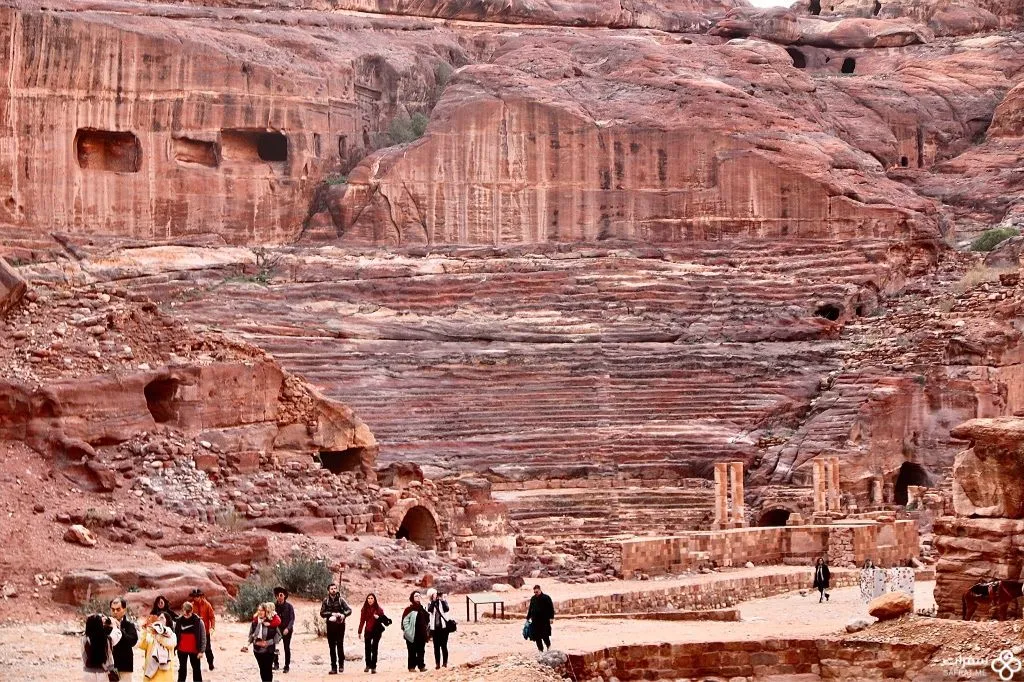
The Nabataean theatre, or amphitheatre, is another section of the city of Petra. This amphitheatre, whose construction dates back to the first century AD, was carved into the heart of the rock. It was later expanded by the Romans after they entered the city of Petra.
This theatre can accommodate three thousand spectators and was built with 45 rows divided into three sections. The orchestra section of the theatre was also carved from rock, and the rear area of the amphitheatre was likewise adorned with marble.
Qasr al-Bint and the Court
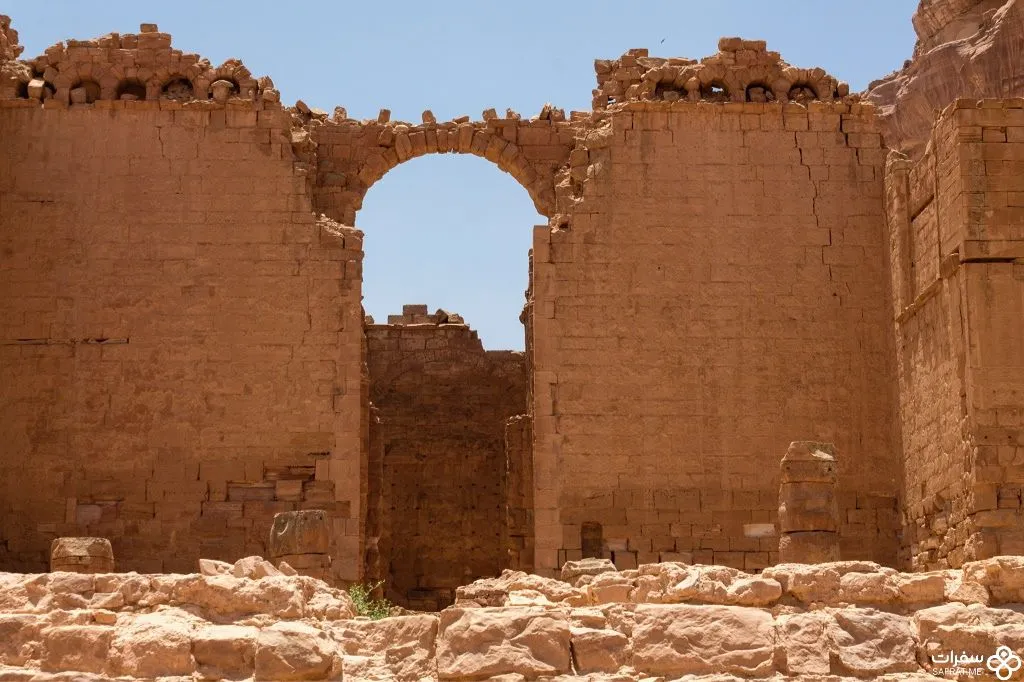
Qasr al-Bint is one of the temples of the city of Petra. This palace, considered one of the most important temples in the city of Petra, dates back to the first century AD.
What distinguishes this palace from other buildings in the city of Petra is its architectural design, which made use of juniper wood to make it more flexible in withstanding earthquakes.
The Court, or the Palace of the Urn, is one of the other most beautiful buildings in the city of Petra. This palace was built to serve as a tomb for the Nabataean king, Malchus II. The tomb was later converted into a church by the Byzantines.
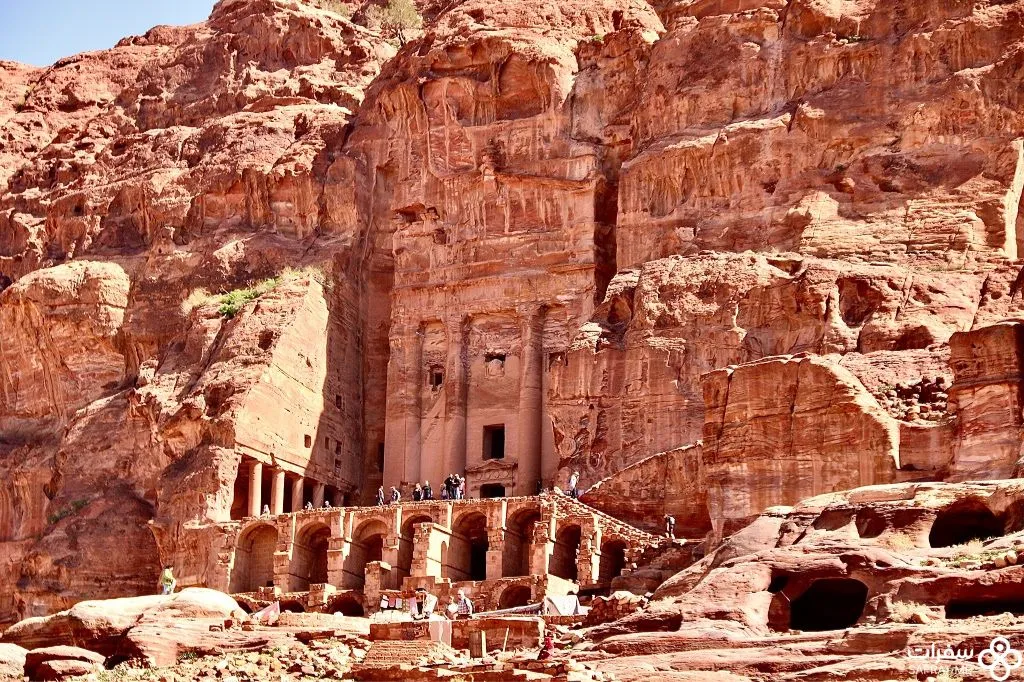
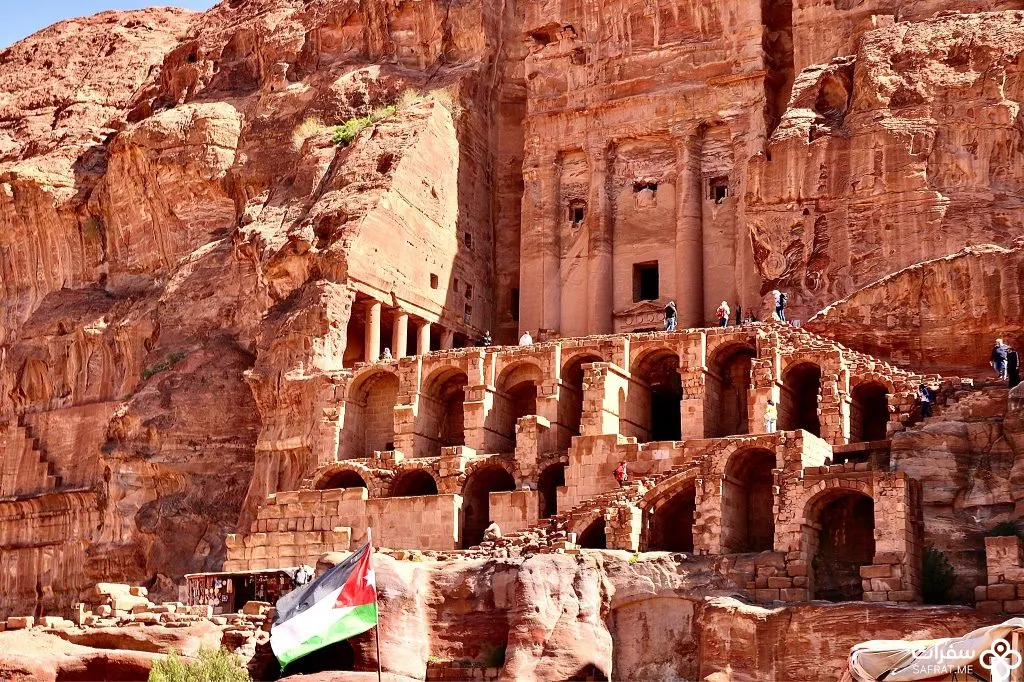
The numerous interior burial chambers built in the lower section of the palace are tombs designed in the form of vaults and arches, which inspire wonder and amazement in those who behold them.
The Great Temple and the Altar
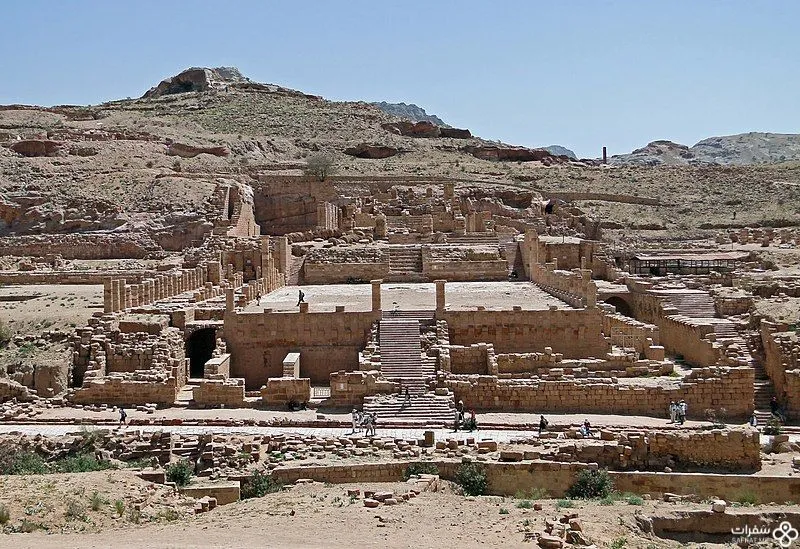
The Great Temple, with an area of approximately eight thousand square metres, dates back to the first century AD. What distinguishes this temple is that it is among the landmarks constructed by the Nabataeans — that is, unlike the buildings they carved into the rock.
The terraces, columns, courtyards, and streets of this temple make one feel completely transported from this world. The altar, or place of sacrifice, is located at the top of a plateau reached by an extended stairway. One can see the place of sacrifice, the pool or small water reservoir, as well as the place for wine or the blood of sacrificial offerings.
The Archaeological Site of Jerash
The ancient city of Jerash is one of the most important Roman landmarks and the second most significant historical site in Jordan. The city of Jerash is approximately 50 kilometres from the capital Amman. The history of this archaeological area dates back to the first millennium BC and to the Semitic Arabs, though it was built up by the Romans. The elegant squares, baths, and palaces whose ruins have survived are historical treasures that captivate hearts and minds.
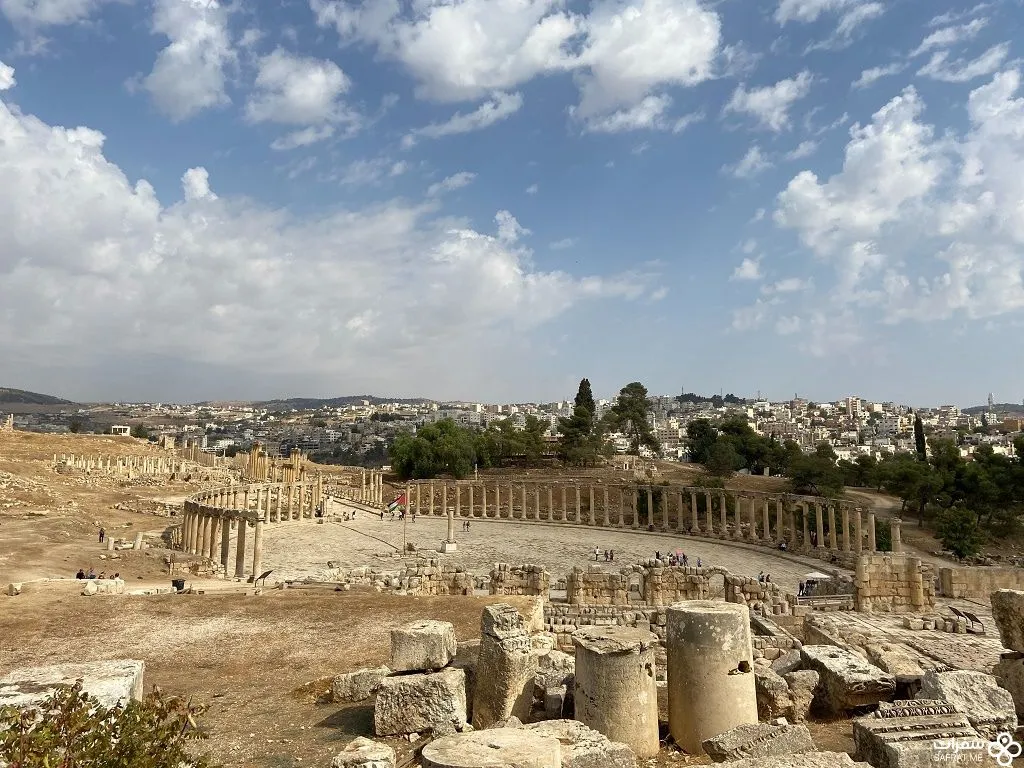
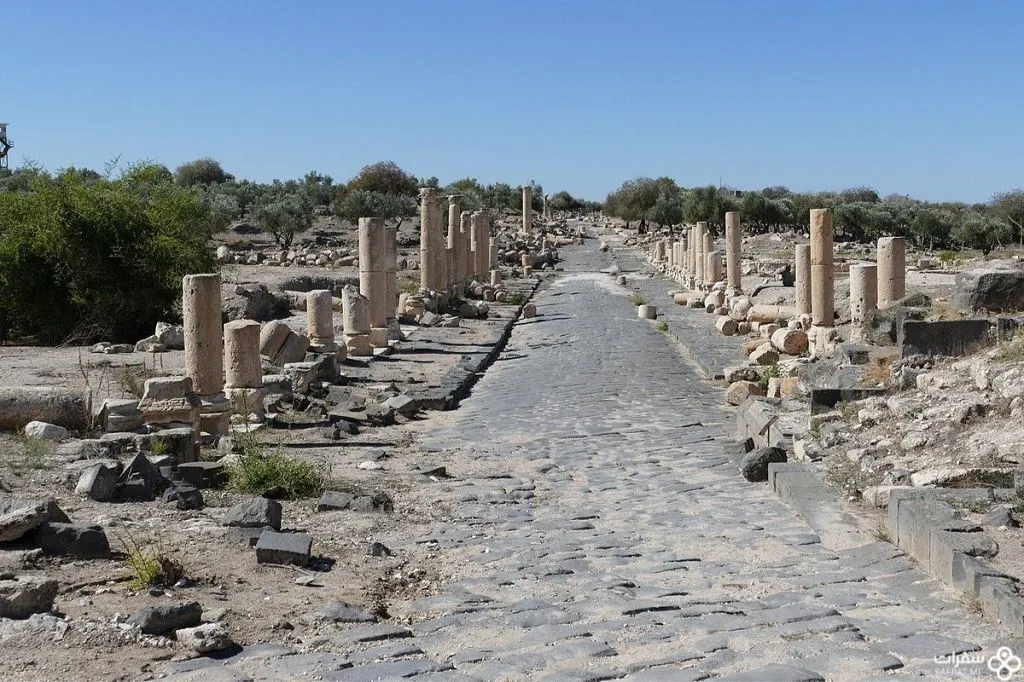
The Colonnaded Street, also known as the Street of a Thousand Columns, is one of the most important archaeological landmarks at the Jerash site. It is said that five hundred columns once lined each side of this street.
The Nymphaeum, a pool reserved for the bathing of noblewomen and the upper classes, is one of the other most beautiful landmarks in the city of Jerash. This pool features a towering semicircular two-storey façade, with fountains designed in the form of skilfully carved lion-head sculptures.
Hadrian’s Arch, or the South Gate of the city of Jerash, is one of the most beautiful architectural masterpieces to have survived intact to this day. This gate was built to welcome Hadrian, the Roman emperor, to the city of Jerash.
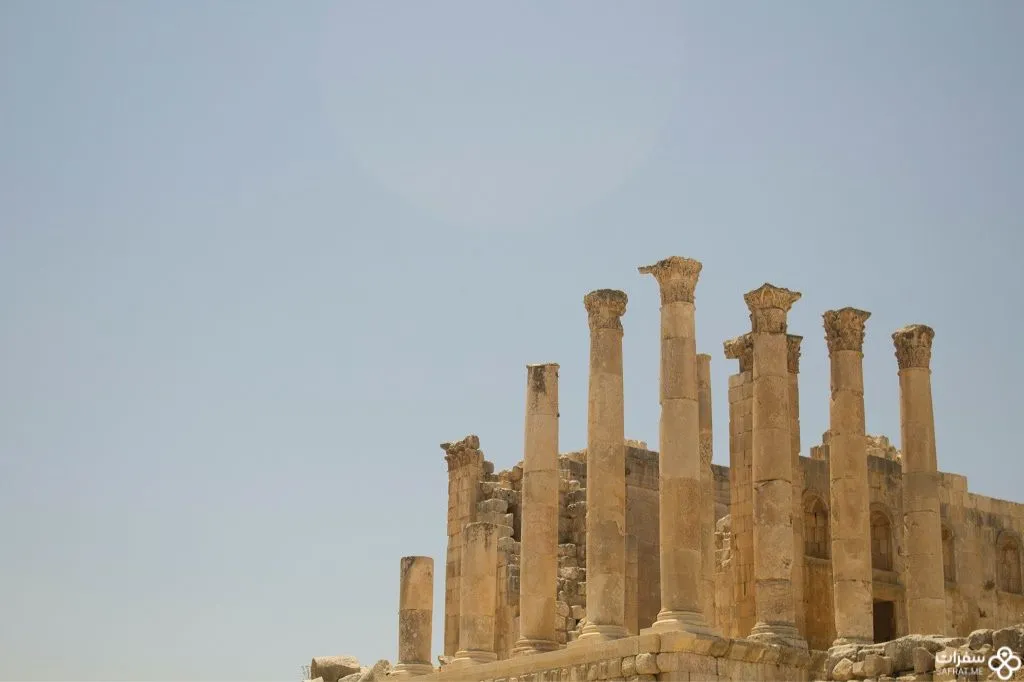
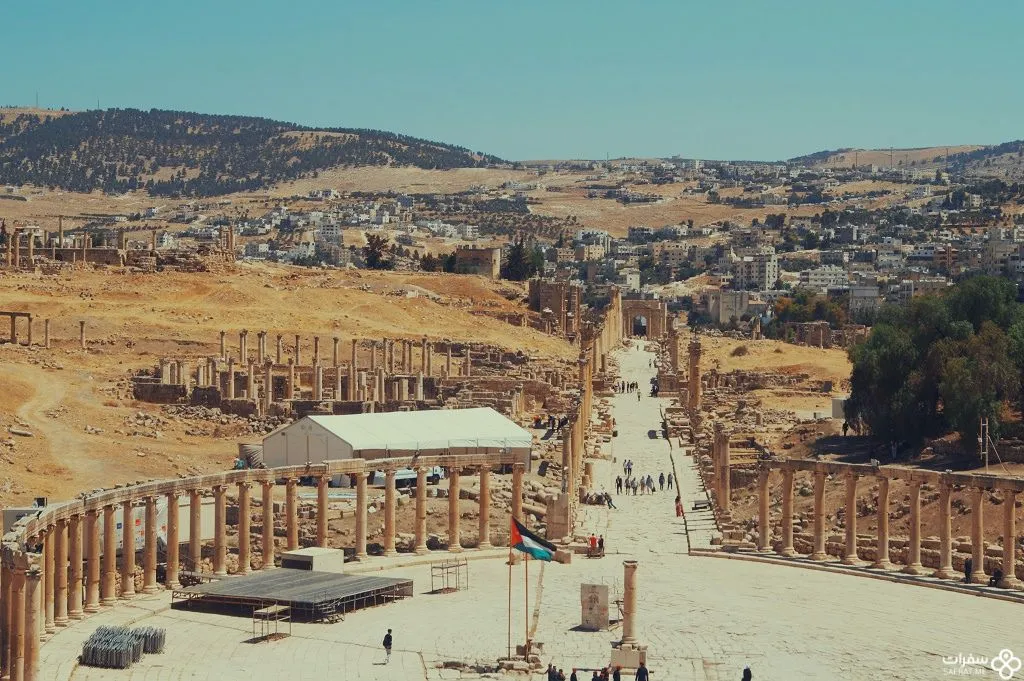
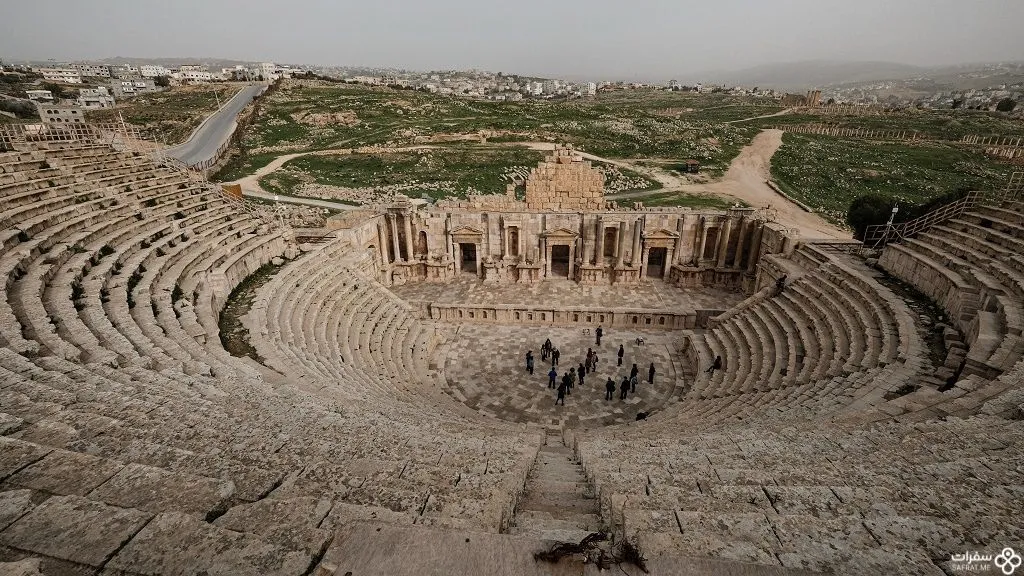
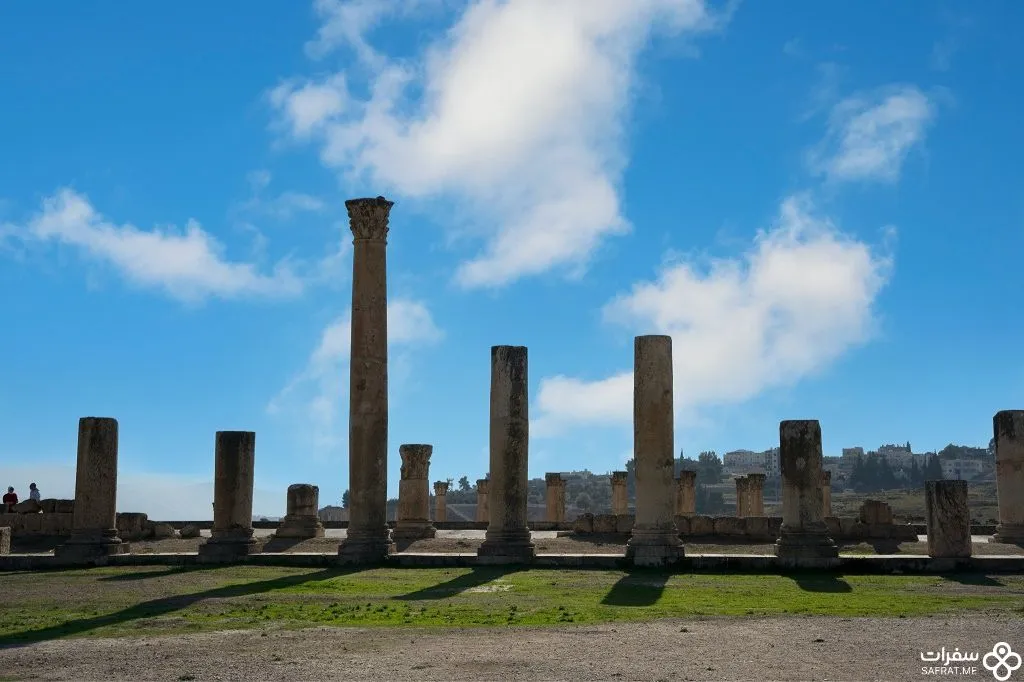
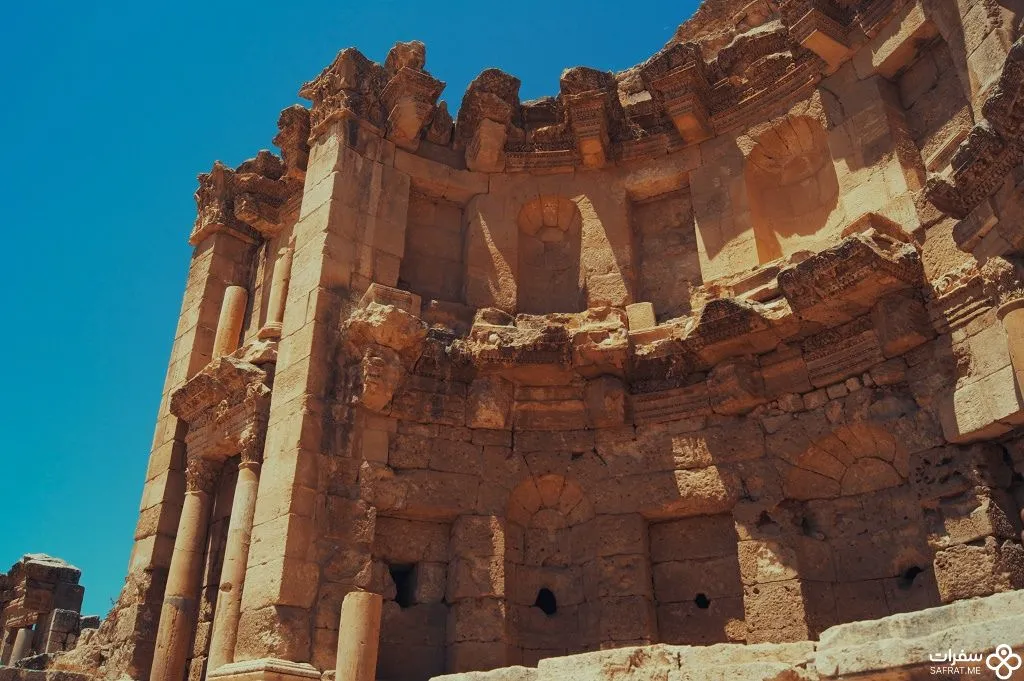
The Forum, or the Oval Plaza, is the most important landmark in the ancient city of Jerash. This plaza, measuring 90 m by 80 m, is a surviving treasure from the Roman era that once served as a venue for Roman celebrations and gatherings. The towering columns adorning this plaza add to its splendour and its endurance against the passage of time. The Hippodrome, a Roman horse-racing track and circus, is another site within the city of Jerash.
The Jerash Festival for Culture and Arts
The Jerash Festival is one of the most beautiful annual festivals in the Arab world. This festival begins on the 19th of July and continues until the 8th of August. It hosts the brightest stars of Arab music and also presents a diverse and engaging cultural programme. You can visit the Jerash Festival website for more information.
Ajloun Castle
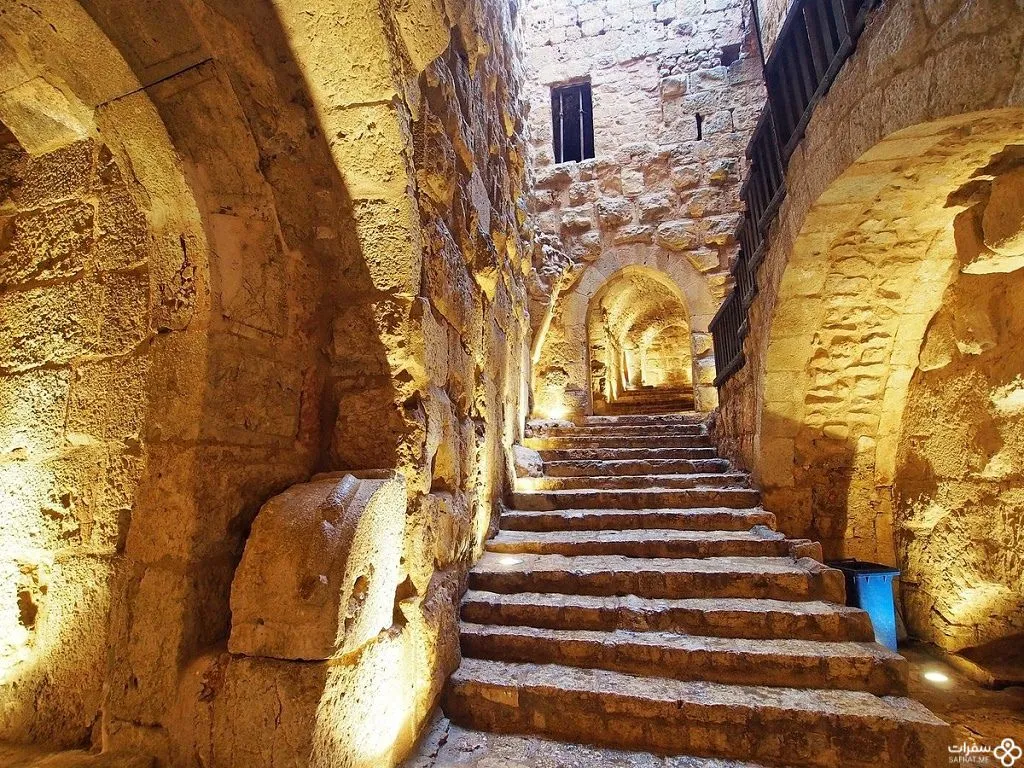
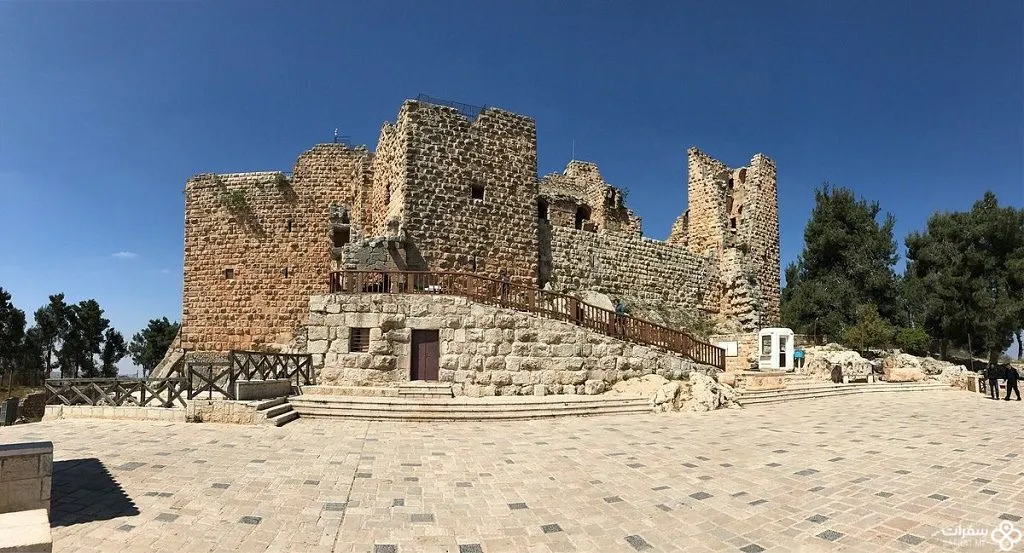
Ajloun Castle is another beautiful archaeological landmark in Jordan. This castle is also known as the Castle of Saladin al-Ayyubi, or Qal’at al-Rabad. It was built to prevent Crusader forces from entering the Levant.
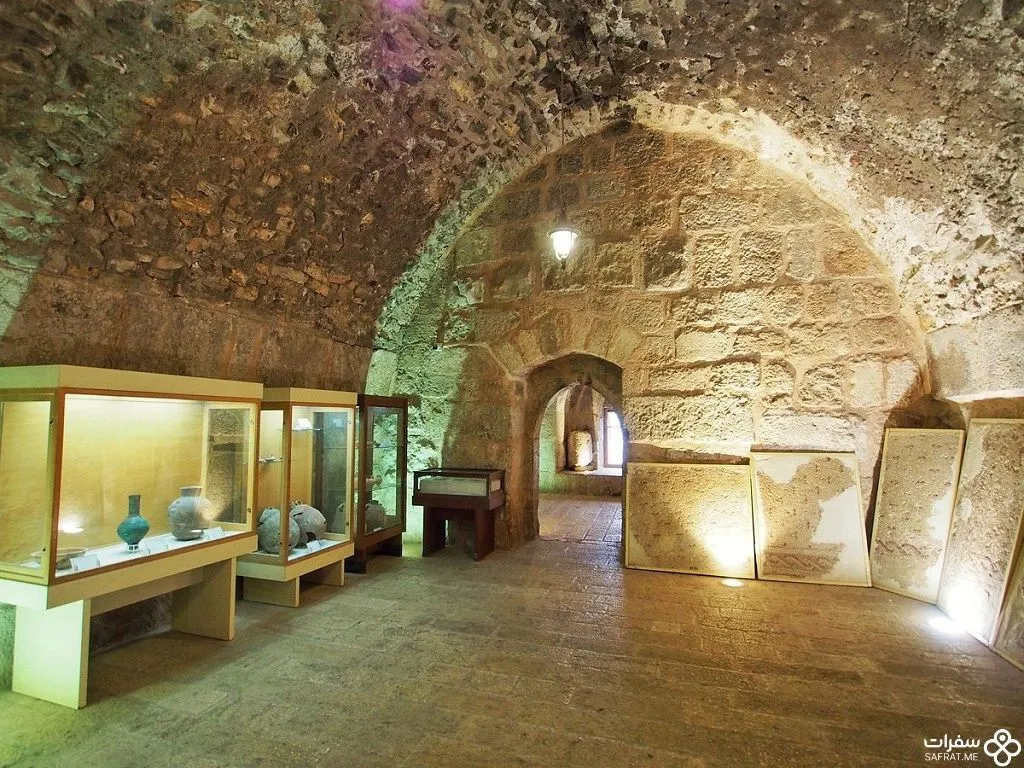
Ajloun Castle, which was built in a square shape, has withstood various earthquakes over the centuries and yet has remained standing, offering future generations a glimpse of Islamic history.
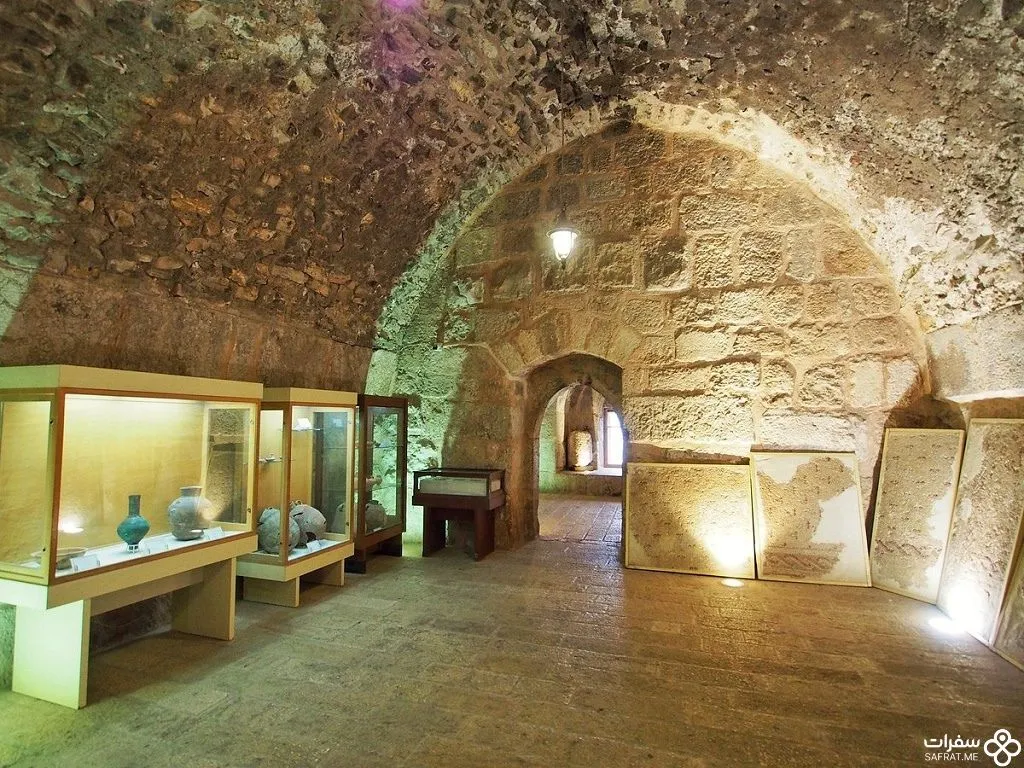
The experience of climbing Mount Auf to reach Ajloun Castle, walking through its corridors and narrow passageways, and arriving at the Ajloun Museum — which houses ancient historical artefacts — is one that can only be had by travelling to Jordan. Ajloun Castle is situated on the summit of Mount Auf in the northwest of the capital Amman, at a distance of 76 kilometres.
The Town of Umm Qais
The town of Umm Qais is the most famous archaeological town in the city of Erbil. Umm Qais is 27 kilometres from the city of Erbil.
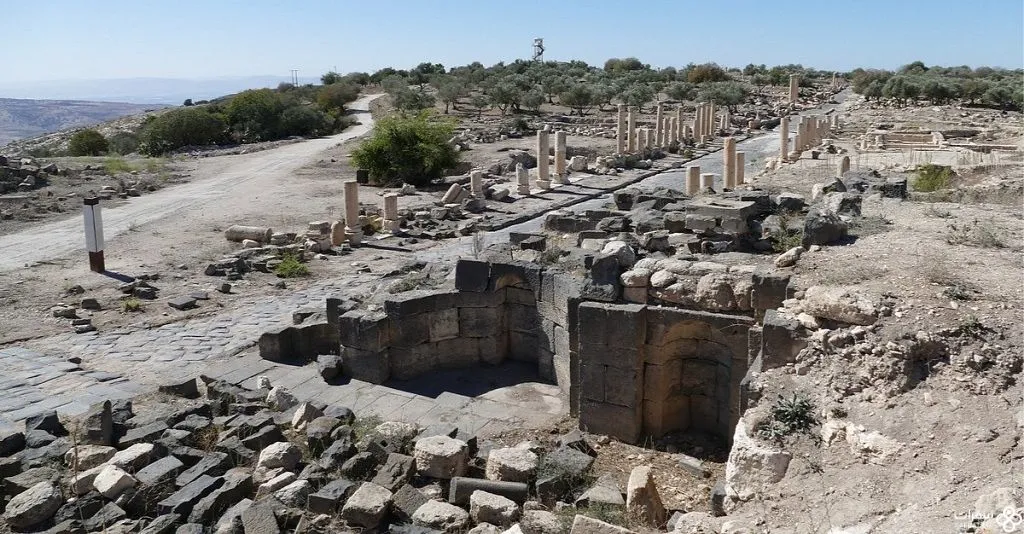
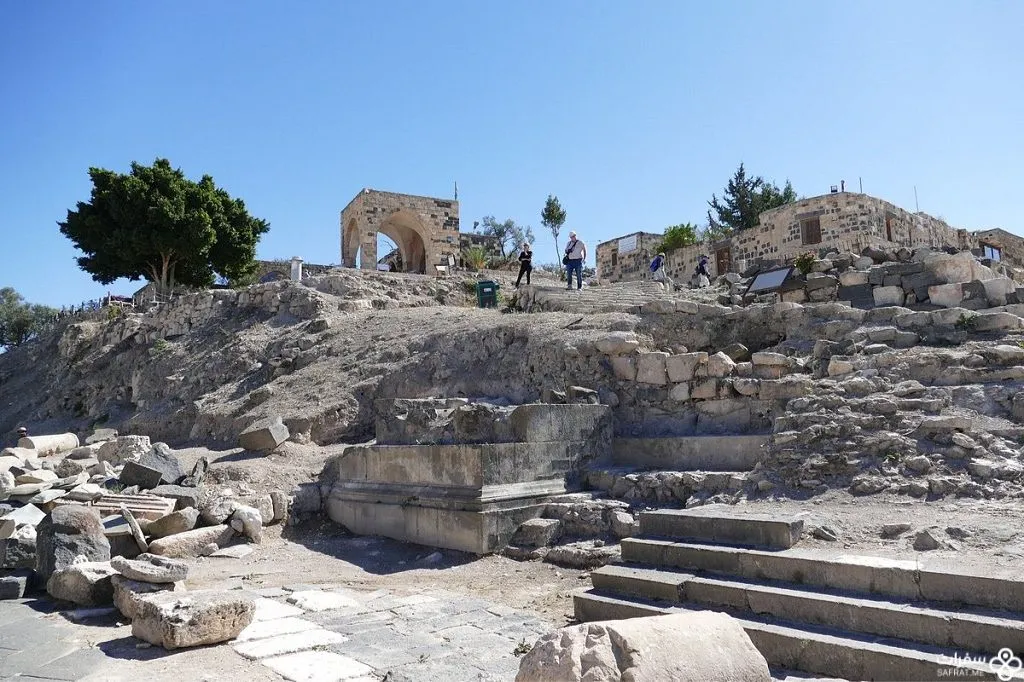
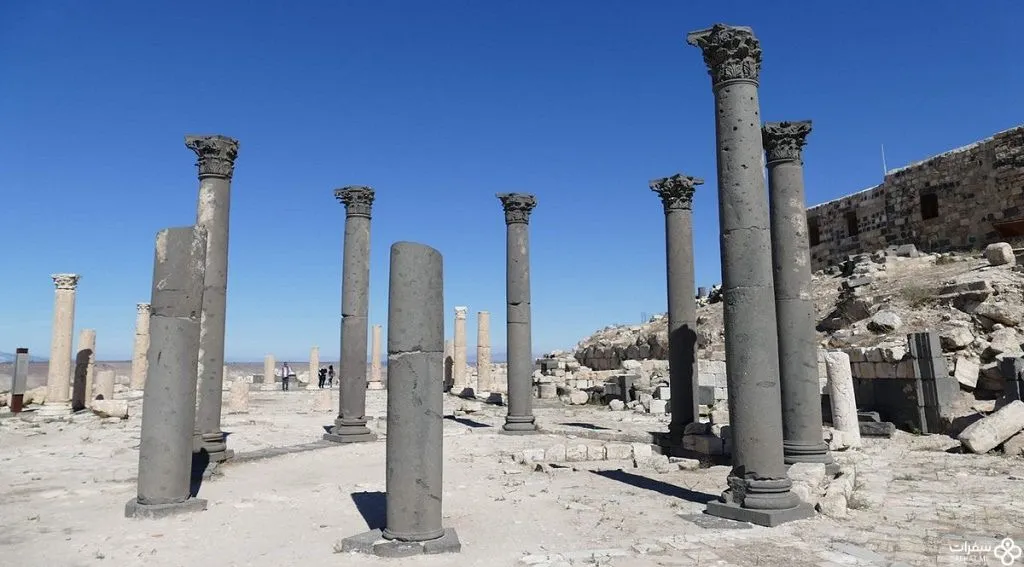
The town of Umm Qais commands beautiful panoramic views that captivate onlookers, overlooking the Yarmouk River and the Sea of Galilee, and is situated on the Golan Heights. The Roman baths, the Nymphaeum with its basins adorned with small statues and carvings, and the Umm Qais Museum — which houses historical pieces discovered in the town of Umm Qais, such as pottery fragments, Egyptian statues, and clay jars — are among the most beautiful sections that can be visited in Umm Qais.
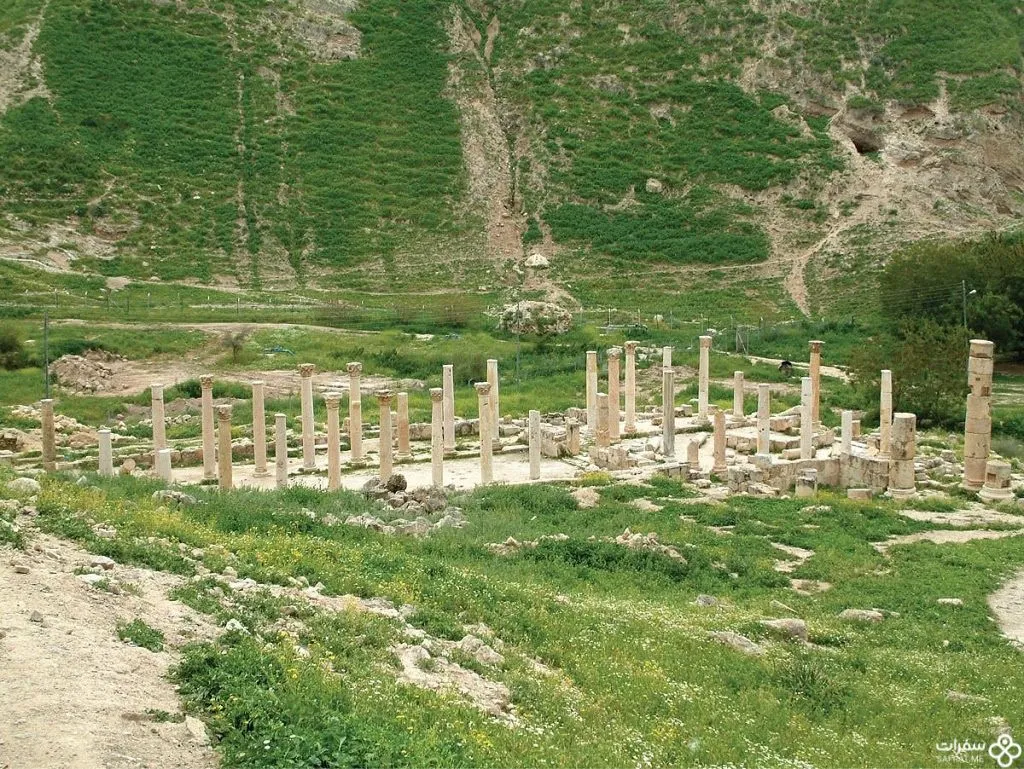
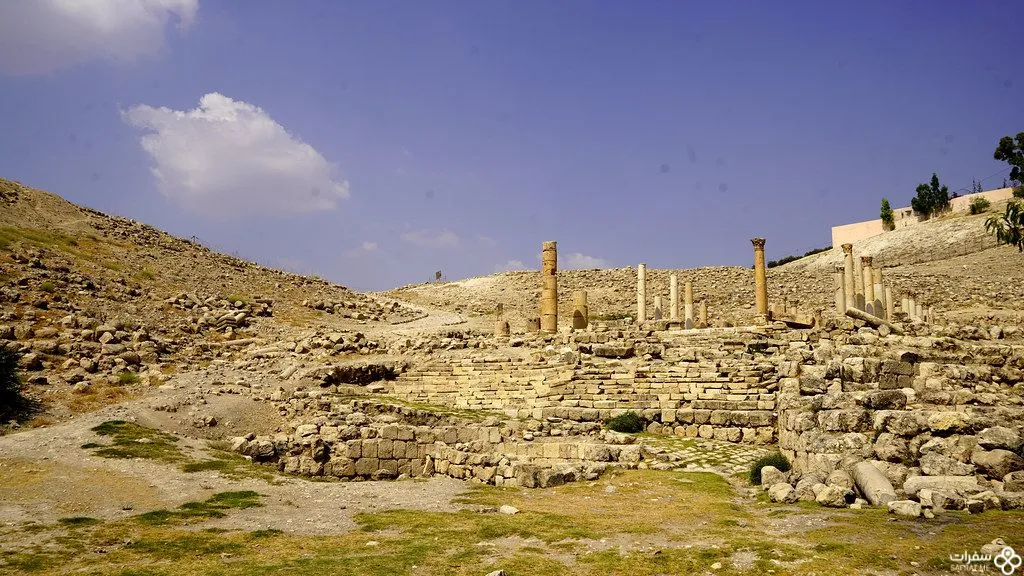
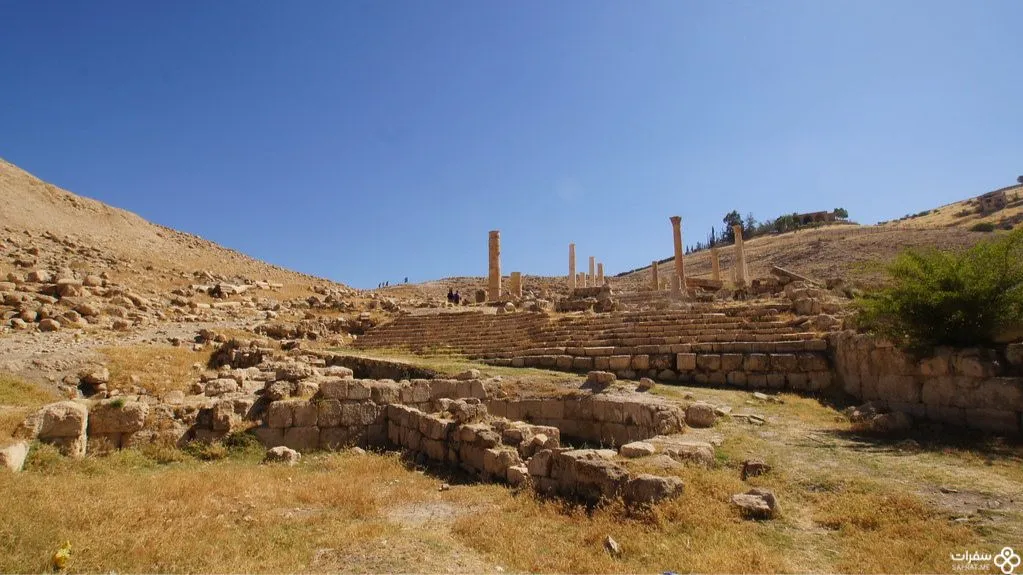
Tabaqat Fahl or the Site of Abila
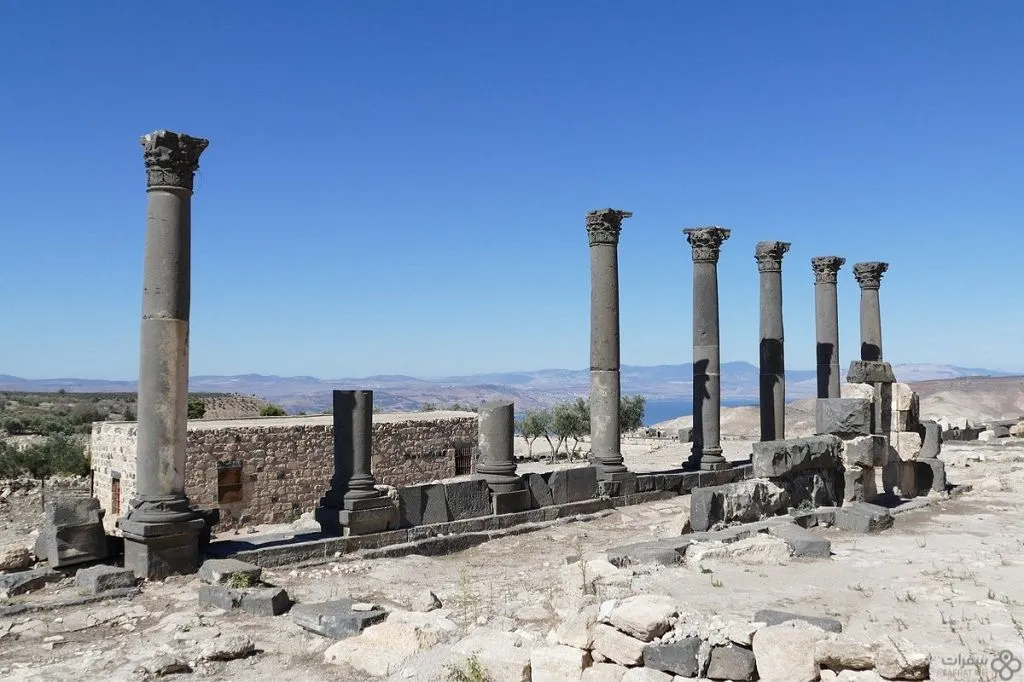
Tabaqat Fahl, or the site of Abila in the governorate of Erbil, is another area that attracts thousands of tourists every year.
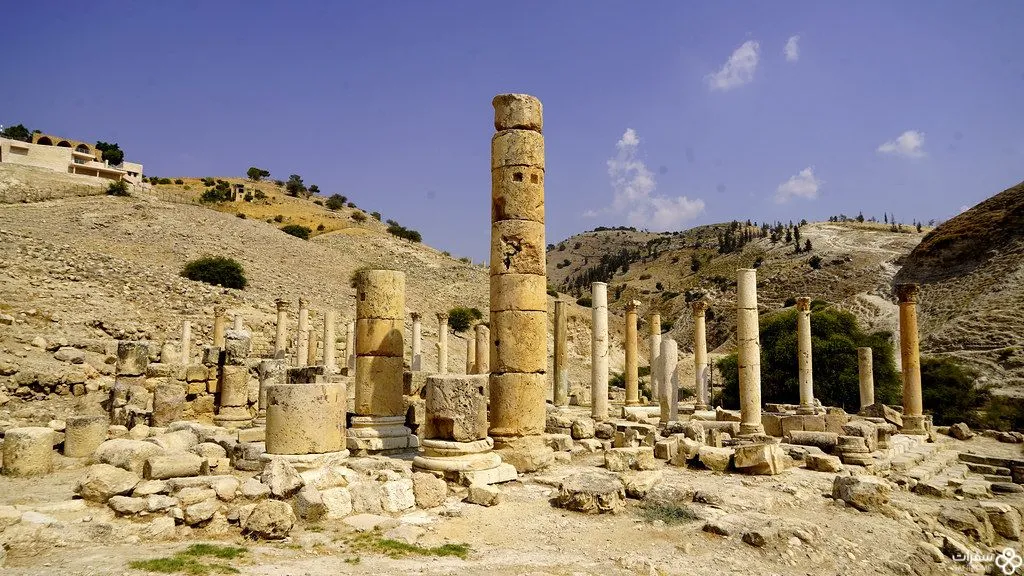
This area is located approximately 13 kilometres north of the Jordanian governorate of Erbil. The city of Abila possesses several fountains, three churches, amphitheatres, streets, and the remains of an Umayyad mosque.
This city was named Pella after the birthplace of Alexander the Great in Macedonia. The many columns that have survived from this city at varying heights, as well as the remains of palaces and chambers, are still visible. The city of Pella, or Abila — also known as Tabaqat Fahl — is distinguished by the succession of different civilisations that passed through it.
For more official information about destinations in Jordan, you can refer to the official website of the Jordan Tourism Board.